The kitchen and dining areas have always served as the heart of the home, but this year, they are undergoing a remarkable transformation. We are moving away from purely utilitarian spaces and embracing a profound sense of luxury, premium materiality, and bespoke design. If you are looking to elevate your culinary environment, understanding these top trends is absolutely essential. Whether you are planning a complete renovation or simply seeking to refresh your decor with high-end touches, these insights will guide you toward creating a breathtaking interior that marries function with undeniable elegance. The intersection of culinary art and interior design has never been more exciting, and the focus is entirely on crafting spaces that feel tailored, expansive, and deeply welcoming. Let us dive into the trends that are redefining luxury living.
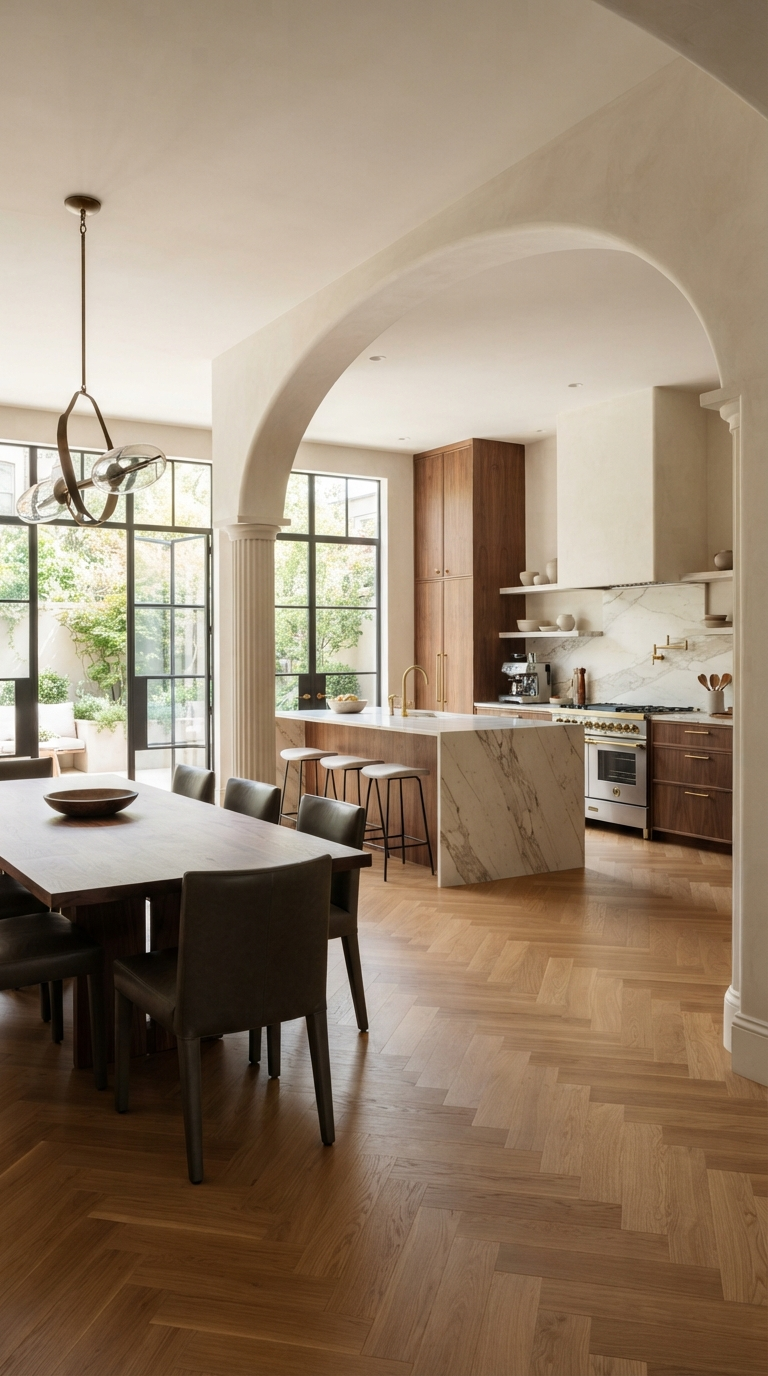
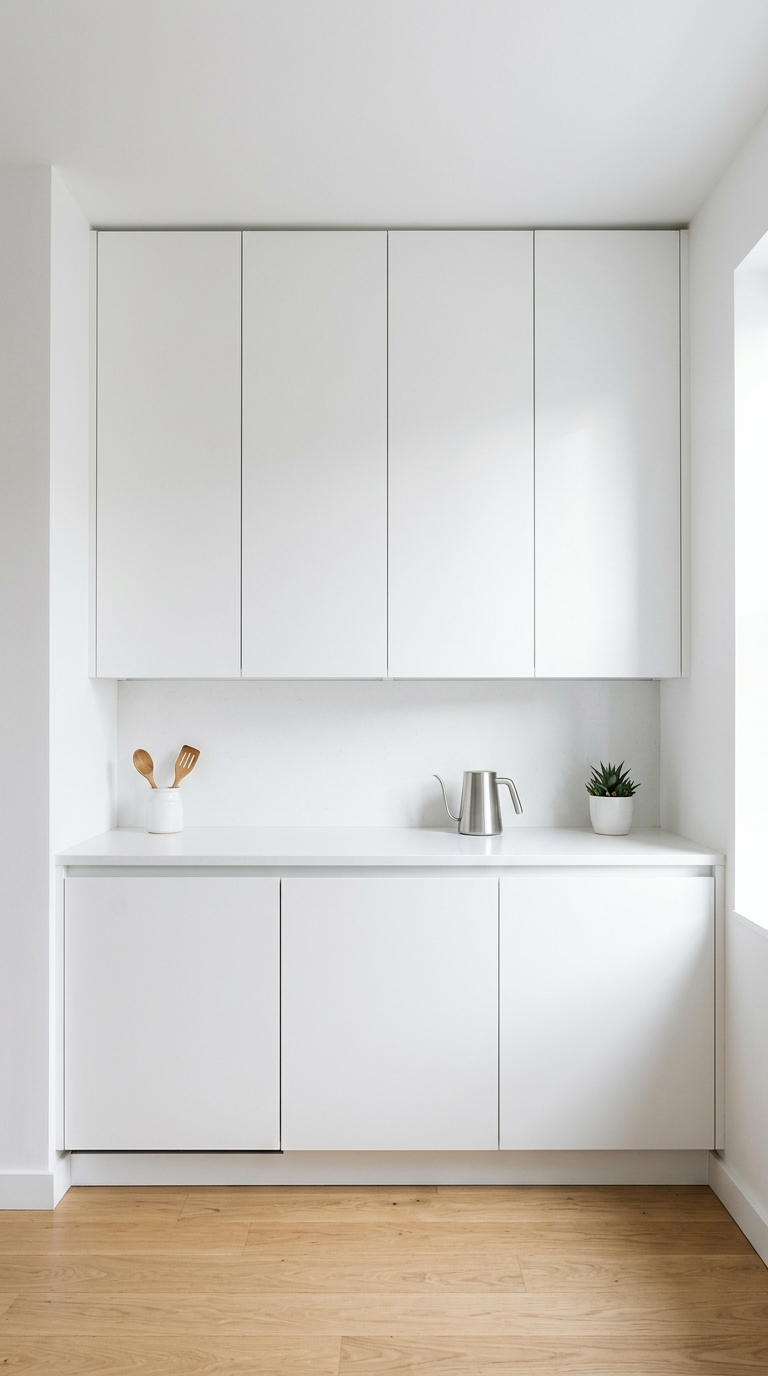
One of the most significant shifts we are observing is the move toward seamless integration. Luxury is no longer just about showpiece items; it is about how effortlessly the kitchen blends with the dining space and the rest of the home. This means hidden appliances, flush cabinetry, and continuous flooring that draws the eye seamlessly from the meal preparation area to the dining table. The psychological impact of a unified space cannot be overstated—it promotes a sense of calm, order, and expansive grandeur. Designers are increasingly using architectural elements like sweeping arches and custom millwork to subtly define zones without breaking the visual flow, creating an environment that feels both intimate and limitless.
The Rise of Natural, Statement Stone
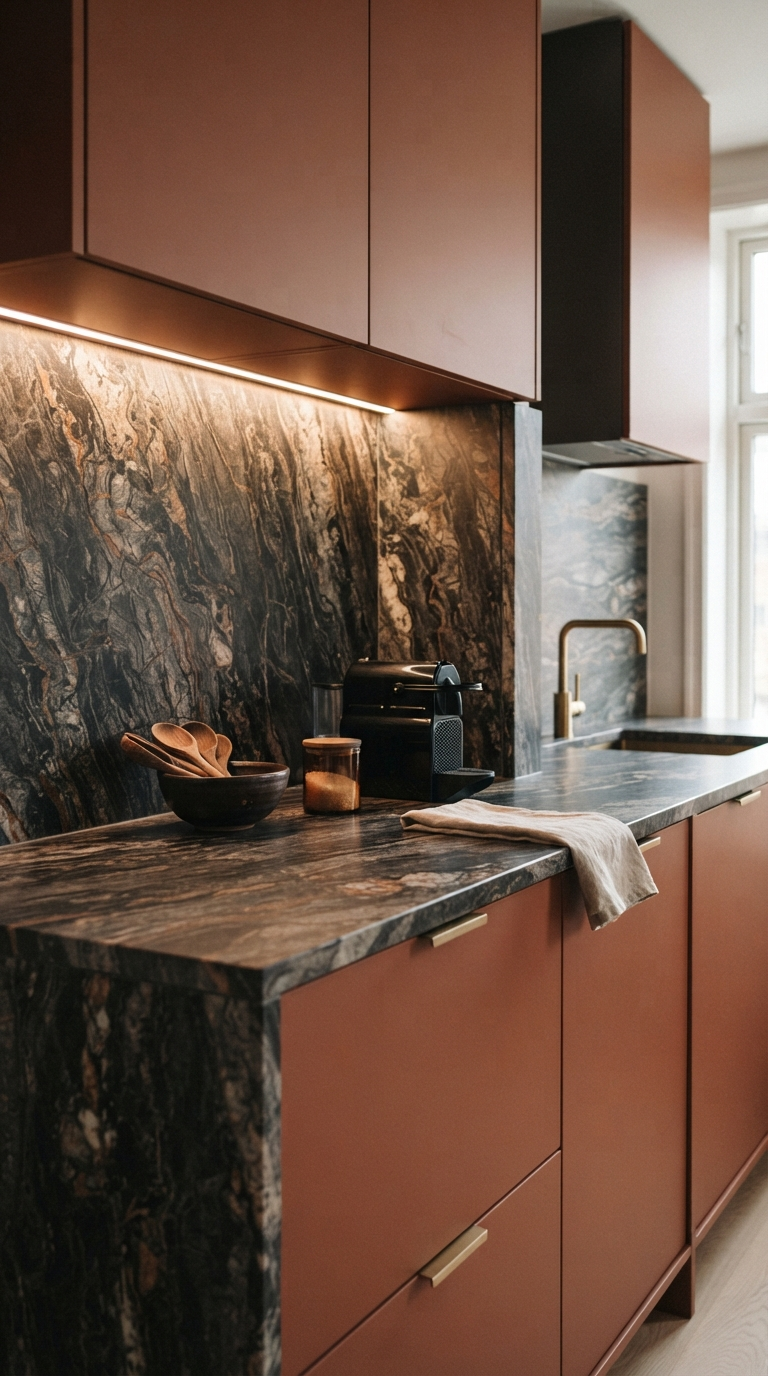
Gone are the days of understated, uniform countertops. This year, the focus is entirely on dramatic, highly veined natural stone. Think heavily patterned marble, striking quartzite, and deeply textural travertine. These materials are not just being used for countertops; they are extending up the walls as massive, continuous backsplashes, creating a stunning focal point that feels incredibly opulent. The beauty of natural stone lies in its uniqueness—no two slabs are ever exactly alike, ensuring that your kitchen is a truly one-of-a-kind masterpiece. This trend celebrates the raw, unyielding beauty of the earth, brought into the pristine environment of a luxury home.
When incorporating statement stone, it is crucial to let the material do the talking. The surrounding cabinetry should ideally be understated—perhaps a rich, warm wood tone or a deeply saturated, matte color that complements rather than competes with the stone’s veining. Lighting plays a vital role here as well; carefully positioned LED strips under upper cabinets can highlight the intricate details of a stone backsplash, turning it into a glowing piece of art during the evening hours. This commitment to premium materials extends to the dining area, where large, solid stone dining tables are becoming a coveted centerpiece, anchoring the room with their substantial presence and enduring elegance.
Artisanal and Bespoke Lighting Fixtures
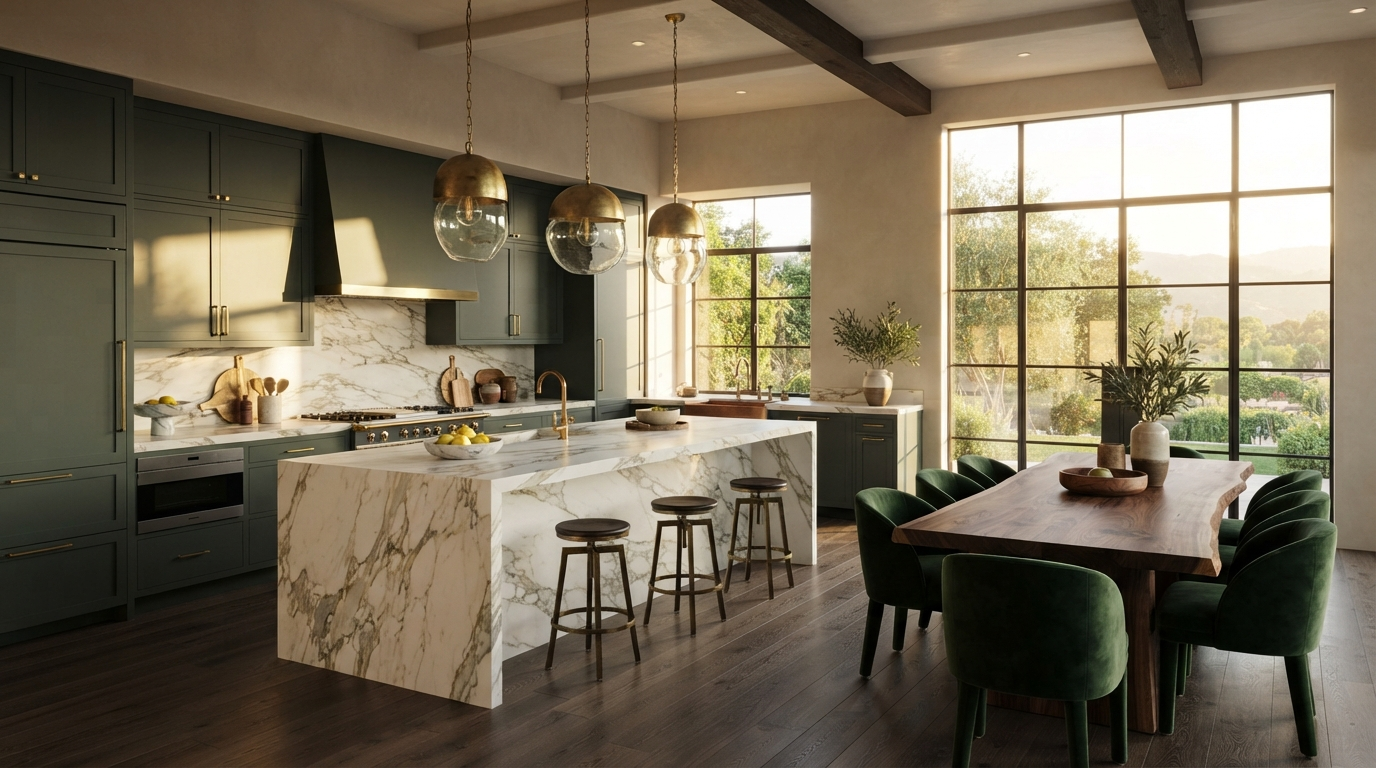
Lighting in the kitchen and dining room has transcended its functional purpose to become a primary avenue for artistic expression. We are seeing a distinct shift away from generic, mass-produced pendants towards artisanal, handcrafted fixtures that command attention. Think large-scale, sculptural pieces made from hand-blown glass, unlacquered brass, and even intricately woven natural fibers for a touch of organic luxury. Over the dining table, the chandelier is no longer just a source of illumination; it is the crowning jewel of the room, dictating the mood and elevating the entire dining experience.
In the kitchen, lighting is being layered with expert precision. Beyond the essential task lighting, designers are incorporating ambient lighting to soften the space. Picture glowing pendants over an expansive island, paired with subtle, warm sconces flanking the range hood. The key is to create a dynamic lighting scheme that can transition effortlessly from bright, practical illumination for cooking to a dim, moody glow for entertaining. This attention to atmospheric detail is a hallmark of luxury design, ensuring the space feels inviting and perfectly suited to any occasion, whether it is a quiet morning coffee or a grand evening dinner party.
Warm, Enveloping Color Palettes
The stark, all-white kitchen, while classic, is making way for richer, more enveloping color palettes. Luxury homes are embracing warmth and depth, utilizing colors that evoke a sense of comfort and grounding. We are seeing a surge in deep, muddy greens, rich terracottas, warm taupes, and luxurious burgundies. These colors are often applied in a monochromatic fashion, sweeping across cabinetry, walls, and even the ceiling to create a cozy, jewel-box effect. This approach to color adds instant character and a sense of historic permanence to even the newest of builds.
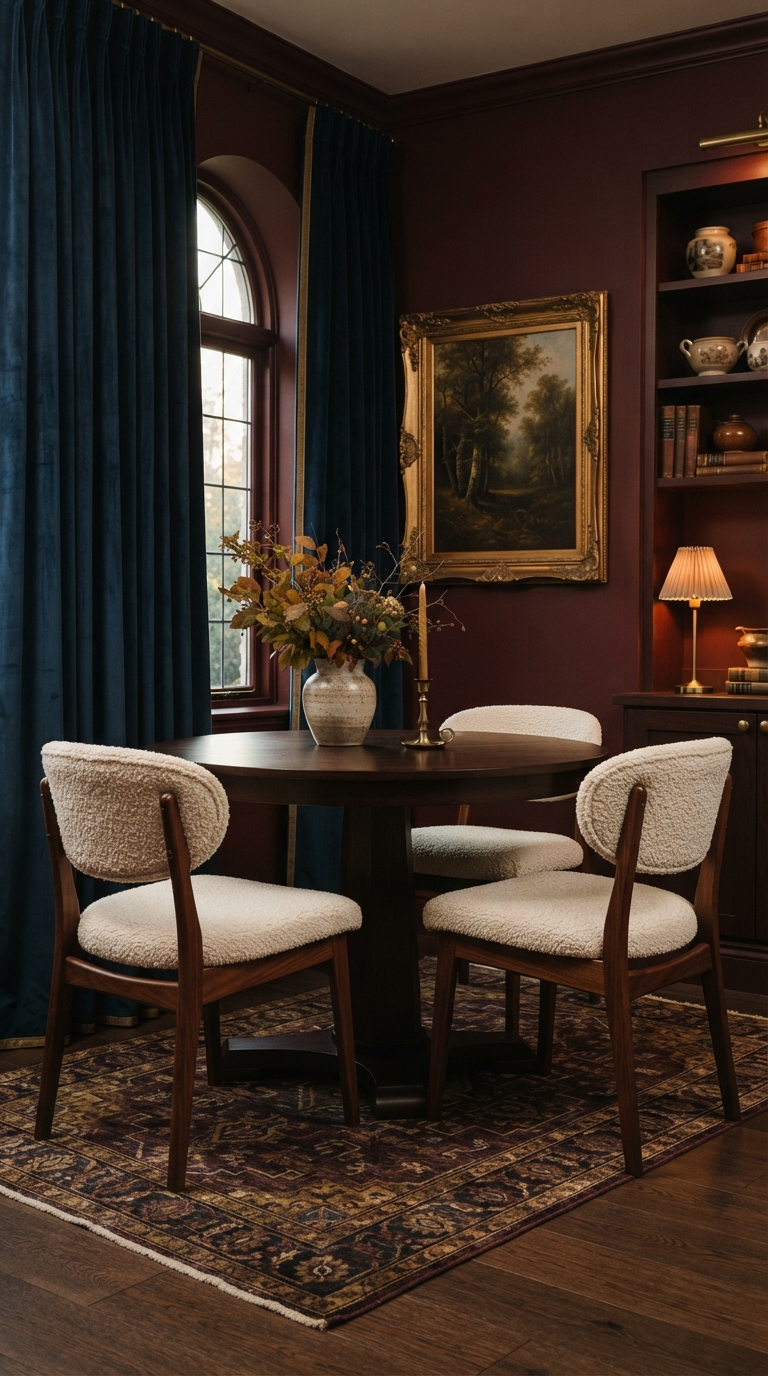
When adopting these richer hues, texture becomes incredibly important. A matte finish on deeply colored cabinets absorbs light, creating a velvety, sophisticated look, while high-gloss finishes can add a touch of glamour and reflect light around the room. In the dining area, this trend translates to richly upholstered dining chairs in tactile fabrics like velvet or bouclé, paired with heavy, draped window treatments that soften the acoustics and add a layer of theatrical elegance. The goal is to create spaces that feel like a warm embrace, encouraging guests to linger long after the meal has finished.
The Butler’s Pantry as a Secondary Kitchen
In the realm of luxury kitchen design, the ultimate status symbol this year is the fully equipped butler’s pantry, often referred to as a ‘scullery’ or ‘dirty kitchen’. This is not merely a storage closet; it is a secondary, hidden workspace designed to keep the main kitchen pristine. These expansive pantries feature their own sinks, dishwashers, ample counter space for small appliances, and extensive open shelving. By relocating the messy prep work and the hum of appliances to this hidden zone, the main kitchen remains an immaculate, serene space dedicated purely to presentation and entertaining.
Designing a butler’s pantry requires careful consideration of flow and functionality. It must be easily accessible from both the main kitchen and the dining room, allowing for seamless service during dinner parties. Aesthetically, the pantry often mirrors the luxury of the main kitchen but perhaps with slightly more utilitarian, yet still premium, materials. Think custom walnut shelving, durable quartz countertops, and intricate tile flooring. It is the perfect place to house a dedicated coffee station, a juice prep area, and all the specialized equipment a modern culinary enthusiast could desire, keeping the primary visual space clean and uncluttered.
Sustainable and Biophilic Design Elements
True luxury today is inherently tied to sustainability and a connection to the natural world. Biophilic design, which seeks to connect indoor spaces with nature, is profoundly influencing kitchen and dining trends. This manifests in the extensive use of natural, sustainable materials like reclaimed wood, bamboo, and eco-friendly plasters. Furthermore, we are seeing an emphasis on maximizing natural light through massive, floor-to-ceiling windows and skylights that blur the boundary between indoors and outdoors. The integration of living elements, such as large-scale indoor trees or dedicated herb walls, brings vitality and fresh air into the culinary environment.
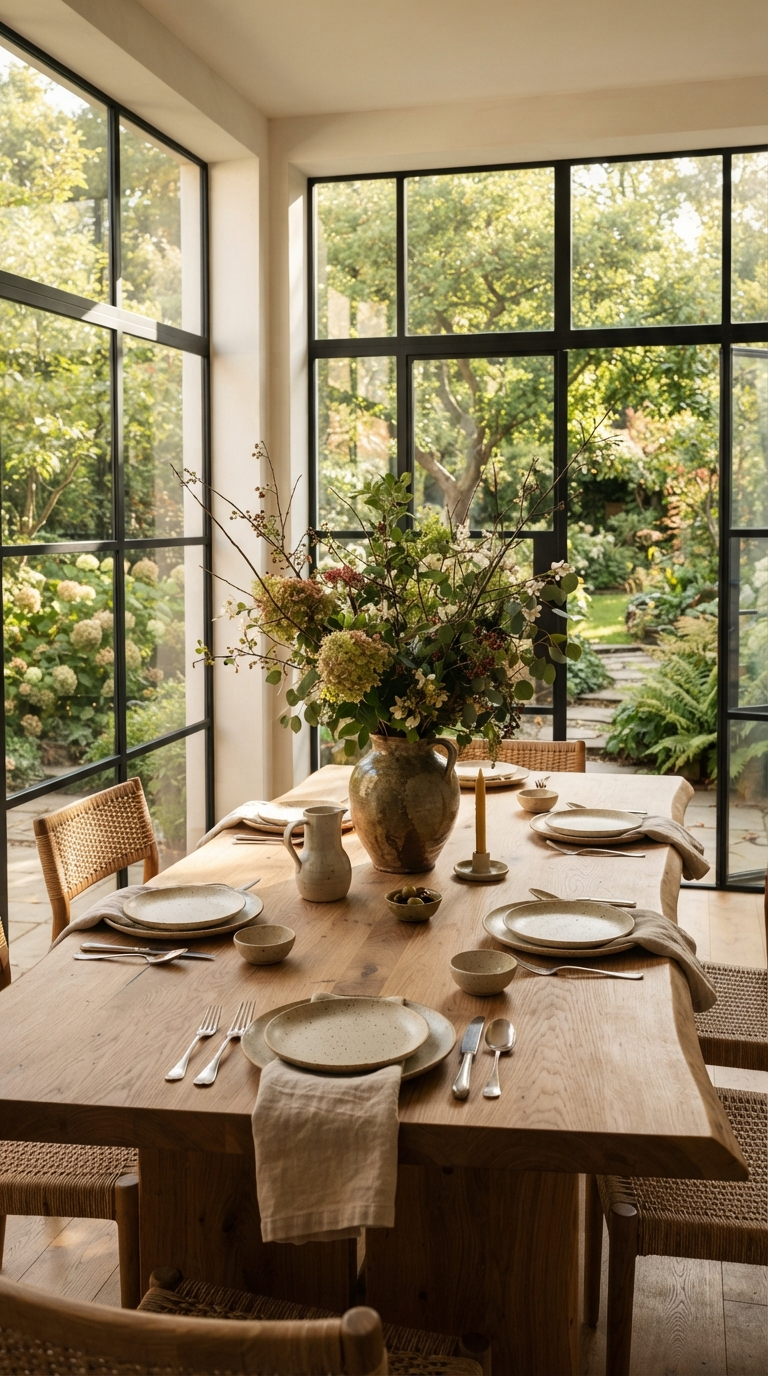
In the dining space, biophilic design encourages tablescapes that celebrate nature—think centerpieces of wildly arranged, seasonal branches and natural linen napkins. The furniture itself often features organic, curved shapes rather than harsh, angular lines, mimicking the forms found in nature. This approach not only creates a visually stunning environment but also promotes a profound sense of well-being and tranquility. It is a mindful approach to luxury that recognizes the importance of our environment, ensuring that the spaces we create are not only beautiful but also healthy, sustainable, and deeply attuned to the natural world around us.
Conclusion: Crafting Your Culinary Masterpiece
Elevating your kitchen and dining areas to premium, luxury standards is an investment in both your property and your daily quality of life. By embracing dramatic natural stones, artisanal lighting, warm palettes, and the highly functional concept of a secondary prep space, you create an environment that is as breathtaking as it is practical. Remember that true luxury is not just about expensive materials; it is about thoughtful design, flawless execution, and a space that perfectly caters to your unique lifestyle. As you embark on your design journey, keep these trends in mind, but always prioritize what makes the space feel genuinely welcoming and beautiful to you. The ultimate luxury is a home that tells your story flawlessly.
Are you making these common small kitchen decor mistakes? Learn how to maximize your layout, optimize storage, and create a beautiful, highly functional space.
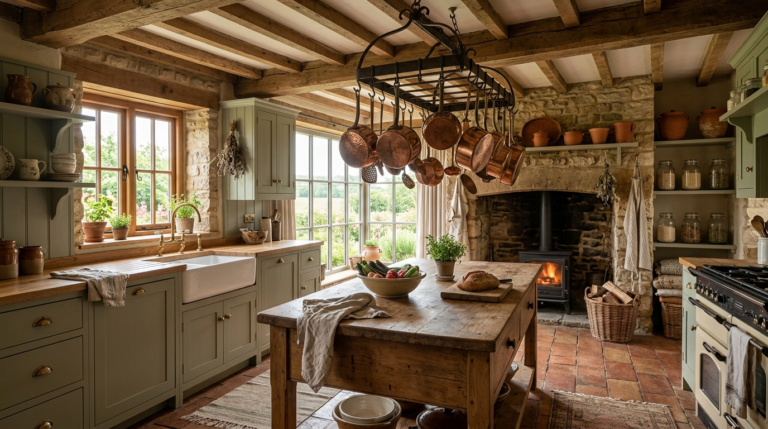
Step-by-step guide to creating your dream traditional kitchen with cozy rustic elements. Learn about materials, color schemes, cabinetry, and details for a warm hearth.
Explore the enduring beauty of rustic and traditional kitchens. From reclaimed wood beams to vintage accents, learn how to craft a warm, welcoming space.
Discover 15 cozy elements to create a timeless rustic kitchen. From reclaimed wood beams to copper accents, learn how to design a traditional cooking space.
Avoid costly design errors in your small kitchen. Uncover 14 practical layout mistakes, storage fixes, and lighting tricks that instantly open up tight spaces.
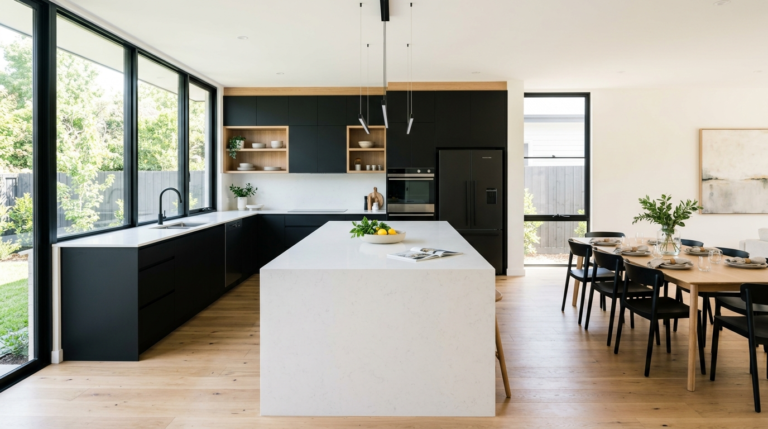
Transform your cooking space with these cutting-edge modern kitchen ideas. From minimalist cabinetry to smart appliances, discover how to blend style and function.