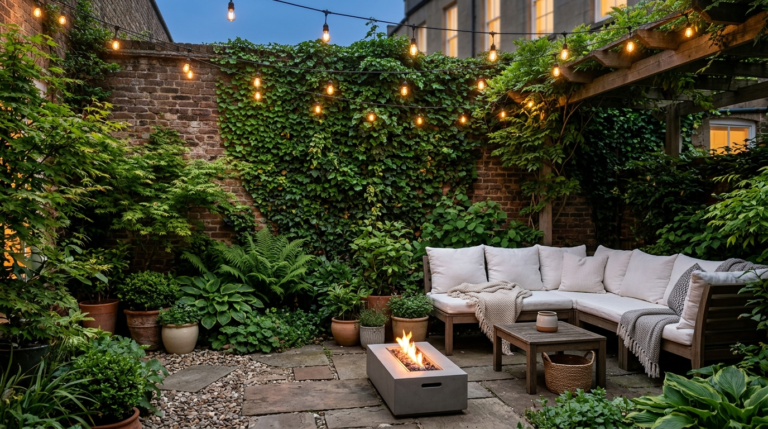
The Importance of Proper Garden PlanningCreating an outdoor oasis is a dream for many homeowners, but transforming a basic backyard into a stunning garden retreat requires more than simply buying beautiful plants and placing them randomly in the soil. Proper garden planning is the foundational element that dictates the long-term success, health, and aesthetic appeal of your outdoor space. Many enthusiastic gardeners and DIY landscapers jump straight into the execution phase without understanding the complex ecological and spatial dynamics at play. This often leads to a disorganized, high-maintenance, and ultimately disappointing garden. By recognizing and avoiding common landscaping mistakes, you can save significant time, money, and frustration, ensuring that your outdoor living area flourishes year after year.The journey to a perfect garden begins with understanding the specific microclimates within your yard. Every property has unique characteristics, including variations in sunlight exposure, wind patterns, soil composition, and drainage. Ignoring these crucial environmental factors is a surefire way to compromise the vitality of your landscaping efforts. When you take the time to map out your garden, considering both the hardscaping elements like patios and pathways, and the softscaping components like trees, shrubs, and perennials, you create a cohesive design that feels intentional and harmonious. This comprehensive guide will walk you through the seven most critical outdoor garden landscaping mistakes and provide actionable solutions to help you cultivate the backyard of your dreams.
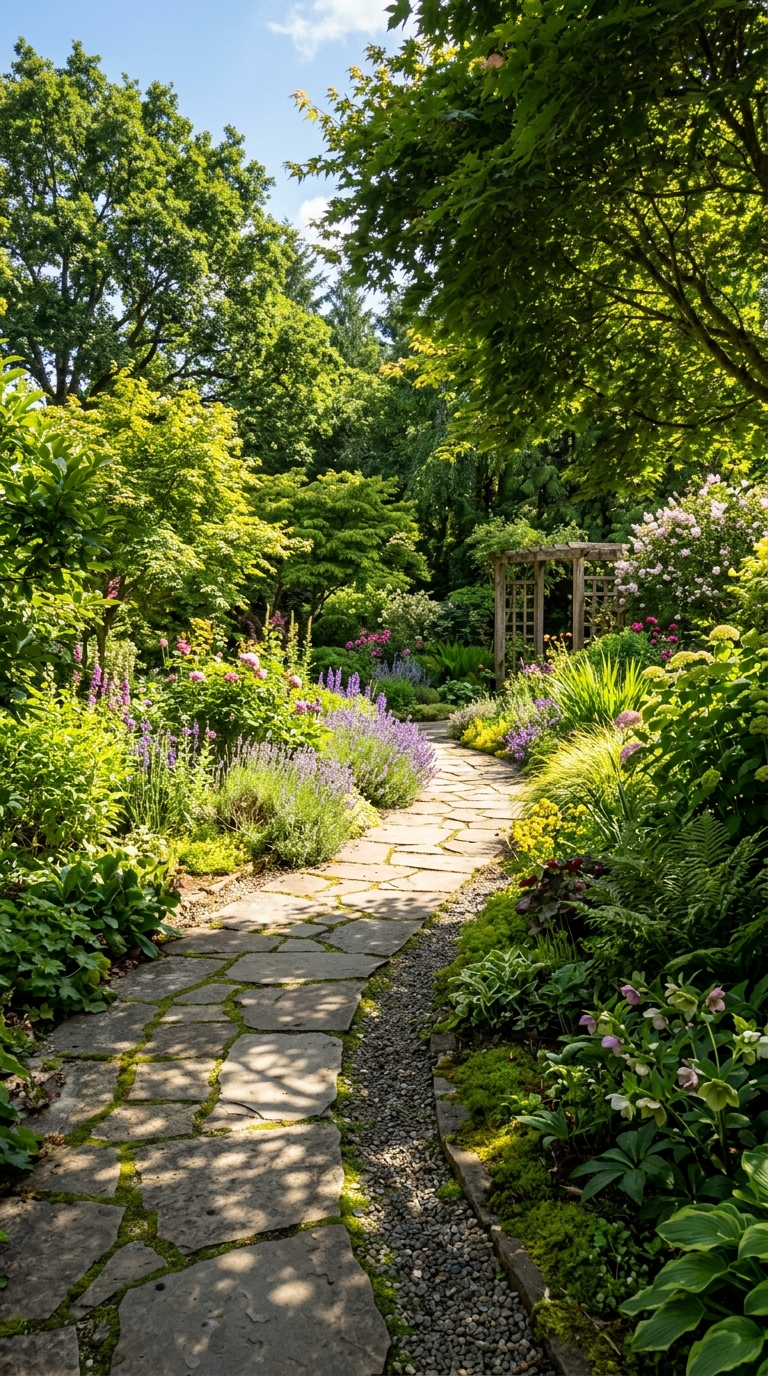
Mistake 1: Ignoring Sunlight and Shade PatternsOne of the most prevalent and detrimental mistakes in outdoor gardening is failing to accurately assess the sunlight and shade patterns in your yard. Plants are incredibly sensitive to light, and their requirements can vary dramatically from species to species. A common scenario involves a homeowner falling in love with a sun-loving plant, such as a vibrant lavender or a flourishing tomato vine, and planting it in a heavily shaded area simply because it ‘looks nice’ in that specific spot. The inevitable result is stunted growth, lack of blooms, and increased susceptibility to pests and diseases. Conversely, placing shade-tolerant plants like hostas or ferns in the scorching afternoon sun will lead to scorched leaves and swift decline.To avoid this costly error, it is essential to conduct a thorough light audit of your garden before making any planting decisions. Observe your yard at different times of the day—morning, noon, and late afternoon—and take notes on which areas receive full sun (six or more hours of direct sunlight), partial sun, partial shade, and full shade. Remember that these patterns will also shift throughout the seasons as the angle of the sun changes and deciduous trees gain or lose their leaves. By mapping these light zones, you can confidently select plants that are naturally adapted to the specific conditions of your garden, significantly increasing their chances of thriving and reducing the amount of artificial intervention required.
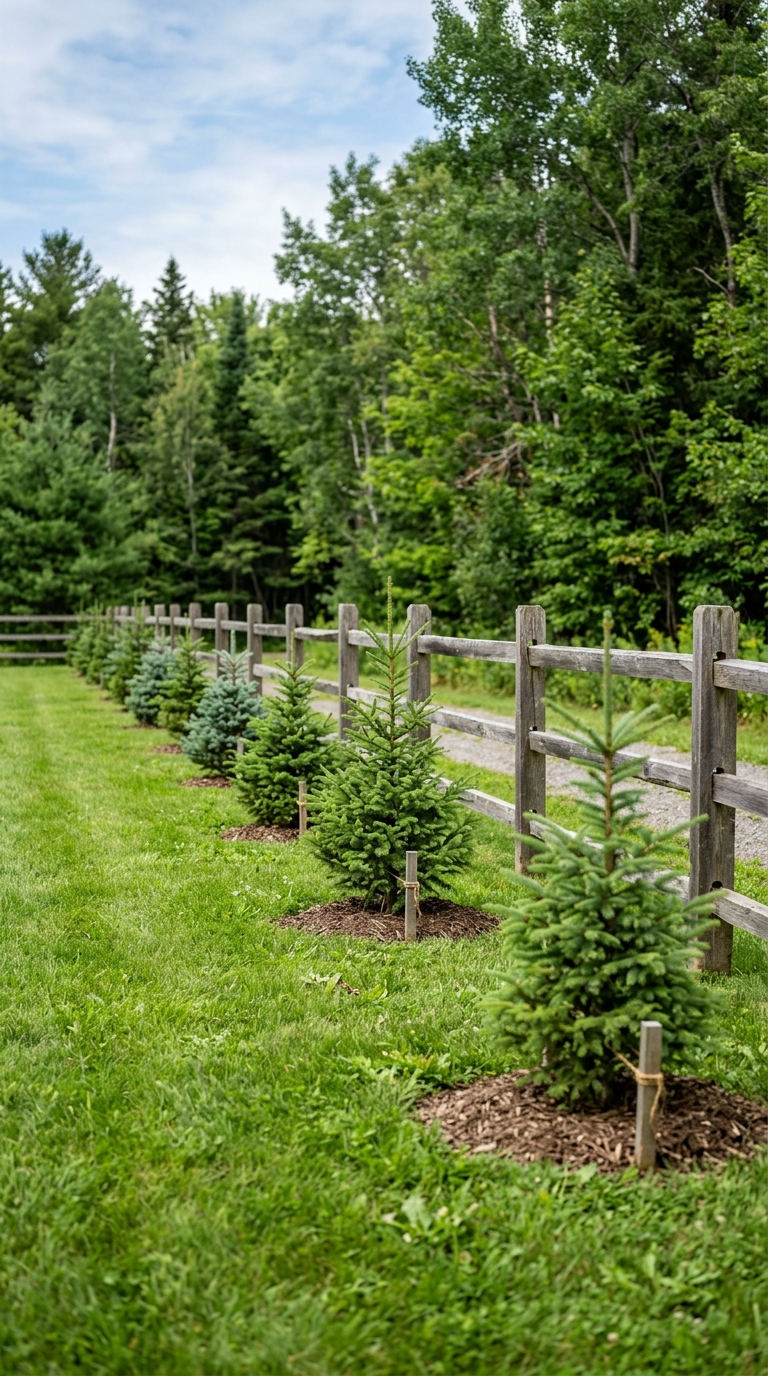
Mistake 2: Overcrowding Plants and TreesWhen visiting a nursery, it is easy to be tempted by the immediate gratification of a lush, dense planting arrangement. However, planting too closely together is a critical mistake that can have severe long-term consequences for your garden’s ecosystem. Young plants, especially trees and shrubs, look deceptively small in their nursery pots. Failing to account for their mature size—both in height and spread—leads to severe overcrowding within just a few growing seasons. As plants grow and their canopies intertwine, they begin to fiercely compete for vital resources, including sunlight, water, and soil nutrients.This fierce competition not only stunts the growth of the weaker plants but also creates an environment ripe for fungal diseases and pest infestations. Poor air circulation among densely packed foliage traps moisture, creating the perfect breeding ground for mildew and rot. To ensure the long-term health of your garden, always consult the plant tags or do preliminary research to determine the mature dimensions of every species you intend to plant. Space them according to their fully grown size, not their current juvenile state. While the garden may look slightly sparse in its first year, this strategic spacing will reward you with robust, healthy plants that have ample room to express their natural forms and beauty.
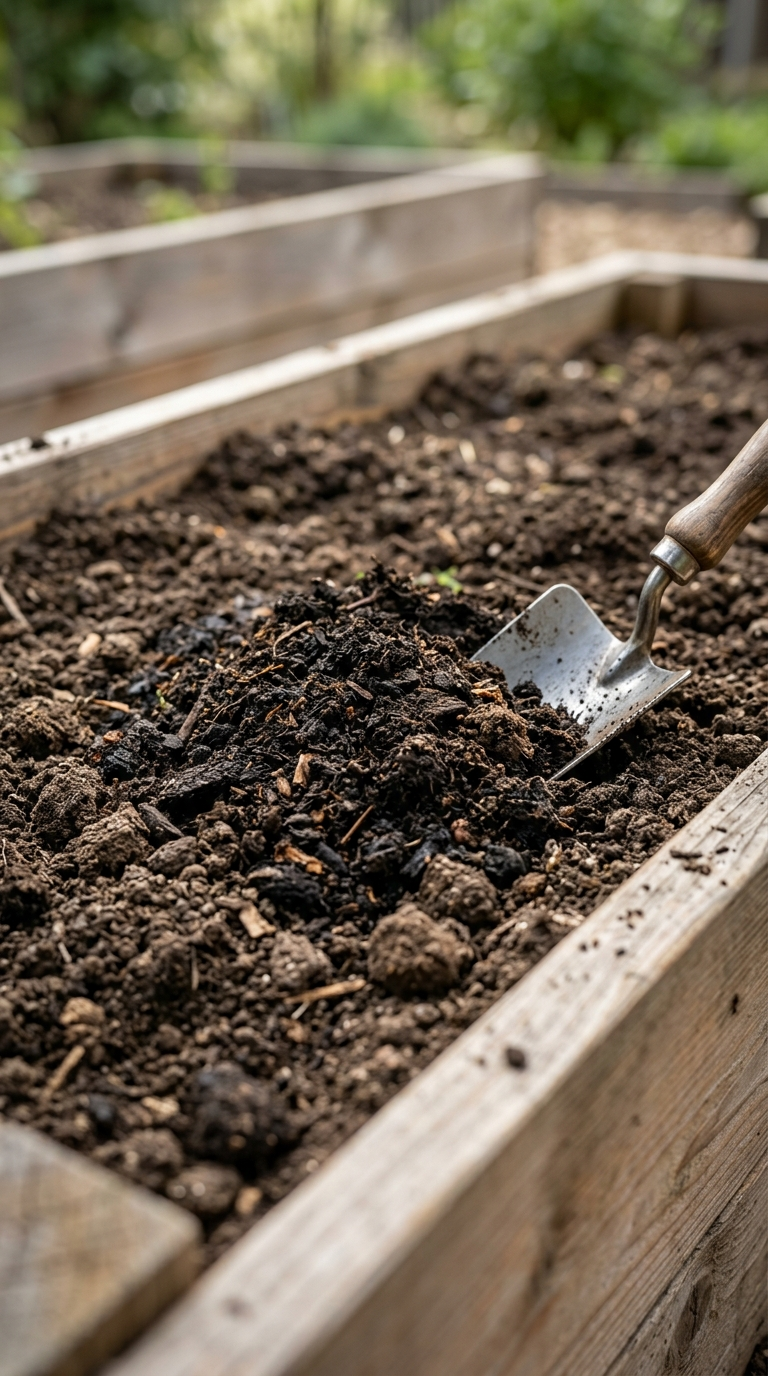
Mistake 3: Neglecting Soil Health and PreparationSoil is the lifeblood of any garden, yet it is astonishingly often treated as an afterthought. Many amateur landscapers simply dig a hole in the existing dirt, drop in a plant, and hope for the best. This approach completely ignores the complex biological and chemical makeup required to sustain robust plant life. Poor soil quality, whether it is heavy clay that suffocates roots and impedes drainage, or sandy soil that drains too quickly and fails to retain nutrients, is a primary culprit behind failing gardens. Healthy soil is a living ecosystem teeming with beneficial microorganisms, earthworms, and organic matter that work symbiotically to feed your plants.Before planting anything, you must invest time and effort into soil preparation. Start by conducting a soil test to determine its pH level and nutrient profile. This inexpensive test will reveal exactly what amendments are necessary to optimize your specific soil type. Incorporating generous amounts of high-quality organic matter, such as well-rotted compost, aged manure, or leaf mold, is universally beneficial. Organic matter improves soil structure, enhances moisture retention, promotes better drainage, and provides a slow-release source of essential nutrients. By prioritizing soil health, you are laying a strong, fertile foundation that will support the vigorous growth and resilience of your entire landscape.
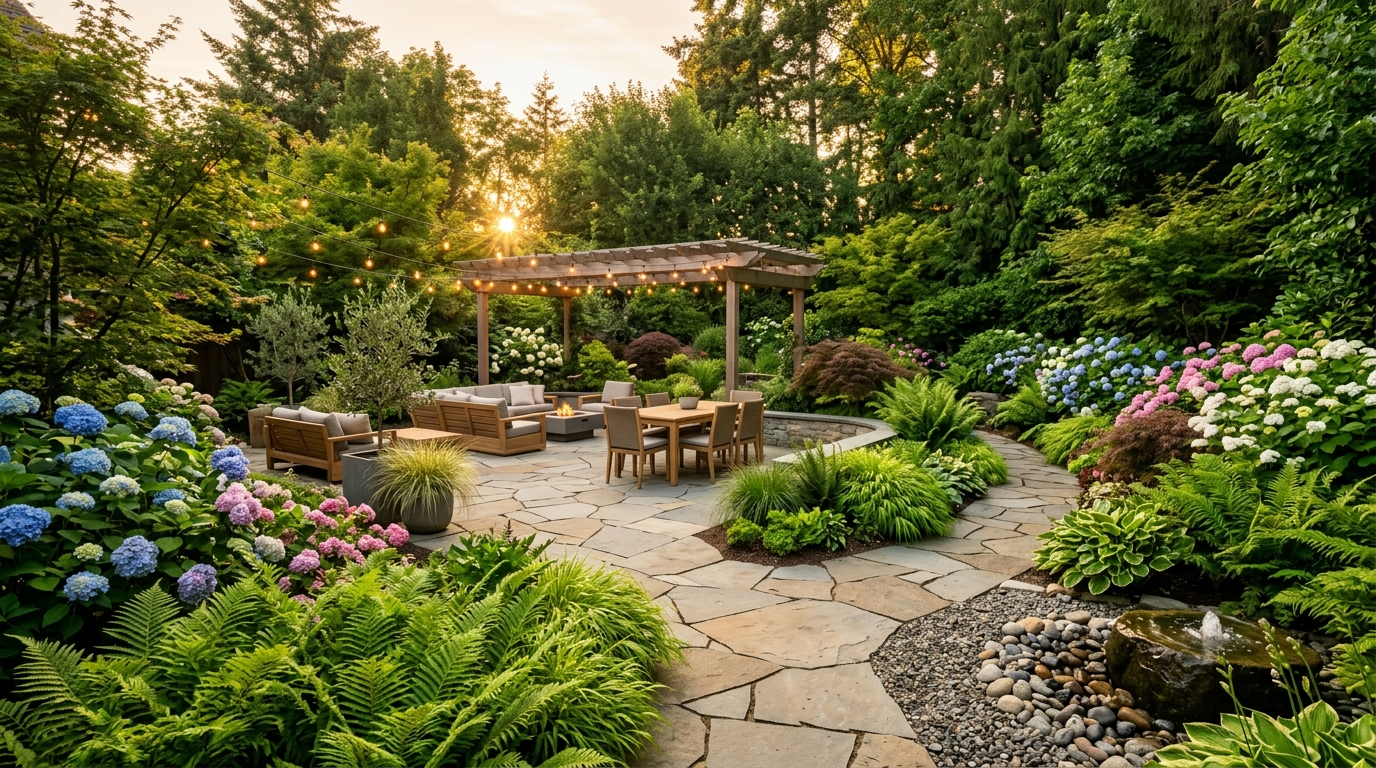
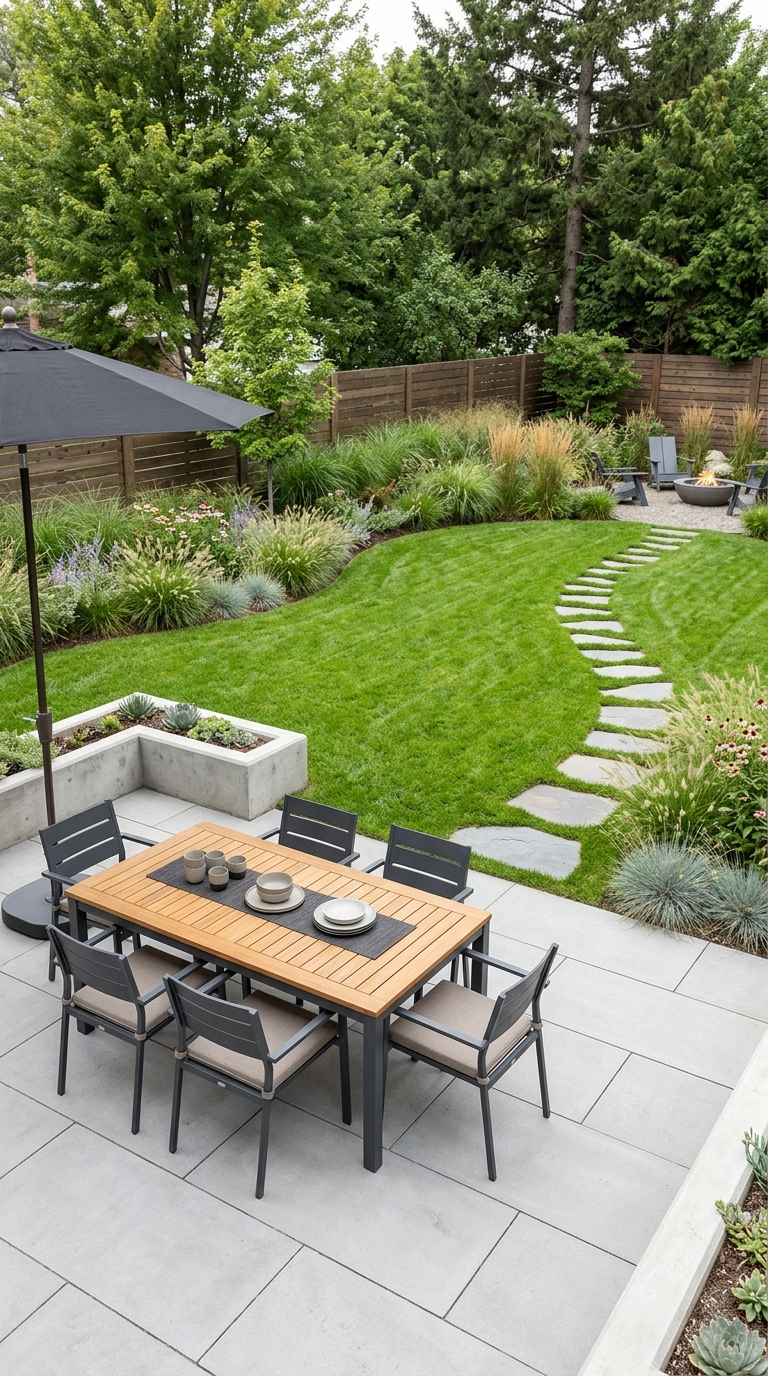
Mistake 4: Lacking a Cohesive Design PlanA beautiful garden is more than a random collection of pretty plants; it is a carefully orchestrated composition that relies on the principles of design, including balance, proportion, unity, and rhythm. A common mistake is buying plants piecemeal over time without a central vision, resulting in a chaotic, cluttered, and visually overwhelming landscape. This ‘hodgepodge’ approach lacks flow and fails to guide the eye through the outdoor space effectively. Without a cohesive design plan, hardscaping elements like patios, walkways, and retaining walls may clash with the surrounding vegetation, creating a disjointed aesthetic.To remedy this, spend time developing a master plan for your yard before breaking ground. Define the primary functions of your outdoor space: Do you want a tranquil zen garden for meditation, a vibrant space for entertaining guests, or a practical vegetable plot? Choose a specific design style—such as formal, cottage, modern, or xeriscape—and stick to a curated color palette and plant list that aligns with that aesthetic. Incorporate focal points, like a striking specimen tree, a water feature, or a piece of garden art, to anchor the design. By treating your garden as an extension of your home’s architecture and interior design, you can create a unified, harmonious environment that feels both purposeful and inviting.
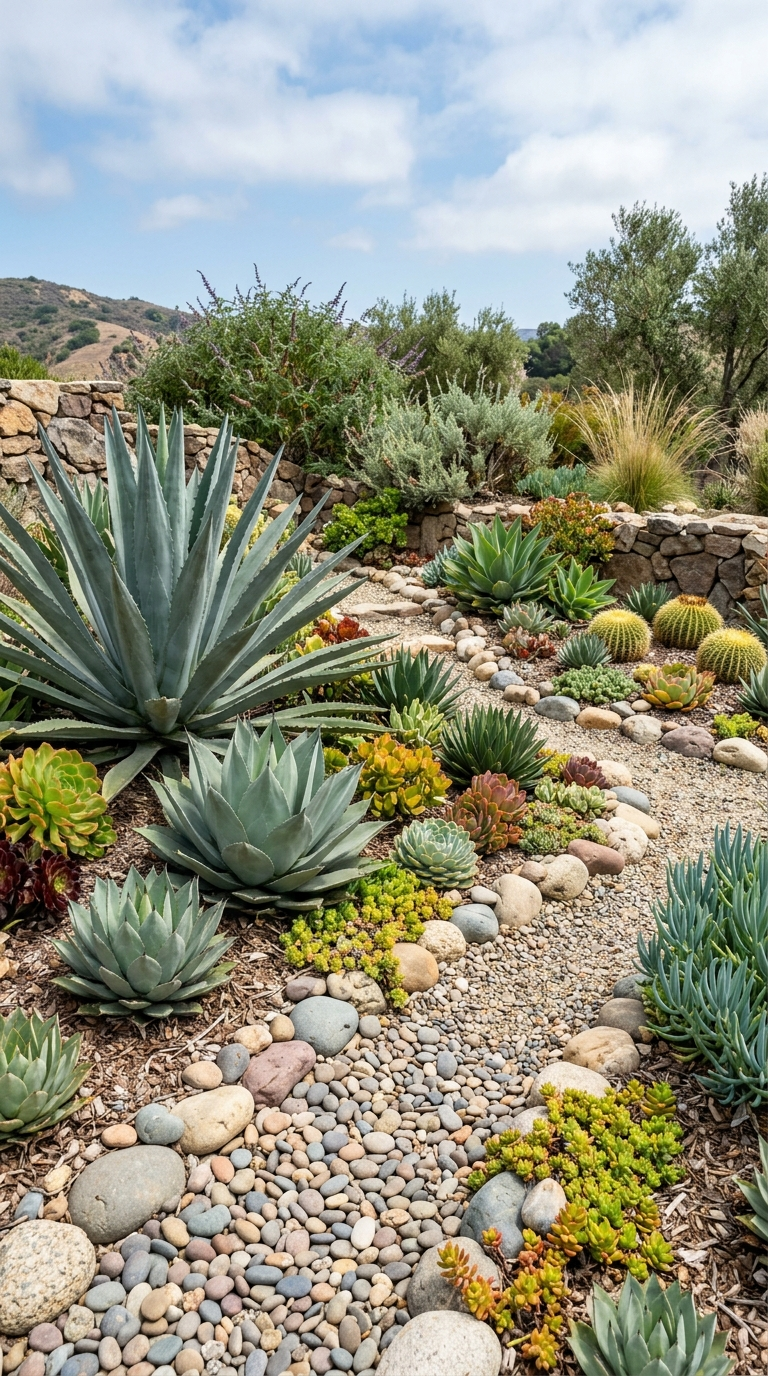
Mistake 5: Overlooking Maintenance RequirementsIt is incredibly easy to be seduced by the beauty of a complex, intricate garden design featured in a glossy magazine, only to discover later that keeping it looking pristine requires the equivalent of a full-time job. Failing to realistically assess the amount of time, energy, and resources you are willing to dedicate to garden maintenance is a recipe for frustration and eventual neglect. High-maintenance features like perfectly manicured lawns, extensive topiary, delicate exotic flowers, and intricate water gardens demand constant weeding, pruning, fertilizing, and troubleshooting.Honesty is crucial when planning your landscape. If you are a busy professional or simply prefer to spend your weekends relaxing rather than toiling in the dirt, you must design a low-maintenance garden. Opt for native plants, which are evolutionarily adapted to your local climate and naturally resistant to indigenous pests and diseases, significantly reducing the need for chemical interventions and excessive watering. Utilize mulch generously to suppress weeds, retain soil moisture, and regulate soil temperature. Consider replacing large swaths of demanding turf grass with attractive groundcovers, gravel, or expanded patio spaces. By aligning your garden’s design with your available maintenance bandwidth, you ensure that your outdoor space remains a source of joy rather than a stressful chore.
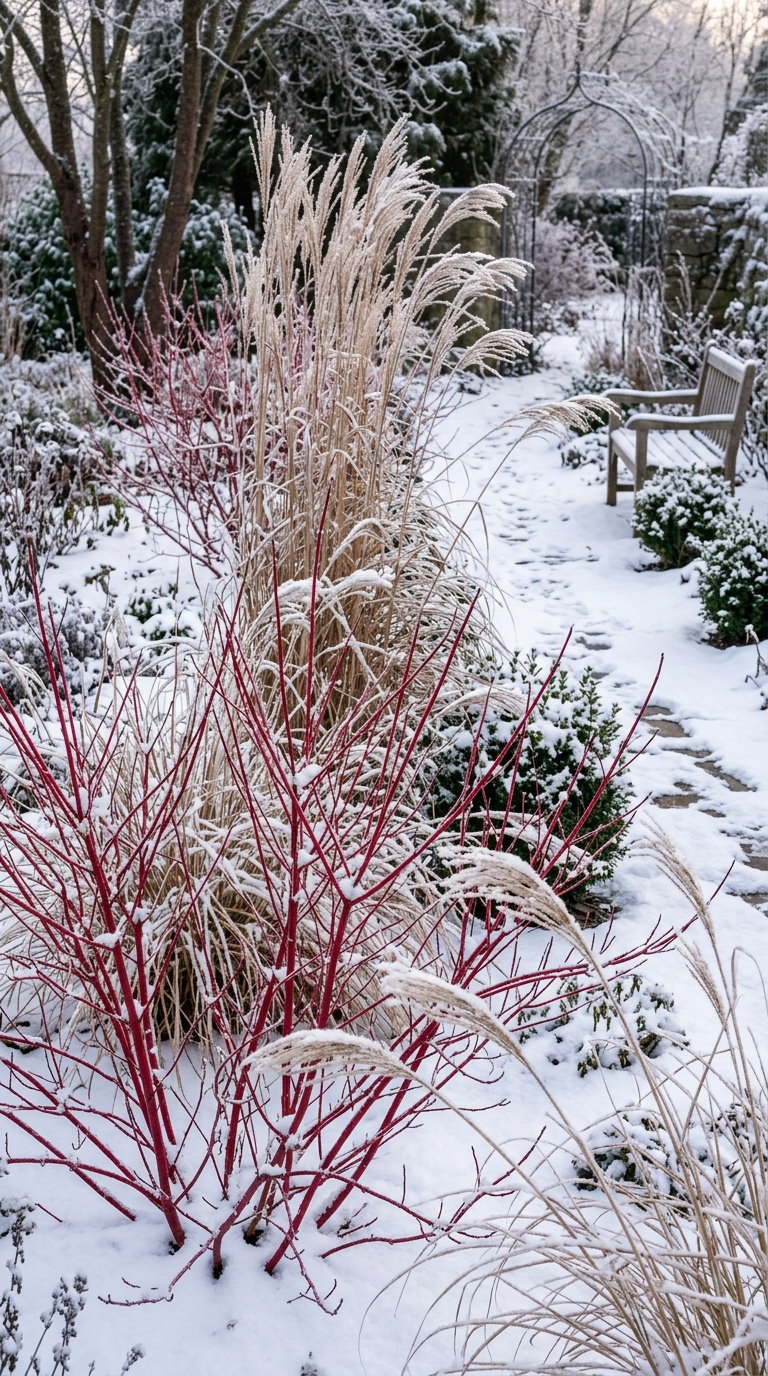
Mistake 6: Forgetting About Winter InterestA truly spectacular garden provides visual appeal throughout all four seasons, yet many landscapers focus exclusively on the explosive blooms of spring and the lush greenery of summer. When the first frost arrives and deciduous trees drop their leaves, a garden designed only for the warmer months can suddenly transform into a barren, bleak, and uninviting expanse of brown stems and bare dirt. Neglecting winter interest is a missed opportunity to enjoy the subtle, structural beauty of the colder seasons.To create year-round appeal, deliberately incorporate evergreens, both broadleaf and coniferous, to provide a permanent backbone of structure and color. Consider planting shrubs with striking, colorful bark, such as red twig dogwood, or trees with interesting peeling bark textures like birch or paperbark maple. Leave the dried seed heads of ornamental grasses and robust perennials like coneflowers standing through the winter; not only do they catch the frost and snow beautifully, adding architectural interest to the landscape, but they also provide vital food and habitat for overwintering birds and beneficial insects. By designing with all four seasons in mind, your garden will remain a captivating and dynamic space, even in the depths of winter.Conclusion: Cultivating Your Perfect SpaceLandscaping is both an art and a science, requiring patience, observation, and a willingness to learn from your environment. By avoiding these common mistakes—ignoring sunlight, overcrowding, neglecting soil, lacking design, underestimating maintenance, and forgetting winter interest—you can dramatically elevate the quality and longevity of your outdoor spaces. Take the time to plan thoughtfully, respect the natural conditions of your site, and choose the right plants for the right places. With careful preparation and mindful execution, your garden will evolve into a resilient, thriving, and breathtaking sanctuary that you can enjoy for decades to come.
Elevate your backyard with these fifteen stunning outdoor dining ideas. Discover elegant layouts, durable furniture, and beautiful lighting for any patio.
A complete guide on transforming your backyard by expertly selecting, installing, and styling spectacular swimming pools and architectural water features.
Step into a whimsical and imaginative narrative exploring how to craft a magical outdoor garden retreat. Discover plants, lighting, and hidden corners.
Step into world-class backyard sanctuaries. Explore breathtaking swimming pool designs, cascading waterfalls, and architectural water elements for ultimate luxury.
Maximize your outdoor space with these brilliant and cozy design strategies. Learn how to turn any small patio or garden into a lush, private oasis this season.