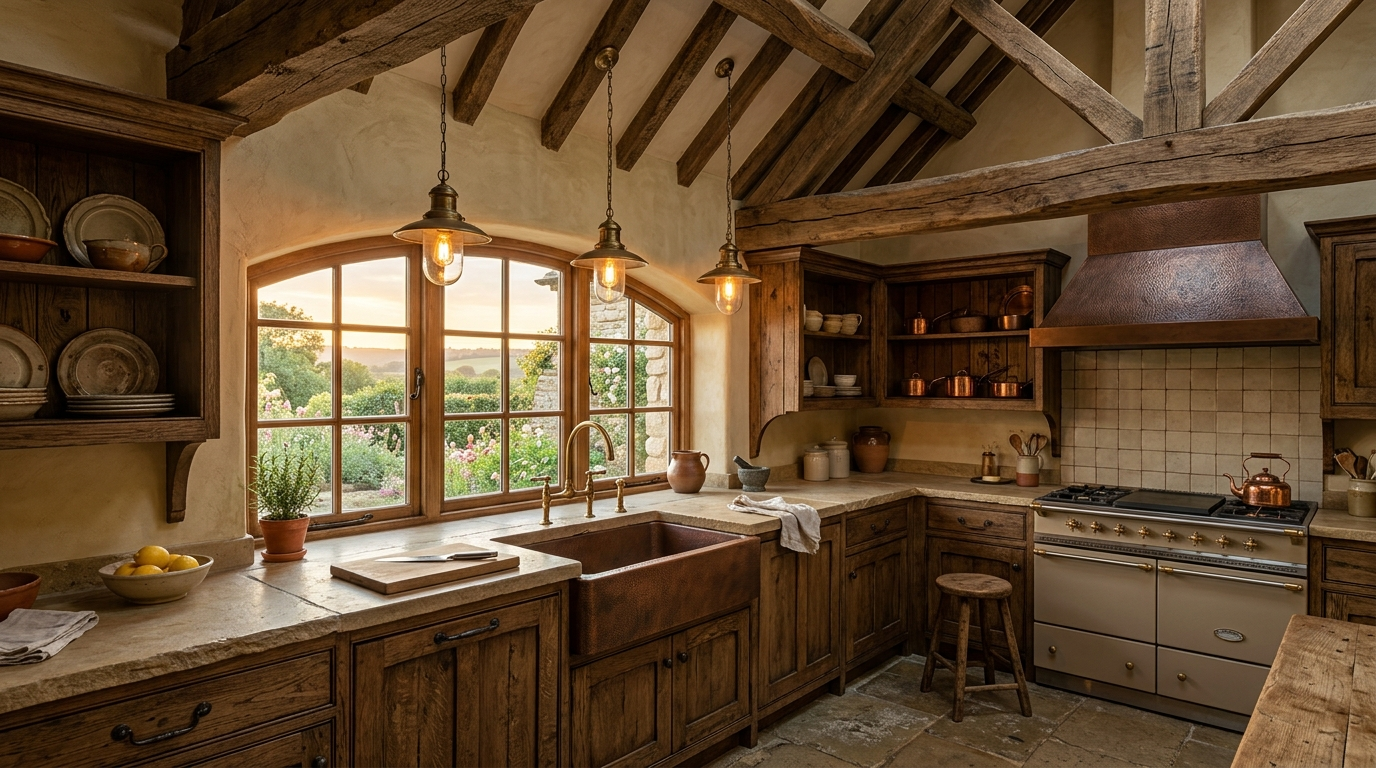
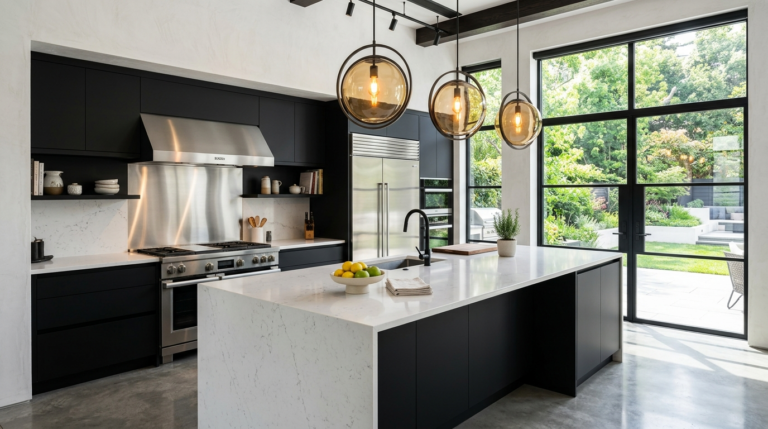
There is an undeniable magic to rustic and traditional kitchens. They are the heart of the home, offering a warm, inviting embrace that modern, ultra-minimalist designs sometimes lack. If you have ever dreamt of a space filled with the aroma of freshly baked bread, where family gathers around a massive wooden island, and where every scratch on the floorboards tells a story, then the rustic aesthetic is calling your name. Transforming a sterile culinary space into a stunning rustic haven requires a delicate balance of textures, colors, and timeless architectural elements.The foundation of a traditional and rustic kitchen relies heavily on the authenticity of its materials. We are talking about reclaimed wood, natural stone, wrought iron, and deep, resonant color palettes that echo the beauty of nature. But achieving this look does not mean sacrificing modern convenience; it is entirely possible to integrate state-of-the-art appliances seamlessly into a vintage-inspired environment. In this comprehensive guide, we will explore sixteen detailed, actionable ideas to help you infuse your kitchen with that coveted rustic charm, ensuring it remains both functional and fabulously beautiful for generations to come.
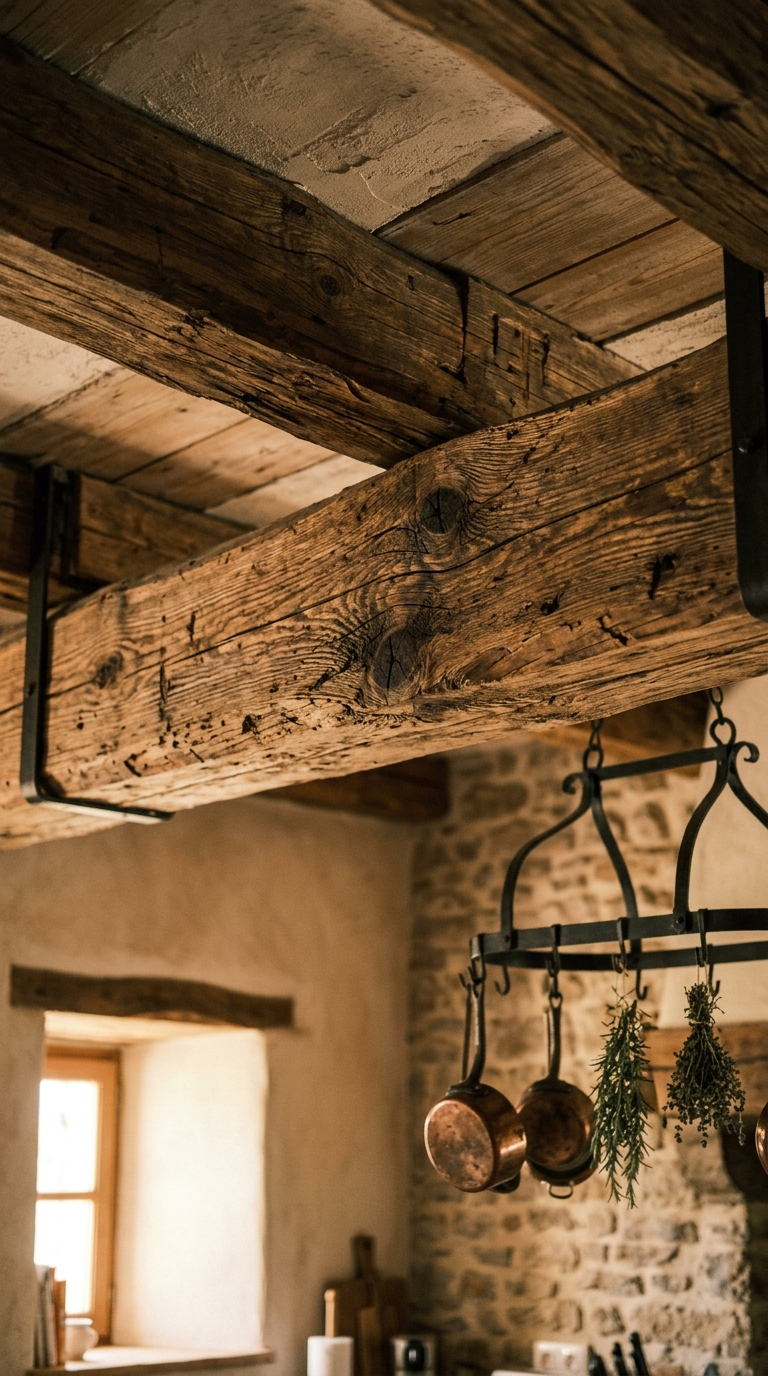
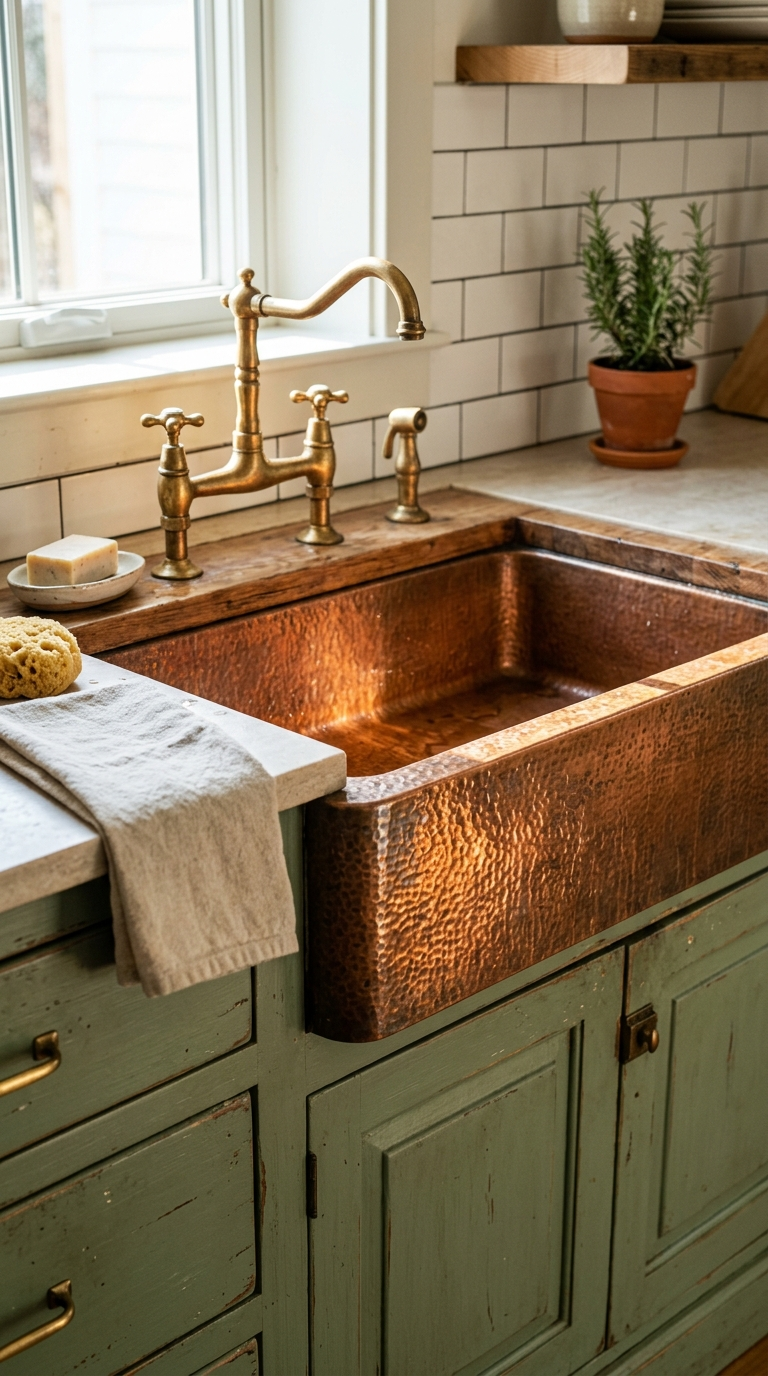
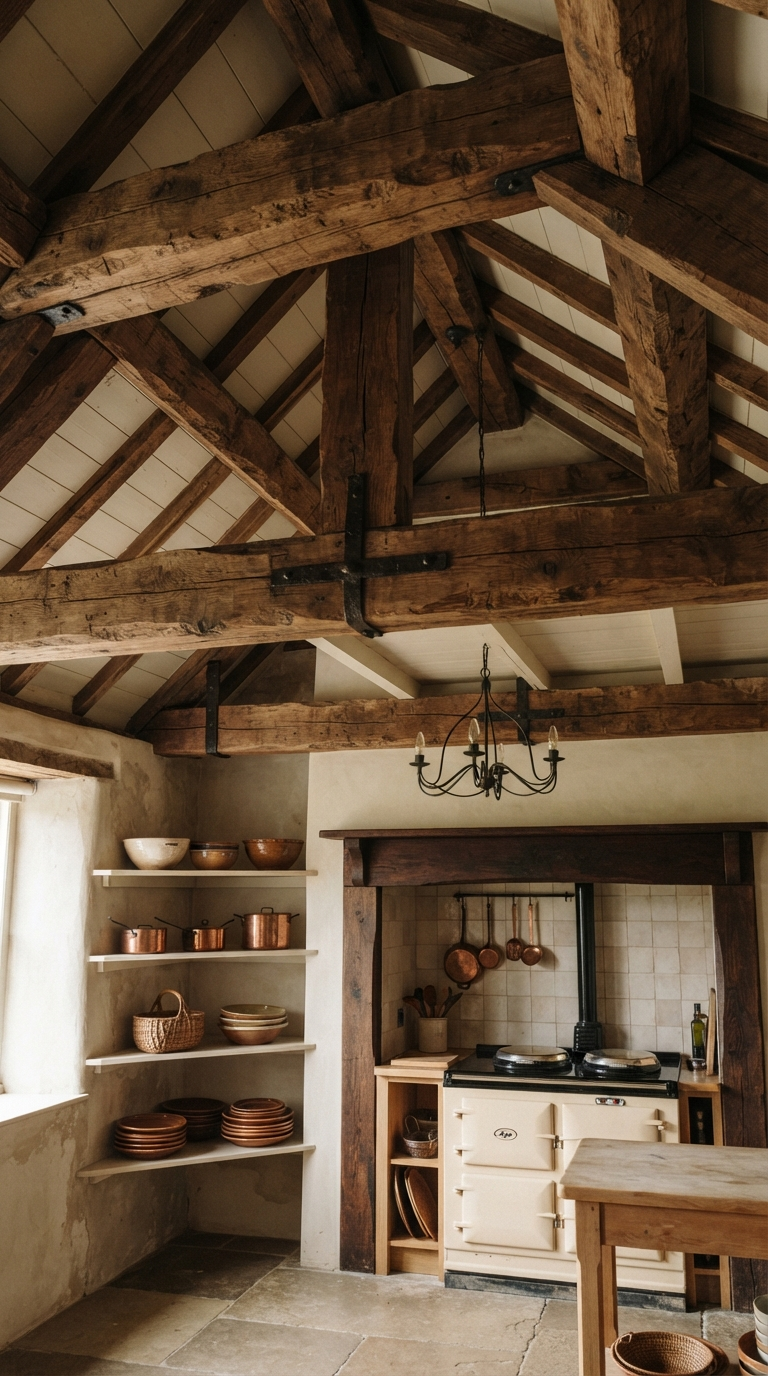
1. Embrace the Beauty of Reclaimed Wood BeamsNothing screams “rustic haven” quite like exposed wooden beams running across the ceiling. If your home does not naturally feature them, incorporating faux or reclaimed wood beams can dramatically alter the room’s atmosphere. The rough-hewn texture and warm, earthy tones draw the eye upward, making the space feel expansive yet incredibly cozy. When selecting your beams, look for wood that showcases natural imperfections, such as knots and varied grain patterns, as these elements add unparalleled character and authenticity to your traditional kitchen design.Furthermore, ceiling beams can serve a dual purpose by providing a structural framework for hanging traditional pot racks or vintage lighting fixtures. The key is to match the stain of the beams with other wooden elements in the room, such as the flooring or the central island, to create a cohesive, harmonious visual flow. Whether your ceilings are vaulted or flat, exposed beams are a transformative architectural feature.2. Install a Classic Copper Farmhouse SinkThe sink is a focal point in any kitchen, and for a rustic aesthetic, a deep apron-front farmhouse sink is non-negotiable. While fireclay and cast iron are beautiful, a hammered copper sink elevates the traditional vibe to an entirely new level. Copper possesses a living finish, meaning it develops a rich, unique patina over time based on how you use it. This evolving beauty is the hallmark of true rustic charm, offering a warmth and visual interest that stainless steel simply cannot replicate.Pair your copper sink with a classic bridge faucet in a matching oil-rubbed bronze or unlacquered brass finish to complete the vintage look. The depth and width of a farmhouse sink also provide incredible functionality, easily accommodating large pots, pans, and baking sheets. It is the perfect marriage of rugged aesthetics and practical kitchen utility.3. Opt for Distressed and Glazed CabinetryPerfectly pristine, high-gloss cabinets have no place in a rustic kitchen. Instead, you want cabinetry that looks like it has been lovingly used for decades. Distressed wood finishes, rubbed edges, and subtle glazing techniques can give brand-new cabinets a beautifully aged appearance. Traditional raised-panel doors or shaker-style cabinets work best, especially when painted in muted, nature-inspired tones like sage green, colonial blue, or creamy antique white.
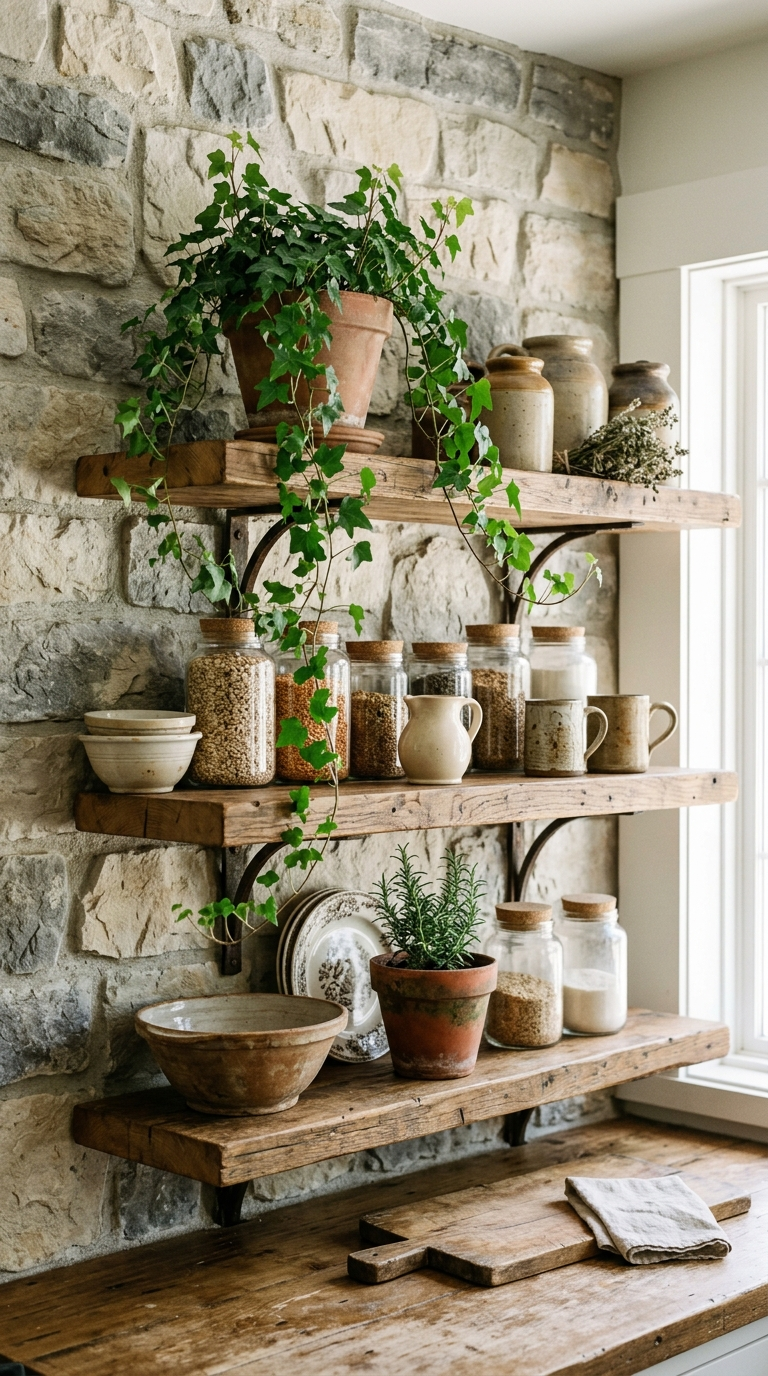
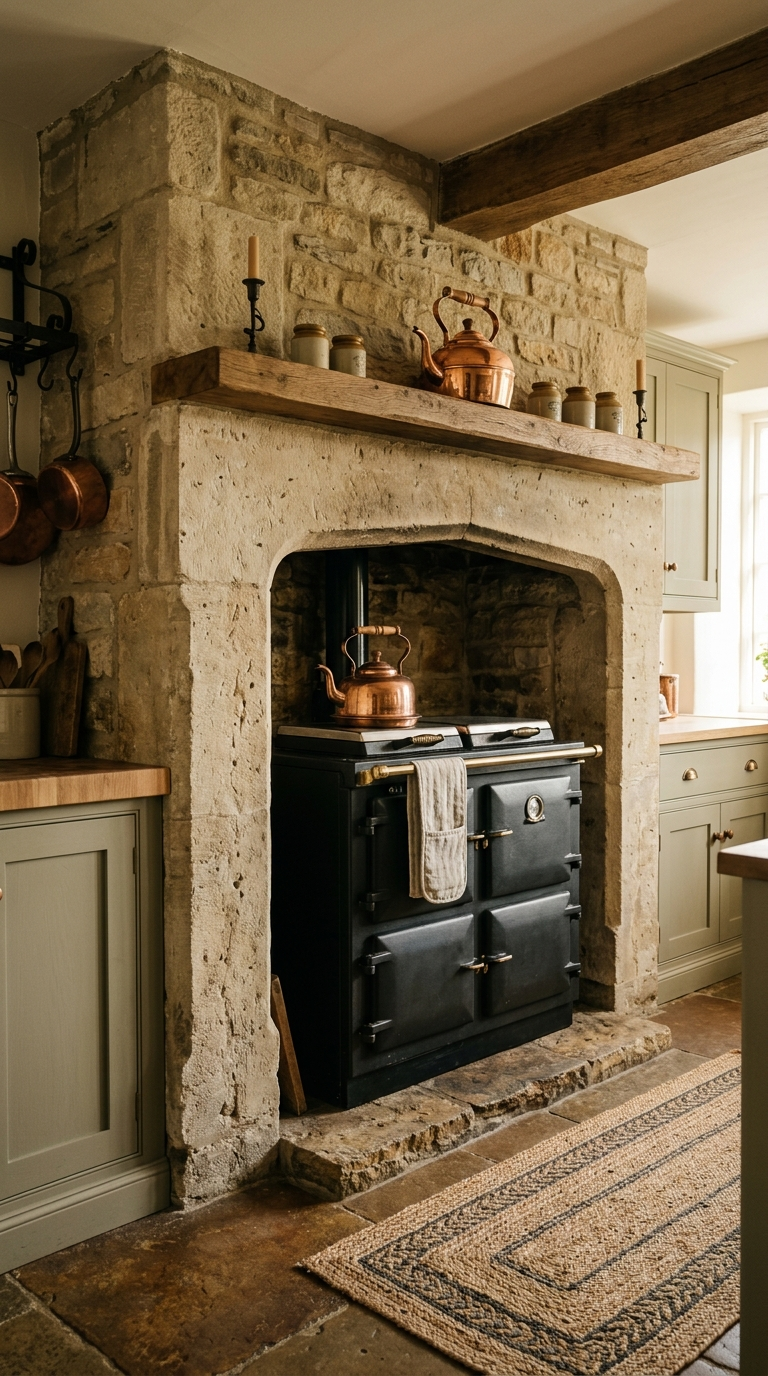
To enhance the traditional feel, consider adding intricate crown molding to the top of your upper cabinets and decorative furniture-style feet to the base cabinets. These small carpentry details transform standard kitchen storage into custom, heirloom-quality furniture. Do not be afraid to mix and match cabinet finishes, perhaps using a rich, dark wood stain for the island while keeping the perimeter cabinets a lighter, distressed shade.4. Incorporate Natural Stone ElementsStone is a foundational element in rustic architecture. Bringing natural stone into your kitchen grounds the space and adds immense textural contrast. A rough-cut stone veneer surrounding the stove area, reminiscent of an old-world hearth, is a spectacular design choice that instantly anchors the room. If a stone wall is too ambitious, consider a tumbled travertine backsplash or honed slate floor tiles.For countertops, soapstone or honed granite provide a matte, subdued finish that suits the rustic profile perfectly. Soapstone, in particular, is highly durable and deepens in color when oiled, offering a gorgeous, tactile surface that feels incredibly traditional. Avoid highly polished, reflective stones, as they can detract from the cozy, matte aesthetic you are striving to achieve.5. Curate Open Shelving for Displaying HeirloomsWhile upper cabinets provide essential hidden storage, replacing a few of them with thick, floating wood shelves opens up the kitchen and provides an opportunity to display beautiful, functional decor. Reclaimed lumber with heavy iron corbels makes for excellent rustic shelving. Use this space to showcase your collection of vintage ceramics, copper cookware, mason jars filled with dry goods, and woven baskets.Open shelving forces you to curate your kitchenware, ensuring that the items you use daily also contribute to the room’s overall aesthetic. It creates a “lived-in” feel that is essential to traditional design. Arrange items thoughtfully, balancing heights and textures, and intersperse practical items with small decorative elements like potted herbs or antique scales.6. Select Warm, Ambient Lighting FixturesLighting sets the mood, and in a rustic kitchen, the mood should be intimate and warm. Ditch the modern recessed LED tracks in favor of statement fixtures made from wrought iron, seeded glass, or aged brass. A large, iron chandelier suspended over the kitchen island or dining table serves as a stunning centerpiece. Lantern-style pendant lights are also incredibly popular for achieving a traditional farmhouse look.
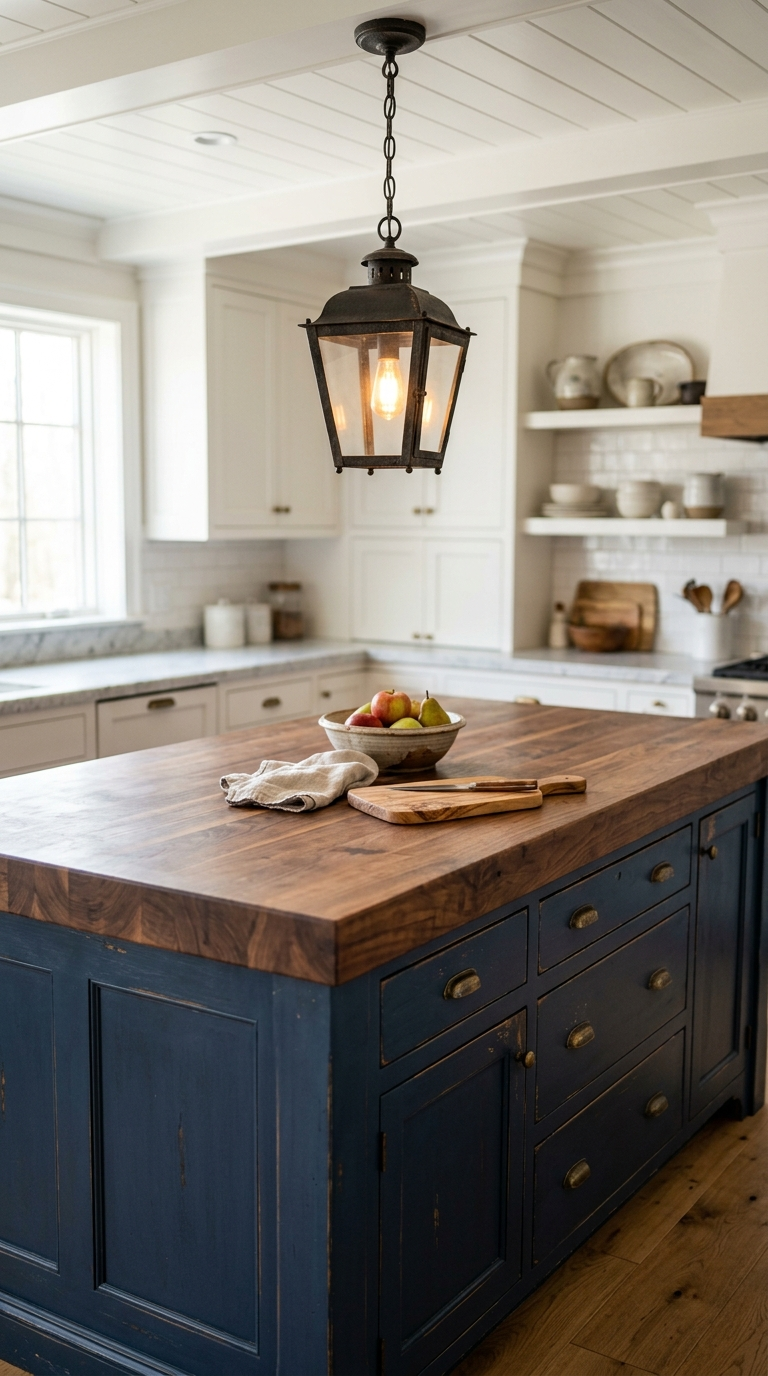
Ensure your lighting plan includes layers: ambient lighting for overall illumination, task lighting for food preparation areas, and accent lighting to highlight architectural features. Use warm-toned bulbs to cast a soft, golden glow that enhances the richness of the wood and stone materials in the room. Dimmer switches are an absolute must, allowing you to adjust the ambiance from bright daytime cooking to a soft, romantic evening glow.7. Introduce Wrought Iron and Forged MetalsThe rugged, industrial nature of wrought iron is a perfect complement to the softness of rustic wood. Incorporate forged metals through cabinet hardware, lighting fixtures, and decorative accessories. Heavy iron drawer pulls, bin pulls, and exposed hinges add immediate vintage authenticity to your cabinetry. Even small details, like an iron paper towel holder or a forged metal trivet, contribute to the overarching traditional narrative.If you have a kitchen island, consider using wrought iron brackets to support an overhanging countertop. A traditional pot rack, suspended from the ceiling by iron chains and loaded with copper and cast-iron cookware, is perhaps the ultimate expression of rustic kitchen utility and style.8. Choose Wide-Plank Hardwood FlooringThe floor is the canvas upon which your entire kitchen is built. For a truly authentic rustic look, wide-plank hardwood flooring is the gold standard. The wider the plank, the more traditional the feel. Look for species with prominent grain patterns, such as hickory, oak, or pine, and opt for a hand-scraped or wire-brushed finish to simulate years of historical wear and tear.A matte or satin finish is preferable to a high-gloss polyurethane, as it looks more natural and hides scratches and dust much better. If solid hardwood is outside your budget, high-quality luxury vinyl plank (LVP) can convincingly mimic the look and texture of reclaimed wood while offering superior water resistance, making it an excellent, durable choice for a busy kitchen environment.9. Add a Substantial Butcher Block IslandA kitchen island is the central gathering place, and a thick butcher block countertop is an iconic rustic element. Whether you choose maple, walnut, or cherry, a wood countertop adds incredible warmth and serves as a highly functional workspace for baking and food preparation. Over time, the butcher block will accumulate nicks and cuts, which only add to its rustic patina and charm.
To make the island feel like a standalone piece of antique furniture, paint the base a contrasting color to the perimeter cabinets. A distressed navy blue or deep forest green island base capped with a warm, glowing butcher block top is a classic traditional design motif that instantly anchors the room and draws the eye.10. Layer with Woven Textures and TextilesSoft elements are crucial to preventing a wood-and-stone kitchen from feeling too harsh or cold. Introduce textiles through vintage-inspired runner rugs, linen window valances, and woven seating. A muted, beautifully faded Persian or Kilim rug placed in front of the sink or stove adds an instant pop of color and historic pattern while providing a comfortable surface for standing.For seating at the island or breakfast nook, choose barstools featuring woven rattan, rush seats, or distressed leather upholstery. Keep dish towels displayed on the oven handle—opt for natural linen or classic ticking stripe patterns. These soft layers absorb sound, add comfort, and reinforce the cozy, welcoming nature of a traditional rustic kitchen.11. Hide Modern Appliances with Custom PanelingNothing shatters the illusion of a vintage, rustic kitchen faster than a massive, shiny stainless-steel refrigerator or a digital dishwasher dominating the visual landscape. To maintain the historical integrity of your design, invest in panel-ready appliances. This allows you to attach custom cabinet doors directly to the front of your fridge and dishwasher, effectively camouflaging them within your cabinetry.For the stove, consider a vintage-inspired range. Several high-end manufacturers create modern, high-performance ovens and cooktops that feature heavy cast-iron grates, analog dials, and classic finishes like matte black, burgundy, or cream. A magnificent, old-world style range nestled within a brick or stone alcove creates an incredible focal point that epitomizes traditional kitchen design.12. Utilize Antique Architectural SalvageIntegrating real historical elements into your kitchen design adds soul and an unmatched sense of history. Visit local architectural salvage yards, antique shops, and flea markets to find unique treasures that can be repurposed. An old wooden corbel can be used to support a shelf; a vintage stained-glass window can be hung to catch the morning light; an antique solid wood door can be retrofitted as a sliding pantry door.
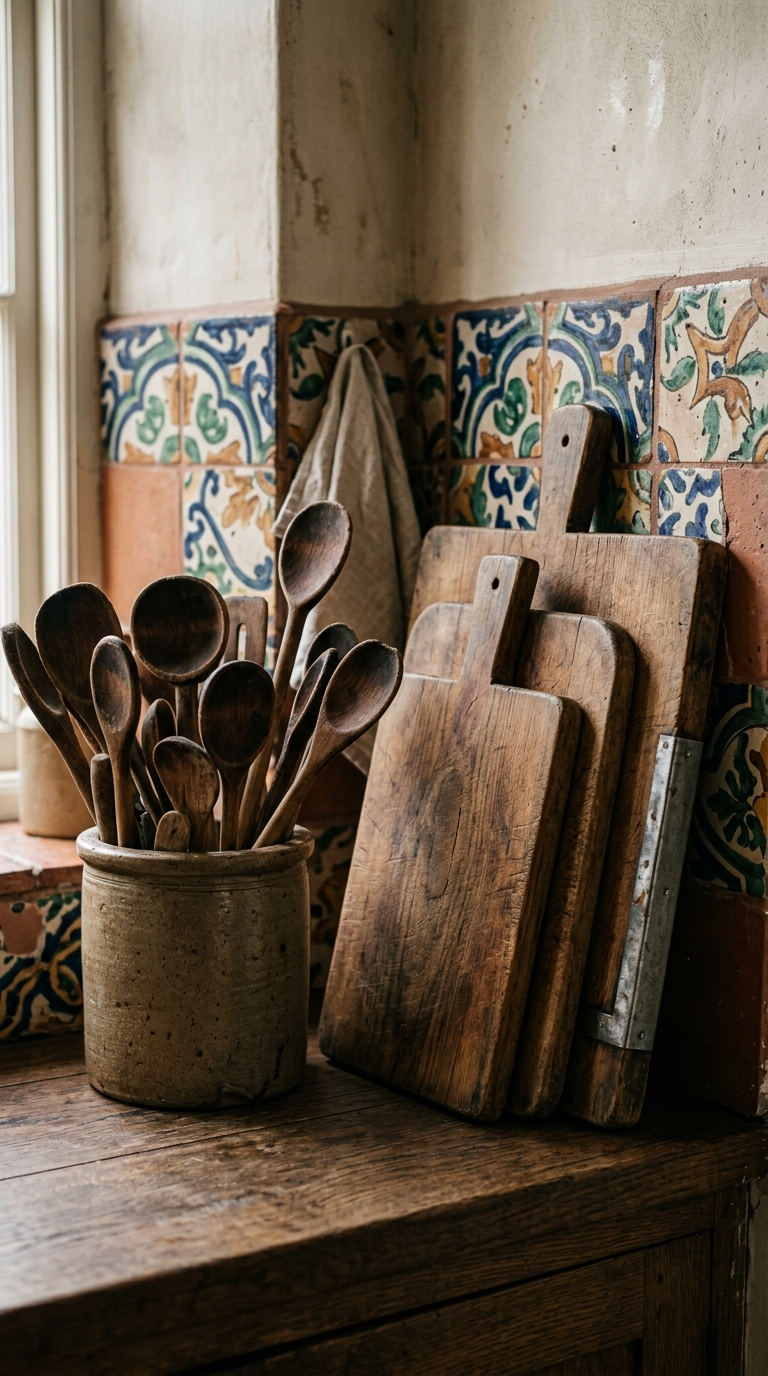
Even smaller salvaged items make a big impact. Antique cast-iron heating grates can be used as decorative ventilation panels in cabinetry. Old brass keyholes and vintage drawer pulls can replace standard modern hardware. By weaving these authentic pieces into your layout, your rustic kitchen transcends mere decoration and becomes a beautifully curated collection of history.13. Create a Custom Hearth-Style Range HoodThe ventilation hood over your stove presents a massive opportunity for traditional design. Instead of a standard stainless-steel canopy, opt for a custom surround that mimics the look of a traditional fireplace hearth. This can be built from drywall and finished with Venetian plaster, wrapped in reclaimed wood, or constructed entirely from brick or stone.A hearth-style hood immediately draws the eye and creates a sense of warmth and grandeur. It acts as the anchor of the cooking zone. You can further enhance this feature by adding a thick, reclaimed timber mantel just below the hood, providing a perfect ledge for displaying vintage copper teapots, antique salt cellars, or trailing ivy.14. Integrate Classic Patterned TileWhile natural stone is excellent, traditional patterned tiles can inject vital personality and movement into a rustic kitchen. Consider a backsplash made of hand-painted terracotta tiles, classic zellige tiles with their beautifully imperfect surfaces, or intricate cement tiles featuring vintage motifs. The key is to choose colors that complement the earthy tones of your rustic palette—think muted blues, deep reds, mustard yellows, and forest greens.If you prefer a more subtle approach, a classic subway tile can still look wonderfully traditional if you select an unrectified edge (which looks handmade) and pair it with a slightly darker, contrasting grout line. This highlights the brick-work pattern and adds a layer of vintage industrial charm to the walls.15. Display Fresh Botanicals and Nature-Inspired ElementsA rustic kitchen is fundamentally connected to the natural world. Bringing the outside in is a simple yet vital step in styling your space. Keep large terracotta pots filled with fresh, fragrant herbs like rosemary, basil, and thyme on the windowsill. Display seasonal fruits and vegetables in large wooden dough bowls on the island.During the spring and summer, fill heavy ironstone pitchers with wildflowers or hydrangeas. In the autumn, decorate with dried wheat sheaves, gourds, and branches with turning leaves. These organic, ephemeral elements breathe life into the room, ensuring the kitchen always feels fresh, vibrant, and deeply connected to the earth.16. Focus on the Little Details: Hardware and AccessoriesThe magic of a truly spectacular rustic kitchen lies in the accumulation of small, thoughtful details. Pay close attention to your hardware and daily accessories. Swap out generic plastic soap dispensers for amber glass bottles with brass pumps. Keep cooking utensils in a heavy stoneware crock next to the stove. Hang a traditional chalkboard in a distressed wood frame to write down grocery lists or weekly menus.
Every item that sits on your counter should be evaluated for its aesthetic contribution. Keep your coffee beans in vintage glass apothecaries, display your wooden cutting boards leaning against the backsplash, and leave your cast-iron skillets out on the stovetop. It is the combination of these meticulously curated, beautifully aged details that ultimately transforms a standard room into a warm, inviting, and truly unforgettable rustic haven.By thoughtfully applying these sixteen design concepts, you can orchestrate a kitchen renovation that perfectly captures the essence of rustic and traditional living. Remember that this style is incredibly forgiving; it celebrates imperfections, patinas, and the beauty of age. Do not rush the process. Collect pieces slowly, choose materials that speak to you, and build a kitchen that will not only serve as a highly functional cooking space but also as a comforting retreat that your family will cherish for a lifetime.
Discover the most exquisite kitchen and dining room design trends of the year. Elevate your culinary spaces with our expert premium styling tips today!
Explore the enduring beauty of traditional rustic kitchens, featuring warm natural wood finishes, stone accents, custom cabinetry, and cozy artisanal style.
Learn how to perfectly design a cozy rustic traditional kitchen with our comprehensive guide. From wood cabinetry to classic farmhouse elements, master the look.
Are you planning a modern kitchen remodel? Avoid these costly and frustrating design mistakes to ensure your new culinary space is both beautiful and functional.
Discover upcoming design trends for dark and black kitchens, featuring luxury matte textures, rich metallic accents, and dramatic integrated lighting profiles.
Are you making these common small kitchen decor mistakes? Learn how to maximize your layout, optimize storage, and create a beautiful, highly functional space.