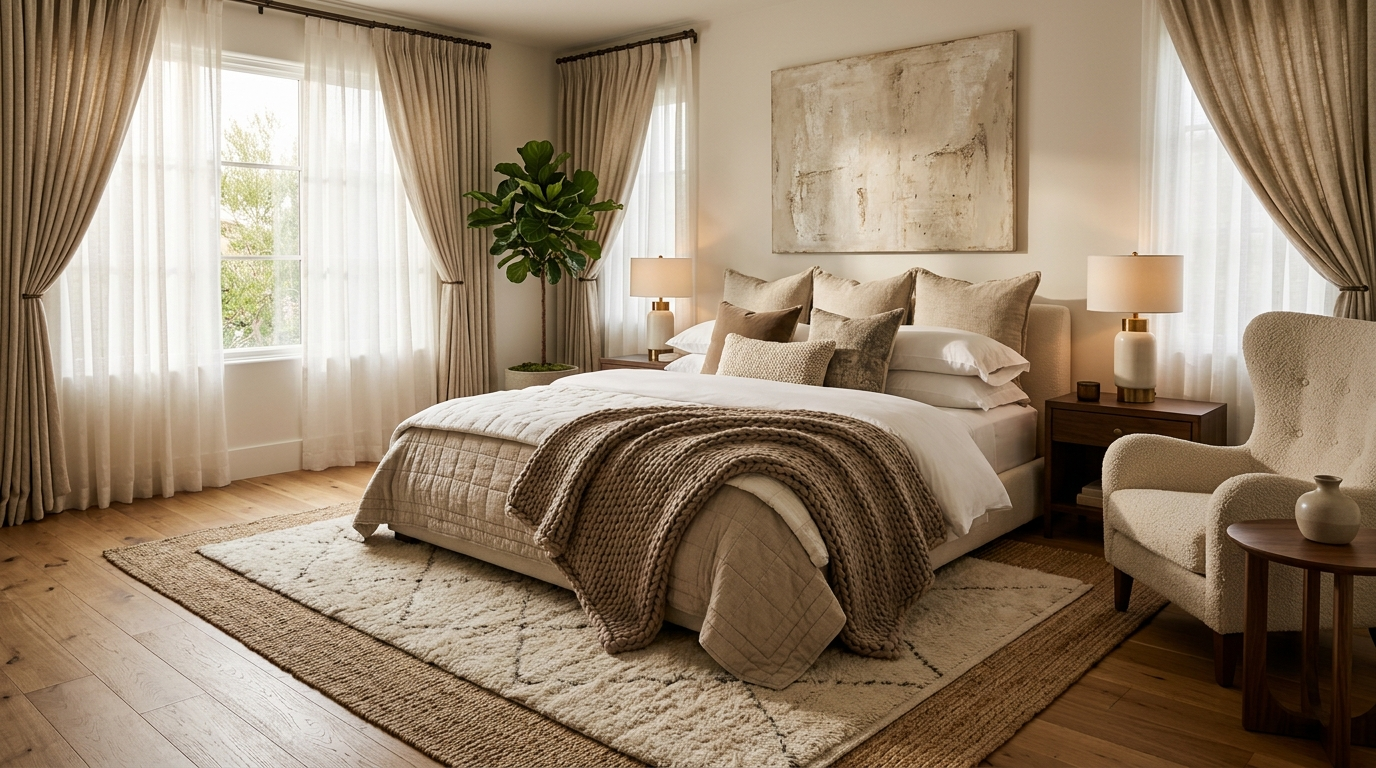
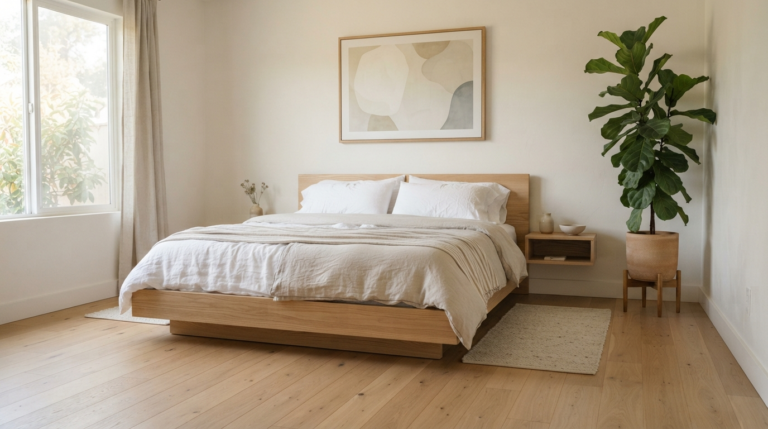
The Secret to a Luxurious Bedroom SanctuaryWhen you walk into a high-end boutique hotel suite, there is an immediate, palpable sense of luxury and comfort that washes over you. This feeling is rarely the result of a single piece of furniture or a specific color of paint; rather, it is the masterful application of layering. The art of layering involves combining diverse textures, fabrics, materials, and lighting to create a multidimensional, deeply comforting environment. In a bedroom, where comfort is the paramount objective, mastering this technique is the key to transforming a basic sleeping quarter into a stunning, sensory-rich sanctuary.Layering appeals directly to our tactile and visual senses. A room with flat, uniform surfaces feels cold and uninviting, whereas a room rich in varied textures feels enveloping and secure. By thoughtfully introducing layers from the floor up to the ceiling, you add incredible depth and character to your bedroom. This comprehensive guide will walk you through the essential steps of layering your bedroom, ensuring every element, from the foundation of your bedding to the final polish of your window treatments, contributes to a cohesive, luxurious aesthetic.
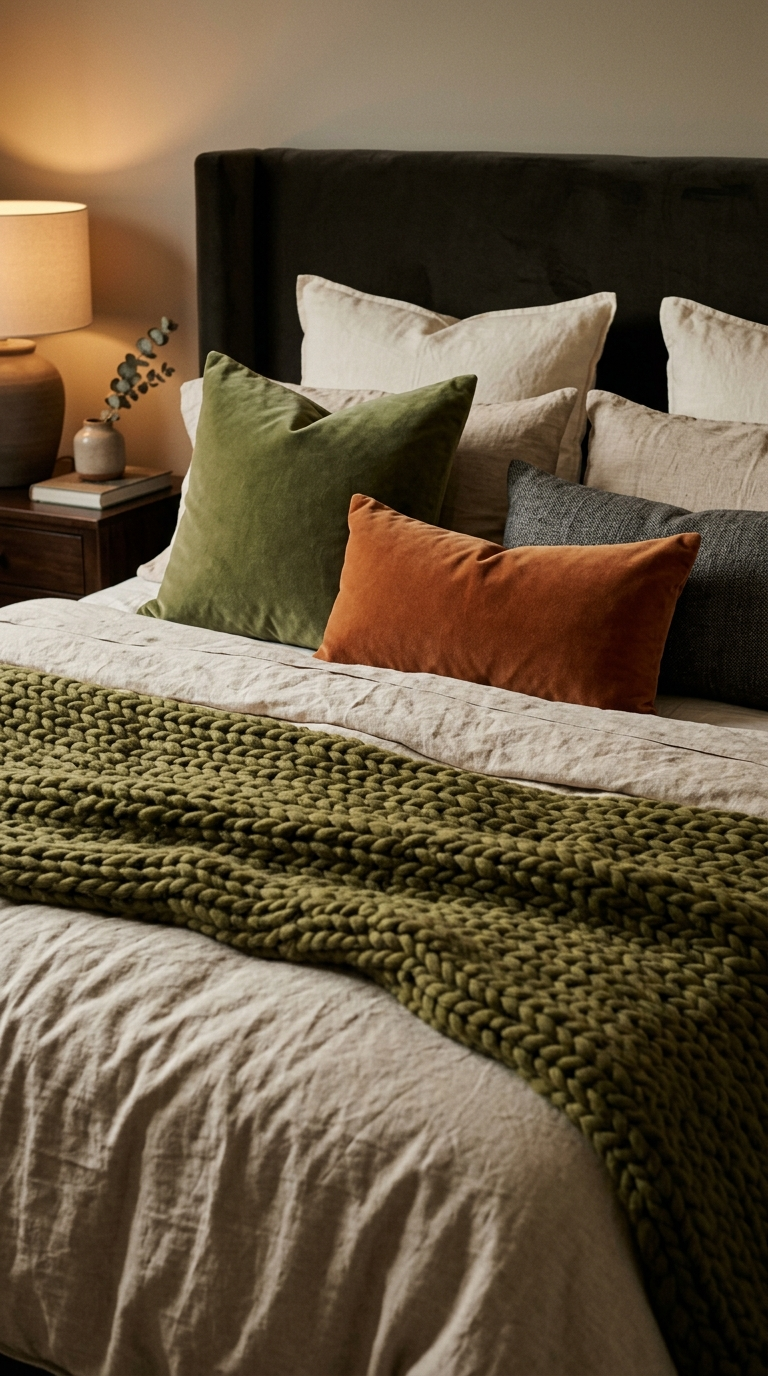
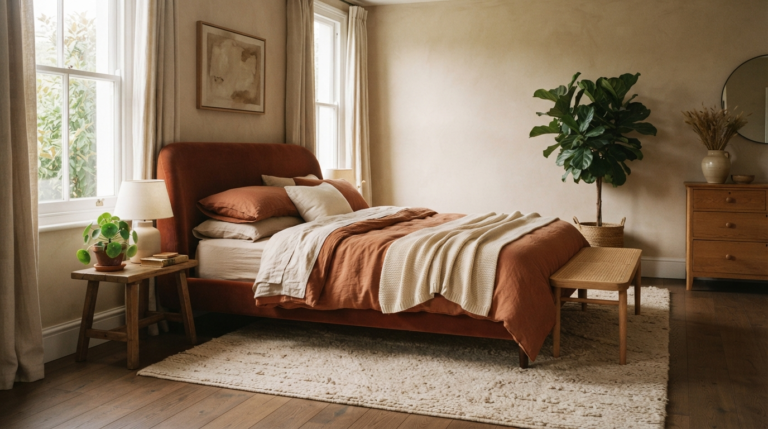
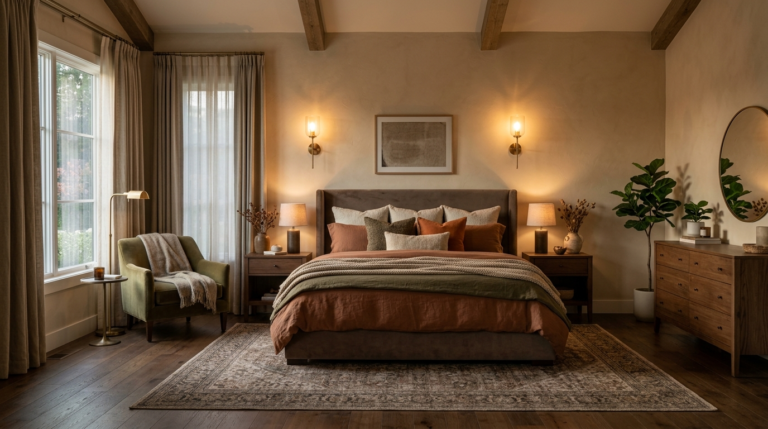
The Foundation: Masterful Bedding LayersThe bed is the undeniable focal point of any bedroom, making it the most critical area to apply the principles of layering. A beautifully styled bed invites you to dive in and unwind. To achieve this, you must move beyond the standard fitted sheet and basic comforter. The goal is to build visual volume and tactile variety that looks effortless but feels incredibly sumptuous.Start with a high-quality foundation: crisp, breathable percale or smooth sateen sheets in a calming, neutral tone. Next, add a lightweight quilt or coverlet for a foundational layer of warmth and subtle texture. Over this, drape a fluffy, voluminous duvet folded halfway down the bed to reveal the layers beneath. Finally, introduce a textured throw blanket—perhaps a chunky merino wool knit, a soft cashmere weave, or a faux fur drape—tossed casually across the foot of the bed. This combination of smooth, quilted, voluminous, and highly textured fabrics creates a bed that is not only visually stunning but adaptable to changing temperatures throughout the night.
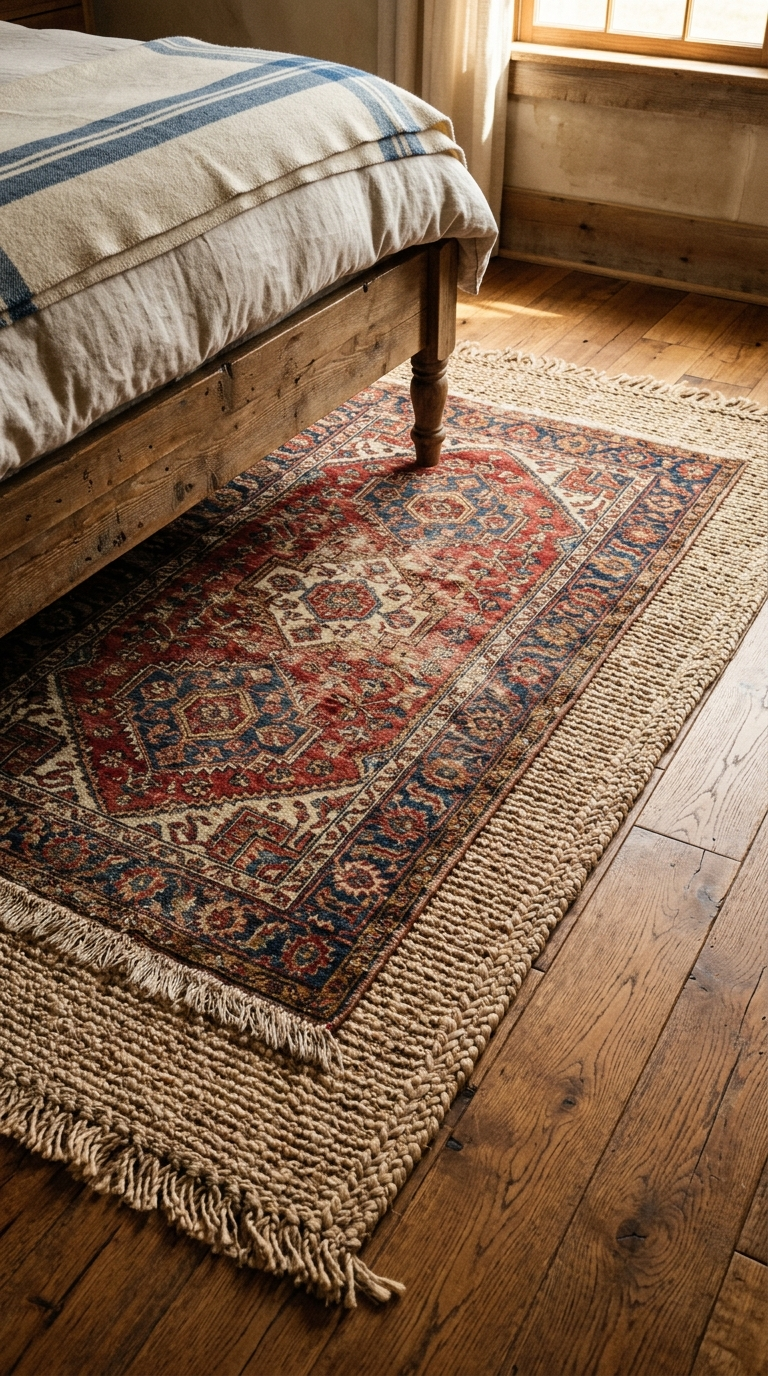
Underfoot Comfort: Layering RugsThe floor is often an overlooked canvas for layering, yet it plays a massive role in the acoustic softening and tactile warmth of a bedroom. Stepping out of a cozy bed onto a cold, hard floor shatters the illusion of a sanctuary. Layering rugs is an advanced design technique that adds immense character and grounds the entire room, pulling the various design elements together into a cohesive scheme.A highly effective approach is to start with a large, low-pile, neutral base rug made of durable natural fibers like jute, sisal, or seagrass. This base layer should be large enough to span beneath the bed and nightstands, extending generously on all sides. Over this natural foundation, layer a smaller, softer, and more decorative rug. This could be a vintage Persian rug with rich, faded colors, a plush Moroccan Beni Ourain, or a luxurious sheepskin runner placed specifically where your feet hit the floor in the morning. This contrast between the rough organic texture of the base and the soft, intricate top layer provides profound visual interest.
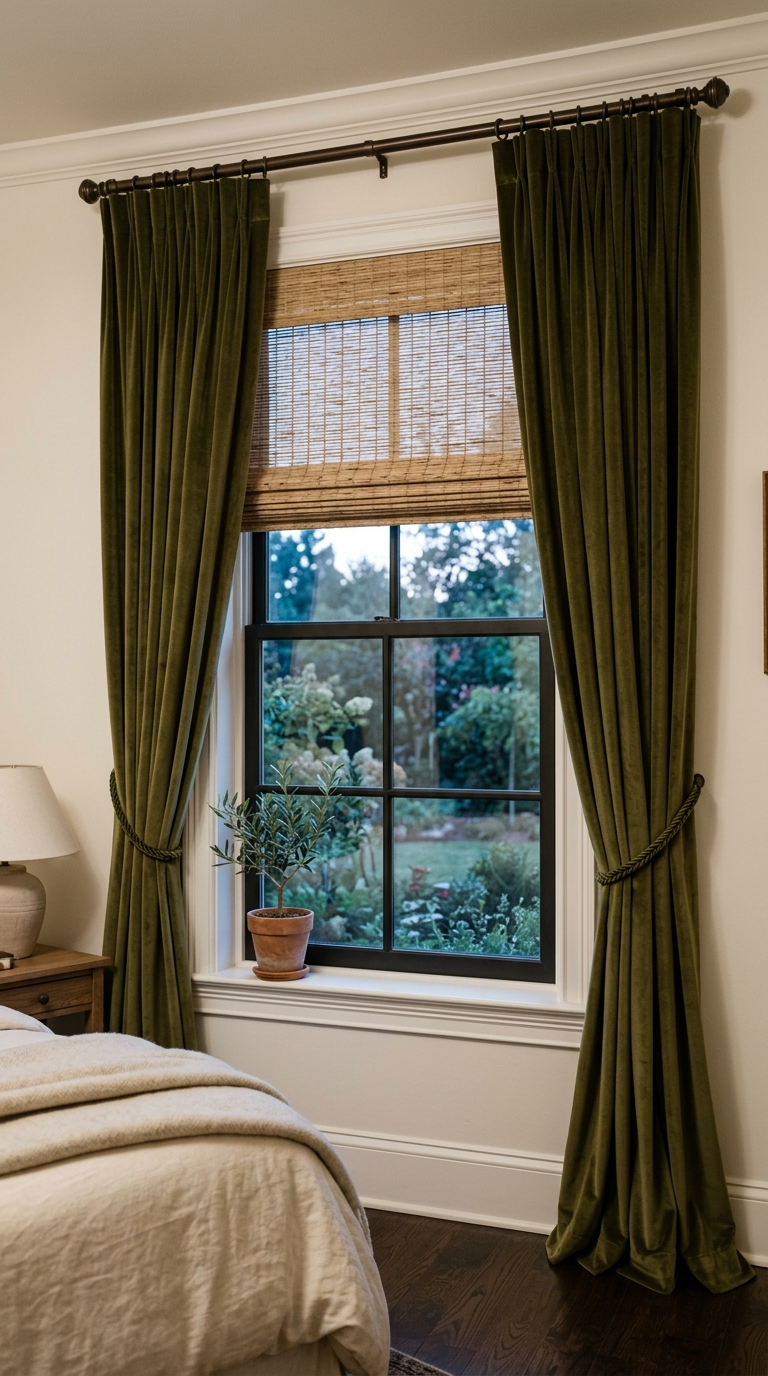
Window Treatments: Softening the LightWindows are the eyes of the bedroom, dictating the flow of natural light and profoundly impacting the mood of the space. Bare windows or harsh, utilitarian blinds feel stark and unfinished. Layering your window treatments is essential not only for light control and privacy but also for adding softness and verticality to the room’s design.A sophisticated window layering strategy involves combining functional hard treatments with elegant soft treatments. Begin with an inner layer designed for privacy and light filtering, such as woven wood shades or subtle, motorized roller blinds. Over these, hang floor-to-ceiling drapery panels. The drapery fabric should contrast with the blinds—if you chose natural woven shades, pair them with flowing linen or luxurious velvet curtains. Hanging the curtain rod higher and wider than the actual window frame will create an illusion of grandeur and height, drawing the eye upward and enveloping the room in soft, cascading fabric.
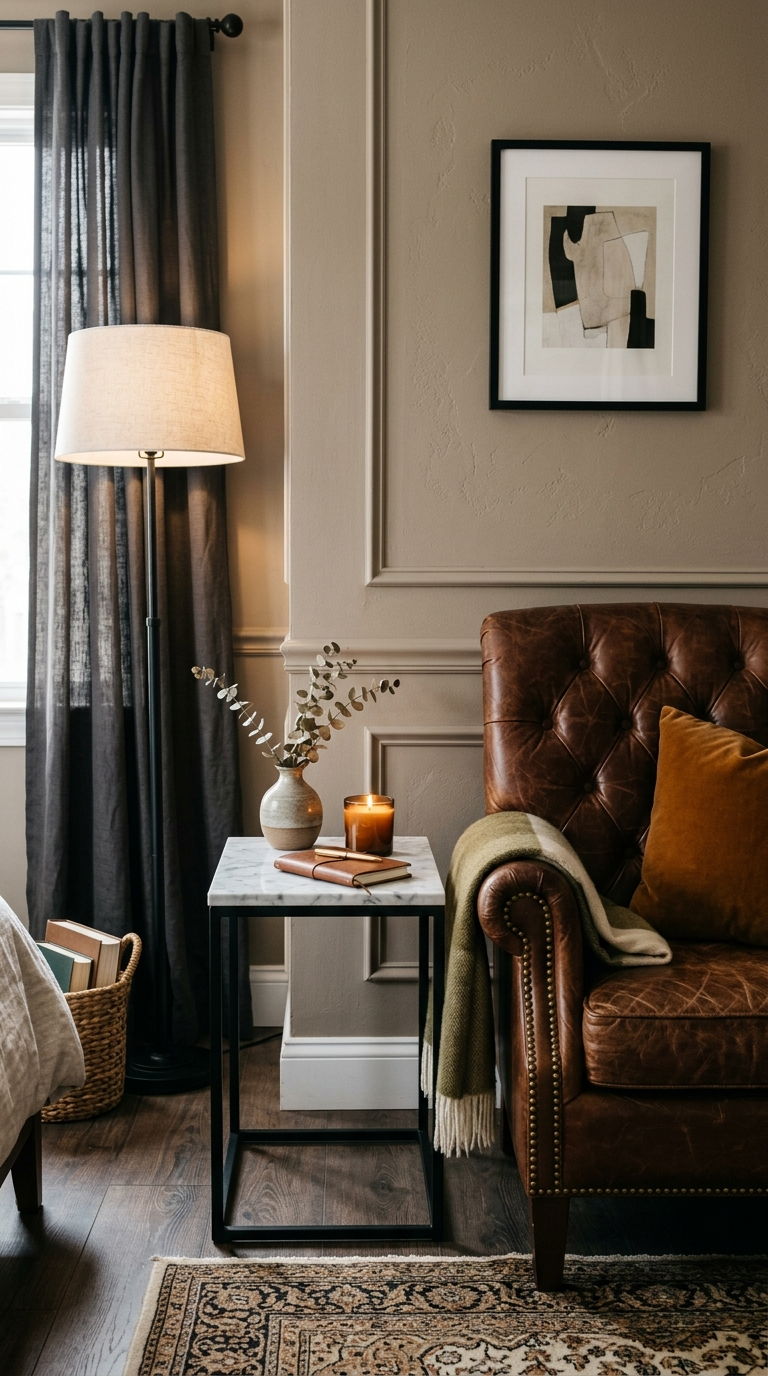
Accent Furniture: Mixing Wood, Metal, and UpholsteryA common pitfall in bedroom design is purchasing a matching “bedroom set” where the bed, nightstands, and dresser all share the exact same wood finish and style. This approach results in a flat, showroom-like aesthetic that lacks personality. True layering extends to your furniture choices, requiring a thoughtful mix of materials that contrast and complement one another.To create a dynamic and engaging space, intentionally break up matching sets. If you have a solid wood bed frame, pair it with mirrored or painted nightstands, or perhaps side tables crafted from sleek metal and stone. If your bed is fully upholstered in a soft fabric, introduce a vintage wooden dresser to ground the room with organic warmth. Incorporate a reading chair or an ottoman at the foot of the bed in a contrasting textile, such as supple leather or textured bouclé. This intentional mixing of hard and soft, matte and shiny, old and new creates a curated, collected-over-time atmosphere.
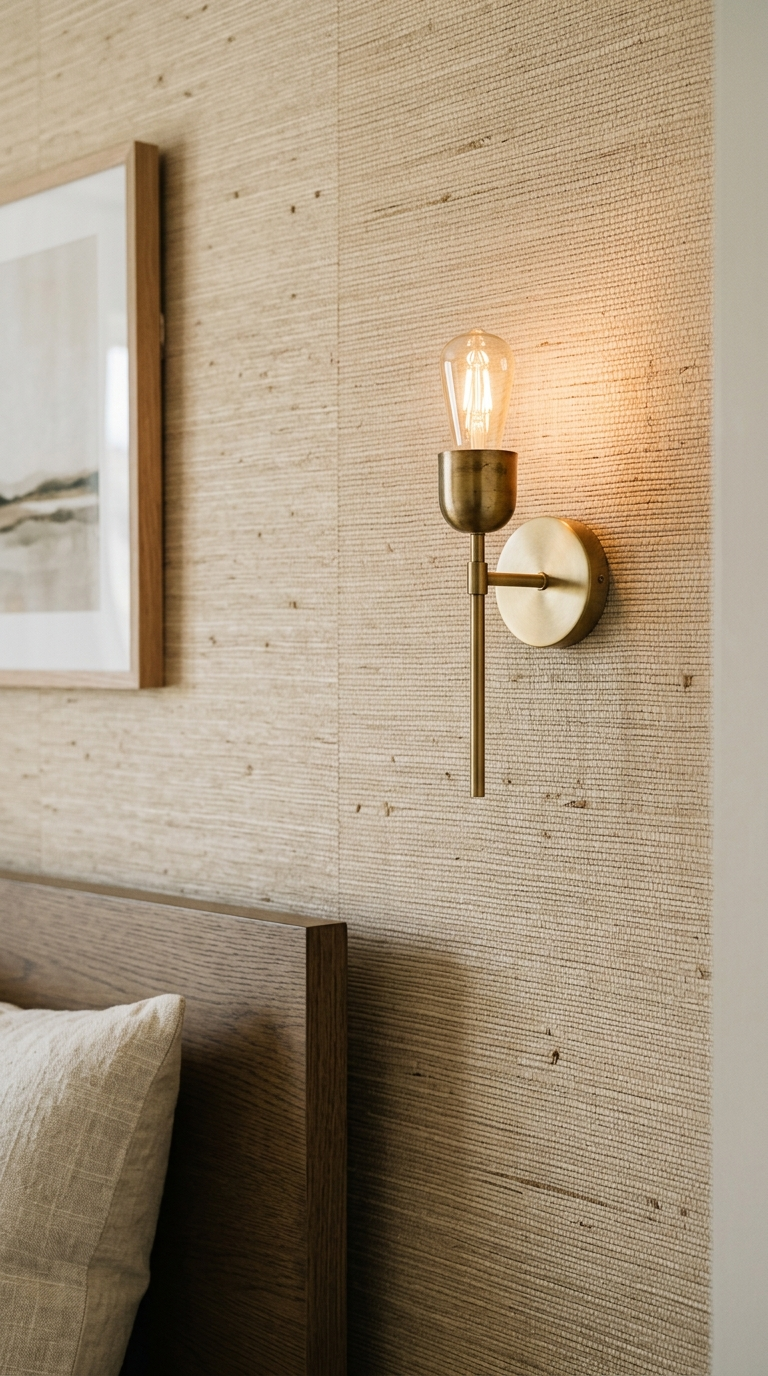
Wall Textures: Wallpaper, Paint, and ArtWalls are the largest surface area in your bedroom, and leaving them as flat, plain expanses is a missed opportunity for layering. Wall treatments can dramatically alter the perception of space, making a large room feel more intimate or giving a small room an injection of grand character.Consider layering your walls through the use of architectural details, specialized paint finishes, or wallpaper. Adding millwork, such as wainscoting, board and batten, or picture frame molding, introduces subtle shadow play and structure. Grasscloth wallpaper is an excellent choice for bedrooms, offering incredible tactile warmth and a sophisticated, earthy feel. Once the base wall treatment is established, layer on your artwork. Instead of a single small frame, consider a layered gallery wall with mixed frame finishes (wood, brass, matte black) or a large, oversized canvas that adds a block of rich color and texture to the room’s palette.
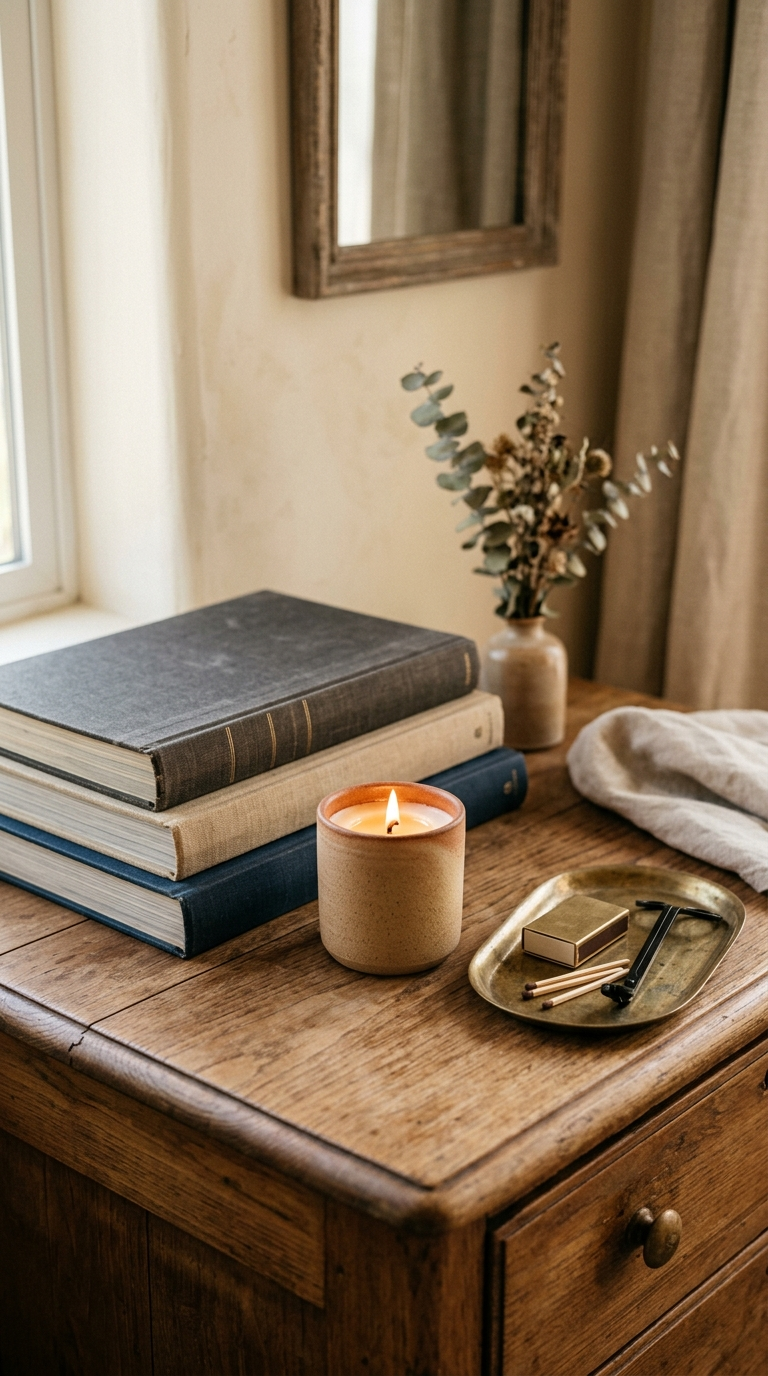
The Final Polish: Pillows and AccessoriesThe final layer in your bedroom sanctuary consists of the smallest details: the pillows, accessories, and atmospheric elements. These are the finishing touches that bring the entire design together and allow you to easily swap out colors and textures as the seasons change.When styling pillows, follow the rule of varying scales and shapes. Combine large, solid-colored Euro shams in the back with standard pillows in front, followed by decorative accents in contrasting shapes, like a long lumbar pillow or a round bolster. Ensure the fabrics vary—mix matte linen with shiny silk or soft velvet. Finally, accessorize your horizontal surfaces carefully. Layer a stack of beautiful coffee table books on your dresser, place a scented soy candle in a heavy ceramic vessel on your nightstand, and introduce organic life with a trailing pothos plant or a vase of fresh eucalyptus. These final sensory details complete the layered sanctuary, ensuring your bedroom is a true haven for relaxation.
Create a serene retreat with these stunning minimalist bedroom ideas. Embrace clean lines, neutral palettes, and clever organization for ultimate peace.
Stop letting poor design ruin your focus. Avoid these critical home office mistakes to create a productive, ergonomic, and beautiful workspace that inspires.
Discover seventeen transformative bedroom decor ideas to create a serene, restful sanctuary. Elevate your sleep space with these expert design strategies.
Discover the latest trends in bedroom design creating peaceful sanctuaries. From organic materials to warm color palettes, forecast the next big looks for personal spaces.
Discover the ultimate cozy bedroom ideas to elevate your personal space. Create a tranquil, relaxing retreat with these essential styling and decor tips.
Transform your personal space into a serene sanctuary. Discover the most common bedroom decor mistakes to avoid and how to fix them for ultimate relaxation.