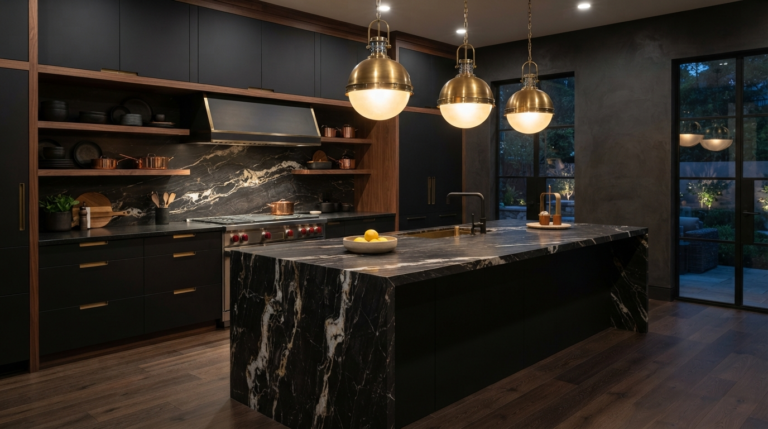
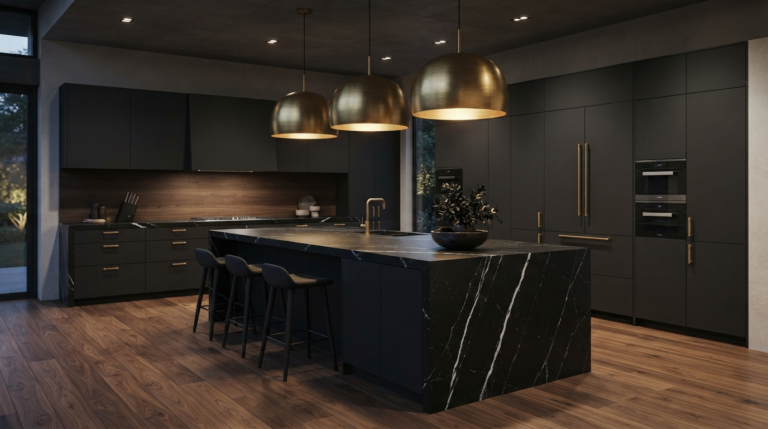
In an era dominated by sleek industrial lines and stark sterile minimalist interiors, the rustic traditional kitchen stands as a heartwarming testament to enduring craftsmanship and timeless comfort. Often referred to as the true heart of the home, a rustic traditional kitchen invites family and friends to gather, share meals, and create memories in an atmosphere infused with warm, tactile beauty.
Designing a kitchen that balances traditional charm with modern culinary functionality requires a deep appreciation for organic materials, architectural details, and rich visual textures. In this narrative exploration, we step inside the key design elements that give traditional rustic kitchens their soul, longevity, and captivating aesthetic appeal.
The Organic Foundation: Reclaimed Wood and Exposed Beams
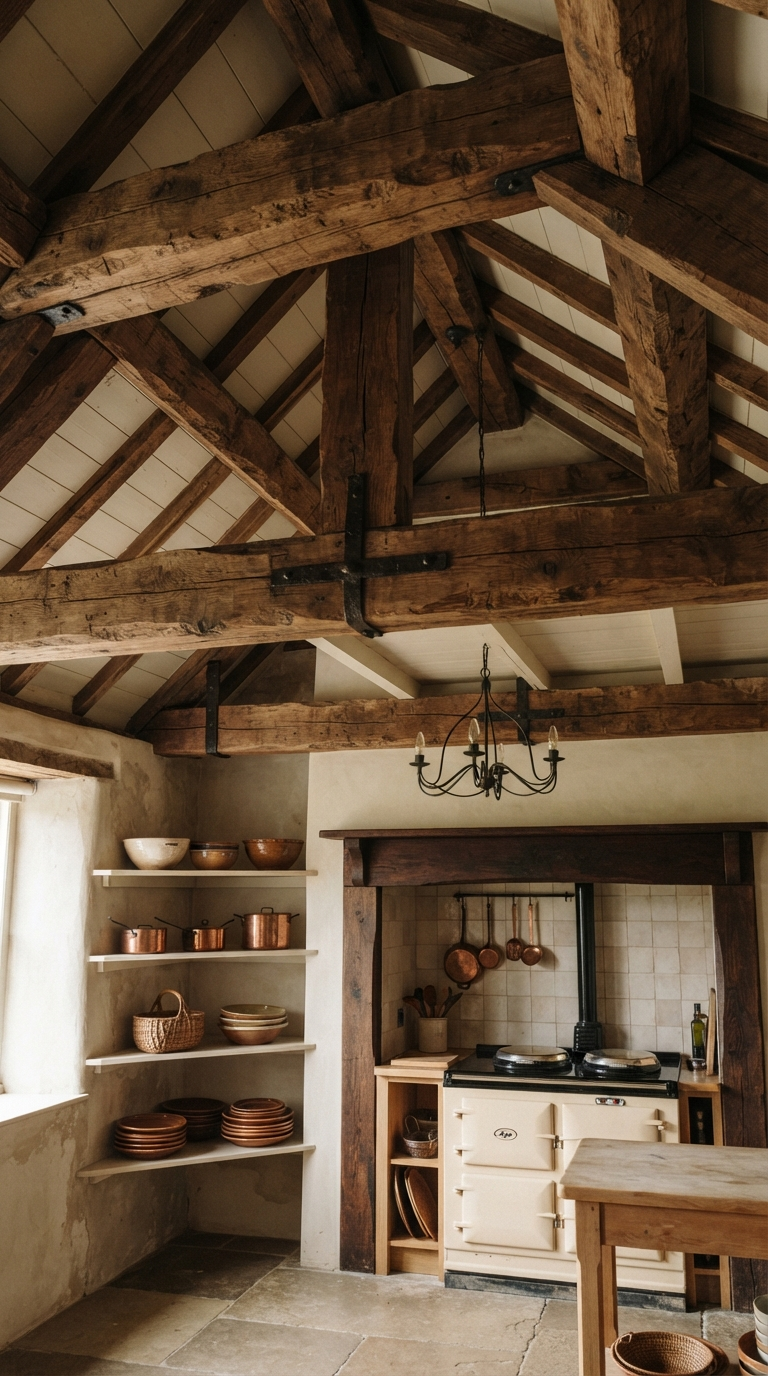
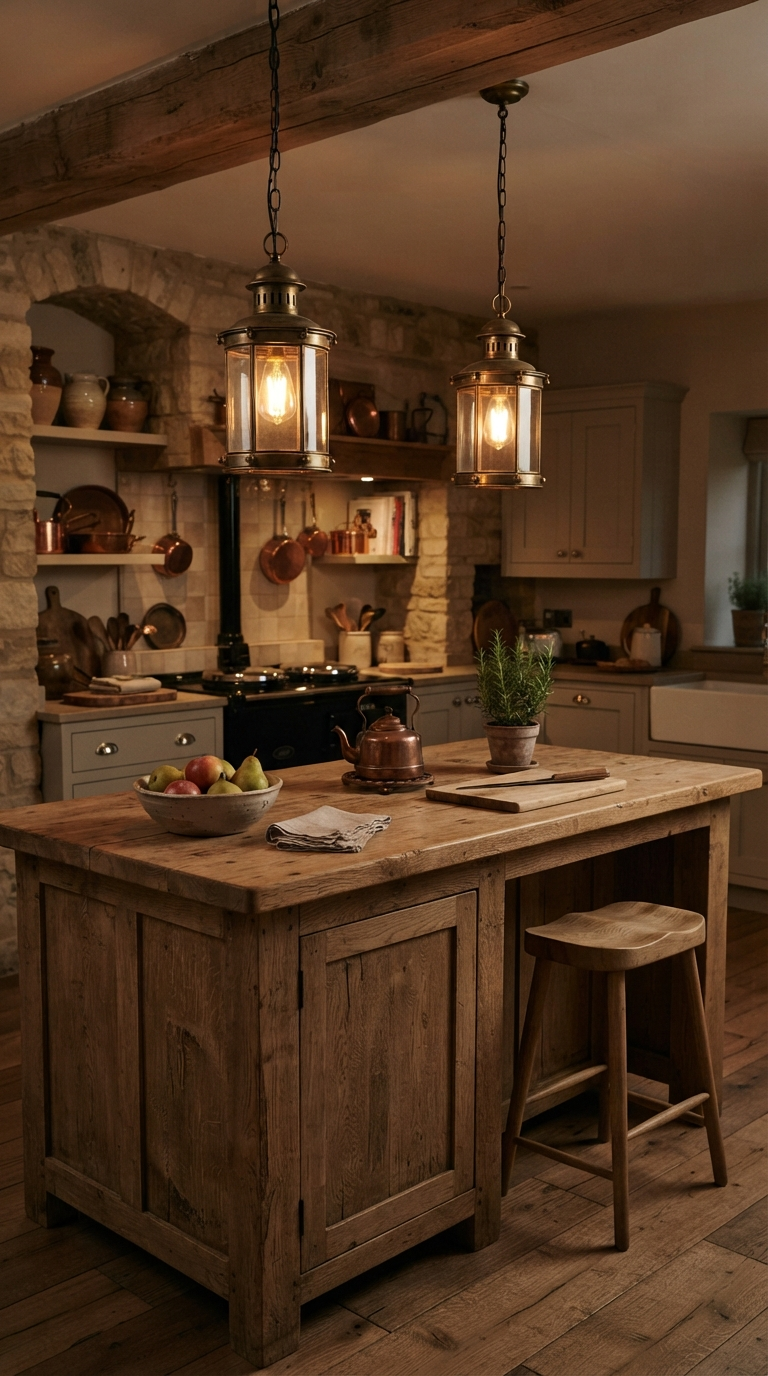
At the heart of every rustic kitchen lies an authentic connection to natural timber. Exposed ceiling beams crafted from reclaimed oak or pine immediately establish architectural character, instilling a sense of history and structural grandeur. The subtle imperfections, knots, and weathered grain variations of natural wood bring unmatched character into the space.
Incorporate warm wood finishes into custom cabinetry, kitchen island bases, or wide-plank hardwood flooring. Rather than high-gloss polyurethanes, opt for matte or wax-rubbed finishes that highlight the raw, natural grain of the timber, allowing the wood to age gracefully over time.
Artisanal Stonework and Fireplace Focal Points
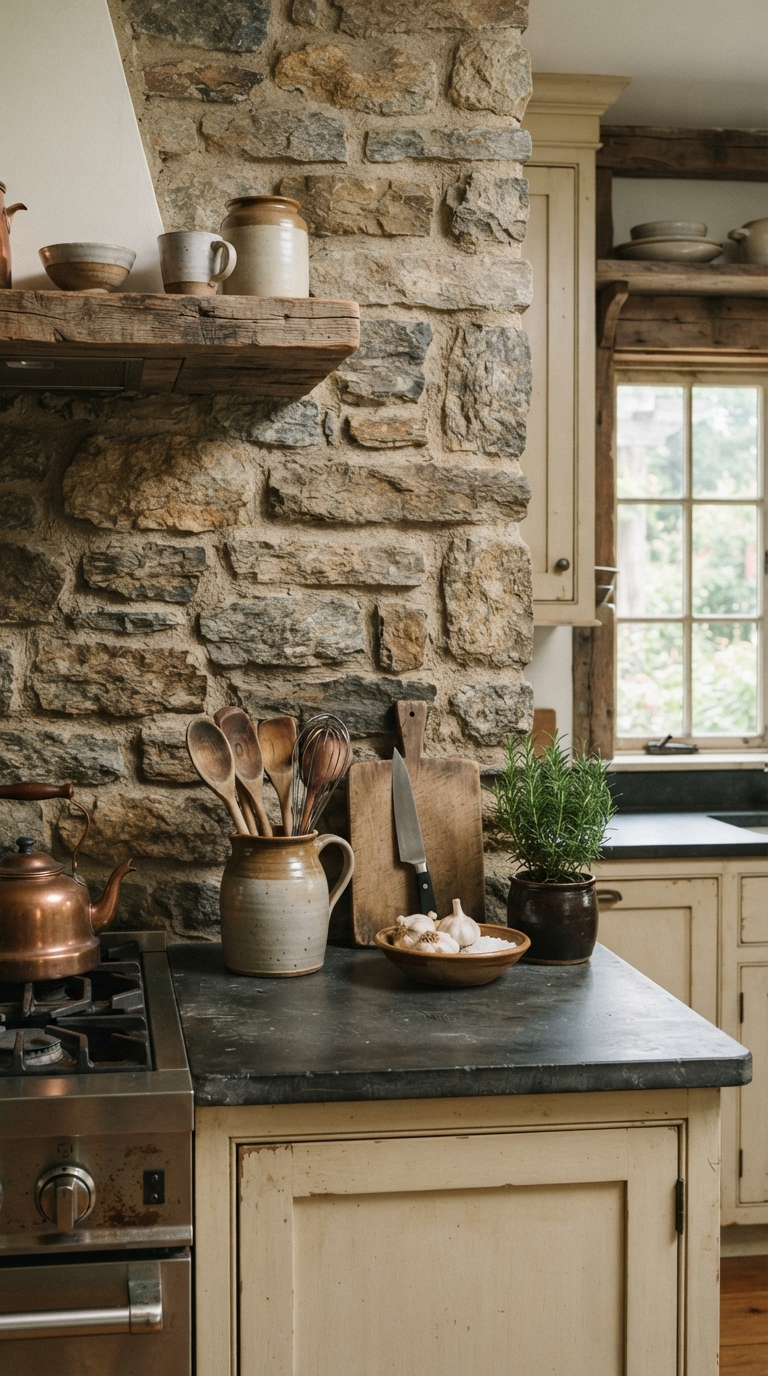
Stone elements bring a sense of permanence and rugged groundings to rustic kitchen design. From fieldstone backsplash installations to soapstone or honed granite countertops, stone surfaces provide an earthy contrast to warm wooden cabinetry.
A classic hearth-style cooking nook, anchored by a stone archway or brick surround, serves as a dramatic architectural focal point. Framing the main stove area with traditional masonry creates an inviting, old-world culinary sanctuary that feels both grand and grounded in home tradition.
Handcrafted Shaker Cabinetry and Period Hardware
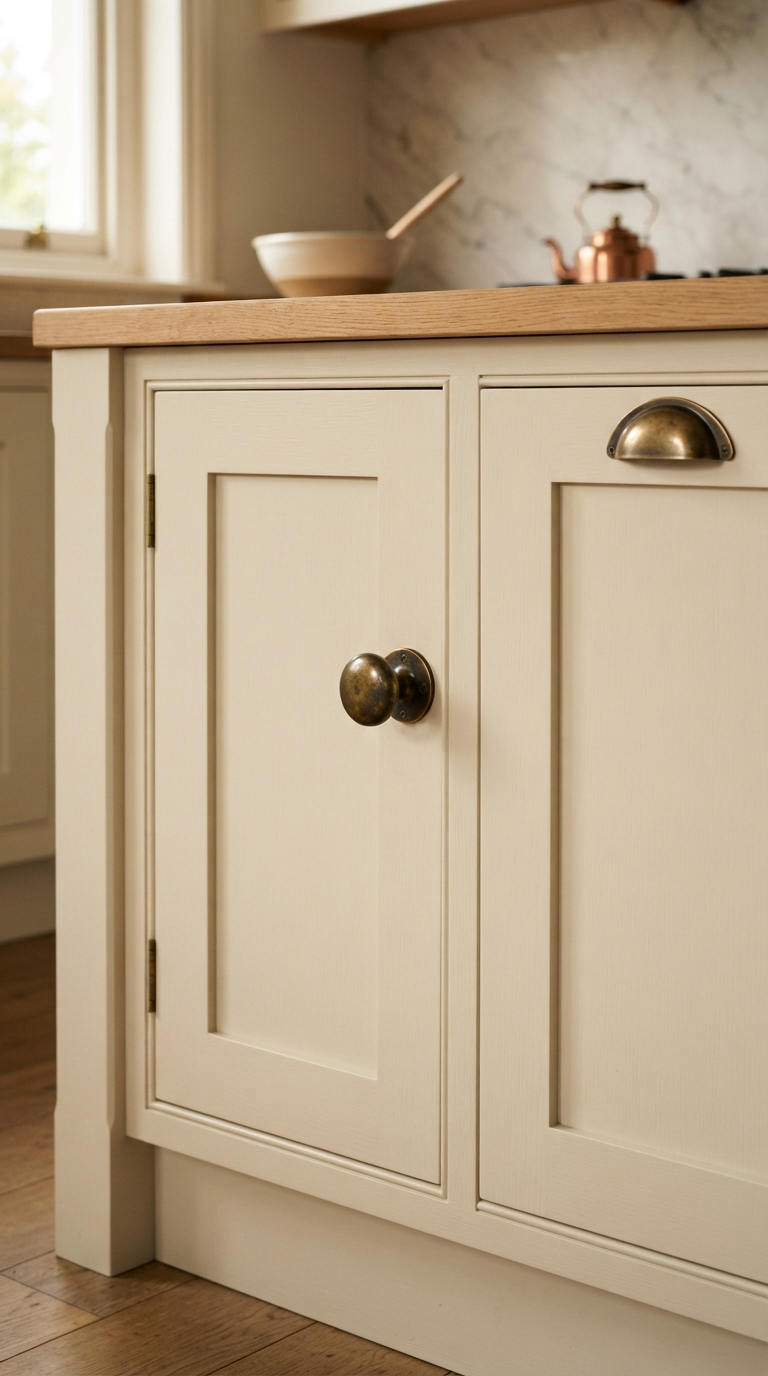
Traditional kitchen architecture relies heavily on time-tested cabinetry styles. Inset Shaker-style cabinet doors, beadboard paneling, and glass-front display cabinets showcase artisanal joinery while offering functional storage for heirloom dishes and cookware.
Pair historic cabinet profiles with aged metal hardware. Unlacquered brass, antique copper, or hand-forged wrought iron pulls develop a rich patina over years of daily use. These subtle tactile details reinforce the authentic, hand-built quality that defines traditional kitchen craftsmanship.
Deep Apron-Front Sinks and Vintage Fixtures
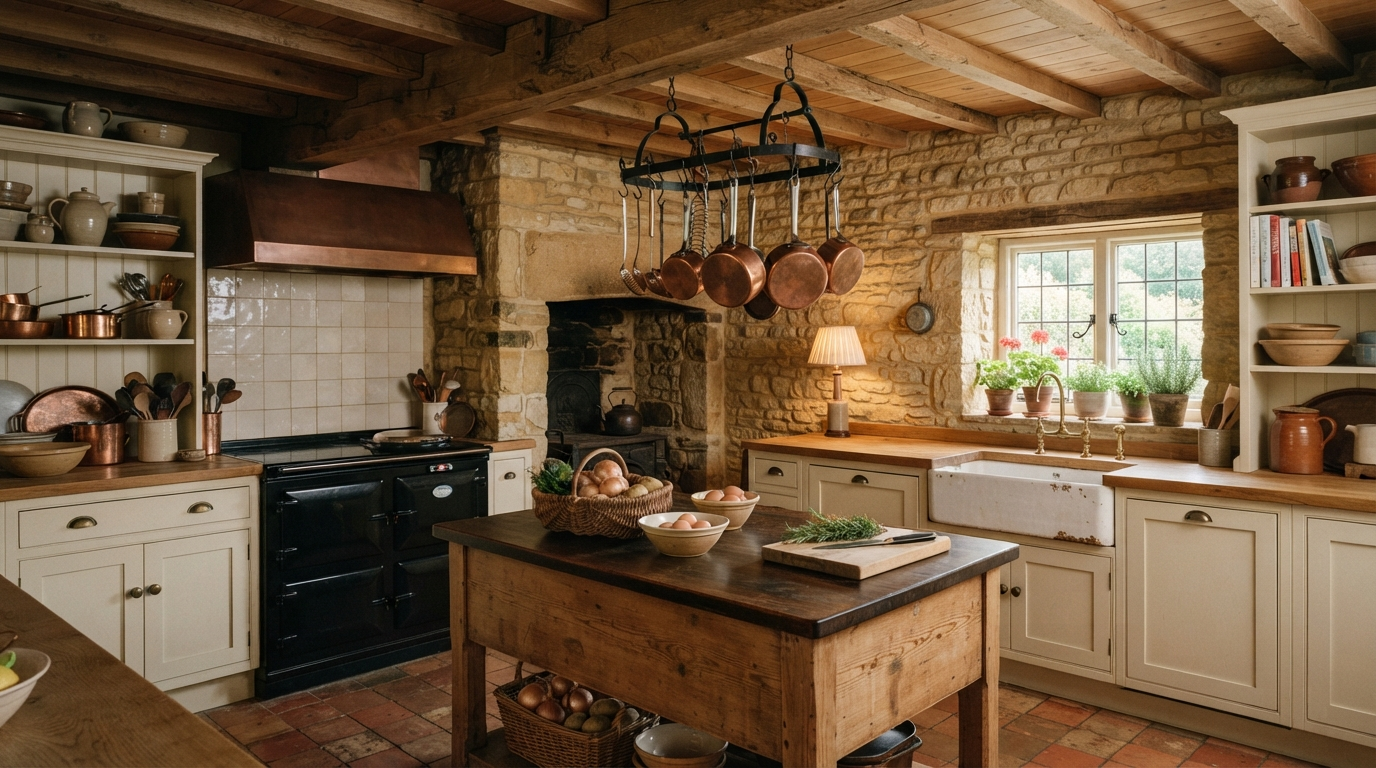
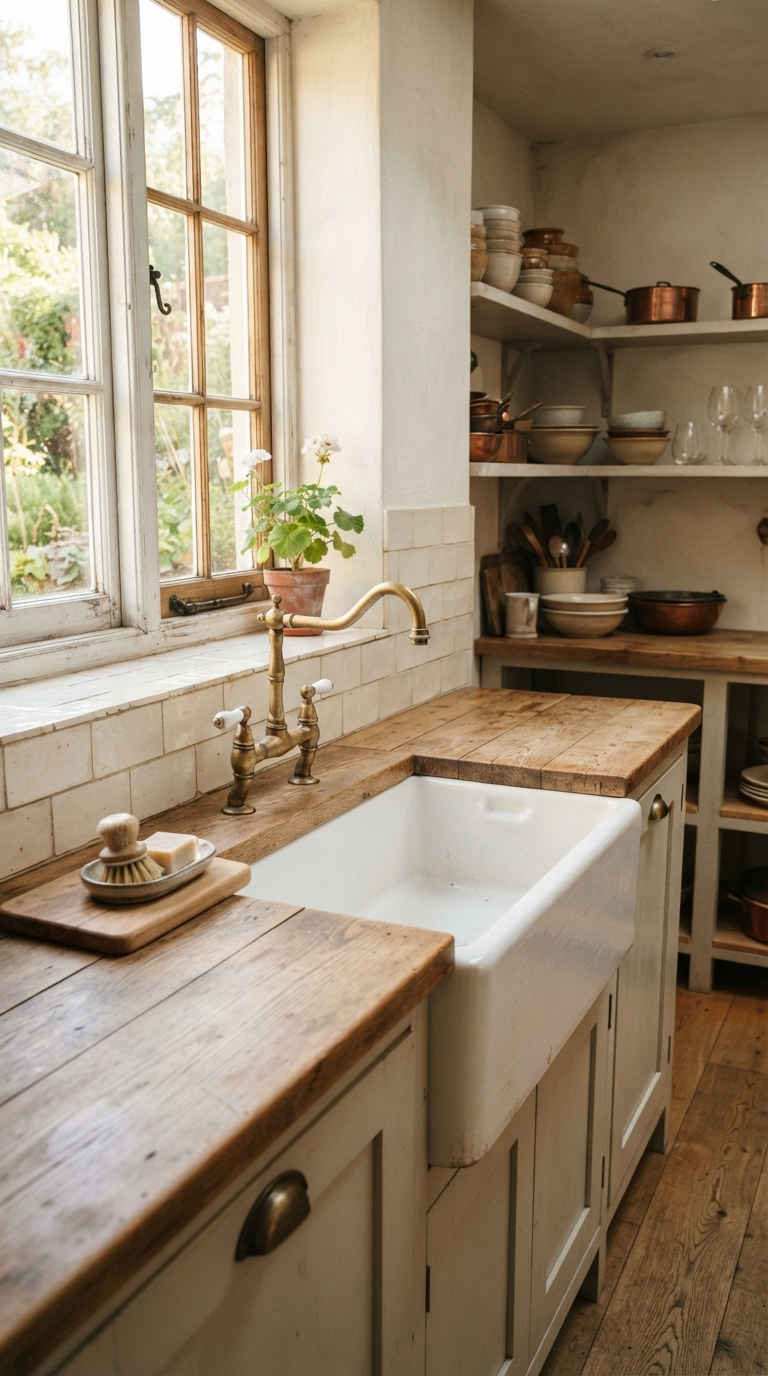
No rustic traditional kitchen is complete without a iconic porcelain or fireclay apron-front sink. Originally designed to hold large volumes of water for farm chores, the deep basin remains an iconic utilitarian feature that blends practical convenience with historic aesthetic grace.
Pair a farmhouse sink with a bridge-style kitchen faucet featuring dual porcelain cross handles and an elegant high-arc spout. Finishes like oil-rubbed bronze or brushed brass add vintage charm while delivering modern water efficiency and durability.
Open Shelf Display of Ceramic Ware and Copper Cookware
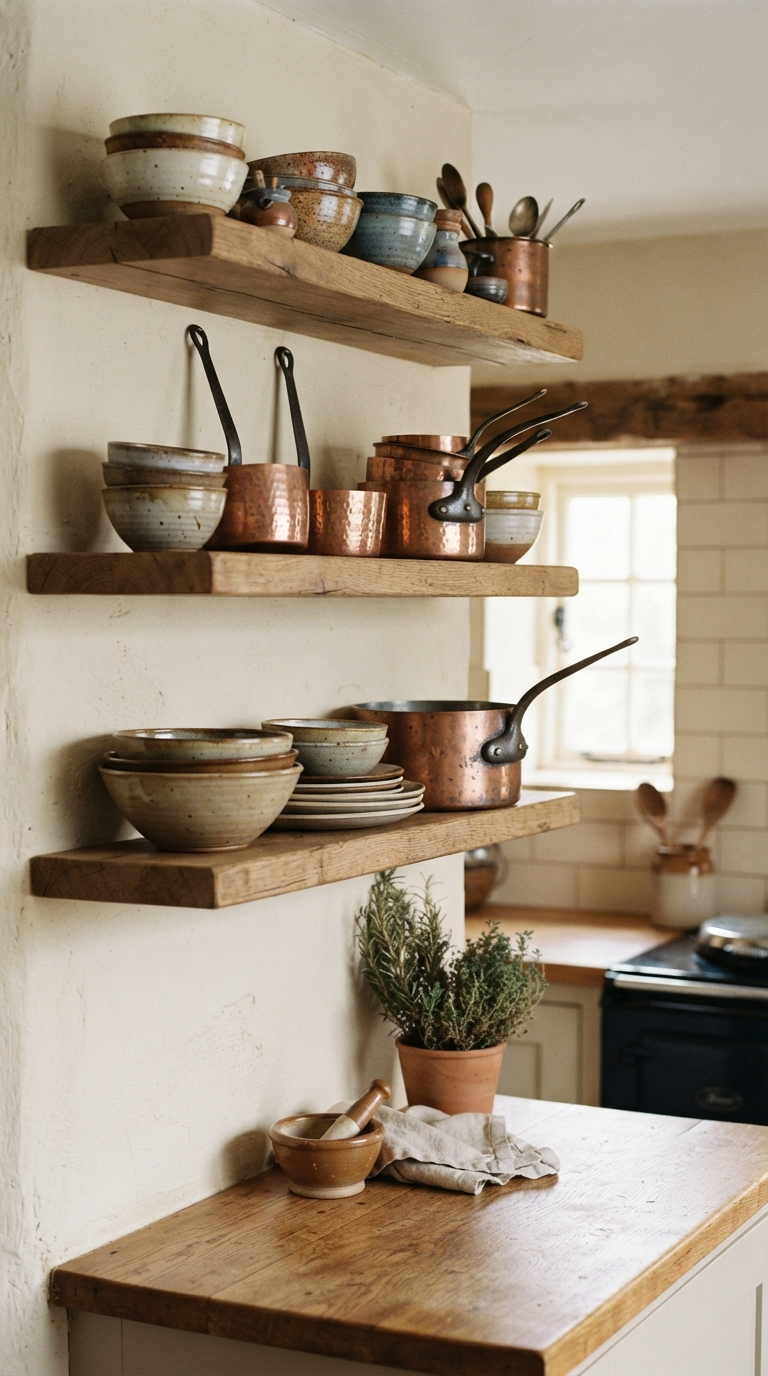
Rustic traditional kitchens celebrate utility by displaying everyday cookware and dishware out in the open. Heavy oak wall shelves anchored by forged iron brackets provide a home for handcrafted stoneware bowls, ceramic pitchers, and spice canisters.
A hanging ceiling rack crafted from hammered iron or wood displays gleaming copper pots and pans directly above a central island. This functional storage method adds rich metallic warmth to the room while keeping essential cooking tools within easy reach during meal preparation.
Warm Color Palettes and Layered Lighting Ambience
Color choices in traditional rustic kitchens draw inspiration from nature. Warm terracotta, buttery creams, muted sage greens, deep navy, and rich ochre shades harmonize seamlessly with natural timber and stone textures.
Complete the space with warm, layered lighting. Lantern-style pendant lights suspended above the kitchen island, paired with dimmable under-cabinet warm lights, create a soothing glow during evening hours. The result is an inviting, timeless kitchen space that honors tradition while serving modern family life with ease.
Discover the most common kitchen decor mistakes you are making and how to effortlessly upgrade your cooking space into a luxurious, functional sanctuary.
Explore the most breathtaking luxury trends for black and dark kitchens. From dramatic veined marble to matte cabinetry, discover how to design a moody masterpiece.
Discover the most captivating dark kitchen trends dominating this year. Elevate your culinary space with luxury materials, striking contrasts, and moody hues.
Explore the enduring beauty of rustic and traditional kitchens. From reclaimed wood beams to vintage accents, learn how to craft a warm, welcoming space.
Learn how to expertly design and style a sophisticated black or dark kitchen, including lighting tricks, material choices, and balancing moody aesthetics.
Learn how to perfectly design a cozy rustic traditional kitchen with our comprehensive guide. From wood cabinetry to classic farmhouse elements, master the look.