In today’s fast-paced, hyper-connected world, finding a moment of genuine peace can feel like an impossible luxury. We are constantly bombarded by notifications, endless tasks, and the lingering stress of daily responsibilities. This relentless pace makes it absolutely essential to carve out a dedicated wellness space within the boundaries of our own homes. A home wellness sanctuary is not just a passing trend; it is a profound commitment to your mental, physical, and emotional health. By intentionally designing a space solely dedicated to relaxation, meditation, and rejuvenation, you are giving yourself permission to pause, breathe, and recalibrate away from the chaos of everyday life. This comprehensive guide will walk you through the precise steps required to create an immersive, minimalist wellness sanctuary that promotes ultimate serenity, allowing you to disconnect from external pressures and reconnect with your inner self.
The philosophy of a minimalist wellness space is rooted in the idea that less is truly more. When we strip away visual clutter, we also remove mental clutter. A minimalist approach does not mean your space should be cold or empty; rather, it should be carefully curated, featuring only items that serve a specific purpose or bring you profound joy. Every single element, from the texture of the floor cushions to the subtle scent wafting through the air, should be chosen with intention. This guide will explore how to harmonize light, sound, texture, and layout to create an environment that feels like a warm, supportive embrace. Whether you have an entire spare bedroom or just a small, quiet corner in your living space, the principles outlined here will help you maximize its potential as a restorative retreat.
Step 1: Selecting the Perfect Location
The foundation of a successful wellness space begins with choosing the right location. You do not necessarily need a sprawling room to achieve a sense of tranquility; what matters most is the energy and environmental qualities of the space you select. Look for an area in your home that naturally receives gentle, indirect natural light during the times you are most likely to use it. East-facing windows are wonderful for morning meditation routines, allowing you to bask in the soft, hopeful glow of the sunrise. Alternatively, a west-facing corner might be perfect if you prefer to unwind and do gentle stretching as the sun sets. The quality of light profoundly impacts our circadian rhythms and mood, so pay close attention to how sunlight interacts with the space throughout the day.
Beyond lighting, consider the acoustic environment of your chosen spot. Your sanctuary should be as far removed from the high-traffic areas of your home as possible. Avoid locations near loud appliances, busy streets, or the central hub of family activity. If absolute silence is unachievable, do not worry—you can employ sound-masking strategies later. However, starting with a baseline of relative quiet will make the process much easier. Pay attention to the temperature and airflow as well; a stuffy room will hinder relaxation, while a drafty corner will prevent you from settling in comfortably. Choose a space where the climate feels consistently pleasant and inviting, allowing your body to relax without having to constantly regulate its temperature.
Step 2: The Art of Intentional Decluttering
Once you have identified the ideal location, the next crucial step is clearing the canvas. Decluttering is perhaps the most vital aspect of creating a minimalist wellness space. Visual clutter translates directly to cognitive overload, making it incredibly difficult for your brain to switch off and relax. Begin by removing everything from the space that does not directly contribute to your wellness practice. This includes stray paperwork, laundry, unrelated electronics, and excessive decorative items. Be ruthless in your curation. The goal is to create a void—a peaceful emptiness that allows your mind to rest. When you step into this area, you should immediately feel a sense of relief, as if a physical weight has been lifted from your shoulders.
The process of decluttering should itself be a mindful practice. As you remove items, acknowledge their purpose and intentionally decide whether they belong in your sanctuary. Remember that empty space is not wasted space; in a wellness room, empty space is the luxury of breathing room. Once you have cleared the area, clean it thoroughly. Wipe down surfaces, sweep or vacuum the floors, and physically purify the environment. This physical cleaning acts as a psychological reset, establishing the area as a pristine zone dedicated solely to healing and tranquility. The clean lines and uncluttered surfaces will serve as the perfect backdrop for the intentional elements you will introduce next.
Step 3: Establishing a Calming Color Palette
Color psychology plays a monumental role in how we perceive and experience a space. To cultivate a minimalist wellness sanctuary, you must choose a color palette that inherently promotes relaxation and reduces anxiety. The most effective colors for this purpose are found in nature: soft, muted tones that mimic elements of the earth, sky, and water. Warm off-whites, gentle taupes, and soft sands provide a neutral, grounding base that reflects light beautifully without feeling sterile. These foundational colors create a sense of expansiveness and calm, allowing the walls to recede gently into the background rather than demanding attention.
If you wish to introduce slightly more color, look to the restorative hues of the natural world. Muted sage greens, soft dusty blues, and pale terracotta can add warmth and subtle visual interest without overpowering the senses. Avoid highly saturated, aggressive colors like bright reds, intense yellows, or vibrant oranges, as these are stimulating and can increase heart rate and alertness—the exact opposite of what you want in a wellness space. When selecting paint or textiles, opt for matte finishes over glossy ones, as matte surfaces absorb light softly, reducing glare and creating a more enveloping, cozy atmosphere. The goal is a cohesive, harmonious palette that whispers rather than shouts.
Step 4: Integrating Biophilic Design Elements
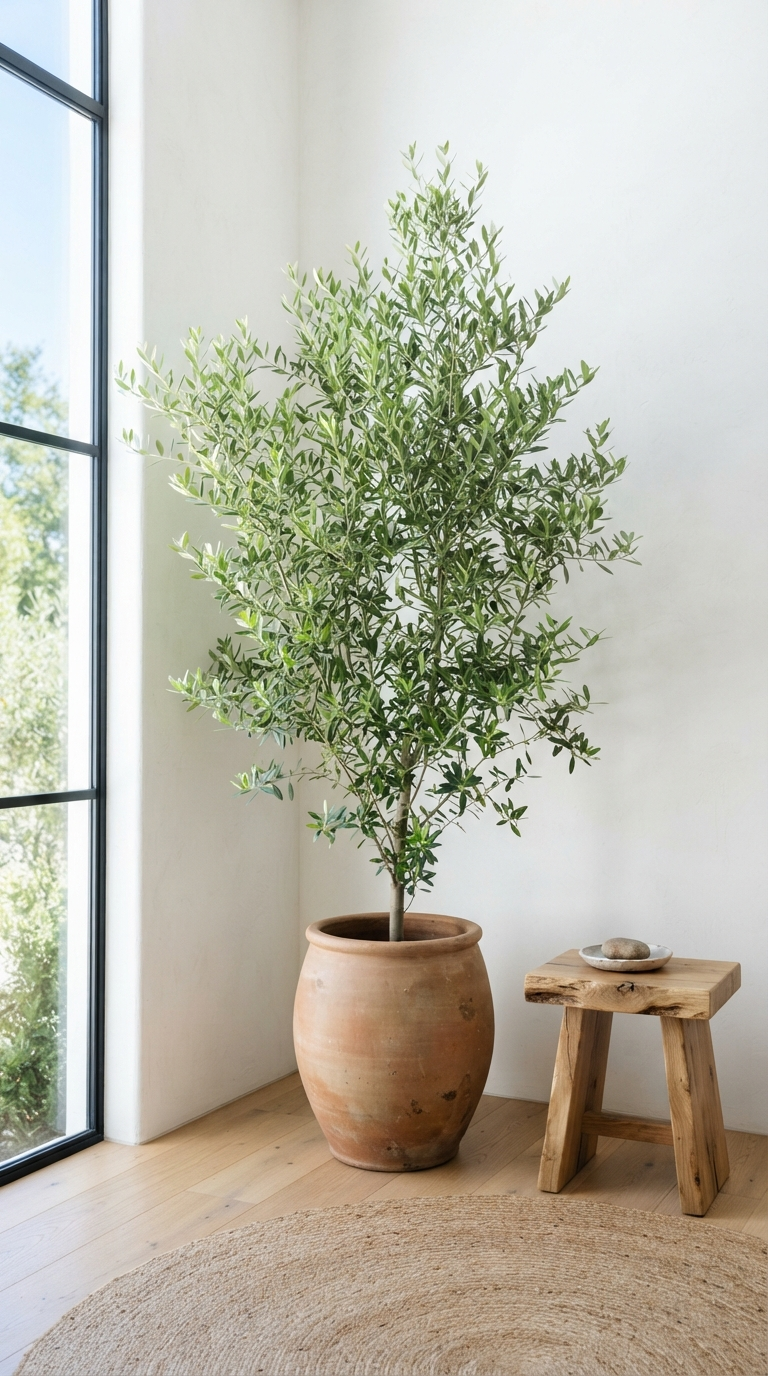
Biophilic design—the practice of connecting humans with nature within the built environment—is a cornerstone of any effective wellness space. Humans have an innate, evolutionary connection to the natural world, and incorporating elements of nature into your sanctuary is proven to lower cortisol levels, reduce blood pressure, and enhance overall well-being. The most direct way to achieve this is through the introduction of indoor plants. Select low-maintenance varieties that thrive in your specific lighting conditions, such as snake plants, pothos, or peace lilies. The vibrant green of the foliage provides a soothing focal point, while the plants themselves help to purify the air, creating a healthier microclimate.
Beyond living plants, you can embrace biophilic design by incorporating natural materials throughout the space. Choose furniture and accessories crafted from sustainable, organic materials like raw wood, bamboo, rattan, stone, or linen. The tactile experience of these materials is inherently grounding. A smooth river stone used as a meditative focal point, a rough-hewn wooden stool holding a cup of herbal tea, or a soft linen floor cushion all invite a tactile engagement that synthetic materials simply cannot replicate. By surrounding yourself with the textures and tones of nature, you bridge the gap between the indoors and the outdoors, creating a sanctuary that feels deeply rooted and restorative.
Step 5: Curating the Sensory Experience
A true wellness sanctuary engages all the senses in a harmonious, soothing manner. Visual minimalism is only the beginning; you must also address scent, sound, and touch. Aromatherapy is a powerful tool for instantly shifting your mental state. Introduce an essential oil diffuser to disperse calming scents like lavender, chamomile, cedarwood, or bergamot into the air. If you prefer a tactile ritual, high-quality incense or naturally scented beeswax candles can provide both a calming aroma and a mesmerizing, flickering light to focus upon during meditation. The scent should be subtle and inviting, never overwhelming or artificial.
Soundscapes are equally critical. If your chosen location is plagued by background noise, utilize a high-quality sound machine to play continuous, soothing sounds like ocean waves, gentle rain, or deep brown noise to mask disruptions. Alternatively, curate playlists of ambient, instrumental music or sound bath frequencies (like singing bowls) that encourage brainwave entrainment into deeper states of relaxation. Finally, focus on touch by layering soft, luxurious textures. Invest in a plush, organic cotton meditation mat, keep a heavy, knitted weighted blanket nearby to provide deep pressure therapy, and ensure the floor surface itself is comfortable, perhaps by adding a soft wool rug. Every physical interaction in this space should feel comforting and safe.
Step 6: Selecting Purposeful, Minimalist Furniture
In a minimalist wellness space, furniture should be kept to an absolute minimum, serving only essential functions. Large, imposing pieces will visually crowd the room and disrupt the flow of energy. Instead, opt for low-profile furnishings that keep you grounded and close to the earth. A traditional zafu and zabuton meditation cushion set is an excellent investment for comfortable, supported sitting. If you incorporate yoga or stretching, a high-quality, eco-friendly mat should be easily accessible but neatly rolled away when not in use. The focus should be on creating clear, open floor space that invites movement and deep breathing.
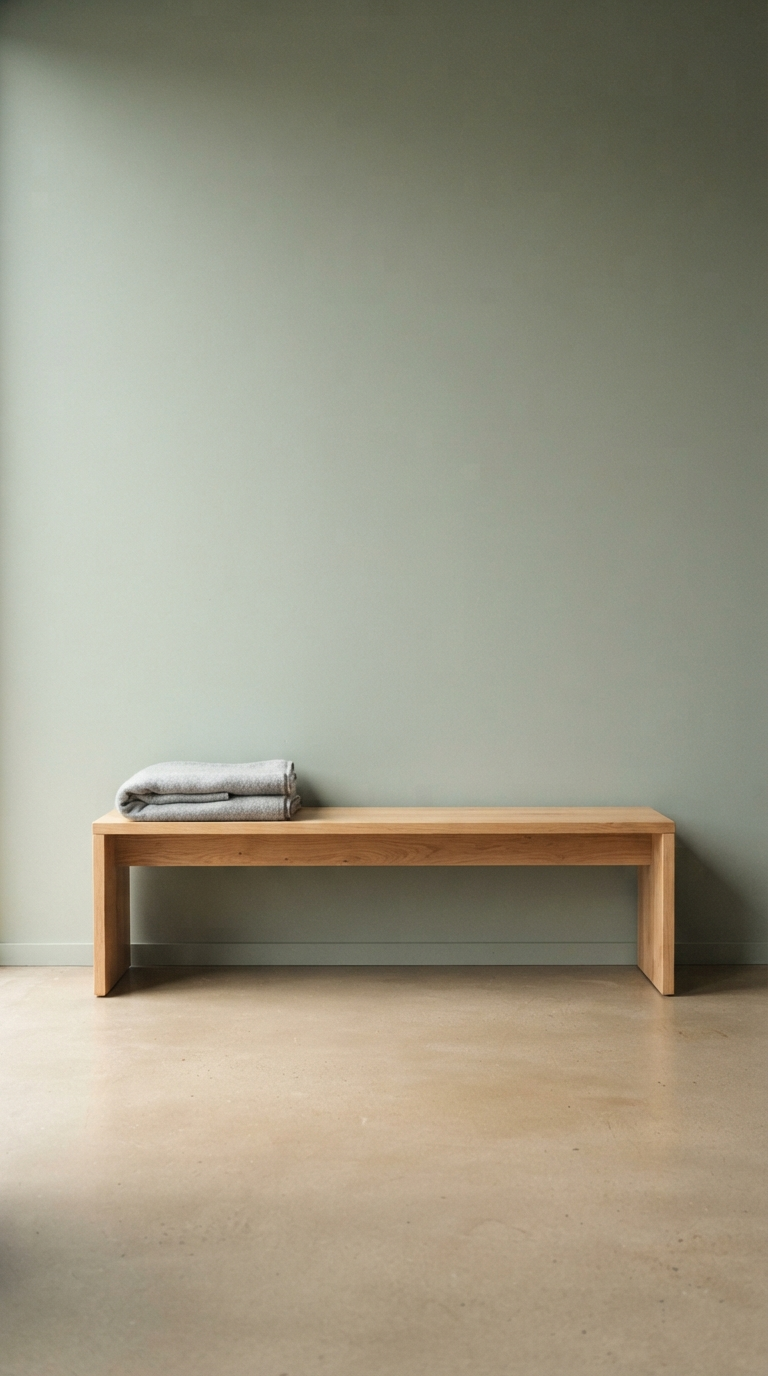
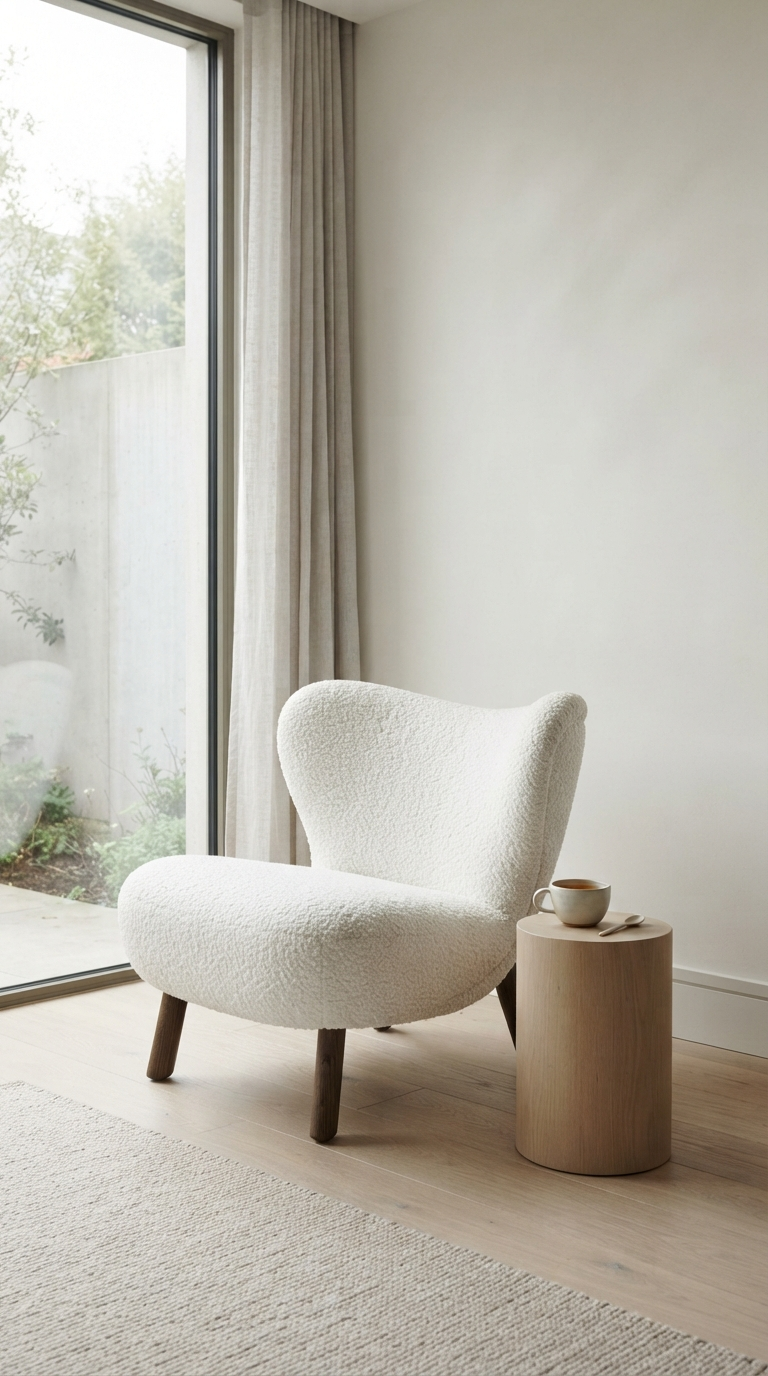
If you require storage for your wellness accessories, choose closed, integrated storage solutions that hide visual clutter. A small, beautifully crafted wooden chest or a sleek, low console can hold your diffuser, essential oils, journals, and blankets out of sight. A single, comfortable reading chair with clean, modern lines can be included if you use the space for reflection or journaling, but avoid adding side tables or extra seating unless absolutely necessary. The furniture you do select should feature smooth curves and ergonomic designs that cradle the body. By keeping the furnishings sparse and intentional, you ensure that the primary focus of the room remains on your personal practice and inner journey, rather than the physical objects surrounding you.
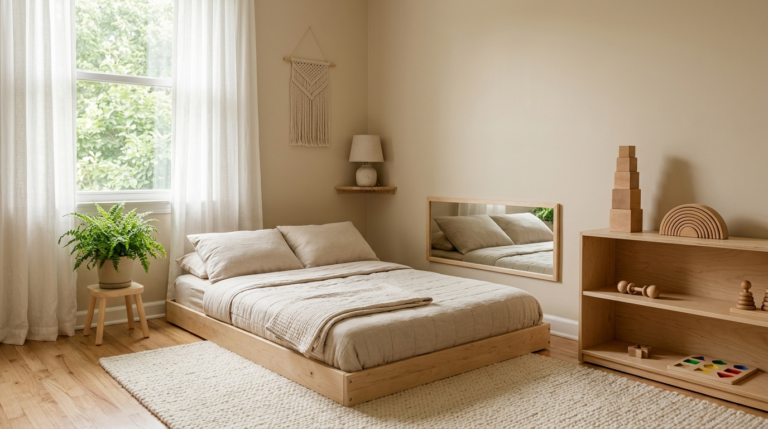
Learn exactly how to design a beautiful, functional, and calming Montessori nursery. Discover step-by-step tips to foster creativity and independence in your child’s space.
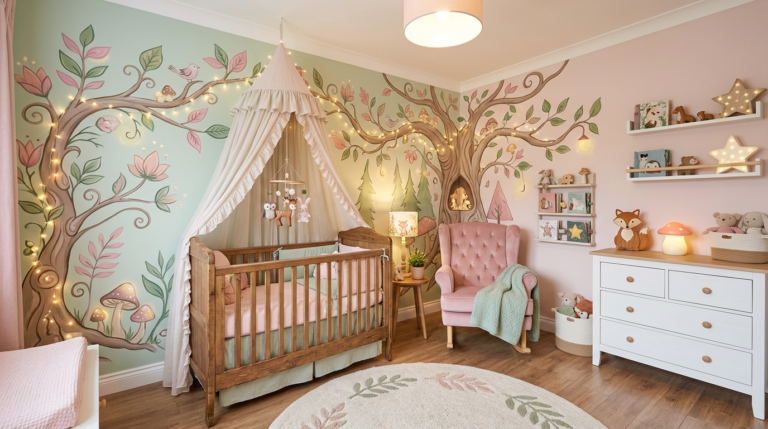
Discover imaginative and whimsical DIY projects to transform your child’s nursery into a magical wonderland. Easy steps for creating personalized kids spaces.
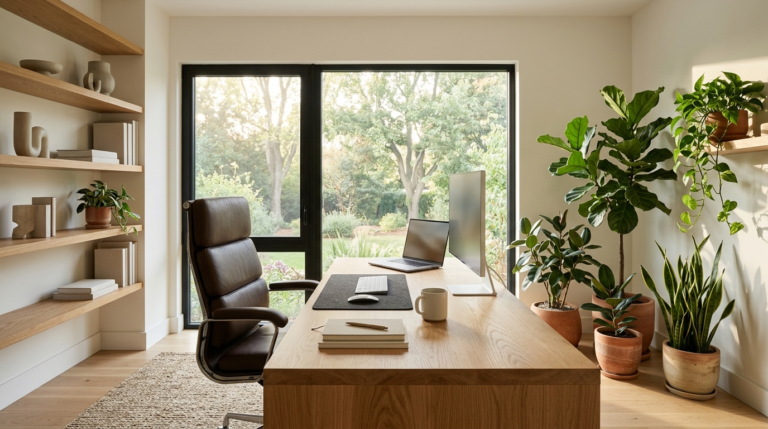
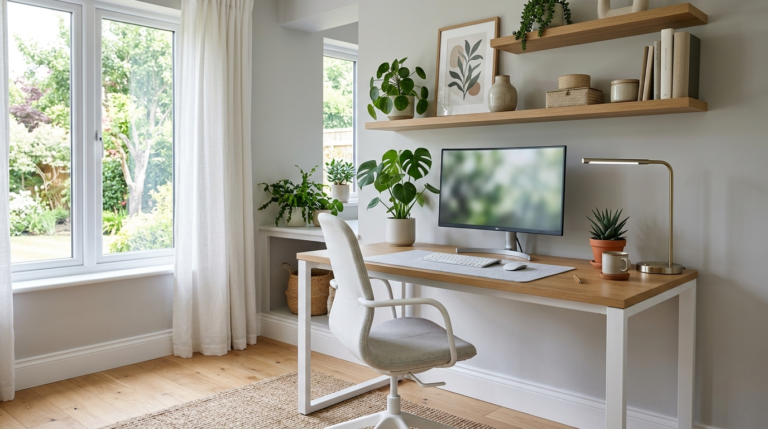
Discover how to transform your home office into a cozy productivity oasis. Explore layout tips, ergonomic solutions, and decor ideas to inspire your best work.
Transform your baby’s room into a fairytale wonderland with these whimsical DIY nursery ideas. Create a magical, imaginative space without breaking the bank.
Stop letting poor design ruin your focus. Avoid these critical home office mistakes to create a productive, ergonomic, and beautiful workspace that inspires.
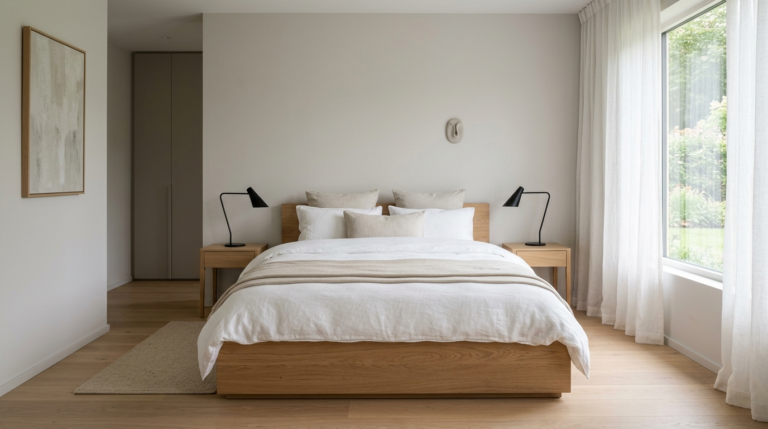
Are you making these common bedroom design mistakes? Learn how to fix your sleeping space, optimize flow, and create a truly minimalist, serene retreat.