The kitchen is undeniably the hardworking heart of the home. It is where morning routines are forged, where family gathers after a long day, and where culinary creativity comes to life. Because of its multifaceted role, the functionality of a kitchen is just as critical—if not more so—than its aesthetic appeal. A kitchen can feature the most expensive marble countertops and top-of-the-line custom cabinetry, but if the layout is fundamentally flawed, cooking in it will be a frustrating and exhausting chore rather than a joyful experience.
Unfortunately, many homeowners and inexperienced designers fall into the trap of prioritizing form over function during renovations. They may become so enamored with the idea of a massive, sprawling kitchen island or a specific stylistic aesthetic that they completely overlook basic ergonomic principles and space planning guidelines. These seemingly small oversight errors compound daily, resulting in cramped walkways, inaccessible storage, poor lighting, and a chaotic cooking environment that hinders efficiency.
Whether you are planning a massive, down-to-the-studs kitchen remodel, considering a few strategic updates, or just trying to understand why your current cooking space feels so incredibly dysfunctional, identifying layout flaws is the vital first step. In this comprehensive guide, we are going to break down the seven most common kitchen layout mistakes that people make. More importantly, we will provide you with the exact, practical solutions and expert interior design strategies needed to fix them, ensuring your kitchen and dining areas are as perfectly functional as they are beautiful.
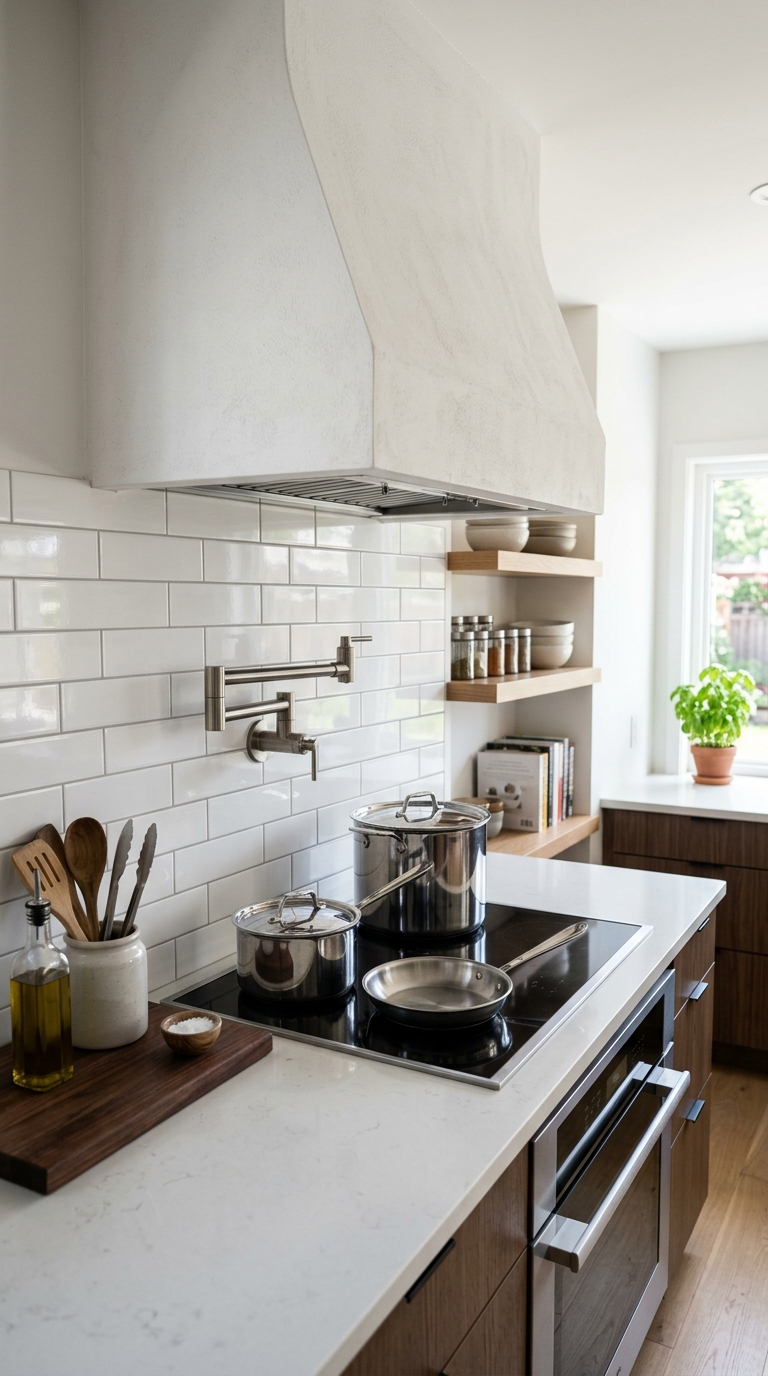
1. Ignoring the Classic Kitchen Work Triangle
The concept of the kitchen work triangle has been a foundational rule of interior design for decades, and ignoring it is one of the most critical errors you can make. The triangle connects the three primary work areas of the kitchen: the stove, the sink, and the refrigerator. If these three core appliances are placed too far apart, you will find yourself walking exhausting marathon distances just to prepare a simple meal. Conversely, if they are crammed too tightly together, the workspace becomes claustrophobic, especially if more than one person is trying to cook or clean at the same time.
To fix this problem, you need to measure and respect the dimensions of the triangle. The general rule of thumb is that the sum of all three sides of the work triangle should be between 13 feet and 26 feet. Each individual side of the triangle should measure no less than 4 feet and no more than 9 feet. Furthermore, the lines of the triangle should not be obstructed by a kitchen island or a protruding peninsula. If an island blocks the direct path from the sink to the stove, it is a severe design flaw that disrupts the entire flow of the room.
In modern, larger kitchens, the traditional triangle is sometimes evolved into ‘work zones’ (prep zone, cooking zone, cleaning zone). Even in a zoned approach, the relationship between the sink, cooktop, and cold storage must remain fluid and unobstructed. Always sketch out your walking paths before finalizing any cabinetry or plumbing decisions to ensure optimal ergonomics.
2. Relying Solely on Overhead Ambient Lighting
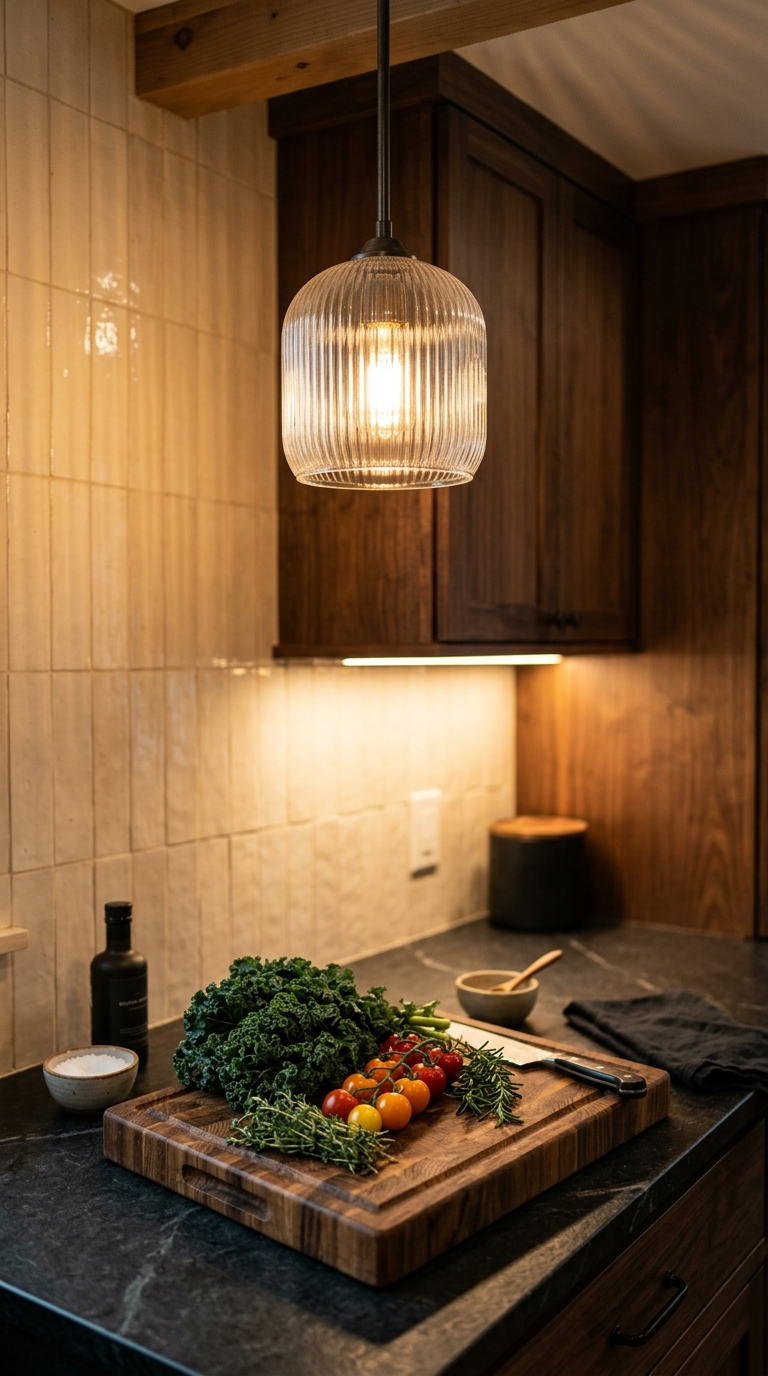
Lighting is frequently treated as an afterthought in kitchen design, resulting in spaces that are either glaringly bright like a hospital room or frustratingly dim and shadowed. The most prevalent mistake is relying entirely on a grid of recessed ceiling lights to illuminate the entire room. When you stand at the counter to chop vegetables with only overhead lighting behind you, your body casts a dark shadow directly over your workspace, making food preparation difficult and potentially dangerous.
The solution is to implement a layered lighting strategy. A well-designed kitchen requires three distinct types of lighting: ambient, task, and accent. Ambient lighting (like your overhead recessed lights) provides the general, overall illumination for the room. Task lighting is crucial; this includes strategically placed under-cabinet LED light strips that directly illuminate the countertops where you do your chopping and mixing, as well as pendant lights specifically hung over the kitchen island or sink.
Finally, accent lighting adds depth, dimension, and aesthetic appeal. This could involve lighting inside glass-front display cabinets or a soft wash of light above the upper cabinets. By putting each of these lighting layers on separate dimmer switches, you gain complete control over the mood and functionality of the kitchen, seamlessly transitioning from bright, energetic meal prep to a soft, warm ambiance for dining and relaxing.
3. Inadequate and Uninterrupted Counter Prep Space
A kitchen can be incredibly large in terms of square footage but still function poorly if the countertops are broken up into tiny, unusable fragments. Designing a layout where tall pantry cabinets, double ovens, and refrigerators interrupt the continuous flow of the counter leaves you with insufficient continuous prep space. Chopping, mixing, and assembling ingredients requires room to spread out, and cramming these tasks into a tight 18-inch corner next to the sink is deeply frustrating.
To remedy this, prioritize long, uninterrupted stretches of countertop in your layout plan. The National Kitchen and Bath Association (NKBA) recommends a minimum of 36 inches of continuous countertop space located immediately next to the sink for primary food preparation. Additionally, you need adequate ‘landing zones’—which are smaller sections of counter space (at least 15 inches wide) immediately adjacent to the stove, refrigerator, and oven, so you have a safe place to immediately set down hot pans or heavy groceries.
If your existing layout suffers from fragmented counters, one of the best fixes is the addition of a kitchen island or a rolling butcher block cart, provided you have the floor space. Another effective strategy to reclaim counter space is to hide small countertop appliances (like toasters, blenders, and coffee makers) inside a dedicated ‘appliance garage’ cabinet with a roll-up or fold-away door, keeping the main surfaces permanently clear and ready for cooking.
4. Wasting Vertical Space and Creating Dust Traps
One of the most aesthetically displeasing and functionally wasteful mistakes in older kitchen designs is leaving a gap of 12 to 18 inches between the top of the upper cabinets and the ceiling. Not only does this void serve absolutely no functional purpose, but it also becomes a massive, hard-to-reach trap for dust, grease, and grime. Furthermore, stopping the cabinetry short visually chops the room in half, making the ceilings feel lower and the entire space feel significantly smaller and more cramped.
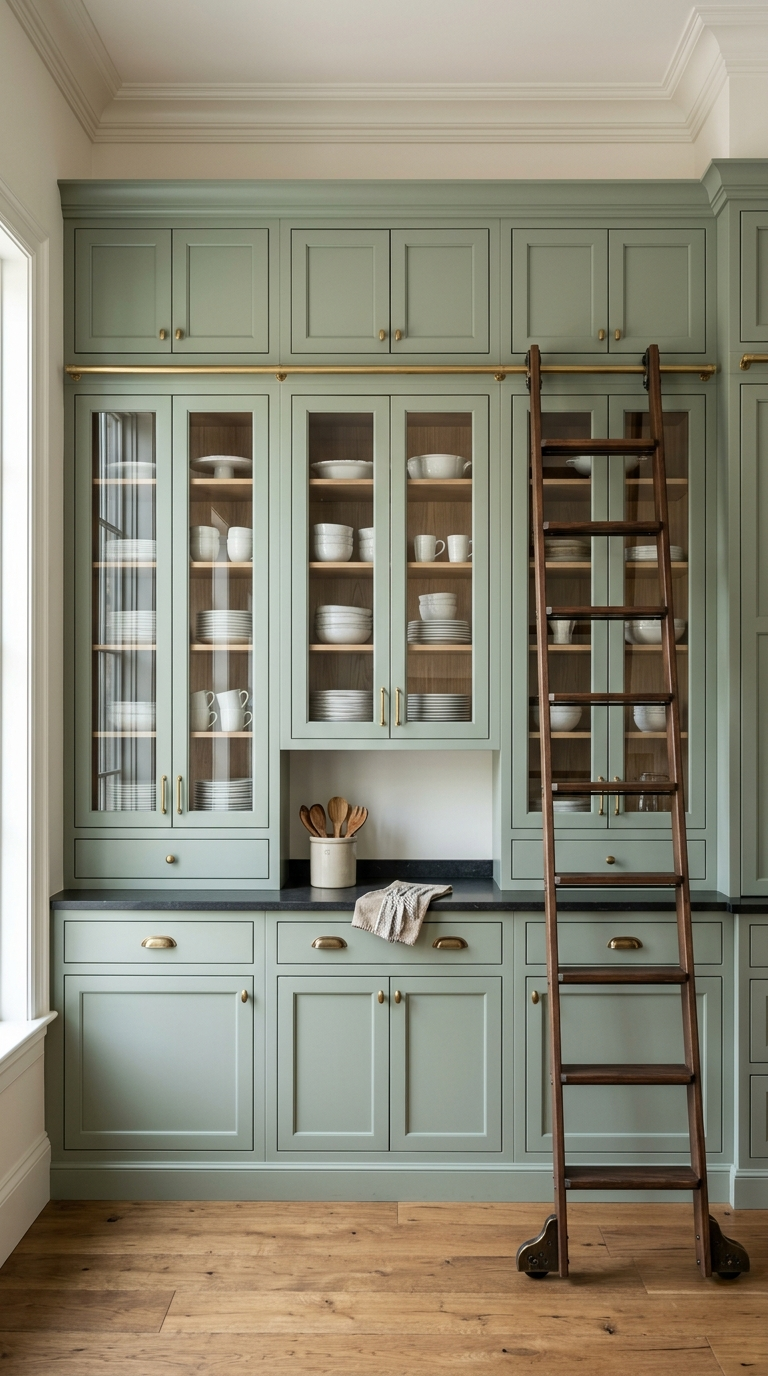
The ultimate fix for this is to extend your cabinetry all the way to the ceiling. Floor-to-ceiling cabinets draw the eye upward, immediately creating the illusion of height and grandeur in the kitchen. The topmost cabinets are incredibly valuable for storing seasonal items, large roasting pans, holiday platters, or small appliances that are only used a few times a year. If you have particularly high ceilings, you can stack a smaller row of glass-front cabinets on top of the main upper cabinets, complete with interior lighting, for a stunning, high-end display area.
If replacing all your upper cabinets is out of the budget, there are structural workarounds. You can hire a carpenter to build decorative soffits or add thick, substantial crown molding to bridge the gap and close off the space between the existing cabinets and the ceiling. This simple aesthetic fix creates a seamless, built-in look while permanently eliminating the dreaded dust trap.
5. Obstructing Traffic Flow with Oversized Islands
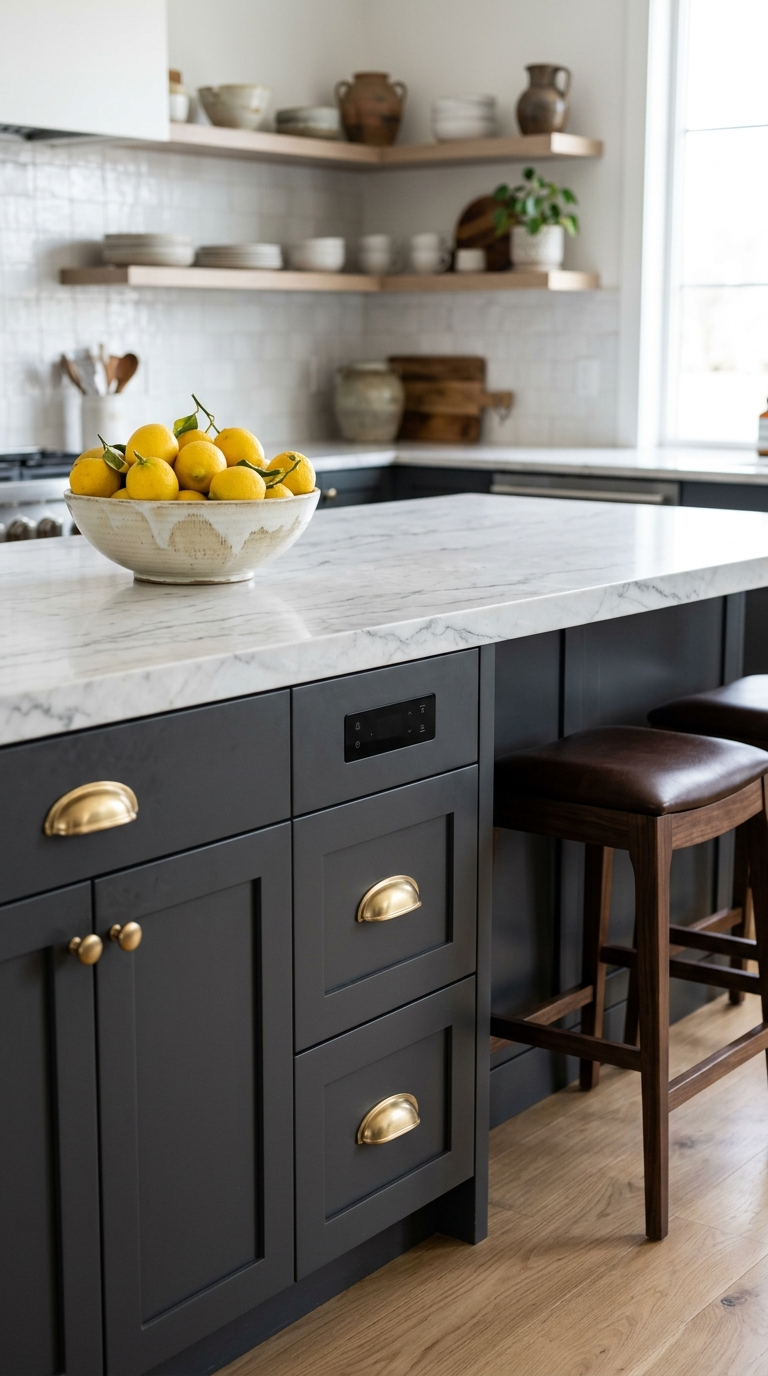
The massive, multi-functional kitchen island is a staple of modern home design, acting as a prep zone, dining table, and homework station. However, bigger is not always better. Forcing an oversized island into a space that is simply too narrow is a catastrophic layout mistake. A huge island in a small kitchen chokes the walkways, creates constant traffic jams when multiple people are in the room, and makes it impossible to fully open appliance doors like the dishwasher, oven, or refrigerator without blocking the path.
Solving this requires strict adherence to minimum clearance measurements. To ensure smooth traffic flow and a comfortable working environment, there must be an absolute minimum of 36 inches (3 feet) of clearance aisle space on all sides of the island. However, 42 to 48 inches is highly recommended, especially in high-traffic zones or in kitchens where two people frequently cook together. Do not guess these measurements; physically map them out on your floor with painter’s tape before ordering cabinetry.
If your kitchen footprint cannot accommodate a standard island with the proper clearance, do not force it. Instead, explore highly functional alternatives. A rolling kitchen cart provides prep space when needed and can be pushed against a wall when not in use. Alternatively, a peninsula (which is attached to a wall or counter on one side) often provides the exact same seating and prep benefits as an island but requires significantly less surrounding floor space, preserving your essential traffic flow.
6. Lack of Purposeful and Accessible Storage
Having plenty of cabinets does not automatically equate to having good storage. A kitchen filled with deep, dark base cabinets featuring fixed shelves is a recipe for disorganization. Pots and pans get shoved to the back, becoming impossible to retrieve without emptying the entire cabinet. Similarly, deep blind corner cabinets become black holes where Tupperware lids and obscure gadgets disappear forever. This lack of purposeful storage forces you to bend, reach, and dig, turning cooking into a physical chore.
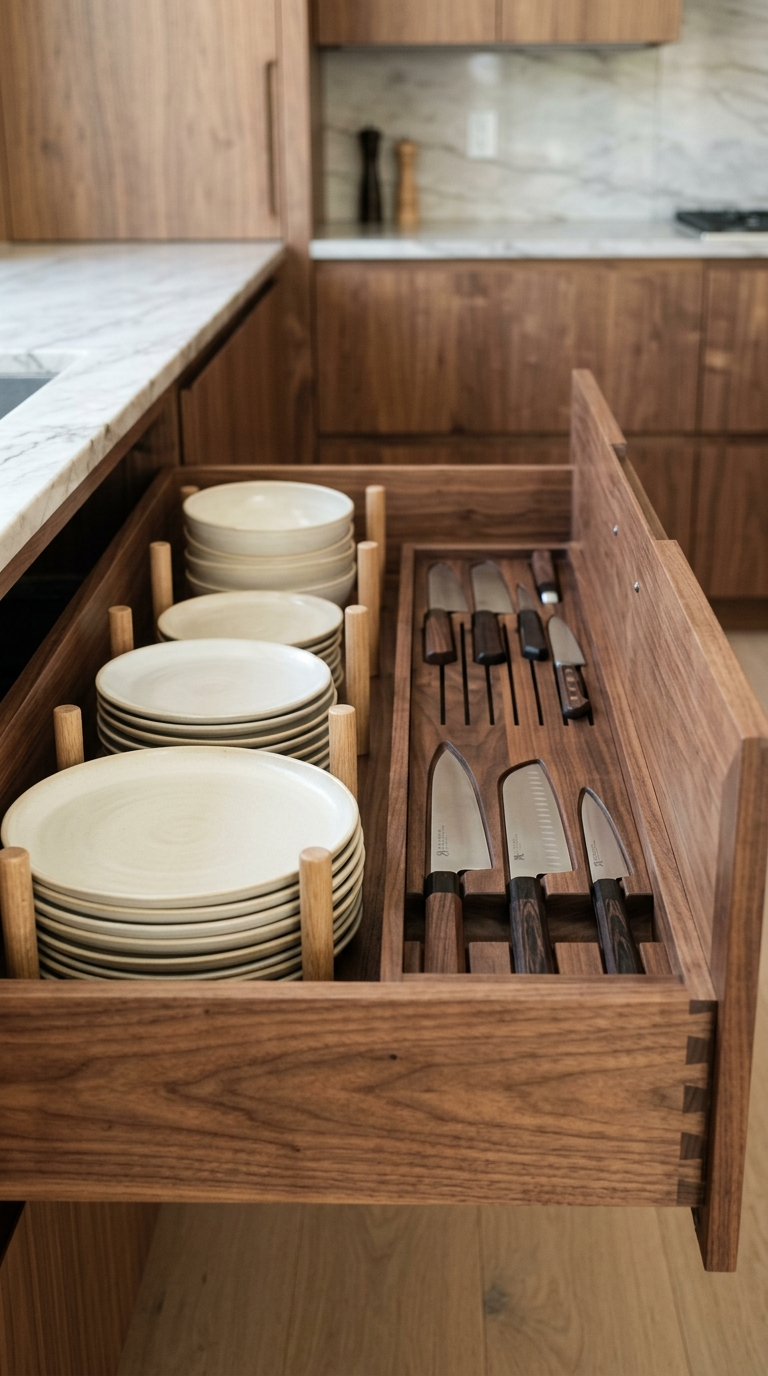
The modern fix is to replace lower cabinet doors with deep, heavy-duty storage drawers. Drawers are infinitely more ergonomic; you pull the drawer out, and the entire contents are immediately visible and accessible from the top down. Deep drawers are perfect for neatly stacking heavy pots, pans, and even everyday dishware. For remaining cabinets, installing sliding pull-out shelves or wire baskets is a mandatory upgrade that brings the items at the back right to your fingertips.
Furthermore, customize the interiors of your drawers and cabinets. Use wooden peg boards in deep drawers to keep plates secure, install heavy-duty dividers for baking sheets and cutting boards so they stand vertically rather than piling up, and utilize smart corner solutions like kidney-shaped pull-outs (often called magic corners or Le Mans units) to fully utilize every square inch of awkward corner space without the struggle.
7. Forgetting the Dining and Entertaining Transition
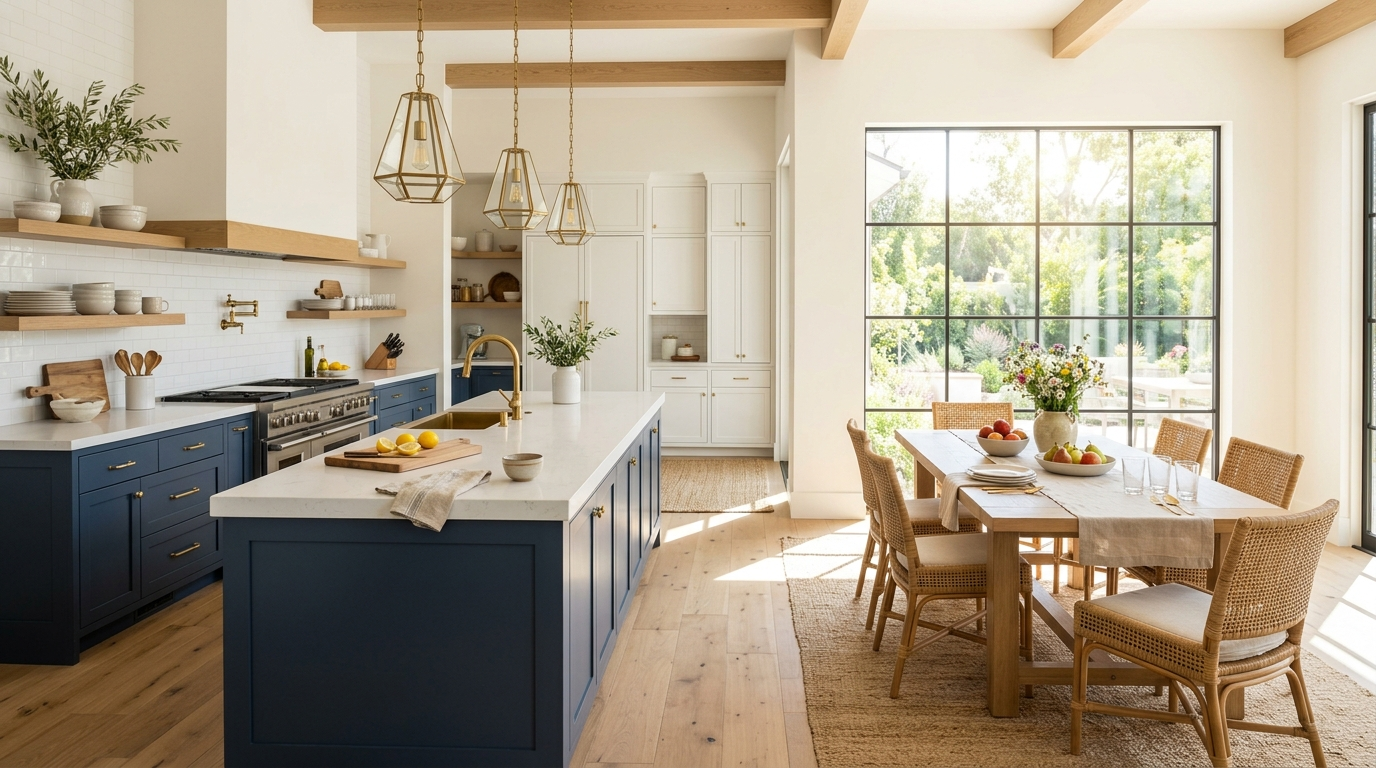
In today’s open-concept homes, the kitchen rarely exists in isolation; it flows directly into the dining room or living area. A major design mistake is treating the kitchen and the adjacent dining space as two completely separate, disjointed entities. When the transition is abrupt—with clashing color palettes, mismatched flooring, or an awkward physical layout—the entire home feels fragmented and uninviting for guests and family alike.
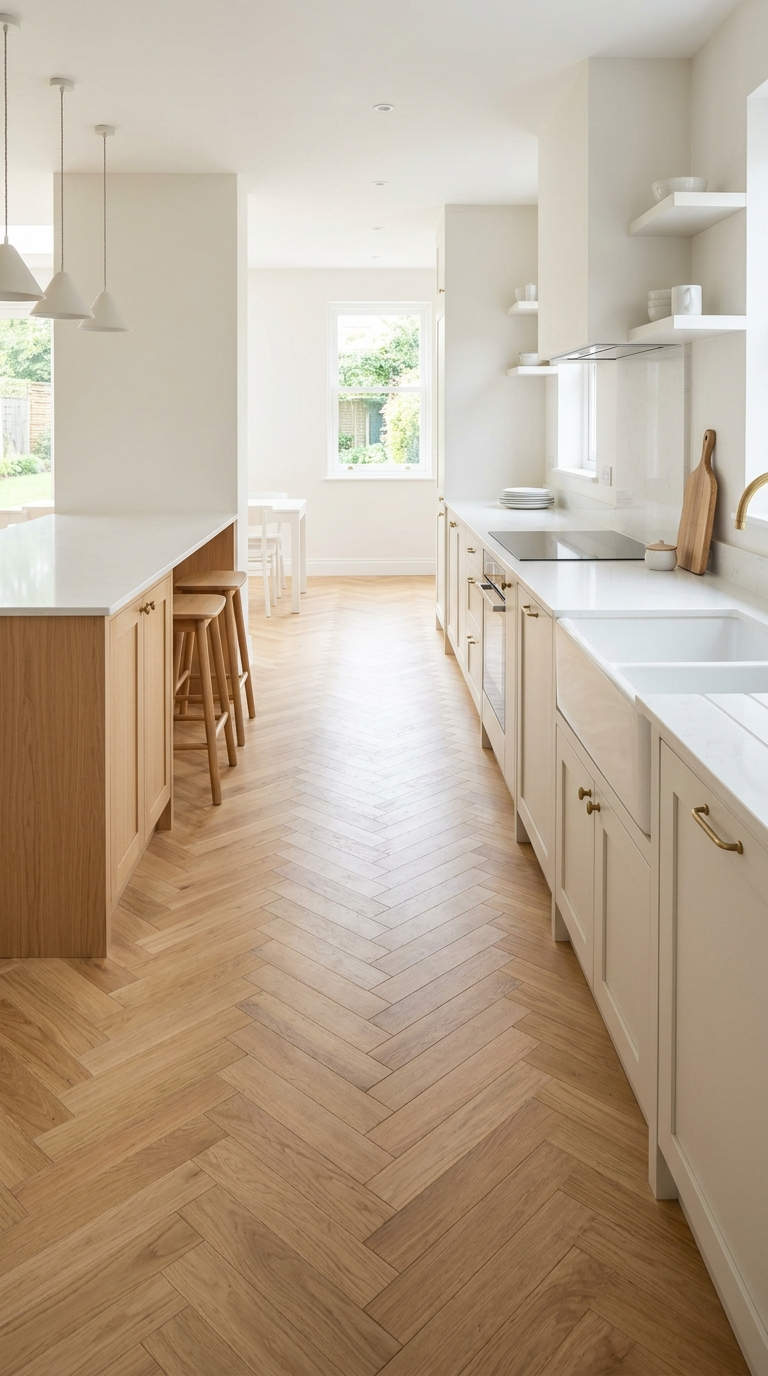
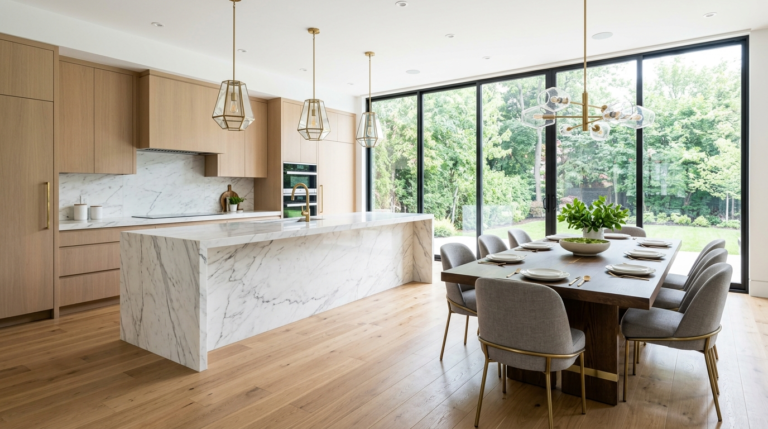
Fixing this requires a holistic design approach that bridges the gap. Create a visual connection by carrying elements from the kitchen into the dining area. For example, use the same hardware finish (like brushed brass or matte black) on your kitchen cabinets as you do on the dining room sideboard. Echo the color of your kitchen island in the upholstery of your dining chairs. Consistent flooring running continuously through both spaces is also critical for creating a seamless, expansive feel.
From a layout perspective, ensure the transition zone is logical. The path from the cooking area to the dining table should be wide, clear, and direct. If you have bar seating at an island or peninsula, ensure the stools face outward toward the dining or living area to encourage conversation and interaction between the chef and the guests. By intentionally designing this transition, you elevate the kitchen from a mere utility room to the vibrant, social epicenter of your home.
Conclusion: Optimize Your Space for Joyful Cooking
Designing a flawless kitchen is an intricate puzzle that requires balancing beautiful aesthetics with strict ergonomic rules and practical functionality. By proactively identifying and correcting these seven common layout mistakes—respecting the work triangle, layering your lighting, prioritizing continuous counter space, maximizing vertical storage, clearing traffic pathways, upgrading to accessible drawer storage, and smoothing the dining transition—you can completely transform how you interact with your home.
Whether you are dealing with a compact galley kitchen or a sprawling open-plan space, the fundamental rules of good design remain the same. Take the time to evaluate your current setup, meticulously plan your walkways, and invest in smart storage solutions. A well-planned kitchen layout not only adds significant financial value to your home but, more importantly, it removes the daily friction from meal preparation, allowing you to truly enjoy the art of cooking and entertaining with the people you love.
Discover the most anticipated kitchen and dining room trends of the year. From stunning natural stones to seamless integration, explore luxury designs.
Struggling with a tiny kitchen? Learn the most common small kitchen decor mistakes to avoid and discover how to make your compact space feel huge and airy.
Explore these absolutely gorgeous rustic and traditional kitchen ideas. From exposed wood beams to farmhouse sinks, bring timeless warmth to your home.
Discover the most captivating dark kitchen trends dominating this year. Elevate your culinary space with luxury materials, striking contrasts, and moody hues.
Learn how to expertly design and style a sophisticated black or dark kitchen, including lighting tricks, material choices, and balancing moody aesthetics.