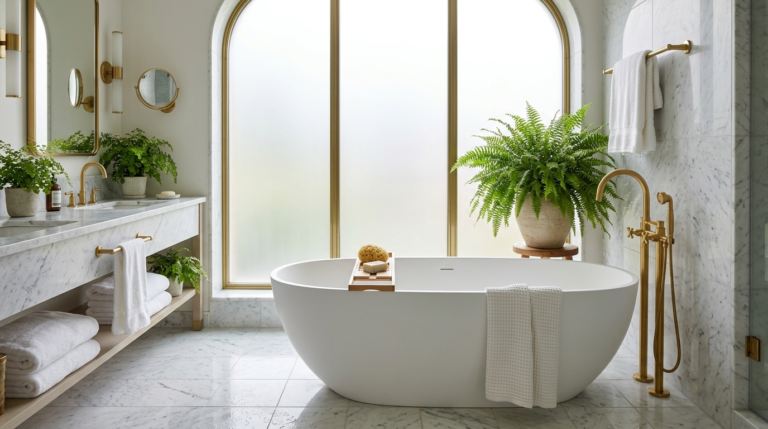
Designing a small bathroom can often feel like an insurmountable challenge. When square footage is strictly limited, the balancing act between essential functionality and aesthetic appeal becomes incredibly delicate. Homeowners frequently find themselves struggling with inadequate storage, cramped layouts, and lighting that makes the room feel more like a closet than a sanctuary. However, a restricted footprint does not mean you have to compromise on style, luxury, or comfort. In fact, some of the most stunning and innovative interior design moments are born entirely out of necessity. By approaching your tiny bathroom with a strategic mindset and an eye for creative solutions, you can completely transform a claustrophobic space into a highly efficient, spa-like retreat.The secret to mastering small bathroom design lies in understanding how to manipulate visual perception and maximize physical utility simultaneously. It requires moving beyond traditional layouts and questioning every inch of available space—from the floor all the way up to the ceiling. Every fixture, every piece of hardware, and every color choice must earn its place in the room. This comprehensive guide will walk you through fifteen brilliant, actionable ideas that interior design experts use to make small bathrooms look and feel significantly larger. Whether you are planning a complete gut renovation or simply looking for weekend DIY upgrades, these strategies will provide the inspiration and practical knowledge you need to elevate your home. Let us dive deep into the art of small space maximization and discover how to unlock the hidden potential of your tiny bathroom.
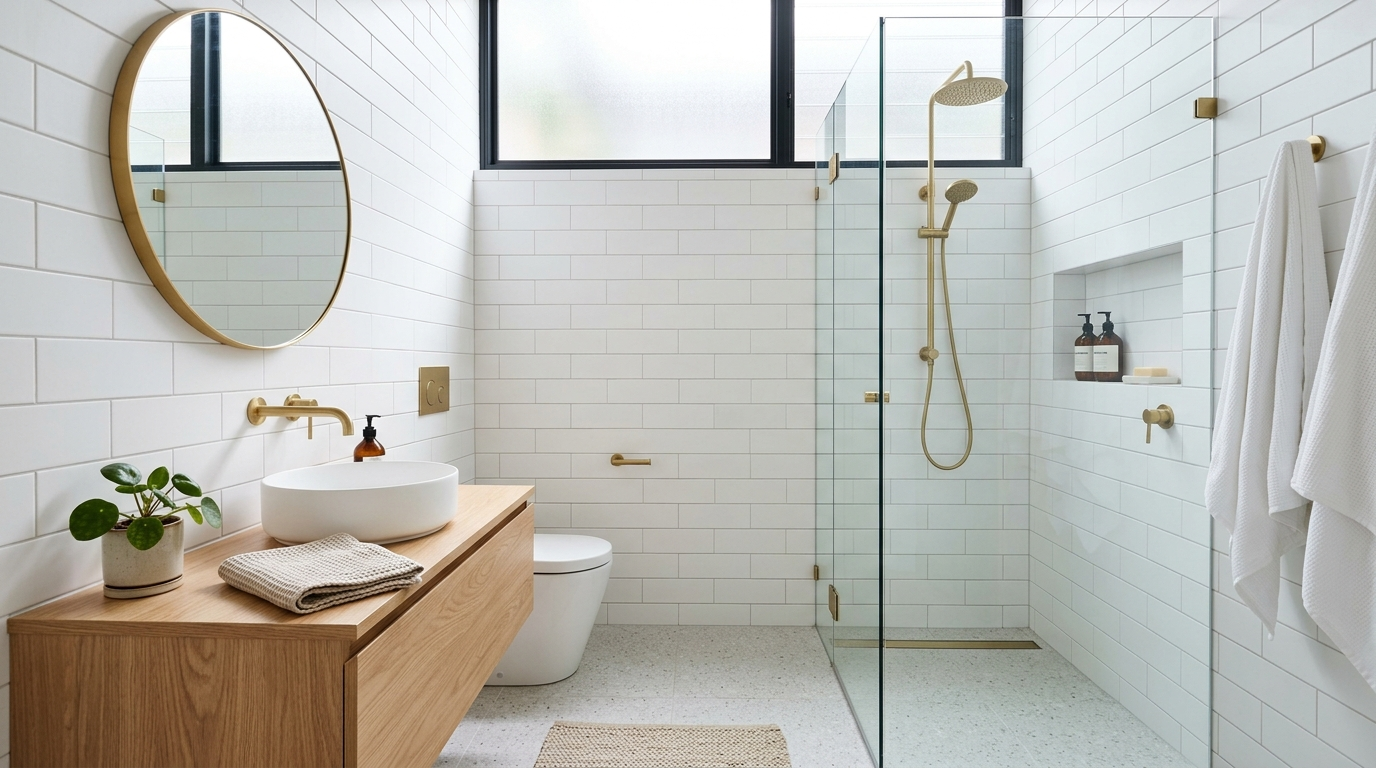
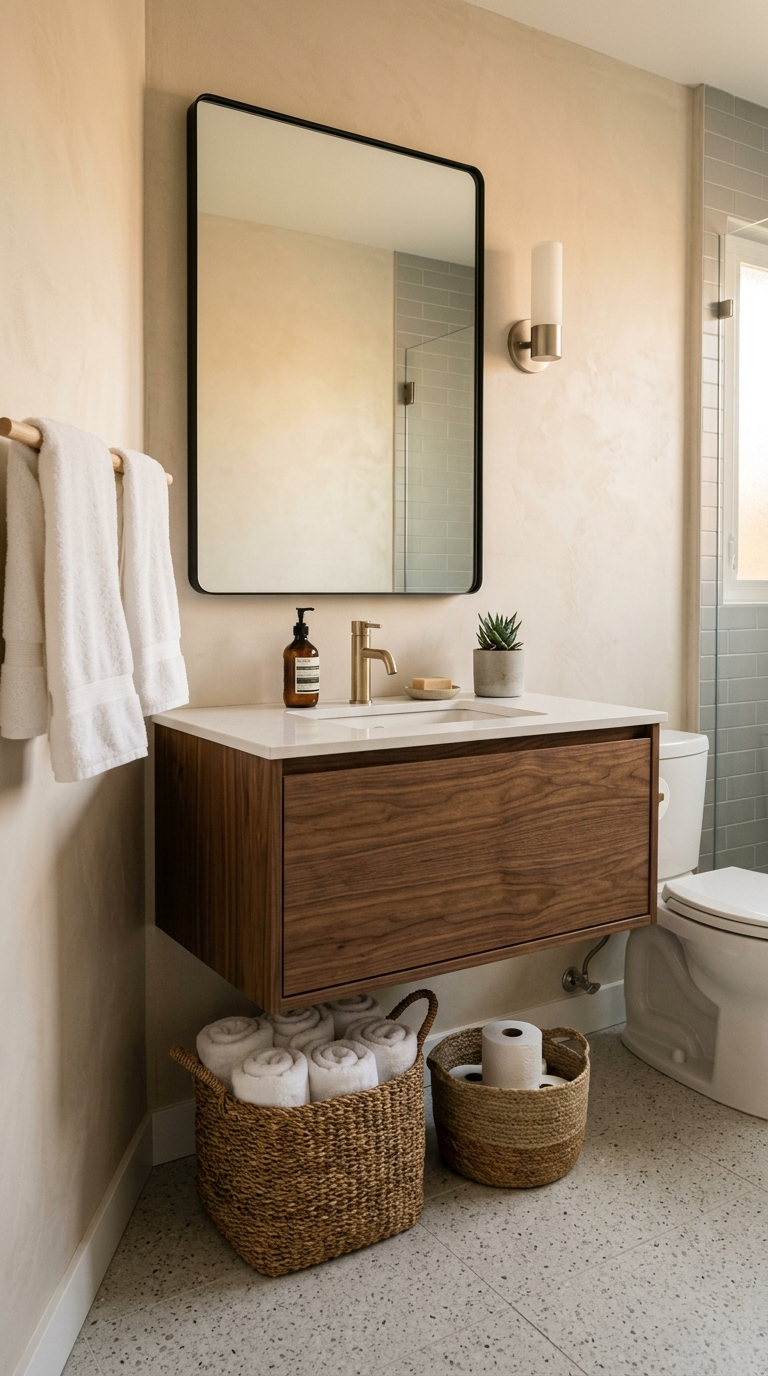
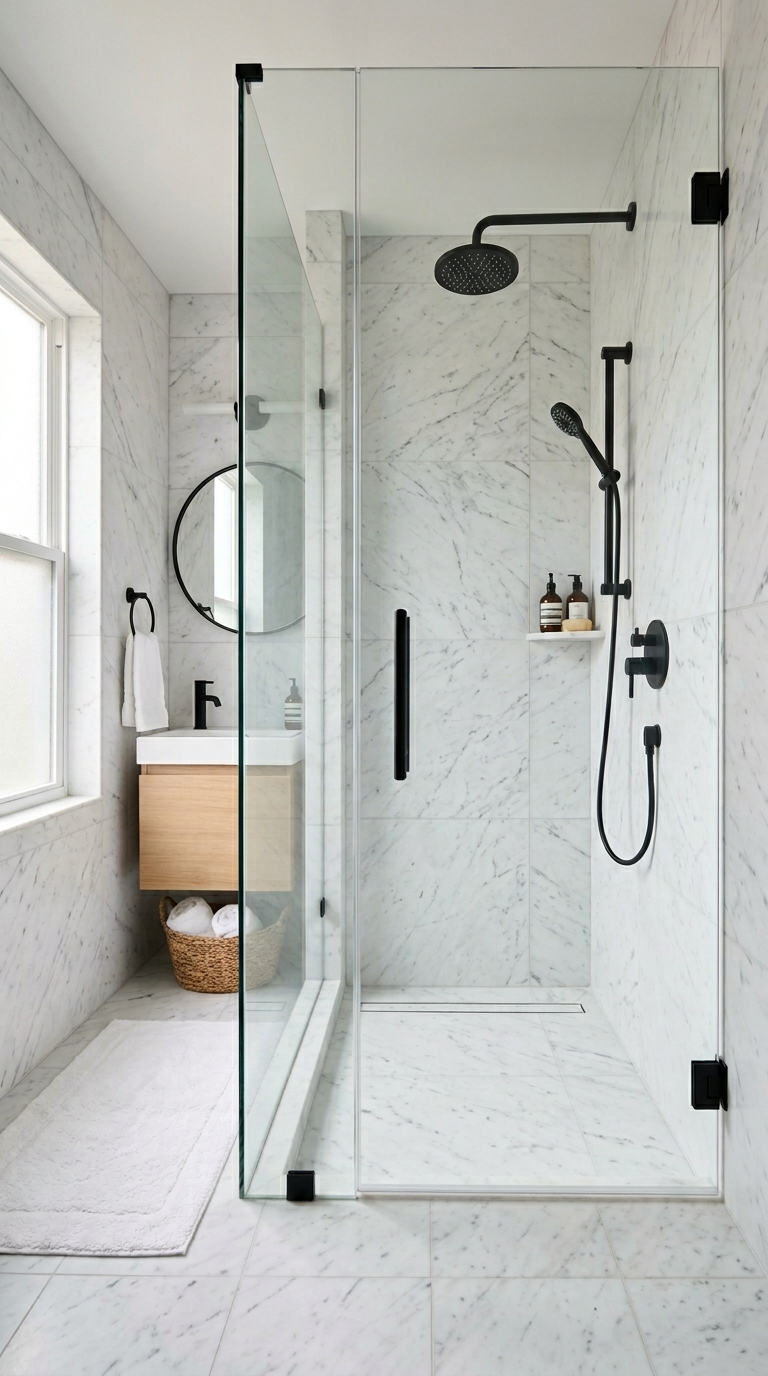
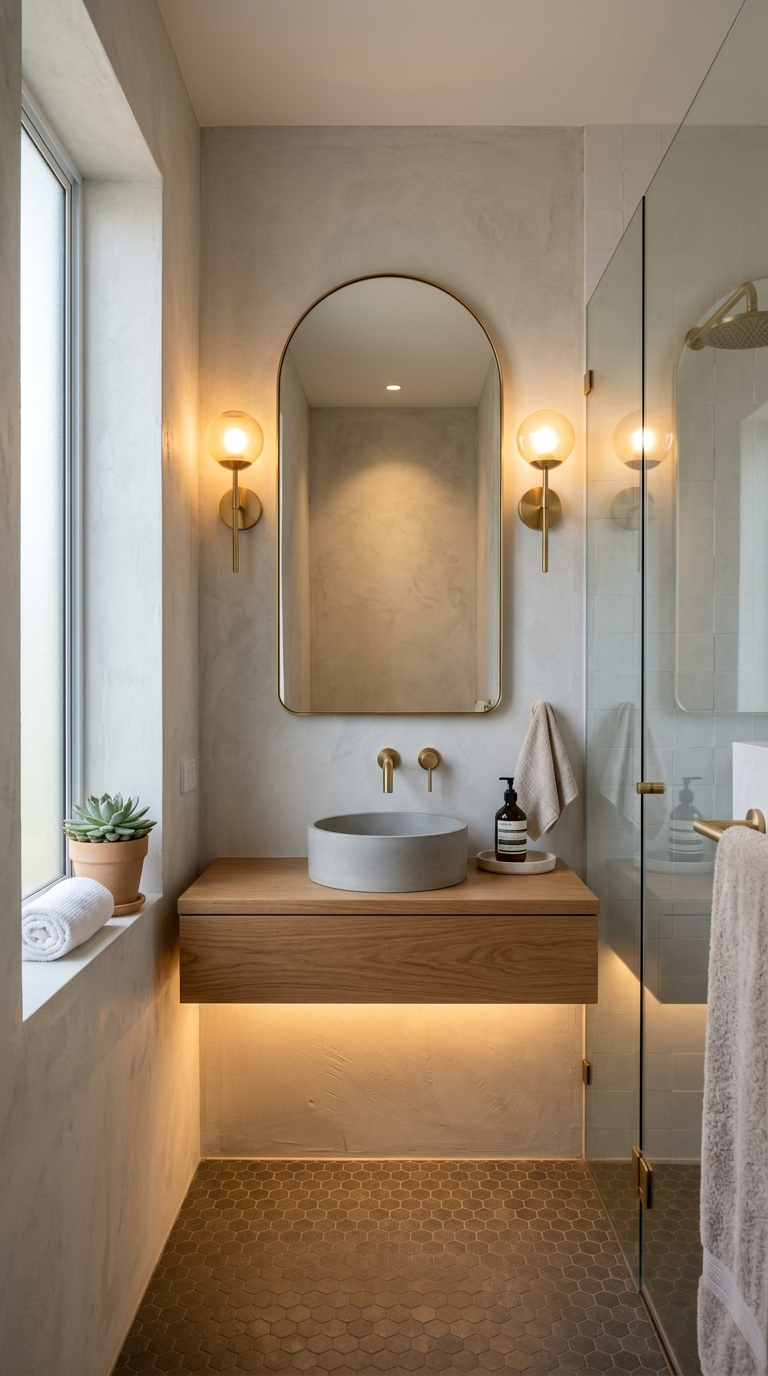
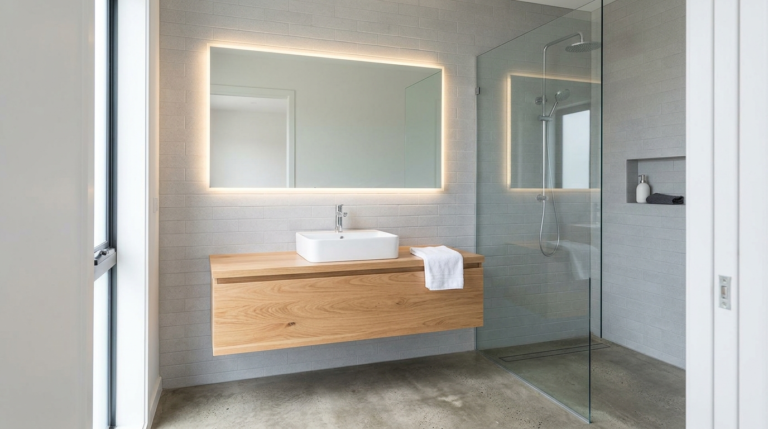
1. Install a Sleek Floating VanityOne of the most effective ways to instantly increase the perceived size of a small bathroom is by installing a floating vanity. Traditional floor-mounted vanities can feel incredibly heavy and visually anchor the room, creating a blocky, truncated effect. By lifting the cabinetry off the ground and mounting it directly to the wall, you expose the floor space underneath. This continuous line of flooring tricks the human eye into believing the room is more expansive than it actually is. Furthermore, floating vanities inject a distinctly modern, airy, and sophisticated ambiance into the space.Beyond the visual benefits, a floating vanity also offers practical advantages. The open space beneath can be utilized for additional storage—think aesthetically pleasing woven baskets for fresh towels, a discreet place for a wastebasket, or even an open shelf for displaying decorative items. When selecting a floating vanity for a compact space, opt for designs with deep, full-extension drawers rather than traditional cabinet doors, as drawers allow for much better organization and easier access to items stored at the very back. Pairing this setup with under-cabinet LED strip lighting can further enhance the illusion of a larger, illuminated floor plan.2. Utilize Wall-Mounted FaucetsWhen counter space is at an absolute premium, every square inch matters. Moving your sink faucet from the countertop to the wall is a game-changing strategy that frees up critical surface area. A wall-mounted faucet allows you to use a narrower sink or vanity, which can completely alter the traffic flow and ergonomics of a tight bathroom layout. This design choice instantly minimizes visual clutter around the sink basin, making the area significantly easier to clean and maintain.Aesthetically, wall-mounted fixtures bring a touch of high-end hotel luxury into your residential bathroom. They work beautifully with vessel sinks, integrated concrete troughs, or sleek under-mount basins. However, it is crucial to plan for this upgrade early in the renovation process. Because the plumbing must be routed through the wall framing rather than coming up from the floor or vanity cabinet, precision is required during the rough-in plumbing phase. Ensure that the spout length is perfectly calculated to hit the center of your chosen drain to avoid splashing. Despite the extra planning required, the payoff in reclaimed counter space and elevated style is well worth the effort.3. Embrace Seamless Glass Shower EnclosuresNothing shrinks a bathroom faster than a heavy, opaque shower curtain or a framed shower door with thick metal borders. To open up your small bathroom, replace these visual barriers with a seamless, frameless glass shower enclosure. Clear glass allows the eye to travel completely through the room to the furthest wall, effectively incorporating the shower footprint into the overall perceived square footage of the bathroom. The difference is truly night and day; a space that once felt divided and cramped suddenly feels unified and expansive.For maximum impact, carry the same floor tile from the main bathroom area straight into the shower basin. This uninterrupted flooring continuity is a classic designer trick for expanding a room visually. If privacy is a concern, consider using frosted or heavily fluted glass—while it obscures the view, it still allows natural light to filter through without the heavy, blocky presence of a solid wall or curtain. Additionally, maintaining a minimalist approach to the shower hardware, such as opting for simple clips instead of bulky channels, will keep the look clean, modern, and brilliantly unobtrusive.
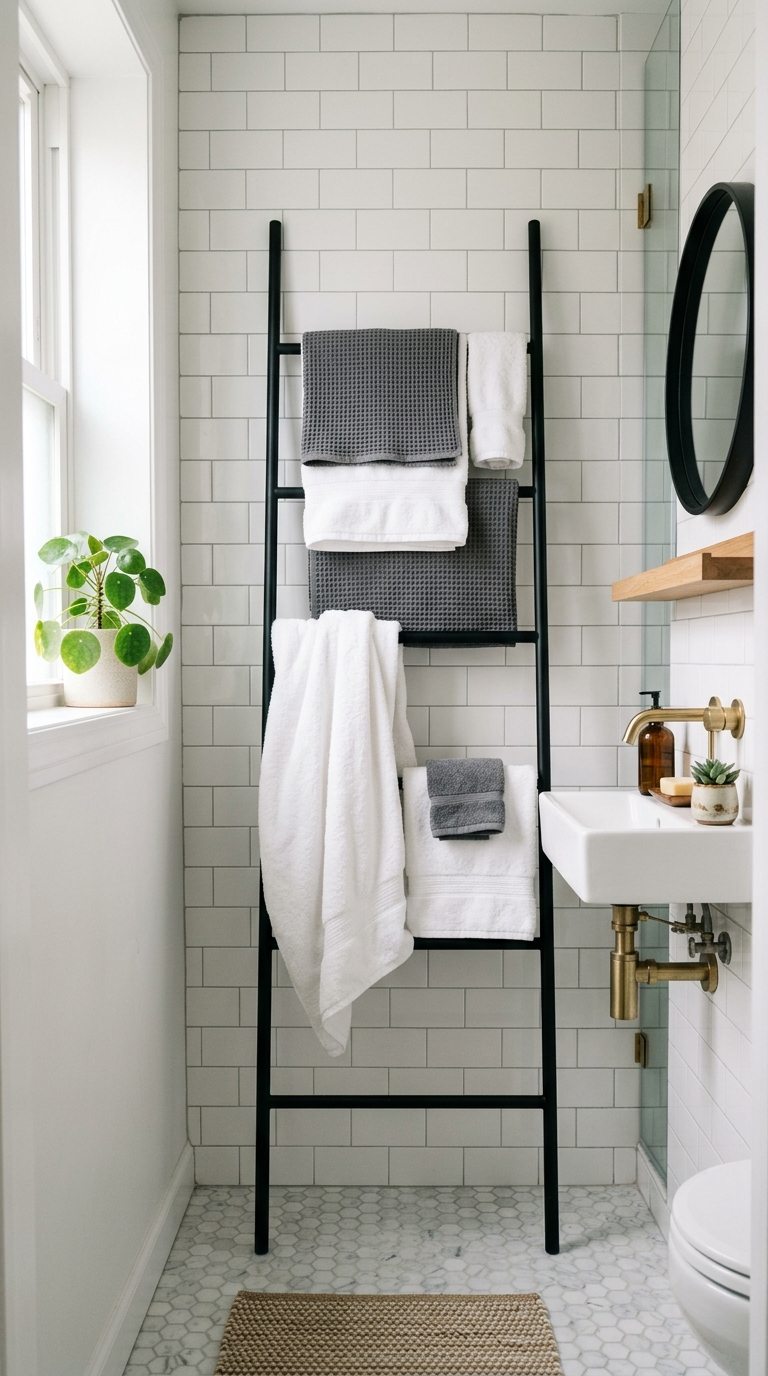
4. Maximize Impact with Oversized MirrorsMirrors are a small space designer’s best friend. They bounce light around the room, instantly double the visual depth, and add a layer of functional elegance. In a tiny bathroom, do not settle for a standard, modestly sized medicine cabinet mirror. Instead, go as large as your wall space will possibly allow. A massive mirror that spans the entire width of the vanity—or even reaches all the way to the ceiling—can dramatically alter the proportions of the room, making a narrow powder room feel grand and accommodating.If you have a window in the bathroom, position your mirror strategically to reflect the natural light and the view of the outdoors. This not only brightens the space but also creates the illusion of a second window. For those lacking natural light, backlit LED mirrors are a spectacular choice. They provide bright, even, and flattering illumination for daily grooming tasks without taking up the precious wall space that sconces would require. For a touch of architectural interest, consider custom-cut mirrors that fit perfectly into alcoves or uniquely shaped arches that soften the hard angles typically found in tiny bathrooms.5. Recess Storage with Shower NichesWhen working with limited dimensions, building outward into the room is a mistake. Instead, you must look for opportunities to build inward. The space between the wall studs is prime real estate that is often completely ignored. In the shower area, ditch the bulky wire caddies that hang from the showerhead or the plastic corner shelves that eat into your elbow room. Instead, incorporate a custom recessed shower niche into your tile design. This provides a sleek, integrated home for your shampoo bottles, soaps, and loofahs without compromising a single inch of your standing space.A well-planned niche can be as tall or wide as the framing allows. Consider adding multiple shelves within a tall vertical niche to separate different products. Design-wise, a niche offers a fantastic opportunity to add a pop of contrast. You can line the back of the recess with a striking accent tile, such as a vibrant mosaic or a textured stone, to create a focal point. Always ensure the bottom ledge of the niche is slightly pitched toward the shower drain to prevent standing water, ensuring your beautifully designed storage remains pristine and mold-free over time.6. Capitalize on Vertical Space with Tall StorageIn a small bathroom, the floor plan may be restricted, but the ceiling height is an untapped resource waiting to be utilized. Stop thinking horizontally and start thinking vertically. Installing tall, narrow storage units—often called linen towers—can provide an immense amount of storage without demanding a large footprint. These units can be tucked neatly beside the vanity, wedged into a previously unused corner, or even placed behind the bathroom door.If custom cabinetry is out of the budget, consider utilizing open vertical shelving. Floating shelves mounted high above the toilet are perfect for storing extra toilet paper, neatly folded towels, and decorative items that add personality to the space without cluttering the vanity. Another popular trend is the use of decorative storage ladders. Leaning a sleek bamboo or matte black metal ladder against the wall provides a stylish and incredibly space-efficient way to hang multiple damp towels to dry. By drawing the eye upward, vertical storage also emphasizes the height of the room, counteracting the cramped feeling of a narrow floor plan.
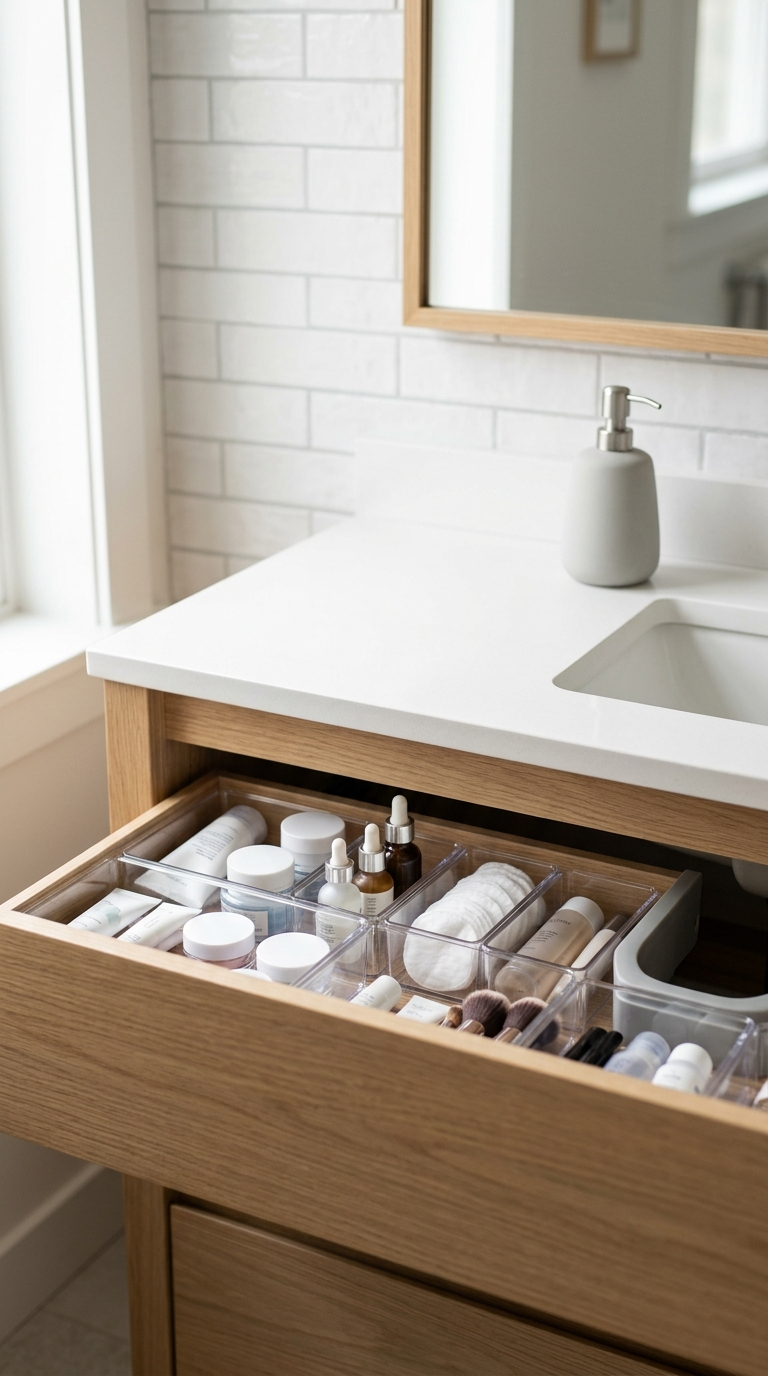
7. Adopt a Light and Reflective Color PaletteColor theory plays a monumental role in interior design, particularly when manipulating the perception of space. Dark colors absorb light and can make a small room feel cavernous and oppressive, while light colors reflect light, creating a bright, airy, and expansive atmosphere. For small bathrooms, a palette dominated by crisp whites, soft creams, pale grays, and gentle pastels is incredibly effective. Painting the walls and ceiling the exact same light shade blurs the defining lines of the room’s corners, tricking the brain into perceiving a higher ceiling and a wider space.However, an all-white bathroom can sometimes feel sterile or clinical. To prevent this, introduce warmth and texture through your materials rather than heavy, dark paint. Incorporate natural wood tones in your floating vanity, woven rattan baskets for storage, and lush green plants to bring life into the space. When selecting tiles, glossy finishes are vastly superior to matte finishes in a tiny room, as the reflective surface bounces ambient light around, much like a mirror. A classic white subway tile with a subtle gloss finish remains a timeless, space-enhancing choice.8. Reclaim Space with Pocket or Barn DoorsThe standard swinging door is one of the biggest space-wasters in a small bathroom. A traditional door requires a significant clearance arc to open and close, dictating where you can place fixtures and often rendering an entire corner of the room completely useless. By removing the traditional swinging door and replacing it with a space-saving alternative, you can instantly reclaim highly valuable square footage.A pocket door is the ultimate solution, as it slides seamlessly into a compartment hidden within the adjacent wall. This completely eliminates the door’s footprint in both the bathroom and the adjoining hallway. If structural constraints prevent the installation of a pocket door, a sliding barn door mounted on the outside of the bathroom is an excellent alternative. While barn doors require clear wall space in the adjacent room to slide open, they still completely free up the interior of the bathroom. This extra space could mean the difference between fitting a standard vanity versus a miniature one, or successfully incorporating a larger shower enclosure.9. Master Under-Sink OrganizationIf you have a traditional cabinet vanity rather than a floating model, the area beneath the sink is likely a chaotic jumble of plumbing pipes, half-empty cleaning bottles, and tangled hair tools. Because small bathrooms lack auxiliary storage closets, optimizing this under-sink cavern is absolutely crucial. You must approach this space with military-like precision, utilizing specialized organizers to double or even triple the usable volume.Start by installing pull-out drawers or sliding tracks that bypass the awkward plumbing fixtures. This prevents items from getting lost in the deep, dark back corners of the cabinet. Use clear, stackable acrylic bins for smaller items like cosmetics, first-aid supplies, and travel-sized toiletries, ensuring everything is visible and easily accessible. Mount specialized holsters on the inside of the cabinet doors to hold bulky items like hair dryers, curling irons, and styling brushes. By bringing rigorous organization to the vanity cabinet, you free up the countertop and ensure that every daily essential has a dedicated, out-of-sight home.
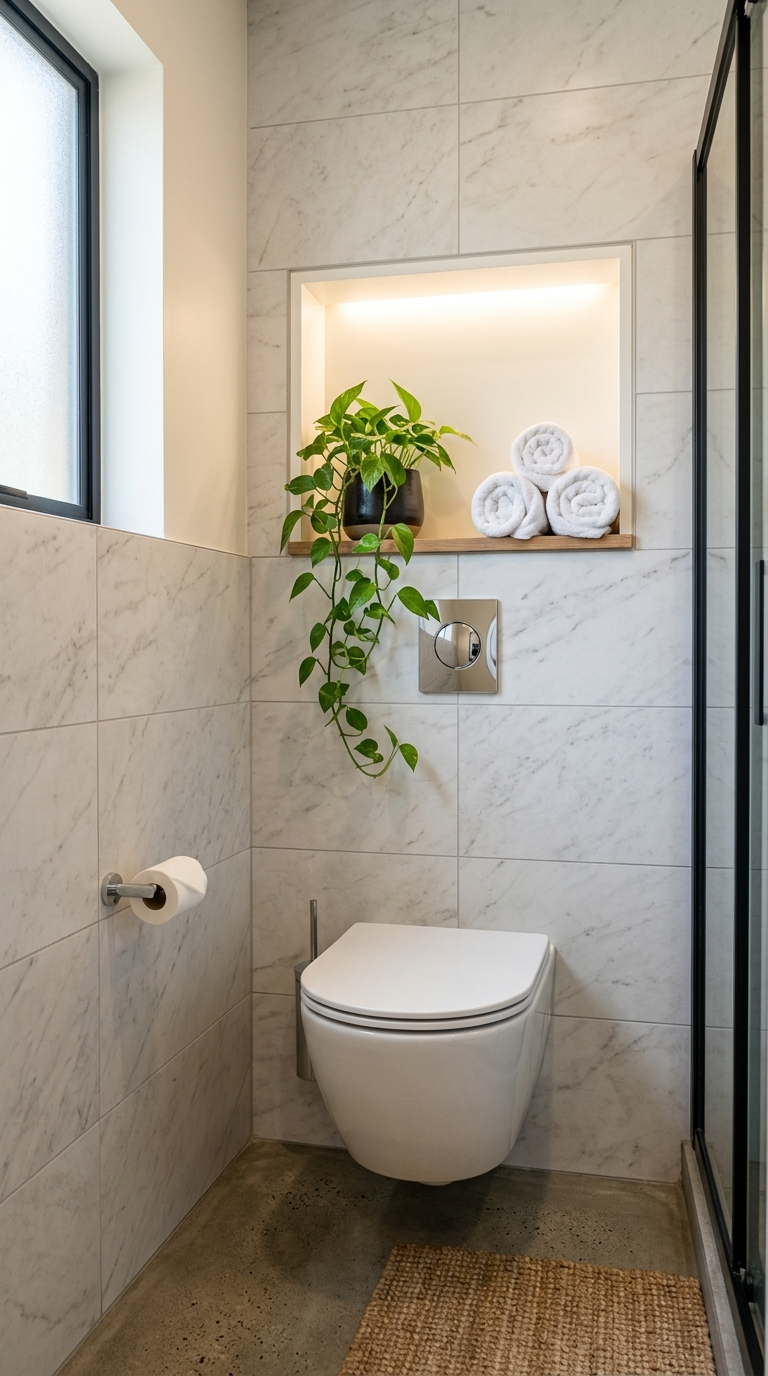
10. Install a Skylight or Sun TunnelNatural light is the ultimate antidote to a cramped, dingy space. If your small bathroom is situated on the top floor of your home or sits under an accessible roofline, introducing a skylight can be a profoundly transformative architectural upgrade. Flooding the room with sunlight from above illuminates dark corners, highlights your tilework, and makes the overall space feel vastly more open and connected to the outdoors. The upward view of the sky also psychologically lifts the ceiling, reducing feelings of claustrophobia.If a traditional skylight is not structurally feasible or budget-friendly, consider a tubular skylight, also known as a sun tunnel. These clever devices use a highly reflective tube to funnel sunlight from the roof down through the attic and into the bathroom through a ceiling fixture that resembles a standard recessed light. They are surprisingly inexpensive, relatively easy to install, and provide an astonishing amount of natural illumination during the day, drastically reducing your reliance on artificial lighting and enhancing the airy feel of your tiny bathroom.11. Choose a Compact, Elongated ToiletThe toilet is the most utilitarian fixture in the bathroom, and in a tiny footprint, its dimensions matter immensely. Standard toilets can project quite far from the wall, severely encroaching on valuable legroom and walking paths. To maximize floor space, replace an older, bulky unit with a sleek, compact elongated toilet. These modern designs provide the comfortable seating surface of a traditional elongated bowl but are engineered to fit into the overall footprint of a round-front toilet.For the ultimate space-saving maneuver, consider a wall-mounted toilet. Similar to a floating vanity, a wall-hung toilet conceals the bulky water tank entirely behind the drywall, leaving only the sleek bowl protruding into the room. This not only saves several inches of depth but also exposes the floor underneath, contributing to the visual expansion of the room and making mopping significantly easier. While it requires structural reinforcement and specialized plumbing during a remodel, the minimalist, European aesthetic and space efficiency are unmatched.12. Unify the Space with Continuous Tile PatternsVisual fragmentation is the enemy of small spaces. When you use different flooring materials, contrasting wall paint, and bold borders, you chop the room into tiny, distinct visual zones. To make a small bathroom feel expansive, you must aim for visual continuity. One of the most striking ways to achieve this is by running the same tile from the floor directly up the walls, or even across the ceiling. This creates a seamless, infinity-box effect that blurs the boundaries of the room.If covering the entire room in tile is too intense, consider running your floor tile up the primary focal wall behind the vanity or inside the shower enclosure. When choosing tile shapes, large format tiles are generally better for small floors than tiny, busy mosaics, as they require fewer grout lines. Fewer grout lines mean less visual clutter, resulting in a cleaner, broader appearance. If you do opt for smaller tiles, like a classic herringbone or chevron pattern, use a grout color that closely matches the tile to minimize the contrast and maintain a soothing, unified aesthetic.
13. Integrate Radiant Floor HeatingWhile this upgrade does not technically add physical square footage, it significantly enhances the luxurious feel and usability of a small bathroom. Bulky baseboard heaters or wall-mounted radiators consume precious wall space that could be utilized for storage or left blank for a cleaner look. By installing an electric radiant floor heating system directly beneath your tile, you completely eliminate the need for visible heating elements in the room.Beyond the space-saving benefits, radiant floor heating transforms a small, utilitarian bathroom into a premium, spa-like experience. Stepping out of the shower onto a warm floor is a subtle luxury that elevates your daily routine. Because the heat radiates upward evenly across the entire floor, it warms the objects and people in the room more efficiently than forced air, often allowing you to keep the overall thermostat slightly lower. It is a brilliant, invisible upgrade that maximizes both space and comfort.14. Implement Strategic, Layered LightingA poorly lit bathroom will always feel small, shadowy, and uninviting. A single overhead fixture is entirely insufficient for a small space, as it casts harsh down-shadows that emphasize tight corners. Instead, you must implement a strategic, layered lighting plan. Begin with bright, ambient overhead lighting, such as sleek recessed LED cans, to wash the entire room in even illumination. Next, add crucial task lighting around the vanity mirror. Sconces placed at eye level on either side of the mirror provide the most flattering, shadow-free light for shaving or applying makeup.Finally, incorporate accent lighting to create depth and atmosphere. As mentioned earlier, LED strip lighting hidden beneath a floating vanity or behind a mirror adds a sophisticated, modern glow that expands the visual boundaries of the room. Putting your lighting layers on separate dimmer switches allows you to instantly transition the mood of the room from a bright, functional morning prep space to a dim, relaxing sanctuary for an evening soak. Great lighting is the ultimate illusionist in a tiny room.15. Curate a Minimalist Decor AestheticWhen you have executed all the clever architectural and storage tricks, the final step to maintaining a spacious feel is adopting rigorous curatorial discipline. Clutter is visually suffocating. In a small bathroom, every single item left out on the counter or open shelves must serve a purpose or be undeniably beautiful. Adopt a minimalist approach: if you do not use it daily, it belongs out of sight in a drawer or hidden behind a cabinet door.Instead of displaying multiple mismatched bottles of generic soap and lotion, decant them into uniform, aesthetically pleasing glass or ceramic pump dispensers. Choose a single, high-quality piece of art rather than a busy gallery wall. Introduce organic elements, like a resilient trailing pothos plant or a small vase of fresh eucalyptus, to bring vibrancy without adding visual noise. By strictly limiting decorative accessories and maintaining clear, empty surfaces, you allow the thoughtful design elements of your bathroom—the beautiful tile, the sleek fixtures, the ambient lighting—to truly breathe and shine.
Conclusion: Embrace the Potential of Your Small BathroomA small bathroom should never be viewed as a limitation, but rather as an exciting design challenge. By focusing on maximizing light, utilizing seamless lines, and employing clever, hidden storage solutions, you can completely redefine what is possible in a tiny footprint. Whether you choose to install a stunning floating vanity to expose your elegant floor tile, invest in a frameless glass shower enclosure to unify the space, or completely overhaul your under-sink organization, every single choice matters.Remember that the ultimate goal is to create a space that functions flawlessly while providing a calm, visually appealing retreat from the outside world. Do not be afraid to mix high-end finishes with clever DIY storage hacks. Take the time to plan your lighting and color palettes carefully, as these elements are crucial in tricking the eye and expanding the perceived boundaries of the room. Your tiny bathroom has massive potential. With the right strategies, a bit of creativity, and a commitment to keeping clutter at bay, you can transform your cramped washroom into the luxurious, highly efficient, and breathtakingly beautiful oasis you deserve.
Are you making these common bathroom design errors? Learn how to avoid layout flaws, lighting blunders, and styling missteps to create your dream oasis.
Are your bathroom and laundry spaces inefficient or dated? Discover the most common design mistakes homeowners make and learn how to fix them for a sleek, clean look.
Elevate your chores with our ultimate step-by-step guide to designing a high-end, luxury laundry room. Learn about custom cabinetry, premium materials, and elite flow.
Transform your cramped laundry room into a functional oasis. Discover common design mistakes to avoid, maximizing storage, efficiency, and minimalist style.
Transform mundane chores into a joyful experience with these imaginative, whimsical DIY ideas for your bathroom and laundry room. Magic is in the details!