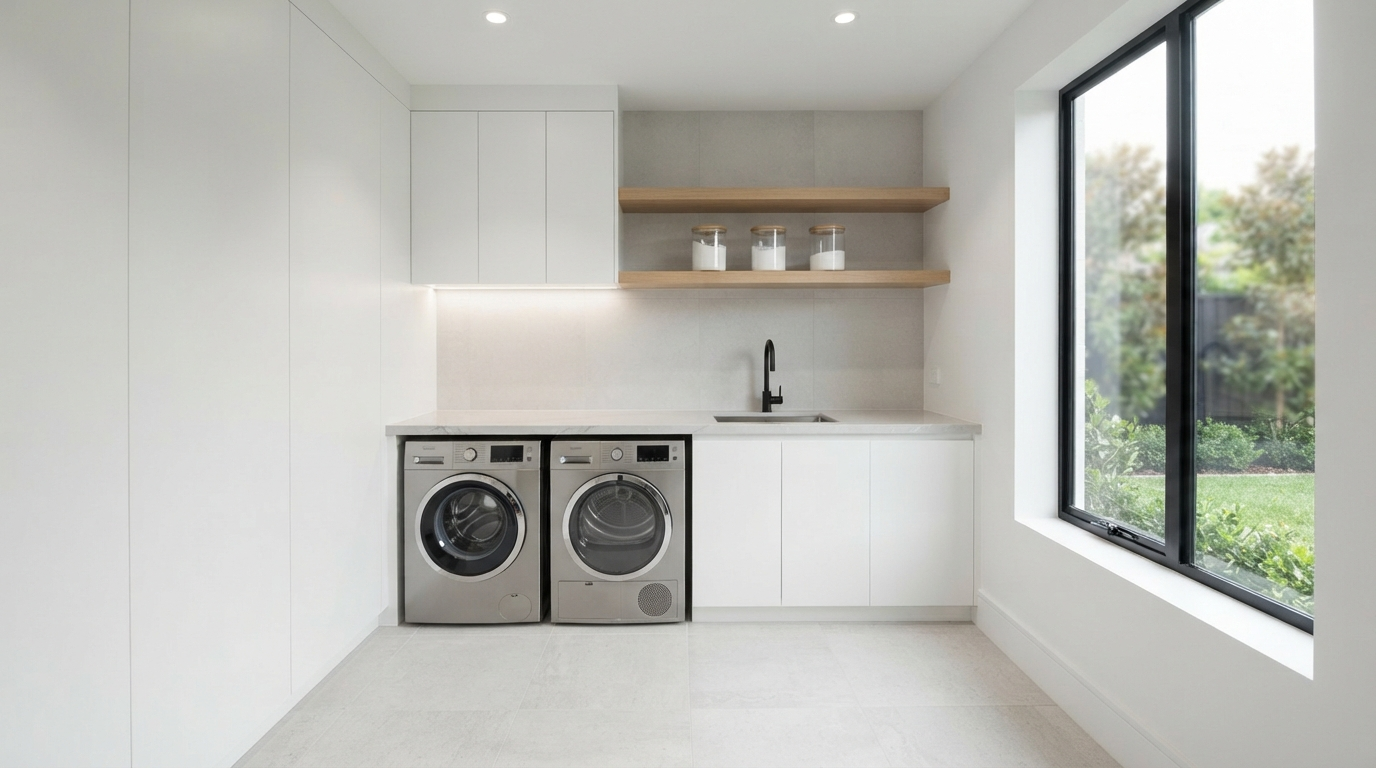
The laundry room is often the unsung hero of the home. It is a space dedicated to cleanliness, restoration, and order. Yet, despite its critical function, it is frequently treated as an afterthought in home design. We stuff washers and dryers into dimly lit basements, cramped hallway closets, or awkwardly shaped utility rooms without considering the impact of design on our daily chores. A poorly designed laundry room not only makes washing clothes a tedious chore but also creates a chaotic environment that spills over into the rest of your home. By embracing a Minimalist and Clean aesthetic, you can transform this purely utilitarian zone into a serene, highly efficient sanctuary that you actually enjoy spending time in.In this comprehensive guide, we will explore the seven most critical laundry room design mistakes homeowners make and provide actionable, minimalist solutions to rectify them. We will dive deep into spatial planning, ergonomic design, storage optimization, and the psychological benefits of a clutter-free environment. Whether you are planning a full-scale renovation or simply looking to reorganize your existing space, avoiding these pitfalls will ensure your laundry room is as beautiful as it is functional.
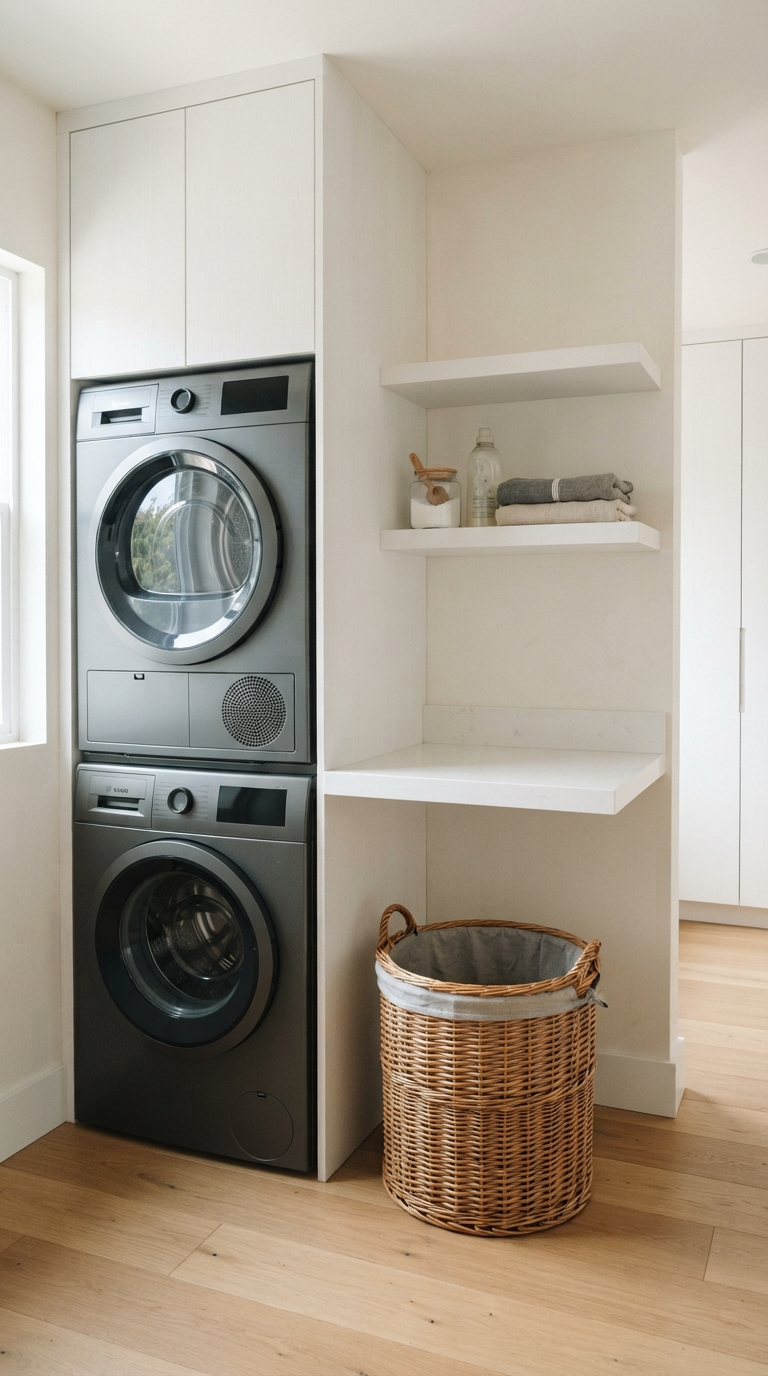
Mistake 1: Ignoring the Workflow TriangleMuch like the classic kitchen work triangle, the laundry room requires a logical flow to function efficiently. The core tasks in a laundry room involve sorting, washing, drying, and folding. When these zones are disjointed or obstructed, the simple act of doing laundry becomes a frustrating marathon. Homeowners often place the washing machine and dryer in whatever corner they fit, without considering the physical movement required to transfer wet, heavy clothes from one machine to another, or where those clothes will go once they are dry.The solution lies in mapping out your specific laundry process. A minimalist approach demands streamlined efficiency. Ideally, your sorting station should be adjacent to the washing machine. The washing machine should sit immediately next to the dryer (or stacked, if space dictates), and a folding surface should be within arm’s reach of the dryer. This linear or triangular workflow minimizes unnecessary steps and heavy lifting. Consider installing a custom counter directly over front-loading machines to create an instant, expansive folding station that visually unifies the space and eliminates the need to carry baskets to the living room sofa for folding.Furthermore, consider the swing of the appliance doors. A common, yet easily avoidable mistake is having washer and dryer doors that open into each other, creating a frustrating barrier when transferring wet clothes. Ensure that you purchase machines with reversible doors or place them so the doors open outward from the center. This small detail drastically improves the fluidity of your laundry routine, adhering to the minimalist principle that form must always facilitate function.
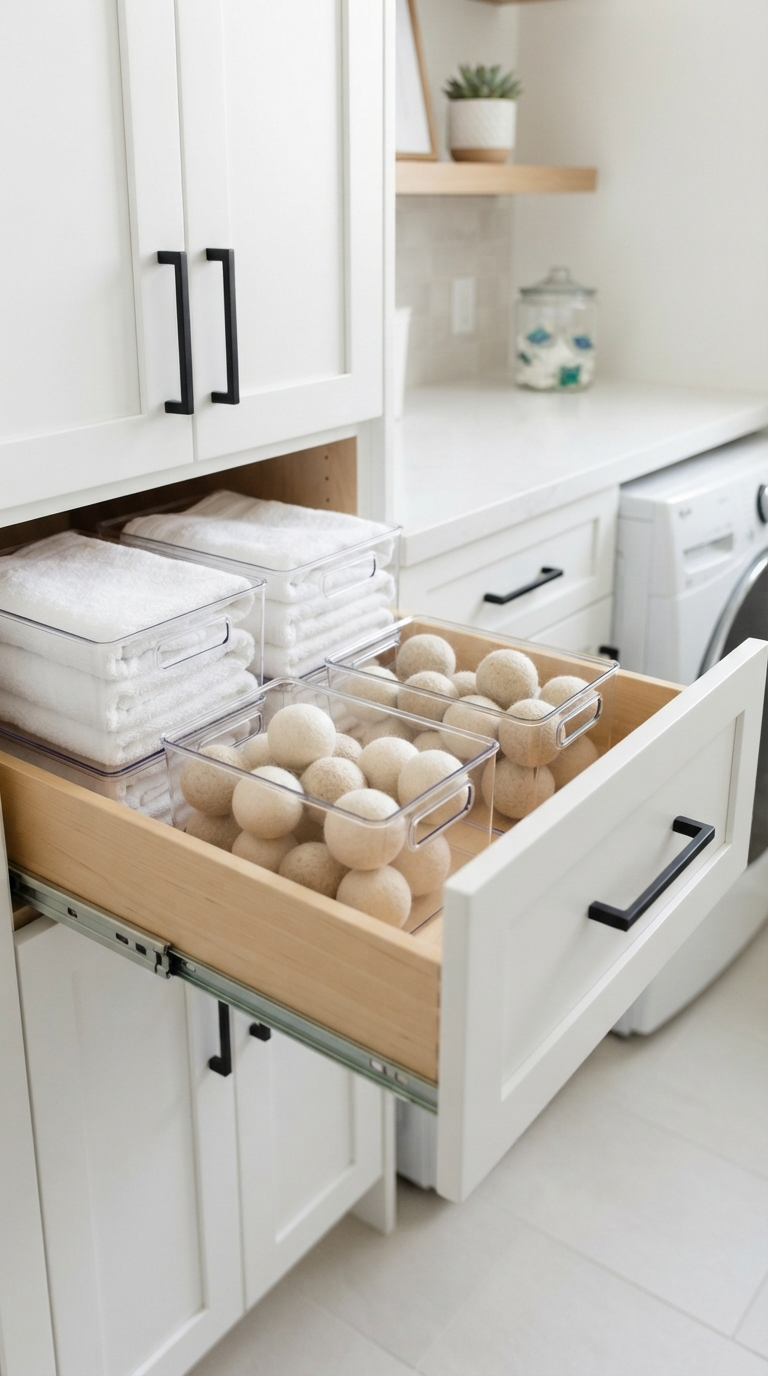
Mistake 2: Inadequate and Unoptimized StorageLaundry rooms are magnets for clutter. Between detergent jugs, stain removers, fabric softeners, cleaning supplies, and random household items that lack a designated home, surfaces can quickly become overwhelmed. A cluttered space induces visual anxiety and contradicts the very purpose of a room dedicated to cleaning. One of the most prevalent design mistakes is relying on a single, flimsy wire shelf mounted high above the machines, which is both difficult to reach and aesthetically displeasing.To achieve a clean, minimalist aesthetic, storage must be abundant, accessible, and largely concealed. Floor-to-ceiling cabinetry is an excellent investment, providing designated zones for every item. Utilize closed cabinetry to hide brightly colored plastic bottles and boxes, presenting a uniform, serene facade to the room. Inside these cabinets, employ pull-out drawers, categorized bins, and lazy Susans to ensure nothing gets lost in the back corners.For the items you use daily, consider decanting them into uniform, clear glass or minimalist opaque dispensers. A row of identical jars holding powdered detergent, pods, and baking soda looks infinitely better than a chaotic mix of branded packaging. Incorporate a slim, pull-out utility cart between machines if you are tight on space, perfect for hiding away lint rollers, scrub brushes, and stain sticks. Remember, in minimalist design, negative space is just as important as occupied space; keep your countertops completely clear of permanent items to maintain a pristine, airy feel.
Mistake 3: Neglecting Proper LightingA dimly lit laundry room is a recipe for disaster. It makes it impossible to spot stains, difficult to match socks, and generally creates a dreary, uninviting atmosphere. Many laundry rooms are relegated to interior spaces without windows, relying on a single, harsh overhead fixture that casts unflattering shadows. This is a critical design failure that impacts both the functionality and the mood of the space.A truly functional, modern laundry room requires a layered lighting approach. Start with high-quality ambient lighting. Recessed LED ceiling lights with a neutral color temperature (around 4000K) provide a bright, clean baseline that mimics natural daylight, crucial for accurate color perception when treating stains. Avoid overly warm, yellow bulbs that can mask discoloration on white fabrics, as well as stark, clinical blue lights that feel sterile.Next, integrate task lighting. Under-cabinet LED strips are an absolute game-changer. They illuminate the folding counter and sink area directly, eliminating shadows cast by your body as you work. If you have open shelving, delicate puck lights can highlight beautifully decanted supplies, adding a touch of elegance. For a touch of minimalist luxury, consider a sleek, modern pendant light over a central island or sorting table. This not only provides additional illumination but also serves as a focal point, elevating the room’s design status from a mere utility closet to a considered architectural space.
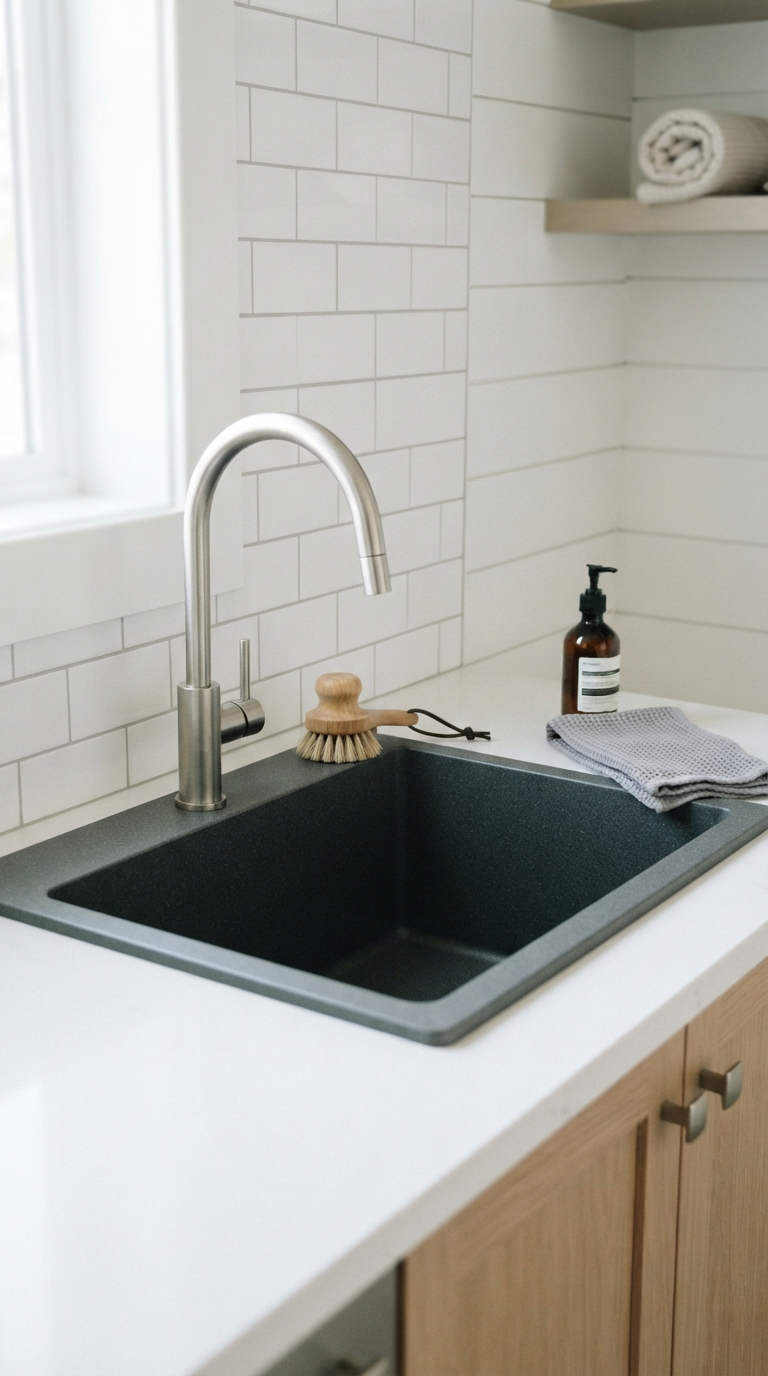
Mistake 4: Overlooking the Importance of a SinkIn the pursuit of saving space or reducing plumbing costs, homeowners frequently omit a utility sink from their laundry room designs. This is a decision they almost invariably regret. A laundry room without a sink is only half-functional. Where do you hand-wash delicate garments? Where do you soak heavily soiled sports gear? Where do you rinse out muddy shoes or clean up after messy household projects? Without a sink, these tasks are outsourced to the kitchen or bathroom, bringing dirt and potential cross-contamination into clean living spaces.Integrating a deep, durable utility sink is essential. To maintain a minimalist, clean aesthetic, avoid the standard, bulky white plastic tubs sitting on flimsy metal legs. Instead, opt for an under-mount stainless steel or sleek composite granite sink seamlessly integrated into your cabinetry and countertop. This creates a continuous, unbroken line that is easy to wipe down and visually appealing.Pair the sink with a high-arc, pull-down faucet in a minimalist finish like matte black or brushed nickel. The high arc provides clearance for filling buckets, while the pull-down sprayer is indispensable for rinsing out oversized items. Consider adding a built-in soap dispenser to keep the counter clear of bottles. A well-designed sink area not only handles the dirty work but also adds a layer of sophisticated utility to the room.
Mistake 5: Failing to Plan for Drying and IroningNot everything can or should be tossed into the tumble dryer. Delicate fabrics, athletic wear, and items prone to shrinking require air drying. A common mistake is failing to incorporate dedicated drying solutions into the initial design, leading to the use of cumbersome, collapsible drying racks that constantly get in the way and ruin the room’s aesthetic.Minimalist design excels at clever, integrated solutions. Install a sturdy, wall-mounted drying rack that folds completely flat against the wall when not in use. Alternatively, incorporate a pull-out drying drawer within your cabinetry, featuring slatted wood or mesh for air circulation. A simple, elegant hanging rod installed between upper cabinets or above the sink provides a perfect place to hang damp shirts on hangers, allowing them to dry wrinkle-free.Similarly, ironing boards are notoriously awkward to store. Instead of dragging a heavy board out of a closet every time you need it, install a built-in ironing center that folds out from the wall or emerges from a dedicated drawer. This keeps the tool hidden but instantly accessible, perfectly aligning with the minimalist philosophy of hidden functionality. Ensure there is a dedicated, easily accessible power outlet nearby specifically for the iron or steamer.
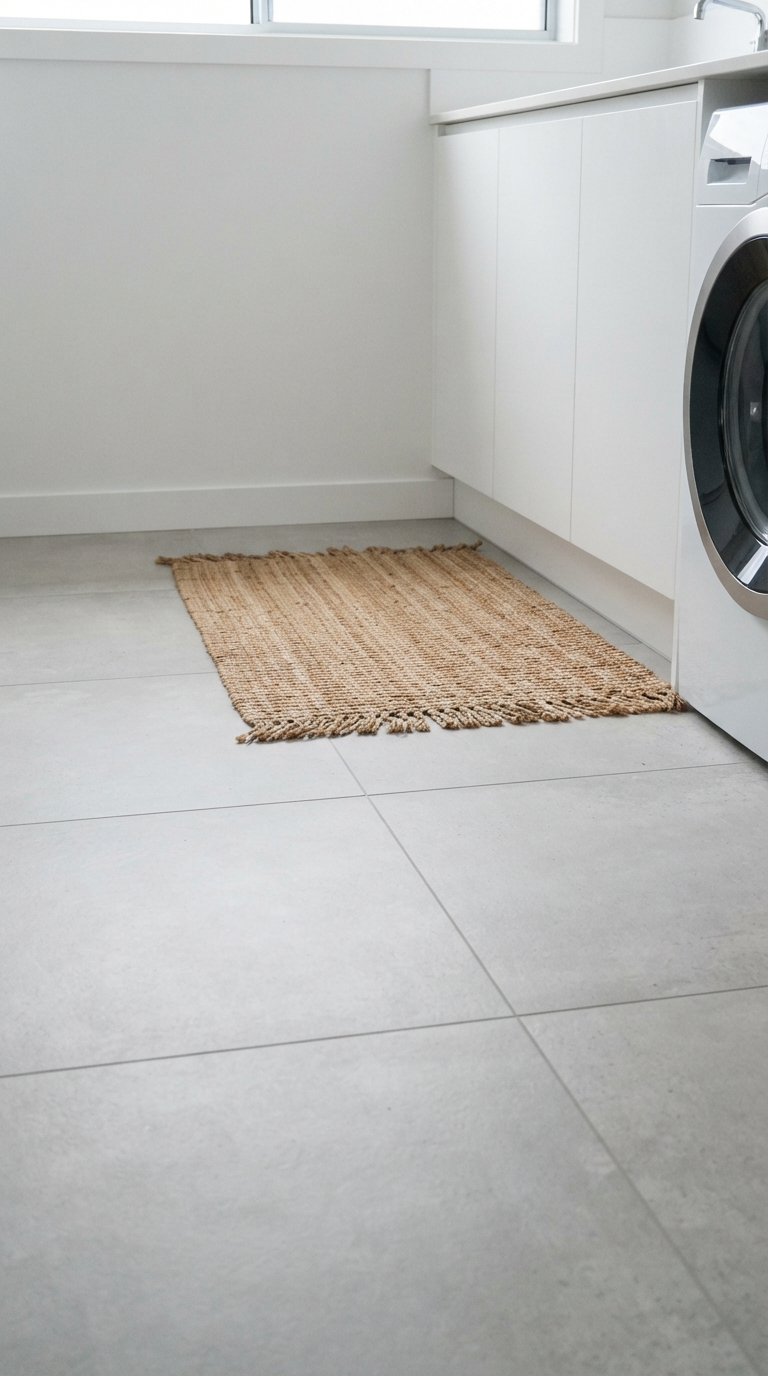
Mistake 6: Choosing the Wrong Flooring MaterialThe laundry room floor is a high-traffic, high-risk zone. It must withstand heavy appliances, constant vibration, potential water leaks, chemical spills from detergents, and the general wear and tear of daily chores. Installing delicate hardwood, porous natural stone, or cheap laminate is a costly mistake that will lead to warping, staining, and premature replacement.For a clean, minimalist look that is virtually indestructible, large-format porcelain tile is the gold standard. Porcelain is incredibly dense, water-resistant, and immune to most chemical spills. Choosing large-format tiles (such as 24×24 inches or larger) minimizes grout lines. Fewer grout lines mean less visual clutter and significantly easier cleaning, maintaining that pristine, minimalist aesthetic. A matte finish is preferable to glossy, as it provides better slip resistance when the floor inevitably gets wet.If you prefer a softer feel underfoot, luxury vinyl plank (LVP) is an outstanding modern alternative. High-quality LVP is 100% waterproof, highly durable, and can closely mimic the look of natural wood or concrete, adding subtle texture without compromising the minimalist vibe. Ensure a proper waterproof membrane is installed beneath whatever flooring you choose, and always include a floor drain if local building codes permit, providing a crucial safety net against potential appliance leaks.Mistake 7: Forgetting the Value of AestheticsThe final, and perhaps most pervasive mistake, is treating the laundry room solely as a utility space devoid of beauty. Because guests rarely see it, homeowners often skip the finishing touches, leaving bare walls, exposed plumbing, and sterile environments. However, you spend hours in this room each week. A depressing environment makes chores feel heavier, while a beautiful space can actually uplift your mood and make the work feel less burdensome.Minimalist design does not mean boring or stark; it means intentional and refined. Introduce warmth and personality through subtle textures and high-quality materials. A beautiful, subtle backsplash in a neutral tone can protect the walls behind the sink while adding a touch of elegance. Incorporate natural elements, such as a sturdy oak floating shelf or a small, low-maintenance potted plant (like a ZZ plant or snake plant) to bring life into the room. Keep the color palette cohesive and soothing—soft whites, warm greys, or muted earth tones create a calming backdrop.Pay attention to the hardware. Upgrading standard cabinet pulls to sleek, modern handles in brushed brass or matte black instantly elevates the entire room. Conceal any exposed plumbing or venting with custom cabinetry or sleek boxing. By elevating the aesthetics of your laundry room to match the rest of your home, you transform a place of mundane labor into a peaceful, functional sanctuary, proving that even the hardest-working rooms deserve exceptional design.
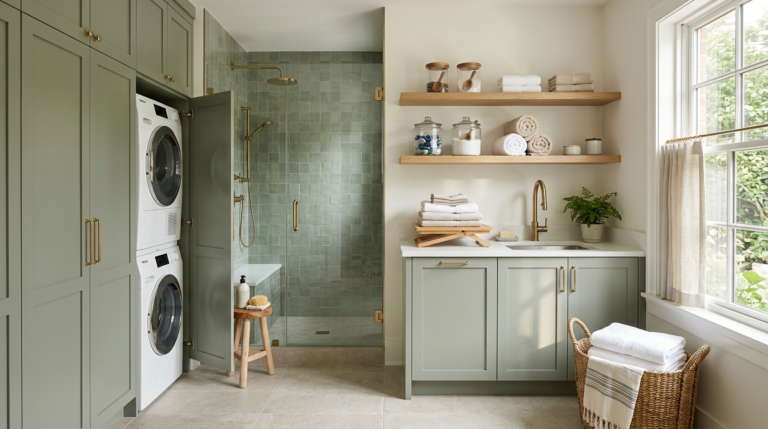
Discover how to blend utility and style with our guide to elegant bathroom and laundry combo spaces. Maximize function without sacrificing aesthetics in your home.
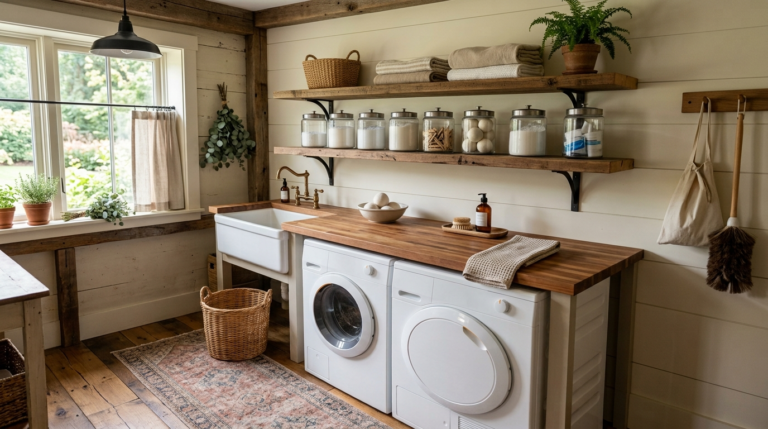
Transform your laundry chores with a rustic, cozy laundry room makeover. Follow our comprehensive step-by-step guide to maximize storage and aesthetic appeal.
Explore the most opulent bathroom trends of the year. From freestanding stone tubs to smart mirrors, elevate your daily routine with these premium upgrades.
Transform your cramped small bathroom into a luxurious oasis with these expert design tips, clever storage solutions, and stylish space-saving hacks today.
Are you making these crucial small bathroom decor mistakes? Learn how to maximize your space, enhance lighting, and avoid clutter with these minimalist tips.
Elevate your chores with our ultimate step-by-step guide to designing a high-end, luxury laundry room. Learn about custom cabinetry, premium materials, and elite flow.