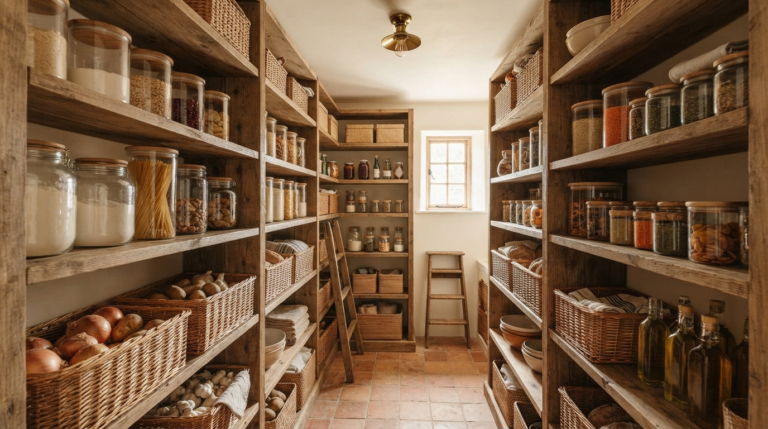
Transforming a compact apartment or a modest room into a stylish, cozy haven does not require thousands of dollars or a team of professional interior designers. With thoughtful planning, creative repurposing, and strategic visual tricks, you can dramatic overhaul any small space while staying strictly within a modest budget. The secret lies in focusing on high-impact areas that maximize light, functional flow, and personality.
In this step-by-step DIY budget makeover guide, we will walk you through a complete room refresh process. From playful color updates to inventive thrift store flips, discover how to breathe magical new life into your small sanctuary without breaking the bank.
Step 1: Clear the Canvas and Define Your Function
Before spending a single cent on new decor, begin by clearing out unnecessary belongings. Small spaces feel cramped quickly when burdened by unused furniture or outdated accessories. Take time to declutter ruthlessly. Donate items that no longer serve a purpose and clean every corner thoroughly to evaluate the true potential of your floor plan.
Next, define the primary function of the room. In small spaces, furniture often needs to serve multiple roles. Ask yourself if your layout can be optimized to improve traffic flow and bring in natural sunlight. Repositioning existing furniture away from walls and creating dedicated zones can instantly make a small room feel larger and more intentional.
Step 2: Utilize High-Impact, Low-Cost Paint Magic
Paint remains the single most transformative and affordable tool in home design. A fresh coat of paint can instantly brighten dingy walls, correct architectural awkwardness, and completely shift the emotional mood of a space.
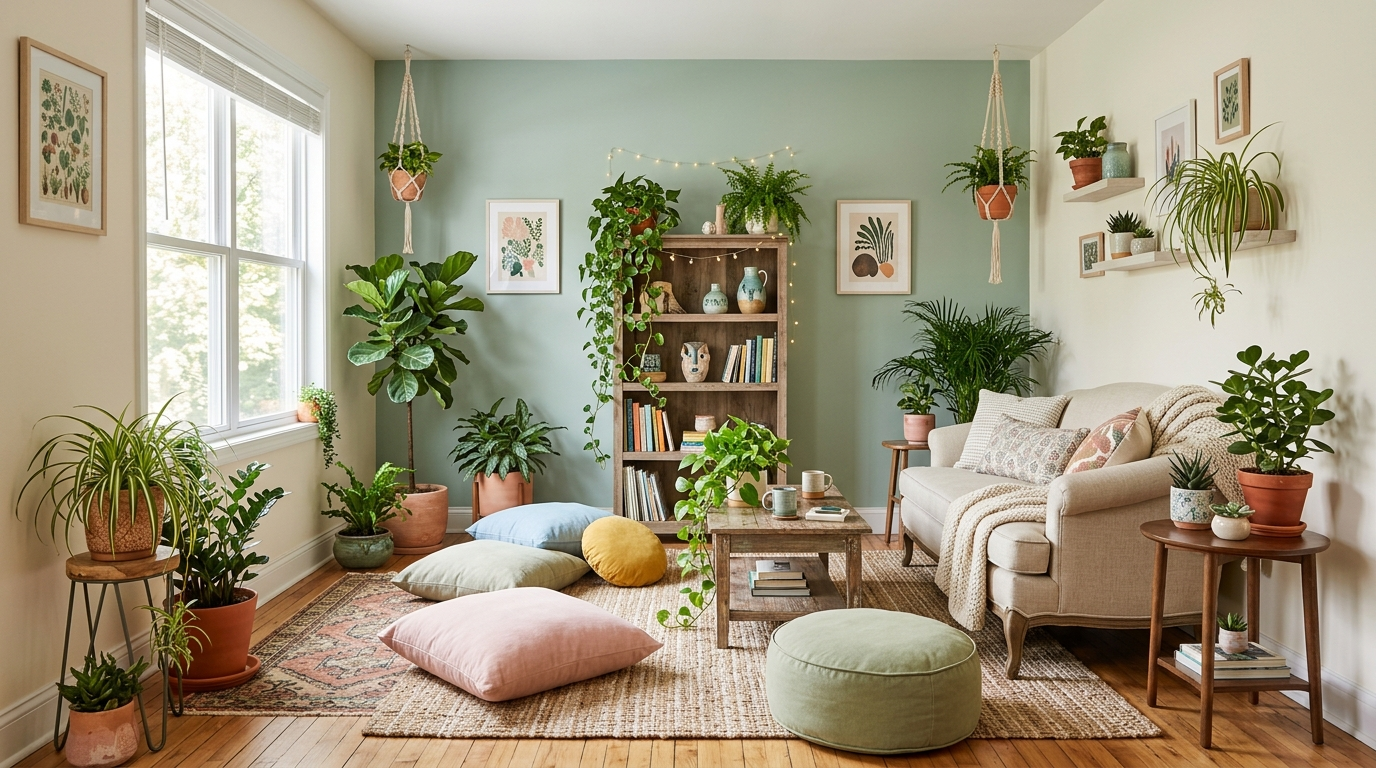
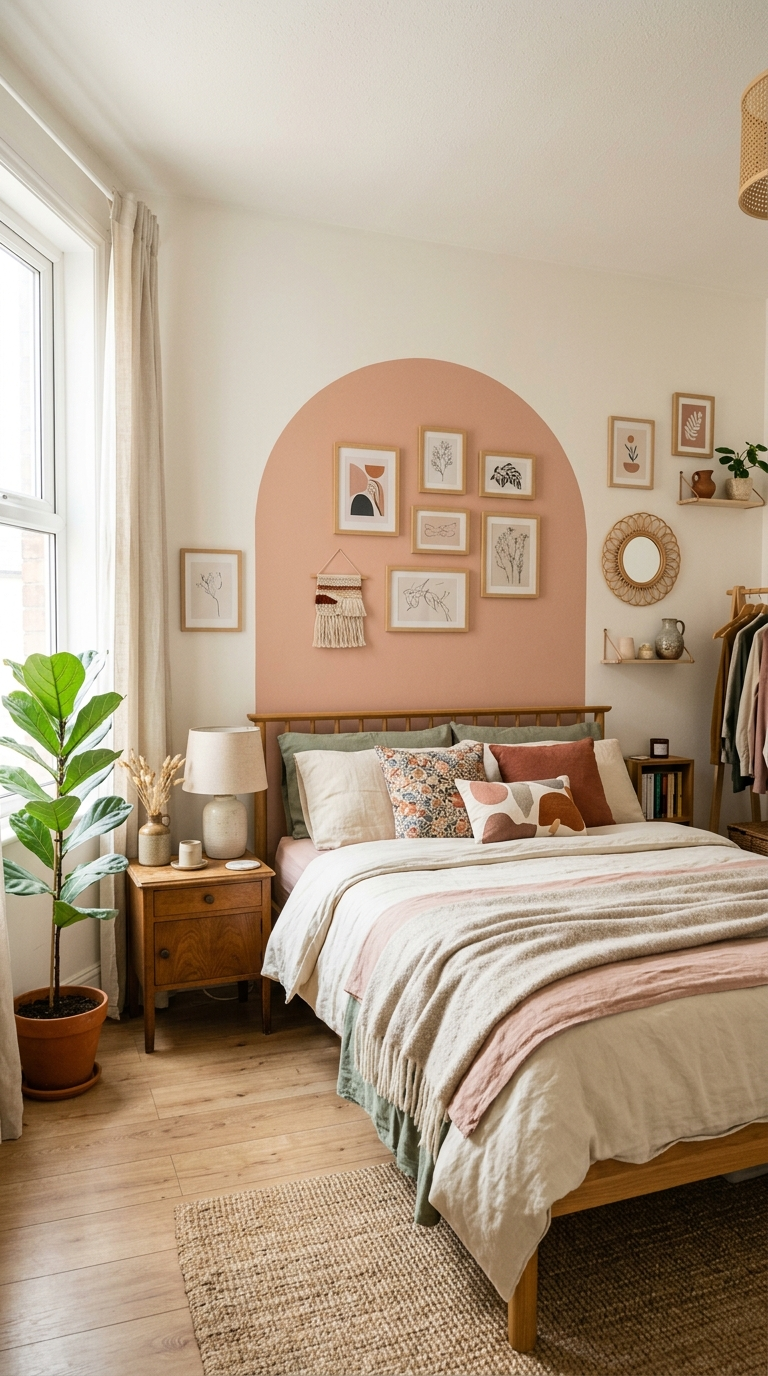
For small spaces, consider lighter, light-reflecting hues like soft creamy whites, delicate sages, or warm blushing creams. If you want a playful touch, try an arch mural, color-blocked accent wall, or painted trim. Painting the ceiling the same soft shade as the walls creates an optical illusion that makes ceilings appear higher, giving small rooms an airy, open feel.
Step 3: Master the Art of Thrift Store & Furniture Refinishing
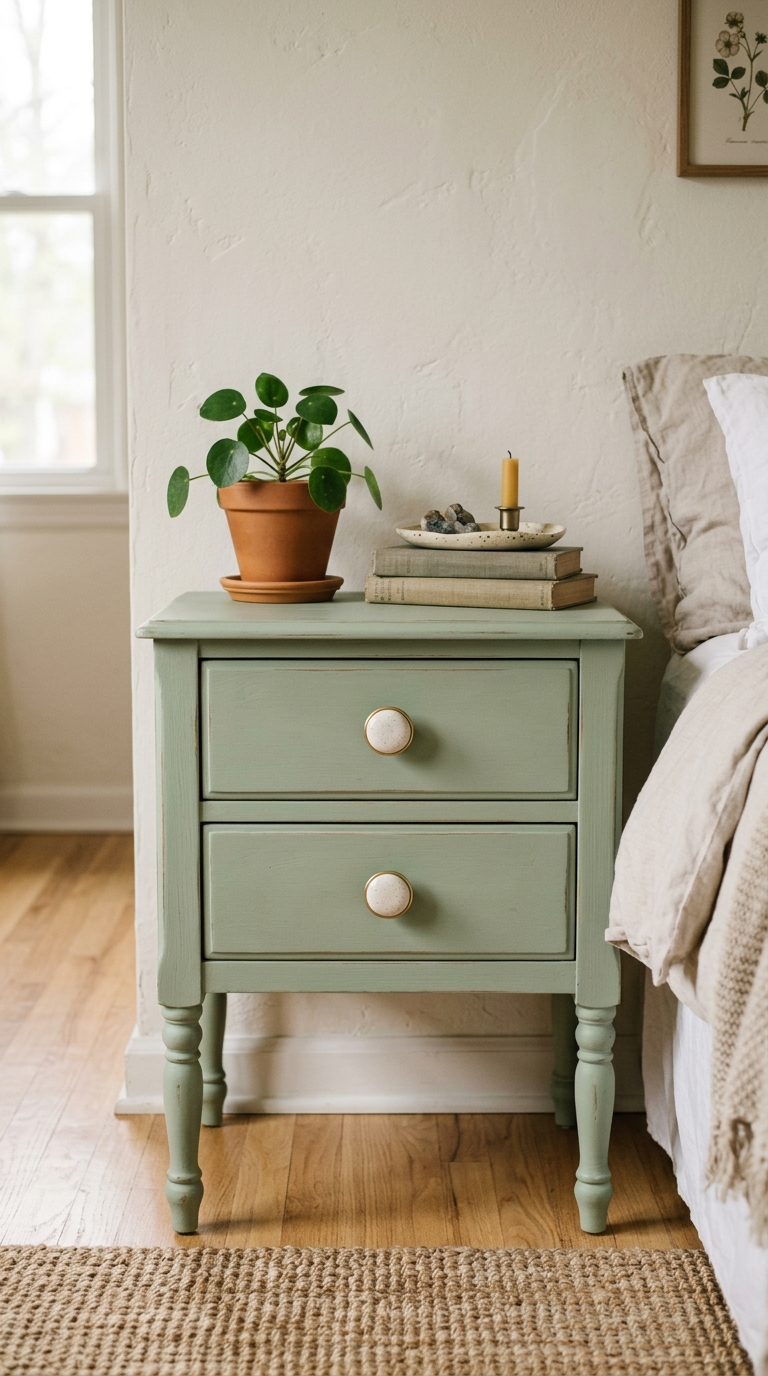
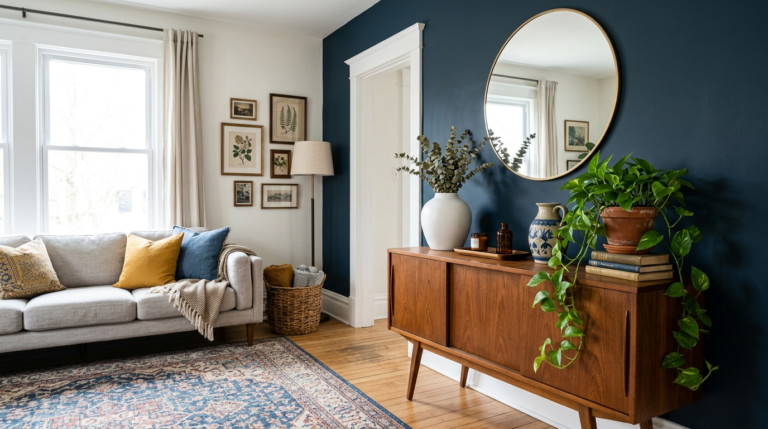
Brand-new furniture can quickly consume your entire budget. Instead, turn to flea markets, thrift shops, and online secondhand platforms to find solid wood pieces with good structure. With a bit of sanding, fresh paint, and updated hardware, a vintage side table or wooden drawer unit can become a unique, custom focal point.
Look for solid construction materials like teak, oak, or pine rather than cheap particleboard. Swapping out outdated brass knobs for sleek matte black or ceramic pulls is an inexpensive 10-minute upgrade that elevates secondhand furniture into bespoke designer-style pieces.
Step 4: Maximize Vertical Storage and Hanging Space
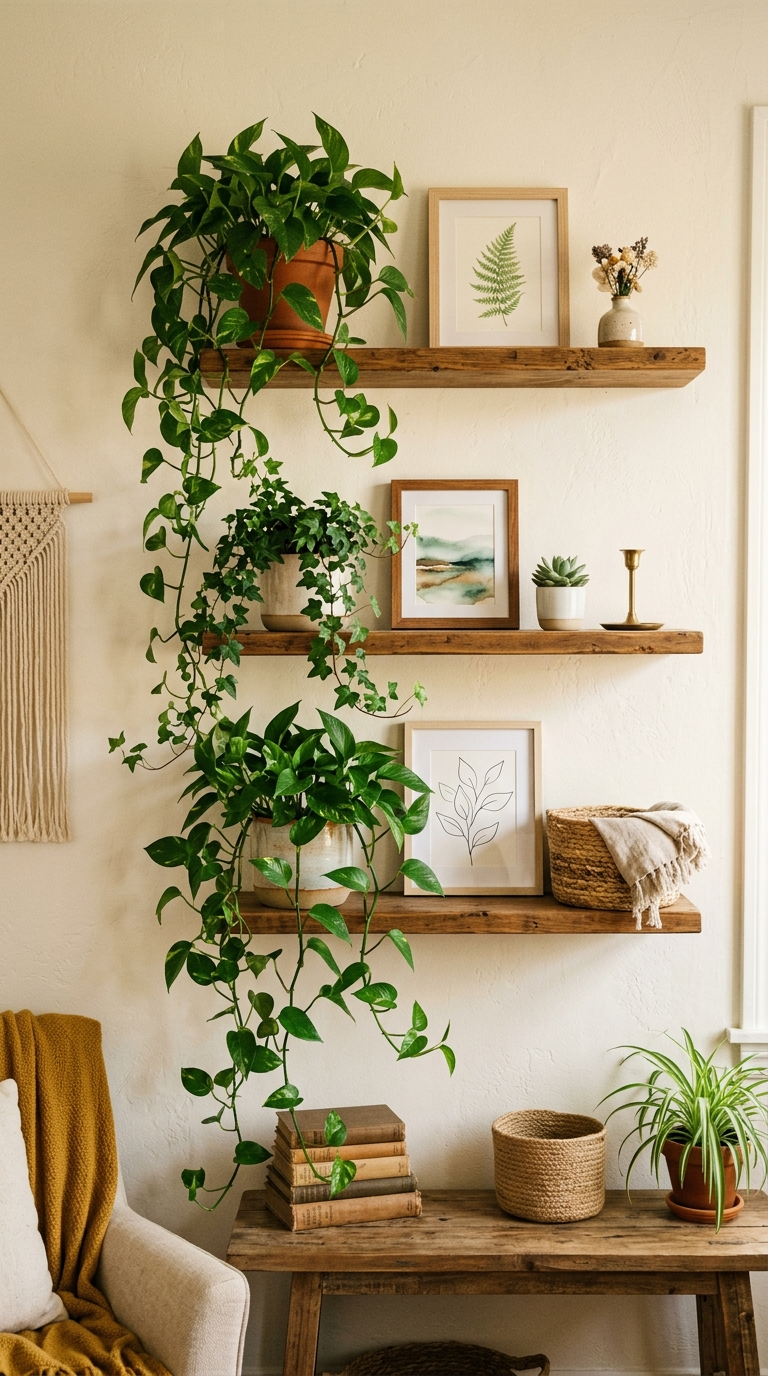
When floor space is limited, look upward. Utilizing vertical wall space draws the eye upward and preserves precious square footage for movement. Hanging wall pegs, floating shelves, and vertical book racks offer excellent storage options that double as visual art displays.
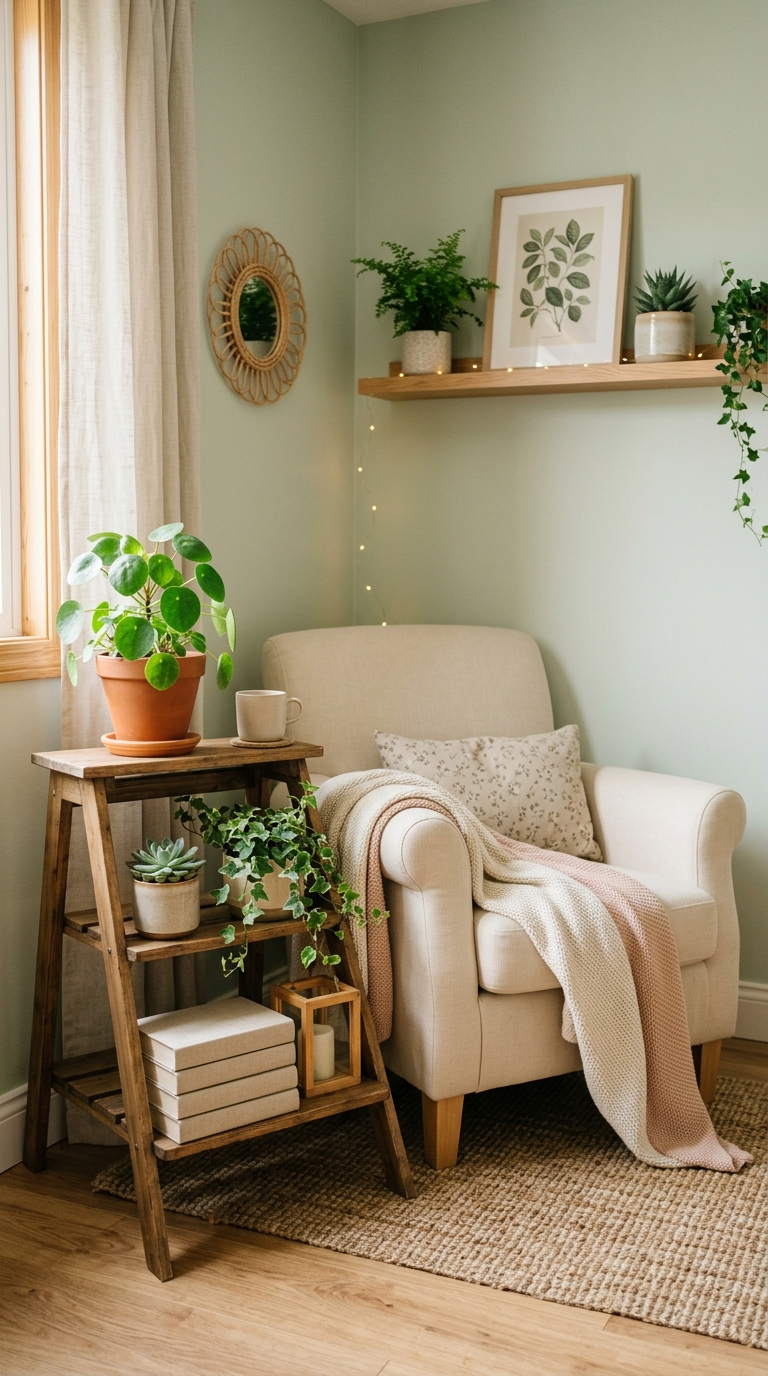
Install high-mounted shelving above doorways or build vertical storage ladders in cozy corners. Displaying colorful pottery, potted hanging vines, and framed art vertically maximizes functional utility while creating a lively, whimsical charm throughout the room.
Step 5: Incorporate Strategic Lighting and Mirrors
Dark, single-overhead-light setups make small rooms feel claustrophobic. Creating a layered lighting scheme using floor lamps, table lamps, and plug-in wall sconces adds warmth and depth without expensive electrical renovations.
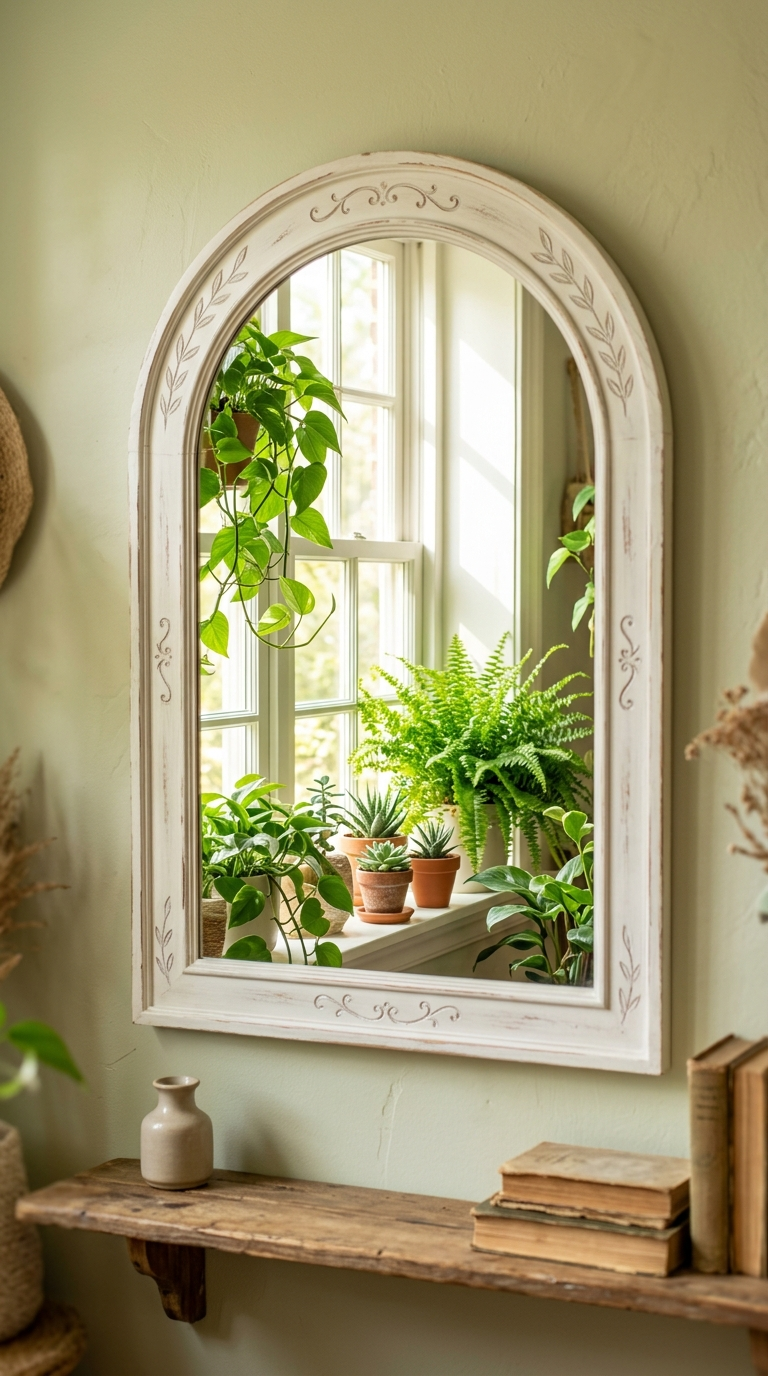
Pair layered lighting with strategically placed mirrors. Positioning a large decorative mirror directly opposite a window bounces natural daylight deep into dark corners, instantly doubling the perceived depth of your room. Look for unique arch-shaped or vintage-framed mirrors at discount home stores to add architectural interest.
Step 6: Layer Budget Textiles for Ultimate Cosiness
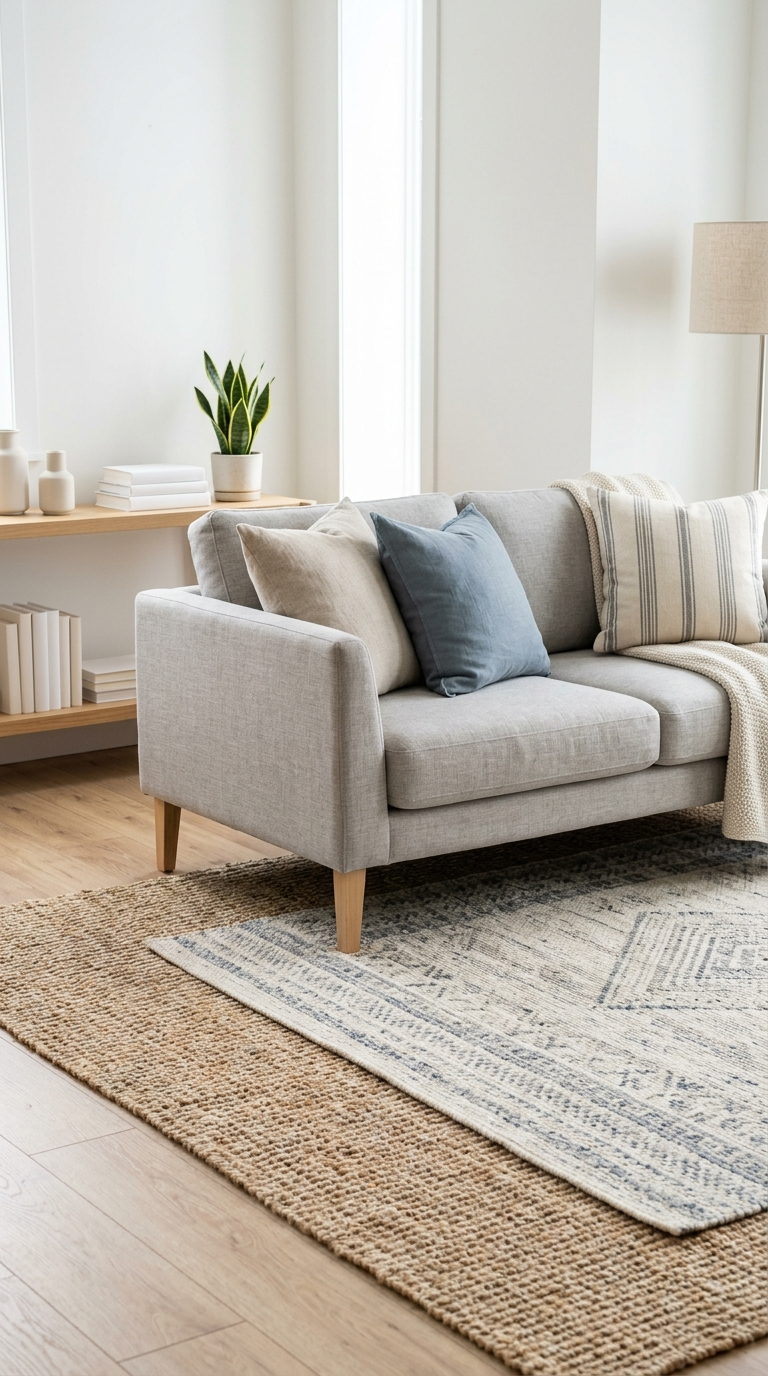
Soft furnishings like area rugs, throw pillows, and linen curtains tie a room together and add tactile richness. To keep costs low, purchase neutral base rugs in natural fibers like jute or sisal, then layer smaller pattern rugs on top for texture and character.
Hang window curtains as close to the ceiling as possible and let them fall all the way to the floor. This simple trick elongates windows and creates an grander sense of scale. Mix textured pillow covers in soft linen, cotton, and knit fabrics to complete your budget-friendly small room makeover.
Discover the most common home organization mistakes that create hidden clutter and learn minimal, clean solutions to transform your lifestyle and space today.
Transform any blank wall with this step-by-step DIY board and batten guide. Learn essential measuring, cutting, and painting techniques for high-end results.
Discover affordable and highly creative budget makeover ideas to refresh your living space. Learn how to transform your home without breaking the bank.
Avoid these common minimalist decluttering mistakes to achieve a perfectly organized home. Learn how to maintain clean lines and serene spaces every day.
Declutter your kitchen with these clever, rustic pantry organization hacks designed to optimize vertical space, clear counters, and simplify meal prep.