The shift towards remote work has transformed the home office from an optional luxury into an absolute necessity. However, throwing a desk and a chair into a spare room does not automatically create a productive workspace. In fact, many people unwittingly sabotage their own productivity, focus, and physical well-being through poor design choices. In this comprehensive guide, we will analyze the most common home office decor and layout mistakes. By understanding these pitfalls and implementing our minimalist, clean-design solutions, you can cultivate an environment that fosters deep work, creativity, and professional success.A well-designed home office should be a sanctuary of focus, devoid of distractions and physical discomfort. When your environment is cluttered, poorly lit, or ergonomically flawed, your brain expends unnecessary energy just trying to cope with the surroundings. We will explore the psychological impact of design, the critical importance of proper lighting, the necessity of ergonomic furniture, and the subtle ways that visual clutter destroys concentration. Let us identify the mistakes holding you back and discover the precise minimalist strategies to fix them.
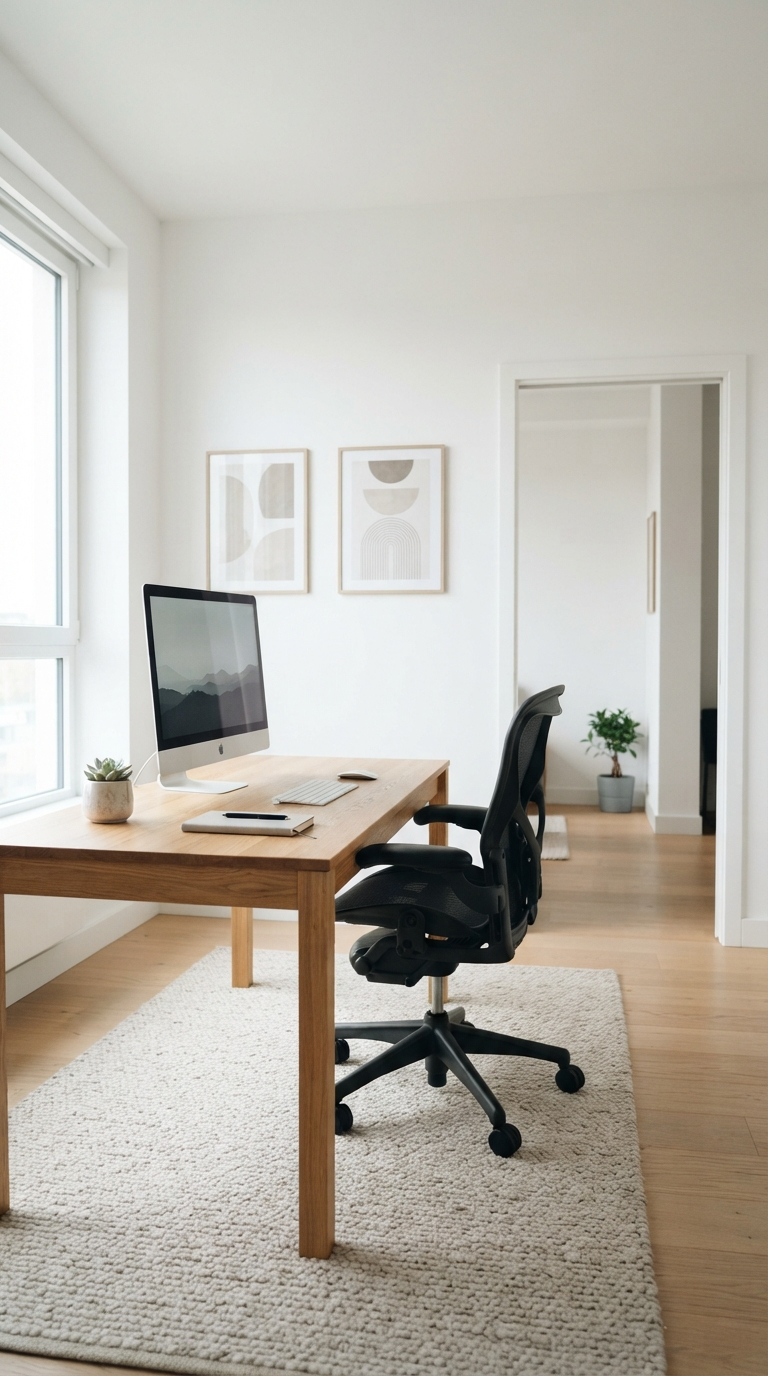
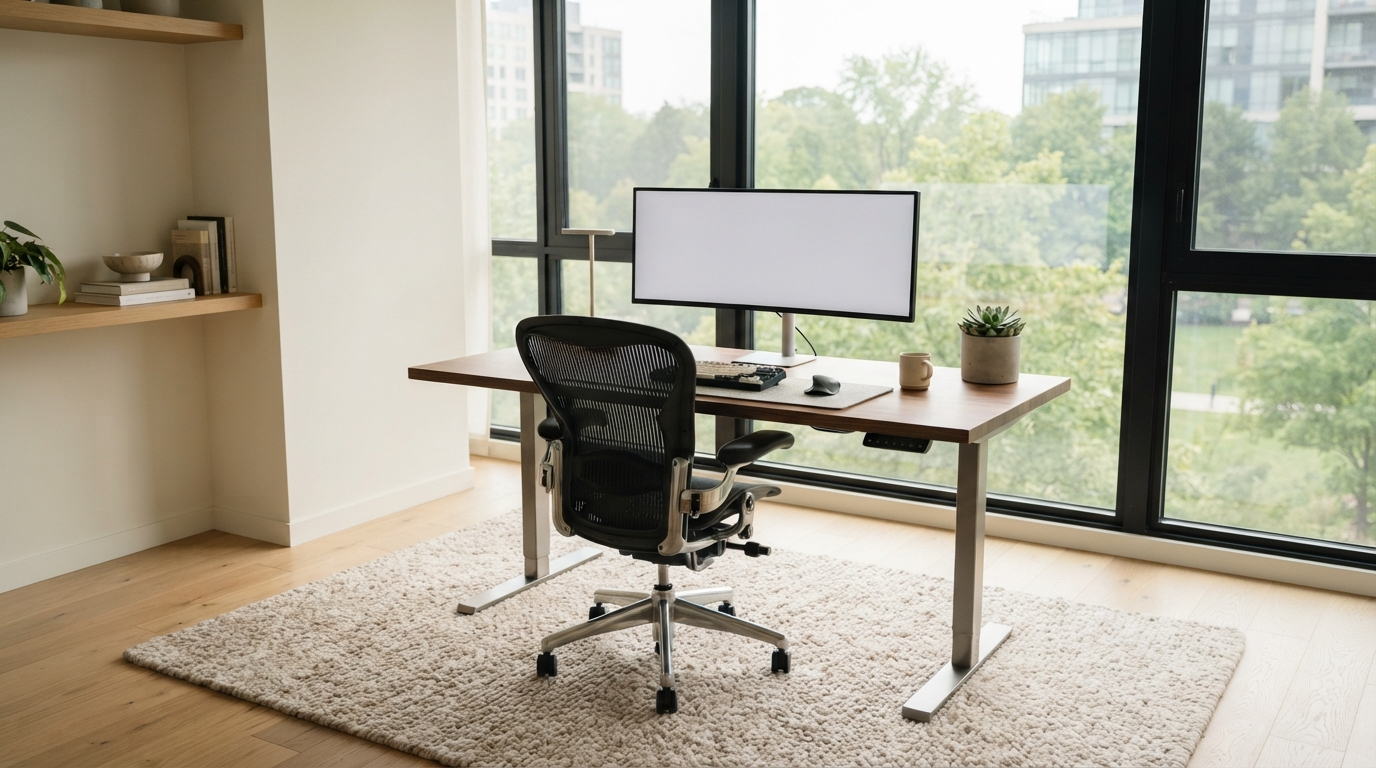
Mistake 1: The ‘Back to the Door’ Desk PlacementOne of the most frequent layout errors in a home office is pushing the desk squarely up against a wall, leaving the user with their back facing the entrance of the room. From an evolutionary psychology perspective, this positioning creates a subtle but constant state of subconscious anxiety. When you cannot see who or what might be approaching from behind, your brain remains on low-level alert, draining energy that should be directed toward your work. Furthermore, staring at a blank wall all day is uninspiring and can induce feelings of claustrophobia.The Solution: The Command Position. In spatial design, the ‘Command Position’ involves placing your desk so that you have a clear view of the door without being directly in line with it, while ideally having a solid wall behind your back. This layout provides a psychological sense of security and control over your environment. If space allows, float your desk in the center of the room facing the entrance or a window. This minimalist, executive layout immediately elevates the professionalism of the space and significantly improves mental focus.
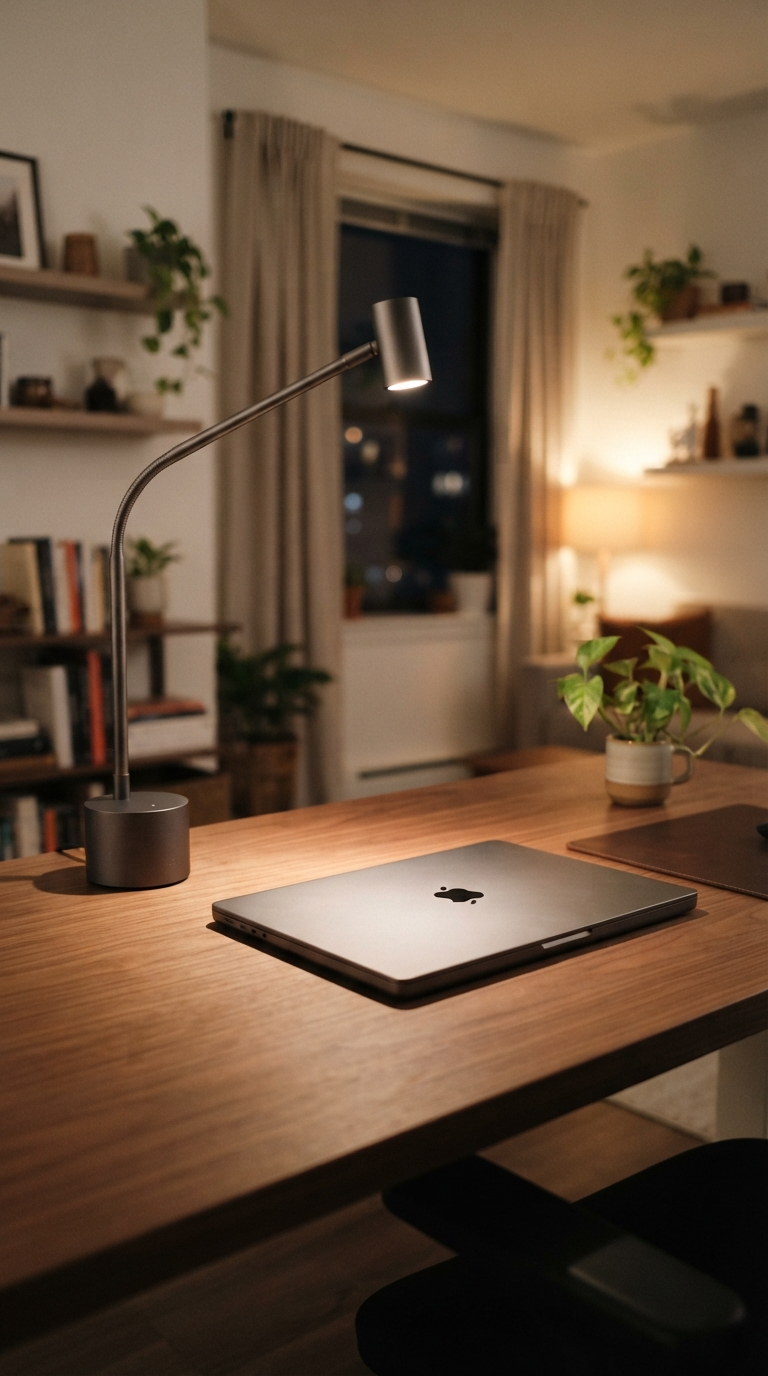
Mistake 2: Relying Exclusively on Overhead LightingLighting profoundly impacts our circadian rhythms, energy levels, and eye strain. A major mistake is relying entirely on a single, glaring overhead fixture—often fitted with harsh, cool-toned bulbs. This type of lighting creates aggressive shadows, causes screen glare, and mimics the uninspiring atmosphere of a corporate cubicle farm. Conversely, relying solely on natural light is also problematic, as it fluctuates throughout the day, leading to squinting and fatigue as the sun goes down.The Solution: Layered, Purposeful Illumination. A minimalist home office requires a strategic, layered approach to lighting. Start by maximizing natural light, placing your desk perpendicular to windows to avoid direct screen glare. Next, introduce high-quality task lighting. A sleek, adjustable LED desk lamp provides focused illumination for reading and writing, reducing eye strain. Finally, add ambient lighting through a modern floor lamp or wall sconces to provide a soft, even glow that fills the room. Ensure all bulbs are a comfortable, neutral temperature (around 3500K to 4000K) to promote alertness without feeling clinical.
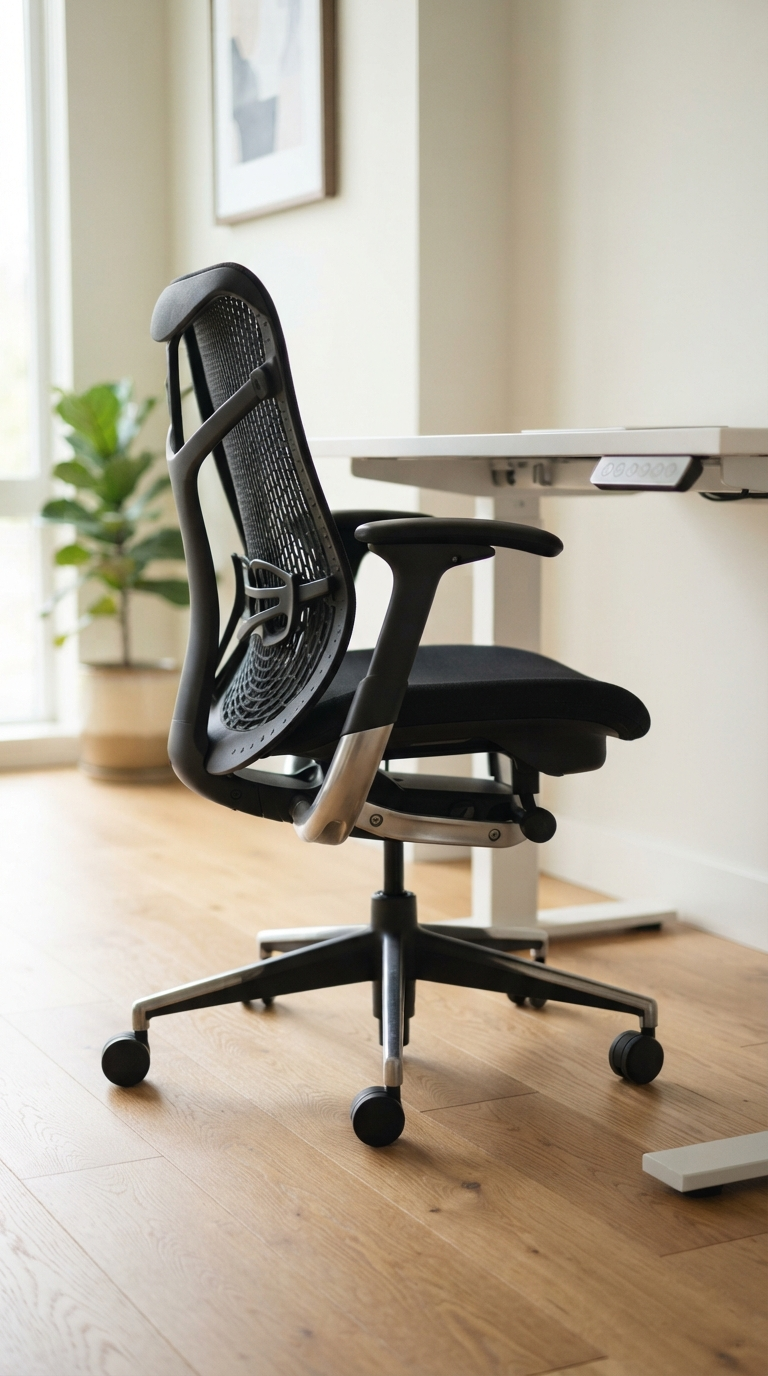
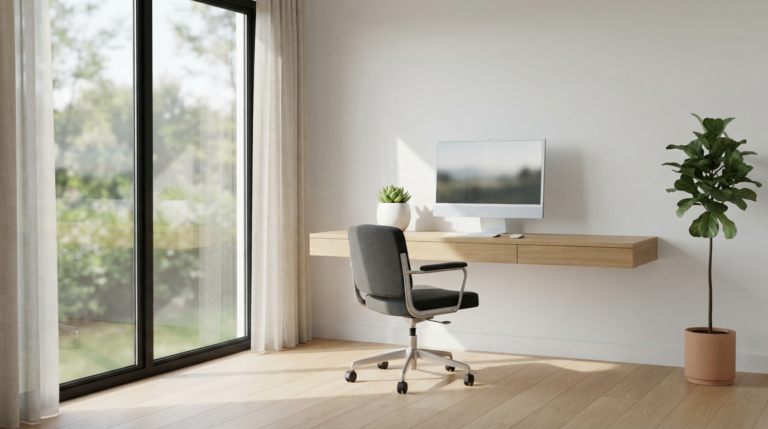
Mistake 3: Prioritizing Aesthetics Over ErgonomicsWe all want our workspaces to look beautiful, which often leads to the mistake of purchasing a stylish dining chair or a vintage stool to use as a desk chair. While they might look fantastic on a mood board, these chairs lack the necessary lumbar support, height adjustability, and armrests required for long hours of seated work. Chronic back pain, neck strain, and poor posture are direct results of prioritizing form over function, eventually making it impossible to concentrate on your tasks.The Solution: Invest in High-End Ergonomics. Ergonomics must dictate your furniture choices. Fortunately, modern minimalist design seamlessly blends aesthetic appeal with biomechanical support. Invest in a premium, fully adjustable ergonomic office chair with breathable mesh and proper lumbar support. Pair this with a clean-lined, height-adjustable standing desk. The ability to alternate between sitting and standing throughout the day is crucial for maintaining blood flow and sustained energy levels. The sleek silhouettes of modern ergonomic furniture fit perfectly into a clean, minimalist aesthetic.
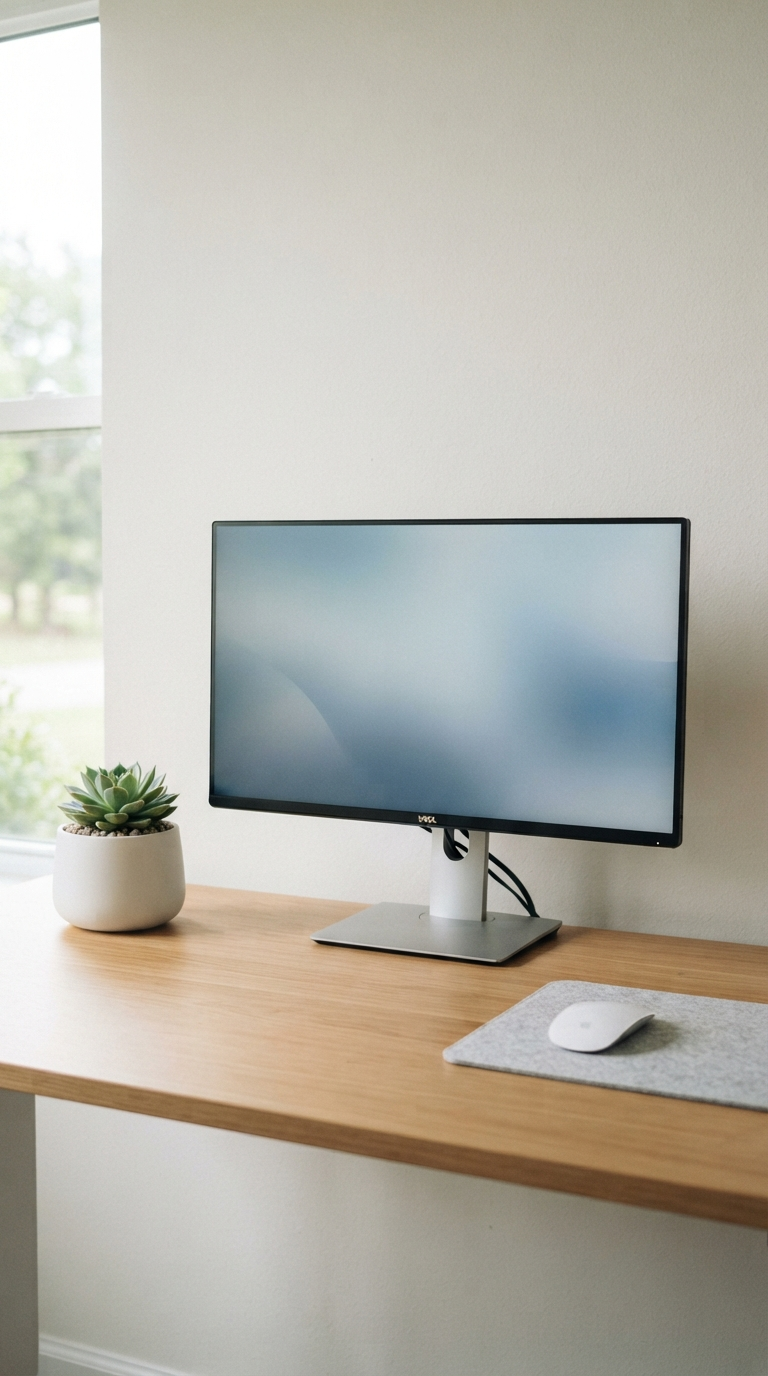
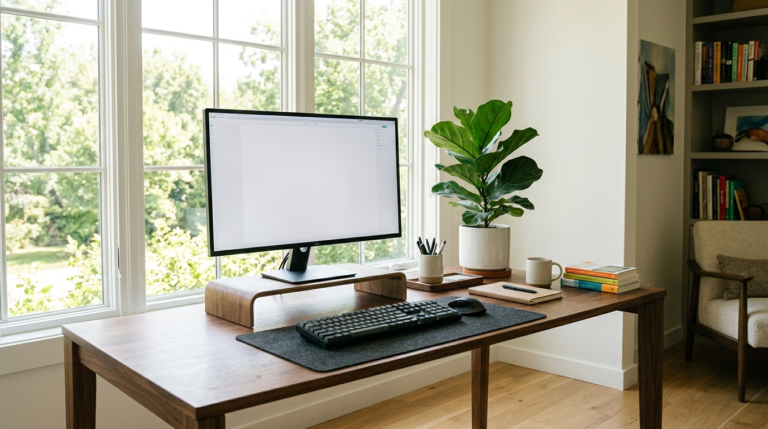
Mistake 4: The Clutter Creep on the Work SurfaceVisual clutter equates to mental clutter. When your desk is covered in loose papers, tangled cords, excessive office supplies, and random household items, your brain must constantly process this extraneous visual information. This continuous processing divides your attention and drastically reduces your cognitive capacity for deep, focused work. A messy desk is an immediate barrier to productivity.The Solution: Ruthless Minimalist Organization. Adopt a strict “clear desk” policy. Your work surface should only hold the absolute essentials needed for the immediate task at hand: your computer, a keyboard, a mouse, and perhaps a single notepad. Implement robust organizational systems behind closed doors or in sleek, uniform drawers. Utilize under-desk cable management trays to completely hide unsightly wires. By stripping away the visual noise, you create a serene, minimalist environment that allows your mind to focus entirely on the work.
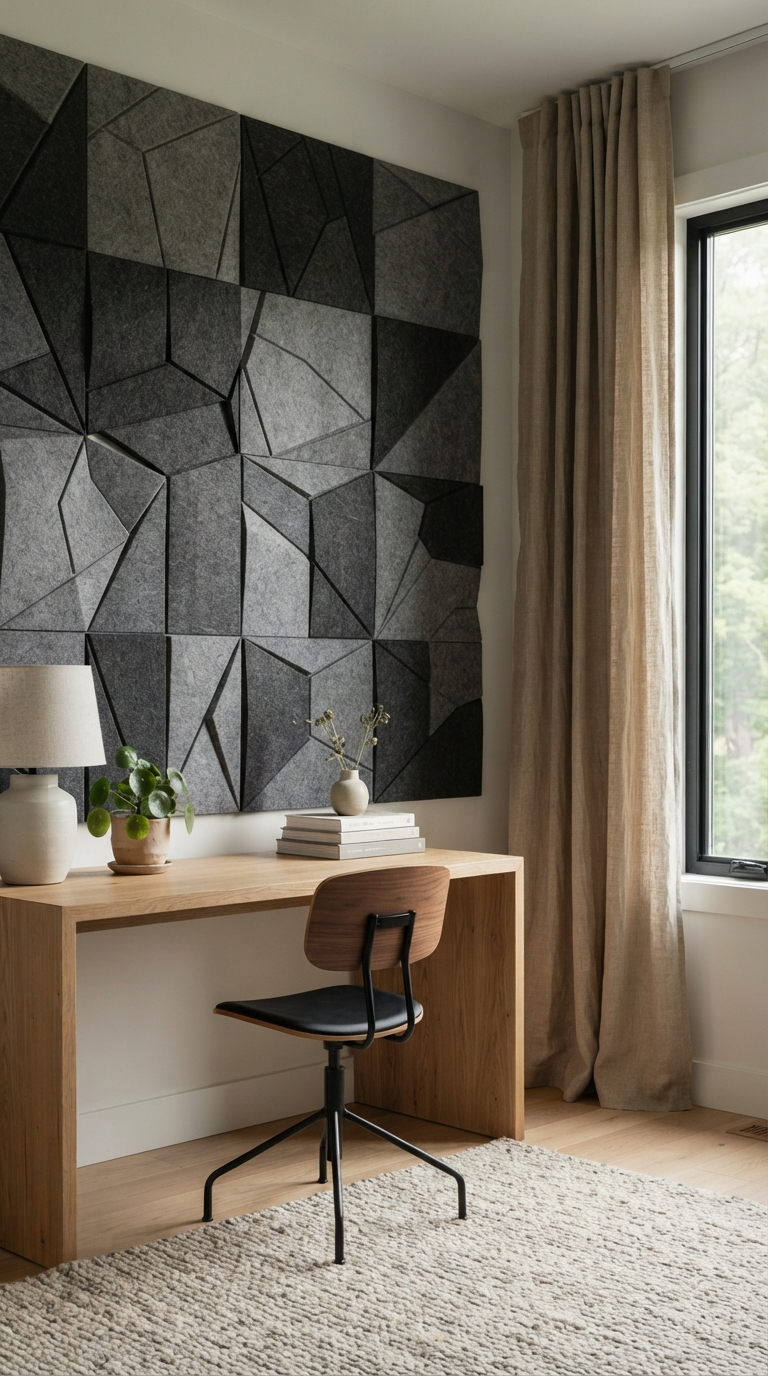
Mistake 5: Neglecting Acoustic ComfortWhile visual design is critical, acoustic design is often entirely overlooked. A home office with hardwood floors, bare walls, and a glass desk will suffer from terrible acoustics. Sound waves bounce endlessly off these hard surfaces, creating echoes and amplifying external noises—like a dog barking, traffic, or family members in the next room. This auditory chaos is highly disruptive to concentration and makes virtual meetings sound unprofessional.The Solution: Introduce Sound-Absorbing Textures. To achieve a quiet, focused atmosphere, you must introduce soft, sound-absorbing materials. A large, plush area rug under the desk will instantly dampen footfalls and floor echoes. Hang heavy, high-quality curtains over the windows. Incorporate textured acoustic panels on the walls; many modern options are designed to look like minimalist geometric art. These subtle additions will dramatically improve the acoustic quality of the room, creating a hushed, library-like atmosphere conducive to deep thought.
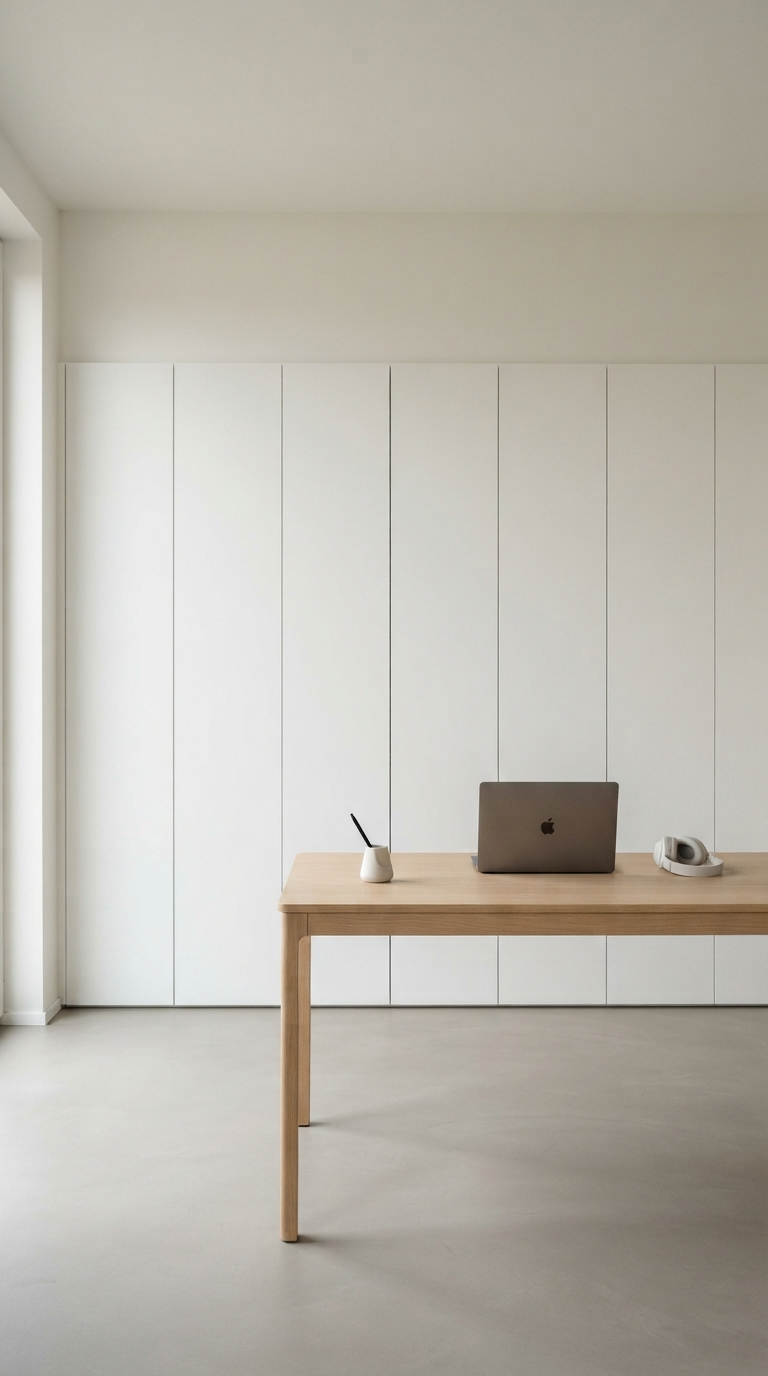
Mistake 6: Lack of Dedicated Storage ZonesA common mistake is treating the home office as a dumping ground for general household paperwork and miscellaneous items. Without dedicated, intentional storage zones, items inevitably pile up on the floor, on shelves, and on the desk. This lack of organization forces you to waste valuable time searching for important documents and contributes to the visual clutter that we know destroys focus.The Solution: Zoned, Concealed Storage. Implement a minimalist storage strategy by creating distinct zones. Have a specific zone for active projects, a zone for archiving, and a zone for supplies. Use closed cabinetry or sleek, opaque filing cabinets rather than open shelving to maintain a clean visual aesthetic. When everything has a designated, hidden home, the room feels lighter, more organized, and infinitely more professional. A clean, streamlined space directly translates to a clear, focused mind, empowering you to tackle your daily tasks with unprecedented efficiency.
Discover the latest trends in bedroom design creating peaceful sanctuaries. From organic materials to warm color palettes, forecast the next big looks for personal spaces.
Transform your personal space into a serene sanctuary. Discover the most common bedroom decor mistakes to avoid and how to fix them for ultimate relaxation.
Boost productivity and style with these clever home office design ideas, featuring smart desk storage, ergonomic chairs, and aesthetic decor inspiration. (158 chars)
Transform your workspace with these clean, minimalist home office ideas. Discover how to boost productivity while keeping your space stylish and clutter-free!
Discover the ultimate cozy bedroom ideas to elevate your personal space. Create a tranquil, relaxing retreat with these essential styling and decor tips.
Transform your home into a restorative haven. Discover expert design tips for creating beautiful wellness spaces that promote peace, focus, and relaxation.