Welcome to the ultimate guide on creating a minimalist home office that not only looks breathtakingly clean but also supercharges your daily productivity. In today’s fast-paced digital world, the environment in which we work profoundly impacts our focus, creativity, and overall mental well-being. A cluttered desk often leads to a cluttered mind, which is why adopting a minimalist and clean aesthetic for your home office is one of the most effective ways to enhance your professional output. In this comprehensive guide, we will explore fifteen transformative ideas to help you design a workspace that is both highly functional and visually soothing.1. Embrace the Power of Negative SpaceMinimalism isn’t just about having fewer things; it’s about making room for what truly matters. Negative space, or empty space, allows your eyes to rest and reduces cognitive overload. When setting up your home office, resist the urge to fill every corner with furniture or decor. Leave walls blank where possible, keep the floor clear of unnecessary rugs or bins, and ensure that your desk has ample empty surface area. This deliberate emptiness creates a sense of calm and order, making it easier to concentrate on complex tasks without visual distractions pulling your attention away.
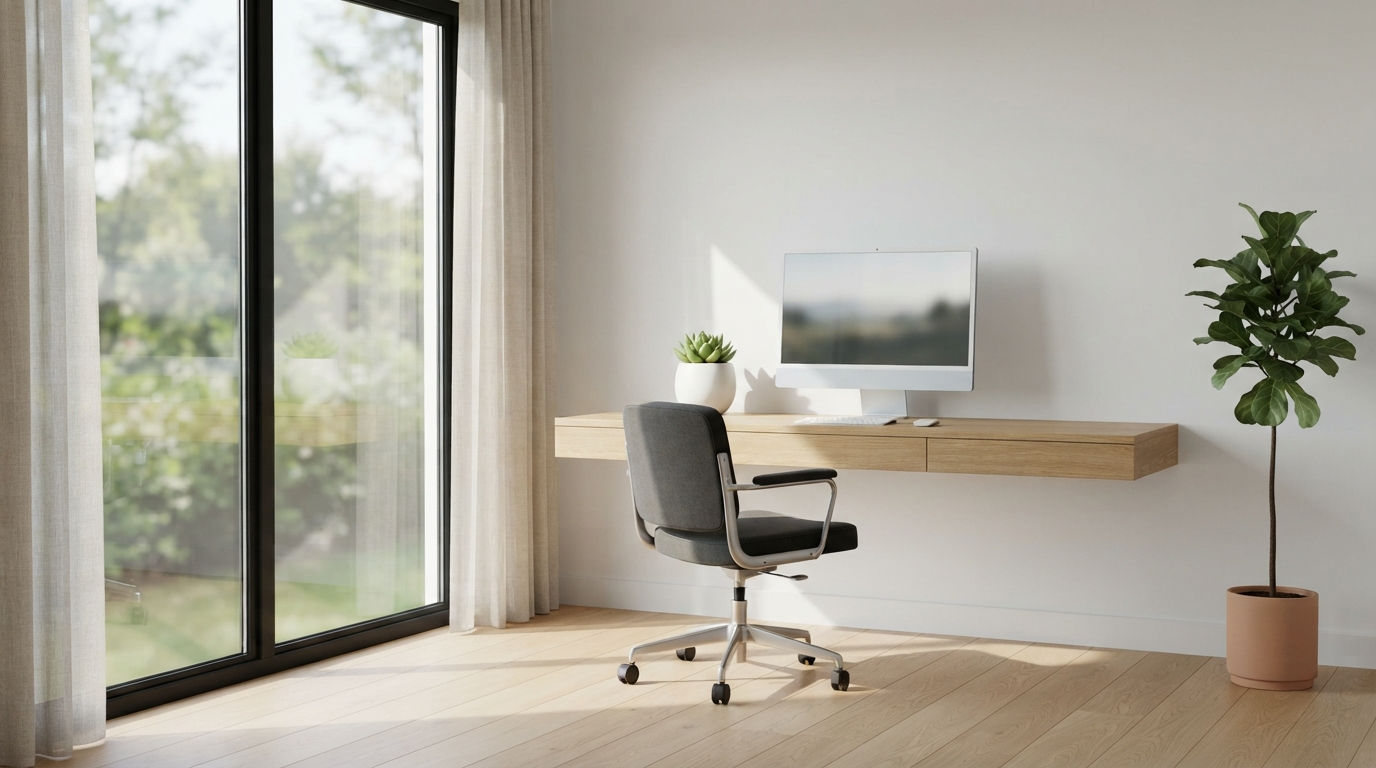
2. Invest in a High-Quality, Streamlined DeskThe desk is the focal point of any home office. For a minimalist aesthetic, choose a desk with clean lines, a simple silhouette, and built-in cable management. Materials like light oak, matte white metal, or tempered glass work wonderfully to maintain an airy feel. Avoid bulky executive desks with heavy drawers that can dominate the room. Instead, opt for a floating desk or a sleek standing desk that promotes movement while keeping the visual weight of the room light. Remember, your desk should serve as a blank canvas for your daily work, not a storage unit for years of accumulated paperwork.3. Optimize Your Ergonomic SeatingA minimalist office does not mean you have to sacrifice comfort. In fact, ergonomics should be a top priority. Look for an office chair that offers superior lumbar support, adjustable height, and breathable materials, but choose one with a refined, understated design. Neutral colors like soft grey, charcoal, or pure white blend seamlessly into a minimalist environment. Avoid chairs with overly aggressive gamer stylings or excessively plush, dated leather padding. The goal is to find a chair that supports your posture perfectly for eight hours a day while looking like a deliberate design choice rather than an afterthought.
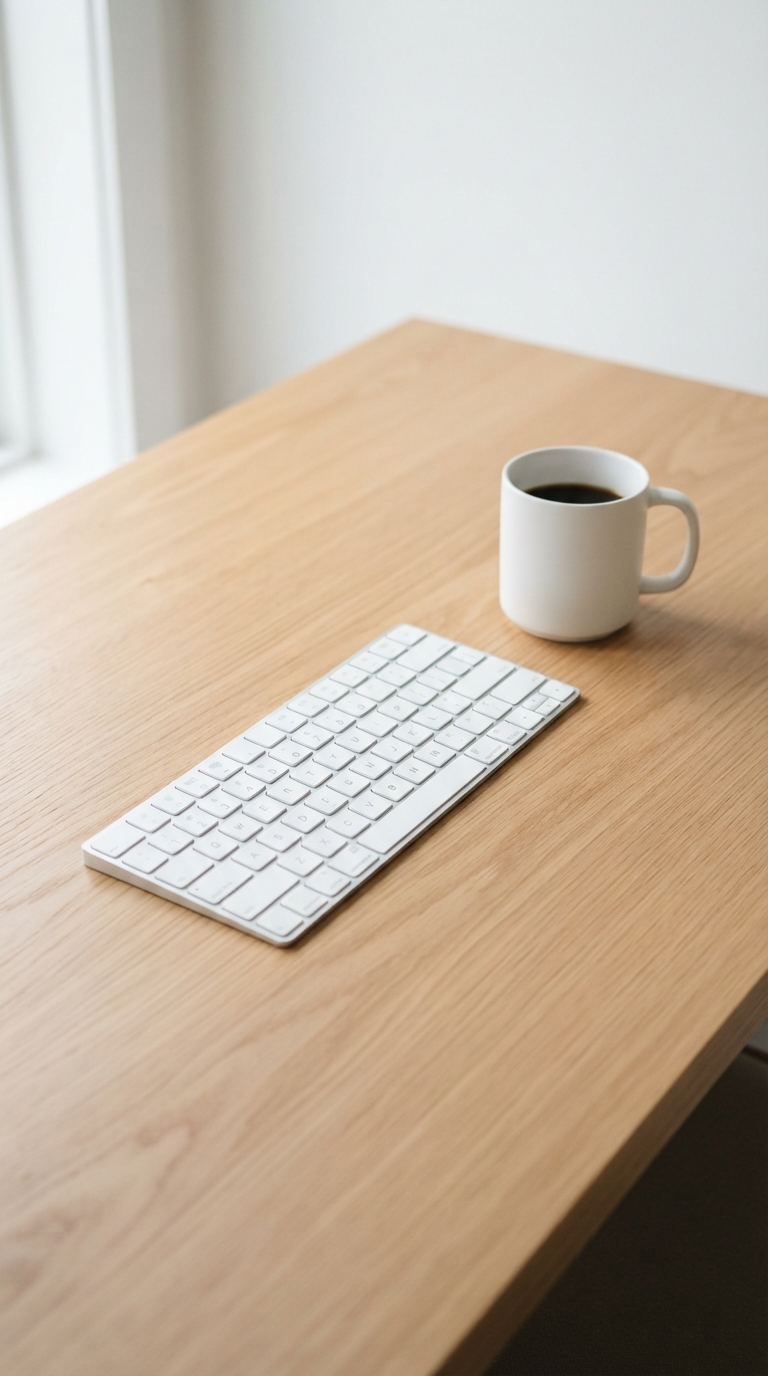
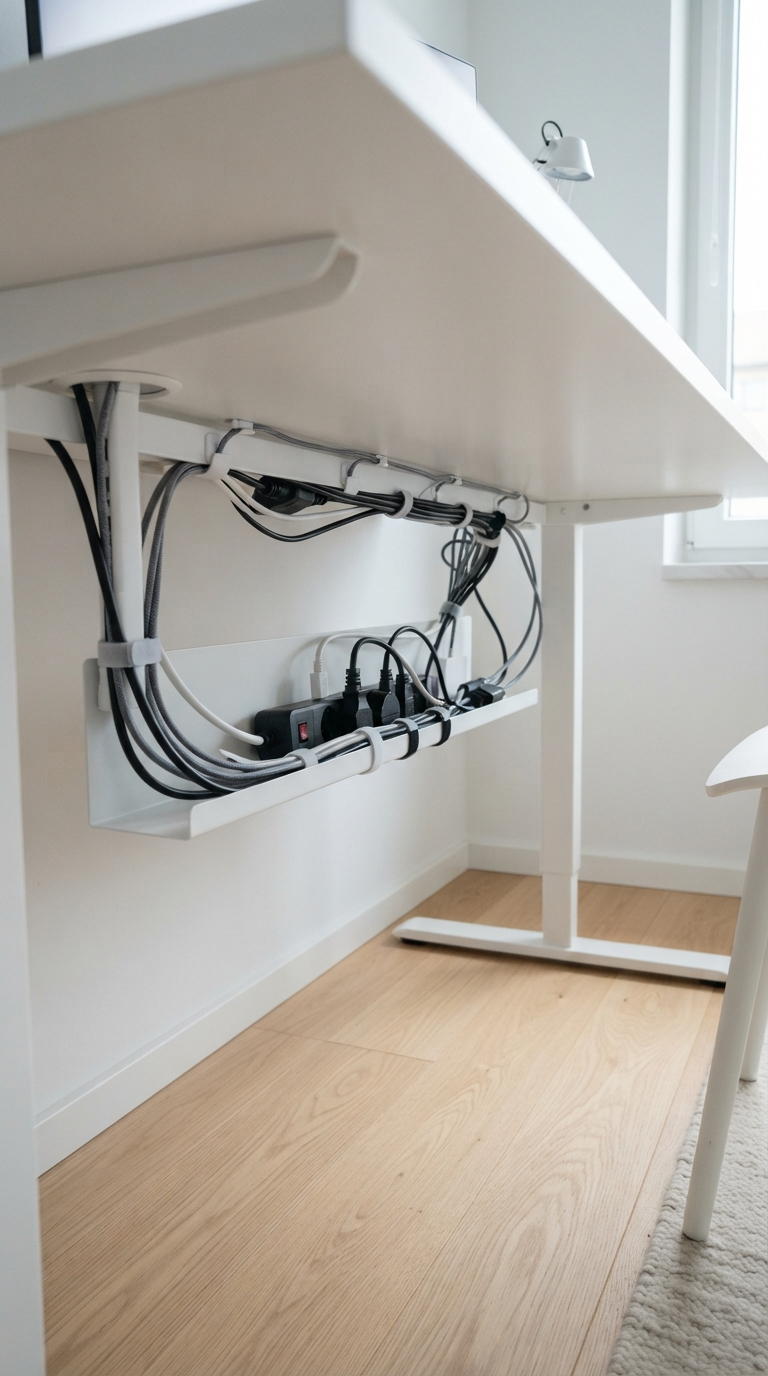
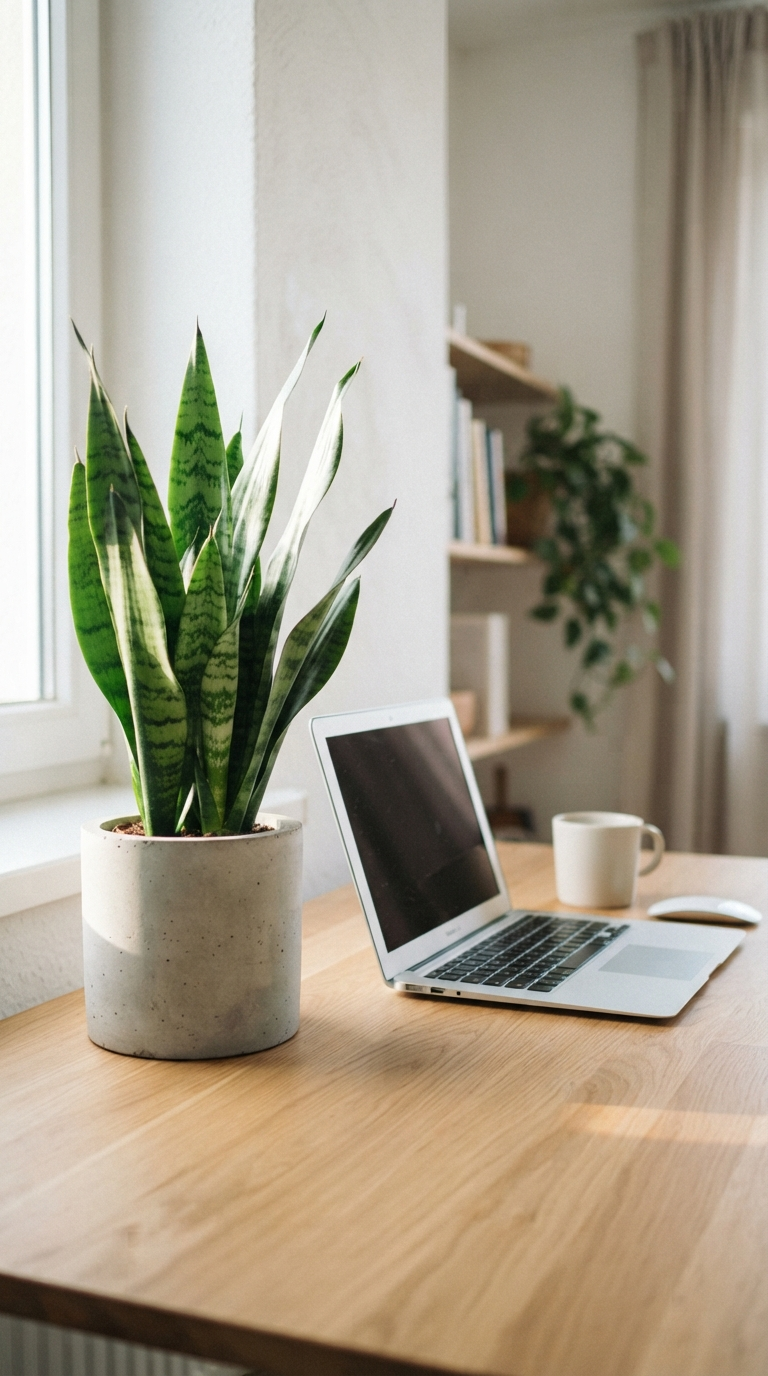
4. Master the Art of Cable ManagementNothing ruins a minimalist aesthetic faster than a tangled web of black cords hanging from the back of a desk. Effective cable management is absolutely crucial. Utilize under-desk cable trays, adhesive cord clips, and flexible cable sleeves to route wires neatly along the legs of your desk. Consider investing in wireless peripherals—such as a Bluetooth mouse and keyboard—to eliminate desktop cord clutter entirely. By hiding the necessary but unsightly technological infrastructure, you maintain the pristine, clean lines of your carefully curated workspace.5. Curate Your Desktop AccessoriesTake a ruthless approach to what is allowed to live permanently on your desktop. A true minimalist setup might only feature a monitor, a keyboard, a mouse, and perhaps one inspirational object, like a small succulent or a beautifully designed pen cup. Everything else—notebooks, staplers, charging cables—should be stored away out of sight. By limiting your desktop accessories to the absolute essentials, you eliminate the visual noise that competes for your attention, allowing you to focus entirely on the screen or document in front of you.
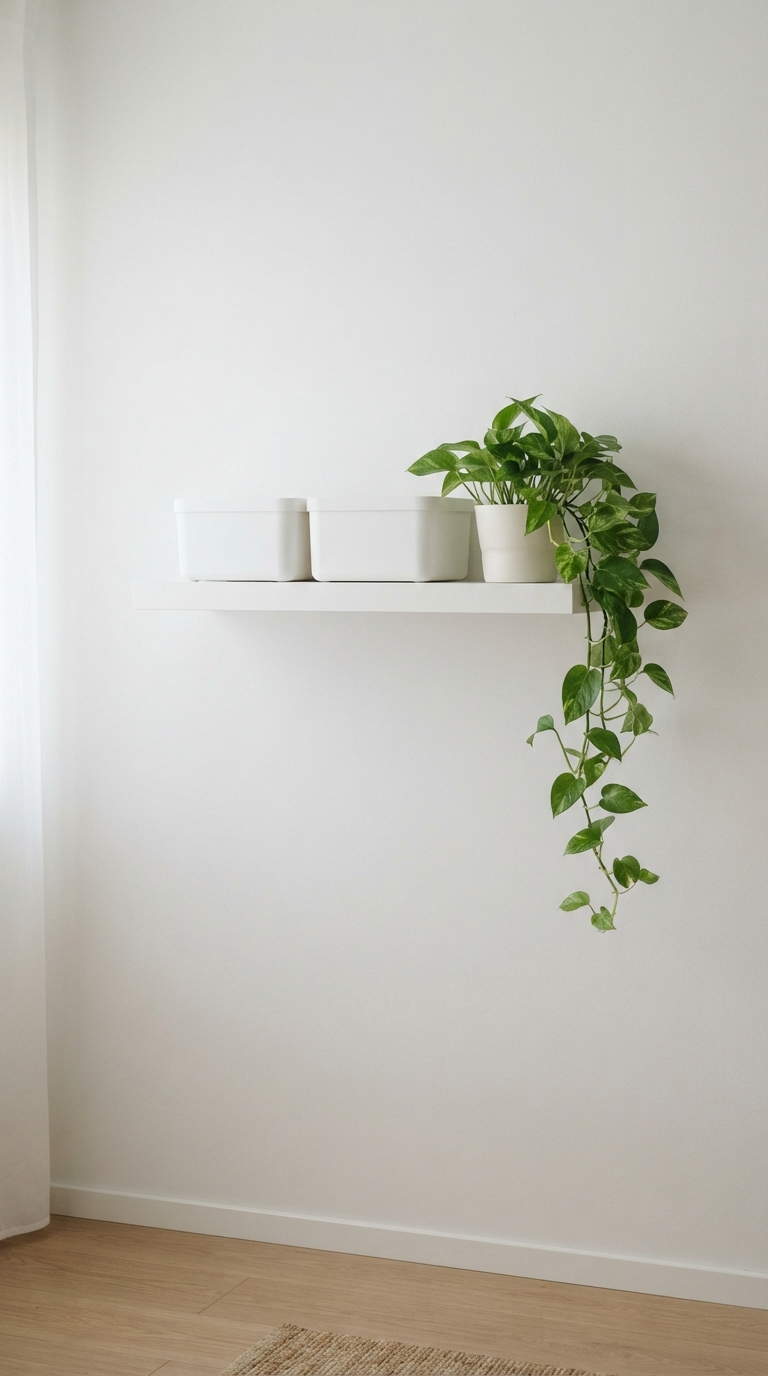
6. Maximize Natural LightNatural light is the greatest asset in any minimalist design. It makes spaces feel larger, cleaner, and more inviting. Position your desk near a window to take advantage of daylight, which has been scientifically proven to boost mood and regulate circadian rhythms. Use sheer, lightweight curtains or simple roller shades instead of heavy drapes to allow maximum light penetration while diffusing harsh glare. If your room lacks natural light, mimic it using high-quality daylight LED bulbs that cast a crisp, clean glow over your workspace without creating heavy shadows.7. Implement Hidden Storage SolutionsTo maintain a clutter-free environment, you need adequate storage that doesn’t look like storage. Built-in cabinets with flat, handle-less doors, sleek rolling file cabinets that tuck neatly under the desk, or floating shelves with matching opaque storage boxes are excellent choices. The key is to have a designated home for every item, ensuring that at the end of the workday, everything can be put away out of sight. This practice not only keeps the office looking flawless but also creates a psychological boundary between work time and personal time.
8. Stick to a Monochromatic or Neutral Color PaletteColor profoundly influences our psychological state. For a minimalist office geared towards maximum productivity, stick to a soothing, neutral palette. Whites, soft grays, muted beiges, and pale woods create a serene backdrop that reduces mental fatigue. If you want to introduce color, do so deliberately and sparingly—perhaps a single piece of abstract art or a healthy green plant. Avoid loud, aggressive colors like bright red or neon green, which can induce anxiety and eye strain over long periods.9. Bring in Biophilic ElementsMinimalism shouldn’t feel sterile or clinical. Introducing natural elements, a concept known as biophilic design, breathes life into a minimalist space without adding clutter. A well-placed snake plant, a minimalist bonsai, or a simple vase with fresh eucalyptus can dramatically improve the air quality and aesthetic appeal of your office. Plants add texture, a pop of organic color, and a sense of tranquility, proving that a clean design can still feel incredibly warm and inviting.
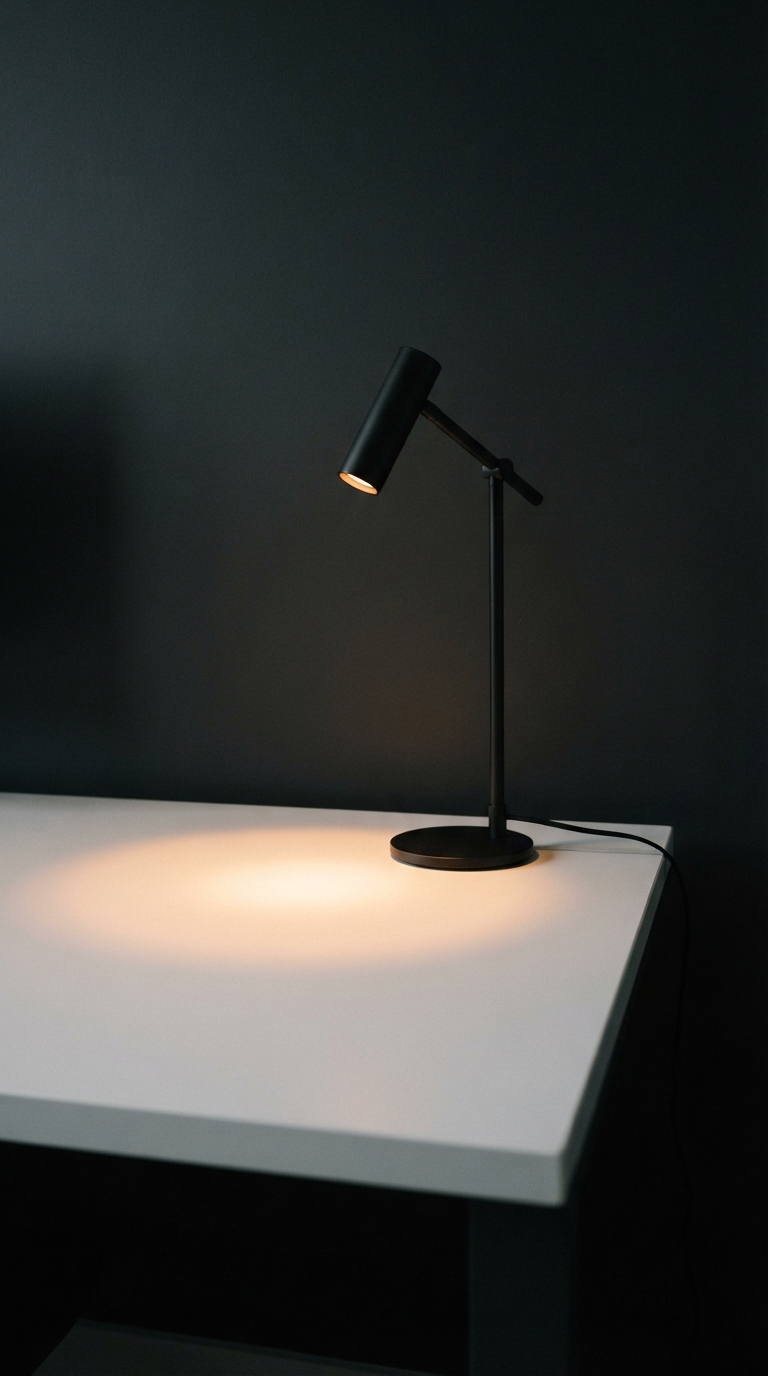
10. Prioritize Task LightingWhile natural light is ideal, proper artificial lighting is essential for early mornings and late nights. Choose a sleek, architectural desk lamp that provides focused task lighting without taking up too much physical or visual space. Look for LED lamps with adjustable color temperatures, allowing you to switch from cool, energizing light during the day to warm, relaxing light in the evening. The lamp itself should be a statement of minimalist design—think thin metallic arms, geometric shapes, and matte finishes.11. Use Acoustic Treatments ElegantlyA minimalist room with hard surfaces can often suffer from poor acoustics, leading to distracting echoes during virtual meetings. Address this invisibly by incorporating minimalist acoustic treatments. Think thick, low-profile wool rugs in solid neutral colors, or sleek, fabric-wrapped acoustic panels that double as modern art. These elements absorb sound beautifully while contributing to the clean, streamlined aesthetic of the room, ensuring your workspace is as quiet and focused as it looks.12. Digitize Your WorkflowThe most effective way to eliminate paper clutter is to stop using paper. Transition to a fully digital workflow by utilizing cloud storage, digital note-taking tablets, and scanning apps. When you remove the need for physical file folders, printers, and reams of paper, you instantly free up massive amounts of space in your office. This digital shift not only cleans up your physical environment but also streamlines your work processes, making information retrieval instantaneous.
13. Select Intentional ArtworkMinimalism embraces art, provided it is intentional and not overwhelming. Choose one or two large, impactful pieces rather than a chaotic gallery wall. Black and white photography, simple line art, or subtle abstract paintings in muted tones work best. Frame these pieces in simple, thin-profile frames. The artwork should inspire you and provide a brief visual escape when you look up from your screen, rather than demanding your constant attention.14. Adopt the ‘One In, One Out’ RuleMaintaining a minimalist home office requires ongoing discipline. Adopt the ‘one in, one out’ rule for office supplies and decor. If you buy a new notebook, an old one must be archived or recycled. If you introduce a new decorative object, an existing one must leave. This simple rule prevents the slow accumulation of clutter over time, ensuring your workspace remains as pristine and productive as the day you designed it.15. The Daily Reset RitualFinally, the secret to sustaining a minimalist and productive home office is the daily reset. Spend the last five minutes of your workday clearing your desk, putting away stray pens, wiping down the surface, and organizing your digital desktop. When you walk into your office the next morning, you will be greeted by a clean, serene environment that invites focus and readiness. This psychological transition is the ultimate productivity hack, powered by the principles of minimalist design.
Are you making these common bedroom design mistakes? Learn how to fix your sleeping space, optimize flow, and create a truly minimalist, serene retreat.
Step into a world of sophisticated bedroom design. Uncover the secrets to layering textures, selecting premium palettes, and designing a luxury retreat.
Transform your child’s room into a wonderland with these whimsical DIY nursery projects. Step-by-step guides for magical canopies, sensory walls, and more!
Struggling to achieve that perfect minimalist bedroom? Learn the 7 most common decor mistakes to avoid for a clean, serene, and perfectly balanced space.
Learn how to master the art of layering textures and fabrics to build a deeply comforting, visually stunning bedroom sanctuary that invites perfect sleep.