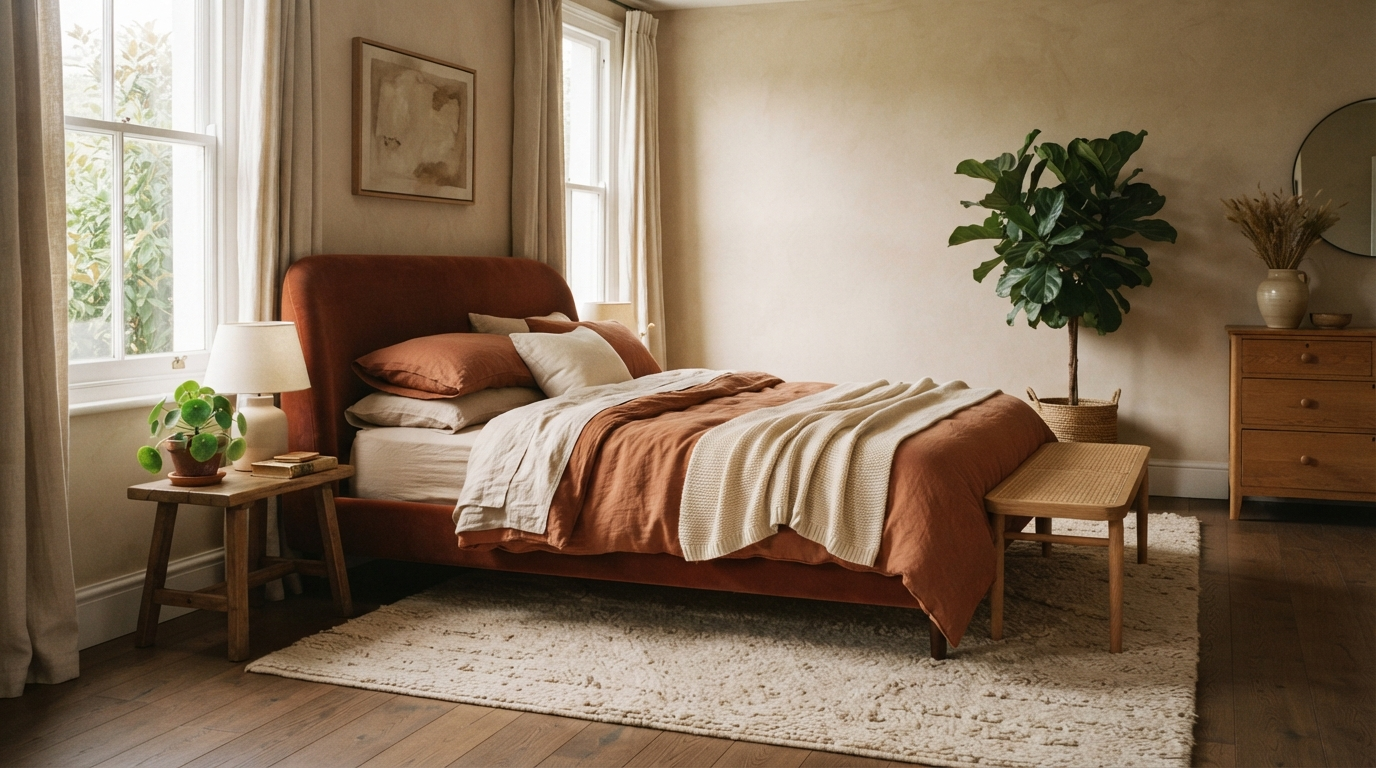
Our homes have become more than just shelter; they are now multi-functional hubs, and no space has seen a more dramatic shift in focus than the bedroom. It is no longer just a place to sleep; it is a dedicated personal sanctuary, a retreat from the world’s complexities. The prevailing trends reflect a deep-seated desire for tranquility, comfort, and sustainable, biophilic design. Join us as we explore the key bedroom and personal space trends forecasted to dominate the coming seasons, offering insights on how to transform your private rooms into spaces that nurture your well-being.
Biophilic Design: Bringing Nature Indoors
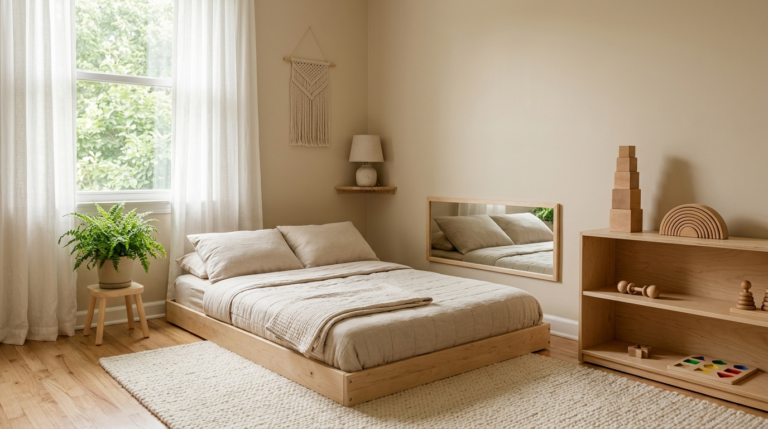
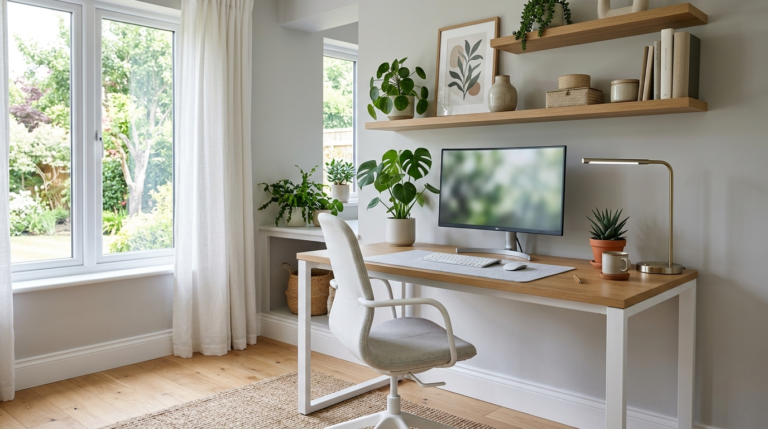
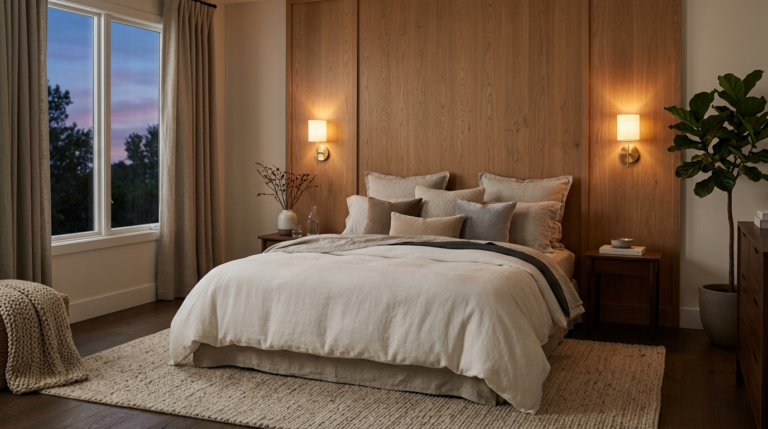
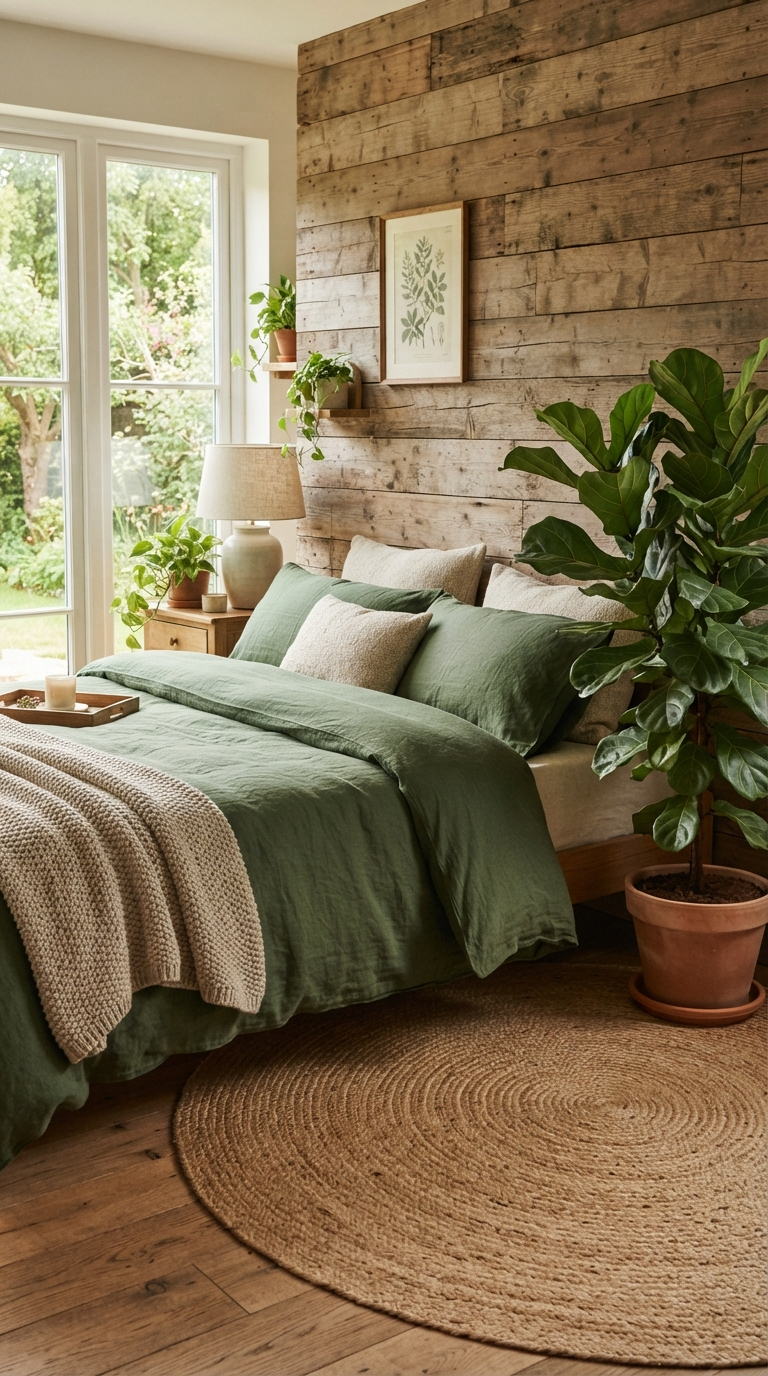
Biophilia, our innate connection to nature, is arguably the strongest influence in modern interior design, particularly in personal spaces. This trend goes beyond adding a few houseplants. It involves integrating natural elements at an architectural level. Think raw, sustainable materials like reclaimed wood, terracotta, and rattan. In the bedroom, this manifests as textured wood headboards, handwoven rugs made of jute or wool, and breathable organic linens. Colors are drawn directly from the natural world—deep forest greens, earthy browns, soft moss, and sandy beiges. Large windows that provide views of greenery are maximized, or failing that, botanical wall prints and large indoor plants help blur the lines between inside and out. This trend aims to reduce stress and improve air quality, creating a profoundly restorative environment.

The Rise of Warm Monochromatic Palettes
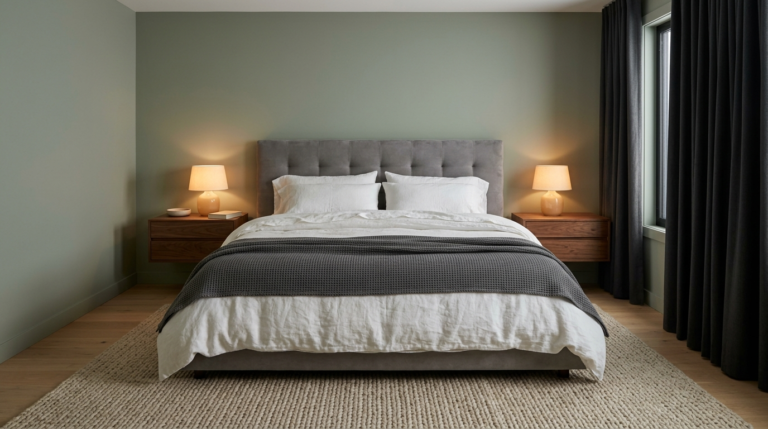
Say goodbye to stark, clinical whites and cold grays. The forecasted palettes for bedrooms are centered on warmth and enveloping comfort. We are seeing a move towards rich, warm monochromatic schemes. This involves using varying shades and textures within a single, warm color family. Think a bedroom in layers of oat, caramel, and deep terracotta, or a spa-like retreat in varying soft sages and olive greens. These palettes create a cohesive, serene atmosphere without being visually overwhelming. The key to making monochromatic work is texture. In a caramel room, you might pair a plush bouclé armchair with silky linen bedding, a heavy knit throw, and matte ceramic lamps. This layering of textures provides depth and visual interest while maintaining a calming simplicity.

Multifunctional Sanctuaries: Dedicated Wellness Zones
The bedroom is expanding its boundaries to support personal well-being more holistically. We are seeing a strong trend towards creating micro-zones dedicated to specific restful activities. This could be a small, serene corner for meditation with floor cushions and a soothing diffuser, a dedicated reading nook with a deeply comfortable armchair and a warm, adjustable lamp, or a minimalist desk for journaling and reflection. The key is that these spaces are designed for low-stimulation activities that promote relaxation. This trend emphasizes personalizing your space to support your specific rituals for unwinding, acknowledging that well-being is personal and multifaceted.

Sculptural and Soft Furniture Forms
Rigid, sharp-edged furniture is being replaced by softer, more organic, and sculptural shapes that convey comfort. In the bedroom, this means rounded bed frames, curved sofas or benches at the foot of the bed, and oval nightstands. Headboards are becoming more substantial and expressive, often with curved profiles or deep channel tufting in plush fabrics like velvet or bouclé. These softer forms feel welcoming and tactile, contributing to the overall sense of a nurturing sanctuary. Even nightstands and dressers feature softer edges, making the room feel safer and more relaxing to navigate.
Lighting: Layered, Intimate, and Smart
The trend in bedroom lighting is moving away from harsh overhead fixtures towards layered, ambient lighting that mimics natural rhythms. Bedside lamps are essential, but we are also seeing an increase in integrated lighting—LED strips behind headboards for a soft halo effect or underneath nightstands. Sconces are popular for freeing up surface space and providing focused task lighting for reading. Smart lighting systems that allow you to adjust the color temperature and brightness via an app are becoming standard, enabling users to create a ‘sunset’ effect that promotes sleep-inducing melatonin production. The overall goal is intimate, low-glare illumination that supports relaxation.

Sustainable and Artisanal Materials
Conscious consumerism is influencing the bedroom, with a growing preference for sustainable and artisan-made pieces. This trend values craftsmanship, longevity, and environmental responsibility. We are seeing furniture made from FSC-certified wood, bedding from GOTS-certified organic cotton or flax linen, and rugs woven from recycled materials. There is also a move towards unique, handmade decor—hand-thrown ceramic vases, woven wall hangings, and artisanal lighting. These pieces add character and story to the room, fostering a deeper connection to the space and reflecting a commitment to sustainable living.
The Integrated Dressing Experience
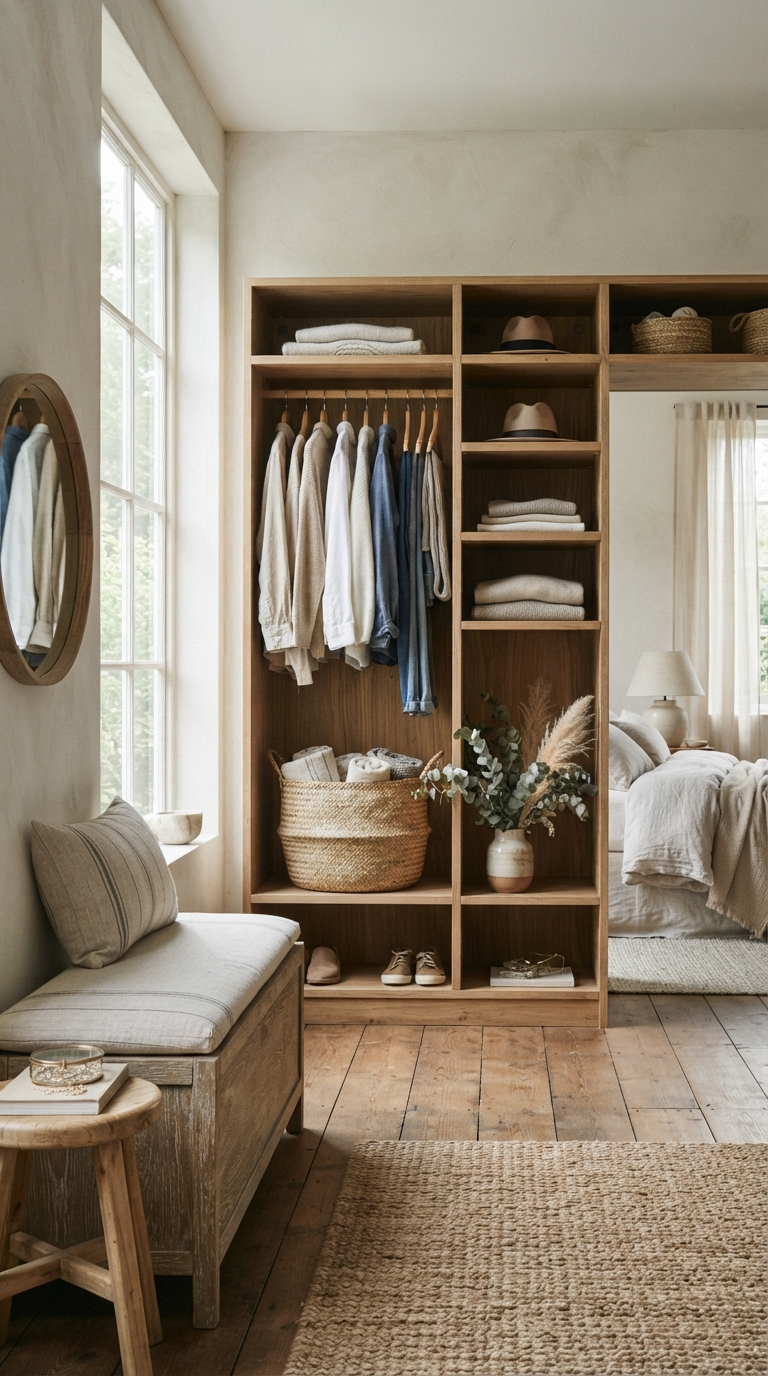
The traditional closet is evolving into a more integrated and luxurious dressing experience, even in smaller bedrooms. This trend involves converting alcoves into open-plan walk-in closets with stylish, modular organizing systems. For rooms without alcoves, beautiful freestanding wardrobes with glass fronts are popular. The key is visibility and presentation, making the act of dressing feel curated. Adding a stylish mirror and a comfortable ottoman for putting on shoes enhances this dedicated zone, making it a functional and beautiful part of the personal space.
By embracing these trends, you are not just updating your decor; you are consciously designing an environment that supports your physical and mental well-being. Whether you incorporate biophilic elements, warm colors, sculptural forms, or sustainable materials, the goal remains the same: creating a personal sanctuary that truly restores you.