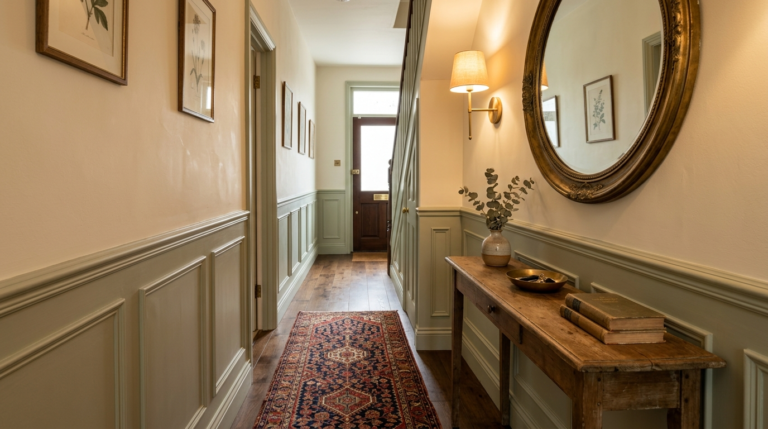
Your entryway is the prologue to your home’s story. It sets the tone, establishes the aesthetic, and provides the crucial first impression for anyone who walks through your front door. More importantly, it is the space that welcomes you back after a long day in the outside world. Despite its critical role, the entryway is frequently treated as an afterthought—a mere transitional zone where keys are dropped, and shoes are hastily discarded. This neglect often leads to cluttered, dark, and uninspiring spaces that fail to reflect the beauty and comfort of the rest of the home. Designing an entryway that is both highly functional and visually stunning requires avoiding several common pitfalls. In this extensive guide, we will explore nine pervasive entryway decorating mistakes and provide actionable, expert advice on how to correct them, ensuring your hallway delivers a truly grand welcome.
A well-designed entryway operates at the intersection of form and function. It must accommodate the rigorous demands of daily life—housing coats, bags, umbrellas, and footwear—while simultaneously showcasing your personal style and creating an immediate sense of warmth and organization. When an entryway is poorly executed, it can cause immediate stress upon entering the home. Conversely, a thoughtfully curated foyer can act as a calming palette cleanser, seamlessly transitioning you from the chaos of the outdoors into the sanctuary of your living space. Let us delve into the missteps to avoid and the design strategies that will elevate your entryway from an overlooked corridor to a captivating focal point.
1. Overlooking the Importance of Adequate Storage
The most glaring and common mistake in entryway design is a severe lack of functional storage. An entryway without designated places for everyday items quickly degenerates into a chaotic dumping ground. Piles of shoes, scattered mail, and draped coats create an immediate visual clutter that induces anxiety the moment you step inside. Form must follow function in this high-traffic area.
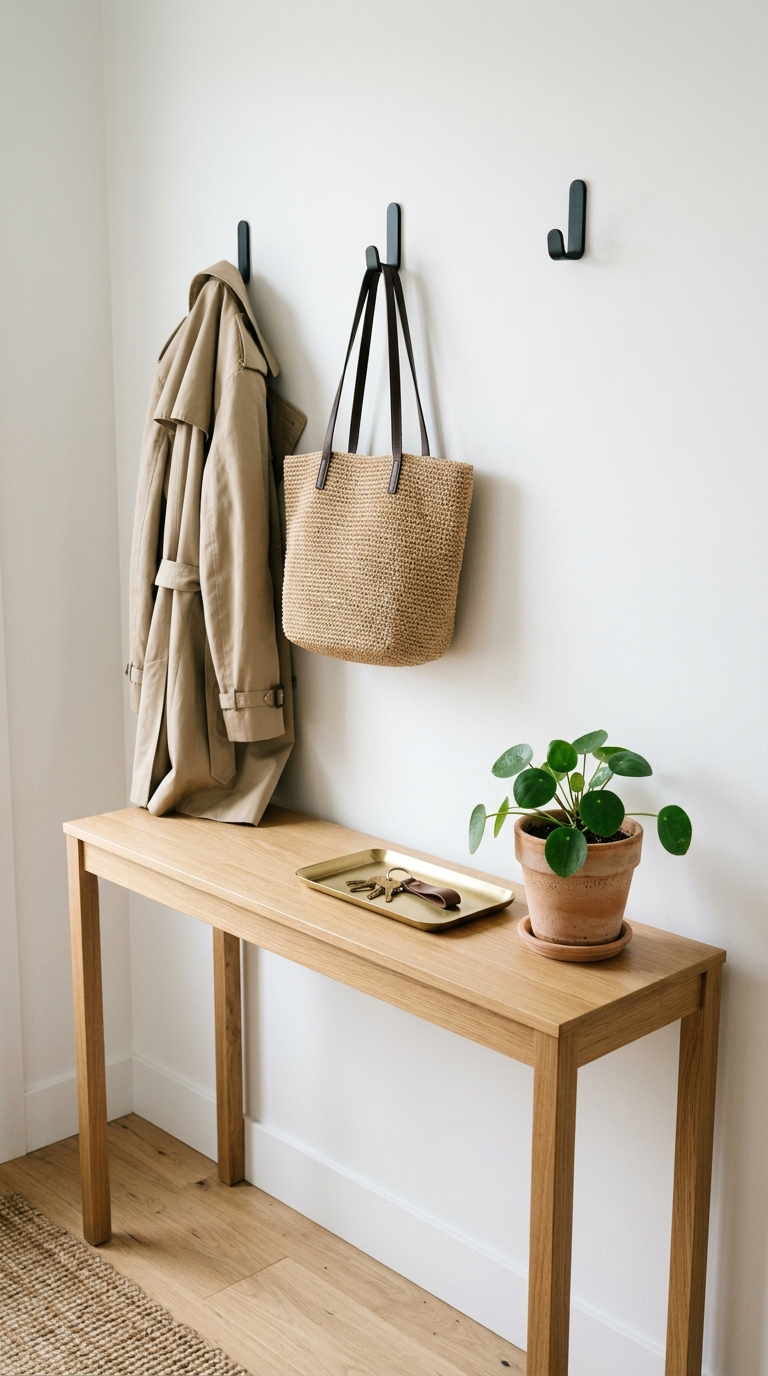
The Solution: Implement a multifaceted storage strategy tailored to your specific needs. If space permits, a built-in mudroom bench with cubbies underneath and hooks above is the gold standard. For smaller entryways, a sleek, narrow console table with deep drawers can hide keys, mail, and dog leashes. Utilize the vertical space by installing a sturdy, stylish coat rack or a row of elegant wall hooks for outerwear. Incorporate woven baskets or chic storage bins beneath a bench or table to corral shoes, scarves, and umbrellas neatly out of sight. The goal is to ensure every item that enters the house has a designated, concealed home.
2. Insufficient and Unflattering Lighting
Entryways and hallways are notorious for lacking natural light, often relying on a single, harsh, overhead ‘boob light’ that casts stark, uninviting shadows. Poor lighting makes a space feel cramped, gloomy, and unwelcoming. Lighting is an architectural element that significantly impacts the perceived size and mood of your foyer.
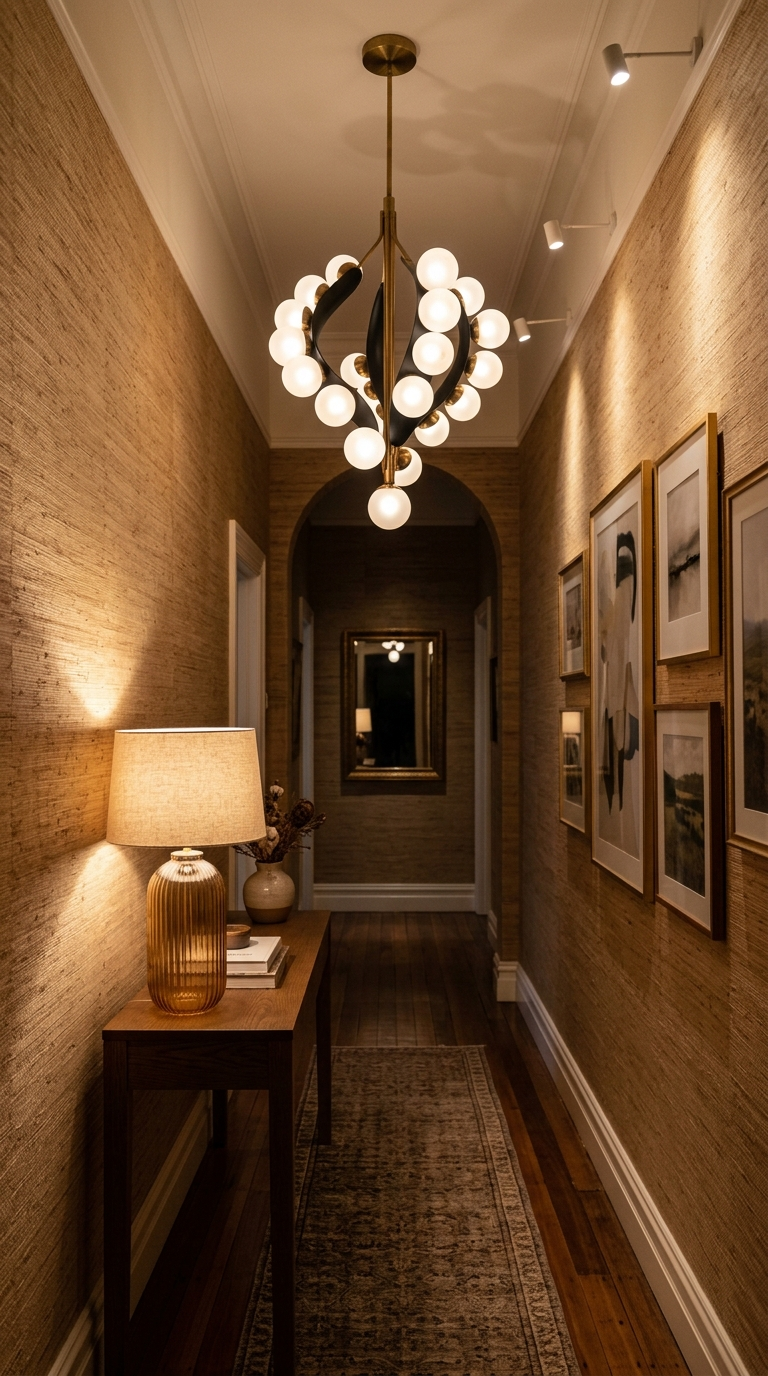
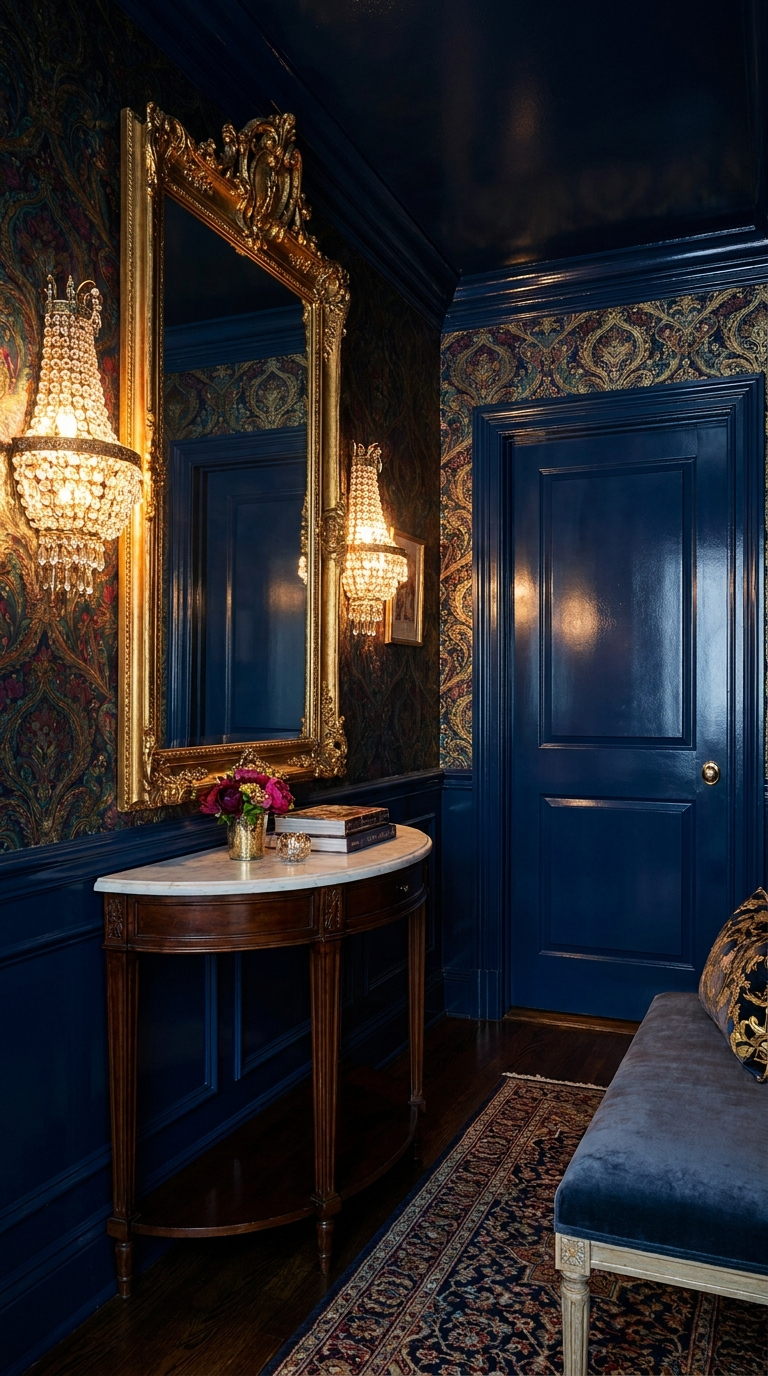
The Solution: Approach entryway lighting with the same layering technique you would use in a living room. Start with a spectacular ambient fixture that commands attention and sets the design style—a structural pendant, an elegant chandelier, or a high-quality, modern flush mount. Then, introduce task and accent lighting. A beautiful table lamp resting on your console table provides a warm, soft glow that feels infinitely more welcoming than overhead lighting alone. If you have artwork or a mirror, flank them with elegant wall sconces. Ensure all bulbs emit a warm, inviting color temperature (around 2700K) to create a hospitable ambiance.
3. Choosing the Wrong Scale for Furniture
Scale and proportion are fundamental principles of interior design that are frequently violated in entryways. Placing a massive, bulky credenza in a narrow hallway physically obstructs the path and makes the space feel claustrophobic. Conversely, placing a diminutive, flimsy side table in a grand, double-height foyer looks comical and insignificant.
The Solution: Carefully measure your space before purchasing any furniture. In a narrow hallway, opt for a slim-profile console table—some are designed as narrow as eight to ten inches deep—that provides a surface without encroaching on the walkway. You need at least 36 inches of clear walking space to ensure comfort. In a larger foyer, anchor the space with a substantial, heavy round table in the center, topped with a dramatic floral arrangement, or use a large, robust chest of drawers against a vast wall. The furniture must match the volume of the room it inhabits.
4. Neglecting the Floor with the Wrong Rug
The entryway floor absorbs the most brutal punishment in your entire home. Neglecting to protect it with a rug, or choosing the wrong type of rug, is a fast track to damaged flooring and a dirt-filled house. A tiny, postage-stamp-sized doormat placed indoors looks disproportionate and fails to capture dirt effectively.
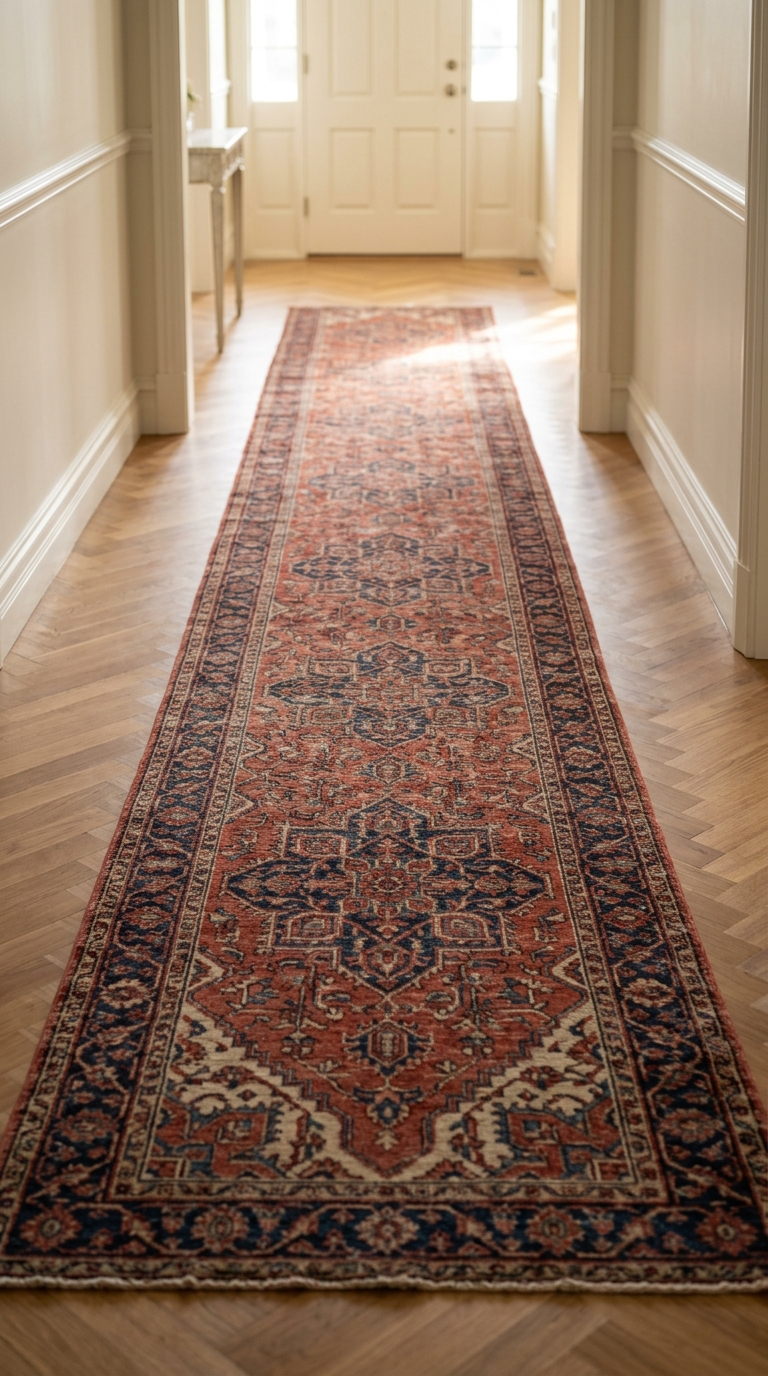
The Solution: Invest in a rug that is appropriately sized and made from highly durable, cleanable materials. For a long hallway, a runner is essential. It draws the eye down the hall, visually lengthening the space, while protecting the floor. Ensure the rug is wide enough; leave about four to six inches of bare floor on either side. In a wider foyer, a large vintage-style rug adds immense character and hides dirt masterfully thanks to intricate patterns. Prioritize materials like wool (which is naturally stain-resistant and incredibly durable), indoor/outdoor performance fabrics, or natural fibers like jute or sisal for high-traffic zones.
5. Forgetting a Place to Sit
An entryway without a place to sit is fundamentally incomplete. Taking off boots, tying shoelaces, or simply waiting for family members to get ready requires a comfortable perch. Forcing guests to balance on one foot while removing their shoes is awkward and inhospitable.
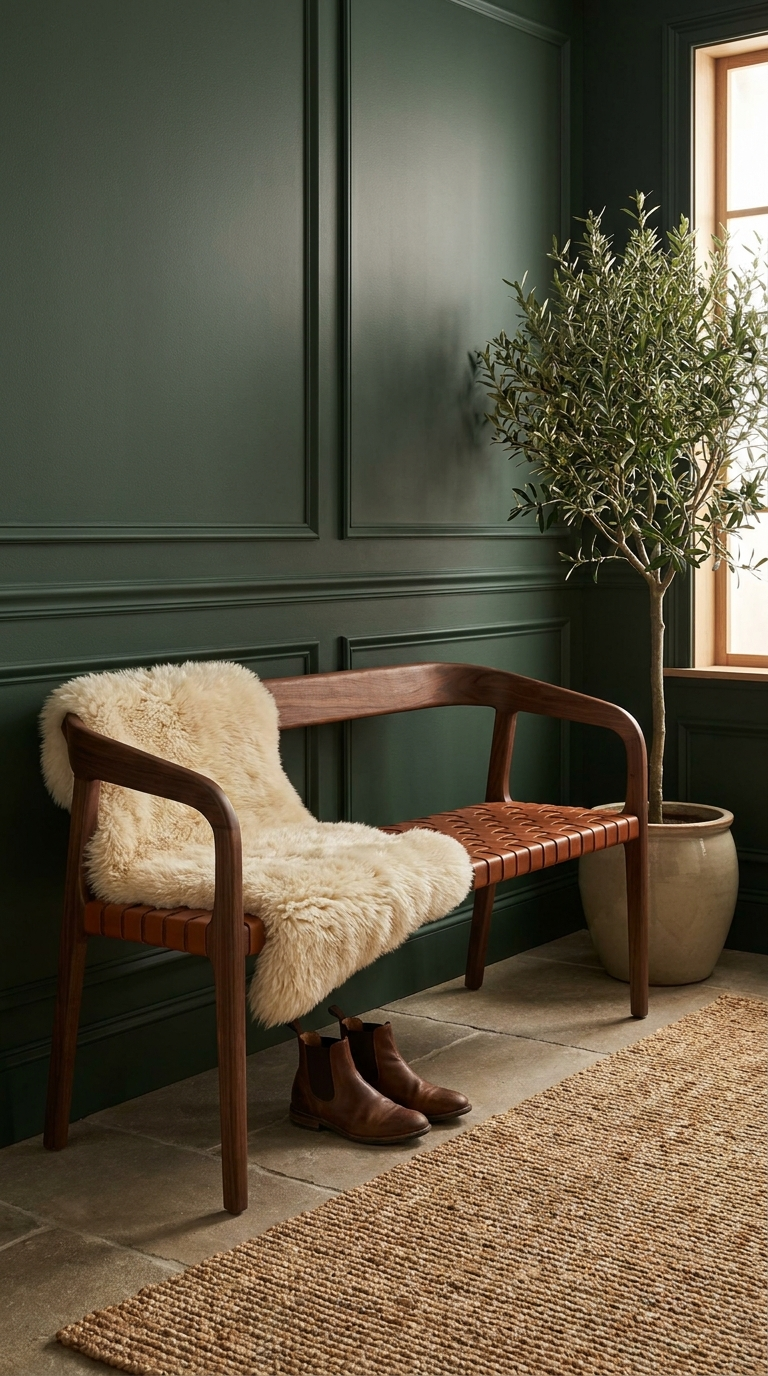
The Solution: Integrate seating into your entryway design, regardless of the size constraints. If you have ample space, a beautiful upholstered bench or a sturdy wooden settle adds architectural interest and supreme functionality. In tighter quarters, a small, sculptural stool, a petite ottoman tucked under a console table, or a narrow, minimalist bench against the wall works perfectly. Seating also provides an opportunity to introduce contrasting textures, such as a leather cushion or a sheepskin throw, adding an extra layer of visual warmth to the space.
6. Missing a Key ‘Drop Zone’
Even with substantial storage, the absence of an immediate, accessible surface to drop the items in your hands as you walk through the door is a critical design failure. Without a designated drop zone, keys end up on the kitchen counter, sunglasses are lost, and mail is scattered across dining tables.
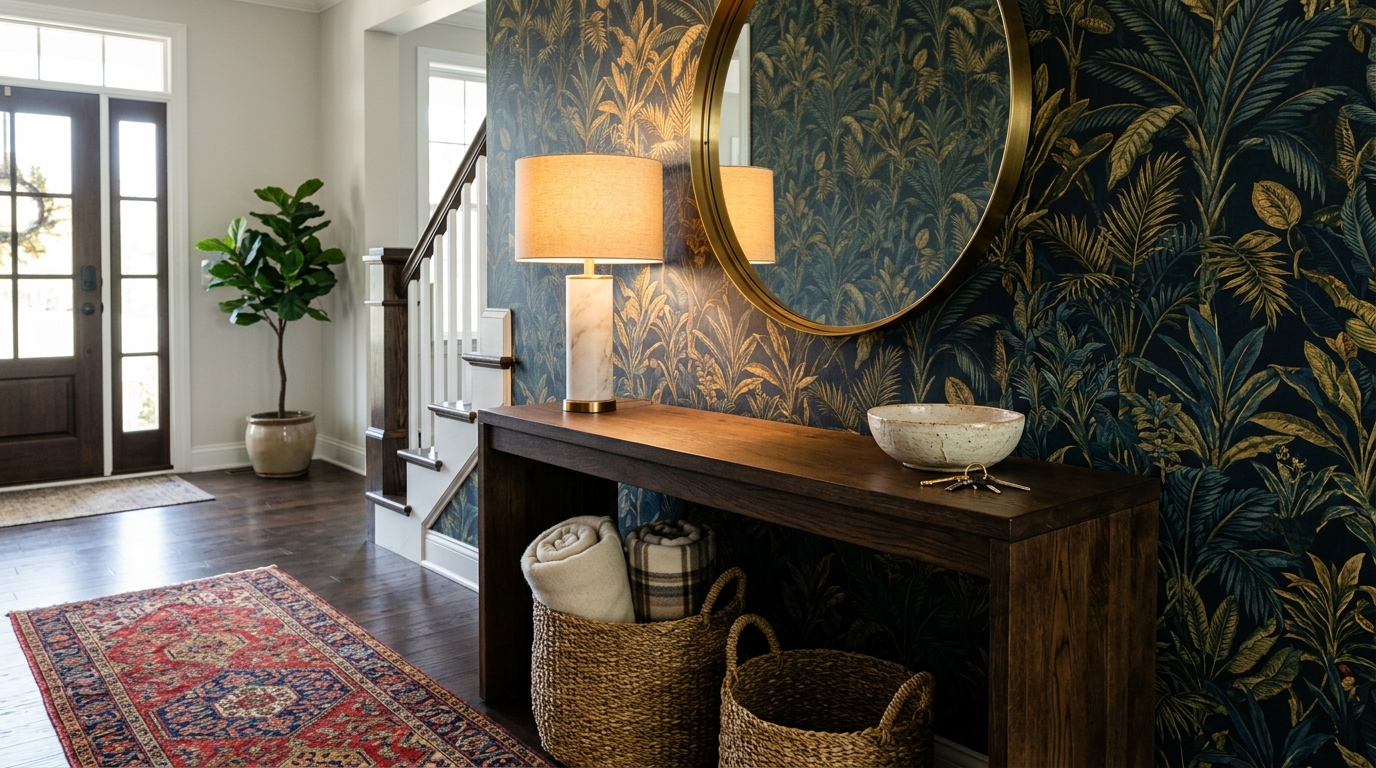
The Solution: Establish a highly intentional drop zone. This is typically the surface of your console table or a small floating shelf near the door. The secret to a successful drop zone is containment. Do not just let items sit loosely on the surface. Place a beautiful, decorative bowl, an elegant brass tray, or a handcrafted ceramic dish specifically for keys and loose change. Add a sleek, upright organizer for incoming mail. By providing beautiful vessels for these mundane items, you elevate everyday clutter into an intentional display.
7. Omitting the Power of Mirrors
A mirror in the entryway serves two vital, non-negotiable purposes. First, it offers a crucial opportunity for a final appearance check before leaving the house. Second, and arguably more importantly from a design perspective, it dramatically enhances the sense of space and light, particularly in cramped or windowless corridors.
The Solution: Hang a large, statement mirror above your console table or bench. A large mirror acts like an additional window, bouncing whatever light is available around the room and instantly making the hallway feel twice its actual size. Do not be afraid to go oversized; a mirror that fills a significant portion of the wall makes a bold, luxurious impact. Alternatively, an extra-large floor mirror leaning against the wall adds an effortlessly chic, modern vibe while providing a full-body view.
8. Treating the Entryway as an Afterthought Decor-Wise
Because it is a transitional space, people often paint the entryway a sterile, neutral color and leave the walls entirely blank. This creates a stark, uninviting void that lacks the personality and warmth found in the rest of the home. The entryway should set the aesthetic precedent for what guests will experience as they move deeper into the house.
The Solution: Be bold and treat your entryway like a jewel box. Because you do not spend long, continuous periods in this space, it is the perfect location to experiment with dramatic design choices that might feel overwhelming in a living room. Consider installing heavily patterned, exquisite wallpaper. Paint the walls, trim, and even the ceiling in a rich, enveloping color like deep navy, emerald green, or dark plum to create a sense of dramatic compression before releasing into the brighter, larger rooms of the house. Hang a curated gallery wall or a single, oversized piece of striking artwork to captivate attention immediately upon entering.
9. Ignoring the Olfactory Experience
The first thing people notice when they enter a home is often not what they see, but what they smell. If your entryway smells like damp shoes, wet dog, or simply stale air, it immediately detracts from even the most beautifully designed space. Scent is a crucial component of a welcoming atmosphere.
The Solution: Actively manage the olfactory profile of your foyer. Keep the area scrupulously clean and ensure wet outerwear and shoes are dried properly to prevent musty odors. Then, introduce a signature home scent. A high-quality reed diffuser placed on the console table provides a continuous, subtle fragrance that greets you every time you unlock the door. Scented candles, room sprays, or a small essential oil diffuser are also excellent choices. Opt for inviting, universally appealing notes like fresh citrus, warm cedar, clean linen, or subtle botanicals to create an instantly positive, memorable impression.
Conclusion: Crafting the Perfect First Impression
Designing an impeccable entryway requires balancing rigorous functionality with bold, welcoming aesthetics. By avoiding these nine common mistakes—such as ignoring storage needs, utilizing poor lighting, neglecting the floor, and forgetting the power of mirrors and scent—you can transform your hallway from a stressful dumping ground into a breathtaking prelude to your home. Take the time to evaluate your current entryway. Identify the bottlenecks and areas of visual friction, and apply these expert solutions. When you curate a foyer that is organized, beautifully lit, deeply personal, and highly practical, you give yourself and your guests the grand, comforting welcome you truly deserve every single day.
Transform your house into a haven. Discover the art of designing intentional living spaces that promote comfort, connection, and true well-being in every room.
Discover the ultimate living room layout ideas to optimize flow, maximize comfort, and create an inviting atmosphere. Transform your space with these tips.
Learn exactly how to transform a cramped, narrow hallway into a beautifully warm, welcoming, and functional entryway with this step-by-step classic design guide.
Explore the most captivating living room trends of the year. Uncover imaginative decor ideas, playful colors, and whimsical layouts for a magical space.