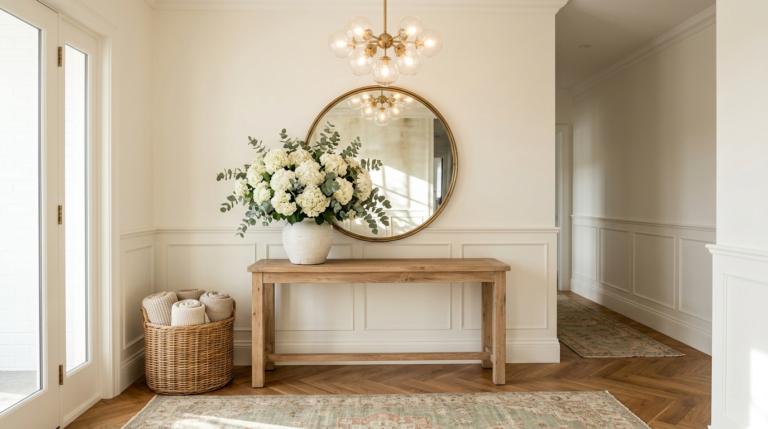
The living room is the heart of the home. It’s where we entertain guests, unwind after a long day, and spend quality time with family. Given its multi-functional nature, designing the perfect living room can be a challenge. We often have high expectations and grand visions, only to find that the final result feels lacking, cluttered, or simply ‘off.’ The good news is that many common living room design issues are not fatal errors but easily fixable mistakes.
By identifying these pitfalls and understanding the simple principles behind correcting them, you can elevate your space from ordinary to extraordinary. Whether you’re starting from scratch or looking to refresh your current setup, this guide will walk you through seven prevalent living room design blunders and provide clear, actionable solutions to help you achieve the stylish and functional haven you’ve always wanted. Let’s reclaim your living room and turn those design frustrations into triumphs.
Mistake #1: The Wrong-Sized Rug
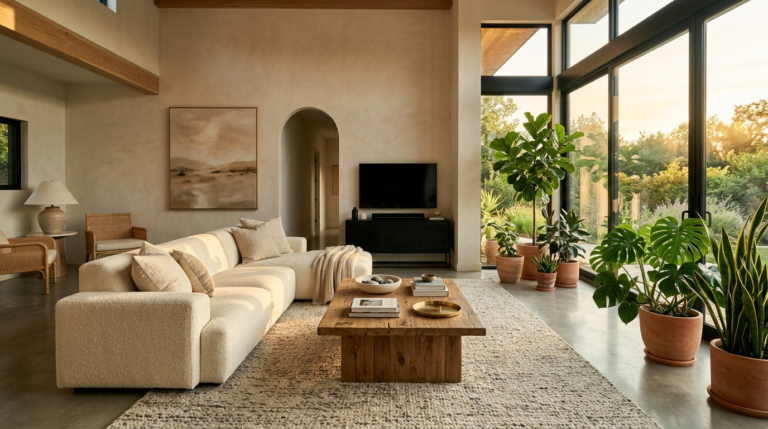
This is perhaps the single most common mistake in interior design, not just in living rooms. A rug that is too small for the space acts like a floating island, making the entire room feel unanchored and visually smaller than it actually is. It creates a disjointed look, separating the furniture rather than uniting it into a cohesive conversation area. The opposite—a rug that covers the entire floor from wall to wall—can feel dated and claustrophobic.
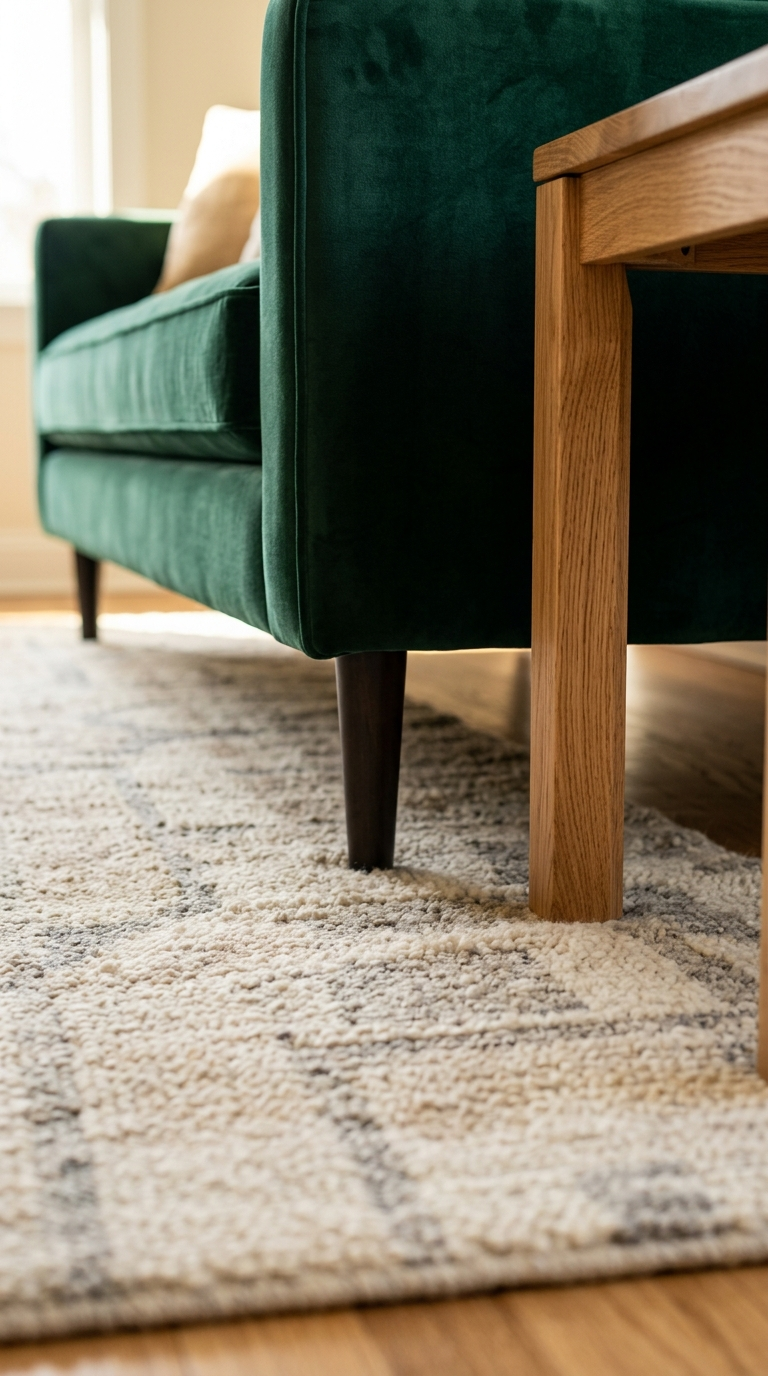
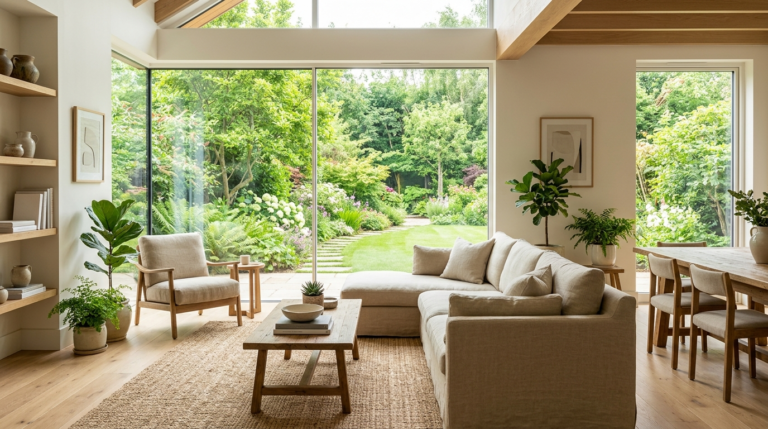
**The Fix:** As a general rule, your area rug should be large enough so that at least the front legs of all major furniture pieces (sofa, accent chairs) are sitting comfortably on it. Even better, all four legs of the furniture should be on the rug. This defines the seating area and creates a sense of luxury and scale. In a typical living room, this usually means opting for an 8×10 foot or 9×12 foot rug rather than a 5×7 foot one. If you love a smaller, decorative rug that isn’t big enough, layer it over a larger, neutral jute or sisal rug to achieve the correct scale while keeping the style you love.
Mistake #2: Pushing All Furniture Against the Walls
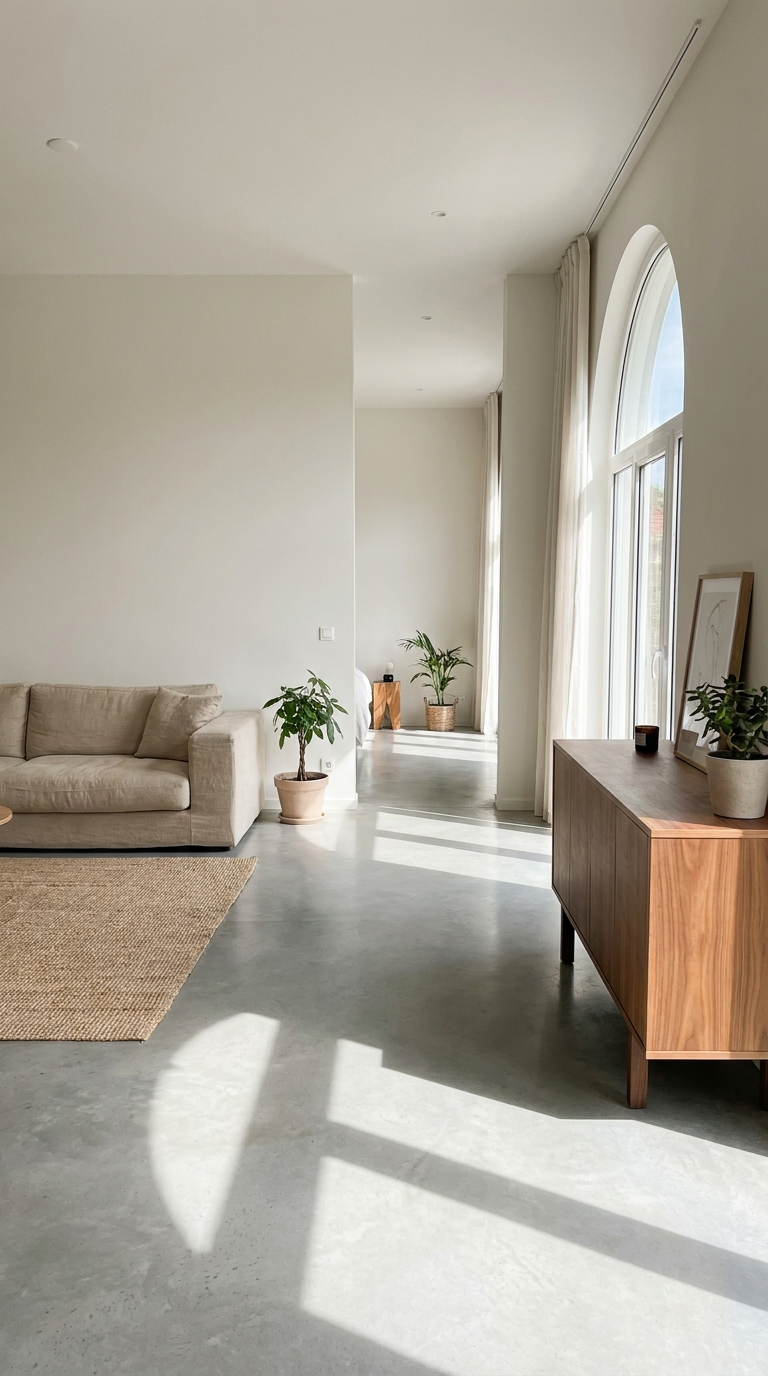
It’s an intuitive reaction: push all the furniture against the perimeter of the room to create as much open floor space in the center as possible. However, in most living rooms, this strategy backfires. It creates a vast, unused ‘dead zone’ in the middle and pushes people too far apart for comfortable conversation. It can make a large room feel empty and a small room feel like a waiting room.
**The Fix:** The key to a cozy and inviting living room is to ‘float’ your furniture. Pull your sofa and chairs away from the walls, even if it’s just by several inches. This creates a more intimate conversation pit. In larger rooms, you can even use the space behind the sofa for a console table, a bookcase, or a writing desk. Arranging furniture in groupings centered around a focal point (like a fireplace or a view) creates a much more organic and functional flow. If your room is very large, create two distinct seating areas rather than one giant one.
Mistake #3: Poor Lighting Choices and Lack of Layering
Lighting is the single most important element in creating atmosphere, yet it’s often overlooked. A common mistake is relying solely on a single, harsh overhead fixture (the dreaded ‘boob light’ or a ceiling fan light) or overusing Recessed lighting (‘can lights’) that make a room feel like a retail store or an office. This creates unflattering shadows and a sterile, uninviting mood.
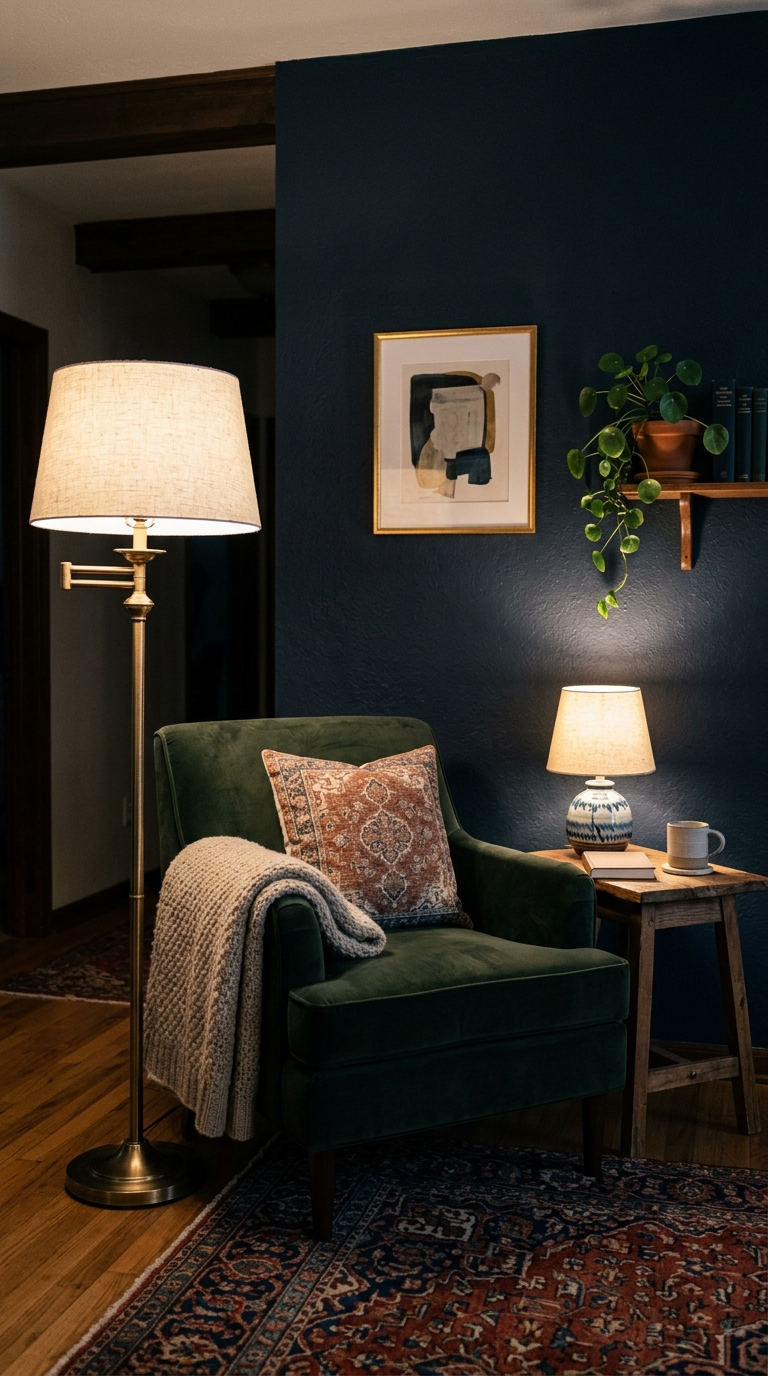
**The Fix:** Implement layered lighting. Every successful living room needs three types of light: ambient (overall light), task (focused light for reading, etc.), and accent (highlighting art or features). Replace that single flush mount with an elegant pendant or chandelier (ambient). Add table lamps on end tables and a floor lamp near a reading chair (task). Use picture lights above artwork or LED strip lighting inside bookshelves (accent). Crucially, put everything on dimmer switches. This allows you to control the mood and warmth of the room instantly, shifting from bright functional light to a cozy, relaxed glow in the evening.
Mistake #4: Hanging Artwork Too High or Too Small
Artwork adds personality and color, but its impact is lost if it’s hung improperly. The two main issues are hanging pieces way above eye level (requiring people to crane their necks) and choosing pieces that are far too small for the wall space they occupy. Small art on a large wall looks lost and cheapens the space.
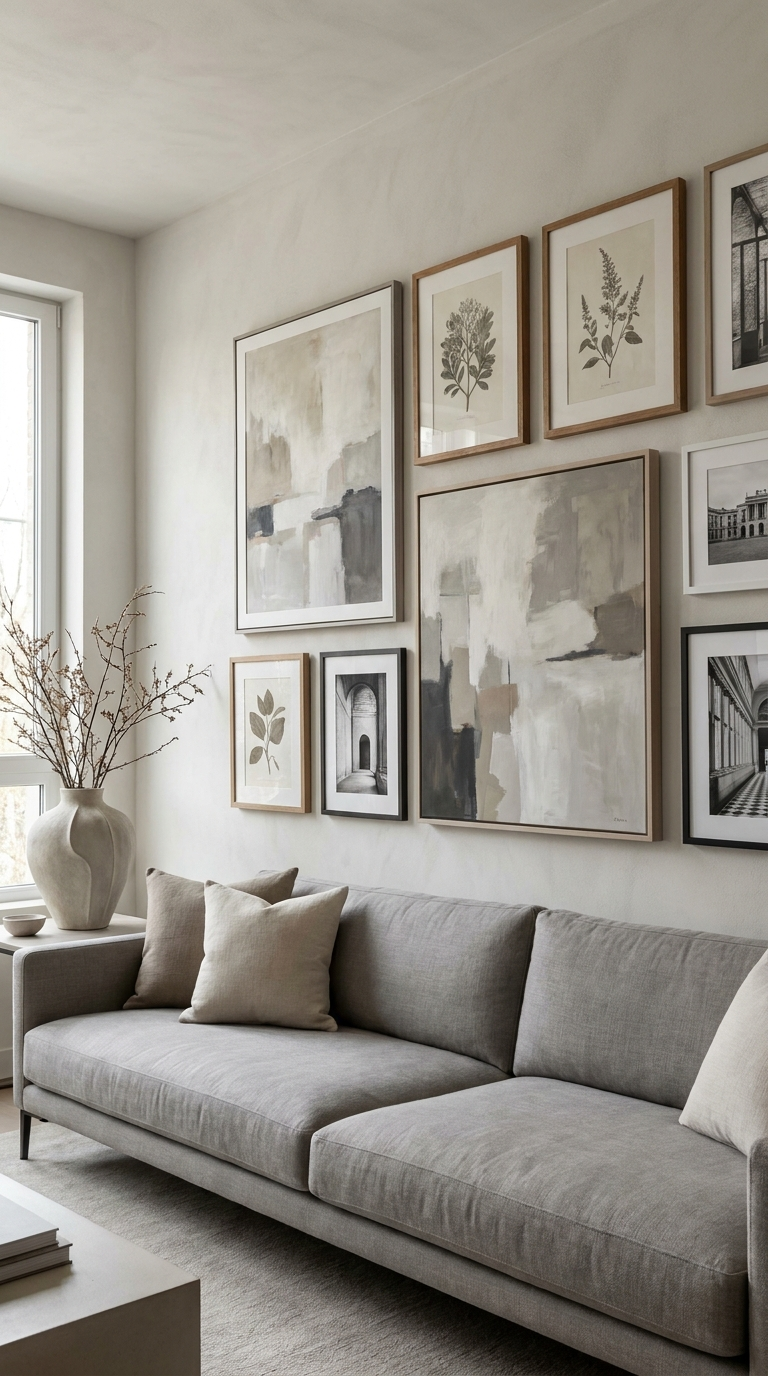
**The Fix:** For single pieces, the center of the artwork should be roughly at eye level (about 57 to 60 inches from the floor). When hanging art above a sofa or console, the bottom of the frame should be 6 to 8 inches above the top of the furniture. In terms of scale, artwork should take up approximately two-thirds to three-quarters of the width of the furniture below it. If you have a small piece you love, group it with other items to create a gallery wall that commands the appropriate scale, or place it in a much larger frame with a wide mat.
Mistake #5: Choosing Fashion Over Function (Uncomfortable Sofas)
We all want a stylish home, but never at the expense of comfort. The most beautiful living room in the world fails if no one wants to sit in it. The biggest culprit is the gorgeous-but-uncomfortable sofa. While a ultra-modern, rigid, low-profile sofa might look amazing in a magazine, it’s often a mistake for a room where you actually intend to relax and watch a movie.
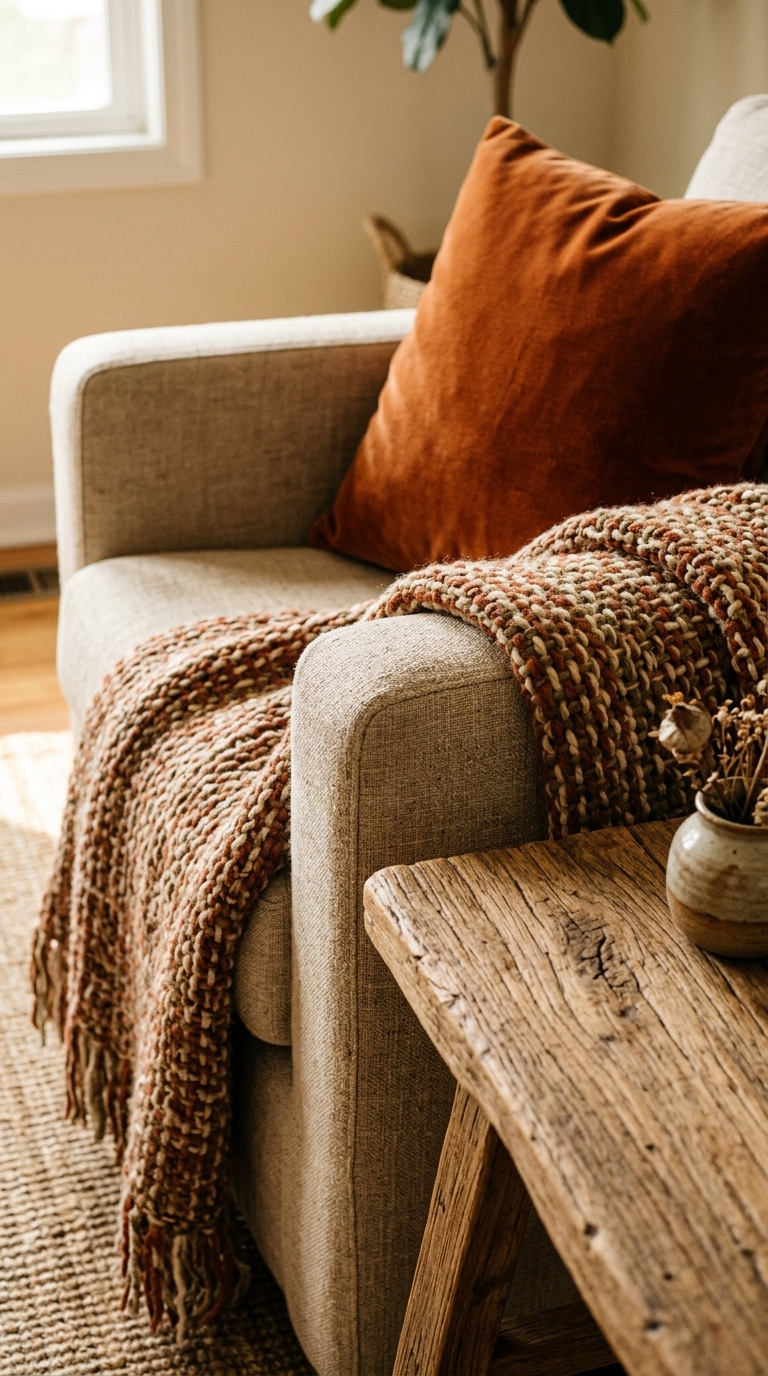
**The Fix:** Prioritize comfort, especially for the main seating pieces. When sofa shopping, sit in it, lie down, lean back. Consider how you actually use your living room. Do you need deep cushions for lounging, or upright support for conversation? Look for high-quality, durable fabrics that can withstand daily use (especially if you have kids or pets). You can always add style with throw pillows, blankets, and rug choices, but a structurally uncomfortable sofa is very difficult to fix. A truly functional living room balances aesthetic appeal with the physical comfort required to enjoy it.
Mistake #6: Over-Accessorizing and Clutter
It’s easy for the living room to become a repository for all sorts of stuff—mail, toys, gadgets, and an accumulation of too many decorative objects. While accessories add character, too many of them create visual noise and make the space feel chaotic and small. Every surface becomes cluttered, leaving no place to rest the eye.
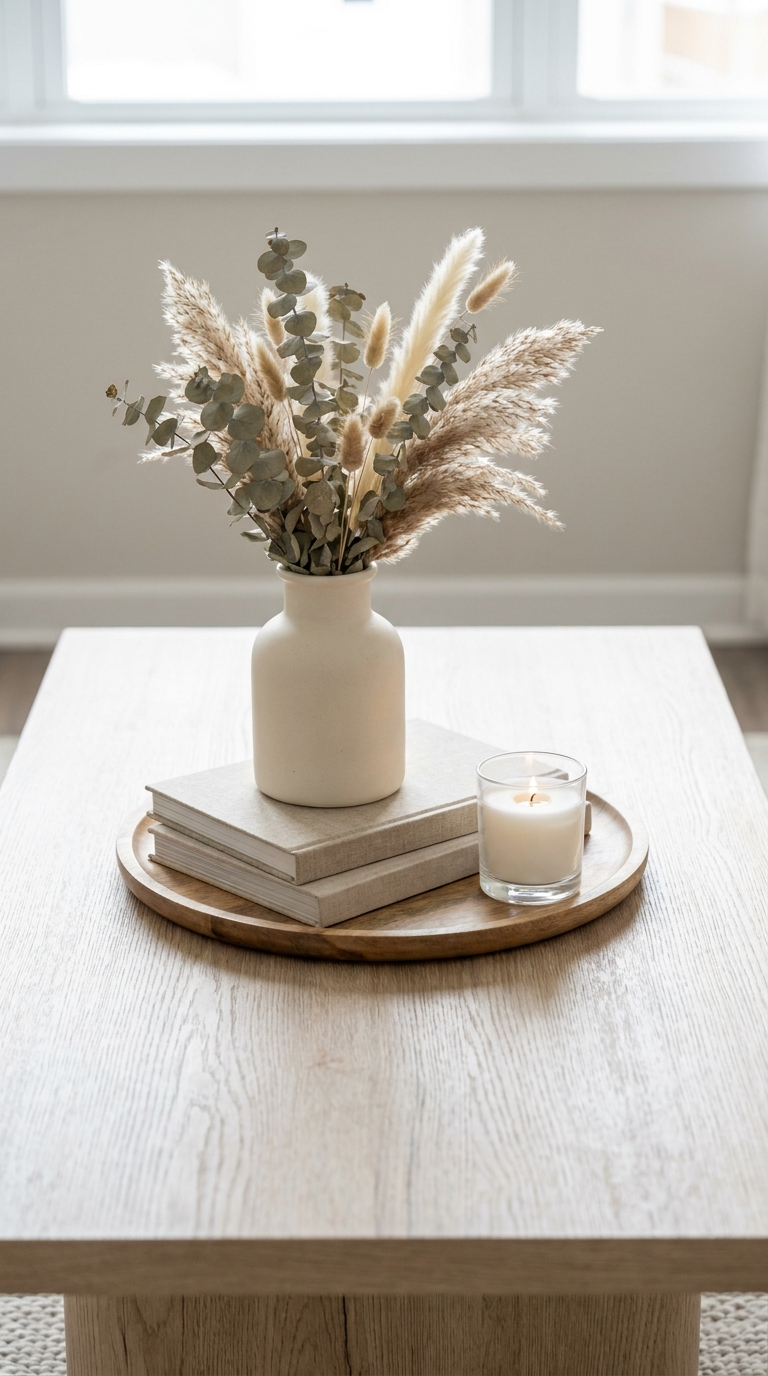
**The Fix:** Embrace the art of editing. A styled coffee table doesn’t need 20 items; three to five thoughtfully chosen and varied pieces (a stack of books, a candle, a tray, a plant) are much more effective. Clear off unnecessary items daily. Utilize smart storage solutions—ottomans with hidden compartments, stylish baskets, or media consoles with doors—to hide the necessary but unappealing clutter (remotes, chargers, toys). Remember the phrase ‘less is more.’ A few impactful, curated pieces will always look better than a collection of minor objects.
Mistake #7: Ignoring Traffic Flow and Scale
A beautifully decorated room that you can’t navigate is a design failure. Two common layout errors are blocking natural traffic paths with furniture and ignoring the scale of the furniture relative to the room. Oversized furniture in a tiny apartment feels claustrophobic, while delicate, small-scale pieces in a large room with high ceilings look lost and insignificant.
**The Fix:** Map out your traffic flow. People should be able to walk *around* seating areas, not through the middle of a conversation. Ensure there are clear paths (at least 2.5 to 3 feet wide) between furniture groupings. When it comes to scale, take measurements! A smaller room needs sleek, leggy furniture to create a sense of openness. A larger room requires substantial pieces with more visual weight. If you’re unsure, tape out the dimensions of potential furniture pieces on the floor before you buy them to ensure they fit properly and maintain good flow.
Conclusion: Turning Mistakes into Design Triumphs
Creating the perfect living room is a journey of trial and error. If you recognize these common mistakes in your own space, don’t despair—see them as opportunities for easy upgrades. Most of these fixes require rearranging, a different purchasing choice, or an edit, not a massive renovation budget. By understanding these key design principles, you empower yourself to make better decisions and create a home that is both beautiful and functional. Take a look around your living room today with a critical eye, implement a few of these simple changes, and watch as your space transforms into the inviting sanctuary you’ve always envisioned. Happy decorating!
Transform your house into a haven. Discover the art of designing intentional living spaces that promote comfort, connection, and true well-being in every room.
Discover the most captivating living room trends of the year. Explore expert tips on incorporating earthy palettes, sustainable materials, and cozy textures.
Learn exactly how to transform a cramped, narrow hallway into a beautifully warm, welcoming, and functional entryway with this step-by-step classic design guide.
Is your living space feeling cluttered or disconnected? Learn the most common decorating mistakes to avoid and discover minimalist solutions for a flawless home.
Transform your entryway into a welcoming masterpiece by avoiding these common design mistakes. Discover expert styling tips to elevate your home’s entrance.