The dining table is far more than just a piece of furniture; it is the beating heart of the home. It is where families gather to share their days, where friends congregate for festive celebrations, and where quiet morning coffees are savored. Because it serves such a central, multifaceted role in our lives, the way we style and accessorize our dining space requires careful thought and intentionality. Whether you are working with a grand, formal dining room or a cozy breakfast nook, curating the perfect combination of a beautiful table and striking accessories can completely transform the atmosphere of your home. In this comprehensive exploration, we will delve into the art of selecting the perfect foundation and layering it with exquisite details to create a truly captivating dining experience.
1. The Foundation: Selecting the Perfect Dining Table
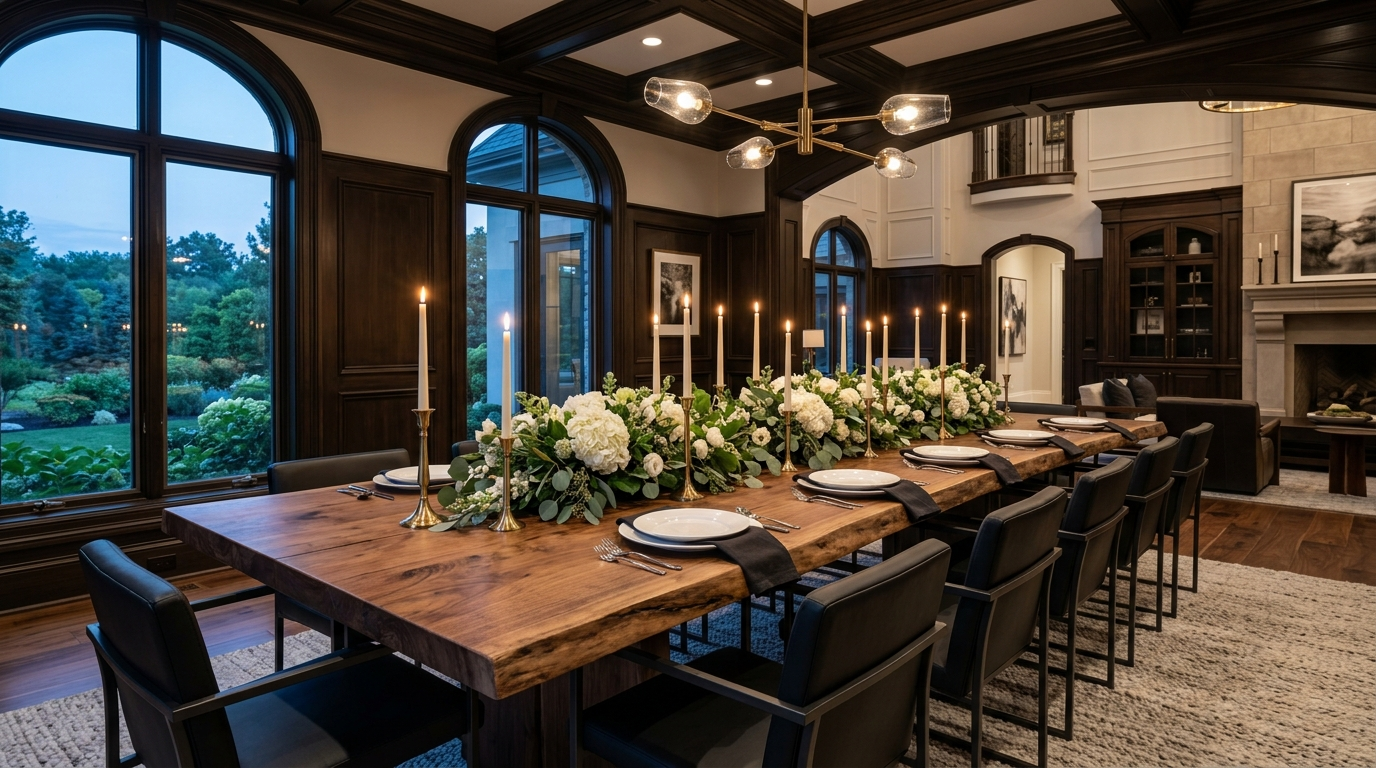
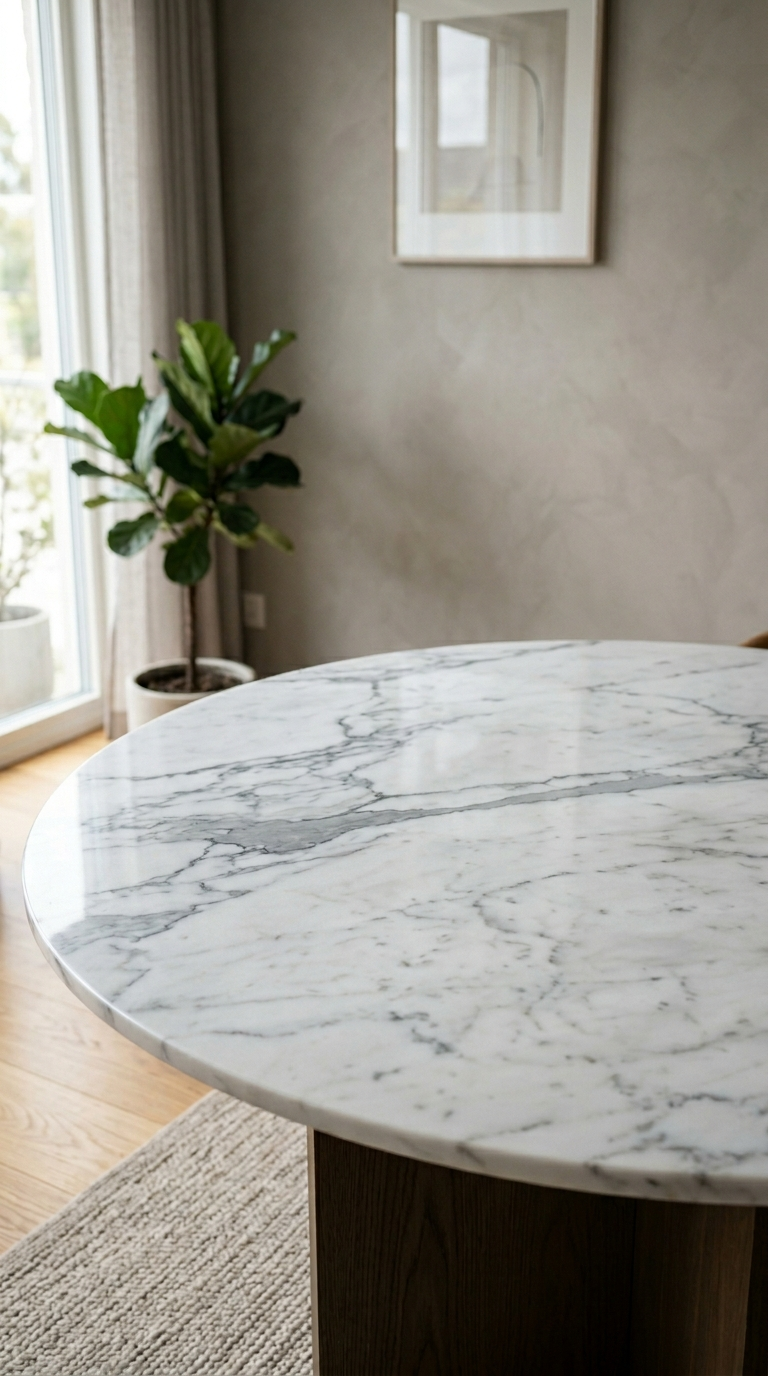
Every spectacular dining setup begins with the right foundation. The table you choose sets the tone for the entire room. When selecting a table, you must consider both form and function equally. The material is paramount. A solid reclaimed wood table brings immense warmth, texture, and a sense of history, anchoring a rustic or farmhouse aesthetic perfectly. Conversely, a sleek glass top table paired with sculptural metallic legs exudes modern sophistication and visually expands the room by allowing light to pass through it. Marble or quartz tables offer unparalleled luxury and elegance, creating an immediate sense of grandeur.
Shape is equally critical. Rectangular tables are the traditional choice and are excellent for filling large, linear rooms, offering ample seating for larger gatherings. Round tables, however, are unmatched for fostering intimate conversations. Because there is no head of the table, everyone is equal, making it a highly sociable choice for smaller, square rooms. Oval tables offer the best of both worlds, providing the length of a rectangle without the sharp, restrictive corners. Always ensure there is at least 36 inches of clearance around all sides of your table to allow for comfortable movement and chair placement.
2. Mastering the Art of the Centerpiece
Once the foundation is set, the centerpiece becomes the crowning jewel. A common mistake is selecting a centerpiece that is completely out of scale with the table. A tiny bud vase on a massive ten-foot table will look entirely lost, while a towering floral arrangement on a small round table will obstruct views and hinder conversation. A good rule of thumb is to keep everyday centerpieces relatively low—under 12 inches—so they do not interfere with cross-table sightlines. For dramatic impact, use a long, low arrangement that mirrors the shape of a rectangular table.
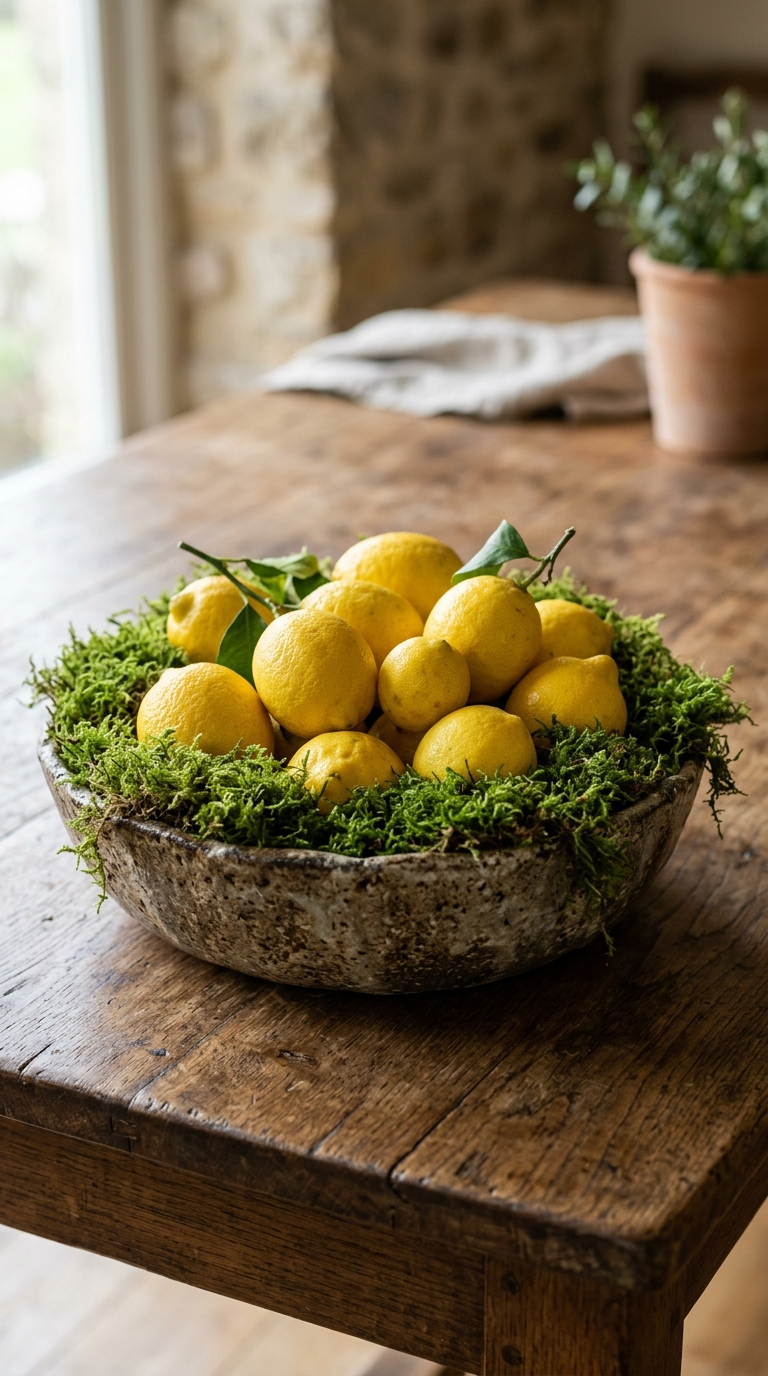
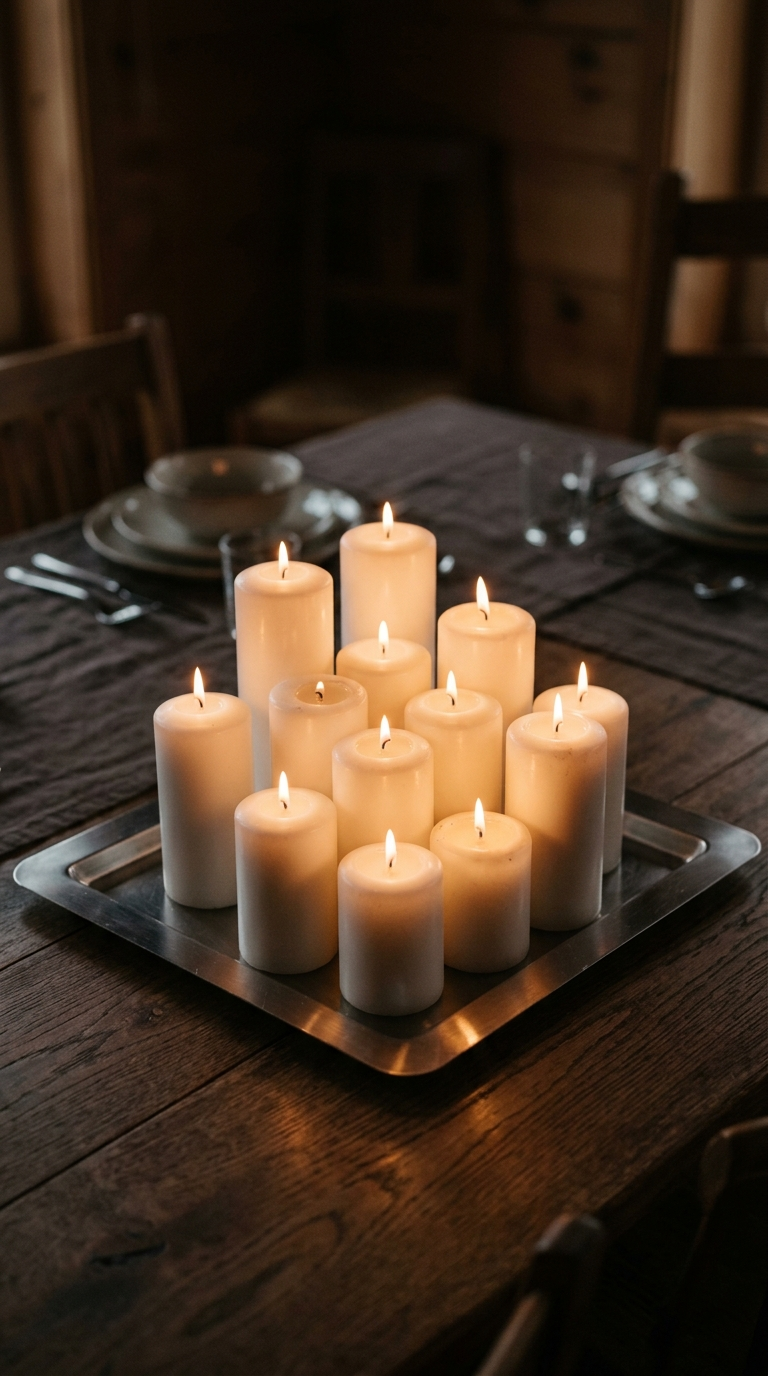
Embrace seasonality and natural elements in your centerpieces. Fresh flowers are always a classic, but they are not the only option. A beautiful, handcrafted ceramic bowl filled with seasonal fruits—like bright lemons in the spring or pomegranates in the winter—adds organic shape and vibrant color. Branches, sculptural driftwood, or a collection of varying-height pillar candles arranged on a decorative tray can also serve as stunning, long-lasting focal points. The key is to create visual interest through varying heights and textures.
3. Layering with Table Runners and Linens
Textiles are the secret weapon for softening the hard, flat surfaces of a dining room. They introduce much-needed texture, color, and a sense of hospitality. A table runner is a versatile accessory that can dress a table up or down instantly. A sheer, flowing linen runner draped casually over a wooden table brings an effortless, romantic vibe. For a more formal, tailored look, a crisp cotton or richly embroidered runner adds structured elegance.
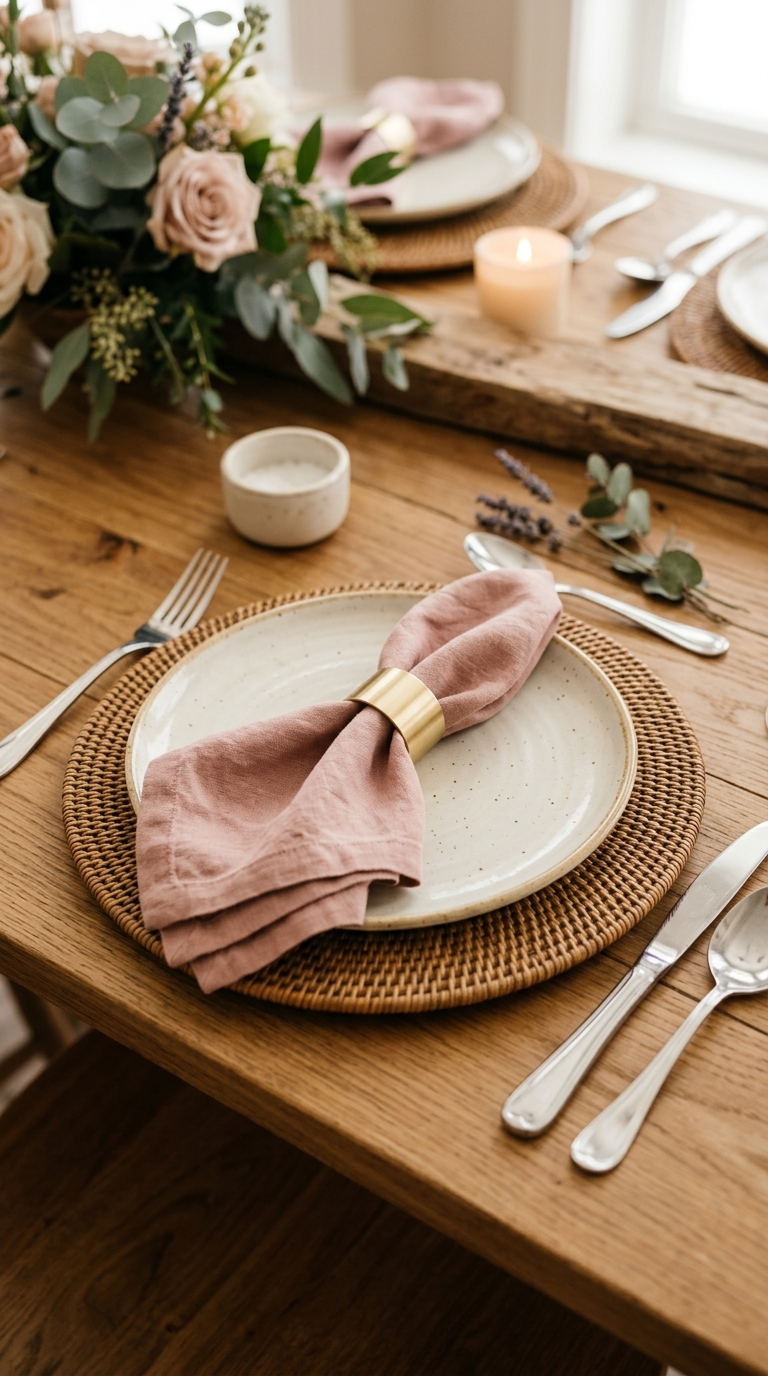
Don’t be afraid to layer your textiles. Placemats are not only functional for protecting your table’s surface, but they also frame the place settings. Woven rattan or jute chargers add a beautiful, earthy element, while metallic or glass chargers bring glamour. Cloth napkins are an absolute must for an elevated dining experience. Choose high-quality linen or cotton napkins and experiment with different folding techniques or stylish napkin rings—from modern brass bands to rustic leather ties—to add a personalized finishing touch to each seat.
4. Incorporating Functional Elegance
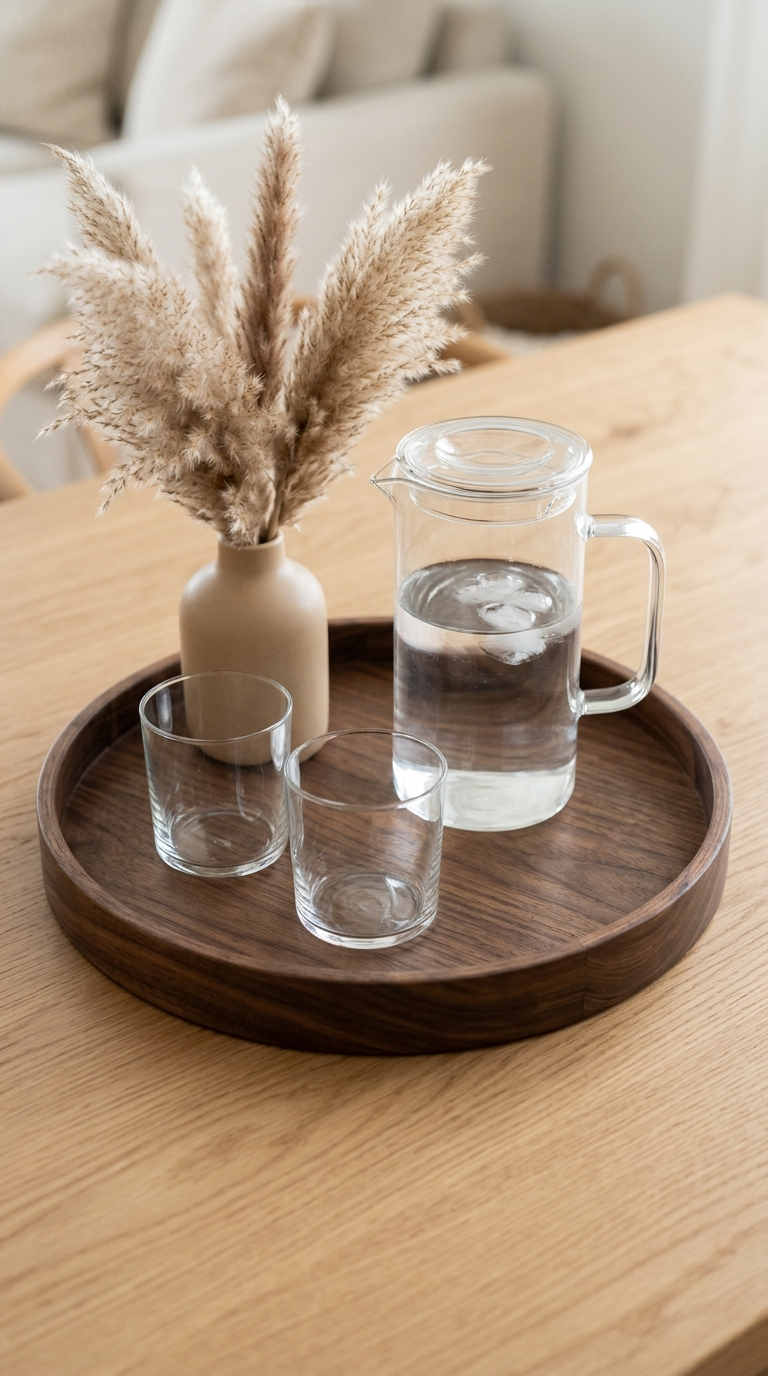
The best accessories are those that marry beauty with utility. Trays are incredibly useful on a dining table. A large, beautifully crafted wooden or mirrored tray can corral smaller items like salt and pepper grinders, a butter dish, and a small vase, keeping the table looking curated rather than cluttered. When it’s time to serve a large meal, the tray can be easily lifted away to make room for platters.
Consider your serveware as part of your table decor. A sculptural water pitcher, elegantly crafted serving spoons, and artisanal salt cellars contribute to the overall aesthetic just as much as a vase of flowers. Investing in beautiful, functional pieces means your table looks styled even when it is just set for a casual Tuesday night dinner. Trivets, often an afterthought, can also be decorative; look for intricately cast iron or beautifully patterned ceramic tiles to protect your table in style.
5. The Impact of Lighting on Table Ambiance
The mood of a dining experience is dictated almost entirely by the lighting. The most exquisite table setting will fall flat under harsh, unyielding light. The chandelier or pendant light suspended above your table acts as the ultimate accessory. It should hang approximately 30 to 36 inches above the table surface to create an intimate pool of light. Ensure your overhead fixture is equipped with a dimmer switch so you can adjust the brightness from a functional glow for homework sessions to a moody ambiance for dinner parties.
Beyond the overhead fixture, candlelight is essential for creating magic. The dancing, warm glow of candles flatters every face and adds a layer of enchantment to the meal. Taper candles in elegant brass or crystal candlesticks add height and classic romance. For a more modern approach, group several chunky pillar candles of varying heights in the center of the table. Tea lights scattered in small, colorful glass votives create a sparkling, starry effect across the entire surface.
6. Mixing Styles for a Curated Look
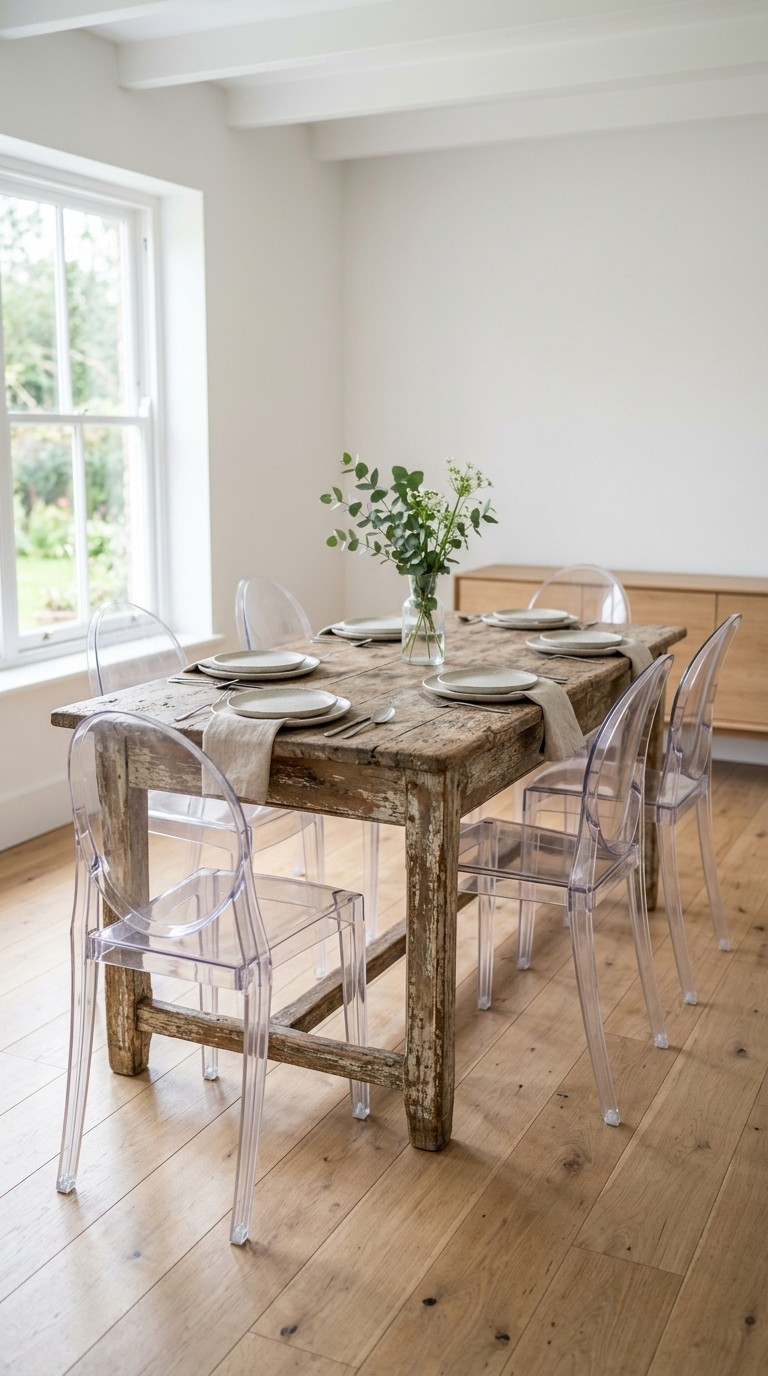
Finally, the most captivating dining spaces are those that look collected over time rather than purchased all at once from a catalog. Do not be afraid to mix and match styles to create a truly personalized aesthetic. Pair a rustic, heavily distressed farmhouse table with sleek, mid-century modern ghost chairs for a striking juxtaposition. Mix vintage, delicate floral china with heavy, modern matte black flatware.
This eclectic approach adds depth, intrigue, and a story to your space. The tension between old and new, rough and smooth, traditional and modern is what makes interior design exciting. By carefully selecting a high-quality table and thoughtfully curating an array of diverse, beautiful accessories, you can create a dining area that is not only highly functional but also a true reflection of your unique personal style, inviting guests to linger long after the meal has ended.
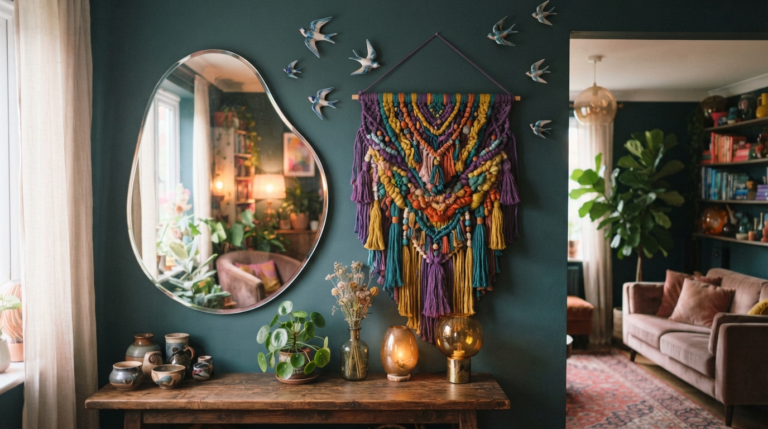
Stay ahead of the curve with the top whimsical wall decor trends. From enchanting mirrors to imaginative art, redefine your empty walls with these magical ideas.
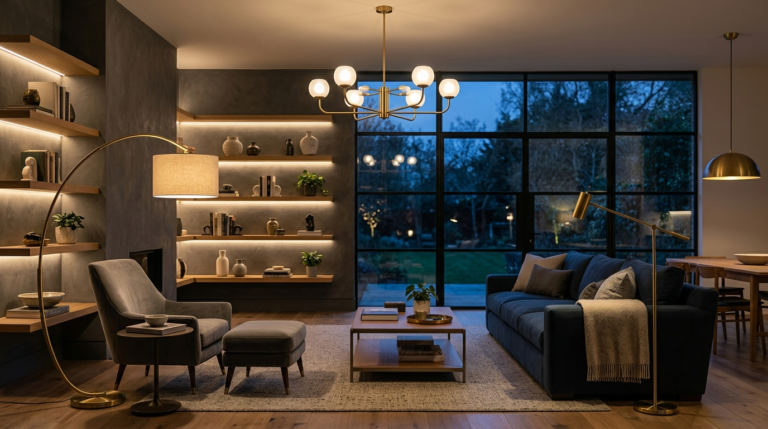
Are you making these critical home lighting mistakes? Learn how to properly layer ambient, task, and accent lighting to beautifully illuminate every single room.
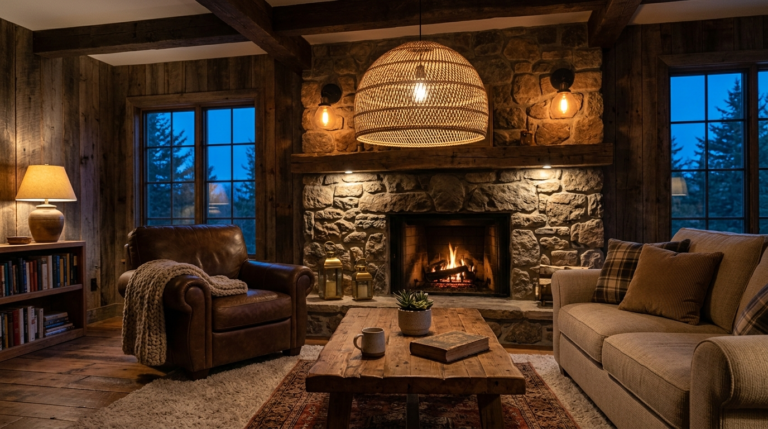
Discover the top rustic lighting trends this year. Learn how to create a warm, inviting atmosphere with vintage fixtures, warm bulbs, and cozy layered lighting.
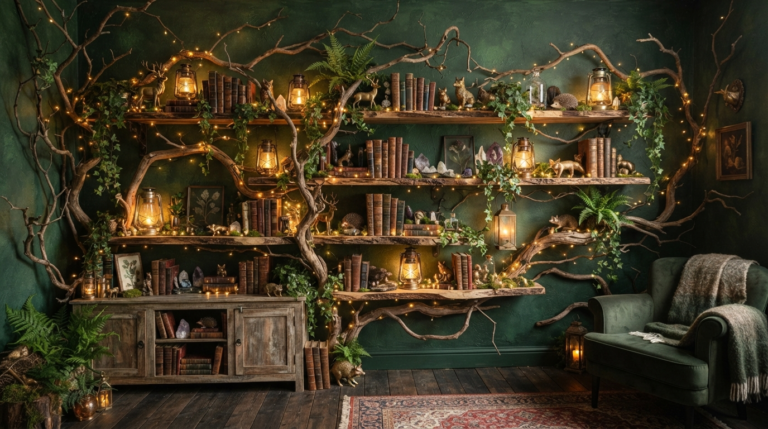
Unleash your creativity and transform your storage into a fairytale with these wildly imaginative, whimsical DIY shelving ideas that add magic to any room.