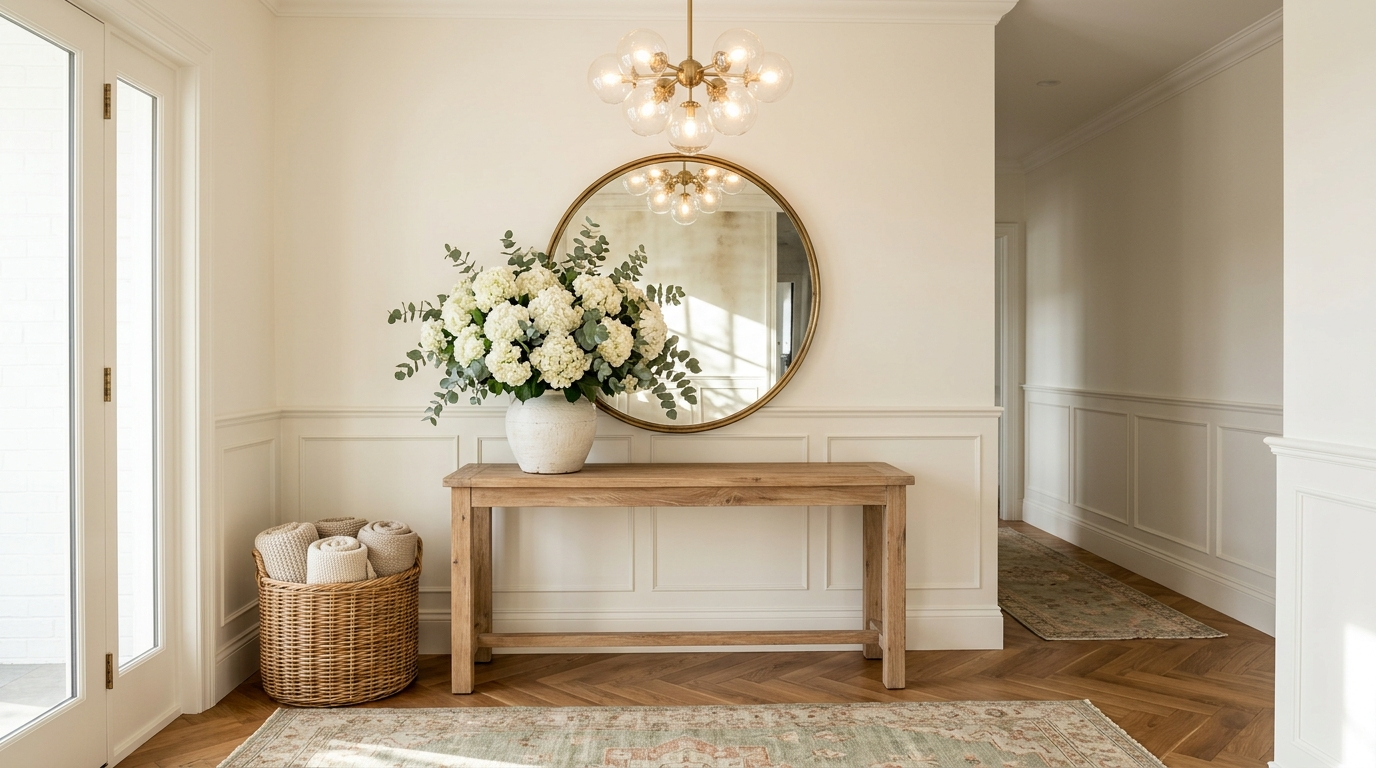
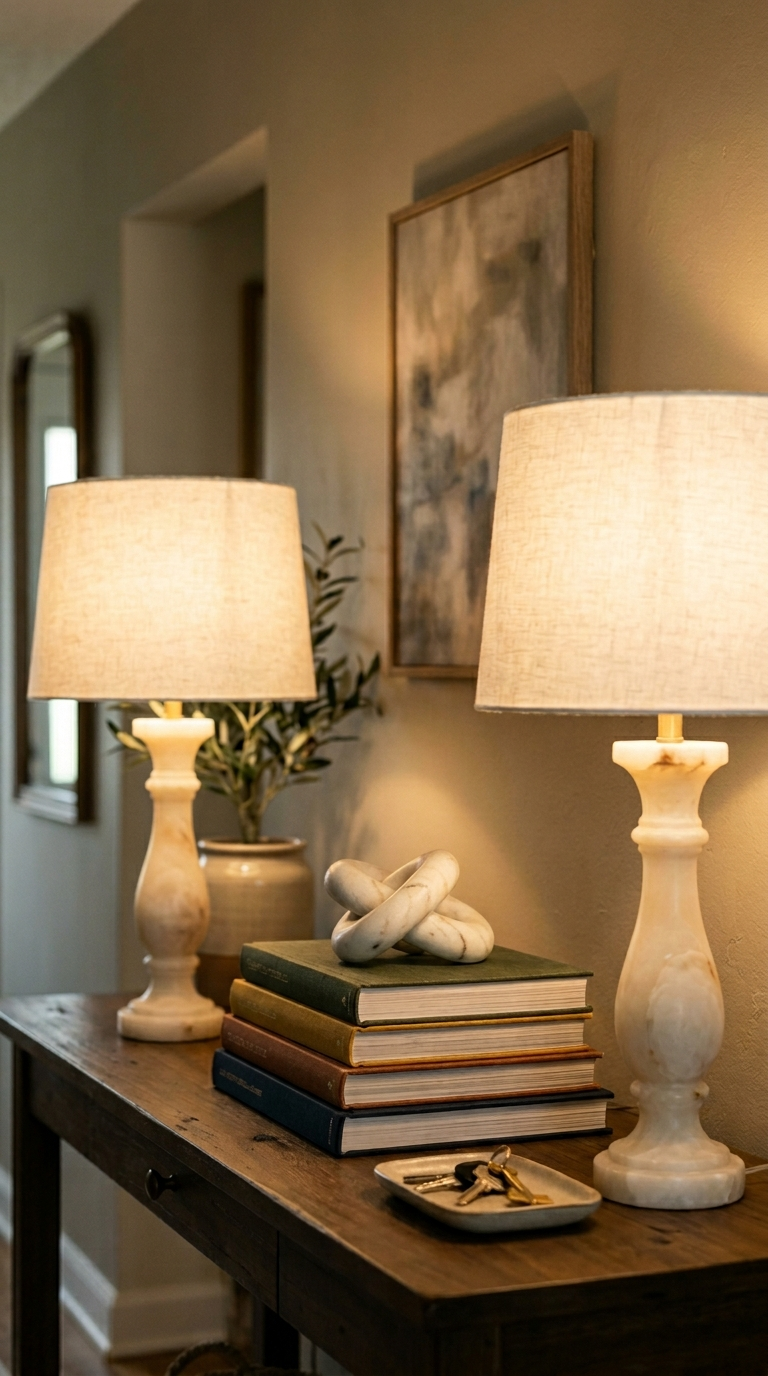
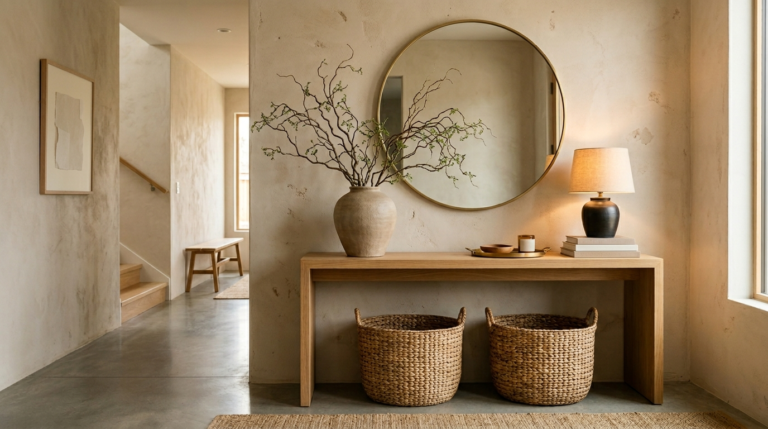
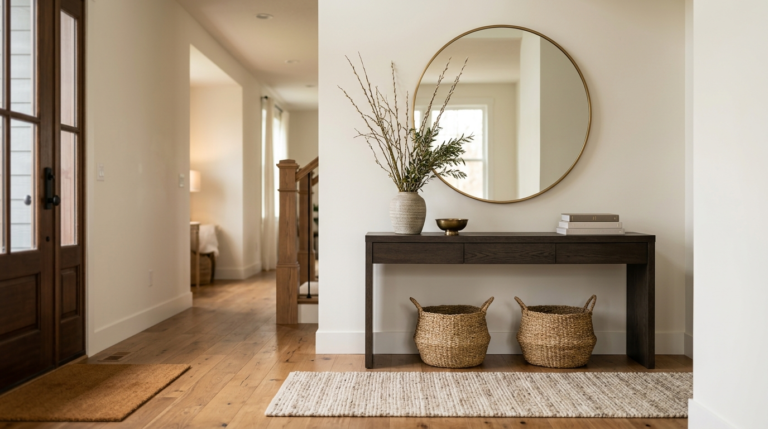
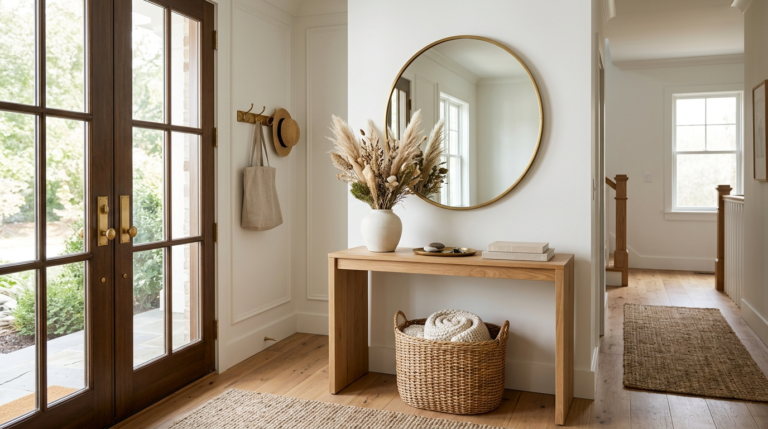
The Crucial Role of Your Home’s First ImpressionYour entryway is far more than just a transitional space where you kick off your shoes and drop your mail; it is the definitive opening statement of your home’s entire design narrative. It sets the psychological tone for anyone crossing your threshold, offering an immediate glimpse into your personal aesthetic, lifestyle, and attention to detail. Unfortunately, because it is essentially a passageway, many homeowners treat the entryway as an afterthought, leading to design choices that feel disjointed, cluttered, or entirely devoid of personality. When you neglect the foyer, you miss a golden opportunity to welcome guests with warmth and to create a comforting landing pad for yourself after a long day. In this comprehensive guide, we will explore the most frequent design missteps people make in their entryways and hallways. By identifying these pitfalls and applying targeted, expert-level solutions, you can effortlessly transform a dark, chaotic corridor into a stunning, highly functional masterpiece that harmonizes beautifully with the rest of your interior decor.Mistake 1: Inadequate and Uninspiring LightingOne of the most glaring errors in entryway design is relying solely on a single, harsh, overhead builder-grade light fixture. A poorly lit entryway instantly feels cavernous, unwelcoming, and sterile. The foyer should glow with inviting warmth, gently guiding visitors into the heart of the home. When lighting is treated purely as a utilitarian necessity rather than a design element, the entire space suffers. Shadowy corners can make the area feel cramped, while overly bright, cool-toned bulbs can evoke the ambiance of a hospital waiting room rather than a cozy sanctuary.The Solution: To remedy this, interior designers always recommend layering your lighting. Start with a spectacular focal point fixture—a statement chandelier, an elegant pendant, or a semi-flush mount that reflects your home’s architectural style. Then, supplement this ambient light with task and accent lighting. If you have a console table, frame it with a pair of sculptural table lamps or install sleek wall sconces on either side of a mirror. This approach not only provides the necessary illumination for checking your reflection or finding your keys but also casts a flattering, multidirectional glow. Always opt for warm white bulbs (around 2700K to 3000K) to ensure the atmosphere feels cozy and intimate the moment the front door swings open.
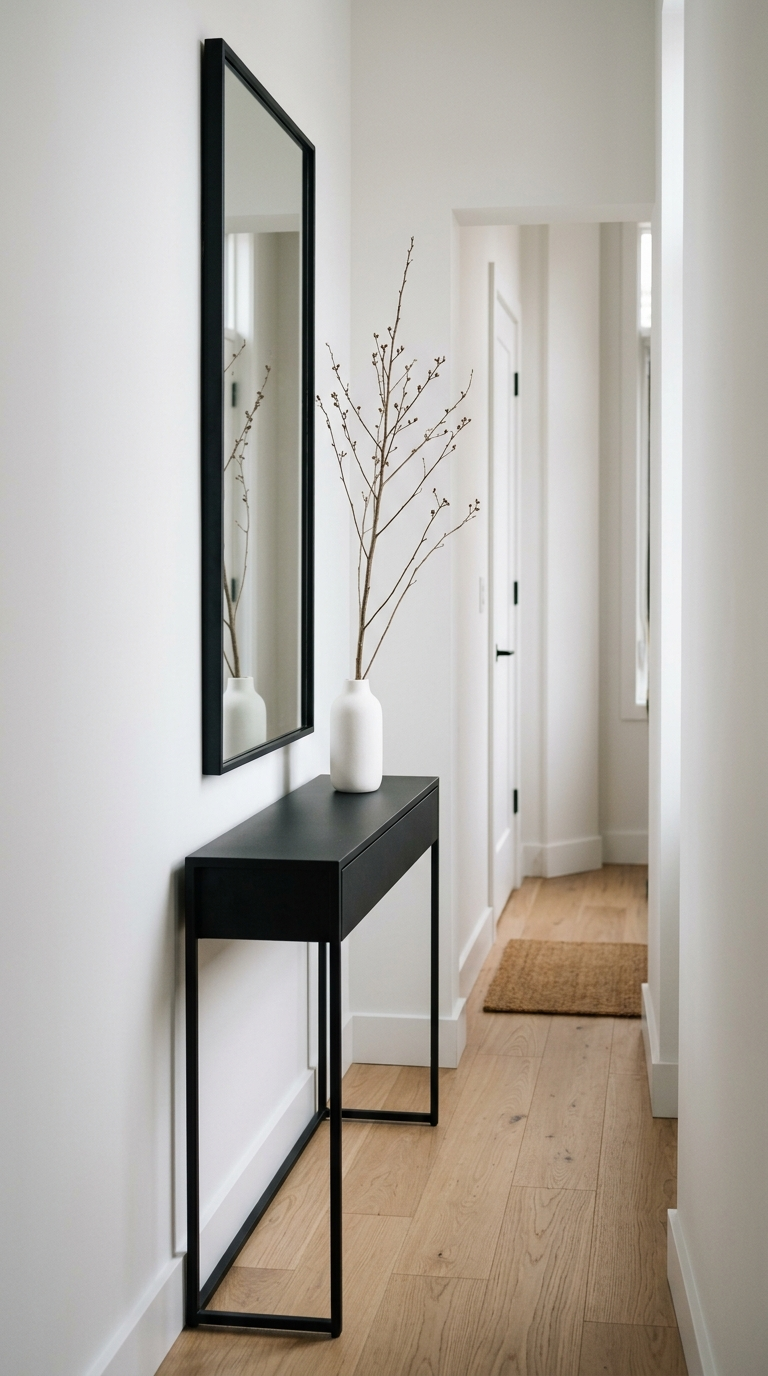
Mistake 2: Ignoring Scale and ProportionAnother frequent misstep is a complete disregard for scale and proportion when selecting furniture and decorative elements for the hallway. A massive, heavy, ornately carved credenza shoved into a narrow corridor will instantly make the space feel claustrophobic and impede the natural flow of traffic. Conversely, a tiny, delicate demilune table in a grand, double-height foyer will look comically small, floating aimlessly in a sea of empty space. Scale is about how an object relates to the size of the room, while proportion deals with how objects relate to one another. When these principles are ignored, the entryway feels fundamentally unbalanced, even to the untrained eye.The Solution: Before purchasing a single piece of furniture, meticulously measure your space, paying close attention to both the width of the walkway and the height of the ceilings. As a general rule of thumb, you should maintain at least 36 inches of clear walking path to ensure comfortable passage. If your entryway is narrow, seek out slim-profile console tables, floating shelves, or wall-mounted cabinets that provide functionality without eating up precious floor space. For larger foyers, anchor the room with a substantial round center table topped with a grand floral arrangement, or opt for a robust chest of drawers. Ensure your artwork and mirrors are similarly scaled—a tiny picture on a massive wall will get lost, so aim to fill roughly two-thirds of the wall space above your furniture to create a cohesive, deliberate vignette.
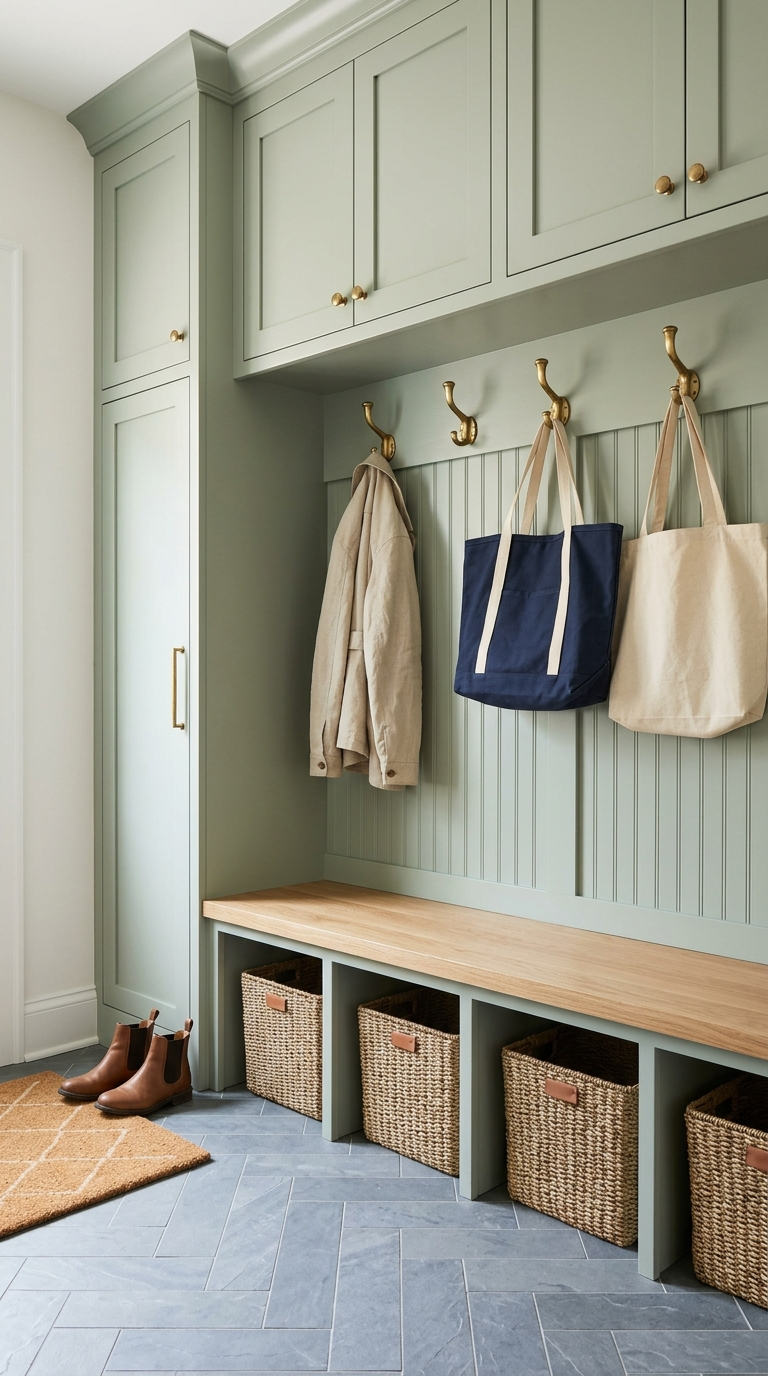
Mistake 3: The Unmanaged Clutter TrapEntryways are natural magnets for the detritus of daily life. Mail, packages, dog leashes, muddy shoes, thick winter coats, and reusable shopping bags tend to pile up near the front door. When an entryway lacks a definitive organizational system, it rapidly devolves into a chaotic dumping ground. This visual clutter is not only frustrating to navigate but also induces immediate stress upon entering the home. A beautiful design is completely neutralized if it is buried under a mountain of disorganized belongings. The mistake is not having items in the entryway—the mistake is failing to plan for them.The Solution: The key to conquering entryway clutter is implementing a rigorous, intentional system of closed and open storage. Assess exactly what your household needs to drop at the door. If you have a “no shoes in the house” rule, invest in a stylish woven basket, a multi-tier shoe rack, or a storage bench with hidden compartments to keep footwear out of sight. Wall-mounted hooks or an elegant standing coat rack are essential for outerwear, preventing coats from being draped haphazardly over chairs. For smaller items like mail and receipts, introduce a sleek decorative tray or a wall-mounted organizer. By assigning a specific, designated home for every item that enters the house, you maintain the pristine aesthetic of the space while radically improving its day-to-day functionality.
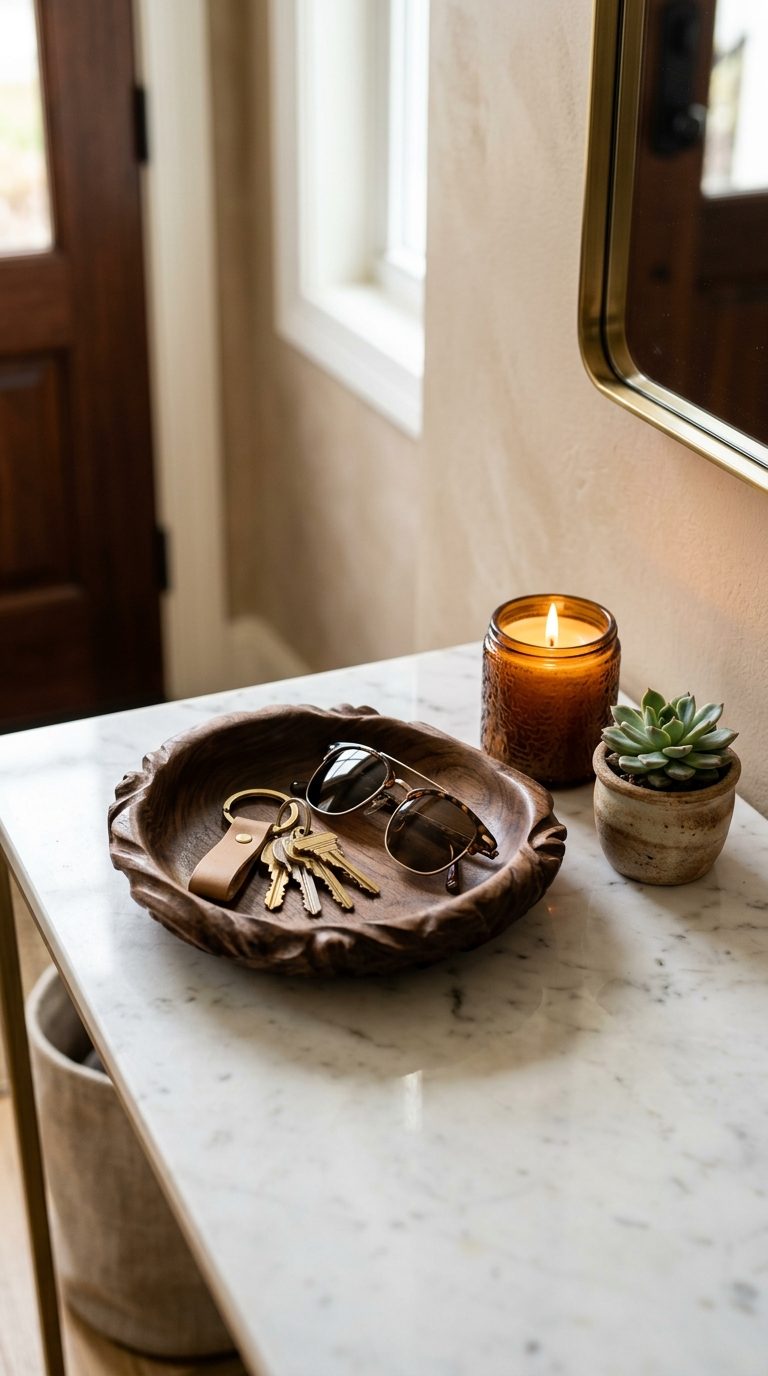
Mistake 4: Lacking a Dedicated ‘Drop Zone’Closely related to the clutter trap is the specific failure to establish a dedicated ‘drop zone’ for everyday essentials. Have you ever spent frantic minutes searching for your car keys or wallet while rushing out the door? This stress is entirely preventable. A functional entryway must serve as an efficient transition point between the sanctuary of your home and the demands of the outside world. When there is no designated, easily accessible spot for these critical pocket items, they end up scattered across kitchen islands, living room coffee tables, or buried in coat pockets.The Solution: Create a highly intentional, beautiful drop zone right at the entrance. The easiest way to achieve this is by placing a beautiful ceramic bowl, a vintage brass tray, or a handcrafted wooden dish right on your console table. This small vessel acts as a visual cue, a daily habit-builder where keys, sunglasses, and loose change are deposited immediately upon entering. If you lack a console table due to space constraints, a small wall-mounted shelf equipped with key hooks underneath serves the exact same purpose. Elevate this functional area by styling it—add a small potted succulent, a framed photograph, or a gently glowing candle next to the drop tray. This proves that high function and high style can, and should, coexist perfectly.
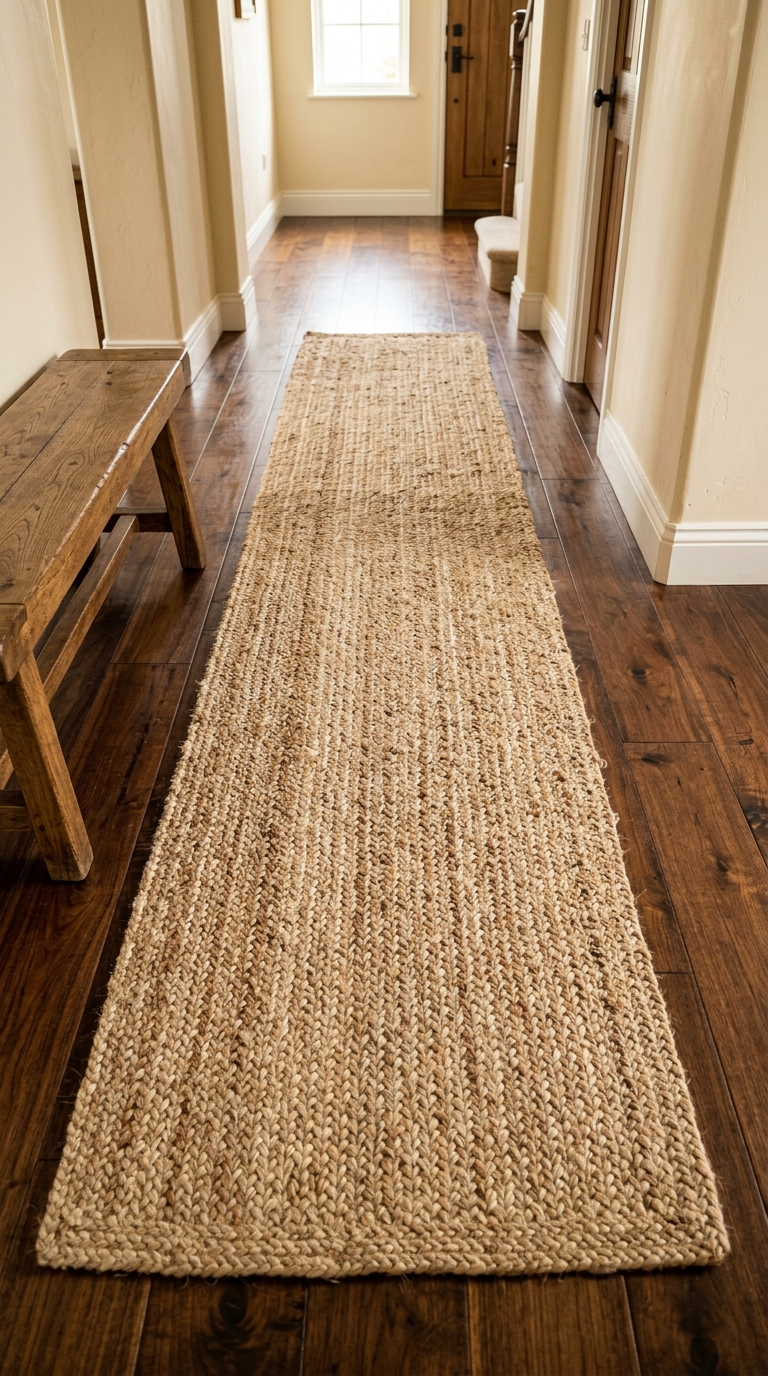
Mistake 5: Neglecting Floor Coverings and Rug SizingThe floor of an entryway takes an incredible amount of abuse from foot traffic, dirt, and moisture, yet many people either skip an entryway rug entirely or choose one that is entirely the wrong size or material. A bare floor can feel cold and unfinished, lacking the textural grounding a good rug provides. However, the more common offense is using a “postage stamp” rug—a tiny doormat placed just inside a grand doorway. This drastically shrinks the perceived size of the room and looks unanchored. Additionally, selecting a plush, high-pile rug for a high-traffic mudroom is a recipe for maintenance nightmares, as it will inevitably trap dirt and become matted.The Solution: Selecting the correct entryway rug requires balancing durability with correct proportions. If you have a long hallway, an extended runner will instantly draw the eye inward, elongating the space and providing a visual path into the home. Leave about 4 to 6 inches of bare floor exposed on either side of the runner for a tailored look. For a wider foyer, a large rectangular or round rug that fits under the front legs of your console table helps define the zone. Material is just as crucial as size. Opt for low-pile, durable materials like wool, sisal, jute, or specialized indoor/outdoor performance fabrics. These materials can withstand heavy footfall, are exceptionally easy to clean, and introduce gorgeous organic textures that add immense warmth to the overall design.
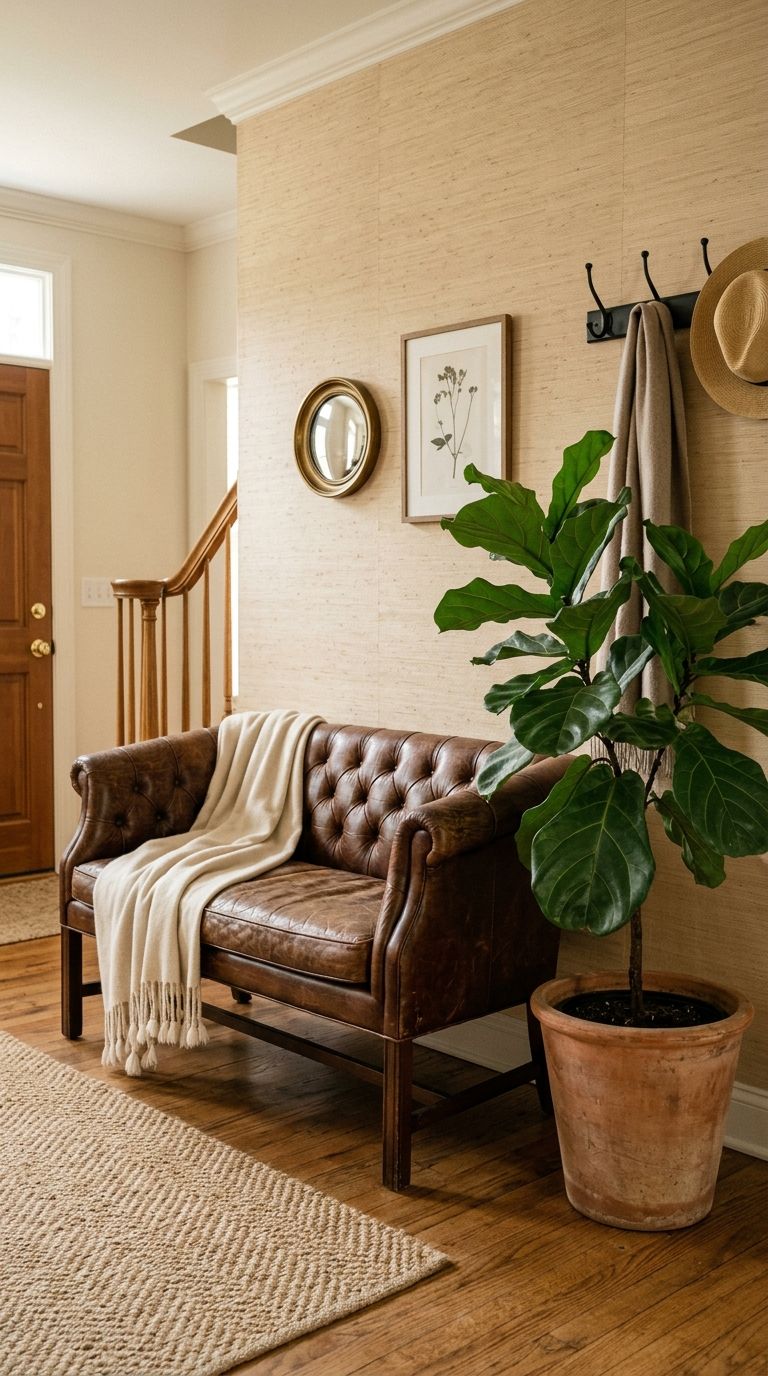
Mistake 6: Forgetting a Place to SitAn entryway without a place to sit is fundamentally ignoring user experience. Putting on or taking off shoes while hopping on one foot or awkwardly leaning against a freshly painted wall is not just uncomfortable; it risks scuffing your walls and creates a frantic energy. A well-designed room should anticipate the needs of its users. Furthermore, seating adds a layer of softness and hospitality to a space that is often dominated by hard architectural surfaces like solid doors, wooden floors, and rigid console tables. The absence of upholstery or seating makes the space feel purely transient rather than inviting.The Solution: Always incorporate some form of seating, no matter how small your entryway might be. If you have ample space, a beautiful upholstered bench or a vintage wooden settee creates a stunning focal point. You can flank it with large potted plants and place an oversized piece of art directly above it. If your space is tighter, consider tucking a pair of sturdy ottomans, ceramic garden stools, or sleek wooden poufs underneath a floating console table. These can easily be pulled out when needed and pushed away to keep the walkway clear. Adding a patterned throw pillow or a soft, draped blanket over a bench not only increases comfort but also introduces an opportunity to weave your home’s color palette right into the entryway.
Mistake 7: A Lack of Personal Charm and CharacterFinally, the most tragic entryway mistake is making the space feel sterile, generic, and devoid of the homeowner’s unique personality. Because it is a pass-through space, people often paint it a safe, neutral color and leave the walls bare, saving their design efforts for the living room or kitchen. A bland entryway is a missed opportunity to make a dramatic statement. It should serve as the prologue to your home’s story. If your entryway looks like a generic furniture catalog rather than a reflection of your family’s travels, tastes, and history, it will never feel truly welcoming.The Solution: Inject personality boldly into your foyer! Because entryways are generally smaller spaces, they are the perfect laboratories for design risks that you might hesitate to take in a larger living room. Consider installing a bold, patterned wallpaper on the ceiling or painting the trim and doors in a moody, contrasting color like deep charcoal or rich forest green. Hang a large, statement-making mirror—not only does it bounce light around and make the space feel larger, but a mirror with a uniquely carved frame acts as functional art. Create a gallery wall using family photos, vintage maps, or art collected from your travels. Add life with lush botanical elements; a tall indoor tree or a dramatic vase of seasonal branches brings organic energy and vibrancy. Ultimately, your entryway should make you smile the moment you turn the key in the lock, welcoming you to a space that is unmistakably, unapologetically yours.
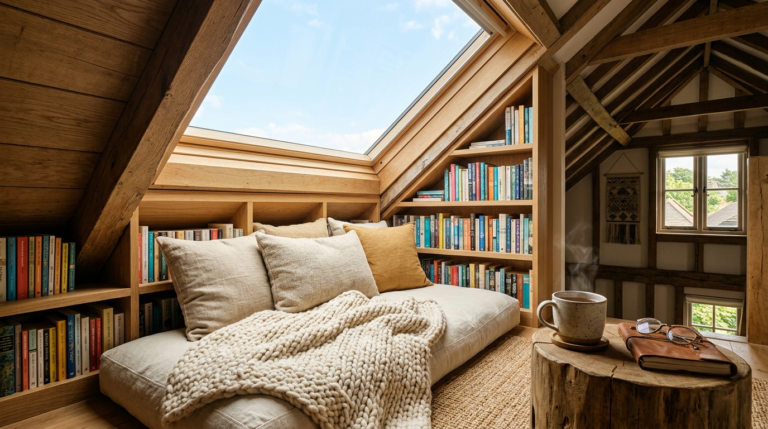
Turn your unused attic space into a stunning literary escape. Discover the best lighting, layout, and cozy decor tips to build your dream home reading nook.
Transform your narrow hallways and cluttered entryways into a stunning first impression by avoiding these seven common decor mistakes. Read our full guide!
Is your entryway leaving a bad first impression? Learn the most common decor mistakes to avoid and how to design a stunning, functional foyer for your home.
Discover the ultimate living room layout ideas to optimize flow, maximize comfort, and create an inviting atmosphere. Transform your space with these tips.
Is your living room feeling a little off? Avoid these common design pitfalls. Learn the easy fixes to transform your space into a stylish and functional haven.
Transform your entryway with our expert design guide! Discover the most common hallway decor mistakes to avoid and learn how to create a welcoming home.