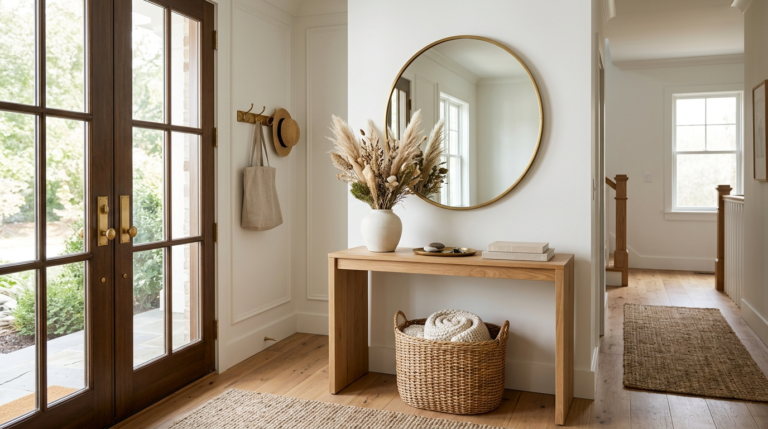
The entryway is arguably one of the most important spaces in your entire house. It is the very first area your guests experience when they walk through the front door, setting the immediate tone, style, and atmosphere for the rest of your home. Beyond its aesthetic importance, the hallway or foyer serves a critical functional role. It is the transitional zone where you drop your keys, take off your shoes, sort through the daily mail, and shed the weight of the outside world. However, despite its dual importance in both form and function, the entryway is notoriously difficult to decorate correctly. Because it is often a narrow, awkwardly shaped, or dark space, homeowners frequently fall into several common design traps that leave the area feeling cramped, cluttered, chaotic, or entirely devoid of personality. In this comprehensive interior design guide, we will examine the top seven common entryway decor mistakes that might be secretly ruining your space, and more importantly, we will explore practical, stylish, and highly effective solutions to help you craft a truly stunning first impression.
1. Failing to Establish a Dedicated ‘Drop Zone’
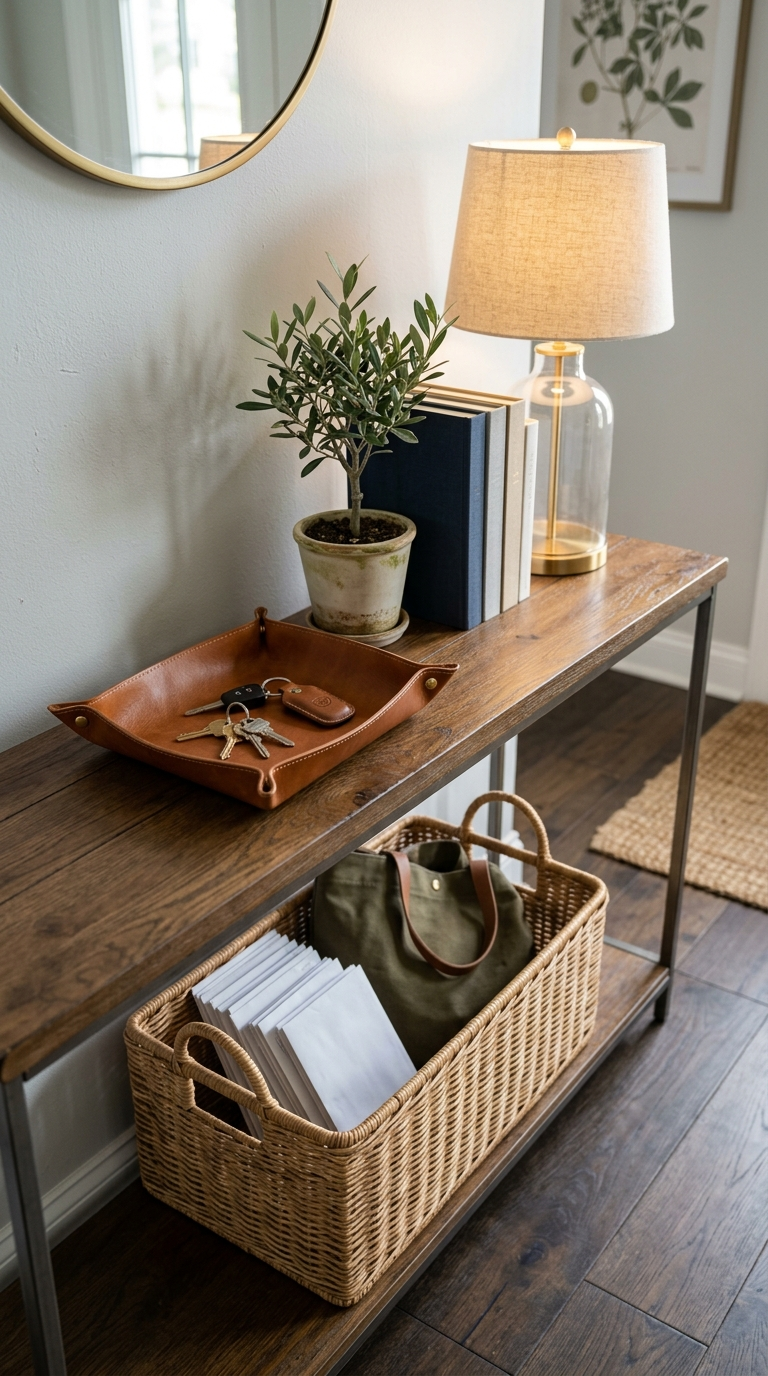
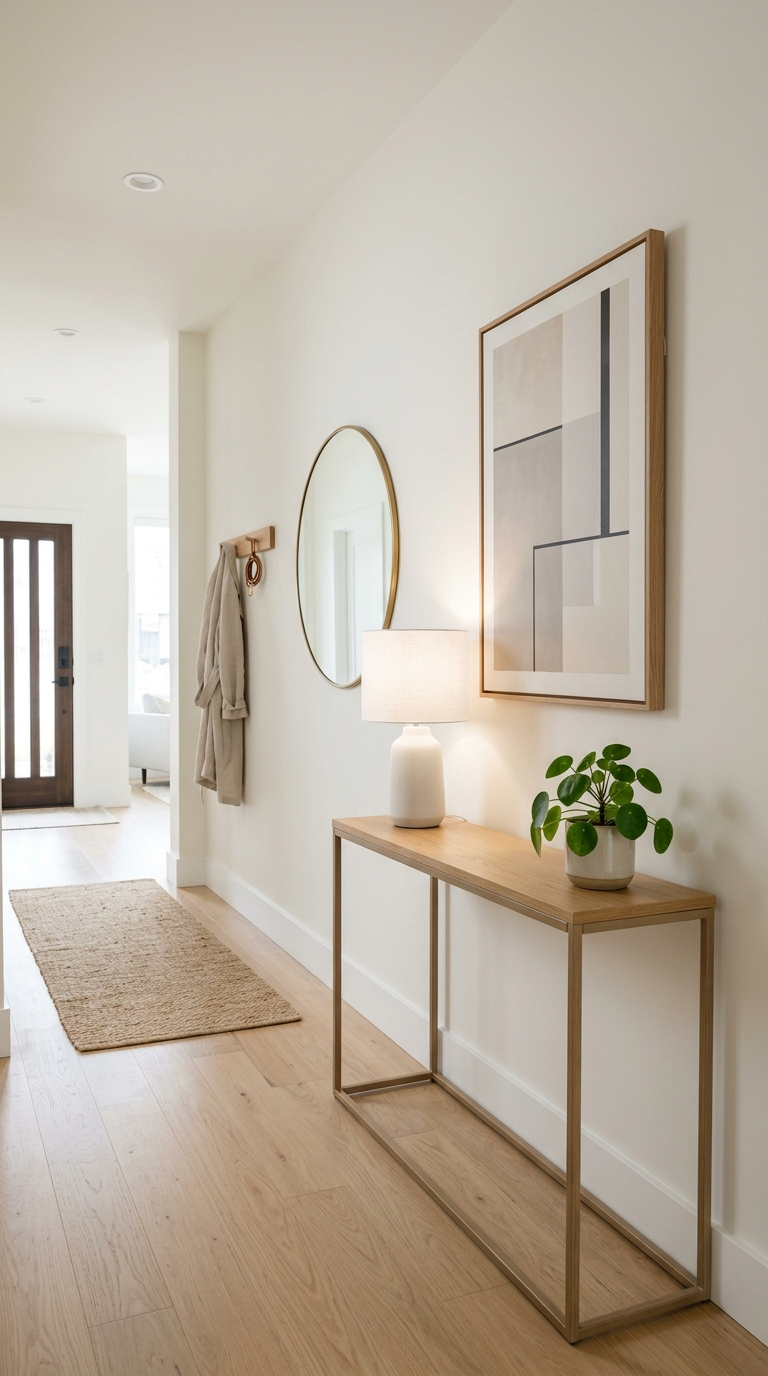
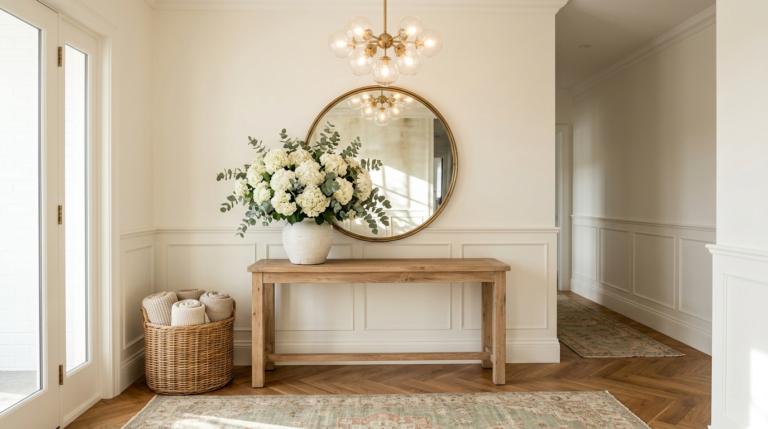
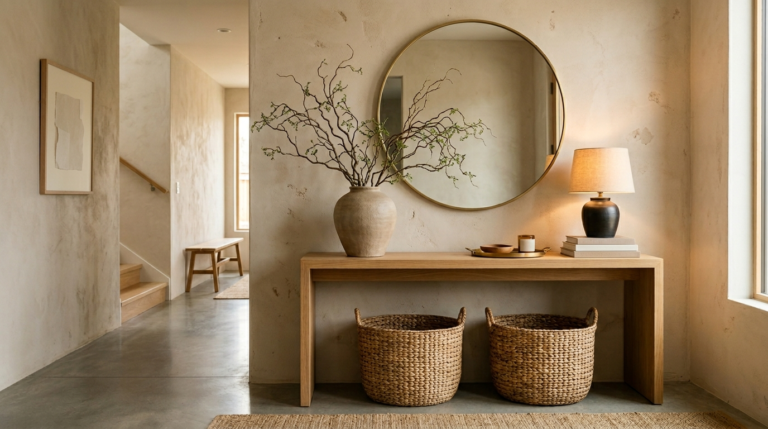
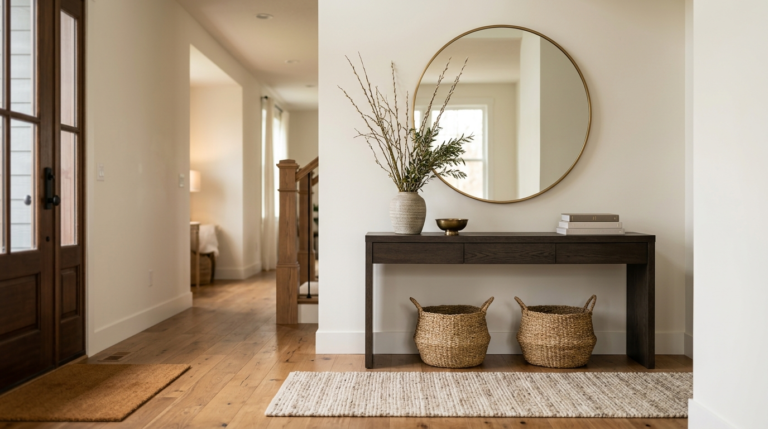
One of the most frequent and visually disruptive mistakes people make in their entryways is ignoring the undeniable human habit of immediately dropping items upon entering the house. When there is no designated, organized space to place everyday carry items, keys end up lost on random counters, mail piles up haphazardly on the dining table, and bags are dumped unceremoniously on the floor. This lack of a system instantly creates an atmosphere of clutter and stress right at the threshold of your home. The solution is to intentionally design a functional ‘drop zone.’ At minimum, you need a console table, a sturdy floating shelf, or a small credenza to serve as an anchor. On this surface, introduce organizational tools: a beautiful ceramic or leather catch-all tray specifically for keys and loose change, and a decorative woven basket or structured bin beneath the table to corral incoming mail, reusable shopping bags, or umbrellas. By creating specific homes for these items, you maintain a clean, tidy aesthetic while drastically improving your daily efficiency.
2. Ignoring the Importance of Proper Lighting
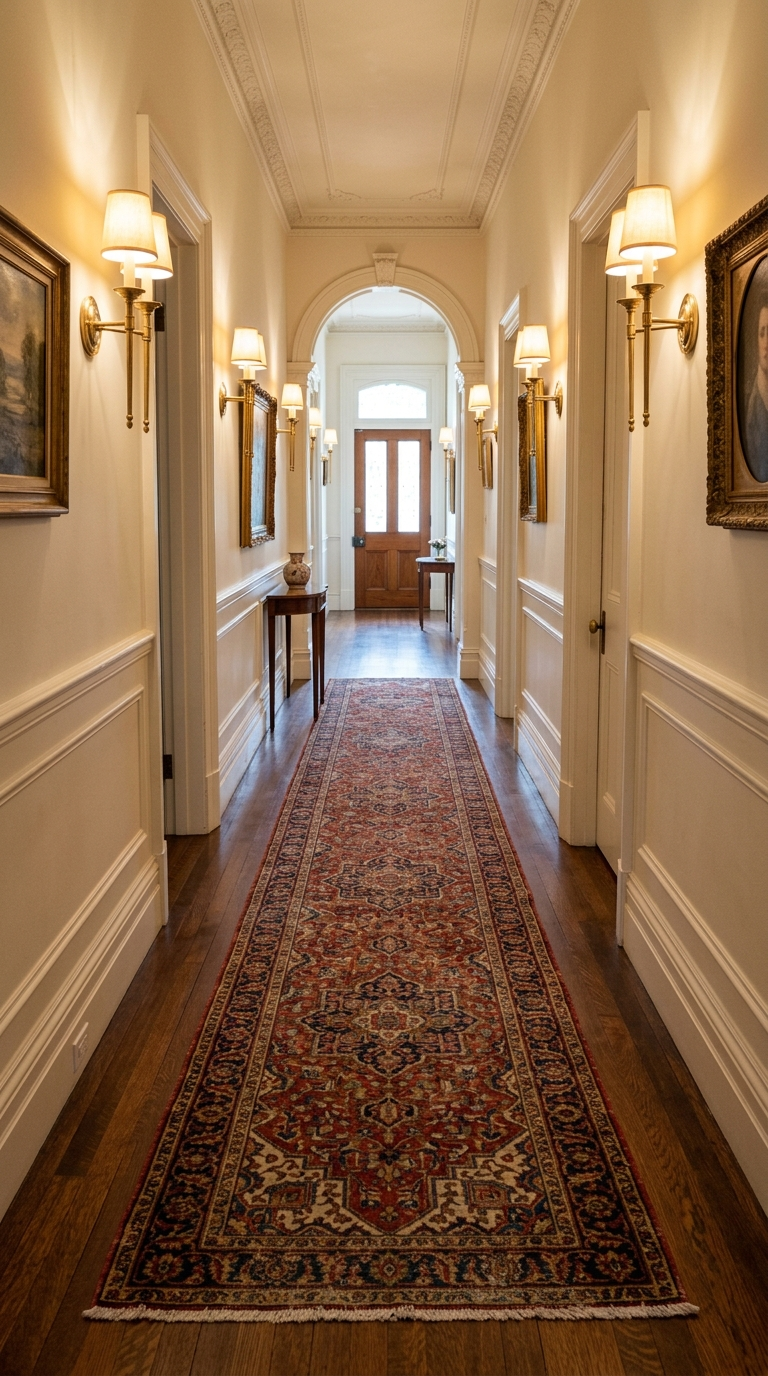
Entryways and long hallways are naturally prone to being dark and gloomy, especially in homes where the front door lacks glass panels or sidelights. Relying solely on a single, outdated, flush-mount ceiling fixture is a major design flaw that results in a shadowy, unwelcoming environment. Excellent foyer design requires layered lighting to ensure the space is both practical and inviting. Begin with a striking overhead statement fixture—such as a modern chandelier, an elegant lantern-style pendant, or a multi-bulb flush mount—to establish a strong visual focal point and provide general ambient illumination. Next, add an important layer of task or accent lighting. A stylish table lamp placed on the console table emits a warm, eye-level glow that is incredibly welcoming and perfect for leaving on in the evening. Alternatively, consider installing a pair of matching wall sconces flanking a mirror or a piece of artwork. This layered approach eliminates harsh shadows, makes the space feel larger, and immediately greets you with warmth.
3. Selecting the Wrong Size or Material for the Rug
The entryway rug serves a demanding double duty: it must be a beautiful, stylish design element that ties the space together, while also acting as a heavy-duty, functional barrier against dirt, mud, and moisture tracked in from outside. A very common mistake is placing a tiny, postage-stamp-sized doormat inside a grand foyer, which looks disproportionate and fails to protect the surrounding floors. Conversely, using a delicate, high-pile, or difficult-to-clean rug in this high-traffic zone is a recipe for rapid wear and tear. The solution is to scale up and choose the right materials. For a long hallway, opt for a runner that extends gracefully down the corridor, leaving about four to six inches of bare floor exposed on all sides. For a wider foyer, choose a large area rug that accommodates both front legs of the console table and provides ample room for guests to stand upon entering. Material-wise, stick to incredibly durable, easily cleanable options like low-pile wool, natural jute, sisal, or modern performance synthetics designed specifically for high-traffic or indoor/outdoor use.
4. Wasting Valuable Vertical Space
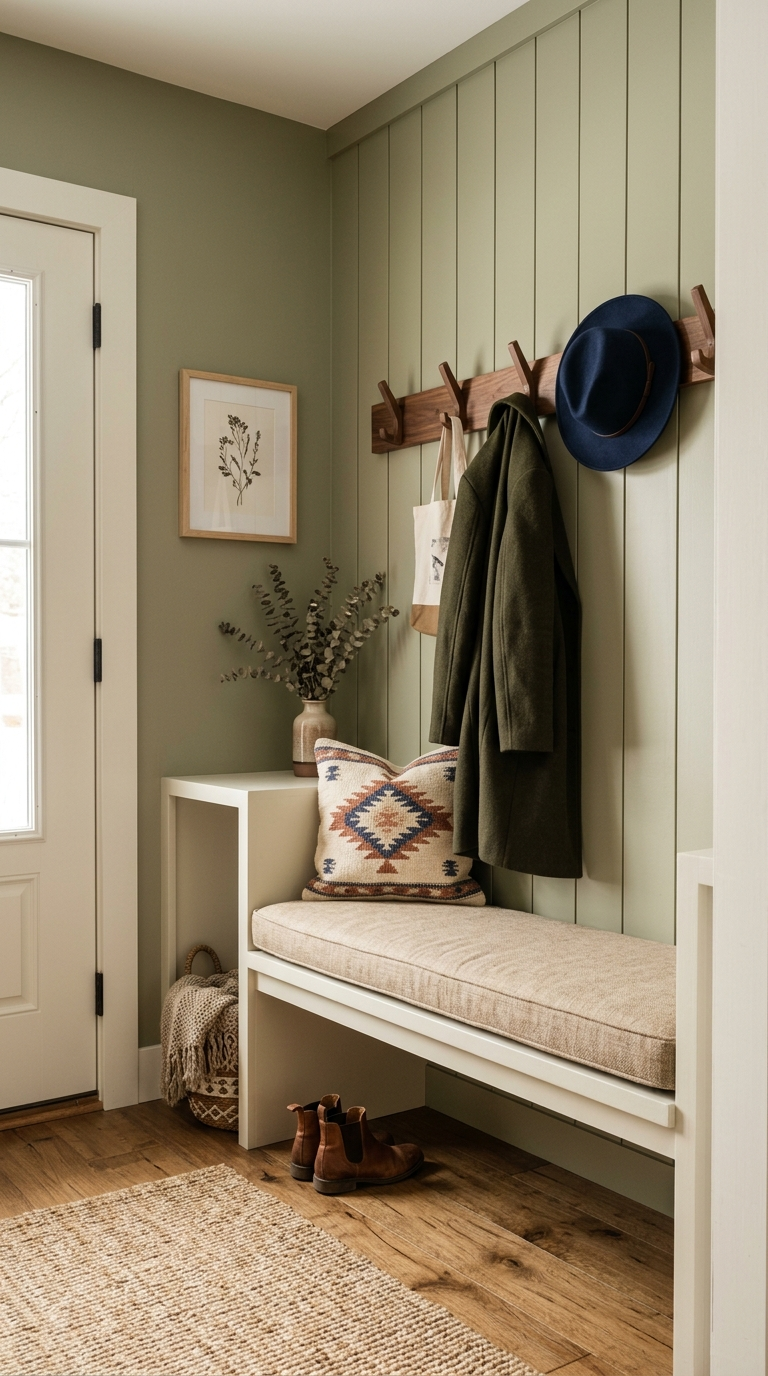
Hallways are frequently narrow, leaving very little floor space to accommodate deep, bulky furniture. A significant mistake is trying to force large pieces into a cramped area, which disrupts the natural flow of traffic and makes the entryway feel claustrophobic. If your square footage is limited, the smartest design strategy is to look up and maximize your vertical wall space. Wall-mounted organizational systems are absolute lifesavers in tight entryways. Install a row of robust, stylish coat hooks directly onto the wall or onto a beautiful wooden backing board to handle jackets, scarves, and hats without requiring a footprint-heavy freestanding coat rack. Above the hooks, install a floating shelf to display decorative objects, framed family photos, or trailing plants. If you need closed storage for shoes, utilize ultra-slim, wall-mounted shoe cabinets that tilt out, keeping footwear completely hidden and organized while protruding only a few inches from the wall.
5. Overlooking the Need for Comfortable Seating
Think about the physical mechanics of entering and exiting a home—specifically, the act of putting on and taking off shoes. Forcing your family and your guests to hop around awkwardly on one foot or sit directly on the floor because there is no seating is a major oversight in functional entryway design. Even in the smallest of spaces, incorporating some form of seating is essential for comfort and hospitality. If you have a spacious foyer, a beautifully upholstered settee or a long wooden bench with decorative throw pillows can serve as a stunning, welcoming anchor piece. If your space is tight, a small, sturdy accent stool tucked neatly beneath a floating console, or a slender storage ottoman, can provide just enough room to comfortably tie a pair of shoelaces. This thoughtful addition instantly elevates the perceived comfort and functionality of your home.
6. Neglecting the Power of Mirrors
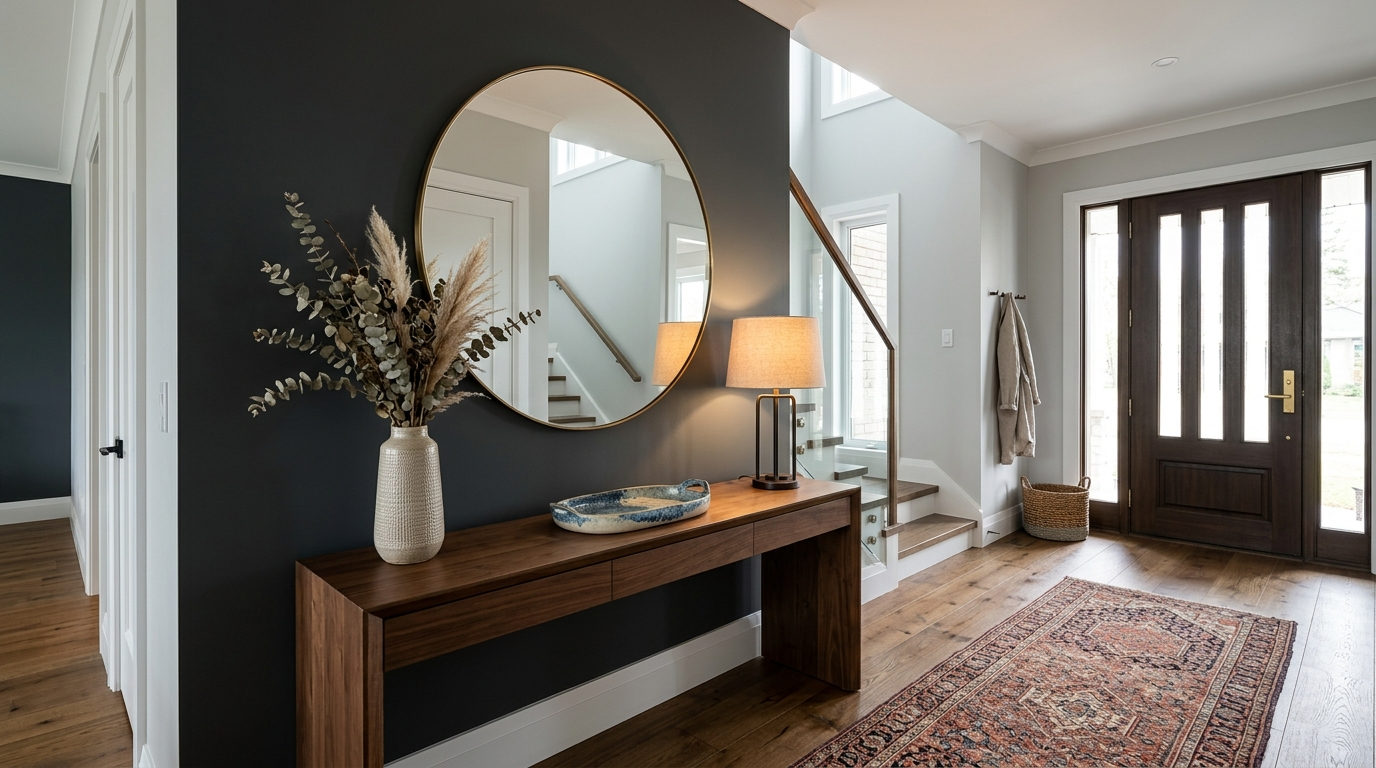
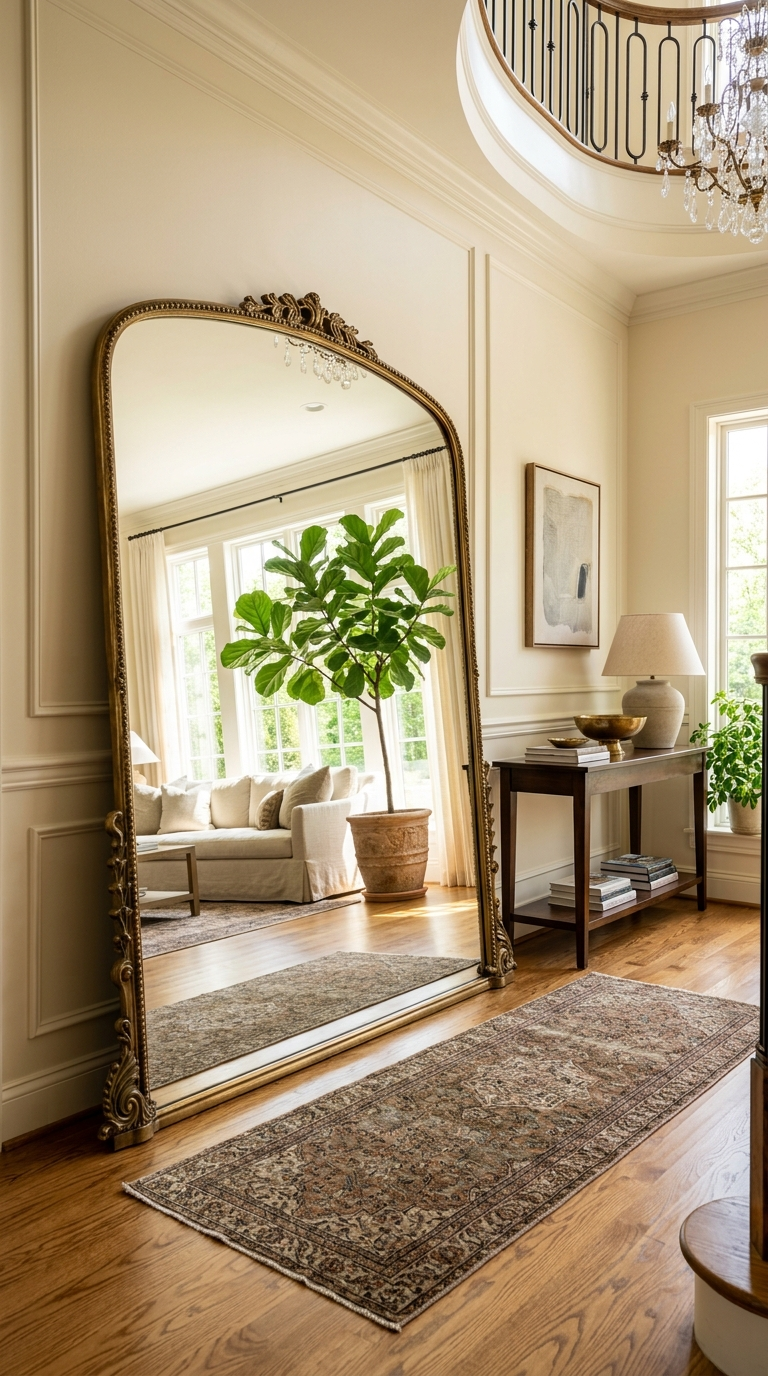
Failing to include a mirror in the entryway is a missed opportunity on multiple fronts. First, a mirror provides the vital, practical function of allowing you to do a quick, final appearance check—fixing hair, adjusting a collar, checking makeup—right before you walk out the door to face the day. Second, and perhaps more importantly from a design perspective, mirrors are magical tools for expanding space and amplifying light. In a narrow, dark hallway, a large, well-placed mirror reflects whatever natural light is available from adjacent rooms or sidelights, bouncing it around and instantly making the area feel twice as bright and significantly more spacious. Whether you choose a massive, dramatic floor mirror leaning casually against the wall, or an oversized, elegant round mirror hung perfectly centered above a console table, this simple addition transforms the energy and the perceived volume of the entire entryway.
7. Leaving the Space Devoid of Personal Style
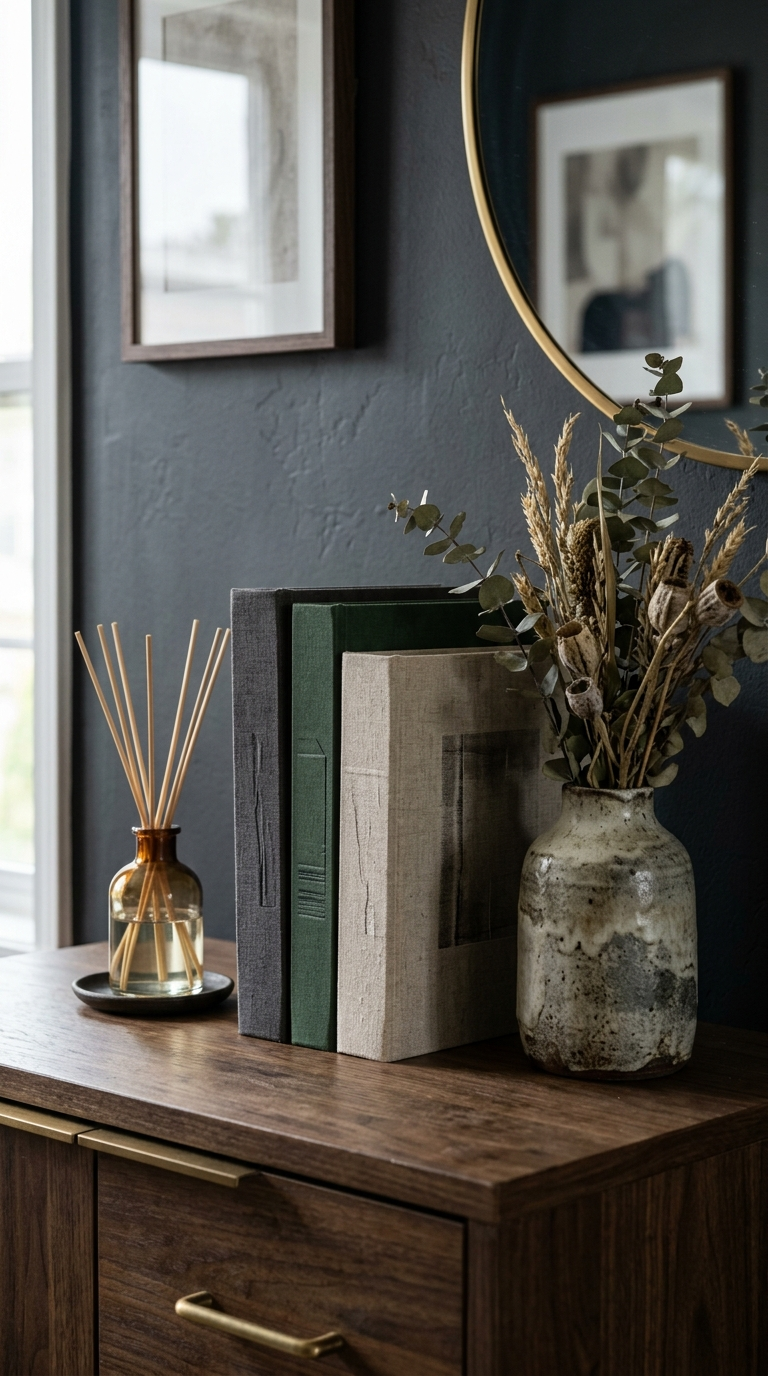
Because the entryway is a transitional space that people pass through quickly, homeowners often treat it as a purely utilitarian zone, neglecting to inject it with any personality, warmth, or character. A bland, uninspired hallway feels clinical and disconnected from the rest of the beautifully decorated house. Your entryway is the prologue to your home’s story; it should offer a tantalizing glimpse of your unique personal aesthetic. Do not be afraid to be bold. Paint the walls a rich, dramatic, moody color to create a cozy, enveloping feeling, or use a striking, patterned wallpaper to make a memorable statement. Create a captivating gallery wall using a mix of family photographs, unique art prints, and textured wall hangings. Layer in decorative objects that hold meaning to you, such as a stack of your favorite oversized coffee table books, a sculptural vase holding fresh or dried botanical branches, or a beautifully scented candle. By treating the entryway with the same level of design care and attention to detail as your main living room, you ensure that every arrival feels special and genuinely welcoming.
8. Creating Bottlenecks with Poor Layouts
A critical aspect of entryway design is the physical flow of traffic. The most beautiful furniture in the world will feel entirely wrong if it blocks the natural pathway into the home. A common mistake is selecting furniture that is simply too deep for the hallway’s width, causing people to bump into corners or squeeze past each other. Before purchasing any piece, carefully measure your space and ensure there is a clear, unobstructed walkway of at least 36 inches (preferably more) from the front door to the main living areas. If the space is tight, strictly adhere to narrow console tables, floating shelves, or wall-mounted organizers. Remember that negative space—the empty areas around your furniture—is just as important as the furniture itself. Allowing the room to breathe visually and physically prevents a feeling of claustrophobia and ensures a smooth, elegant transition into your home.
9. Forgetting About Scent and Atmosphere
Design is a multi-sensory experience, and the first impression of a home is often strongly influenced by smell, not just sight. An entryway that looks beautiful but smells stale, damp, or simply neutral is missing a crucial layer of hospitality. One of the most subtle yet impactful mistakes is neglecting the olfactory atmosphere of the foyer. To correct this, incorporate a signature scent into your entryway decor. A high-quality reed diffuser placed discreetly on the console table provides a constant, gentle fragrance. Alternatively, an elegant candle that you light when expecting guests adds both a beautiful aroma and a warm, flickering ambiance. Choose scents that are welcoming and fresh—such as subtle citrus, clean linen, warm vanilla, or earthy cedarwood—rather than anything overpowering or artificial. This invisible design element powerfully reinforces the feeling of arriving in a clean, curated, and deeply comforting sanctuary.
10. Over-Cluttering with Too Much Decor
While leaving an entryway completely bare is a mistake, swinging too far in the opposite direction and over-cluttering the space is equally detrimental. Because the console table is often the primary focal point, there is a temptation to cover every inch of it with picture frames, vases, trinkets, and mail. This visual noise overwhelms the eye and creates an immediate sense of anxiety upon entering the home. The key to a sophisticated entryway is thoughtful editing. Curate your decorative items ruthlessly. Stick to the classic “rule of three” for groupings, and vary the height, shape, and texture of the objects displayed. For instance, pair a tall, slender vase with a low, textured catch-all tray and a medium-height, sculptural object or framed art leaning against the wall. Leave plenty of empty, negative space on the surface. This minimalist, highly intentional approach to styling allows each piece to shine and maintains a serene, organized atmosphere.
Conclusion: Crafting Your Perfect Entryway
Transforming your entryway from a chaotic, easily ignored corridor into a breathtaking, highly functional introduction to your home does not require a massive renovation budget. It simply demands intentionality and an awareness of these common design pitfalls. By purposefully establishing dedicated drop zones for everyday items, layering your lighting effectively, selecting appropriately scaled rugs and furniture, and infusing the space with your unique personal style, you can dramatically elevate the experience of walking through your front door. Remember that the best entryway designs perfectly balance the heavy demands of daily functionality with the aesthetic beauty that makes a house feel like a home. Take the time to reassess your hallway today, implement these expert solutions, and start welcoming yourself and your guests into a space that truly reflects the very best of your personal style.
Transform your house into a haven. Discover the art of designing intentional living spaces that promote comfort, connection, and true well-being in every room.
Transform your entryway into a welcoming masterpiece by avoiding these common design mistakes. Discover expert styling tips to elevate your home’s entrance.
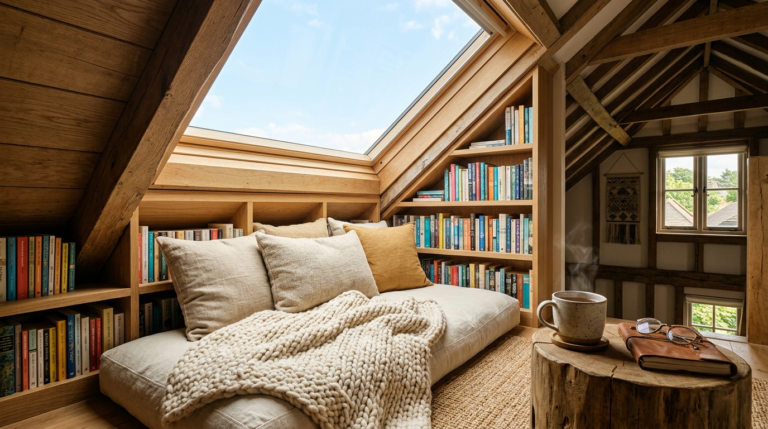
Turn your unused attic space into a stunning literary escape. Discover the best lighting, layout, and cozy decor tips to build your dream home reading nook.
Transform your narrow hallways and cluttered entryways into a stunning first impression by avoiding these seven common decor mistakes. Read our full guide!
Is your entryway leaving a bad first impression? Learn the most common decor mistakes to avoid and how to design a stunning, functional foyer for your home.
Transform your entryway with our expert design guide! Discover the most common hallway decor mistakes to avoid and learn how to create a welcoming home.