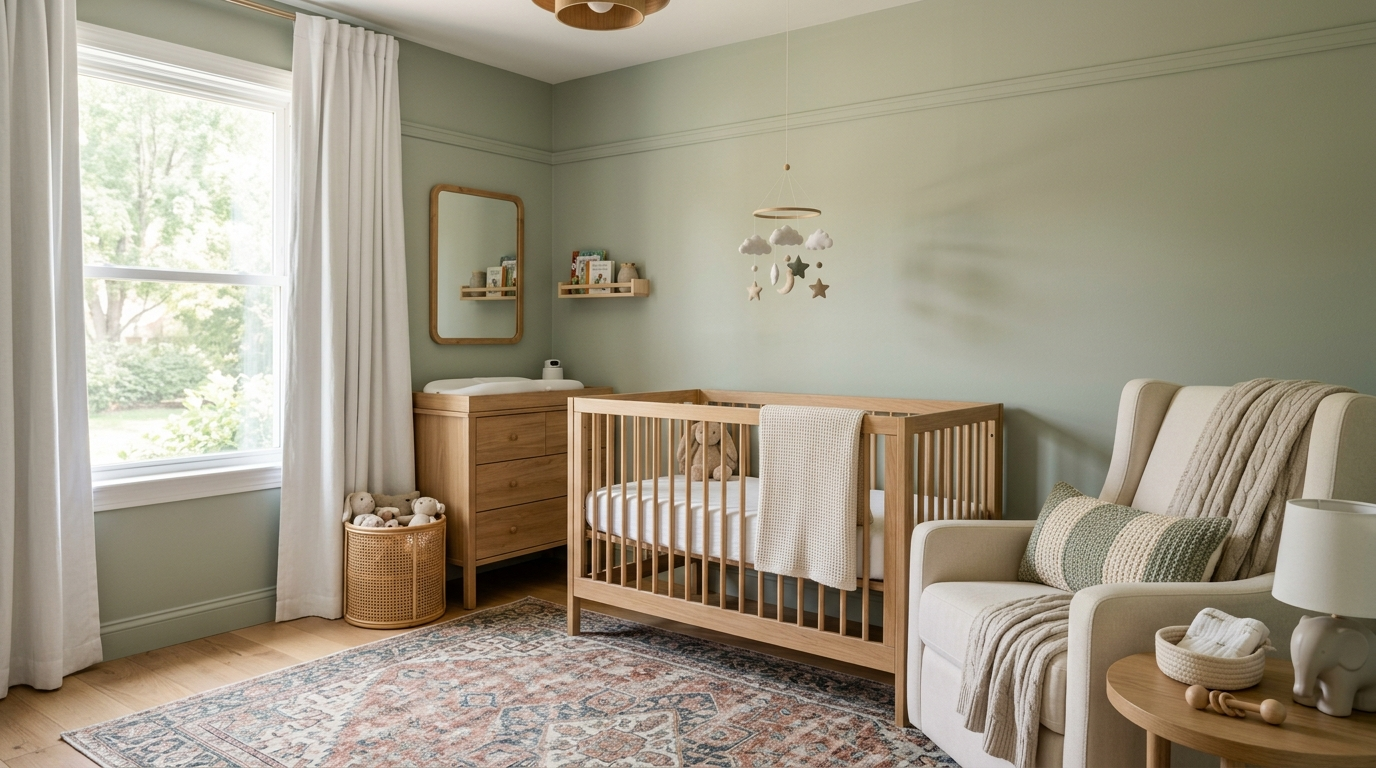
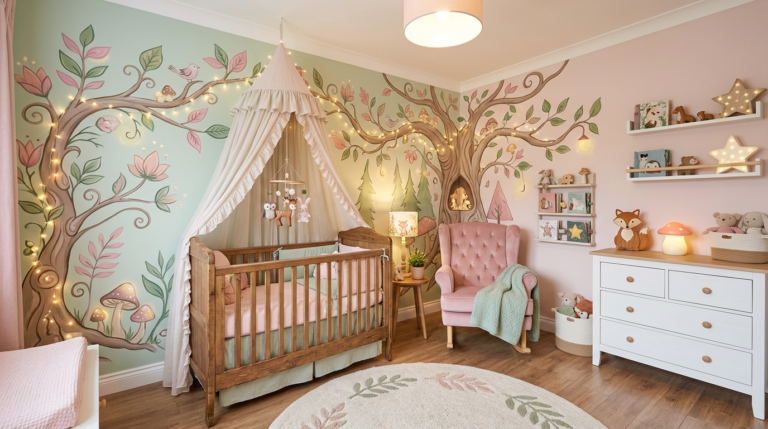
Designing a nursery for your new arrival is one of the most exciting parts of expecting a baby. You browse endless inspiration boards, pick out adorable crib sheets, and imagine all the sweet moments you will spend in that room. However, without careful planning, it is surprisingly easy to make critical design mistakes that can affect the functionality and peacefulness of the space. A nursery needs to be more than just visually appealing; it must be a highly practical, safe environment that promotes rest for both the baby and the parents.Many first-time parents focus entirely on aesthetics, choosing matching furniture sets and elaborate themes, while overlooking the day-to-day realities of newborn care. From late-night feedings to endless diaper changes, the layout and elements of the room play a massive role in your daily routine. In this comprehensive guide, we will break down the seven most common nursery design mistakes and provide actionable solutions so you can create a room that is as efficient as it is beautiful.
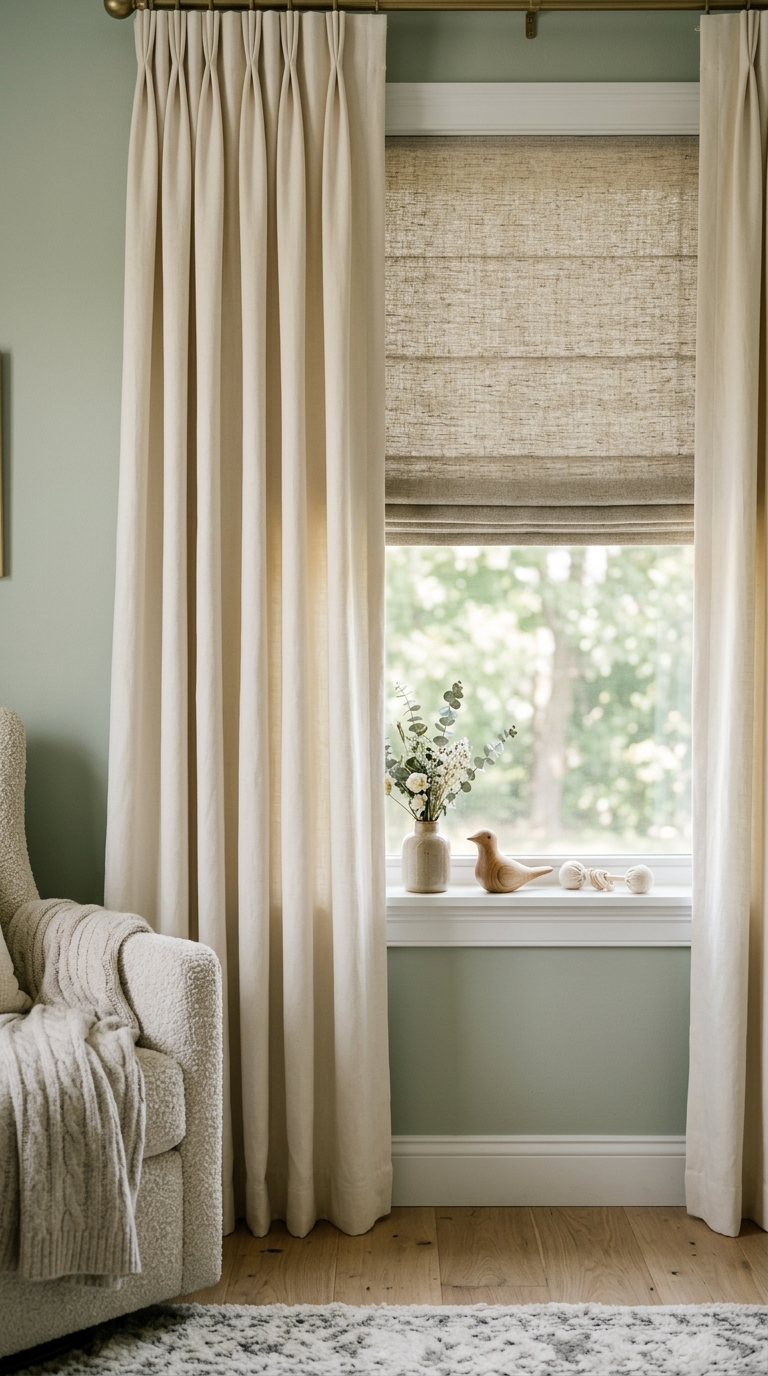
Mistake 1: Not Prioritizing Blackout Window TreatmentsOne of the single most important elements of any sleep environment, especially for infants, is light control. A common mistake is falling in love with sheer, gauzy curtains that look incredibly dreamy but do absolutely nothing to block out the early morning sun or the bright streetlights at night. Babies have unrefined circadian rhythms, and light plays a major role in signaling to their brains that it is time to wake up. If the nursery is flooded with natural light at 5:00 AM, chances are, your baby will be waking up at 5:00 AM.The solution is to invest in high-quality blackout blinds or curtains. You do not have to sacrifice style for function; many beautiful fabrics now come with built-in blackout linings. Alternatively, you can install a discreet blackout roller shade mounted inside the window frame and layer your favorite decorative curtains over it. This allows you to have soft, filtered light during awake times and complete darkness for naps and nighttime sleep.
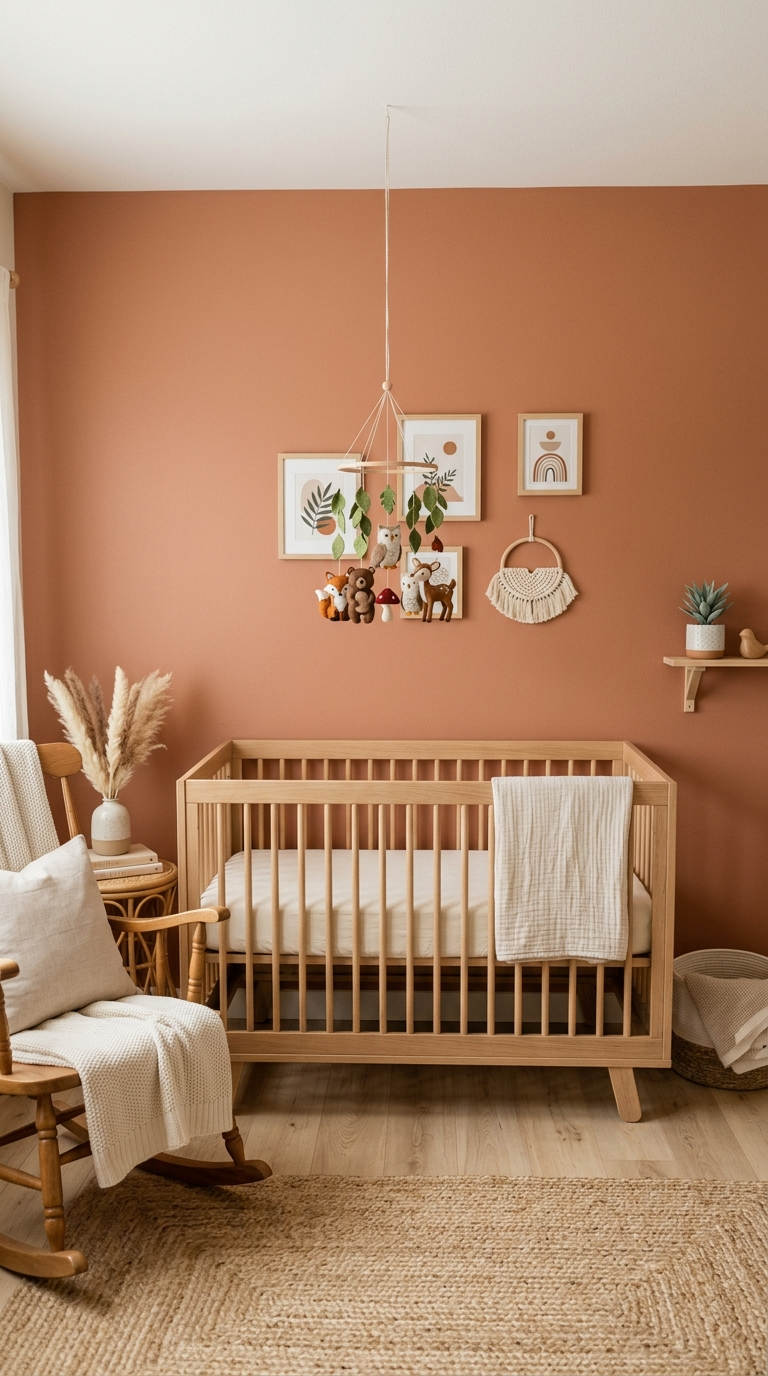
Mistake 2: Choosing Overstimulating Color PalettesWhile primary colors and highly contrasting geometric patterns might seem fun and playful, they are not always conducive to sleep. A nursery is primarily a bedroom, and the color palette should reflect a calming atmosphere. Painting all four walls a bright, energetic yellow or a vibrant red can overstimulate a baby’s developing nervous system, making it much harder for them to wind down before sleep.Instead, opt for soothing, muted tones. Soft sage greens, warm terracottas, gentle dusty blues, or warm neutral beige tones are excellent choices. If you want to incorporate bolder colors or fun patterns, do so through easily changeable accessories like rugs, wall art, or crib sheets. A popular approach is using a soft, calming color for the main walls and adding a playful wallpaper accent behind the crib, keeping the baby’s direct line of sight peaceful when they are trying to sleep.
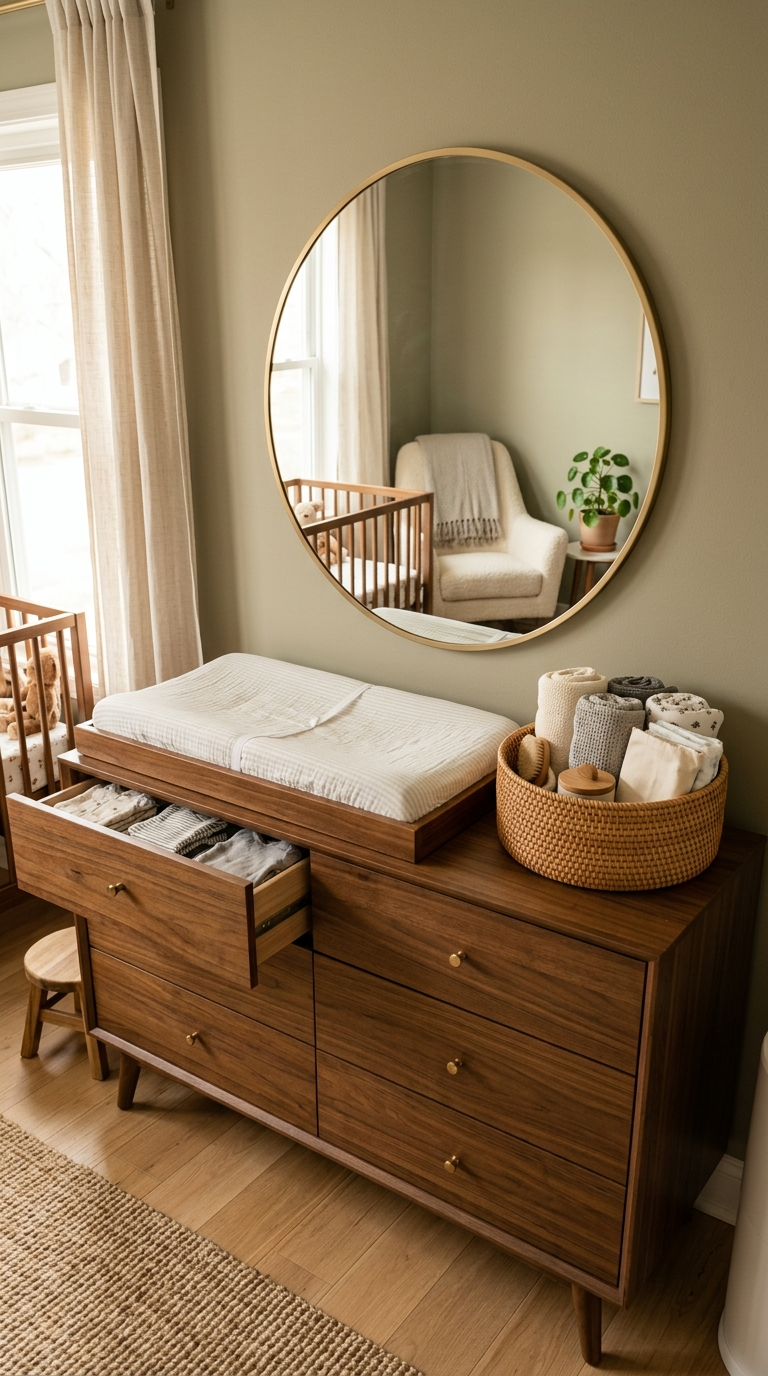
Mistake 3: Forgetting the Power of Transition and GrowthBabies grow at an astonishing rate, and a room designed exclusively for a newborn will quickly become obsolete. Purchasing heavily themed, baby-specific furniture—like a changing table that cannot be repurposed or tiny, toddler-sized wardrobes—is a fast track to needing a complete room overhaul in just a couple of years. Investing heavily in a highly specific theme (like cartoon characters) can also date the room rapidly as your child’s interests change.Think long-term when selecting foundational furniture pieces. Instead of a dedicated changing table, buy a high-quality, full-sized dresser and secure a changing pad to the top. Once your child is out of diapers, you simply remove the pad, and you have a beautiful dresser that will last them through their teenage years. Choose a convertible crib that transitions into a toddler bed and eventually a full-sized bed. Keep the foundational elements neutral and versatile.
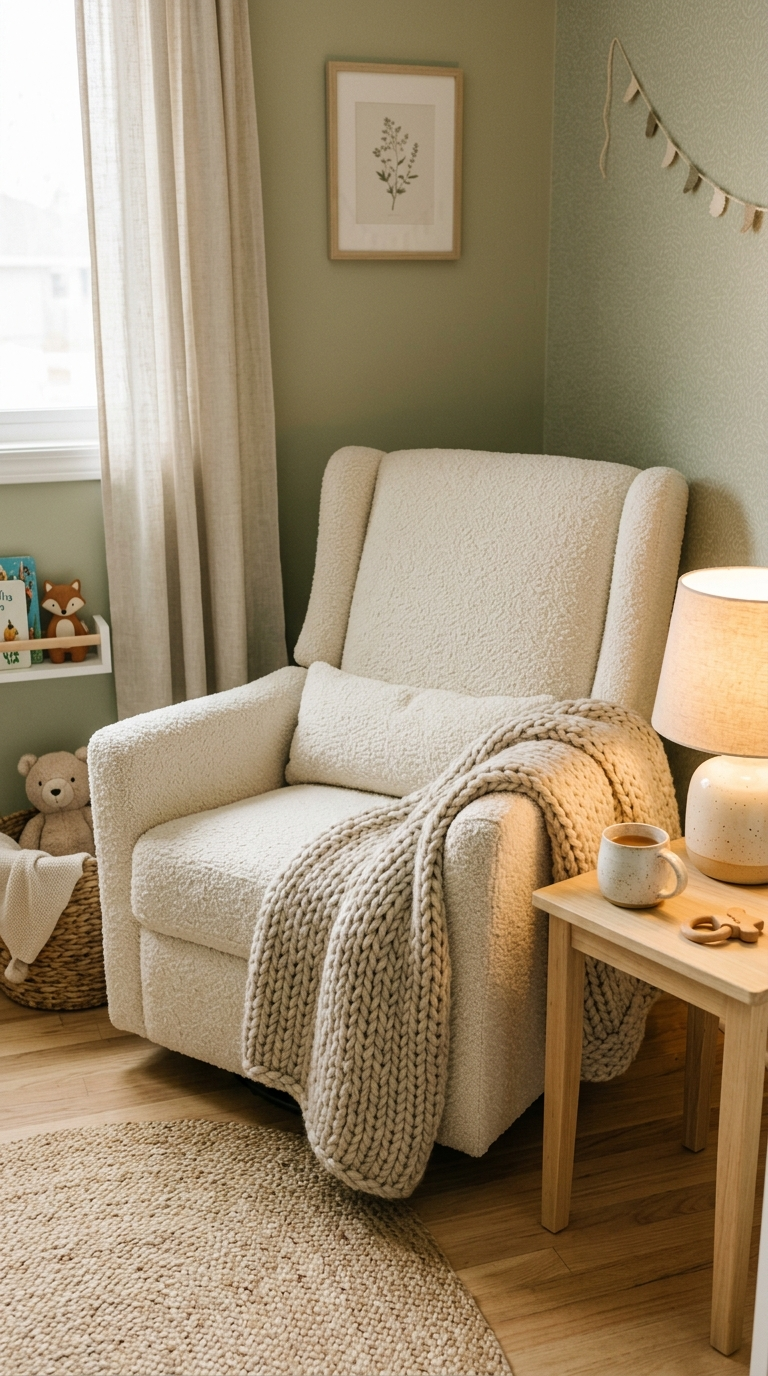
Mistake 4: Uncomfortable Seating for the ParentsParents spend countless hours in the nursery feeding, rocking, reading, and comforting their baby. Buying an aesthetically pleasing but stiff and uncomfortable chair is a regret many parents have during their first 3:00 AM feeding. A rigid wooden rocker might look perfect in a vintage-themed room, but it will not provide the necessary lumbar support or cushioning for long, exhausting nights.Prioritize ergonomics and comfort over aesthetics when choosing nursery seating. Look for a plush glider or recliner with excellent back support, padded armrests (crucial for supporting your arms while holding the baby), and a smooth gliding mechanism. Consider a chair with a matching ottoman so you can elevate your feet. Stain-resistant, performance fabrics are also a must, as spills and messes are inevitable.
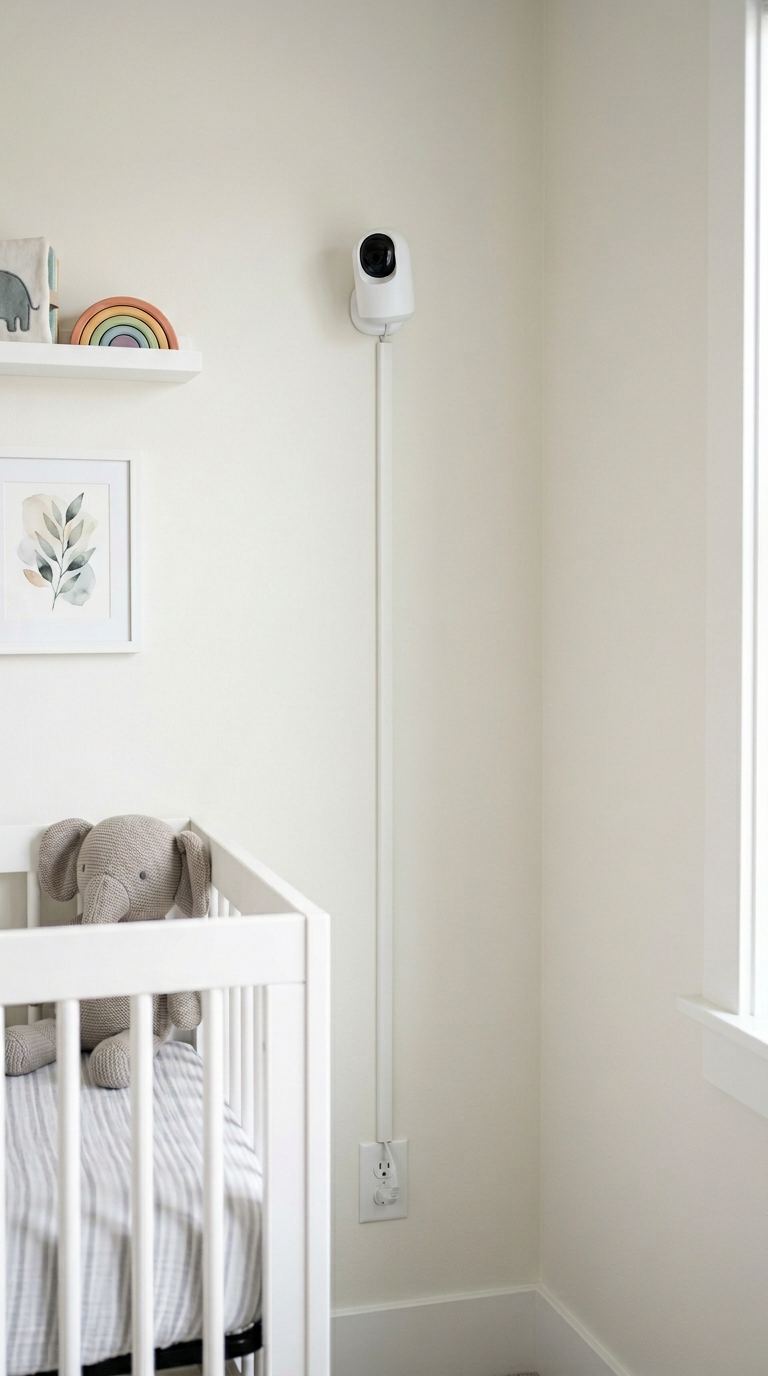
Mistake 5: Neglecting Cord Safety and Outlet CoversBefore you know it, your immobile newborn will be crawling, pulling up, and exploring every square inch of their room. Waiting until they are mobile to baby-proof the nursery is a dangerous oversight. One of the biggest hazards involves window blind cords, lamp wires, and baby monitor cables.Plan your layout with safety in mind from day one. Ensure the crib is positioned far away from any window blinds with cords. Mount the baby monitor securely to the wall, making sure the cord is completely enclosed in a cord concealer and well out of arm’s reach from the crib. Tuck lamp cords behind heavy furniture and install tamper-resistant outlet covers on all electrical receptacles. Securing all heavy furniture, like dressers and bookshelves, to the wall with anti-tip anchors is absolutely non-negotiable.
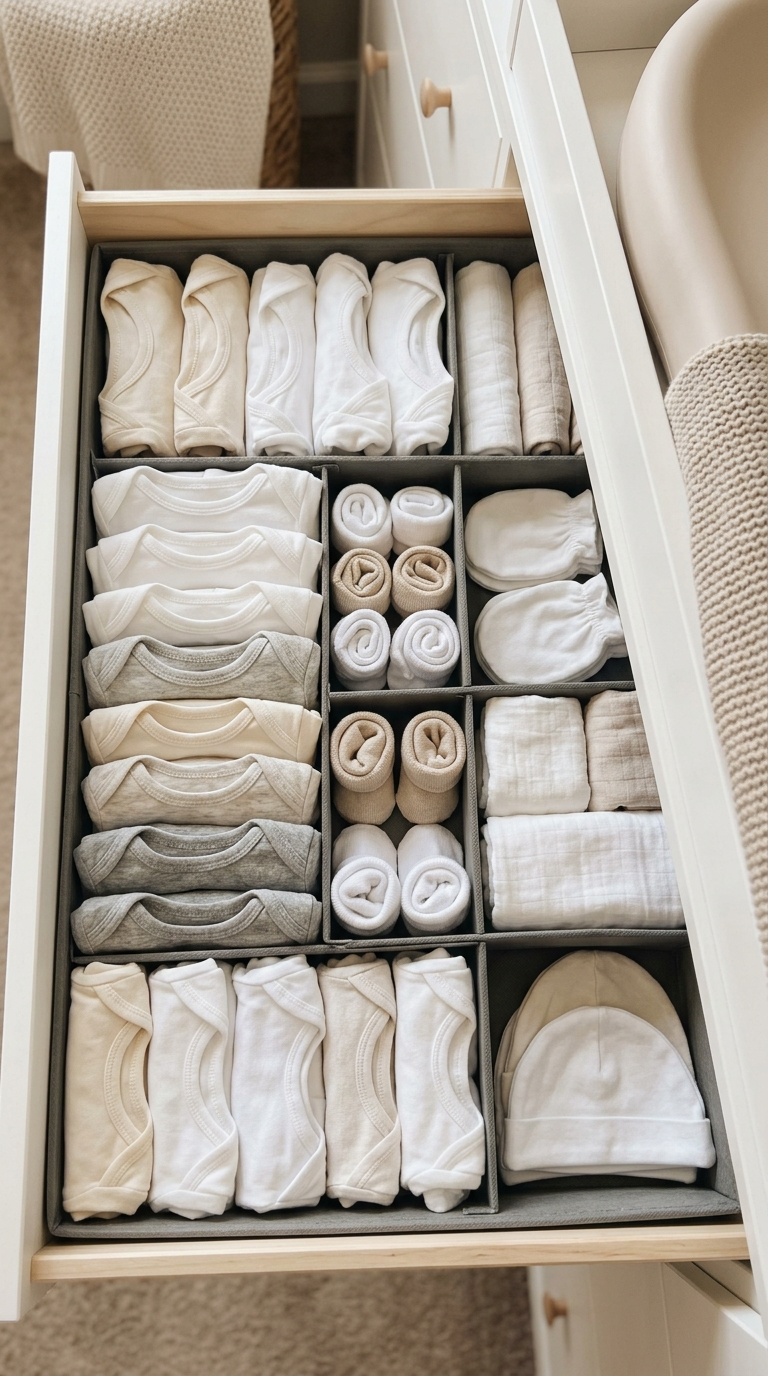
Mistake 6: Underestimating Storage NeedsIt is astonishing how many things such a tiny human requires. Diapers, wipes, creams, swaddles, blankets, burp cloths, clothes in multiple sizes, toys, books, and medical supplies—the list goes on. Failing to incorporate adequate and accessible storage leads to a cluttered, chaotic environment, which increases parent stress.Maximize every inch of storage space. Use drawer dividers in the dresser to keep tiny socks and onesies organized. Utilize the space under the crib with rolling storage bins for extra blankets or next-size-up clothing. Install floating shelves for books and decorative items, freeing up floor space. Woven baskets are excellent for quickly tossing toys into at the end of the day, keeping the floor clear for safe nighttime navigation.Mistake 7: Ignoring Washability and DurabilityNurseries are messy places. Choosing delicate fabrics, impossible-to-clean rugs, or non-washable wallpapers will lead to immense frustration. A pristine white, deep-pile shag rug might look incredibly soft, but it will be a nightmare to clean when a bottle spills or a diaper leaks.Opt for durable, easy-to-clean materials. Washable rugs are a fantastic invention for nurseries; you can simply toss them in the washing machine when accidents happen. Choose semi-gloss or satin paint for the walls instead of flat paint, as it is much easier to wipe down sticky fingerprints. Ensure all upholstery is either slipcovered and machine-washable or treated to resist stains.By avoiding these seven common pitfalls, you will create a beautifully functional nursery that provides a calm haven for your baby and a stress-free environment for you.
Is your bedroom keeping you awake? Learn the critical layout, lighting, and decor mistakes to avoid if you want to optimize your space for perfect sleep.
Step into a world of sophisticated bedroom design. Uncover the secrets to layering textures, selecting premium palettes, and designing a luxury retreat.
Transform your baby’s room into a fairytale wonderland with these whimsical DIY nursery ideas. Create a magical, imaginative space without breaking the bank.
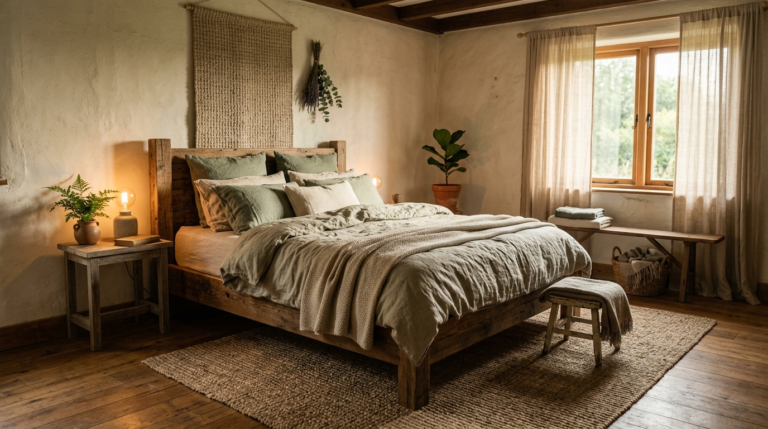
Transform your sleeping quarters into a serene rustic sanctuary with beautiful layered linens, warm wood tones, and cozy lighting for ultimate relaxation.
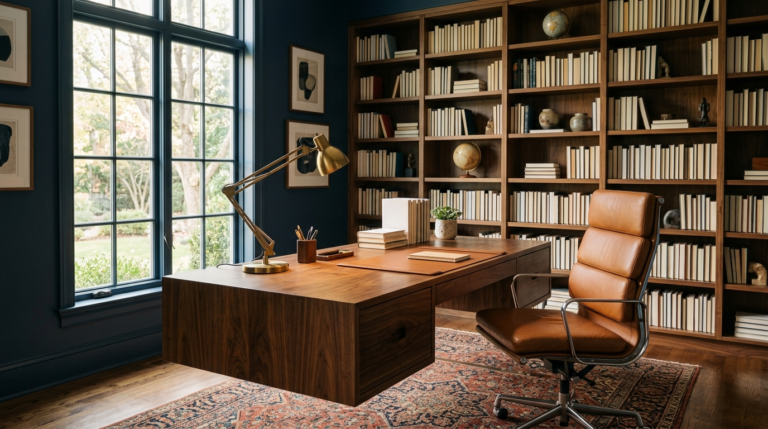
Learn how to curate a home office that boosts productivity and creativity. Follow our comprehensive guide to warm, classic, and ergonomic workspace design.
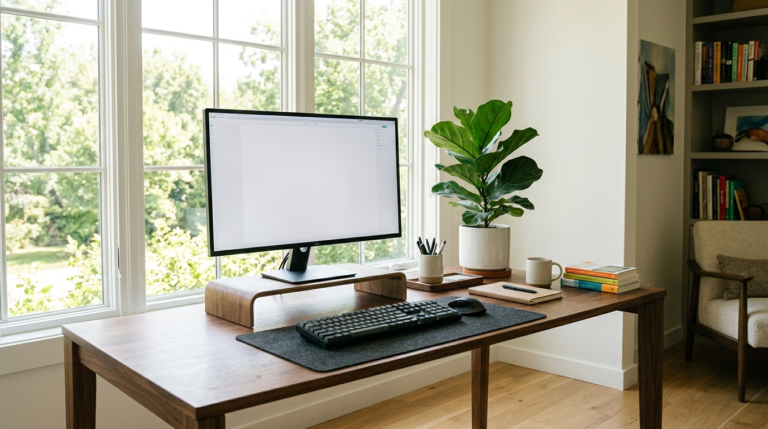
Boost productivity and style with these clever home office design ideas, featuring smart desk storage, ergonomic chairs, and aesthetic decor inspiration. (158 chars)