The Magic of an Attic Sanctuary
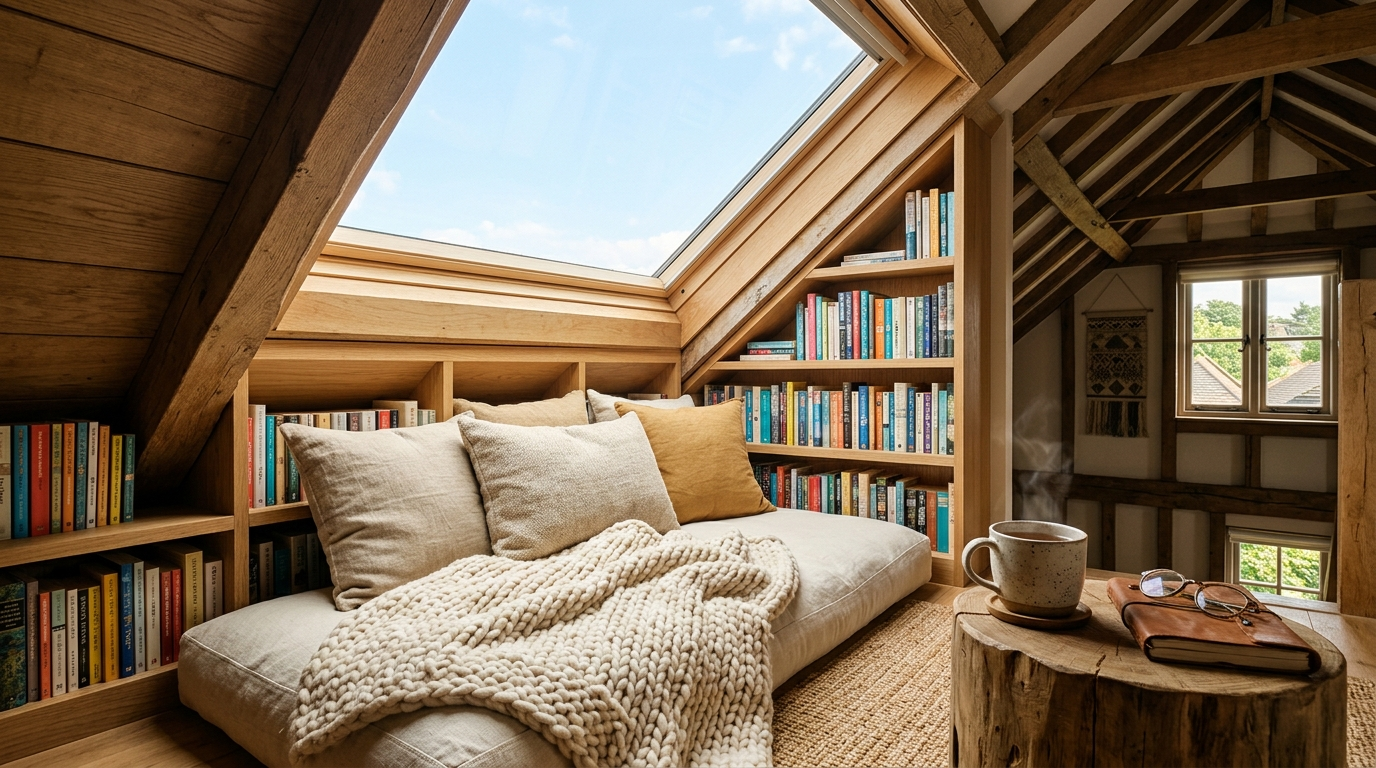
There is something inherently magical about an attic space. Tucked away beneath the rafters, removed from the daily hustle and bustle of the rest of the household, an attic offers the perfect structural canvas for creating an intimate, cozy reading nook. Whether you have an entire finished third floor or a small, overlooked corner underneath a sloped eave, transforming this architectural quirk into a dedicated literary sanctuary is an excellent way to maximize your home’s square footage while cultivating personal wellness and peace.
Designing a reading nook within an attic presents a unique set of challenges and opportunities. Slanted ceilings, irregular wall shapes, and variable natural lighting conditions require a thoughtful, intentional approach to interior styling. However, when approached with a strategic eye for layout, texture, and structural customization, these exact challenges can be leveraged to create a highly personalized space that feels entirely separated from the outside world. Let us dive deep into the ultimate guide for creating your dream attic reading retreat.
1. Embracing Low Ceilings with Floor Cushions and Low-Profile Seating
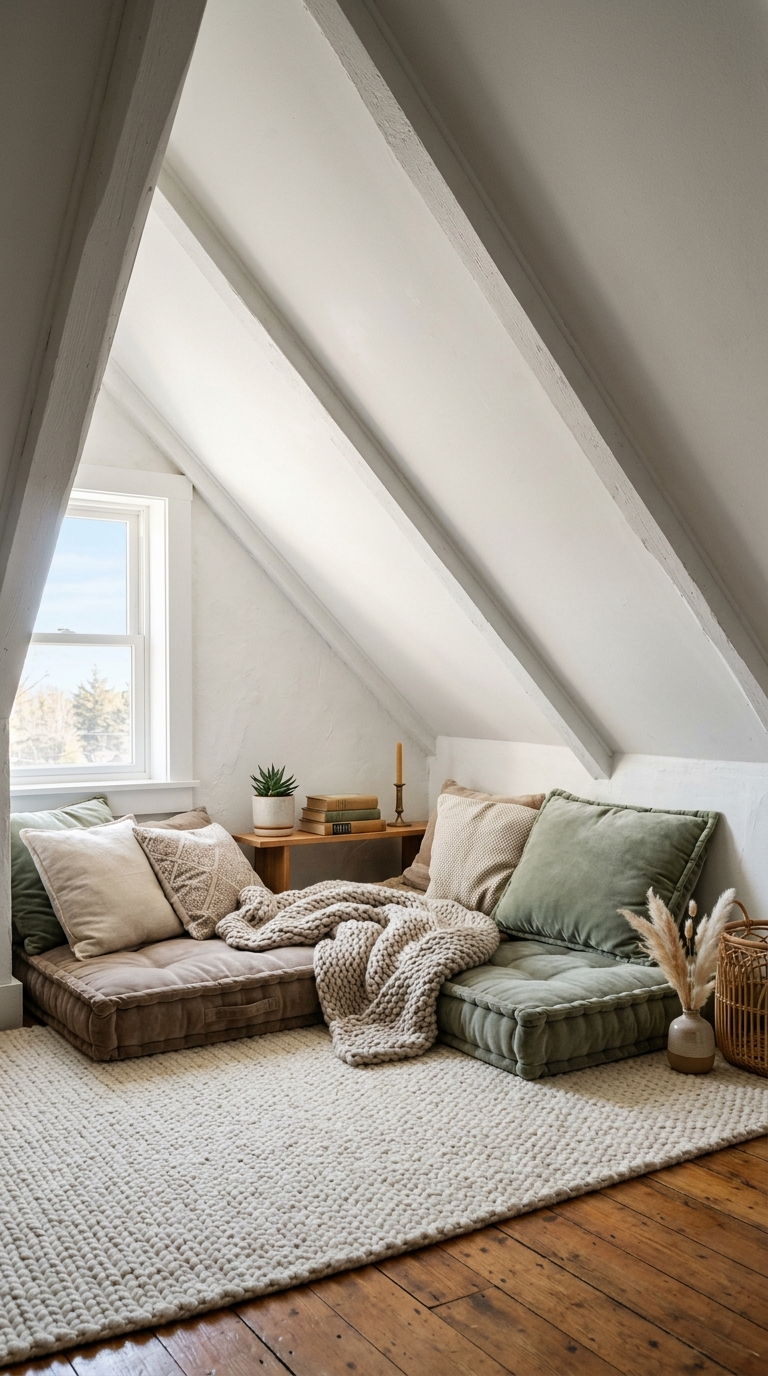
One of the most defining characteristics of an attic space is the presence of dramatic, low-sloping ceilings. Instead of viewing these structural angles as a limitation, successful interior designers embrace them by utilizing low-profile furniture arrangements. When you lower the seating plane closer to the floor, you instantly create an optical illusion of greater vertical height while simultaneously fostering an incredibly grounded, bohemian, and cozy atmosphere.
To implement this look, consider skipping traditional bulky armchairs altogether. Instead, opt for a collection of high-density foam floor cushions, plush tufted daybeds, or Japanese-style tatami layouts. Layering a thick, oversized wool rug beneath these seating elements adds immediate insulation and softness. Complement the floor setup with an abundance of large European linen shams and velvet throw pillows, allowing readers to shift, recline, and nestle comfortably into the contours of the room for hours on end without strain.
2. Maximizing Skylights and Embracing Natural Daylighting
Lighting is the lifeblood of any functional reading environment. In an attic space, natural light is often delivered via architectural skylights or small gable windows. Positioned correctly, a skylight can track the shifting trajectory of solar rays throughout the day, bathing your book pages in a soft, non-glare illumination that minimizes eye strain and elevates mood.
When planning your reading nook layout, position your primary seating arrangement directly beneath or adjacent to the largest window source. If your attic skylight is particularly large, consider installing an adjustable solar shade or a sheer linen curtain system. This ensures that during peak afternoon hours, you can diffuse harsh, direct sunlight into a gentle, ambient glow, keeping the space thermally comfortable and visually optimized for long hours of reading absorption.
3. Smart Built-In Bookcases Tailored to Slanted Eaves
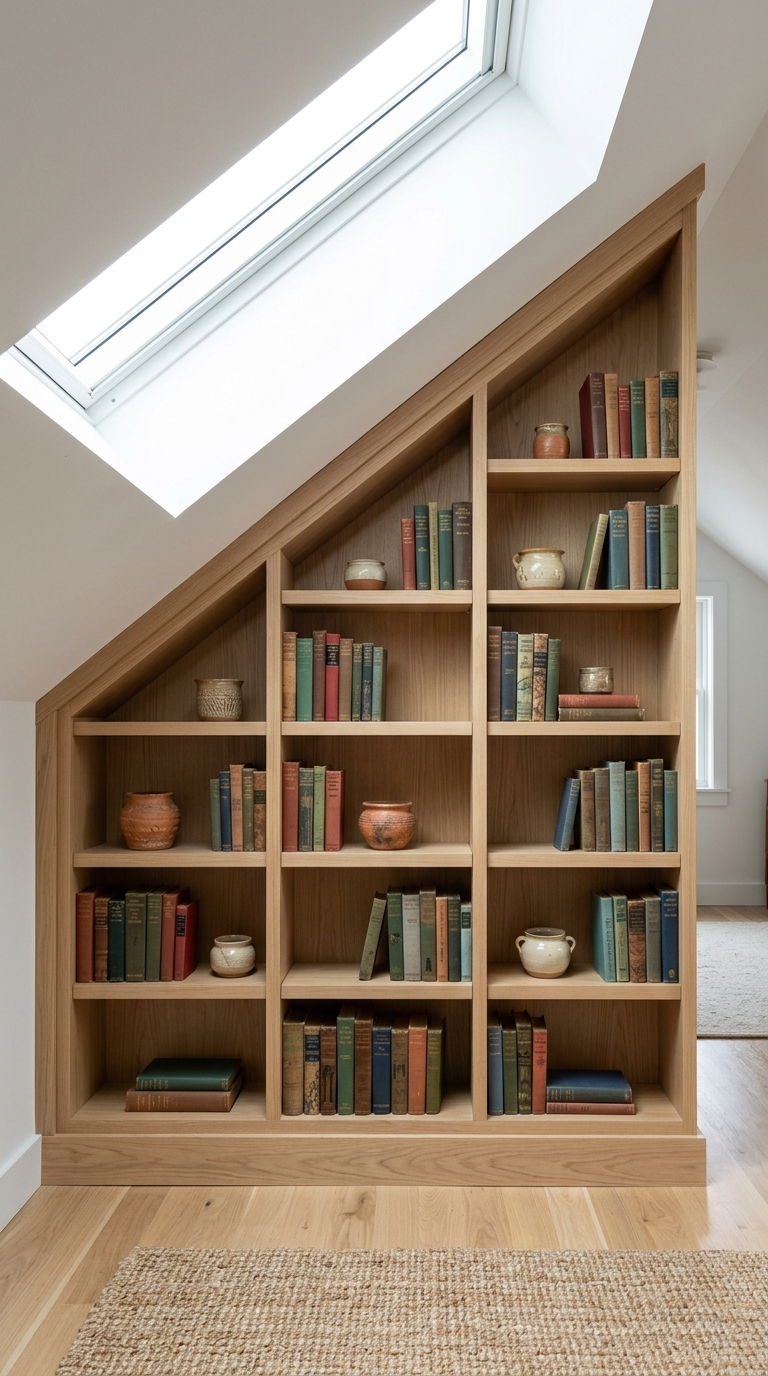
Storage is another critical consideration when designing a dedicated literary space. Standard, rectangular off-the-shelf bookcases rarely fit neatly beneath the unique angles of an attic roofline. To truly optimize your space, investing in custom built-in shelving tailored specifically to the pitch of your eaves is a design game-changer.
By building shelves directly into the low knee-walls of your attic, you turn previously unusable, awkward square footage into a stunning structural feature. This design choice keeps the center of the room open, making the small attic footprint feel much larger than it actually is. Organize your books by color, size, or author to add a curated, intentional aesthetic, and leave occasional gaps in the shelves to display small sculptural objects, ceramic vases, or personal memorabilia.
4. The Cozy Window Seat and Daybed Combination
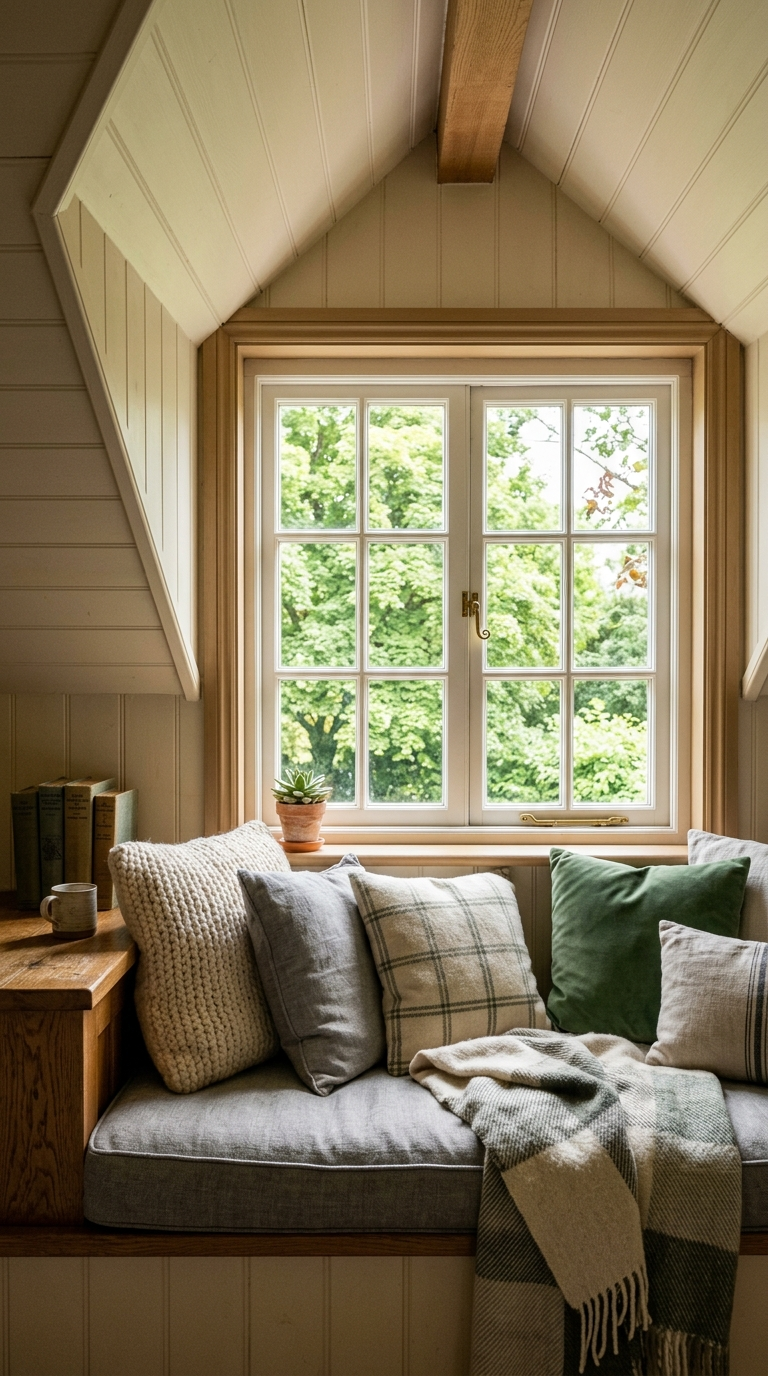
If your attic features a dormer window, you possess the absolute perfect structural framework for a classic built-in window seat. A window seat serves a multi-functional purpose: it offers an exceptionally comfortable deep-set platform for lounging, provides integrated hidden storage drawers beneath the seat cushion, and anchors the visual focus of the entire room.
When constructing a window seat daybed, prioritize a high-quality cushion wrap upholstered in a durable, performance-grade fabric such as textured tweed or soft canvas. Ensure the depth is wide enough—ideally at least thirty inches—to allow you to sit sideways with your legs extended against the window casing frame. This arrangement offers a panoramic view of the outdoors while keeping you enveloped in a secure, structural architectural embrace.
5. Monochromatic and Warm Neutral Color Palettes for Serenity
The color palette you select for your attic reading nook will heavily influence its perceived spatial dimensions and psychological comfort. Because attics can easily feel cramped or dark if painted poorly, leaning into a cohesive scheme of monochromatic or warm neutral tones is highly recommended by design professionals.
Shades of creamy alabaster, soft oatmeal, muted taupe, and gentle sage green reflect light beautifully without feeling sterile or stark. Consider painting the walls, trim, and sloped ceiling beams all the exact same color, utilizing a matte or eggshell finish. This unified paint technique blurs the hard architectural transitions between the vertical walls and the sloping ceiling lines, visually expanding the room and creating a seamless, cloud-like envelope of total tranquility.
6. Layering Tactile Textures with Chunky Knits and Organic Materials
To prevent a minimalist neutral color scheme from feeling flat or uninspiring, it is essential to inject a rich variety of tactile textures into the reading nook. Sensory engagement via texture is what transforms a simple room into an irresistibly cozy sanctuary where you want to curl up and hide away from the world.
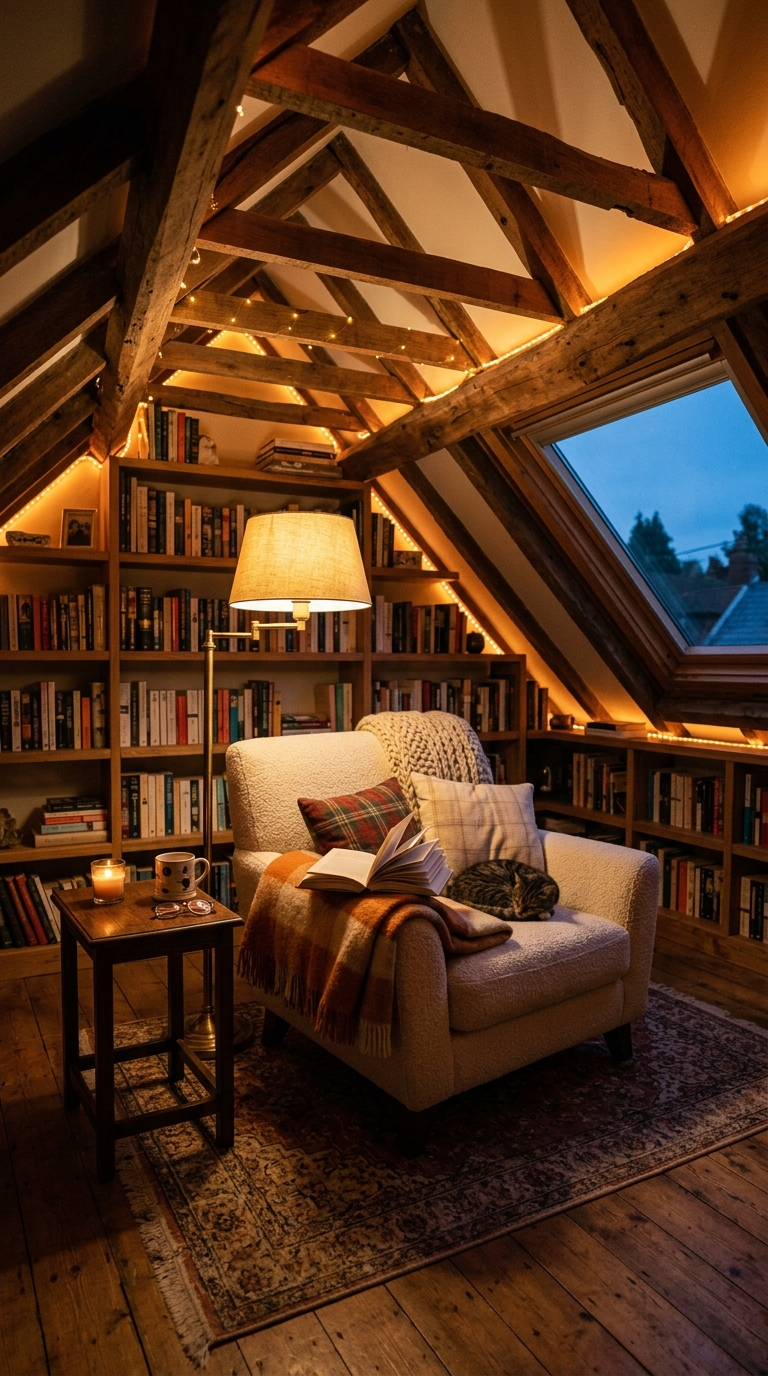
Incorporate a diverse mix of natural and organic materials throughout the space. Combine a woven rattan side table with a chunky cable-knit wool throw blanket. Introduce the soft contrast of a premium faux-fur rug over an earthy jute or sisal floor covering. By layering these contrasting surfaces—smooth linens against rough woods, soft knits against structured weaves—you create a rich visual tapestry that radiates physical warmth and comfort even on the coldest, rainiest winter afternoons.
7. Layered Ambient Lighting for Enchanting Evening Reading
While maximizing daytime natural light is crucial, a truly successful reading nook must be equally enchanting after the sun sets. Relying solely on a harsh, centered overhead ceiling light can ruin the intimate mood of an attic space. Instead, focus on a curated strategy of layered ambient and task lighting.
Position an adjustable, slender brass floor lamp or an articulated wall sconce directly behind your main seating area to cast a focused beam over your shoulder onto your book pages. Supplement this task lighting with soft ambient sources: weave warm-toned LED fairy lights along exposed wooden ceiling beams, or place cordless, dimmable amber glass table lamps on low bookshelves. This multi-tiered lighting approach allows you to precisely control the mood, casting gentle shadows that emphasize the cozy, cocoon-like architecture of the attic.
8. Incorporating Lush Indoor Greenery and Air-Purifying Plants
No interior sanctuary is fully complete without the life-giving presence of living plants. Incorporating indoor greenery into your attic reading nook not only elevates the visual design with organic lines and vibrant color but also actively improves indoor air quality by filtering toxins and releasing fresh oxygen.
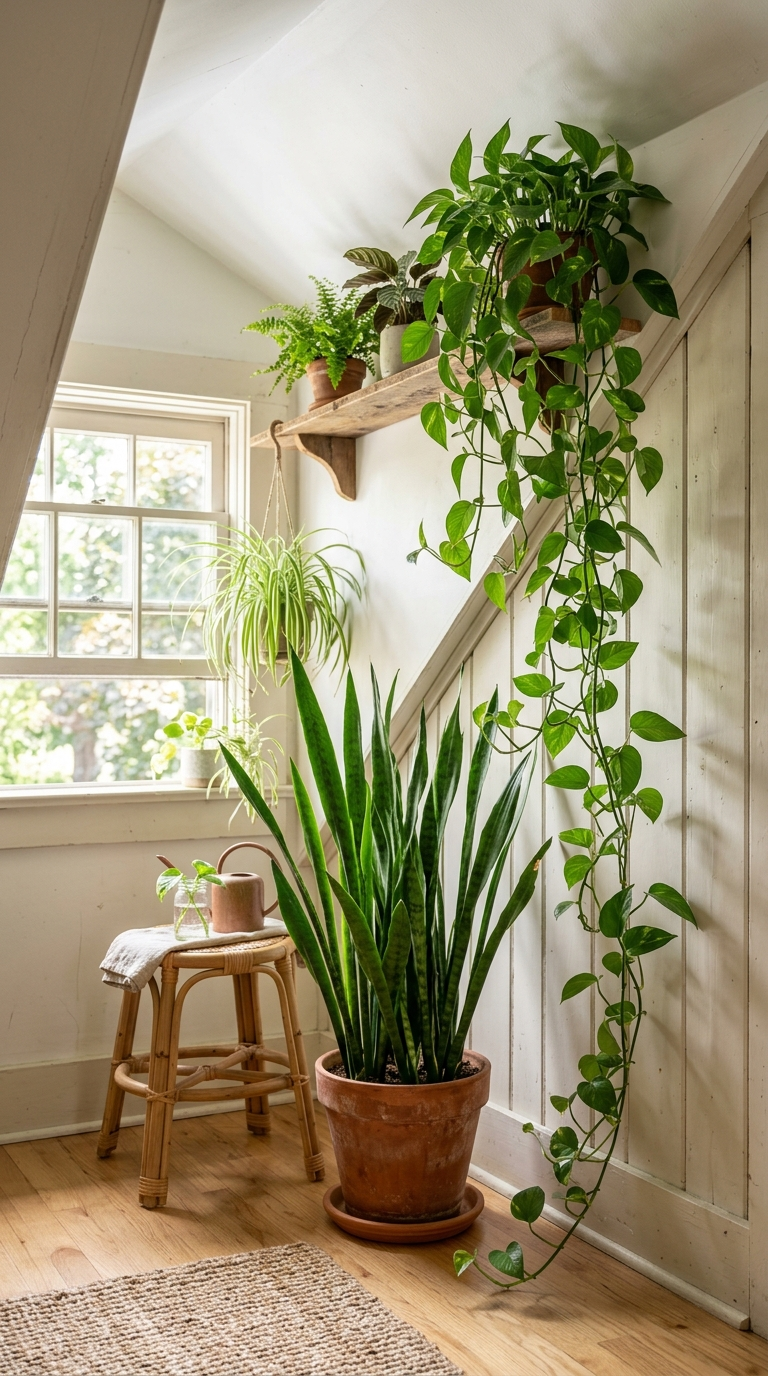
Choose plant varieties that thrive in the specific light conditions your attic provides. If your space receives bright, indirect sunlight from a skylight, options like a trailing Pothos, a structural Snake Plant, or a delicate Heartleaf Philodendron are ideal. Position trailing plants on top of high built-in shelves, allowing their leafy vines to cascade elegantly down the sloping walls, bringing a refreshing touch of nature directly indoors to enhance your mental relaxation.
9. Designing a Hidden Secret Door Entrance
For those looking to take their attic renovation to an extraordinary, whimsical level, integrating a hidden secret door entrance is the ultimate design statement. There is an undeniable joy in accessing a private sanctuary via a concealed entry point, reminiscent of classic fantasy literature and historic estates.
A hidden entrance can be seamlessly constructed by installing a heavy-duty pivot hinge on a section of your hallway built-in bookcase. When closed, the bookcase looks completely integrated into the wall architecture, showing no signs of an opening. When gently pushed, the entire shelving unit swings open smoothly to reveal the secret staircase ascending into your hidden attic reading world, offering an unparalleled sense of privacy and playful escapism.
10. Setting Up a Dedicated Warm Beverage Station
To truly ensure that your attic reading nook is a self-sustaining haven of complete comfort, eliminate the need to constantly trek back downstairs to the main kitchen by installing a dedicated, minimalist warm beverage station right inside the space.
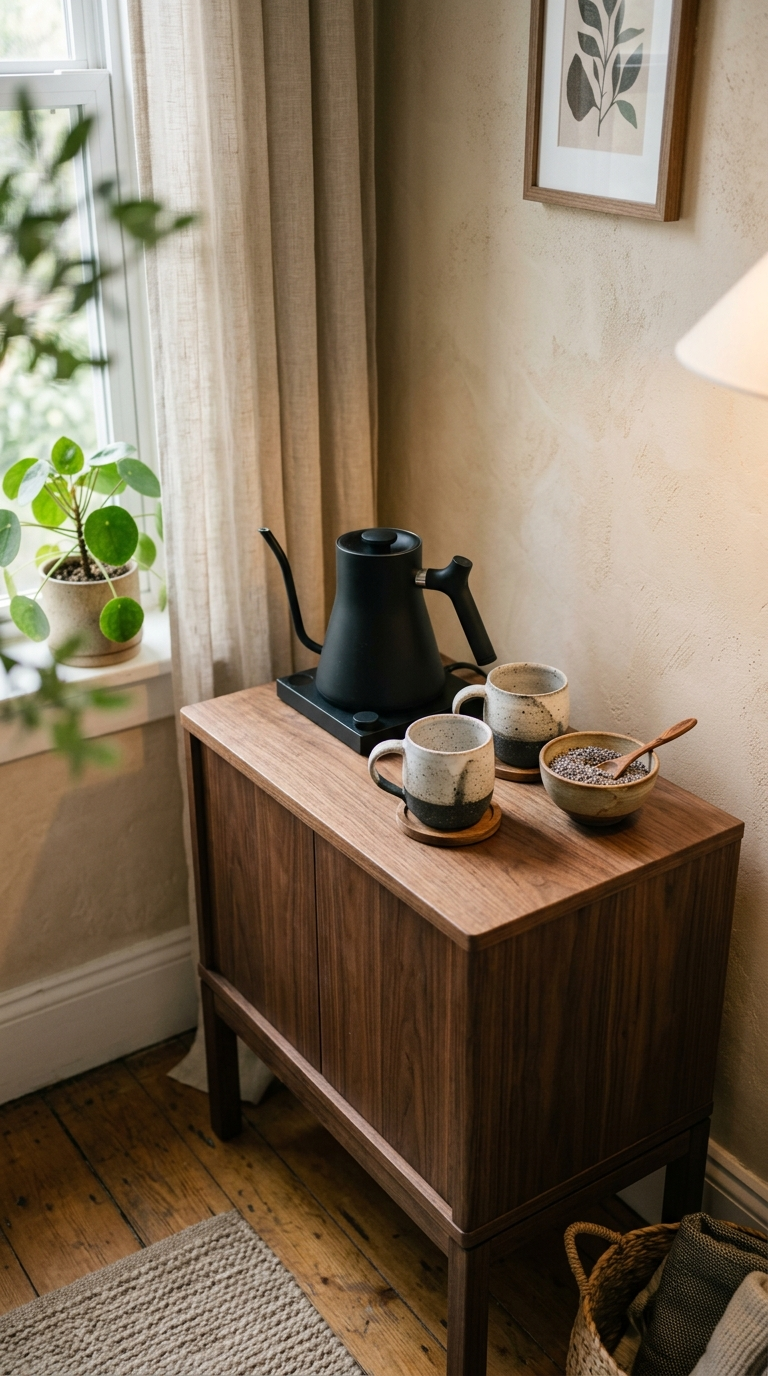
Select a small, elegant wooden console or a sleek mid-century modern side cabinet. Equip it with a premium electric ceramic tea kettle, a beautifully curated selection of loose-leaf herbal teas, gourmet coffee beans, and a set of handmade artisanal ceramic mugs. Keep a small stoneware jar filled with fresh shortbread cookies or dried fruits nearby. Having a freshly brewed, steaming cup of chamomile tea or rich pour-over coffee within arm’s reach ensures your literary immersion remains completely uninterrupted.
Final Thoughts on Designing Your Attic Haven
Transforming an attic or a forgotten corner into a beautifully structured reading nook is more than just an interior design project; it is an investment in creating a slower, more intentional lifestyle. By tailoring the furniture to match the unique architecture of your roofline, focusing on comforting textures, and layering the perfect lighting, you establish a physical boundary that honors quiet contemplation and mental restoration.
As you begin planning your own attic retreat, remember that the most successful spaces reflect the unique personality and comfort preferences of the individual reader. Take your time selecting the perfect cushions, sourcing books that bring you joy, and curating an environment that invites you to slow down, disconnect from digital screens, and lose yourself completely within the timeless pages of a magnificent book.
Explore the most captivating living room trends of the year. Uncover imaginative decor ideas, playful colors, and whimsical layouts for a magical space.
Step into elegance with our ultimate guide to designing a luxury entryway. Discover sophisticated styling tips to create a truly unforgettable first impression.
Discover the most captivating living room trends of the year. Explore expert tips on incorporating earthy palettes, sustainable materials, and cozy textures.
Is your dining room feeling cramped, uninviting, or purely functional? Identify and fix the most common dining room decor mistakes to create a warm, beautiful gathering space.
Is your entryway feeling cluttered, dark, or unwelcoming? Discover the 9 most common hallway decor mistakes and learn clean, minimalist solutions to fix them.