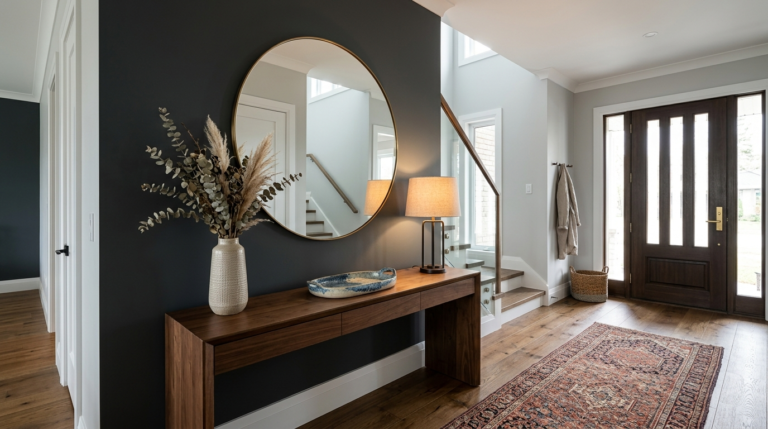
Your entryway is the absolute first impression anyone gets when they step foot into your home. It sets the tone, establishes your personal style, and essentially introduces the aesthetic narrative of the rest of your living space. Yet, despite its critical importance in interior design, the entryway is frequently neglected, treated as a mere drop-zone for keys, coats, and mail rather than a thoughtfully curated space. If you have been struggling to make your hallway or foyer feel welcoming, you are certainly not alone. Many homeowners fall into the same design traps, inadvertently making their entryways feel cramped, chaotic, or entirely devoid of personality.In this comprehensive guide, we are going to dive deep into the most prevalent entryway decorating mistakes that design experts see time and time again. More importantly, we will provide you with actionable, practical, and highly stylish solutions to rectify these errors. From lighting blunders and scale issues to the total absence of functional storage, understanding what not to do is the very first step toward creating a breathtaking foyer. Whether you are working with a grand, sprawling entrance or a incredibly narrow corridor, these interior design principles apply universally. Let us explore how you can transform your entryway from a chaotic catch-all into a stunning, organized, and inviting space that makes you smile the moment you turn the key in the lock.
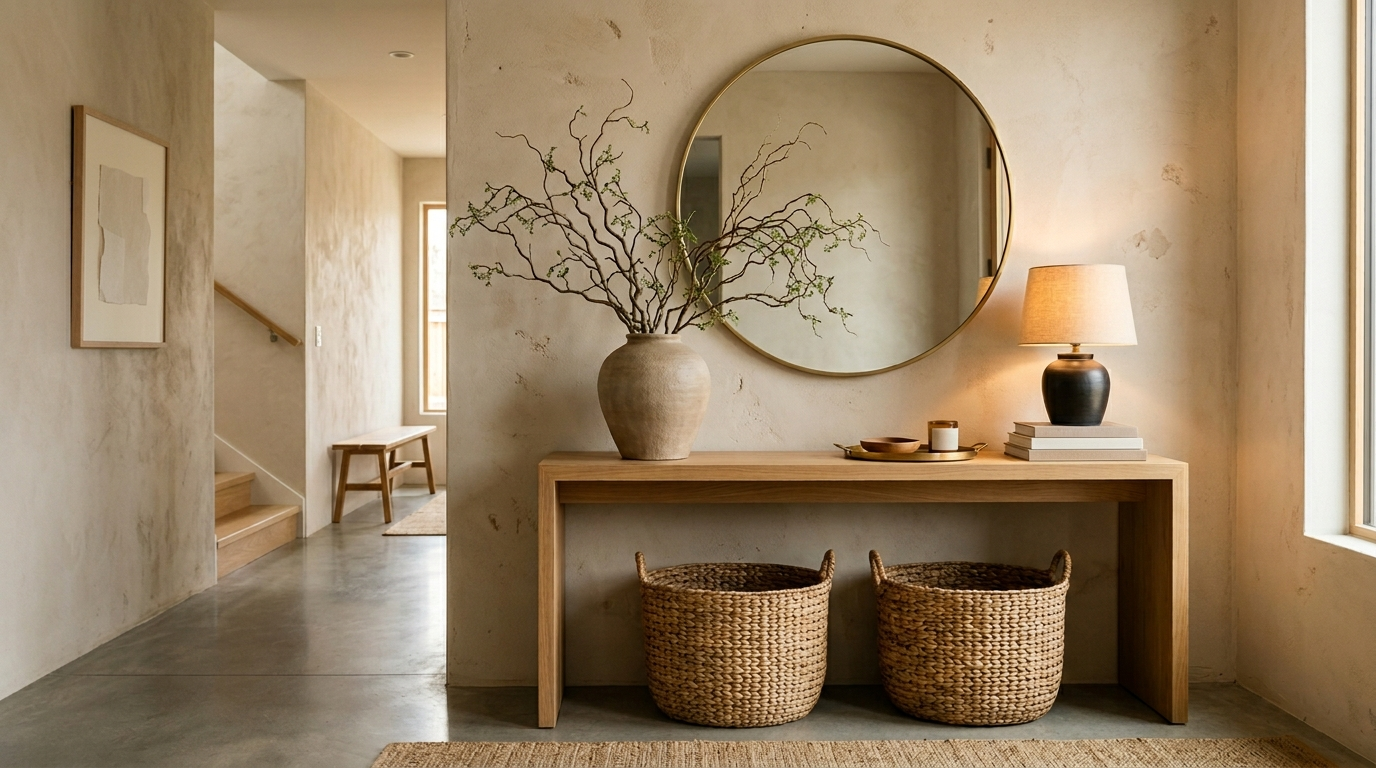
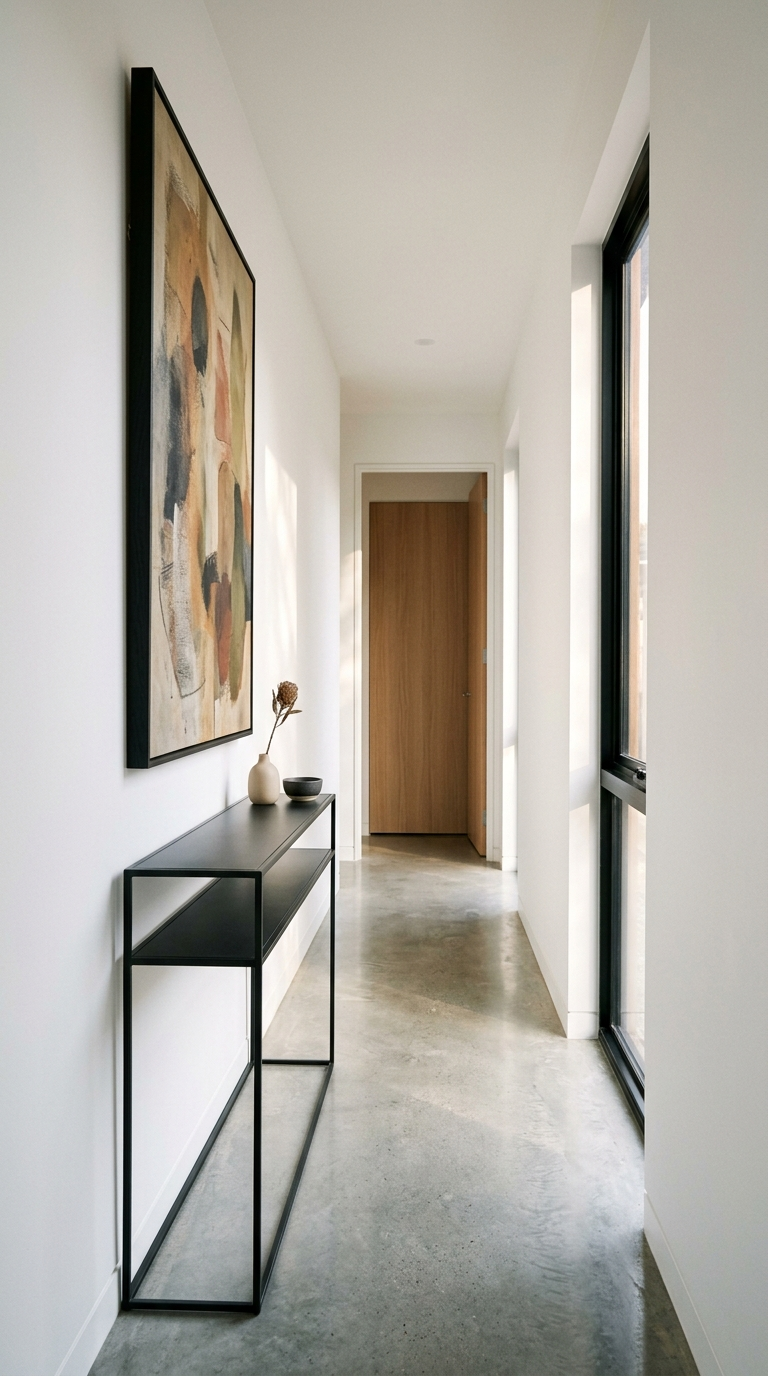
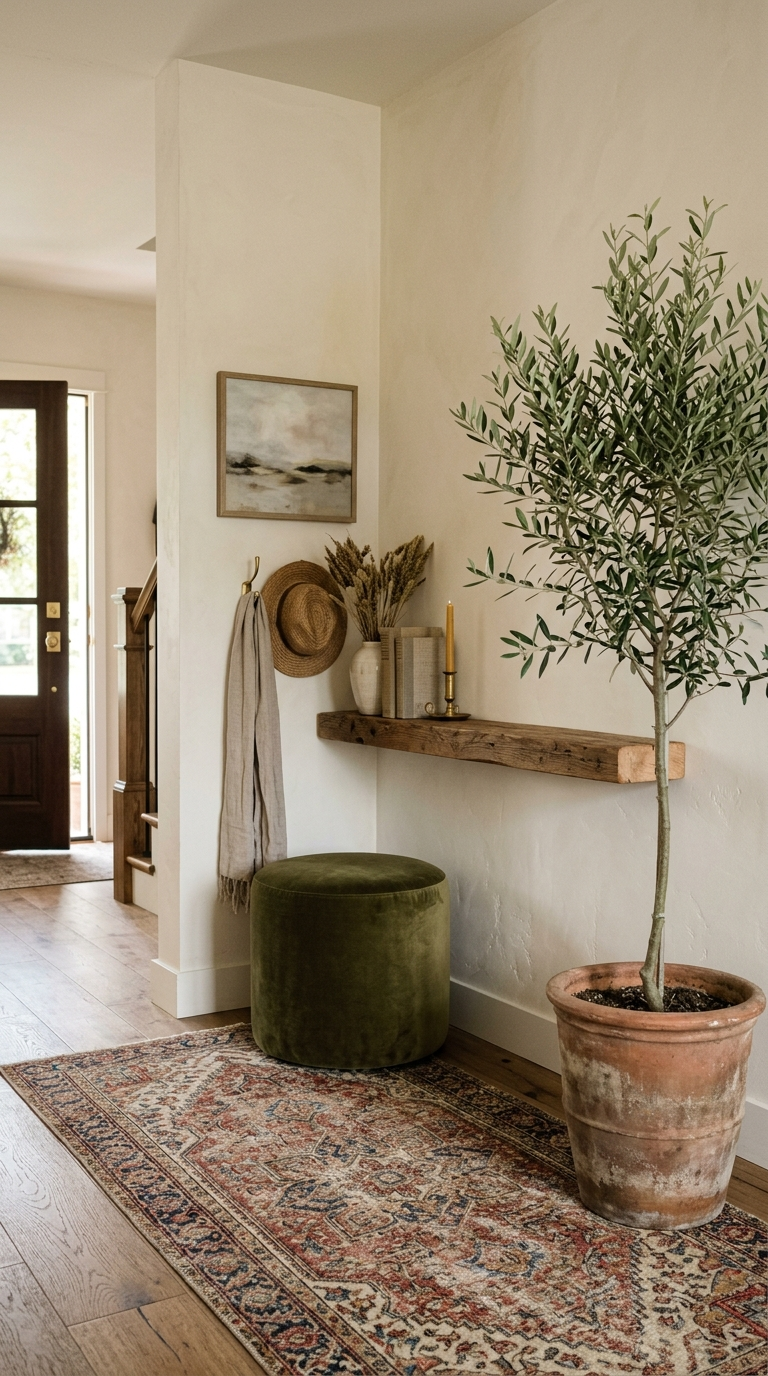
Mistake 1: Ignoring the Importance of Scale and ProportionOne of the most frequent and visually jarring mistakes made in entryway design is a fundamental misunderstanding of scale and proportion. It is incredibly common to see a massive, heavy console table shoved into a tiny, narrow hallway, instantly making the space feel claustrophobic and difficult to navigate. Conversely, placing a tiny, delicate accent table in a vast, soaring two-story foyer makes the furniture look completely lost and insignificant. Scale is the silent language of interior design; when it is wrong, the entire room feels fundamentally ‘off,’ even if the individual pieces of furniture are objectively beautiful.To correct this, you must meticulously measure your space before purchasing any furniture. For narrow hallways, look for slim-profile console tables that are no more than 10 to 12 inches deep. Floating shelves are another spectacular alternative for tight spaces, as they provide a surface for keys and decorative objects without eating into precious floor space. If you are blessed with a large, open foyer, you need substantial furniture to anchor the room. A large, round center table can serve as a stunning focal point, especially when styled with an oversized vase of fresh branches or a curated collection of coffee table books. Always consider the visual weight of the pieces you select; an airy, glass-topped table feels much lighter than a solid block of dark wood, which can drastically alter how spacious the entryway feels.Furthermore, do not forget the vertical scale. Entryways often feature higher ceilings than other rooms, or at least offer a blank vertical canvas. If you have tall ceilings, hanging a tiny piece of art will emphasize the awkward emptiness above it. Instead, opt for oversized artwork or a massive mirror that commands attention and fills the vertical void appropriately. The goal is to create a balanced, harmonious composition where every element feels perfectly tailored to the dimensions of the room.
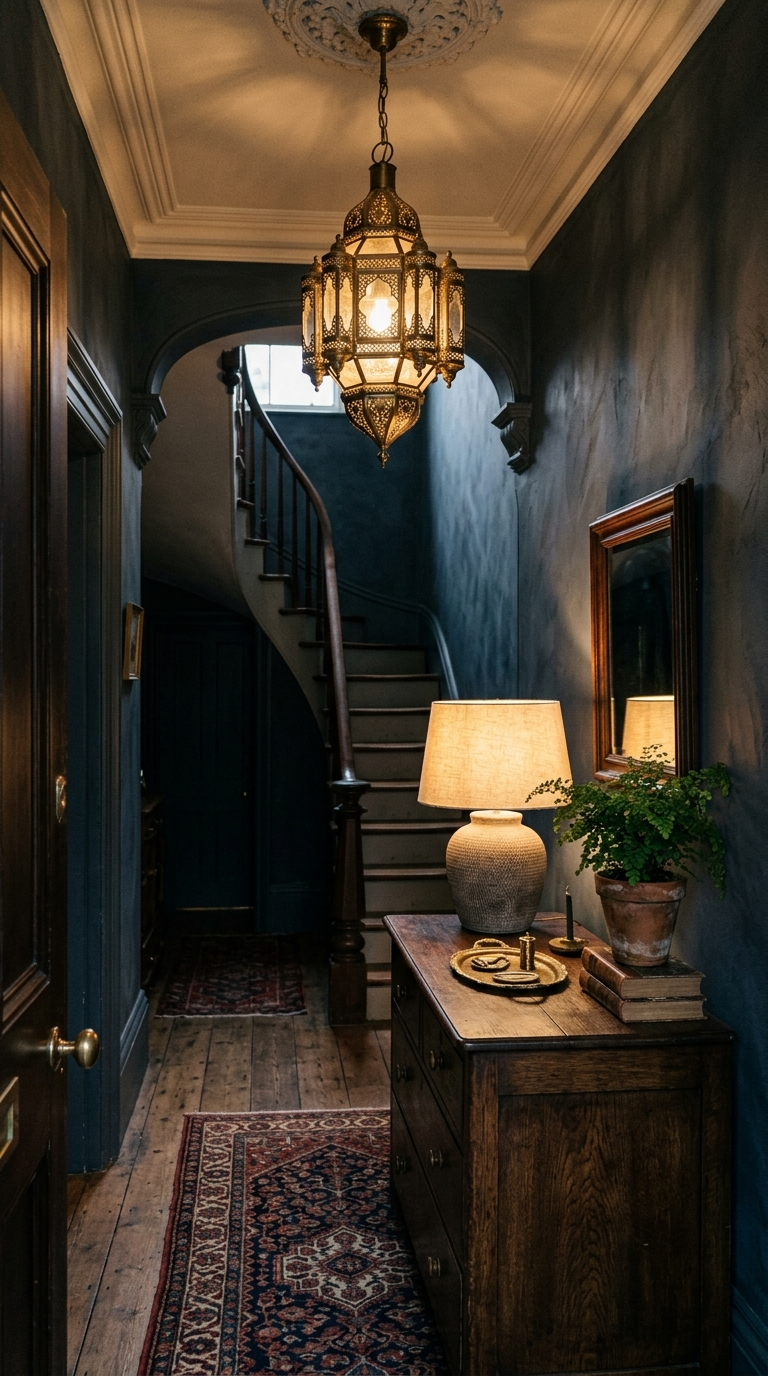
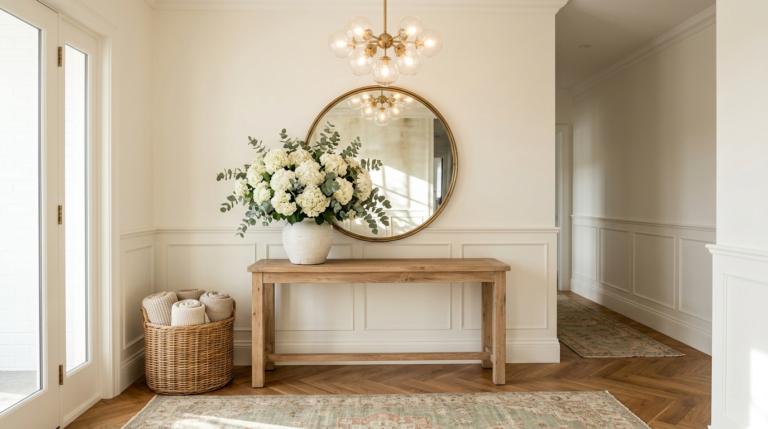
Mistake 2: Relying Exclusively on Overhead LightingLighting is arguably the most critical element in establishing the mood of a room, yet in entryways, it is often reduced to a single, glaring overhead fixture. Relying solely on the builder-grade flush mount or a harsh recessed light creates flat, uninviting shadows and totally destroys any potential for a warm, welcoming ambiance. A beautifully designed space can look completely unappealing if the lighting is clinical or inadequately layered.The secret to professional-looking design is layered lighting. You should aim for at least two, preferably three, sources of light in your entryway. First, address the ambient light by upgrading that central overhead fixture. A statement chandelier or an elegant pendant light instantly elevates the aesthetic and serves as a piece of art in its own right. Ensure the bulbs you use cast a warm, inviting glow—look for bulbs with a color temperature around 2700K to 3000K, which mimics the warmth of natural sunlight rather than the harsh, blue tint of sterile commercial lighting.Next, introduce accent lighting. This is where a gorgeous table lamp on your console table comes into play. A table lamp not only provides soft, localized illumination that is perfect for leaving on to welcome you home at night, but it also adds varying heights to your console styling. If space is incredibly tight, consider installing wall sconces on either side of a mirror. Sconces save valuable surface area while providing highly flattering, face-level light—which is especially useful if you are checking your reflection one last time before heading out the door.
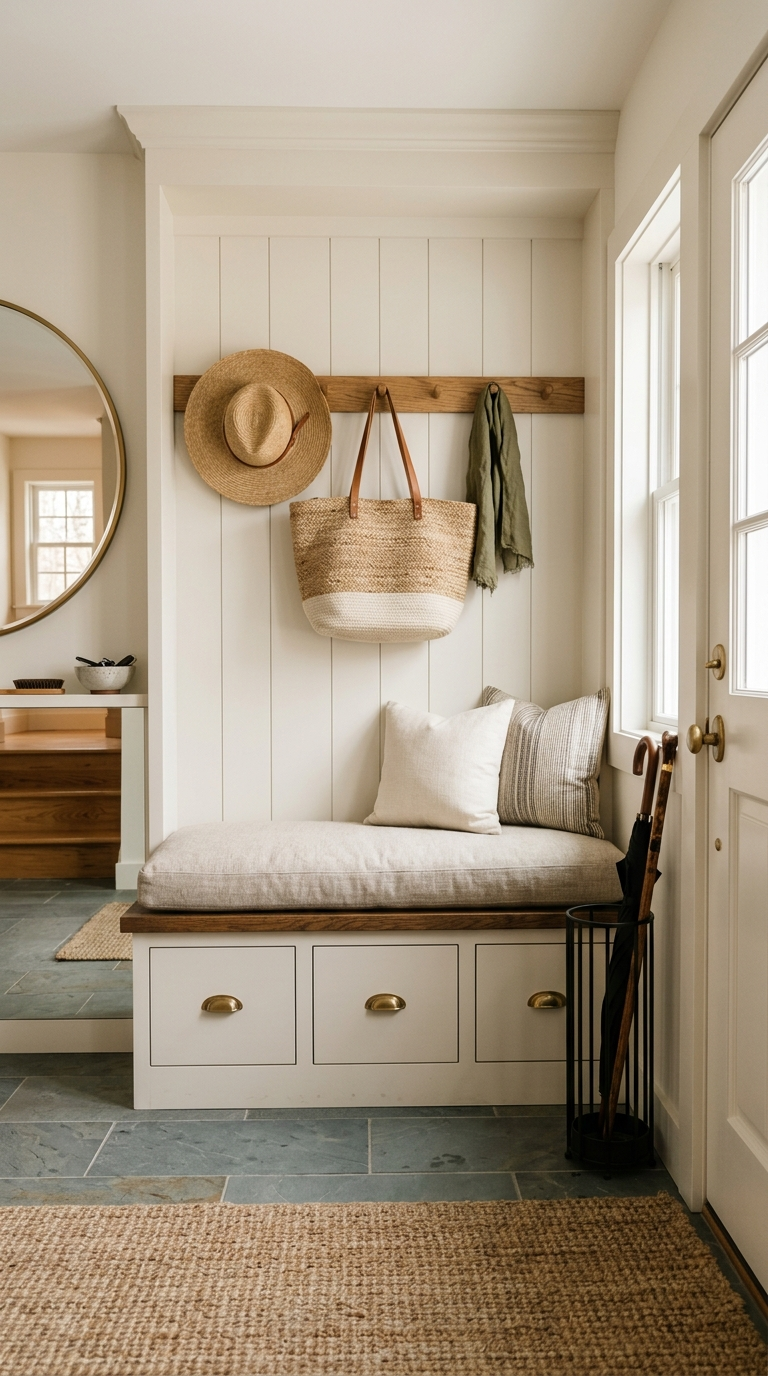
Mistake 3: Underestimating the Need for Concealed StorageLife is messy, and the entryway bears the brunt of that mess. Mail, backpacks, shoes, coats, dog leashes, and umbrellas all tend to accumulate within the first five feet of the front door. The third major mistake is prioritizing aesthetics so heavily over function that there is nowhere to actually put these everyday items. A perfectly styled console table with zero storage underneath quickly becomes a magnet for clutter, ruining the clean look you worked so hard to achieve.Concealed storage is your absolute best friend in an entryway. If your console table has an open bottom, you must utilize that space with attractive, large woven baskets. These baskets are perfect for quickly hiding away shoes or winter accessories while adding incredible texture and warmth to the design. If you are starting from scratch, strongly consider purchasing a closed cabinet or a vintage dresser instead of an open console table. Drawers and doors allow you to effortlessly sweep away the visual chaos, maintaining a serene environment.For those lacking a dedicated coat closet near the door, a well-designed drop zone is mandatory. Install a sturdy row of decorative hooks or a peg rail for coats and bags. To keep it looking intentional rather than messy, assign specific hooks to family members and avoid overloading them. A storage bench is another phenomenal addition; it offers a comfortable place to sit while putting on shoes while hiding a vast cavern of storage space within its seat. Remember, true elegance in interior design is rooted in functionality; a space cannot be beautiful if it does not work for the people living in it.
Mistake 4: Forgetting a Spot to SitThis mistake is incredibly common, especially in smaller homes where space is at a premium. An entryway without seating forces everyone to hop around awkwardly on one foot while trying to wrestle with their shoelaces. It is a minor inconvenience that subtly degrades the comfort of your home every single day. Providing a designated spot to sit is a hallmark of gracious, thoughtful design.Even in the most restrictive layouts, you can usually find room for some form of seating. If a full-sized bench is out of the question, look for a small, stylish stool, a pouf, or a narrow ottoman that can be tucked underneath a floating shelf or an open console table. When you need it, simply pull it out; when you don’t, it remains out of the main traffic path while adding a layer of upholstered softness to the decor.If you do have the square footage, a beautiful bench is an excellent investment. You can flank it with large, structural indoor plants to create a gorgeous vignette. Upholstered benches add a touch of luxury, while solid wood or rattan options bring natural, earthy textures. Don’t forget to style the seating! A carefully chosen throw pillow or a casually draped textile can make the bench look integrated and cozy rather than utilitarian and stark.
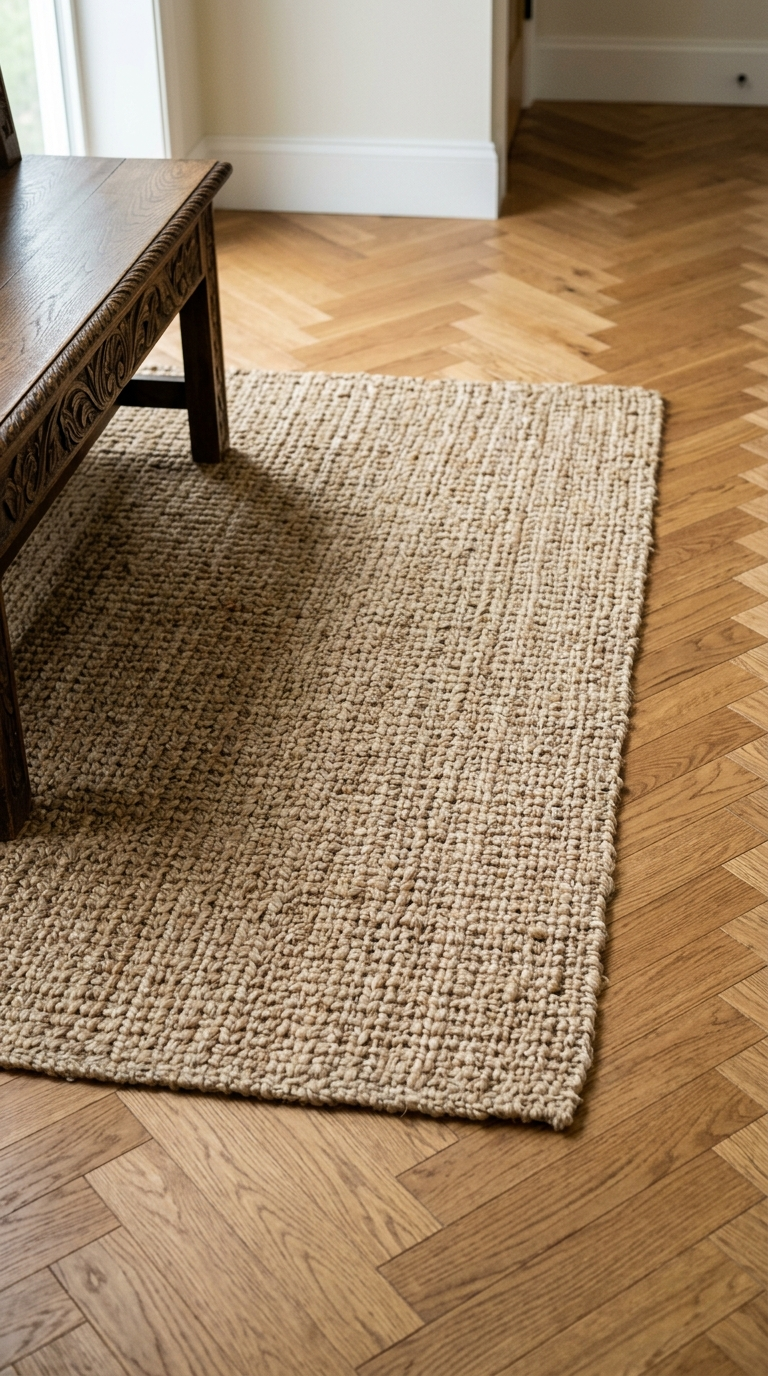
Mistake 5: Neglecting the Power of a Great RugThe entryway floor sees more foot traffic, dirt, and debris than any other area in the house. Leaving it bare is a missed opportunity for both design and practicality. A high-quality rug is essential—it defines the space, introduces color and pattern, and acts as a crucial barrier, trapping dirt before it can be tracked throughout the rest of your beautiful home.However, choosing the wrong rug is just as bad as having no rug at all. Thick, plush carpets or delicate silks have absolutely no place near a front door. You must prioritize durability and ease of cleaning. Vintage-inspired, low-pile rugs, durable indoor/outdoor rugs, or natural fiber options like jute or sisal are incredibly resilient choices. They withstand heavy traffic beautifully and can be easily vacuumed or spot-cleaned.Size is also paramount. A tiny doormat floating in the center of a grand foyer looks ridiculous. Ensure your rug is appropriately scaled to the space. For long, narrow hallways, a runner is the perfect solution to draw the eye down the corridor and create a sense of flow. For wider entryways, an oversized rectangular or even a large round rug can beautifully anchor the furniture arrangement and define the area.
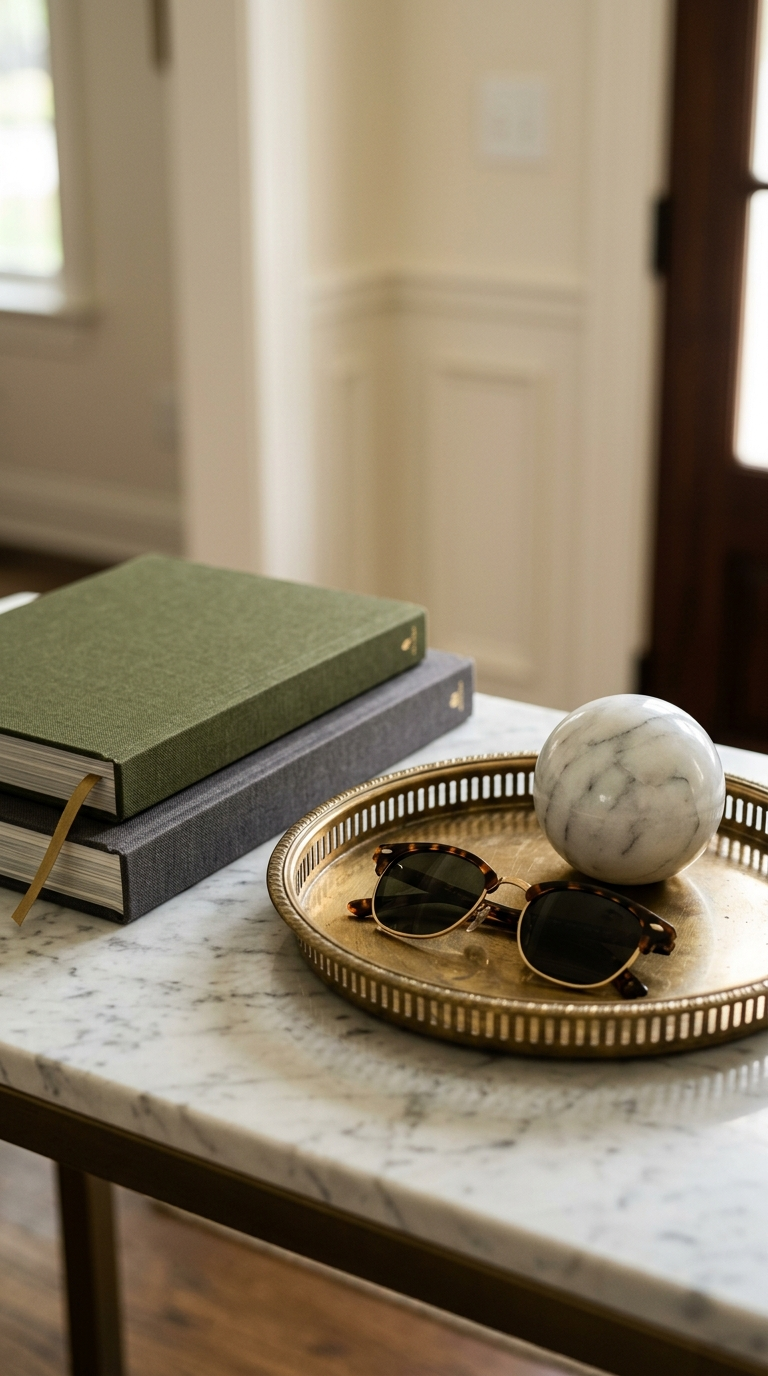
Mistake 6: Lacking a ‘Drop Zone’ for Small EssentialsWe all have them: keys, sunglasses, lip balm, loose change. When there is no designated spot for these tiny daily essentials, they end up scattered across every available surface, creating instant micro-clutter. This constant low-level chaos can make your entryway feel permanently disorganized, regardless of how beautiful the furniture is.The solution is wonderfully simple and highly decorative. Every entryway console or shelf needs a designated ‘catch-all’. This could be a beautiful ceramic bowl, a vintage brass tray, or a small, intricately carved wooden box. By corralling these small items into a single, defined vessel, you immediately transform clutter into a curated display. This also saves you precious time in the morning—no more frantic searches for your car keys when you are already running late.Mistake 7: Missing the Personal TouchThe final, and perhaps most tragic, mistake is designing an entryway that looks like a page out of a generic furniture catalog, completely devoid of the homeowner’s personality. Your entryway should tell a story about who lives there. It should not just be functional; it should be personal, warm, and inviting.Inject personality through art and accessories. Hang a gallery wall of your favorite travel photographs, display a beloved heirloom, or feature a bold, abstract painting that brings you joy. Add life to the space with fresh flowers or high-quality, realistic faux botanicals. The goal is to create a space that warmly welcomes guests but, more importantly, welcomes YOU home every single day.
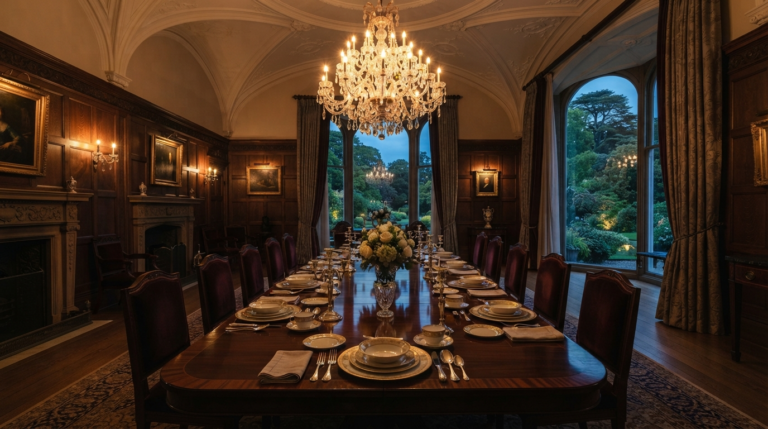
Transform your formal dining room into a luxurious sanctuary for sophisticated entertaining with these expert design tips and high-end decor inspiration.
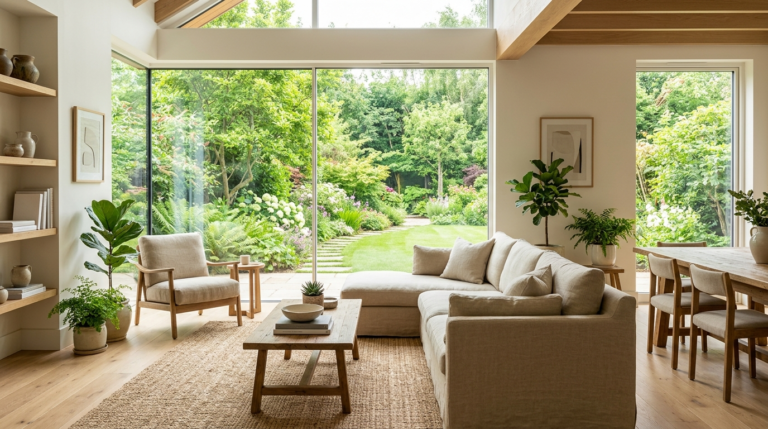
Transform your house into a haven. Discover the art of designing intentional living spaces that promote comfort, connection, and true well-being in every room.
Transform your entryway into a welcoming masterpiece by avoiding these common design mistakes. Discover expert styling tips to elevate your home’s entrance.
Are you making these common entryway decor mistakes? Learn how to fix them easily and create a welcoming, organized, and stylish foyer that wows your guests.