The kitchen is undeniably the heart of the home, a bustling hub where meals are prepared, stories are shared, and memories are made. However, when designing or remodeling this crucial space, it is incredibly easy to make missteps that can compromise both its functionality and its aesthetic appeal. Whether you are planning a complete overhaul or just looking to make a few impactful updates to your dining area, understanding the most common kitchen design mistakes to avoid is your first step toward achieving a flawless, efficient, and beautiful environment.
In this comprehensive guide, we will dive deep into the frequent errors homeowners and novice designers make when configuring their cooking and dining spaces. From poor layout choices that disrupt your workflow to inadequate lighting that leaves your countertops in the shadows, these pitfalls can turn what should be a dream space into a daily source of frustration. By recognizing these issues early in the planning phase, you can save yourself time, money, and stress, ensuring that your final result is nothing short of spectacular.
We will also explore the intricate relationship between the kitchen and the adjoining dining space, as a seamless transition between the two is vital for modern living. Whether you are preparing a quick weekday breakfast or hosting an elaborate holiday feast, the flow of your space matters immensely. Let’s explore the critical mistakes you need to bypass to create a culinary haven that serves your lifestyle perfectly.
1. Ignoring the Classic Work Triangle
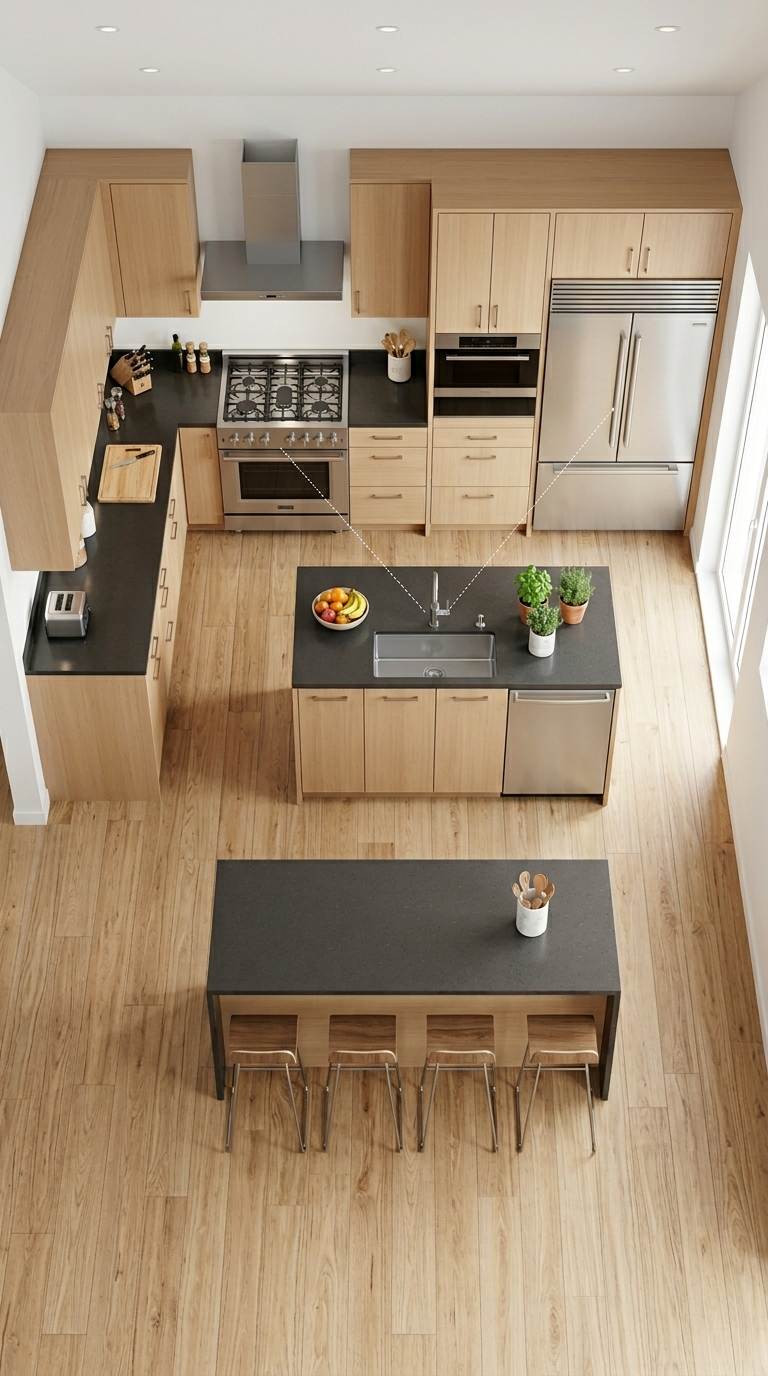
One of the most foundational principles of kitchen design is the work triangle, which consists of the three main work areas: the sink, the refrigerator, and the stove. Ignoring this geometric concept is a monumental mistake. The work triangle dictates that the path between these three primary zones should be clear, unobstructed, and relatively compact to ensure maximum efficiency while cooking.
When the distance between these points is too great, preparing meals becomes an exhausting marathon of pacing back and forth. Conversely, if the points are too close together, the space can feel cramped, leading to a claustrophobic cooking experience, especially if multiple people are trying to use the area simultaneously. A well-executed triangle allows the cook to pivot seamlessly from grabbing ingredients out of the fridge, washing them at the sink, and moving them to the stove.
Modern layouts, such as open-concept designs or spaces with massive center islands, sometimes challenge the traditional triangle. However, the core concept remains the same: your primary workstations must relate logically to one another. If you are adding an island, ensure it does not intersect the path of the triangle. If you have a linear or galley layout, the concept evolves into creating efficient zones rather than a strict triangle, but the goal of minimizing wasted steps remains paramount.
2. Inadequate and Poorly Placed Lighting
Lighting is often an afterthought in home renovations, yet it is arguably one of the most critical elements in a functional room. Relying solely on a single overhead fixture is a recipe for disaster. This common mistake results in glaring shadows cast directly onto your countertops, precisely where you need clear visibility for chopping, measuring, and reading recipes.
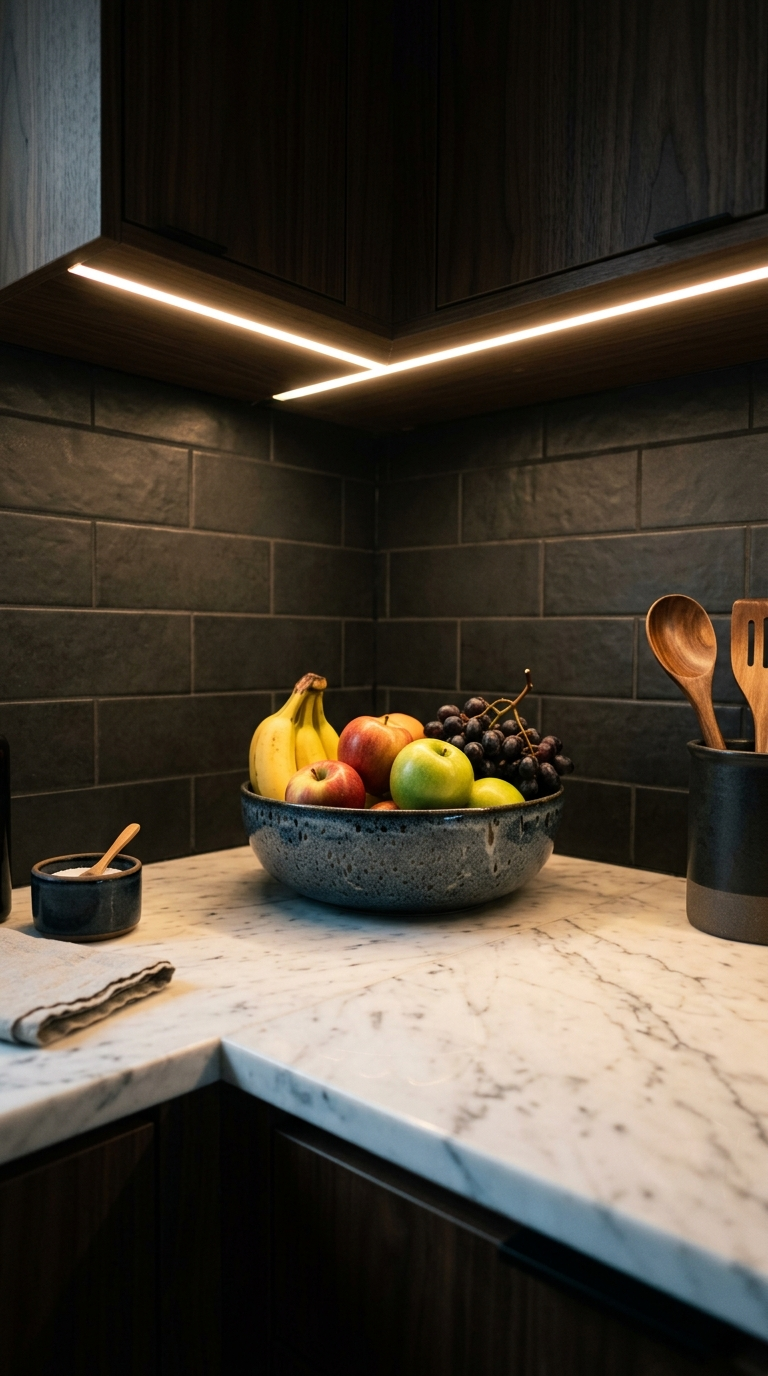
A brilliant design employs a layered lighting strategy. This involves combining ambient lighting (overall illumination), task lighting (focused light for specific workspaces), and accent lighting (decorative illumination to highlight architectural features). Ambient lighting can be achieved through recessed ceiling cans or flush mounts. Task lighting is crucial under the upper cabinets, illuminating the counters beautifully and safely. Accent lighting might include stylish pendant fixtures hung over the center island or dining table.
Furthermore, do not underestimate the power of natural light. If your layout allows, maximize window space to let the sunshine in. Not only does natural light make the room feel larger and more welcoming, but it also provides the truest color rendering for your ingredients. Always install dimmer switches for your fixtures, allowing you to transition the mood from bright and energetic during food prep to soft and romantic for an evening dinner.
3. Underestimating Storage Needs
It is almost impossible to have too much storage. One of the most frequent regrets homeowners have post-renovation is not incorporating enough cabinetry or clever storage solutions. Focusing purely on aesthetics while neglecting the practical need to house pots, pans, small appliances, dry goods, and dinnerware leads to cluttered countertops and a chaotic environment.
When planning your cabinetry, think vertically. Extending upper cabinets all the way to the ceiling not only provides additional space for rarely used items like holiday platters or specialized baking gear, but it also draws the eye upward, making the room feel taller. Furthermore, it eliminates that awkward gap above the cabinets that only serves as a dust trap.
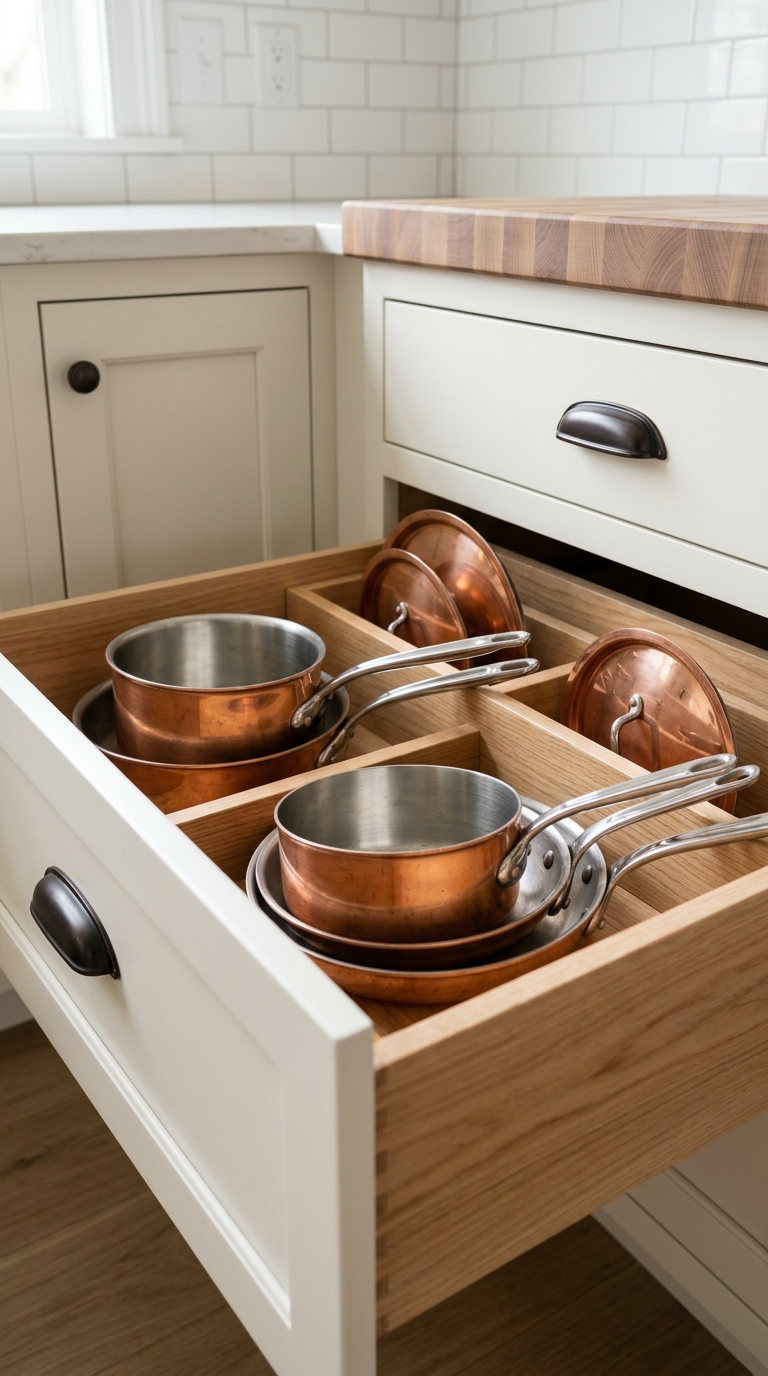
Incorporate deep drawers in your lower cabinets instead of traditional doors with stationary shelves. Drawers allow you to pull out the entire contents of the cabinet, ensuring nothing gets lost in the dark recesses at the back. Consider specialized inserts such as spice pull-outs, utensil dividers, and heavy-duty tracks for pots and pans. A well-organized pantry, whether a walk-in or a tall pull-out cabinet, is also absolutely essential for keeping groceries neatly arranged and easily accessible.
4. Neglecting Proper Ventilation
A beautiful aesthetic is useless if your home constantly smells like last night’s roasted vegetables. Skimping on proper ventilation is a grave error that affects not just your cooking space, but the air quality of your entire home. A high-quality range hood is an absolute necessity, not an optional luxury.
The hood should be appropriately sized for your cooktop and possess enough CFM (Cubic Feet per Minute) power to efficiently extract smoke, steam, heat, and airborne grease. If possible, always vent the hood to the exterior of the house rather than using a recirculating model, which merely filters the air and blows it back into the room. Recirculating models are less effective at removing heat and moisture.
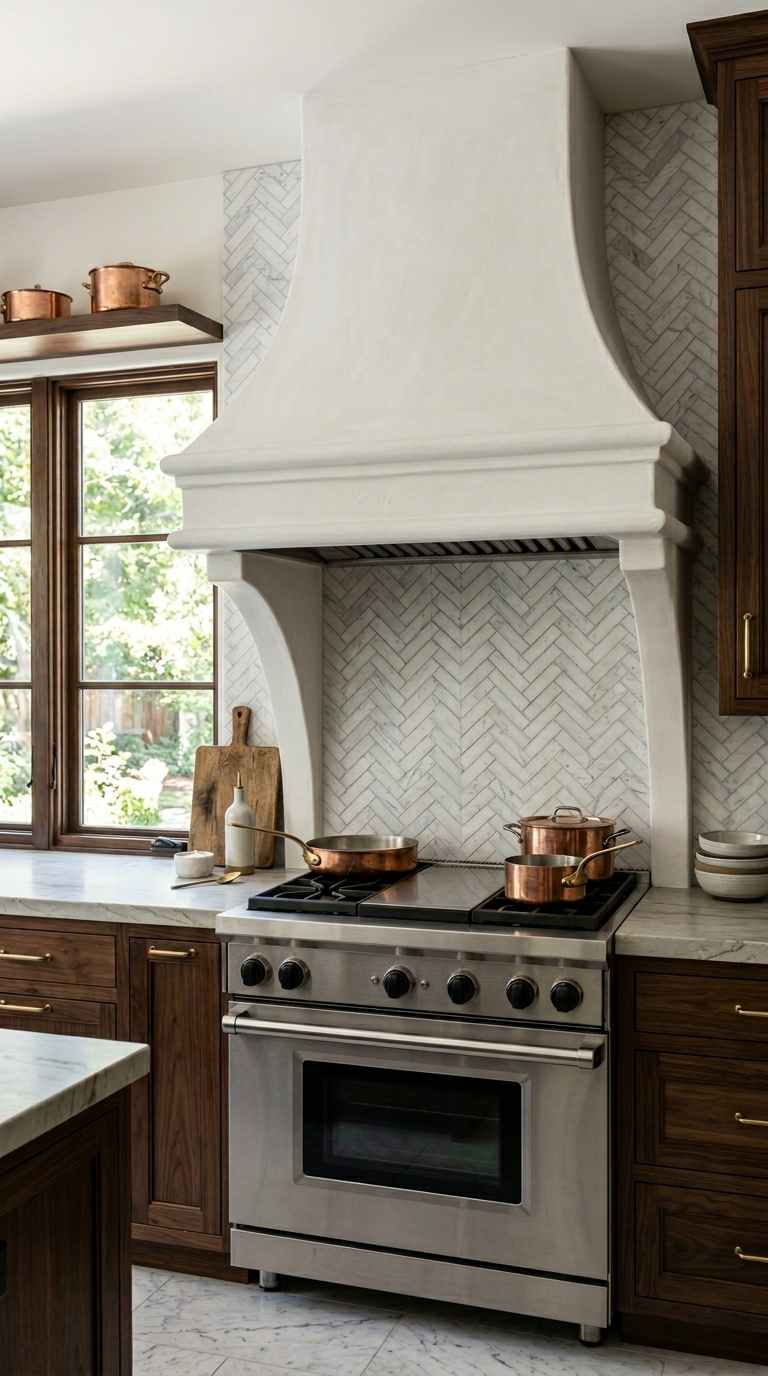
Beyond functionality, the range hood can also serve as a stunning focal point. Whether you choose a sleek stainless steel canopy, a custom-built wooden enclosure that matches your cabinetry, or an industrial-style statement piece, ensure it complements your overall design scheme while performing its critical duty of keeping your indoor air fresh and clean.
5. Forgetting Countertop Workspace and Clearances
A common mistake is packing the room with large appliances and oversized sinks, leaving very little actual countertop real estate for meal preparation. You need adequate, continuous stretches of surface area, particularly next to the sink and the stove. A minimum of 36 inches of uninterrupted counter space is highly recommended for your primary prep zone.
In addition to workspace, clearance—the empty space between cabinets, islands, and walls—is vital for a functional flow. A cramped aisle makes it difficult to open appliance doors or walk past someone else who is cooking. The standard recommendation is to maintain at least 42 inches of clearance in a single-cook layout, and 48 inches if multiple people frequently cook together. If your aisles are too tight, your beautifully designed space will feel incredibly frustrating to use on a daily basis.
Pay special attention to the swing of doors on your refrigerator, oven, and dishwasher. Ensure that when these doors are fully open, they do not block pathways or collide with other cabinet doors. A well-thought-out floor plan will account for every inch of open and closed space, ensuring seamless movement throughout the area.
6. Mismanaging Trash and Recycling
Nothing ruins a beautifully curated aesthetic quite like a freestanding plastic garbage can sitting awkwardly at the end of an island. Failing to plan for integrated trash and recycling is a frequent oversight that homeowners quickly regret. Waste management should be built seamlessly into your cabinetry design.
Allocate a dedicated pull-out cabinet specifically for large trash and recycling bins. Ideally, this should be located within your primary prep zone or right next to the sink, as this is where the majority of waste is generated. Having a slide-out drawer keeps odors contained, hides unsightly garbage from view, and frees up precious floor space.
If you have the space, consider a dedicated composting bin built directly into the countertop. This allows you to easily sweep vegetable scraps right into the bin while chopping. Proper waste management integration elevates the feel of the room from a basic utility area to a highly customized, luxury environment.
7. Poor Integration with the Dining Area
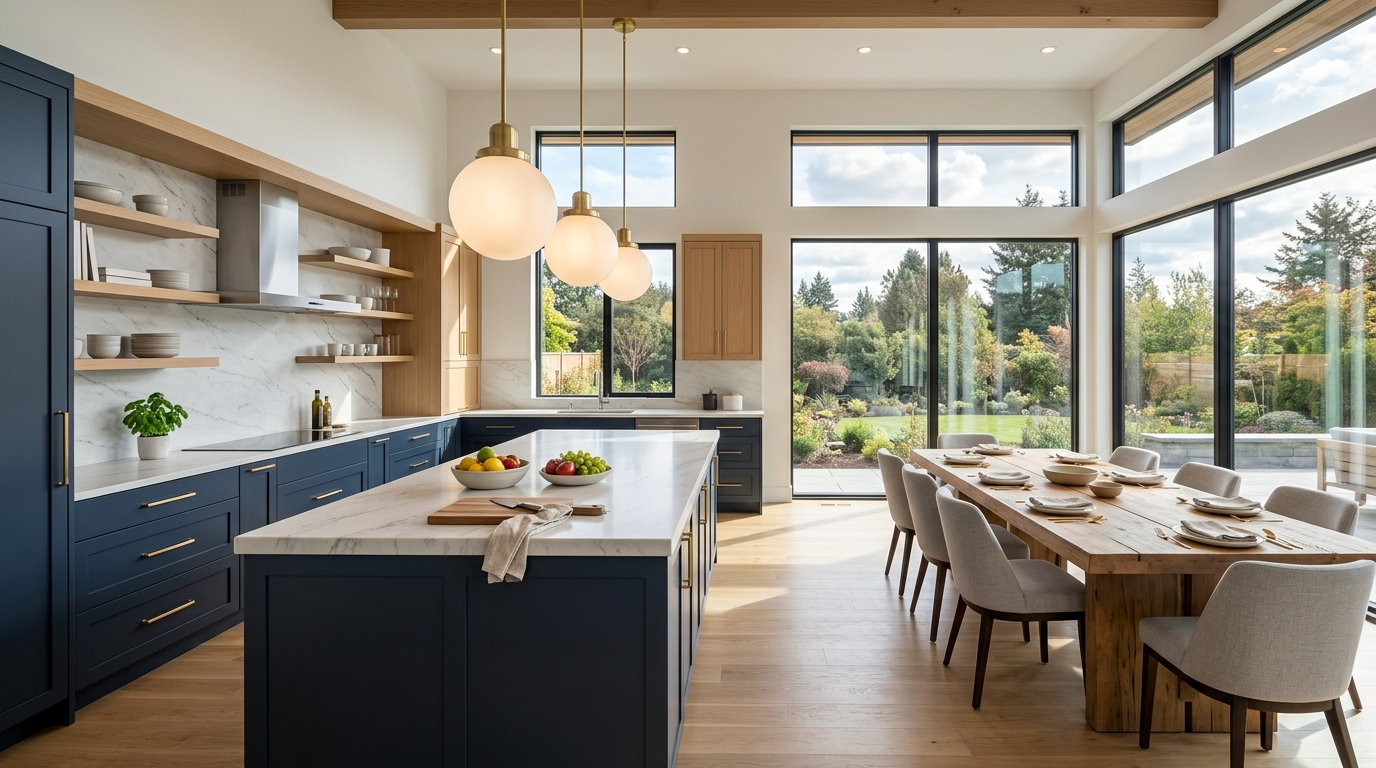
In modern homes, the boundary between where food is prepared and where it is consumed is increasingly blurred. A major mistake is designing the cooking zone without considering how it flows into the dining space. These two areas need to communicate harmoniously through cohesive design elements and an intuitive physical layout.
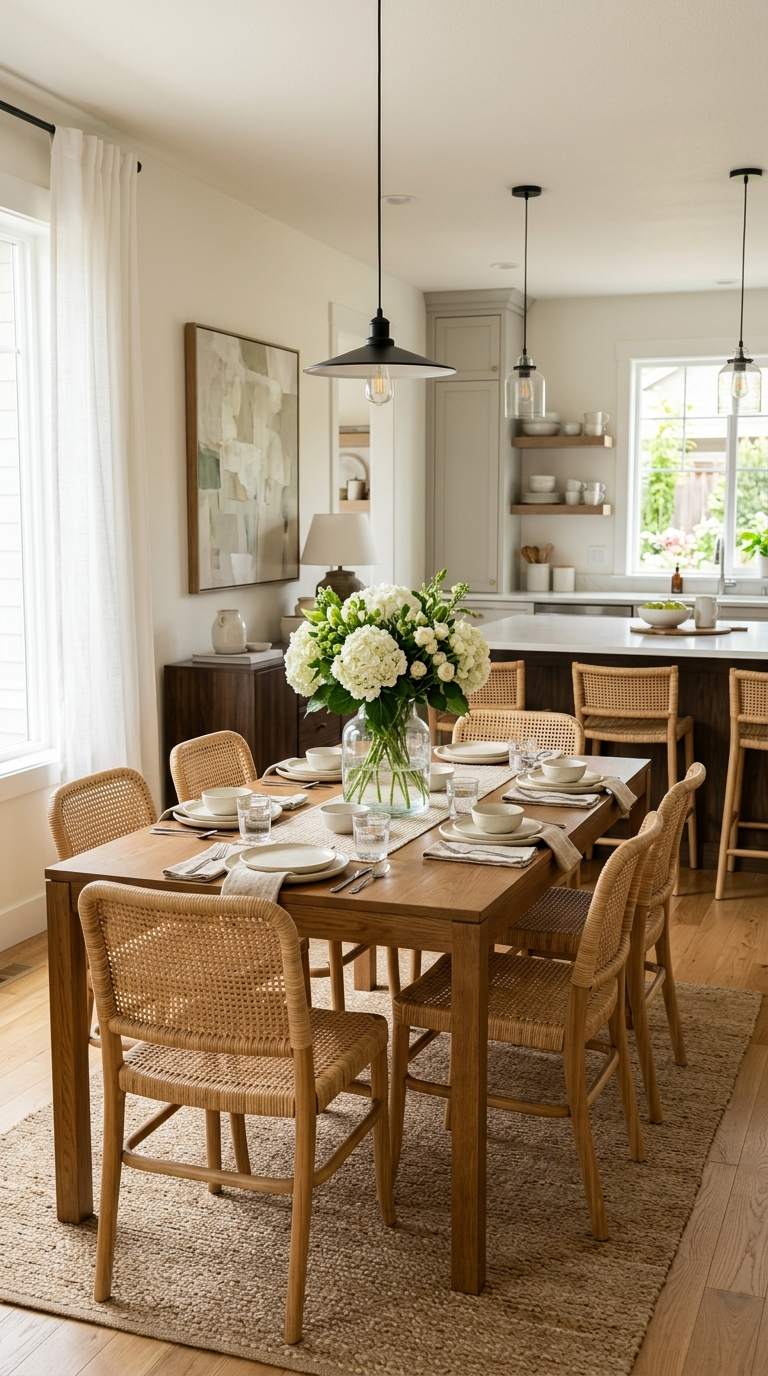
If you have an open-concept floor plan, ensure that the design language—such as color palettes, hardware finishes, and flooring—transitions smoothly. An abrupt change in flooring or a clashing wall color can make the spaces feel disjointed. The island often serves as the transitional piece. Overhangs for seating should be deep enough (at least 12 inches) to accommodate knees comfortably, and the stools should match the aesthetic of your formal dining chairs.
Consider the logistics of serving food and clearing plates. The path from the stove to the dining table should be direct and unobstructed. You do not want to carry hot dishes through a maze of furniture. Adding a stylish buffet or a built-in hutch in the dining room that mirrors the main cabinetry can provide excellent secondary storage for dinnerware and table linens, further tying the two rooms together.
Bonus: Overlooking the Details and Hardware
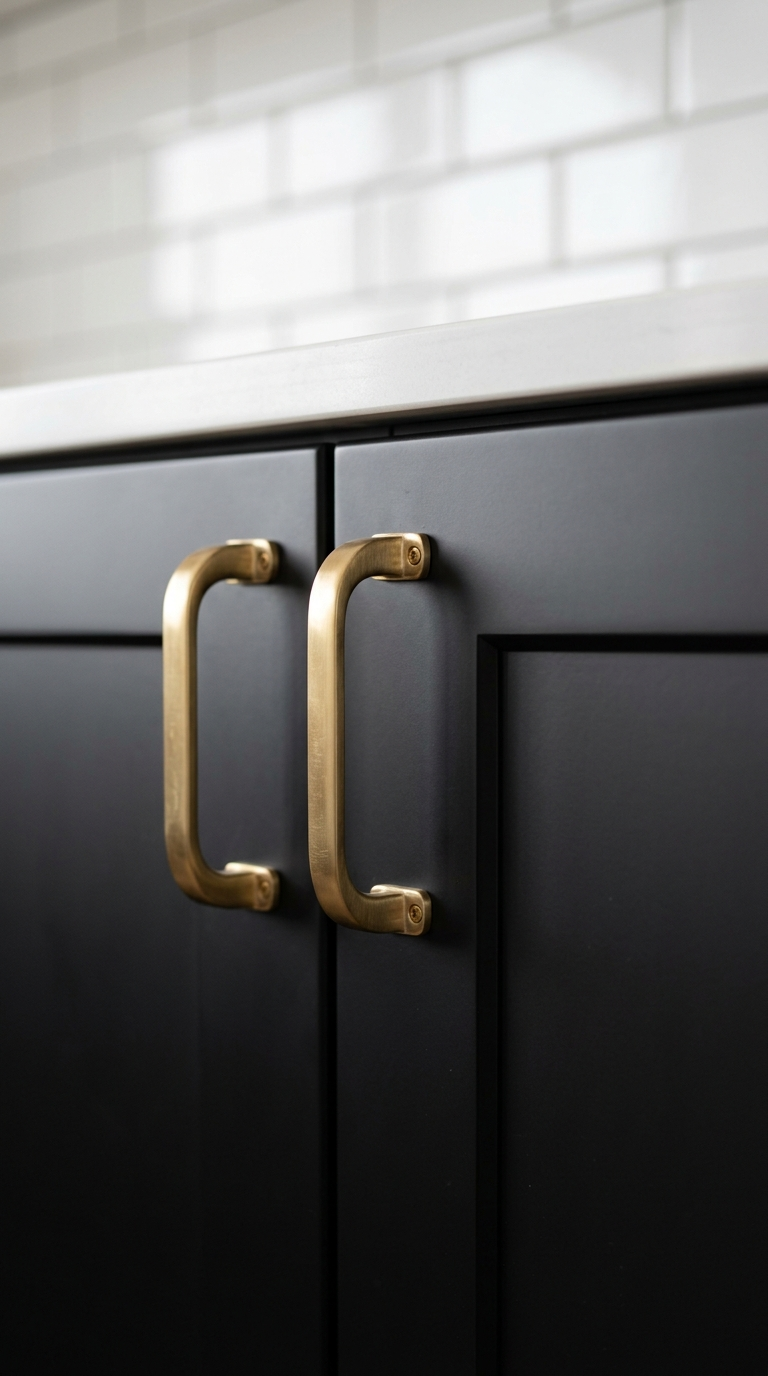
While layout and appliances are the heavy lifters of your design, the smaller details are what truly finish the space. Choosing the wrong hardware, or forgetting to account for the placement of electrical outlets, can be deeply irritating over the long term. Hardware is often described as the jewelry of the room; it should compliment the style of the cabinets and the finish of the faucets.
Electrical outlets are heavily regulated by building codes, but simply meeting the minimum code is rarely enough for a modern lifestyle. You will need outlets for your coffee maker, toaster, blender, and charging your devices. Consider installing under-cabinet outlet strips or pop-up outlets in the island to keep the backsplash completely clean and uncluttered by plastic wall plates.
Furthermore, ensure that the backsplash material coordinates perfectly with your countertops. A busy, heavily patterned granite paired with a vibrant, intricate mosaic tile backsplash often creates visual chaos. Choose one element to be the star, and let the other play a supporting role. If your countertop has a lot of movement, opt for a simple, elegant subway tile for the backsplash.
Conclusion
Designing the ultimate cooking and dining environment is an exercise in balancing stunning aesthetics with hardcore functionality. By avoiding these common mistakes—from respecting the work triangle and prioritizing layered lighting to maximizing storage and integrating your dining space—you can ensure your renovation is a resounding success. Take your time during the planning phase, consult with professionals if necessary, and meticulously think through how you actually use your space on a daily basis.
Remember that the best designs are those that cater specifically to your lifestyle. Whether you are an avid baker who needs sprawling countertops, or someone who loves to host large dinner parties and requires a seamless flow into the dining area, your space should rise to meet your needs. Avoid following fleeting trends at the expense of practicality, and instead focus on timeless, functional choices that will stand the test of time.
With careful planning, attention to detail, and a keen awareness of these frequent pitfalls, you can create a culinary haven that is not only a joy to work in but also a beautiful, welcoming centerpiece for your entire home. Let your personal style shine through in the finishes, colors, and textures, safe in the knowledge that the underlying layout is solid, efficient, and perfectly executed.
Frequently Asked Questions
What is the ideal distance for a work triangle?
The general rule of thumb for a highly efficient work triangle is that the sum of all three sides (the distance between the sink, stove, and refrigerator) should be between 13 and 26 feet. No single leg of the triangle should be shorter than 4 feet or longer than 9 feet to prevent the space from being too cramped or too spread out.
Can I have an island in a small space?
It depends entirely on the dimensions of the room. An island requires a minimum of 36 to 42 inches of clearance on all sides to remain functional. If adding an island violates these clearances, a mobile cart or a peninsula layout is a much better, more functional alternative that will not choke the traffic flow.
How do I choose the right backsplash?
Your backsplash should complement, not compete with, your countertops. If you have a solid or lightly patterned countertop, you can choose a bold, patterned backsplash. If your countertops have prominent veining or speckling, a subdued, solid-color backsplash will provide the best visual balance. Always bring tile samples home to view them in your actual lighting conditions before making a final decision.
Are upper cabinets going out of style?
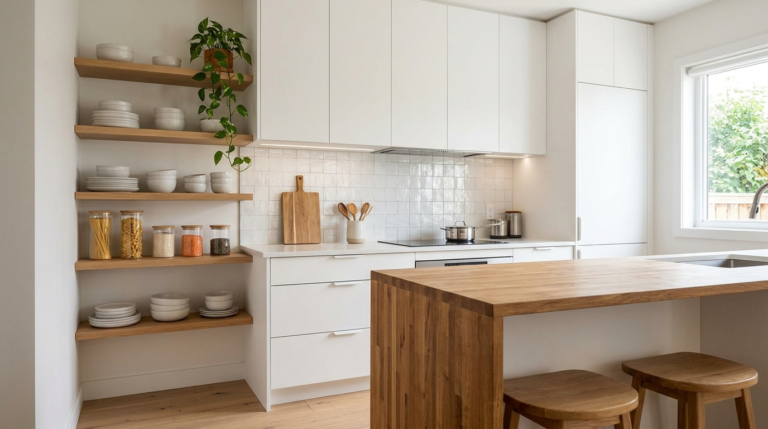
While open shelving has become incredibly popular for its airy, minimalist look, traditional upper cabinets are absolutely not going out of style. Most homes simply require the concealed, dust-free storage that upper cabinets provide. A balanced design often incorporates a mix of both: upper cabinets for utilitarian storage, and a few open shelves for displaying decorative items and everyday dishes.
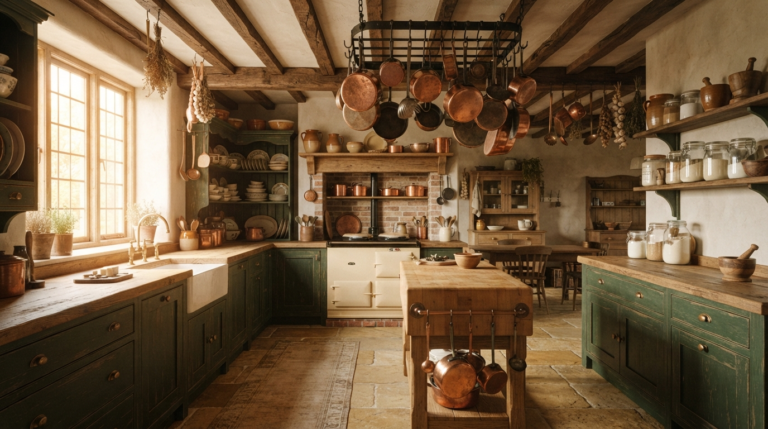
Discover the ultimate list of rustic traditional kitchen ideas. From reclaimed wood beams to vintage hardware, learn how to create a cozy, timeless space.
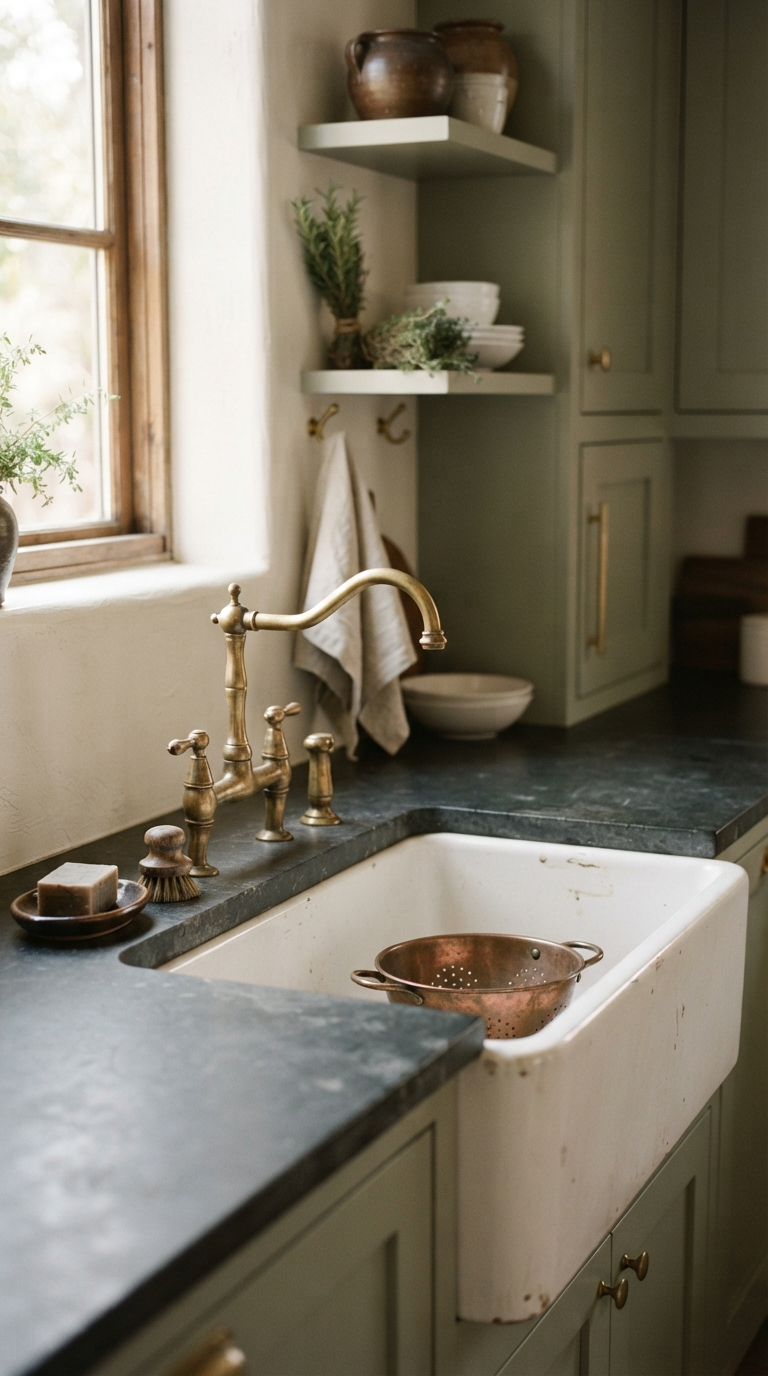
Explore these absolutely gorgeous rustic and traditional kitchen ideas. From exposed wood beams to farmhouse sinks, bring timeless warmth to your home.
Create a warm and inviting kitchen and dining area with these cozy rustic ideas. Explore beautiful tablescapes, wooden accents, and charming room decor.
Elevate your home with these 15 expert minimalist ideas for a sleek kitchen and dining space. Discover how to create a clean, clutter-free, and functional design.
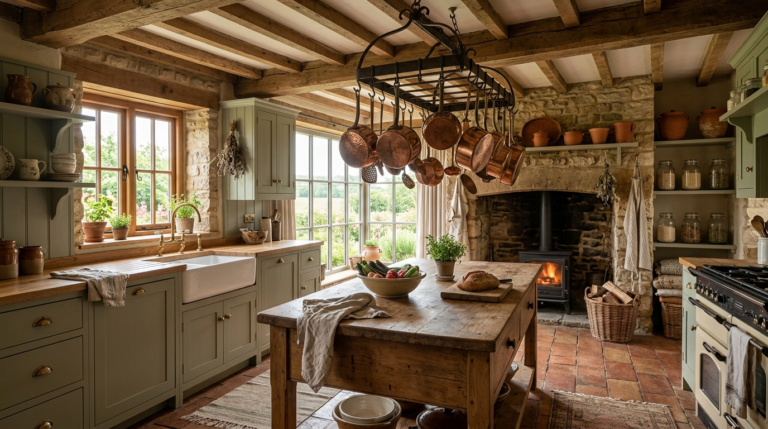
Discover 15 cozy elements to create a timeless rustic kitchen. From reclaimed wood beams to copper accents, learn how to design a traditional cooking space.