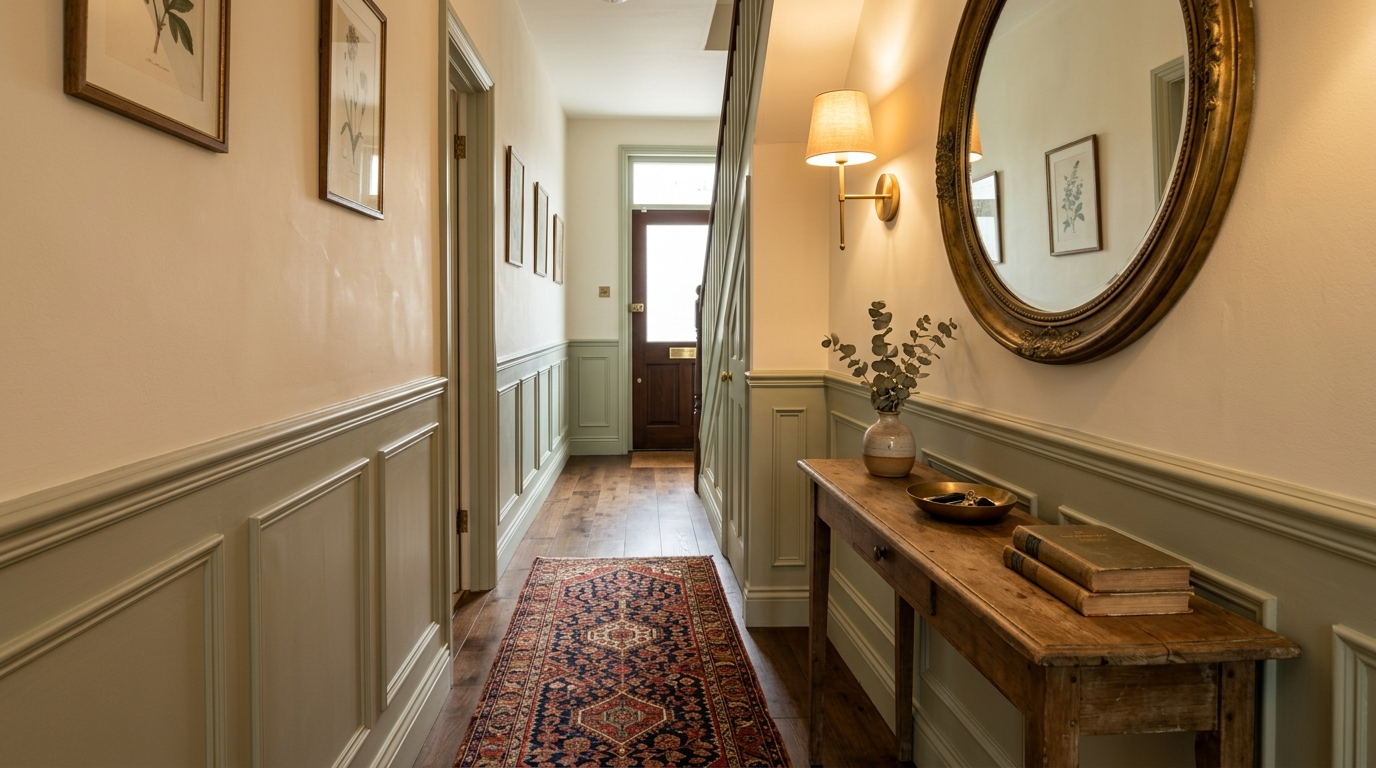
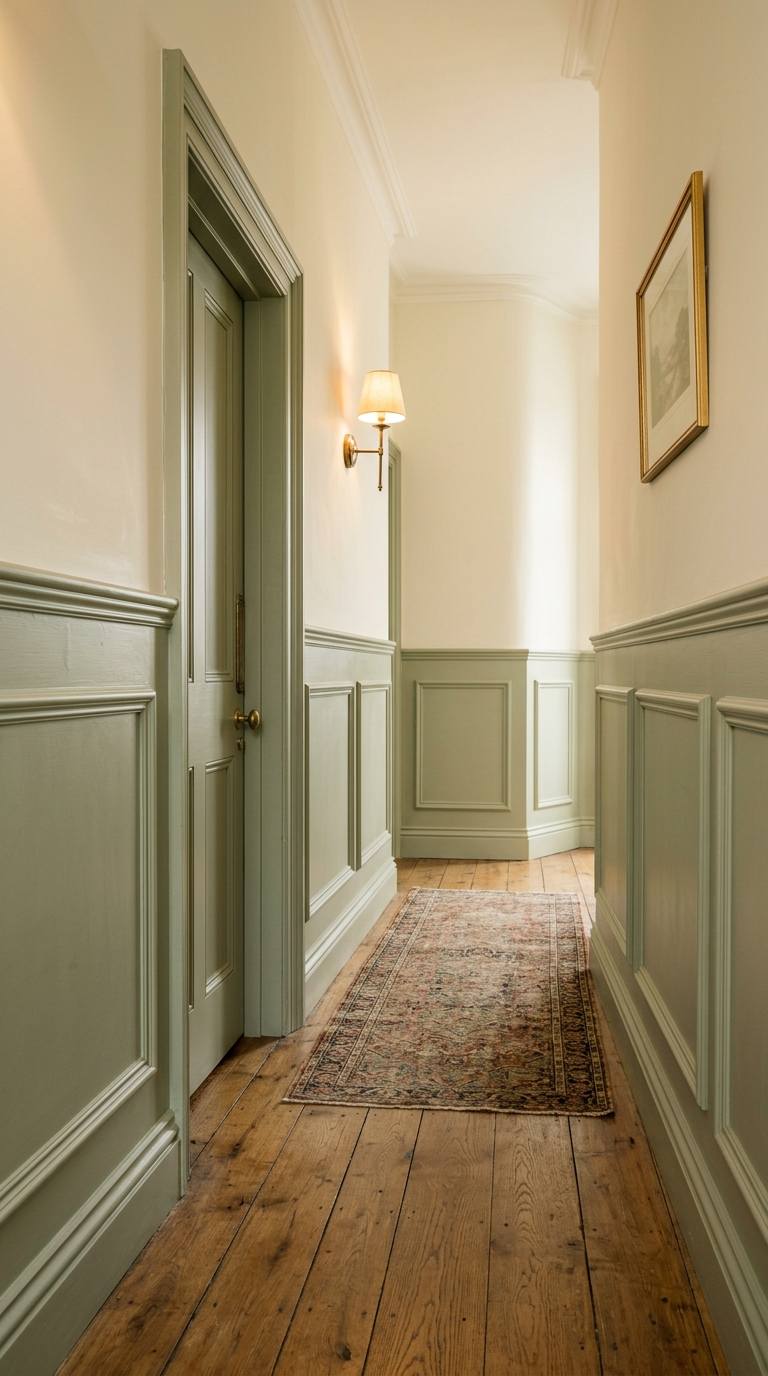
Your entryway is the very first impression your home makes on a guest, and the first thing to welcome you back after a long day. However, for many of us, this crucial space isn’t a grand foyer—it’s a tight, narrow hallway that easily becomes a dumping ground for shoes, coats, and mail. Designing a narrow entryway requires a delicate balance of supreme functionality and inviting aesthetics. You need storage, but you cannot afford to block the walkway. You need style, but it must feel warm and timeless. In this comprehensive, step-by-step guide, we will walk you through exactly how to embrace a classic, warm editorial aesthetic to turn your restrictive hallway into a deeply welcoming, elegantly styled entryway.Step 1: Define the Zone with Color or PanelingWhen your entryway is merely a corridor that bleeds directly into the rest of the house, the first step is to visually define the space. You must tell the eye, “This is the entry.” A classic and highly effective way to achieve this is through architectural detailing, such as beadboard, wainscoting, or board-and-batten applied to the lower half of the walls. Paint this millwork in a warm, inviting tone—think soft sage green, warm greige, or a rich, muted navy. This not only adds a layer of traditional elegance and durability against scuff marks from bags and shoes, but it instantly anchors the space, giving a narrow hallway a distinct identity and a sense of architectural permanence.
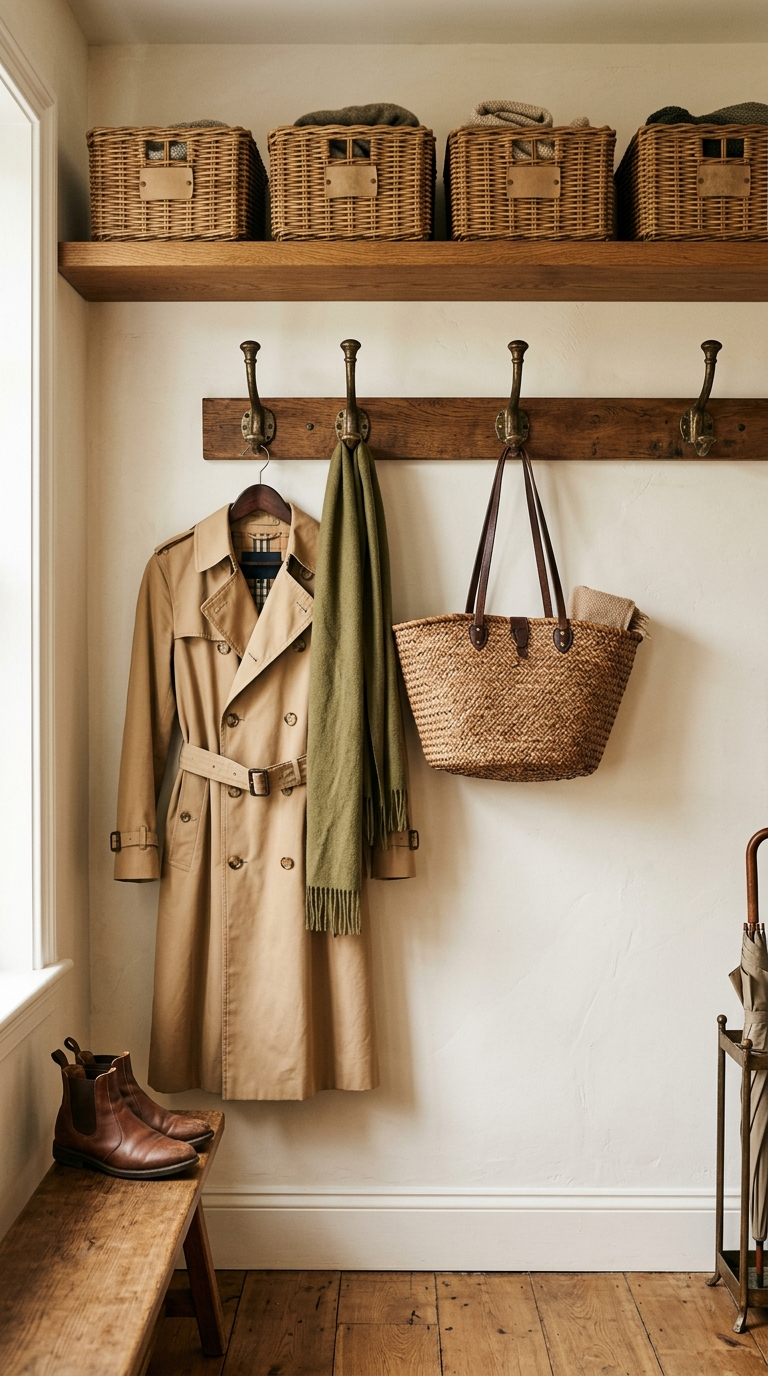
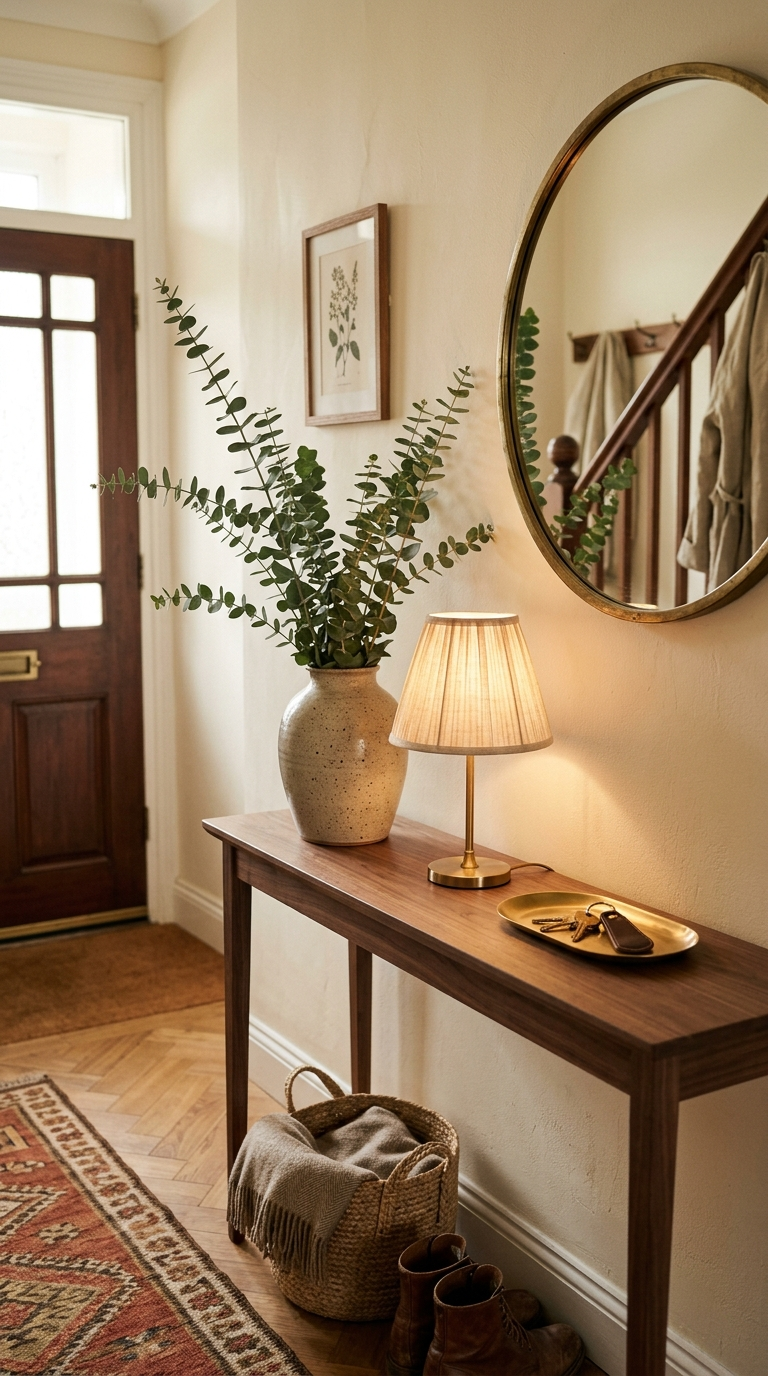
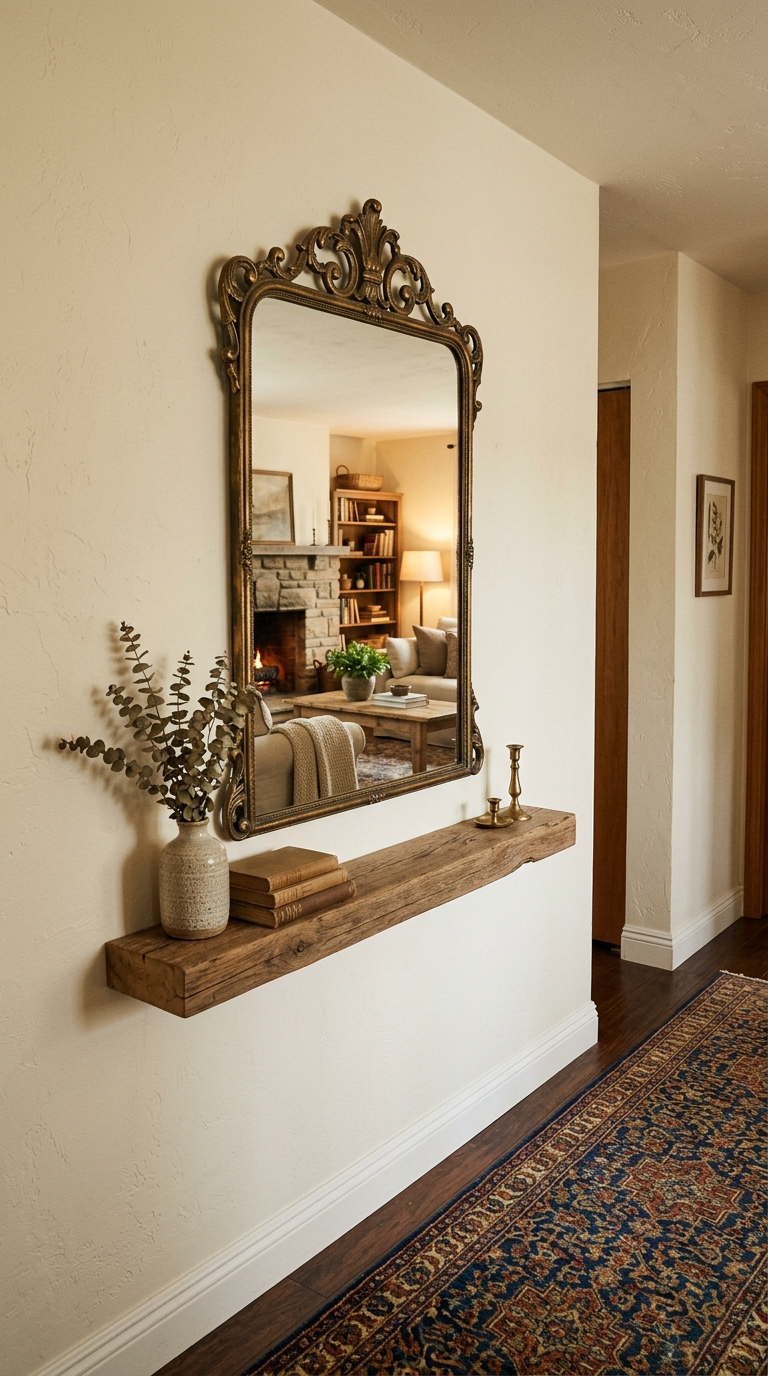
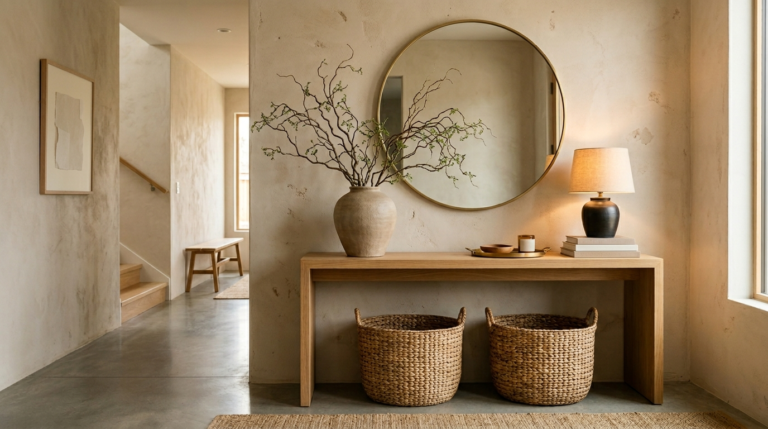
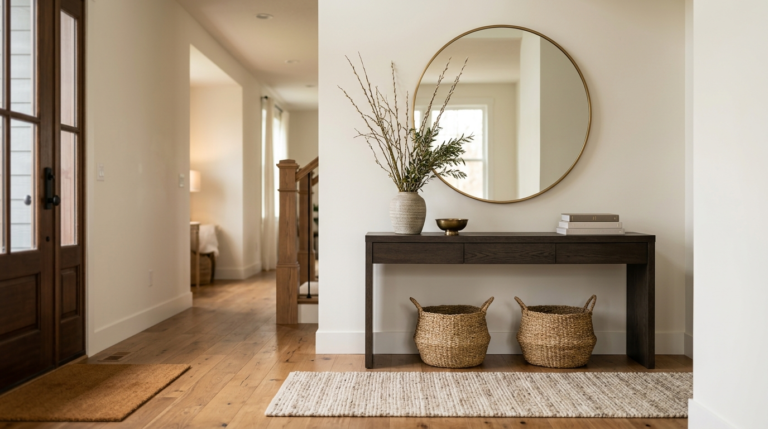
Step 2: Choose the Right Ultra-Slim FurnitureIn a narrow hallway, every single inch of floor space is precious real estate. A standard console table will stick out too far, disrupting the flow of traffic and making the space feel claustrophobic. The solution is to hunt for ultra-slim furniture. Look for a console table no deeper than 10 to 12 inches. A floating shelf mounted directly to the wall is an even better option for extremely tight spaces, as keeping the floor completely clear underneath gives the illusion of a wider hallway. Choose classic materials like warm, honey-toned oak or polished mahogany. This surface will serve as your essential drop zone for keys and mail, combining high function with classic elegance.Step 3: Master Vertical Wall StorageSince you cannot build outward in a narrow hall, you must build upward. Vertical storage is your best friend. Instead of a bulky coat closet or a freestanding coat rack (which consumes too much floor space), install a row of classic, heavy-duty brass or antique bronze hooks directly onto your wainscoting or wall. Space them evenly for a neat, tailored look. Above the hooks, consider a high shelf equipped with beautifully woven wicker or rattan baskets. These baskets are perfect for hiding away out-of-season accessories, dog leashes, and umbrellas, maintaining a clutter-free, warm editorial aesthetic that looks effortlessly organized.
Step 4: Expand the Space with MirrorsIt is an age-old interior design trick for a reason: mirrors double the visual space of a room and bounce light around, which is critical in typically dark hallways. Above your slim console table, hang a large, beautifully framed mirror. For a classic, warm look, choose a mirror with an antique brass frame, a heavily distressed wooden frame, or a timeless round shape that softens the hard, straight lines of the corridor. Position the mirror so that it catches the light from an adjacent room or a front door window. The reflection will immediately make the narrow walls feel as though they are pushing outward, creating a breathable, expansive entryway.Step 5: Implement Smart Shoe StorageNothing ruins a welcoming vibe faster than tripping over a chaotic pile of sneakers the moment you walk through the door. If your hallway is too narrow for a traditional shoe cabinet, you have two elegant options. First, use low, elongated wicker baskets tucked neatly under your floating console table to corral shoes out of sight. Second, invest in a specialized, tilting shoe cabinet. These brilliant pieces of furniture are incredibly shallow (often only 6-8 inches deep) but store shoes vertically against the wall. Choose one finished in a classic white or warm wood veneer, and it will look just like traditional wall paneling or a sleek radiator cover.
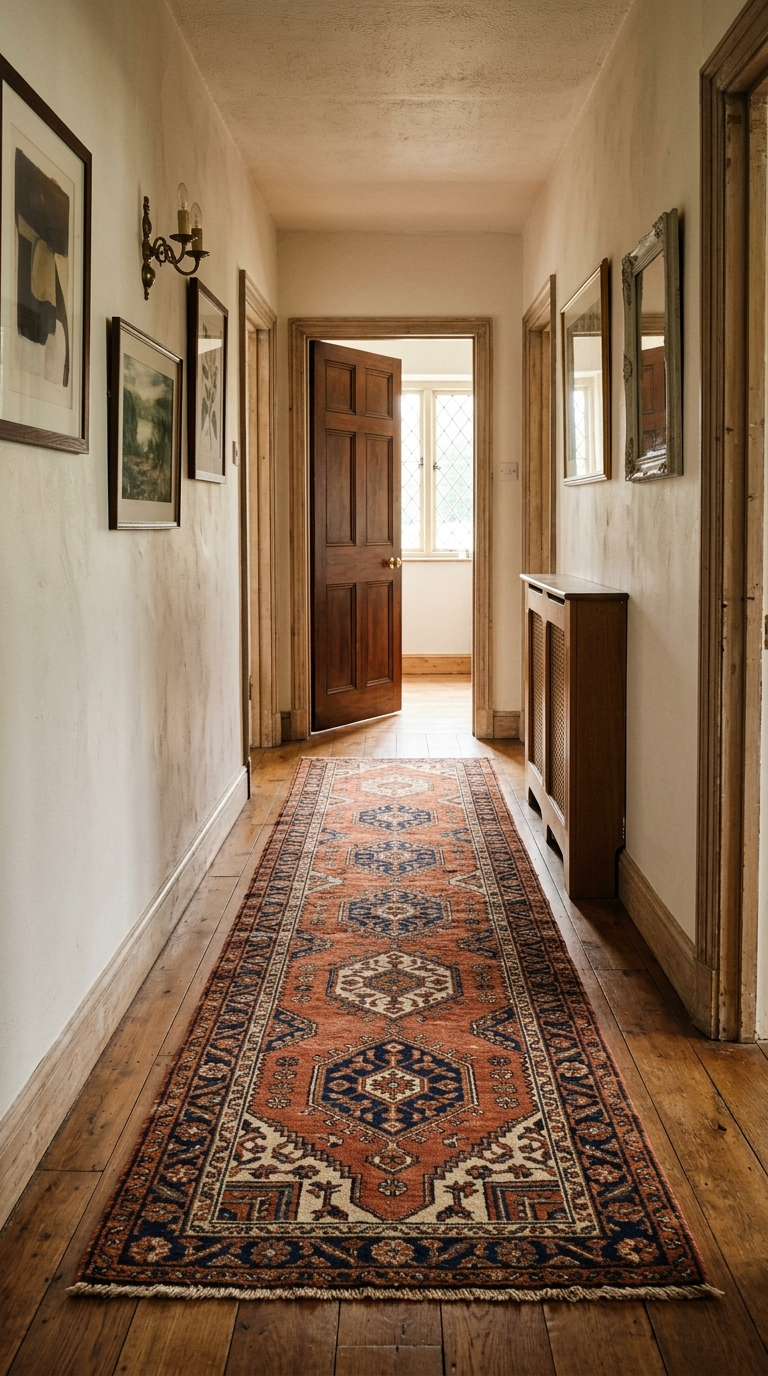
Step 6: Layer the LightingNarrow hallways are notorious for being dark and shadowy, which feels unwelcoming. Overhead “boob” lights or harsh recessed bulbs will make the space feel like a commercial corridor. Instead, bring in classic, warm lighting. Replace the builder-grade flush mount with a stunning, semi-flush glass lantern or an antique brass fixture that casts a beautiful, patterned glow on the ceiling. If you have an outlet, place a small, elegant table lamp with a pleated fabric shade on your console table. This lower-level, warm ambient light creates a soft, inviting glow that greets you like a warm hug as soon as you turn the key in the lock.Step 7: Ground the Space with a Runner RugA long, narrow hallway can feel like a bowling alley if the floor is left completely bare. A runner rug is absolutely essential to ground the space and guide the eye down the hall. In keeping with the classic warm editorial aesthetic, opt for a vintage-inspired Persian or Turkish runner featuring rich, warm tones like faded brick red, deep terracotta, and soft navy. The intricate patterns of these rugs are incredibly forgiving when it comes to dirt and foot traffic, while the soft textile adds crucial warmth and texture to the hard flooring. Ensure you use a high-quality, low-profile rug pad to prevent slipping and to keep the rug perfectly straight.
Step 8: Curate a Welcoming ScentDesign is not just visual; it is experiential. The way your home smells is the very first thing guests will notice, even before they register the decor. To make your narrow entryway feel truly welcoming, establish a signature scent. On your console table, place a high-quality reed diffuser or a beautifully packaged soy candle. For a classic, inviting aroma, choose sophisticated, warm notes like sandalwood, vanilla, amber, or cedar. Avoid overly synthetic or aggressive floral scents. A subtle, warm fragrance immediately communicates cleanliness, care, and comfort, setting a premium tone for the rest of the house.Step 9: Add a Touch of LifeEvery styled space needs a touch of organic life to feel complete, and the entryway is no exception. Because narrow hallways often lack strong natural light, be strategic about your botanicals. A simple, classic stoneware vase filled with tall, structural branches—like olive branches, eucalyptus, or cherry blossoms—adds dramatic height and elegance without taking up much horizontal space on your slim console table. The greenery softens the hard edges of the hallway and brings a fresh, vibrant energy that immediately makes the space feel loved and lived-in.
Step 10: Personalize with Art and DetailsFinally, your entryway should reflect the people who live there. Avoid leaving the walls completely blank, but also avoid overwhelming the narrow space with a chaotic, cluttered gallery wall. Instead, opt for a curated, classic approach. Hang a pair of matching, softly hued botanical prints in warm wood frames opposite your mirror, or display a beautiful, vintage brass catchall tray on your console for keys. Add a small stack of beautiful hardcover books under your lamp. These thoughtful, personal details slow down the journey through the hallway, turning it from a mere transitional corridor into a beautifully designed room in its own right.Maintaining the EntrywayCreating the space is only half the battle; maintaining it is the real challenge. A narrow entryway will feel cluttered instantly if items are left out of place. Establish a firm routine: mail is sorted immediately, coats are hung on their designated hooks, and shoes are tucked away. By providing a specific, beautifully designed home for every single item, you make it easy for yourself and your family to maintain the classic, warm editorial aesthetic day after day.
A narrow hallway does not have to be a design limitation. By utilizing slim furniture, vertical storage, expansive mirrors, and a warm, classic aesthetic, you can transform the tightest of corridors into a breathtakingly elegant entryway. Follow these steps, and you will create a space that warmly welcomes you home every single day.
Is your dining room feeling cramped, uninviting, or purely functional? Identify and fix the most common dining room decor mistakes to create a warm, beautiful gathering space.
Discover 16 brilliant living room ideas to maximize comfort and style. From layered textures to warm lighting, transform your space into a relaxing sanctuary.
Transform your narrow hallways and cluttered entryways into a stunning first impression by avoiding these seven common decor mistakes. Read our full guide!
Is your entryway leaving a bad first impression? Learn the most common decor mistakes to avoid and how to design a stunning, functional foyer for your home.
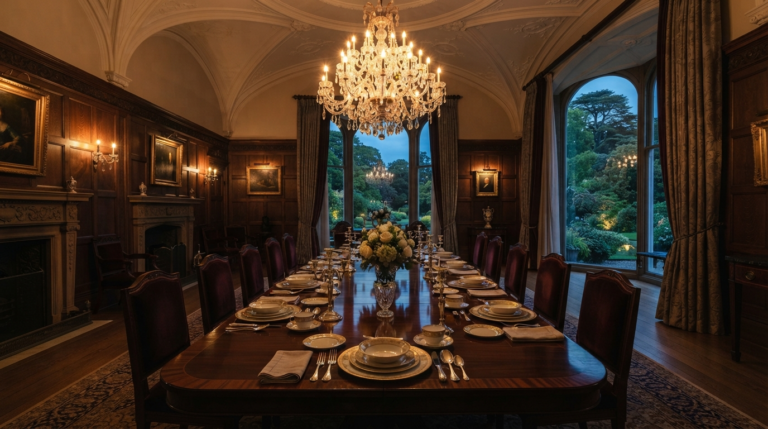
Transform your formal dining room into a luxurious sanctuary for sophisticated entertaining with these expert design tips and high-end decor inspiration.