We have all experienced that sudden burst of motivation to finally organize our homes. We march into the kitchen or the bedroom closet, fueled by a vision of pristine, perfectly aligned shelves and a life devoid of clutter. Yet, fast forward a few weeks, and the piles have returned, the drawers are jammed once again, and the beautiful system you thought you built has entirely collapsed. Why does this happen? The truth is, many of the methods we think are helping us get organized are actually setting us up for failure. True, sustainable organization is not about buying more plastic bins or folding your t-shirts into perfect origami shapes; it is about understanding your habits, simplifying your belongings, and avoiding the traps that keep your space cluttered.In this comprehensive guide, we will explore nine of the most common home organization mistakes that continually sabotage your efforts. By shifting toward a minimalist, clean aesthetic and adopting practical, problem-solving mindsets, you can finally build organizational systems that endure the chaos of daily life. Let us break down these common pitfalls and discover the solutions that will transform your home into a sanctuary of calm and order.
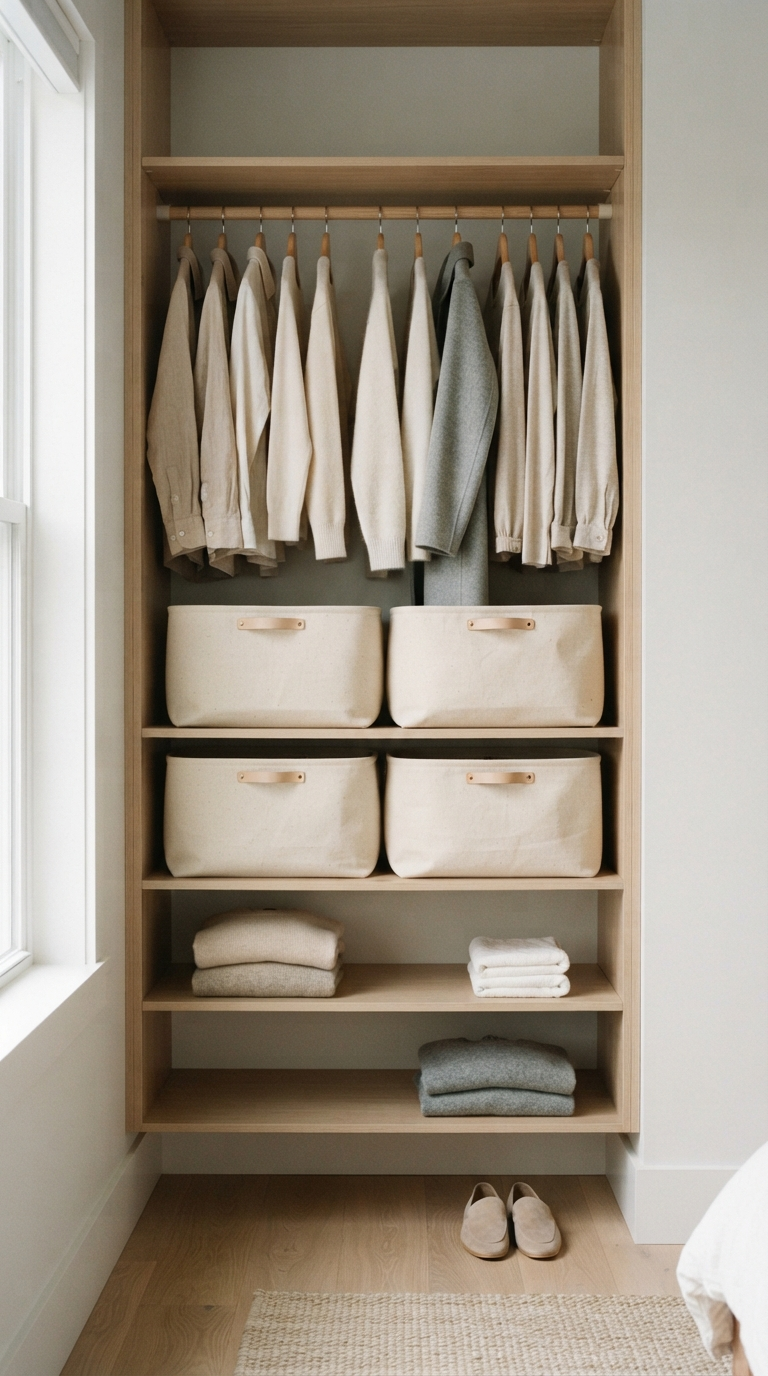
1. Buying Storage Bins Before DeclutteringThis is arguably the most frequent and costly mistake people make when attempting to organize their homes. Driven by the beautiful, color-coordinated pantries seen on social media, the immediate instinct is to run to the store and purchase dozens of acrylic containers, woven baskets, and velvet hangers. However, buying storage solutions before you know exactly what you need to store is putting the cart before the horse. You end up trying to force your belongings into arbitrary containers, or worse, you end up storing items that you should actually be discarding.The minimalist solution is to declutter ruthlessly first. Pull every single item out of the space you are organizing. Sort them into piles: keep, donate, recycle, and trash. Only once you have purged the unnecessary items and seen the exact volume of what remains should you measure your space and invest in storage solutions. A clean, minimalist home relies on having less to organize in the first place, which naturally reduces the need for excessive plastic bins.
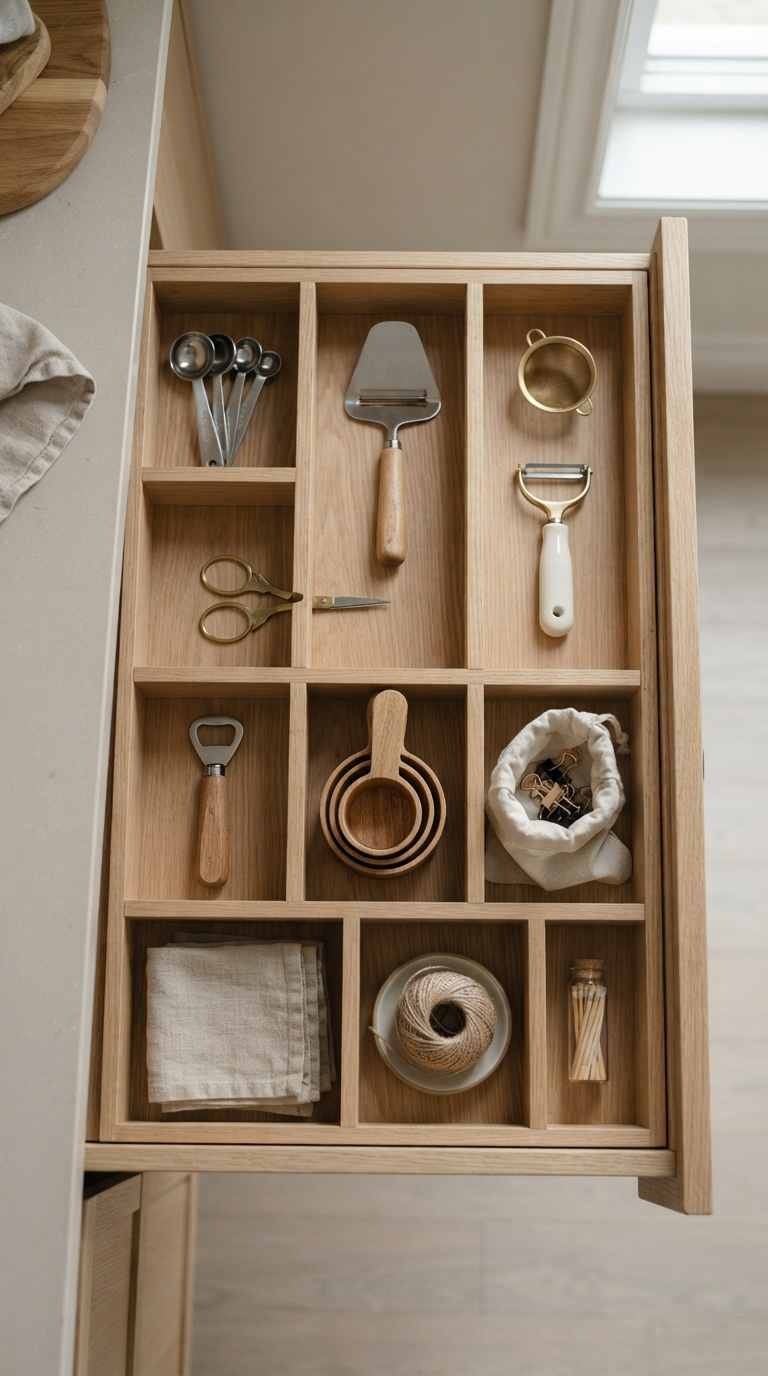
2. Creating “Miscellaneous” Catch-All ZonesEvery house seems to have one: the notorious junk drawer in the kitchen, the mystery basket in the entryway, or the chair in the bedroom that serves as a purgatory for semi-clean clothes. Creating zones designated for “miscellaneous” items is a direct invitation for clutter to accumulate. When an item lacks a specific home, it ends up in these catch-all spaces, which quickly overflow and become sources of anxiety rather than convenience.To fix this problem, you must adhere to the fundamental rule of organization: every single item must have a designated, logical home. If an item does not have a clear category or a specific place where it belongs, you must ask yourself if it truly belongs in your house at all. For those tiny items that genuinely need storage—like batteries, rubber bands, or spare keys—use small, clearly labeled dividers within a drawer, giving each specific micro-category its own strict boundary. Eliminate the concept of “miscellaneous” from your organizational vocabulary.
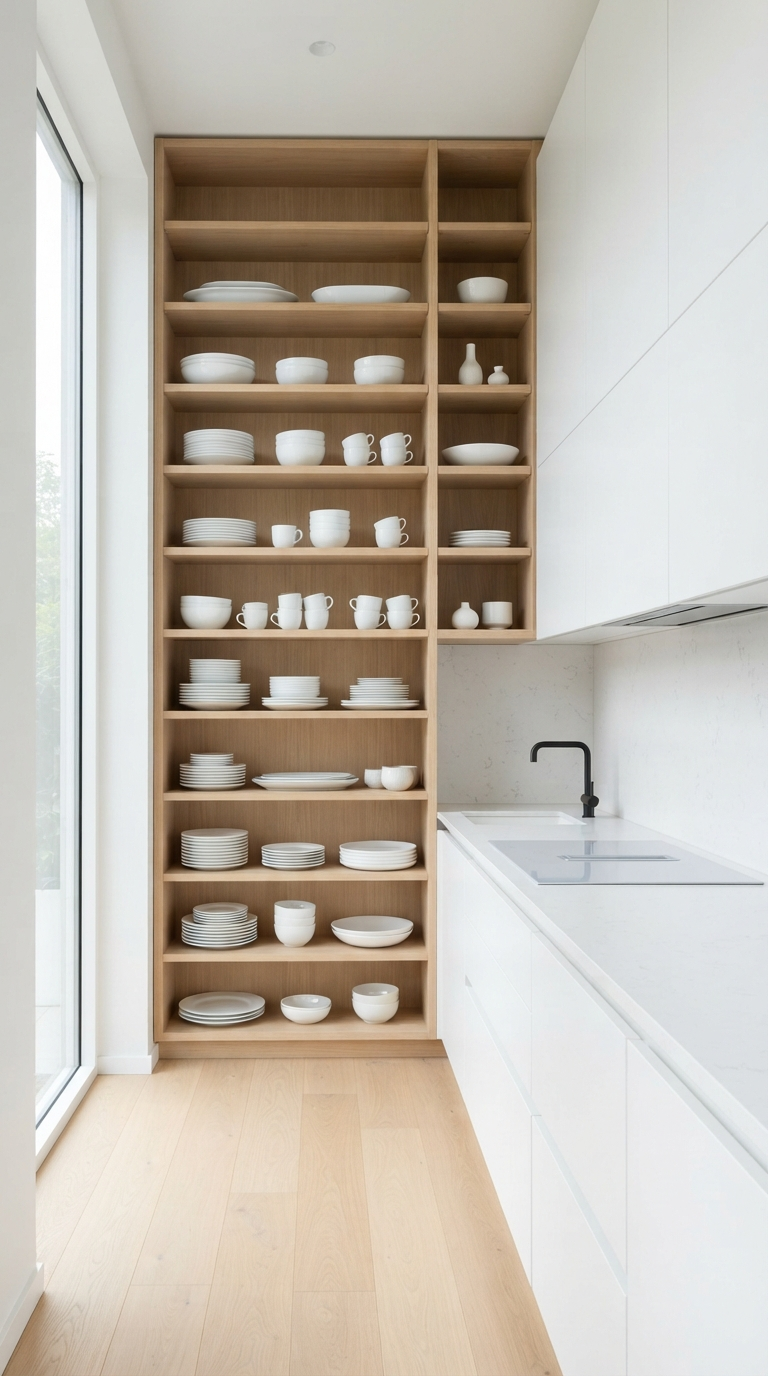
3. Ignoring Prime Vertical SpaceWhen assessing a messy room, most people only look at the horizontal surfaces: the floor, the countertops, the tables, and the bottoms of cabinets. By ignoring the vertical space, you are wasting a massive amount of potential storage and contributing to a cramped, cluttered feeling. Piling items on horizontal surfaces shrinks the visual footprint of the room and makes it incredibly difficult to keep the area clean and visually minimalist.The solution is to look up. Install floating shelves above your desk for books and supplies. Use tall, narrow bookcases instead of wide, low consoles. In the kitchen, install hooks under the cabinets to hang mugs, or use tiered shelving inserts inside your cabinets to double the usable height. In the closet, add an extra hanging rod or utilize the space right up to the ceiling for storing out-of-season items. By elevating your storage vertically, you keep the floor and countertops clear, promoting a highly clean, breathable, and minimalist aesthetic.
4. Micro-Organizing Every Single DrawerThere is a dangerous perfectionism in the organizing world that suggests every drawer needs ten tiny acrylic dividers, with every pen, paperclip, and staple separated by a millimeter of plastic. While this looks incredibly satisfying in a photograph, it is often a catastrophic failure in real life. Micro-organizing requires too much meticulous effort to maintain on a daily basis. When putting an item away takes five precise steps, human nature dictates that we will eventually just leave the item on the counter instead.A minimalist approach favors broad, macro-organizing. Instead of a separate tiny box for blue pens and black pens, have one general, easily accessible bin for all writing utensils. Keep your systems incredibly simple. The easier it is to put an item away, the more likely you and your family are to actually do it. Focus on broad categories that require nothing more than simply dropping the item into its designated larger container.
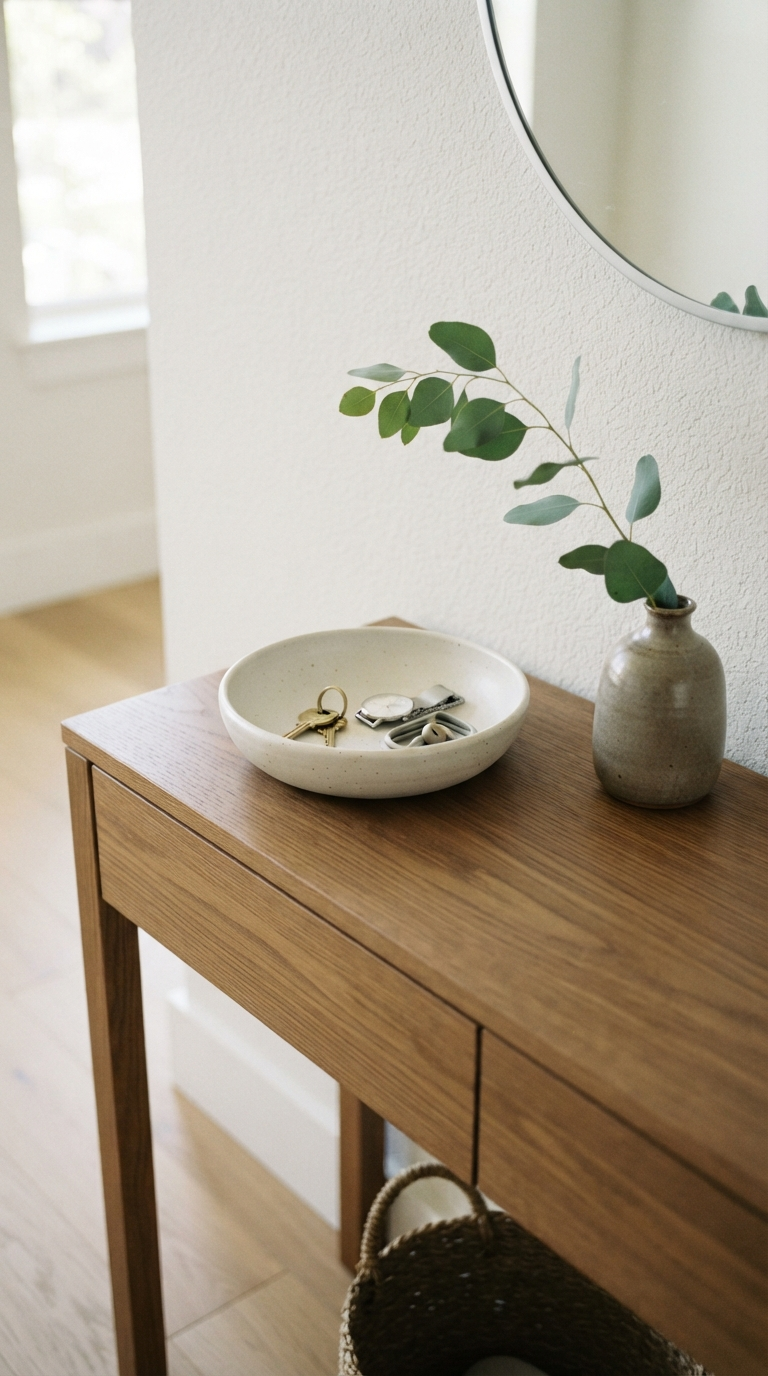
5. Organizing for the Fantasy Self, Not the Real SelfWe all have a “fantasy self.” The fantasy self wakes up at 5:00 AM, does an hour of yoga, bakes fresh bread, and meticulously color-codes their wardrobe. Often, we organize our homes based on the habits of this imaginary, perfect version of ourselves, rather than our actual, tired, busy reality. For example, setting up a complex filing system for mail when you know you generally just toss envelopes on the counter, or folding workout gear beautifully when you usually just grab it quickly in the dark.To fix this, you must design your organization around your actual behavior. If you always drop your keys on the console table, don’t try to force yourself to hang them in a closet down the hall; simply put a beautiful, minimalist ceramic bowl on the console table to catch them. If you hate folding underwear, stop trying to fold it perfectly and switch to a simple toss-in bin system inside your drawer. Work with your natural habits, not against them, to create a home that feels effortlessly clean.
6. Failing to Establish a Daily Reset RoutineMany people view organization as a one-time, monumental event. They spend a grueling weekend overhauling the house, and then consider the job “done.” However, a home is a living, breathing environment where things are constantly being used, moved, and brought in. Without regular maintenance, even the most perfect minimalist system will degrade into chaos within a month.The ultimate secret to maintaining a clean, organized home is the daily reset. This is a simple, ten-to-fifteen-minute routine executed every evening before bed. During this reset, you do not deep clean; you simply return the home to its baseline. Put the throw pillows back, load the dishwasher, wipe down the kitchen counter, and return misplaced items to their designated homes. By addressing the small daily accumulation of clutter, you prevent it from compounding into an overwhelming, unmanageable mess. This simple habit protects your hard work and ensures you wake up to a serene, minimalist environment every single morning.
Transform your messy house into a serene sanctuary with these 16 genius home organization hacks. Discover smart storage solutions for every single room!
Discover affordable and highly creative budget makeover ideas to refresh your living space. Learn how to transform your home without breaking the bank.
Declutter your kitchen with these clever, rustic pantry organization hacks designed to optimize vertical space, clear counters, and simplify meal prep.
Discover enchanting DIY projects to turn your small balcony into a magical retreat. Learn how to craft whimsical seating, fairy light canopies, and more.