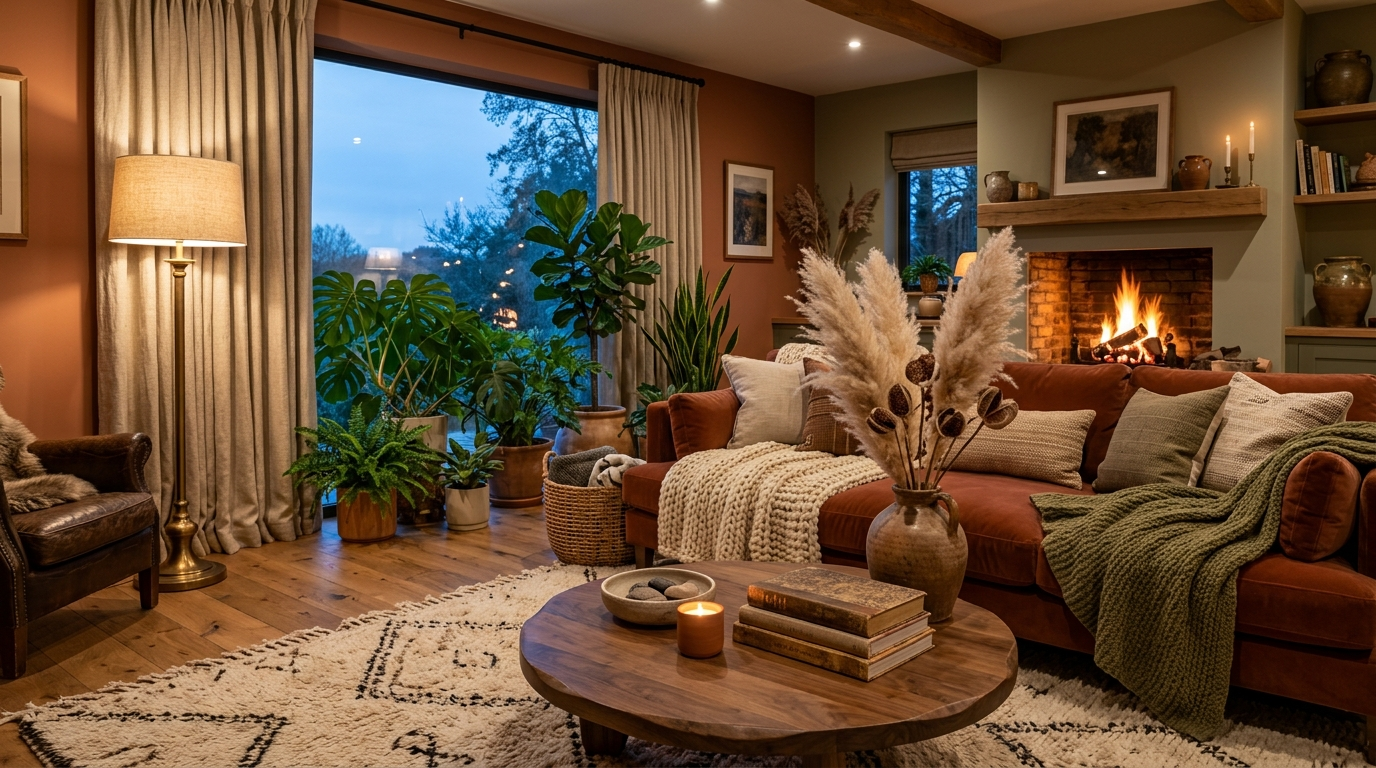
Your living room is more than just a space within your house; it is the beating heart of your home. It is where you unwind after a relentlessly long day, where you gather with your loved ones to share stories, and where you curl up with a captivating book on a rainy afternoon. In today’s fast-paced world, designing a living room that prioritizes comfort without sacrificing aesthetic appeal is paramount. Creating a cozy, inviting sanctuary requires thoughtful planning, a keen eye for detail, and a deep understanding of how different elements interact within a space. Whether you are starting from a completely blank canvas or looking to refresh your existing decor, this comprehensive guide will walk you through sixteen transformative ideas to elevate your living room into the ultimate relaxing haven.
The concept of ‘cozy’ goes far beyond merely throwing a blanket over a sofa. It encompasses a holistic approach to design that engages all the senses. It involves manipulating light to create warmth, selecting textures that invite touch, arranging furniture to foster connection, and curating personal artifacts that tell your unique story. By meticulously layering these elements, you can cultivate an environment that not only looks beautiful but also feels profoundly comforting. Let us dive deep into these sixteen expert-approved strategies and begin the journey toward your dream living room.
1. Master the Art of Layered Lighting
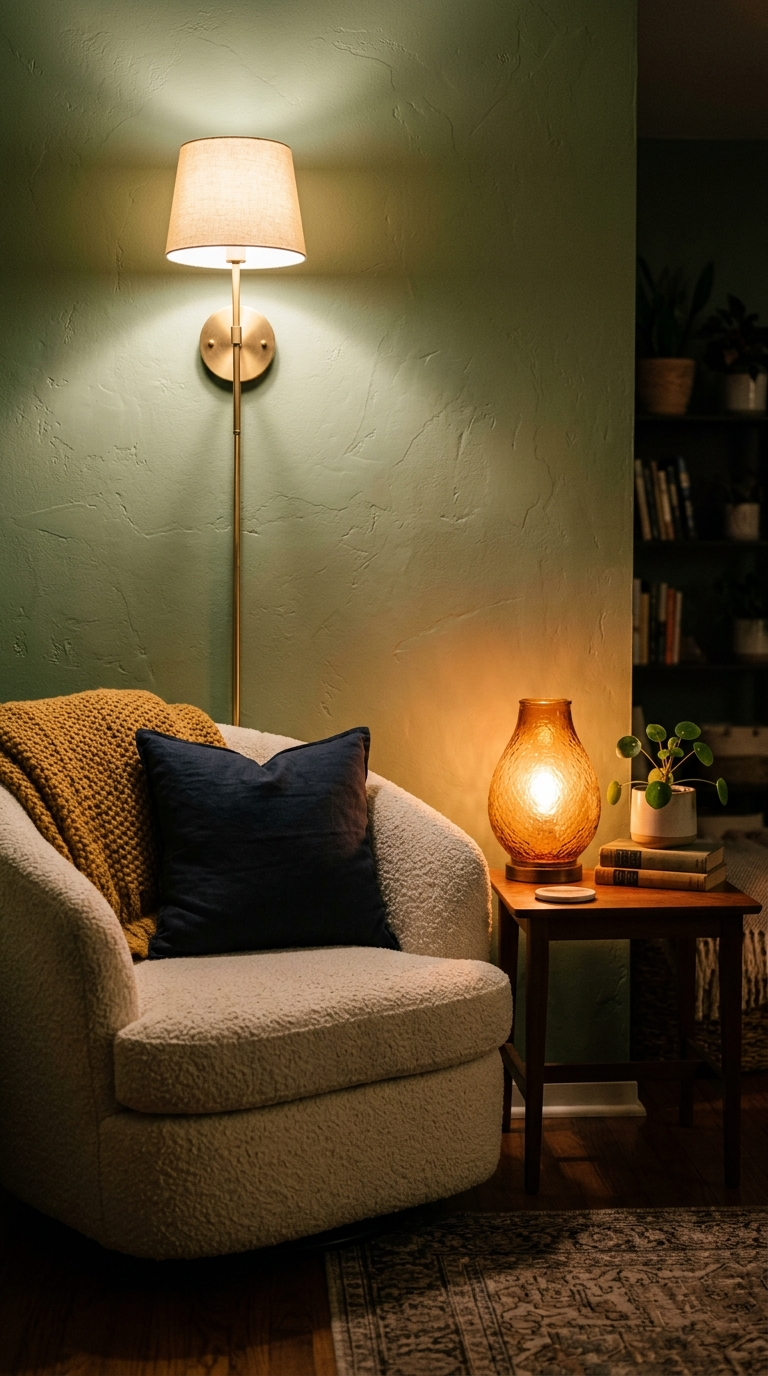
Lighting is arguably the most critical component in establishing the mood of any room. A common mistake is relying solely on a single overhead light source, which often casts harsh, unflattering shadows and creates an uninviting, sterile atmosphere. To achieve true coziness, you must embrace the art of layered lighting. This involves combining ambient, task, and accent lighting to create a rich, multidimensional glow.
Begin with a statement chandelier or a stylish flush mount as your ambient base, but always install it on a dimmer switch. This allows you to control the intensity based on the time of day and the desired mood. Next, incorporate task lighting through strategically placed floor lamps near reading nooks or elegant table lamps on sideboards. Finally, add accent lighting to highlight architectural features, artwork, or indoor plants. Think picture lights, wall sconces, or even LED strip lights softly glowing behind a media console. Opt for warm white bulbs (around 2700K to 3000K) to mimic the soothing radiance of natural sunlight.
2. Introduce Sumptuous, Tactile Fabrics
Texture is the secret ingredient that prevents a room from feeling flat and one-dimensional. When you introduce a variety of tactile fabrics, you instantly add visual weight and physical warmth to the space. Think beyond standard cotton and polyester. Embrace materials that make you want to reach out and touch them.
Velvet is an excellent choice for upholstery; it catches the light beautifully and feels incredibly luxurious. If a velvet sofa feels too committal, try incorporating velvet throw pillows or a plush ottoman. Chunky knit throws draped casually over the arm of a chair, faux fur cushions, and woven wall hangings all contribute to a rich, layered aesthetic. Mixing coarse textures, like a sisal rug or rustic linen curtains, with incredibly soft ones creates a dynamic contrast that is both visually stimulating and deeply comforting.
3. Anchor the Space with a Plush, Oversized Rug
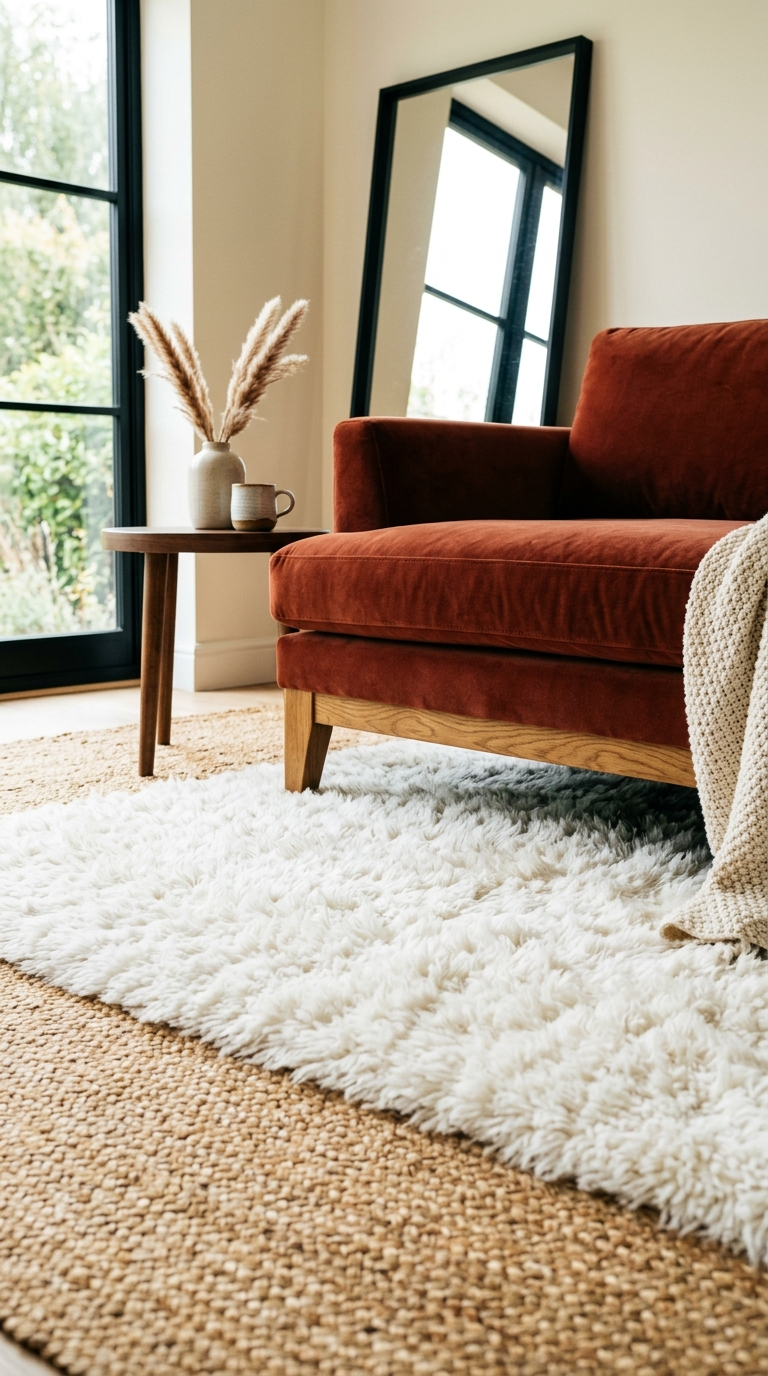
A rug does much more than cover a bare floor; it acts as an anchor, defining the seating area and tying all the disparate elements of the room together. To maximize coziness, choose a rug that is generous in size. Ideally, all the front legs of your major furniture pieces should rest comfortably on the rug. A rug that is too small will make the room feel disjointed and visually chaotic.
When it comes to material, prioritize softness underfoot. Wool is a classic, durable option that provides excellent insulation and a comforting texture. For an extra layer of luxury, consider a high-pile Moroccan Beni Ourain rug or a thick shag rug. If your living room receives heavy foot traffic, you can layer a softer, smaller rug over a larger, more durable natural fiber rug like jute or sisal. This technique adds depth and allows you to enjoy the best of both worlds.
4. Embrace a Warm, Earth-Toned Color Palette
The colors you surround yourself with have a profound impact on your psychological well-being. While stark whites and cool grays can look crisp and modern, they often fail to evoke a sense of enveloping warmth. To create a truly cozy haven, turn to nature for inspiration and embrace a warm, earth-toned palette.
Think rich terracotta, deep forest green, warm ochre, muted mustard, and soft, sandy beiges. These hues are grounding and inherently calming. You do not need to paint your entire room a dark color to achieve this effect. You can maintain a neutral backdrop—like a warm cream or soft taupe—and introduce these earthy tones through your upholstery, window treatments, artwork, and decorative accessories. A terracotta accent wall or a deep green velvet armchair can serve as beautiful focal points that instantly warm up the space.
5. Curate a Meaningful Gallery Wall
A living room should be a reflection of the people who inhabit it. Bare walls can feel cold and impersonal. Creating a curated gallery wall is a fantastic way to infuse your space with personality and warmth. It serves as a visual autobiography, showcasing your interests, travels, and cherished memories.
Do not restrict yourself to formal portraits. Mix and match different types of art: vintage landscapes, modern abstract prints, framed textiles, personal photography, and even small, three-dimensional objects or mirrors. To keep the look cohesive without being overly rigid, stick to a unified color palette within the artwork or use similar frames—such as all warm wood or a mix of brass and black. Lay your arrangement out on the floor first to find the perfect balance before committing to hammering nails into the wall.
6. Bring the Outdoors In with Abundant Greenery
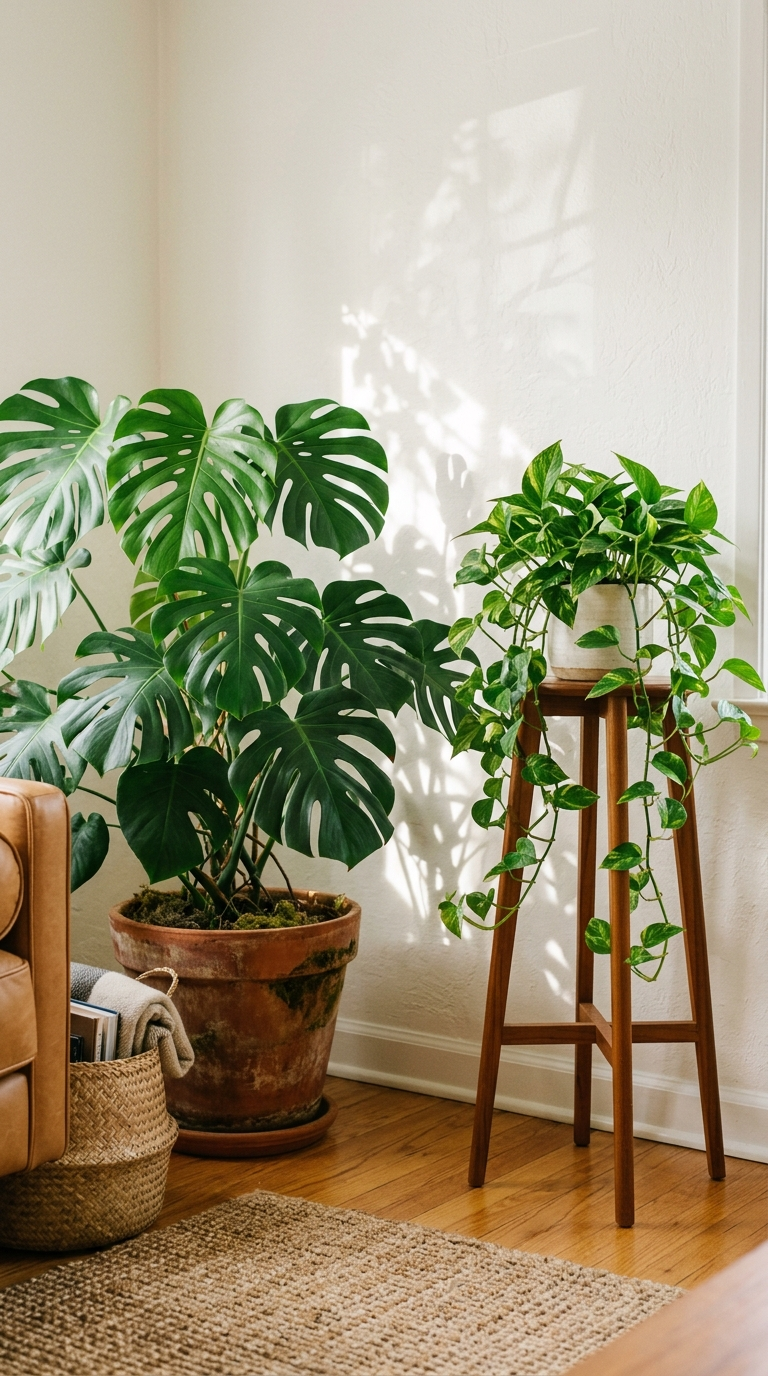
Incorporating elements of nature into your interior design—a concept known as biophilic design—has been proven to reduce stress, improve cognitive function, and enhance overall mood. Houseplants breathe literal life into a living room, purifying the air and adding vibrant splashes of color and organic texture.
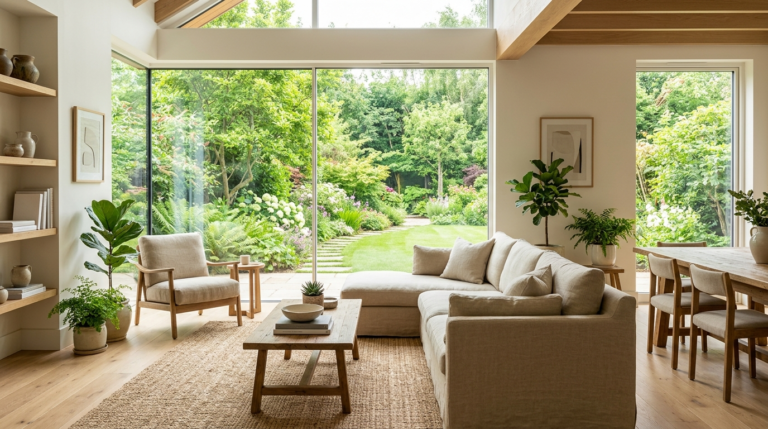
Create depth by varying the heights and types of plants. Place a tall, statement plant, such as a Ficus Audrey or a large Monstera Deliciosa, in an empty corner to draw the eye upward. Cluster smaller plants like Pothos or Philodendrons on bookshelves, and place medium-sized plants like Snake Plants or ZZ Plants on side tables or plant stands. If you lack a green thumb, opt for incredibly realistic faux plants; the psychological benefits of seeing greenery remain surprisingly similar. Ensure you use beautiful, textured pots—like ceramic, woven seagrass, or aged terracotta—to further enhance the cozy aesthetic.
7. Arrange Furniture for Conversation
The layout of your furniture dictates how the space will be used. Pushing all your seating against the walls is a common mistake that creates a vast, dead zone in the center of the room, hindering intimacy and conversation. A cozy living room should feel embracing and conducive to connection.
Pull your furniture away from the walls to create a more intimate grouping. Arrange your sofa and chairs so they face each other, or place them in an L-shape or U-shape to encourage face-to-face interaction. Ensure that every seat has easy access to a surface—whether it is a central coffee table, a side table, or a slim C-table—so guests can comfortably set down a mug of tea or a book. This thoughtful arrangement creates a ‘room within a room’ feeling, maximizing coziness regardless of the actual square footage.
8. Invest in High-Quality Window Treatments
Naked windows can make a room feel unfinished and exposed. Window treatments are essential not only for privacy and light control but also for adding a crucial layer of softness to the room’s architecture. They frame the view and can significantly impact the perceived height and elegance of the space.
For a cozy, luxurious feel, opt for floor-to-ceiling drapery. Hang the curtain rod high and wide—several inches above the window frame and extending past the sides. This simple trick makes the windows appear larger and the ceilings taller. Choose substantial fabrics like heavy linen, velvet, or lined cotton blends that drape beautifully and pool slightly on the floor. Layering sheer curtains underneath heavier drapes allows for filtered, soft light during the day while providing insulation and total privacy at night.
9. Incorporate Natural Wood Elements
Wood brings an unparalleled organic warmth to an interior. The natural grain, varied tones, and tactile surface of wood instantly make a space feel more grounded and inviting, counteracting the sleekness of modern technology and synthetic materials often found in living rooms.
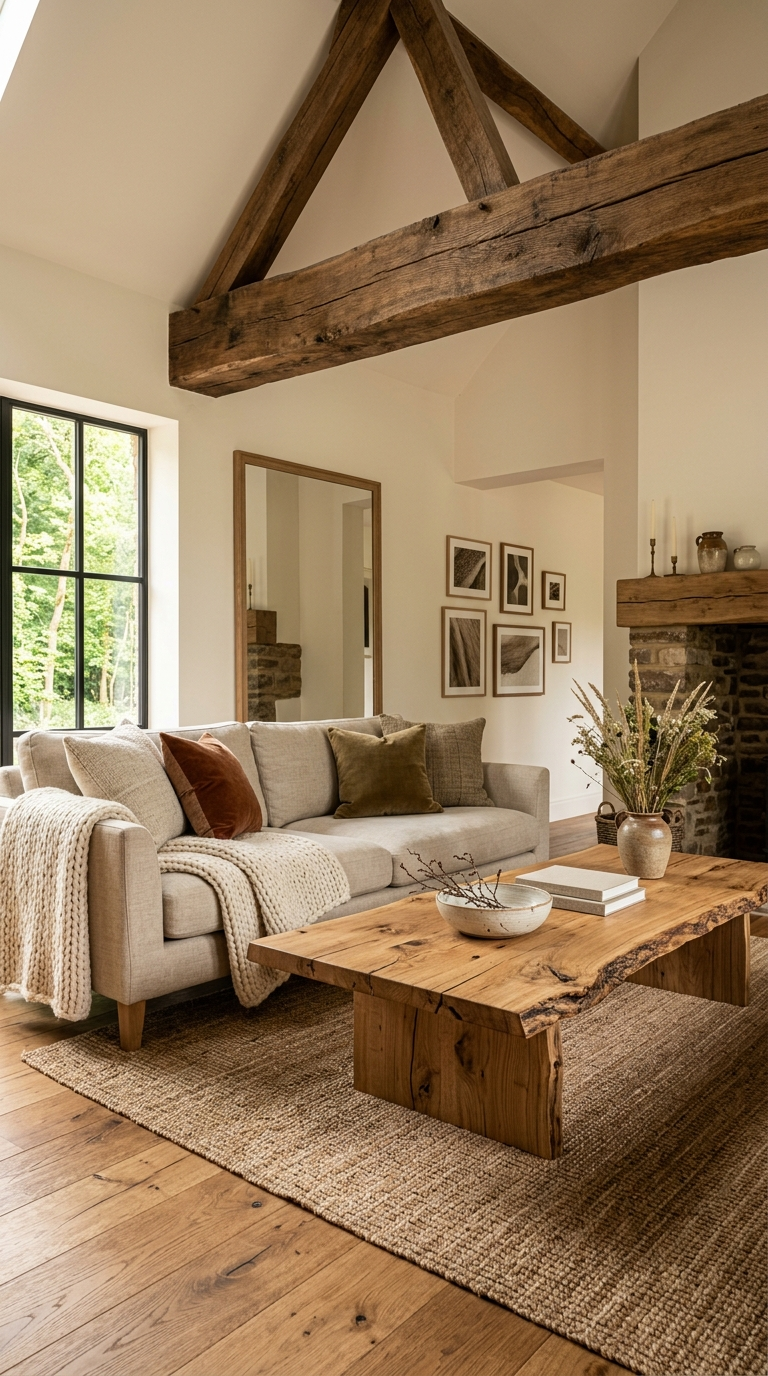
Introduce wood through your furniture choices—a sturdy oak coffee table, a mid-century modern teak credenza, or exposed wooden legs on your seating. You can also incorporate wood through architectural details like exposed ceiling beams, a paneled accent wall, or a rustic wooden mantelpiece. Do not be afraid to mix different wood tones; as long as they share a similar undertone (warm or cool), blending light oak with dark walnut can create a collected, evolved look that feels beautifully authentic.
10. Create a Dedicated Reading Nook
Even in a shared living room, having a small, dedicated zone for solo relaxation is a wonderful luxury. A reading nook serves as a physical cue to slow down, disconnect from screens, and indulge in a moment of quiet reflection.
Identify an underutilized corner or a spot near a window with good natural light. Anchor the nook with a highly comfortable, supportive armchair—a classic wingback, a plush recliner, or an oversized armchair wide enough to curl your legs into. Add a small, sculptural side table for resting a hot beverage, a dedicated reading lamp (like a brass floor lamp with an adjustable arm), and a soft basket filled with your favorite woven throws. This micro-environment within the larger room will quickly become the most coveted seat in the house.
11. Strategically Place Mirrors to Amplify Light
While coziness is often associated with darker, moodier spaces, a well-lit, airy room can be equally inviting. If your living room is on the smaller side or lacks abundant natural light, mirrors are your secret weapon. They create the illusion of expanded space and bounce light around the room, making it feel brighter and more open.
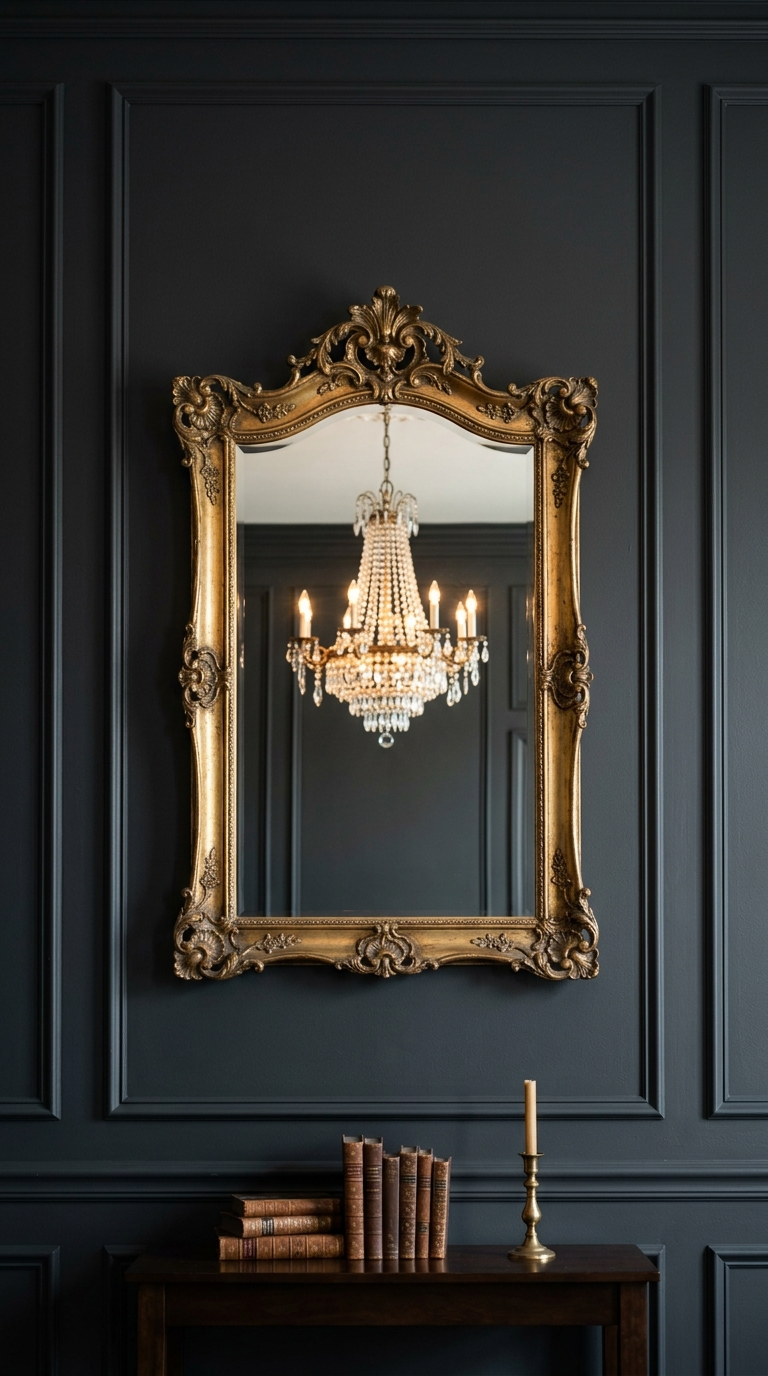
Place a large, beautifully framed mirror opposite your main light source or a window to maximize reflection. An oversized floor mirror leaning casually against a wall adds a touch of bohemian elegance, while a round or uniquely shaped mirror above the fireplace serves as a stunning focal point. Choose frames that complement your decor—antiqued brass for a vintage feel, warm wood for a rustic touch, or a sleek black metal frame for a modern edge.
12. Add Architectural Interest with Molding
Standard drywall can sometimes feel flat and uninspired. Adding architectural details like crown molding, baseboards, wainscoting, or board and batten can dramatically elevate the sophistication and coziness of a living room. These elements provide texture, depth, and a sense of history and permanence.
Picture frame molding, applied to a large, empty wall, instantly creates an elegant, bespoke look. You can paint the molding the same color as the wall for a subtle, textural effect, or choose a contrasting color to highlight the architectural feature. Even simple, chunky baseboards can make a significant difference in grounding the room and making it feel finished and thoughtfully designed.
13. Style Your Coffee Table Intentionally
The coffee table sits at the center of your living room, making it a prime piece of real estate for displaying your personal style. A cluttered coffee table creates visual stress, while a completely empty one looks sterile. The goal is to achieve a curated, balanced look that is both functional and beautiful.
Start with a foundation, such as a beautiful wooden or metallic tray, to corral smaller items. Add a stack of two or three oversized, visually appealing coffee table books that reflect your interests—art, travel, architecture, or fashion. Introduce varying heights by placing a decorative object, like a sculptural ceramic bowl or a piece of unique driftwood, on top of the books. Finally, add a living element, such as a small potted plant or a vase of fresh (or high-quality faux) flowers. Leave enough empty space for practicality—you still need room to rest a drink or the television remote.
14. Soften the Edges with Curvy Furniture
Rooms filled exclusively with straight lines and sharp right angles can feel rigid and formal. Introducing curves softens the overall aesthetic, making the environment feel more organic, fluid, and welcoming. Curved lines naturally draw the eye and encourage a more relaxed posture.
Consider swapping out a rectangular coffee table for a round or oval one. Look for sofas with gently sloping arms or a curved back profile. Incorporate rounded accent chairs, circular mirrors, and spherical lighting fixtures. These subtle curves counterbalance the harsh lines of the room’s architecture and the rectangular shapes of rugs and windows, resulting in a harmonious, soothing atmosphere.
15. Display Personal Collections with Pride
A cozy home is a lived-in home, and nothing speaks to a lived-in aesthetic more than personal collections. Whether it is a collection of vintage cameras, antique brass candlesticks, beautiful ceramics gathered from your travels, or a library of well-loved books, displaying your passions adds unparalleled character to your living room.
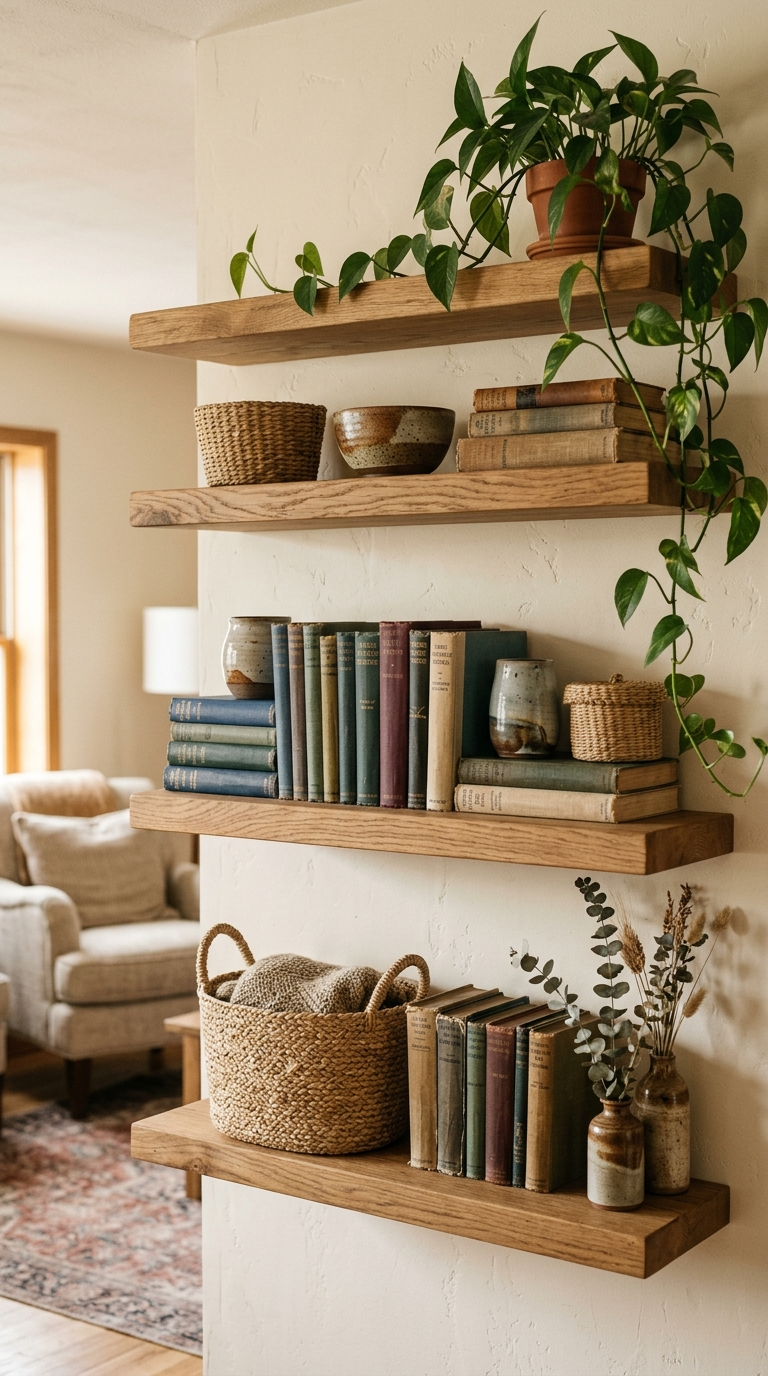
Group similar items together for maximum visual impact, rather than scattering them haphazardly around the room. A curated display on a bookshelf, a floating shelf, or inside a glass-front cabinet turns your possessions into art. This not only sparks joy for you but also provides fascinating conversation starters for your guests, instantly making them feel more at home in your unique space.
16. Engage the Sense of Smell
Scent is deeply tied to memory and emotion, making it a powerful, often overlooked tool in interior design. The right fragrance can instantly transform the ambiance of a room, evoking feelings of comfort, nostalgia, and deep relaxation. A space that smells wonderful feels inherently cozier and more inviting.
Opt for high-quality, natural scents rather than overpowering synthetic air fresheners. Scented candles placed on coffee tables or mantels add both fragrance and a warm, flickering light. Essential oil diffusers are an excellent option for long-lasting, customizable scents. During the colder months, look for grounding notes like cedarwood, vanilla, amber, and subtle spices. In the warmer months, switch to lighter, fresher scents like linen, bergamot, or soft florals. The gentle, consistent presence of a beautiful aroma is the final, invisible layer of a truly cozy living room.
Conclusion: Your Personal Sanctuary Awaits
Transforming your living room into a cozy haven is a deeply personal journey. It is not about adhering strictly to fleeting trends or replicating a catalog showroom; it is about thoughtfully curating a space that resonates with your soul and supports your lifestyle. By implementing these sixteen strategies—from mastering the nuances of layered lighting and introducing sumptuous textures to arranging furniture for connection and engaging all the senses—you can create an environment that acts as a true refuge from the outside world. Take your time, experiment with different arrangements, and enjoy the process of crafting a living room that warmly welcomes you home every single day.
Transform your house into a haven. Discover the art of designing intentional living spaces that promote comfort, connection, and true well-being in every room.
Transform your narrow hallways and cluttered entryways into a stunning first impression by avoiding these seven common decor mistakes. Read our full guide!
Are you making these common entryway decor mistakes? Learn how to fix them easily and create a welcoming, organized, and stylish foyer that wows your guests.
Don’t let your home’s first impression fall flat. Learn the most common entryway and hallway decorating mistakes to avoid, and discover how to fix them easily.
Learn exactly how to transform a cramped, narrow hallway into a beautifully warm, welcoming, and functional entryway with this step-by-step classic design guide.