Designing a kitchen is one of the most exciting yet challenging projects you can undertake in your home. As the heart of the house, the kitchen serves multiple purposes: it is a place for culinary exploration, family gatherings, morning coffee rituals, and late-night snacking. However, balancing aesthetics with absolute functionality requires meticulous planning. Many homeowners jump into the renovation process with mood boards full of stunning cabinetry and gleaming countertops, only to realize later that the space does not work efficiently for their daily needs. To help you navigate this complex process, we have compiled a comprehensive guide detailing the most common kitchen design mistakes and, more importantly, how to avoid them.
Whether you are planning a complete overhaul or a minor refresh, understanding these pitfalls can save you time, money, and endless frustration. From the fundamental principles of ergonomics to the nuances of layered illumination, every decision plays a crucial role in the final outcome. In this extensive guide, we will explore layout errors, storage oversights, material missteps, and lighting blunders that can compromise the integrity of your design. By the end of this article, you will be equipped with the knowledge necessary to create a kitchen that is not only visually breathtaking but also a joy to use every single day. Let us dive deep into the world of kitchen design and ensure your project is a resounding success.
Mistake 1: Ignoring the Classic Work Triangle
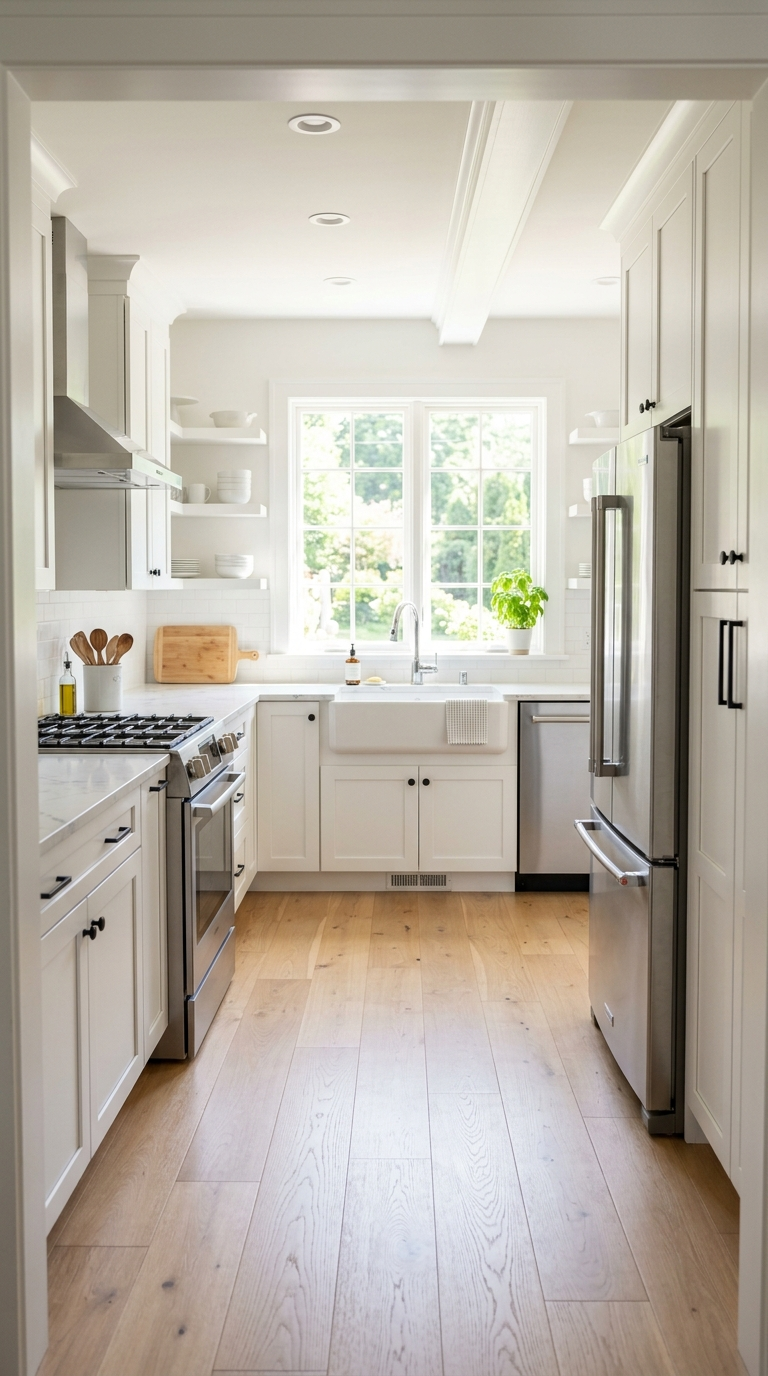
The concept of the kitchen work triangle has been a cornerstone of functional design for decades, yet it is astonishingly easy to overlook when swept up in modern, open-concept aesthetics. The work triangle refers to the spatial relationship and imaginary lines connecting the three primary work areas: the stove, the sink, and the refrigerator. These are the zones where the majority of culinary tasks are performed, and the efficiency of your kitchen relies heavily on the unimpeded flow between them. When these elements are placed too far apart, preparing a simple meal becomes a marathon. Conversely, if they are cramped too closely together, the space feels claustrophobic, especially when multiple people are trying to navigate the area simultaneously.
To optimize your layout, interior designers recommend that the sum of the triangle’s three sides should ideally be between 13 and 26 feet. No single leg of the triangle should be shorter than 4 feet or longer than 9 feet. Furthermore, the path between these work centers should be completely free of obstacles, such as a protruding kitchen island or an awkwardly placed dining table. If you are working with a straight-line or galley kitchen where a traditional triangle is impossible, the focus should shift to creating functional work zones. Ensure that prep areas are adjacent to the sink and that cooking implements are stored exactly where they are used. By prioritizing the work triangle or zoning principles, you lay the foundation for a kitchen that operates seamlessly.
Mistake 2: Sacrificing Counter Space for Aesthetics
One of the most frequent grievances heard after a kitchen remodel is the sheer lack of usable counter space. It is incredibly tempting to install floor-to-ceiling pantry cabinets or double ovens, but doing so at the expense of your horizontal workspaces is a critical error. Countertops are the battleground of the kitchen. They are where groceries are unloaded, vegetables are chopped, appliances are housed, and sometimes, where quick meals are consumed. When planning your layout, you must account for the physical footprint of your daily activities. A beautiful kitchen quickly loses its charm if you are forced to balance a cutting board on top of the toaster because there is nowhere else to work.
To avoid this mistake, carefully evaluate your cooking habits. If you frequently bake, you will need a substantial, uninterrupted stretch of counter for rolling out dough. If you rely on several small appliances—such as coffee makers, blenders, or stand mixers—you need to designate specific homes for them so they do not monopolize your primary prep zones. Consider incorporating an island or a peninsula if your square footage allows, as these structures provide massive boosts to both counter space and storage. Additionally, do not forget the importance of landing zones. Always ensure there is at least 15 inches of clear counter space on either side of the stove and the sink, as well as near the refrigerator, to safely place hot pots or heavy groceries.
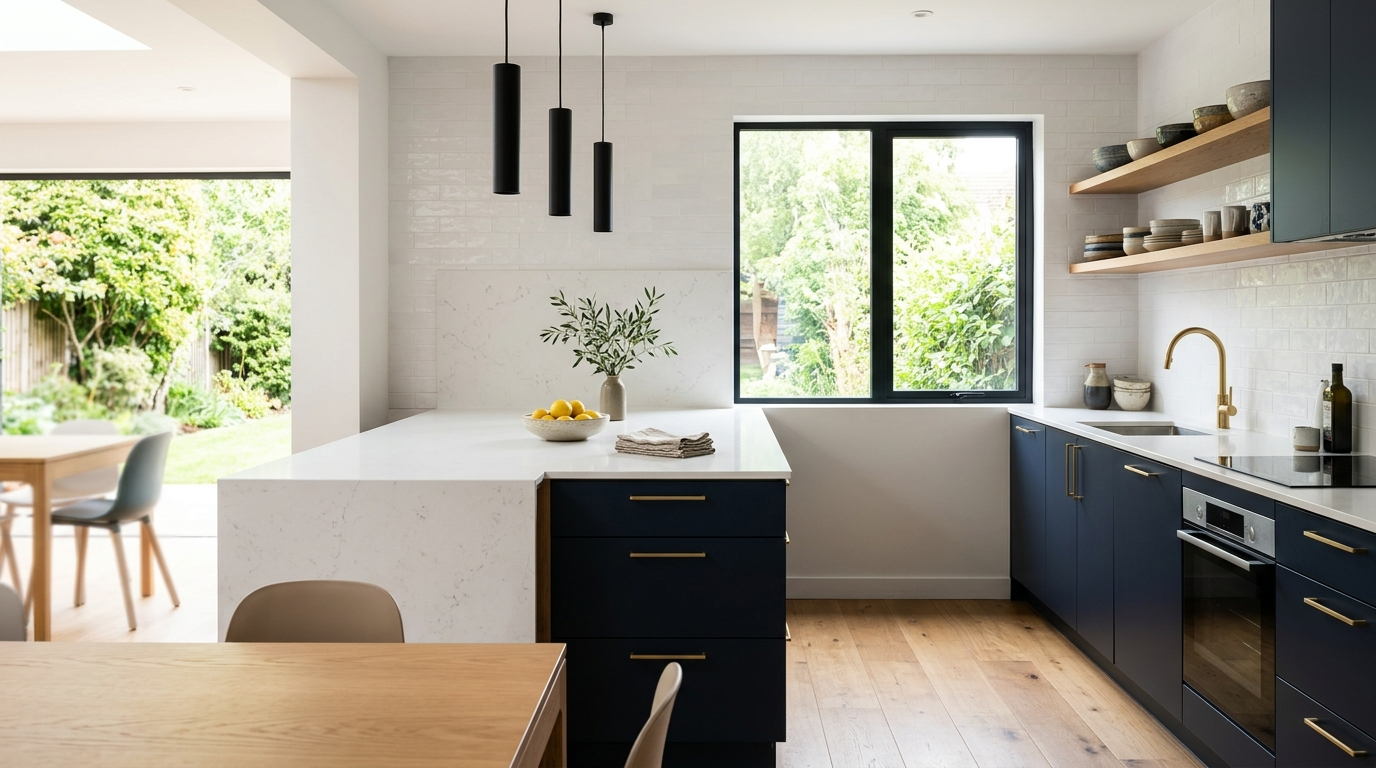
Mistake 3: Inadequate and Poorly Planned Lighting
Lighting is often treated as an afterthought in kitchen design, relegated to the end of the project when the budget is already stretched thin. This is a monumental mistake. A kitchen requires a sophisticated, layered lighting scheme to function properly and feel welcoming. Relying solely on a single, glaring overhead fixture creates harsh shadows, making it difficult to see what you are doing and diminishing the room’s ambiance. Effective kitchen lighting must be divided into three distinct categories: ambient, task, and accent lighting. Ambient lighting provides the overall, general illumination of the room, typically achieved through recessed ceiling lights or flush mounts.
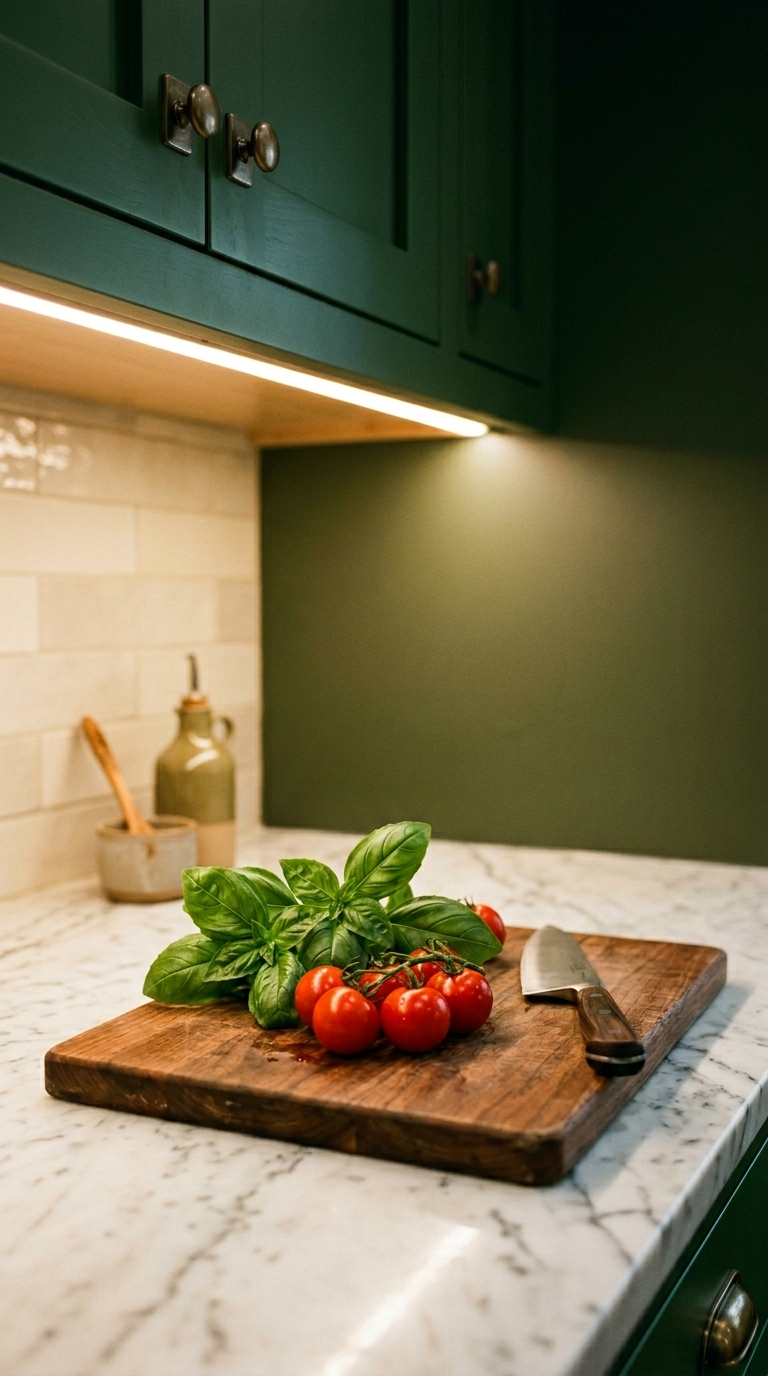
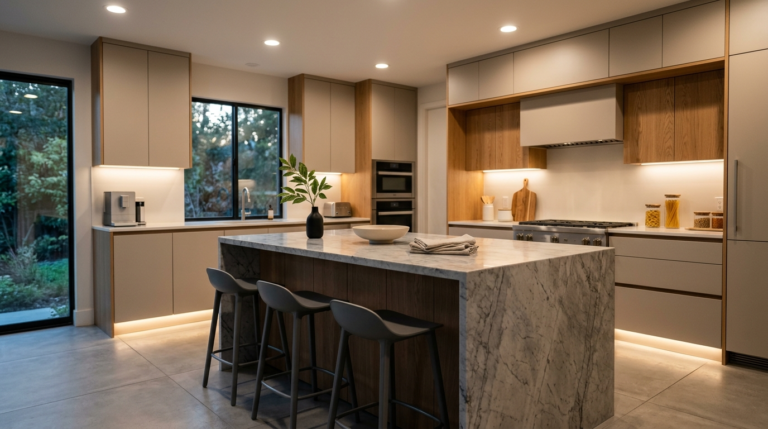
Task lighting is where functionality truly comes into play. This type of lighting is focused on specific work areas, primarily the countertops, sink, and stove. Under-cabinet lighting is an absolute necessity, as it eliminates the shadows cast by the upper cabinets and illuminates your prep space perfectly. Pendant lights over an island also serve as excellent task lighting while adding a significant decorative element. Finally, accent lighting adds depth and dimension to the space. This could include interior cabinet lighting to showcase beautiful dishware or toe-kick lighting at the base of the cabinets to provide a soft, nighttime glow. By thoughtfully combining these three layers, you create a kitchen that is both brilliantly functional and beautifully atmospheric.
Mistake 4: Overlooking the Importance of Proper Ventilation
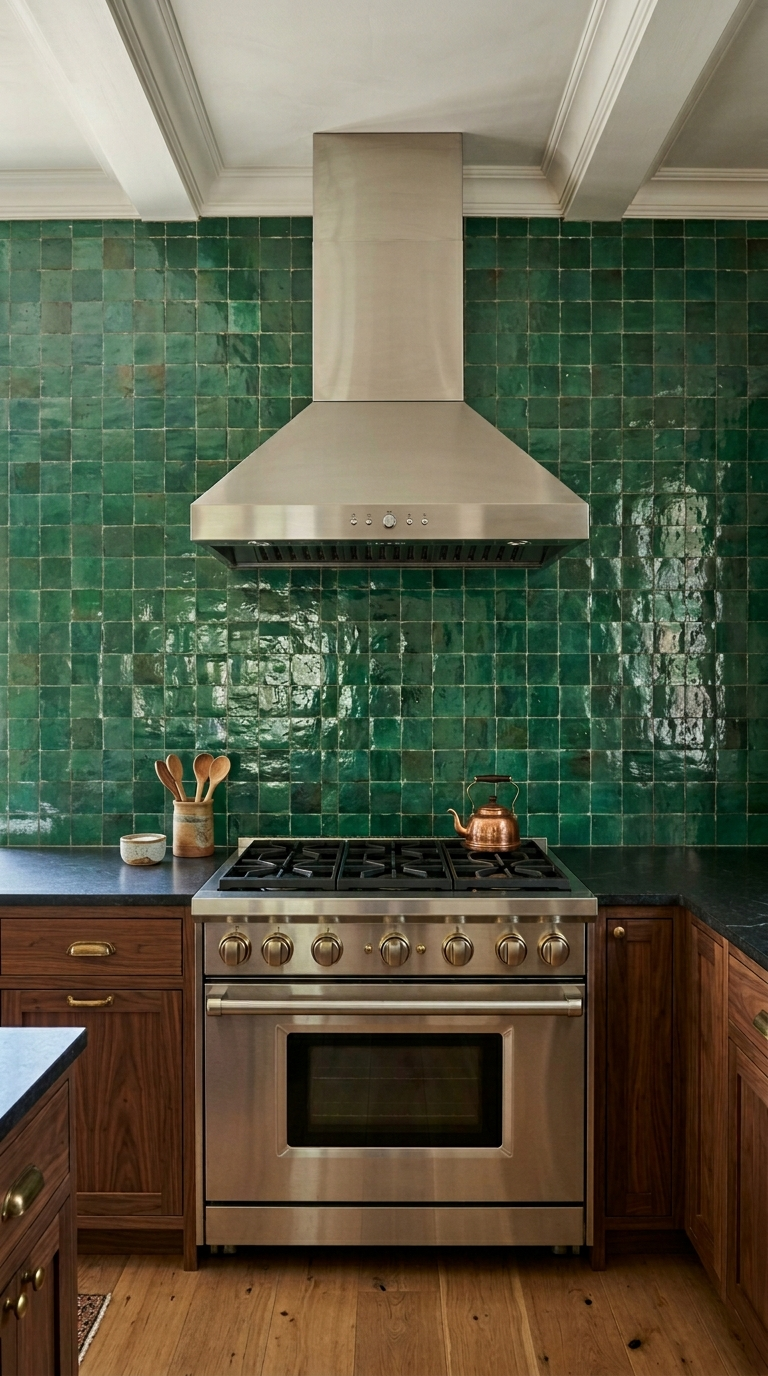
It is easy to get caught up in selecting the perfect backsplash tile or the most elegant cabinet hardware, but neglecting your kitchen’s ventilation system is a recipe for disaster. Cooking generates a significant amount of heat, moisture, airborne grease, and strong odors. Without a powerful and properly sized range hood, these elements linger in the air, settling onto your newly painted cabinets, seeping into your soft furnishings, and severely impacting the indoor air quality of your home. Many homeowners make the mistake of choosing a ventilation unit based solely on its appearance, or worse, opting for a recirculating fan that simply pushes dirty air back into the room without removing the pollutants.
Investing in a high-quality, ducted range hood that vents to the exterior of your home is crucial. When selecting a hood, pay close attention to its CFM (Cubic Feet per Minute) rating, which measures the volume of air it can move. The general rule of thumb is that you need 100 CFM for every 10,000 BTUs your stove generates. Additionally, the hood should be slightly wider than your cooking surface to capture all the rising smoke and grease effectively. Do not let a beautiful design compromise your health and the longevity of your kitchen finishes. Prioritize excellent ventilation, and your space will remain fresh, clean, and comfortable for years to come.
Mistake 5: Failing to Plan for Garbage and Recycling
In the quest for a visually pristine kitchen, waste management is a topic that is frequently swept under the rug. Failing to design a dedicated, concealed space for garbage and recycling bins is a glaring oversight that will plague you daily. If you do not plan for waste, you will inevitably end up with an unsightly, freestanding trash can obstructing a walkway, interrupting the flow of the room, and detracting from your carefully curated aesthetic. Furthermore, as recycling requirements become more complex, you need adequate space to sort plastics, glass, paper, and general refuse efficiently.
The optimal solution is to integrate a pull-out waste sorting system directly into your cabinetry, ideally situated within the primary prep zone or directly adjacent to the sink. These specialized cabinets feature heavy-duty glides and can accommodate multiple bins, keeping your trash completely hidden from view while remaining highly accessible. If you have the space, consider an additional, smaller compost bin integrated into the countertop for food scraps. By addressing waste management during the initial design phase, you ensure that your kitchen remains clean, organized, and truly functional, eliminating the clutter of exposed garbage receptacles.
Mistake 6: Choosing Form Over Function for Cabinetry
Cabinetry represents one of the largest financial investments in any kitchen remodel, making it imperative to choose wisely. A common trap is selecting cabinets based purely on their exterior profile or color, without considering their interior functionality. Standard lower cabinets with fixed shelves are notoriously inefficient. They require you to kneel and reach blindly into dark, cavernous spaces to retrieve pots and pans, often resulting in an avalanche of misplaced cookware. Maximizing storage efficiency means prioritizing accessibility and organization over simple box construction.
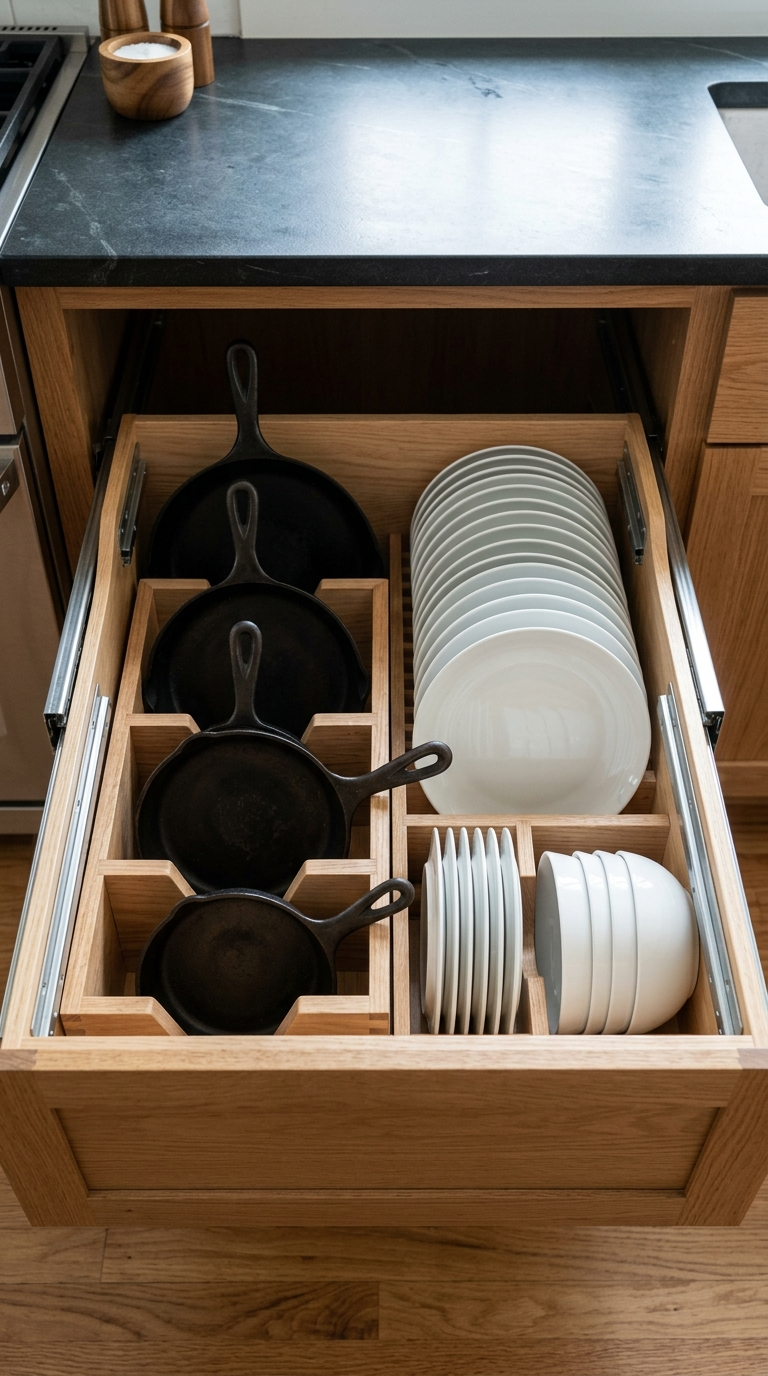
To revolutionize your storage, incorporate a generous number of deep drawers for your lower cabinetry. Drawers bring the entire contents out to you, allowing you to see and access everything instantly, from heavy cast-iron skillets to neatly stacked dinner plates. For the remaining standard cabinets, install high-quality roll-out trays. Furthermore, do not neglect the hard-to-reach areas like blind corners. Utilize advanced hardware solutions such as lazy Susans or articulated pull-out organizers to ensure that every square inch of your cabinetry is usable. When your storage is meticulously planned to accommodate your specific inventory, maintaining a clutter-free kitchen becomes effortless.
Mistake 7: Neglecting the Backsplash as a Design Element
The backsplash serves a vital practical purpose: protecting your walls from water damage, grease splatters, and food stains. However, it is also one of the most prominent visual canvases in the entire kitchen. A frequent mistake is treating the backsplash as an afterthought, opting for a tiny, four-inch strip of the countertop material or a plain painted wall. This not only fails to provide adequate protection but also represents a massive missed opportunity to inject personality, texture, and visual interest into the space. The area between the countertops and the upper cabinets is prime real estate for a stunning design statement.
When selecting a backsplash, consider the overall style of your home. Subway tiles offer a timeless, classic look that works in almost any setting, while intricately patterned ceramic tiles can add a vibrant, bohemian flair. For a sleek, modern aesthetic, consider extending the countertop material, such as quartz or marble, all the way up the wall to create a seamless, luxurious continuous surface. Whatever material you choose, ensure it is easy to clean and maintain. Do not be afraid to take the backsplash tile all the way to the ceiling behind the stove or around a window to create a dramatic, cohesive focal point that elevates the entire room.
Mistake 8: Misjudging Island Proportions and Placement
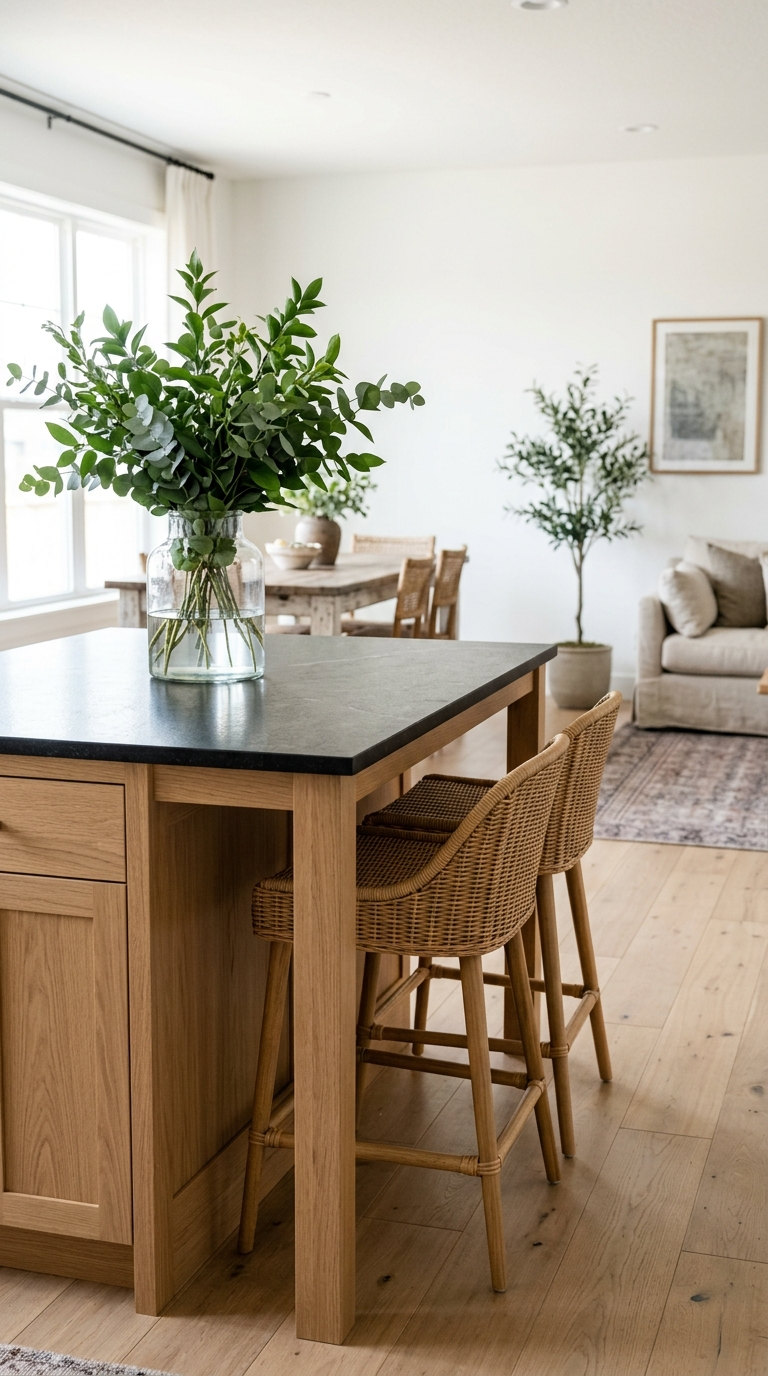
The kitchen island has become the holy grail of modern design, desired for its expansive prep surface, additional storage, and casual seating. However, forcefully inserting an island into a space that cannot comfortably accommodate it is a disastrous error. An oversized island creates frustrating bottlenecks, making it impossible to open appliance doors fully or for two people to walk past each other. Conversely, an island that is too small looks out of proportion and fails to provide meaningful utility. Getting the scale and placement right is non-negotiable for a successful layout.
Before committing to an island, carefully measure your available floor space. You must maintain a minimum clearance of 36 to 42 inches on all sides of the island to ensure safe and comfortable traffic flow. If your kitchen is heavily trafficked or you frequently cook with a partner, aim for 48 inches of clearance. If your kitchen dimensions are too tight for a permanent, built-in island, explore alternative solutions. A rolling cart with a butch-block top can provide extra prep space when needed and be pushed aside when not. A peninsula attached to one wall might also offer the seating and surface area you desire without completely disrupting the flow of a smaller room.
Mistake 9: Skimping on Hardware and Fixtures
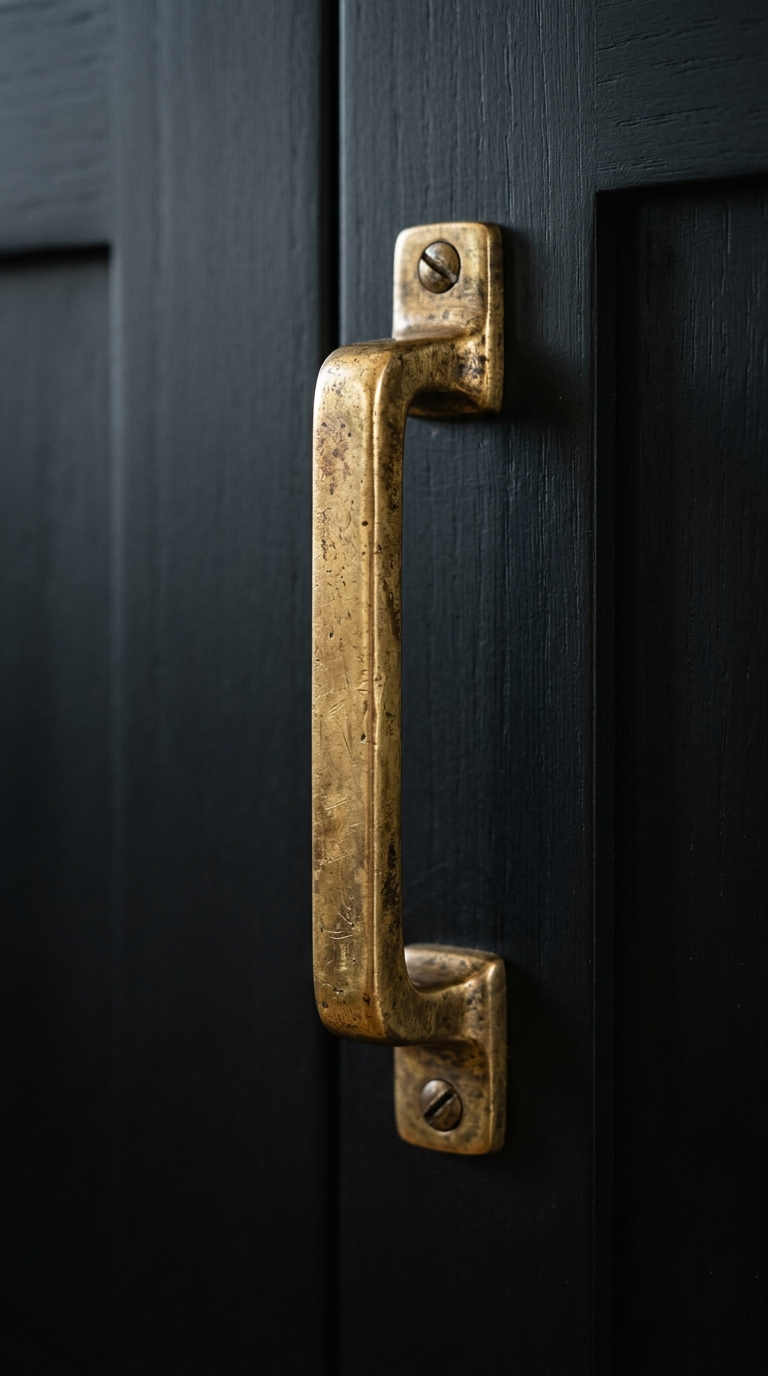
After allocating the majority of the budget to major elements like cabinetry, appliances, and countertops, it is common for homeowners to try and save money on the finishing touches: the hardware and plumbing fixtures. This is a false economy. Cabinet knobs, drawer pulls, and kitchen faucets are the components you interact with physically every single day. Cheap, lightweight hardware not only feels insubstantial but also tends to tarnish, scratch, or break under constant use. Furthermore, inferior plumbing fixtures are prone to leaks and premature failure, potentially causing expensive water damage down the line.
Treat your hardware as the jewelry of the kitchen. Invest in solid, well-crafted pieces made from durable materials like solid brass, bronze, or high-grade stainless steel. The tactile experience of opening a drawer with a substantial, beautifully finished pull enhances the perceived quality of the entire kitchen. Similarly, choose a faucet from a reputable brand known for reliability. Consider features that genuinely improve functionality, such as a pull-down sprayer, a magnetic docking system, or touchless operation. These elements may seem small, but they contribute massively to the daily comfort, aesthetics, and longevity of your newly designed space.
Conclusion: The Path to a Perfect Kitchen
Designing the perfect kitchen is an intricate dance between aesthetics and practical functionality. By consciously avoiding these nine common mistakes, you protect your investment and ensure that the final result is a space that truly enhances your lifestyle. Remember to prioritize the foundational elements of layout, such as the work triangle and adequate clearances, before getting lost in the details of cabinet colors and tile patterns. Do not underestimate the power of layered lighting, the necessity of proper ventilation, and the sheer joy of customized, accessible storage.
A successful remodel requires patience, foresight, and a willingness to analyze how you actually live and work in your home. Take the time to measure meticulously, plan your storage down to the last spatula, and invest in high-quality materials where it matters most. Your kitchen is the hardworking heart of your home; it deserves a design that is as intelligent as it is beautiful. With careful planning and an awareness of these potential pitfalls, you are well on your way to creating a flawless space that you and your family will cherish for decades to come.
If you found this guide helpful, be sure to share it with friends who are planning their own renovations, and leave a comment below with your own kitchen design experiences. Happy renovating!
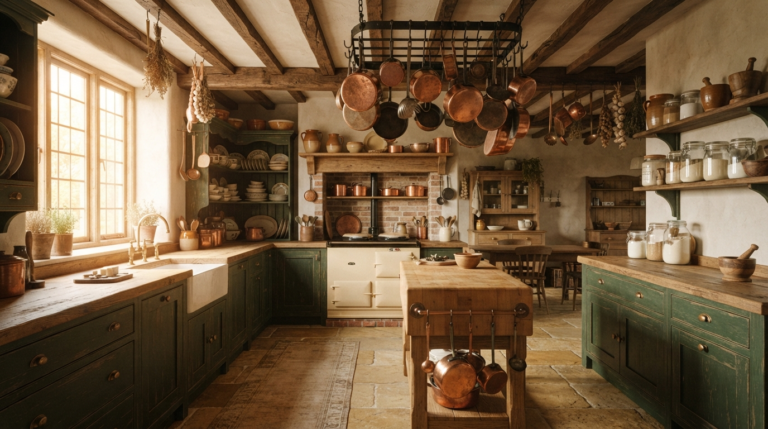
Discover the ultimate list of rustic traditional kitchen ideas. From reclaimed wood beams to vintage hardware, learn how to create a cozy, timeless space.
Is your kitchen feeling cramped or inefficient? Discover the most common layout mistakes and learn how to fix them for a functional and beautiful space.
Are you struggling with a dysfunctional cooking space? Learn the most common kitchen layout mistakes and practical solutions to maximize your dining area.
Avoid costly design errors in your small kitchen. Uncover 14 practical layout mistakes, storage fixes, and lighting tricks that instantly open up tight spaces.
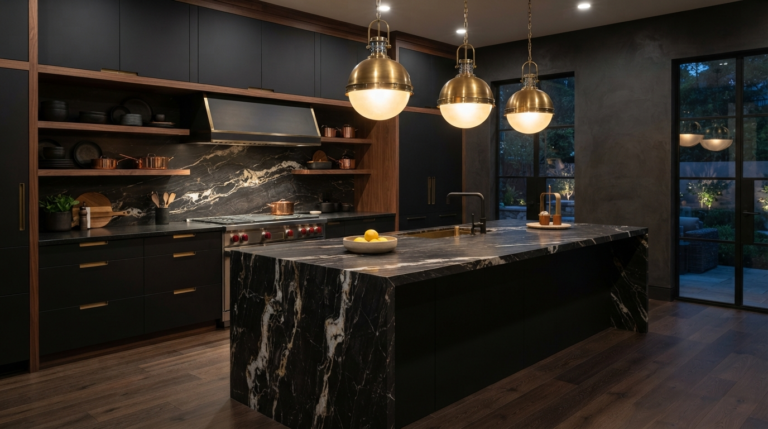
Explore the most breathtaking luxury trends for black and dark kitchens. From dramatic veined marble to matte cabinetry, discover how to design a moody masterpiece.
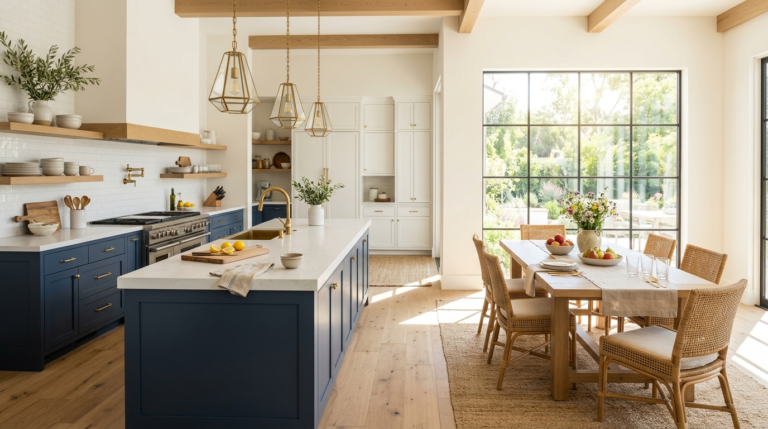
Discover the most exquisite kitchen and dining room design trends of the year. Elevate your culinary spaces with our expert premium styling tips today!