We all strive for a tidy, organized home that looks effortless. It’s the promise of minimalism and the appeal of curated interiors. However, despite our best efforts with shelves and storage units, many of us find ourselves losing the battle against clutter. The issue often isn’t a lack of storage, but how we utilize it. Shelving and storage, when implemented correctly, should feel integrated, functional, and aesthetically pleasing. When done poorly, they become magnets for chaos. Let’s look at the seven most common storage pitfalls and, more importantly, how to fix them for a truly organized home.
Mistake 1: Ignoring Your Vertical Space and Relying Only on Floor Storage
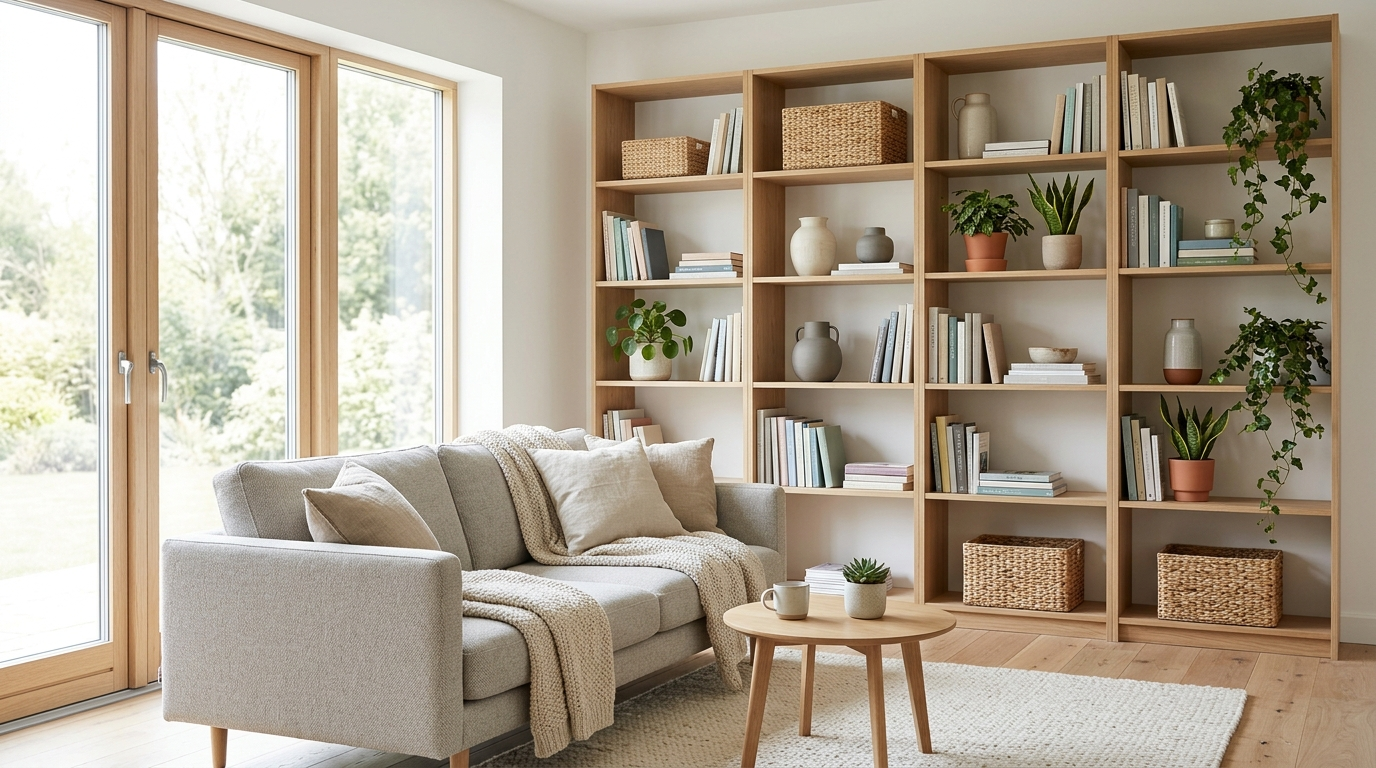
One of the biggest mistakes in small spaces, or any space really, is underutilizing vertical real estate. We tend to think horizontally: adding chests, buffets, and console tables, which consume precious floor area. When you ignore your walls, you limit your storage potential significantly and make rooms feel more crowded than necessary. This mistake leaves huge gaps of empty wall space that could be doing heavy lifting.
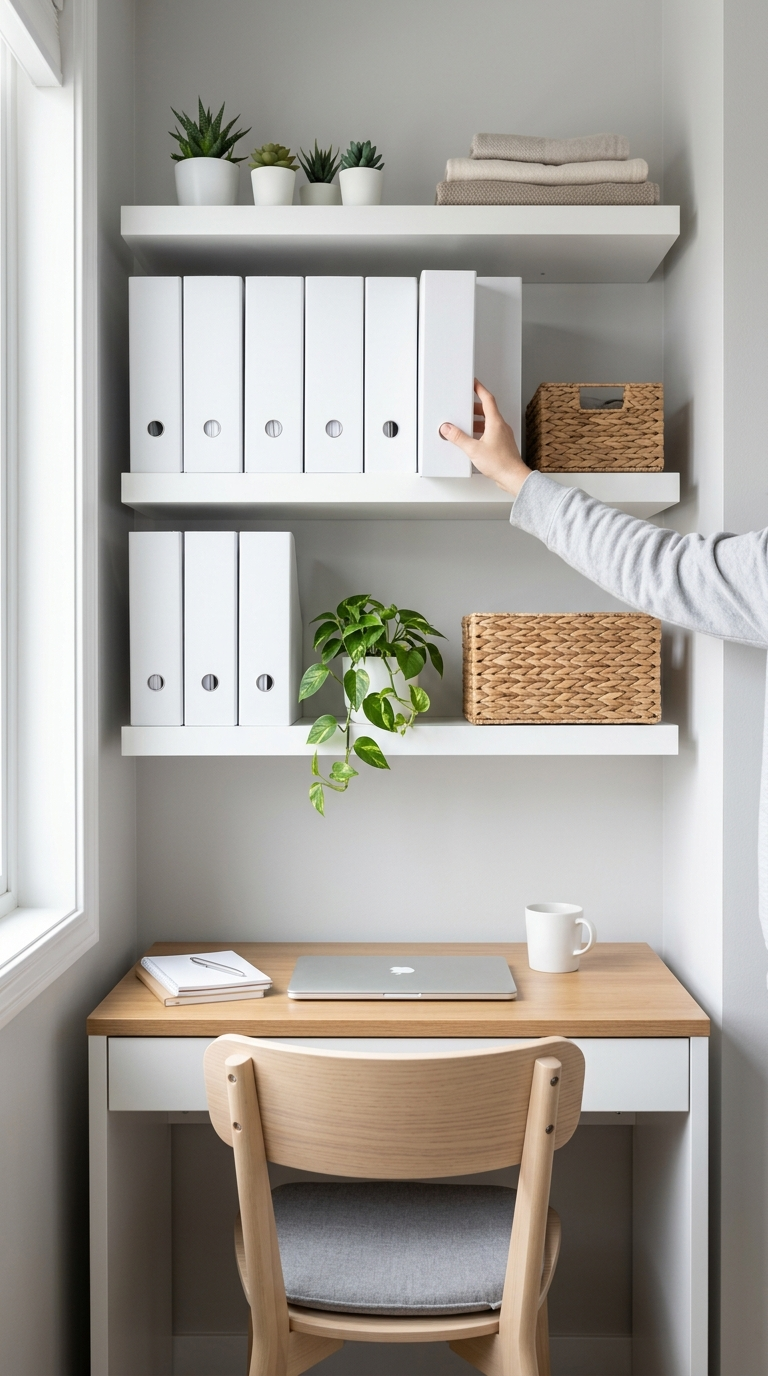
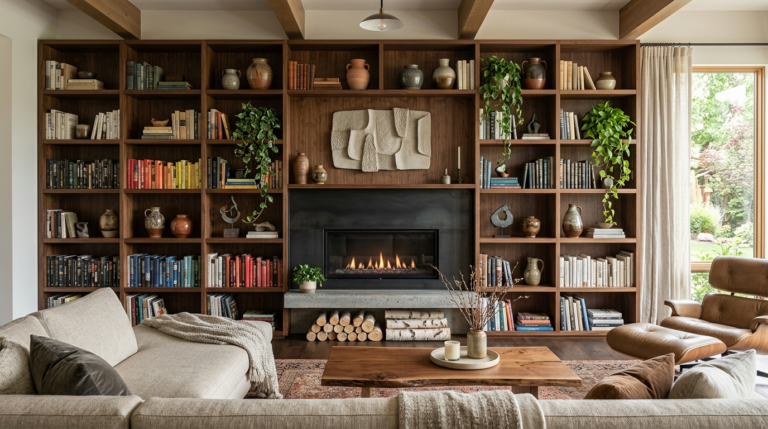
The Fix: Go up! Install floor-to-ceiling shelving units, floating shelves above desks or sofas, or high-mounted cabinets in kitchens and bathrooms. Using the full height of your walls draws the eye upward, making the room feel larger, while providing ample space for books, decor, and stored items. Don’t be afraid to add a shelf high above a doorway for items you don’t use often. Look at every wall as potential storage space, especially in narrow entryways or tight corners.
Mistake 2: Overstuffing Open Shelves or Leaving Them Completely Bare
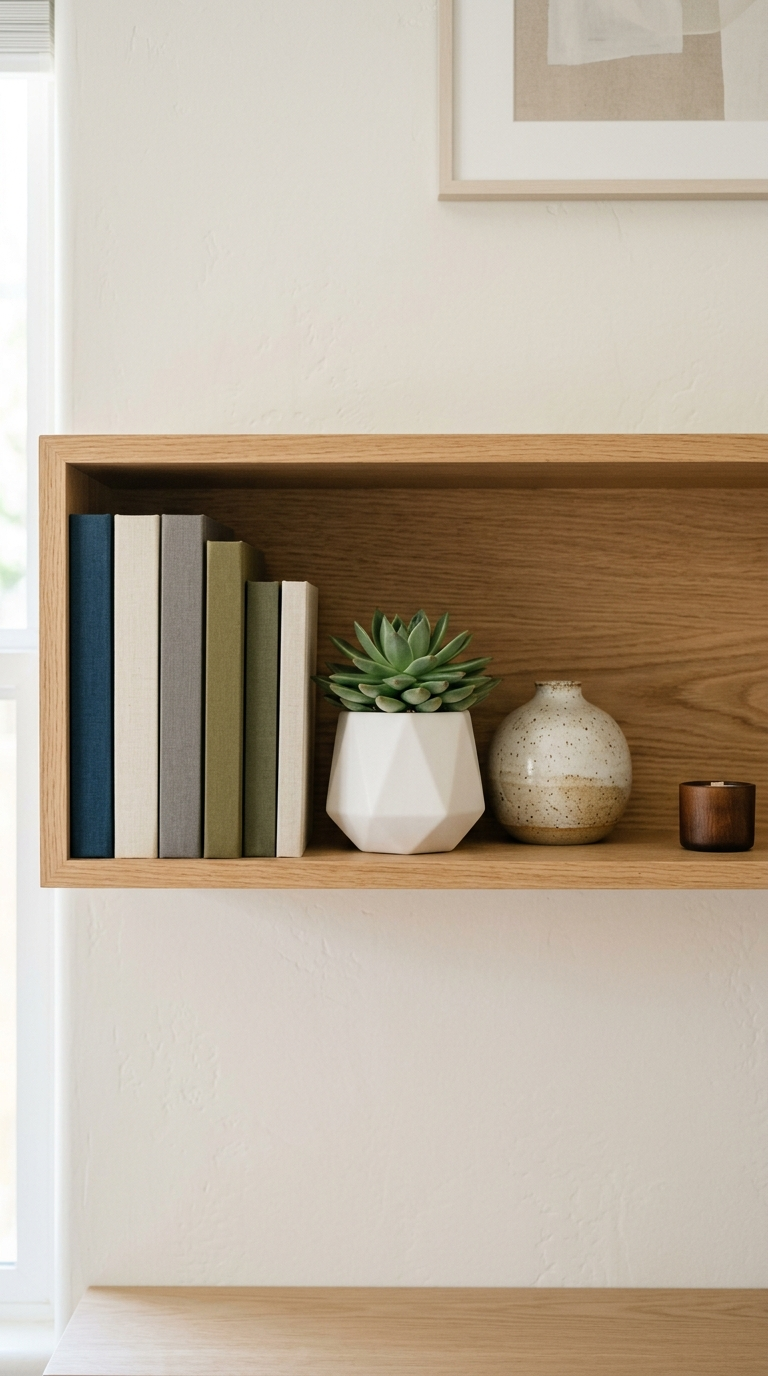
Open shelving (like floating shelves or open bookcases) is a massive trend, but it’s difficult to master. The first mistake is treat them purely as storage. Stuffing them full of books, loose papers, mismatched containers, and general ‘stuff’ defeats the aesthetic purpose. It immediately creates visual noise and makes the room feel chaotic. Conversely, leaving them practically empty, with just one small vase on a large shelf, looks unfinished and uninviting.
The Fix: Achieve balance through curation. Think of open shelves as display areas with *integrated* storage. Curate your items carefully. Follow the ‘two-thirds rule’—about two-thirds of the shelf should contain items, while one-third should remain empty space to let the eye rest. Group books both vertically and horizontally, and mix in decorative objects like ceramics, plants, or framed photos. If you must store ‘ugly’ items, use beautiful decorative baskets or stylish boxes to hide them in plain sight while maintaining the aesthetic flow.
Mistake 3: Choosing the Wrong Type of Shelf for the Weight of Your Items
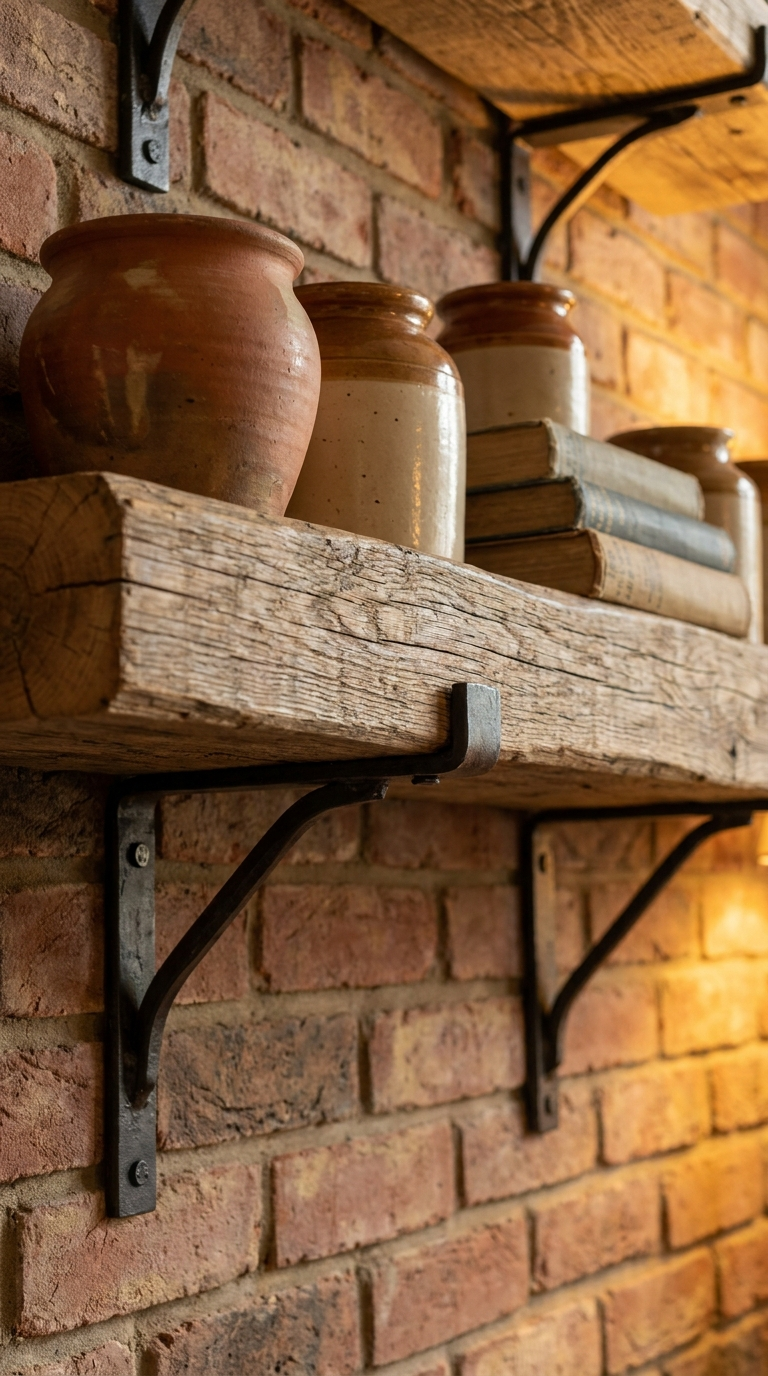
Not all shelves are created equal, and this mistake is functional. Installing lightweight floating shelves in a kitchen to hold a heavy collection of ceramic plates and cookbooks is a recipe for disaster. The shelves will sag, the brackets might give way, and your wall can be damaged. It’s crucial to understand the weight capacity of your shelving, the type of wall you are anchoring it to (studs vs. drywall), and the weight of the items you plan to store.
The Fix: Assess your needs before buying or installing. For heavy items like books or heavy kitchenware, choose sturdy, solid wood shelves with robust metal brackets anchored directly into wall studs. Floating shelves with internal brackets have much lower weight capacities. If you are unsure, err on the side of caution. For heavy-duty garage or pantry storage, industrial metal shelving units are your best bet. Always check the manufacturer’s specified weight limit and follow installation instructions carefully, using the appropriate anchors for your wall type.
Mistake 4: Not Using Containers or Baskets for Hidden Organization
Leaving loose items scattered on shelves, inside cabinets, or on top of dressers is a surefire way to create visual clutter and frustration. Even if your items are theoretically sorted, the lack of containment makes them difficult to keep tidy and move around. Mismatched toiletries, various craft supplies, or random cables become a chaotic jumble without a home. It also makes cleaning much more time-consuming as you have to move each item individually.
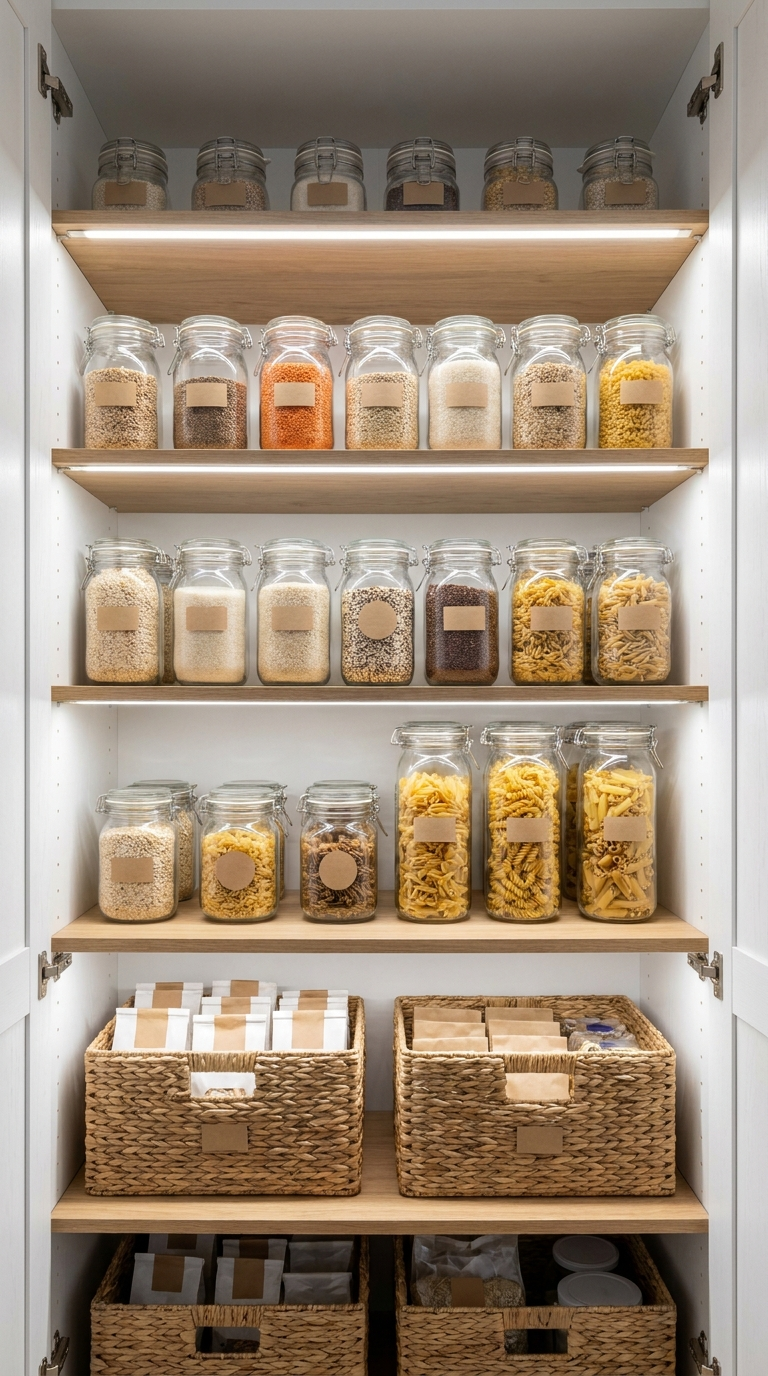
The Fix: Embrace the power of containers. Use attractive woven baskets, sleek plastic bins, or clear glass jars (especially in pantries) to corral similar items together. In open shelving, decorative boxes or baskets can hide less-than-beautiful objects while adding texture and style to your display. Inside cabinets and drawers, use dividers and organizers to keep items tidy and easily accessible. Labeling containers is the ultimate organization pro tip, ensuring you (and everyone else in your household) know exactly where everything belongs.
Mistake 5: Poor Placement and Flow: Blocking Traffic and Vision
Storage should improve your life, not complicate it. A common mistake is placing large, bulky storage units in high-traffic areas or where they obstruct flow and sightlines. Imagine a large, deep cabinet blocking a narrow hallway, or a bookcase positioned where it stops natural light from reaching a dark corner. These choices make the room feel cramped and interfere with daily function.
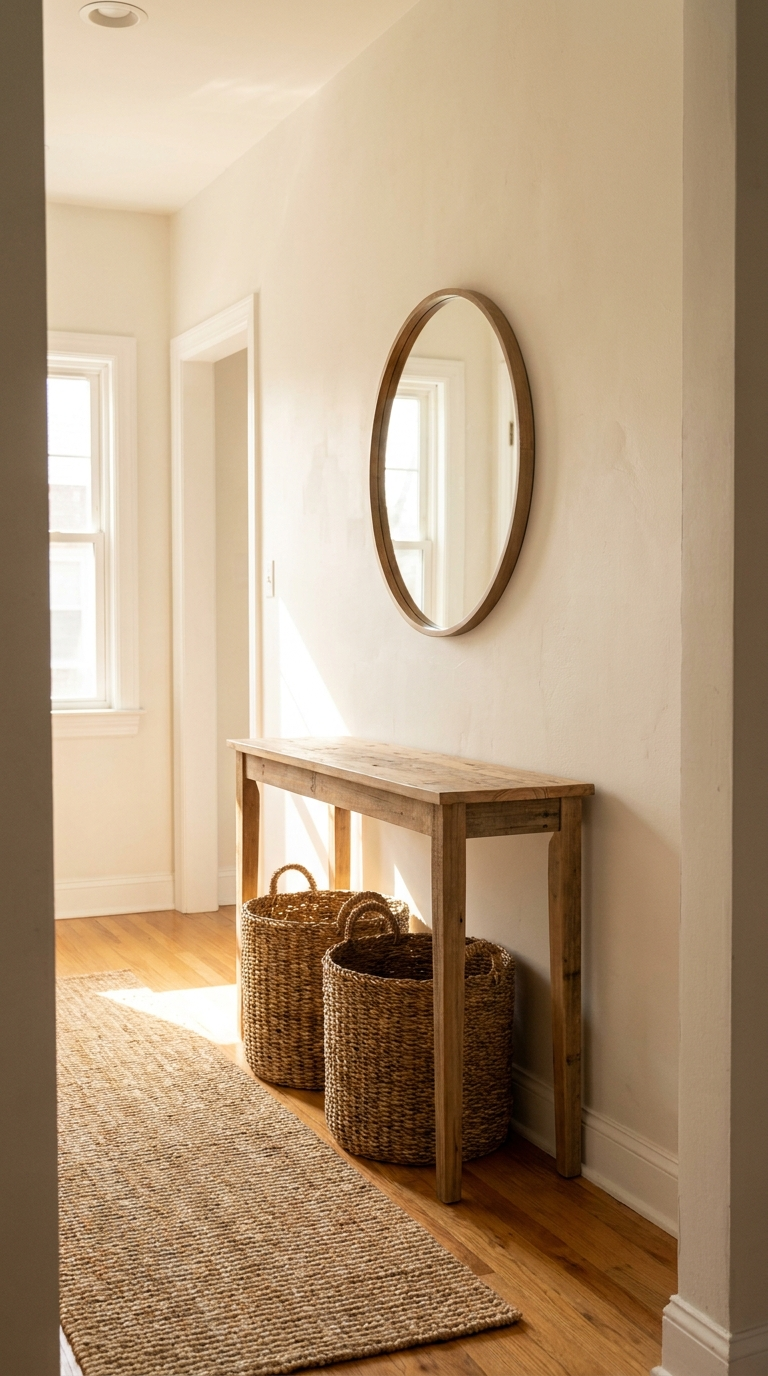
The Fix: Prioritize flow and function. Choose storage solutions appropriate for the scale of the room. In narrow spaces like hallways, opt for shallow console tables or wall-mounted floating shelves that don’t eat up walking space. When positioning shelves, ensure they don’t block windows or walkways. Consider the purpose of the room and place the storage where it’s most needed: a coat rack near the entrance, a bookshelf near a reading chair, or a spice rack next to the stove. Think about how you move through the space and choose storage that complements that movement.
Mistake 6 & 7: Forgetting About Hidden Storage and Closet Efficiency
Finally, we often forget that not everything needs to be on display, and our existing hidden storage areas are frequently inefficient. Leaving bulky blankets or board games on open shelves just adds clutter. Similarly, opening a closet and finding a jumble of clothes, shoes, and miscellaneous items on the floor is a source of daily stress. We have space, but we aren’t using it effectively.
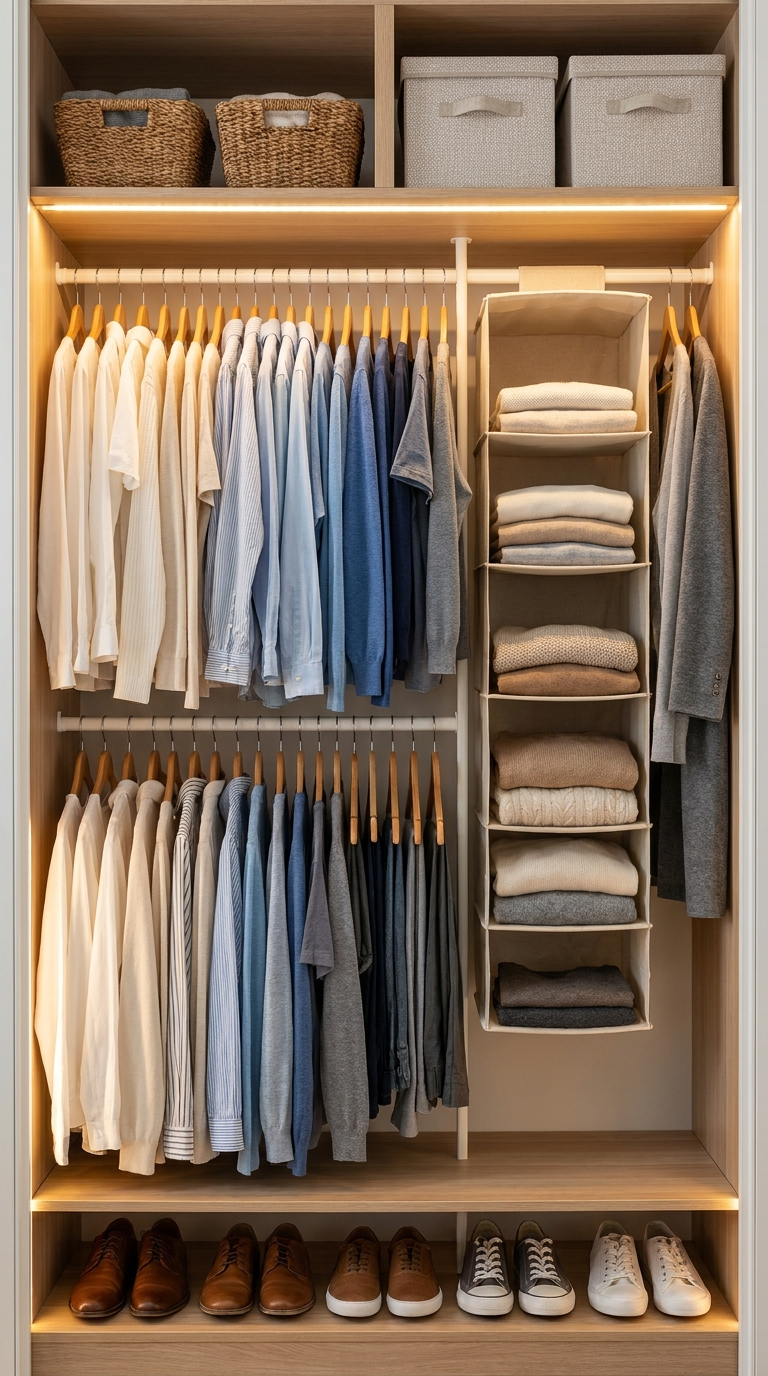
The Fix: Utilize furniture with hidden storage, such as ottomans with lift-off lids, beds with built-in drawers, or console tables with cabinets. This keeps necessary but less decorative items out of sight. When it comes to closets, maximize efficiency with modular systems, upper shelves for off-season items, and specialized racks for shoes and accessories. Don’t let your closets become black holes for clutter. Regularly declutter both your hidden and open storage to ensure you are only keeping what you truly need and love.
By correcting these seven common storage blunders, you can transform your home from chaotic to curated. It’s not just about adding more shelves; it’s about being thoughtful, balanced, and intentional with how you contain and display your belongings. Good storage should serve both your functional needs and your design aesthetic, creating a peaceful and orderly environment.
Master the art of shelf styling! Learn how to seamlessly blend beautiful decor with practical storage solutions in any room with this ultimate design guide.
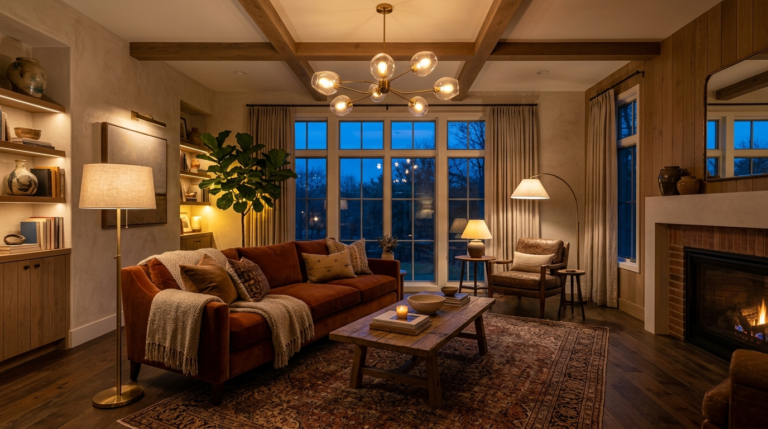
Discover the most common living room lighting mistakes that ruin your home’s aesthetic. Learn expert tips on layering, color temperature, and fixture scale.
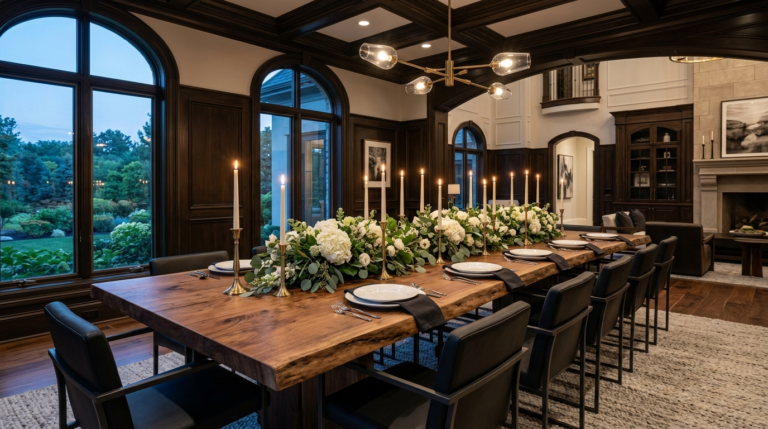
Transform your dining area into a stunning focal point. Explore elegant tables and curated accessories that elevate your everyday meals and special events.
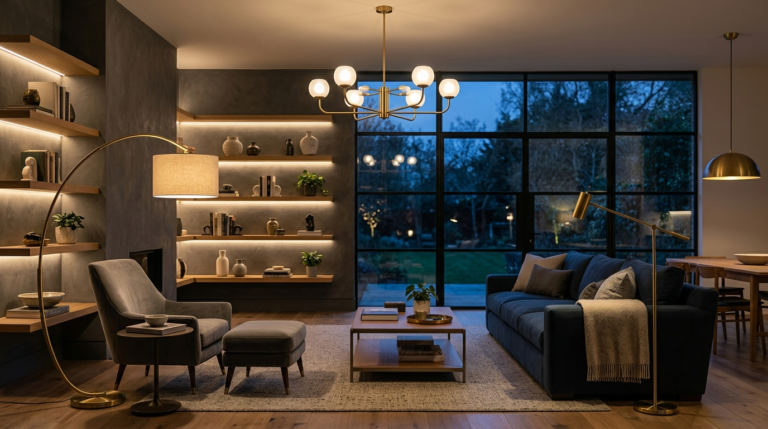
Are you making these critical home lighting mistakes? Learn how to properly layer ambient, task, and accent lighting to beautifully illuminate every single room.
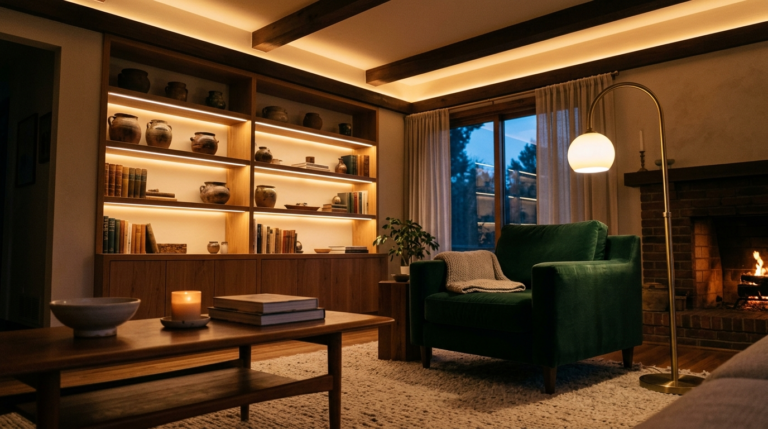
Want a cozy, functional, and beautiful home? Learn how to master the art of layered lighting with our comprehensive, step-by-step guide to home illumination.