The Evolution of the Heart of the Home
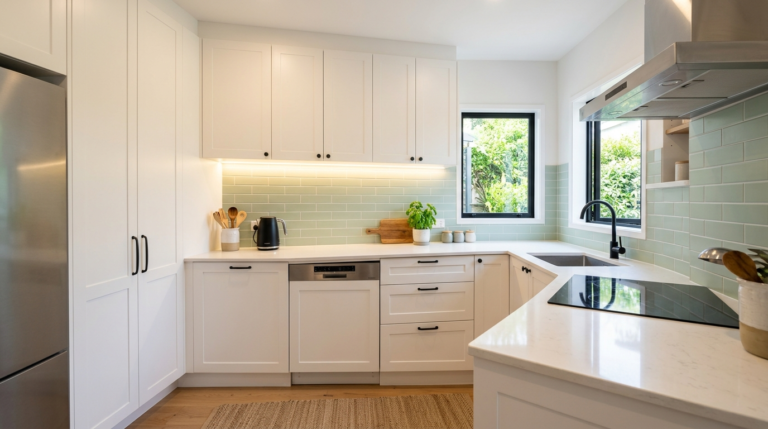
The contemporary kitchen and dining space is no longer just a functional zone for meal preparation and quick eating. Today, it stands as the architectural anchor of the modern household, blending high-end culinary utility with welcoming social dynamics. As sustainability becomes a core pillar of modern architecture, our approach to designing these communal spaces is evolving rapidly. Homeowners are demanding materials and layouts that honor the planet while delivering timeless beauty and unmatched daily resilience.
In this curated trend forecast, we explore the definitive design movements redefining kitchen and dining spaces this year. From the integration of raw, organic materials to the rise of hidden architectural storage, these trends offer a sophisticated blueprint for creating a kitchen and dining area that is visually breathtaking, functionally superior, and environmentally conscious for generations to come.
1. Organic Minimalism and Raw Materials
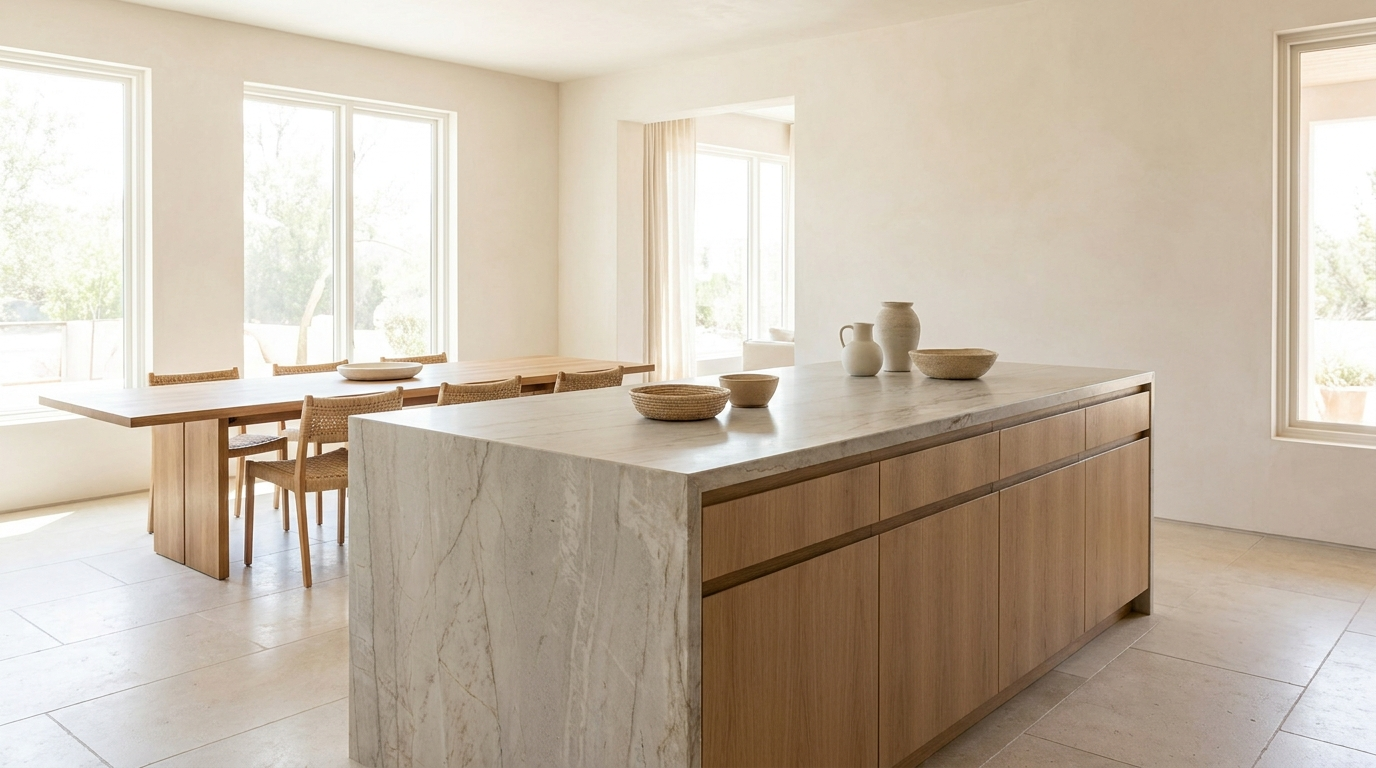
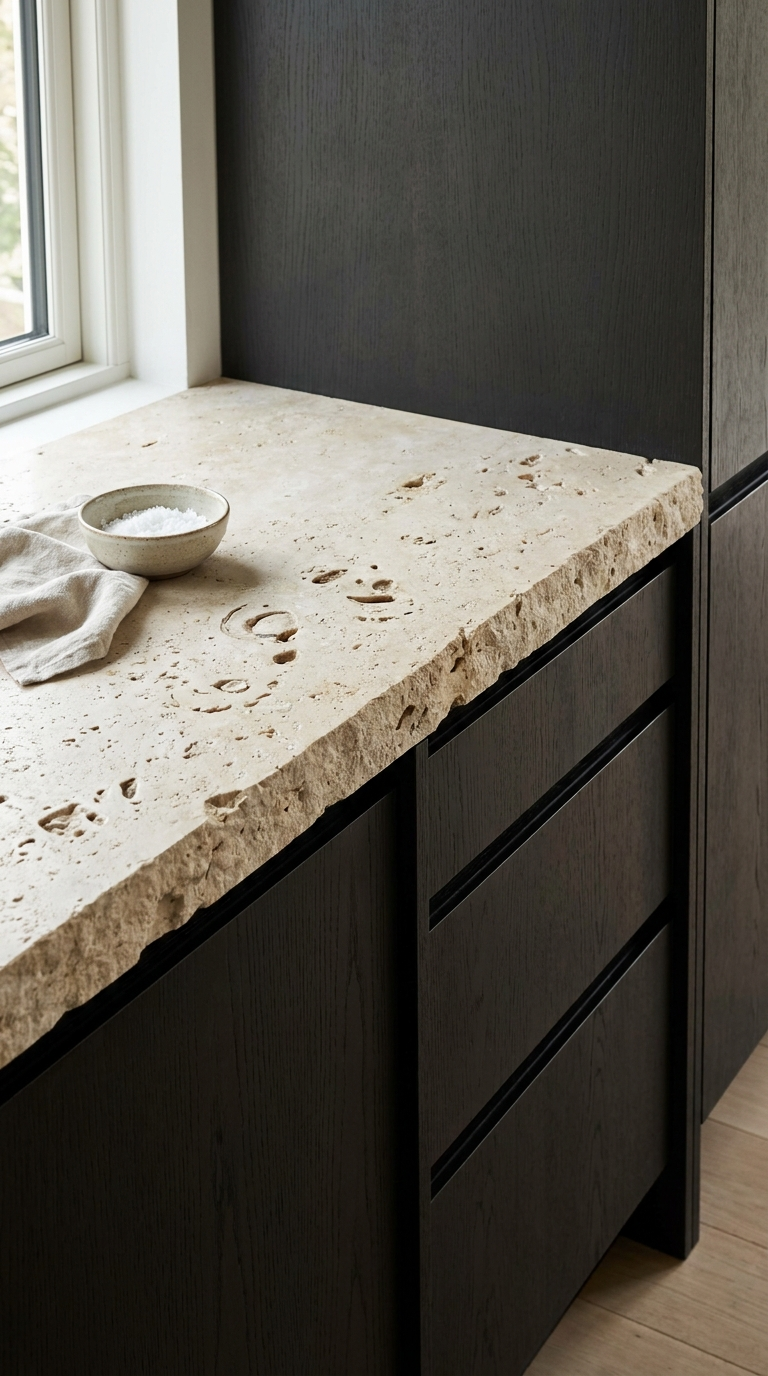
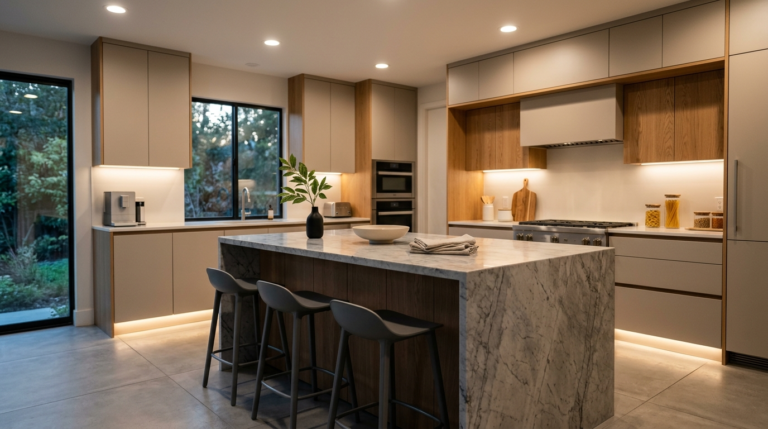
The era of stark, cold, ultra-glossy white kitchens has officially given way to organic minimalism. This design movement focuses on bringing the raw textures of the outdoor world inside, creating an atmosphere that feels grounded and authentic. Designers are turning away from synthetic finishes and plastics, opting instead for beautifully unpolished natural stone, rich veined quartzite, and matte plaster walls that capture light softly.
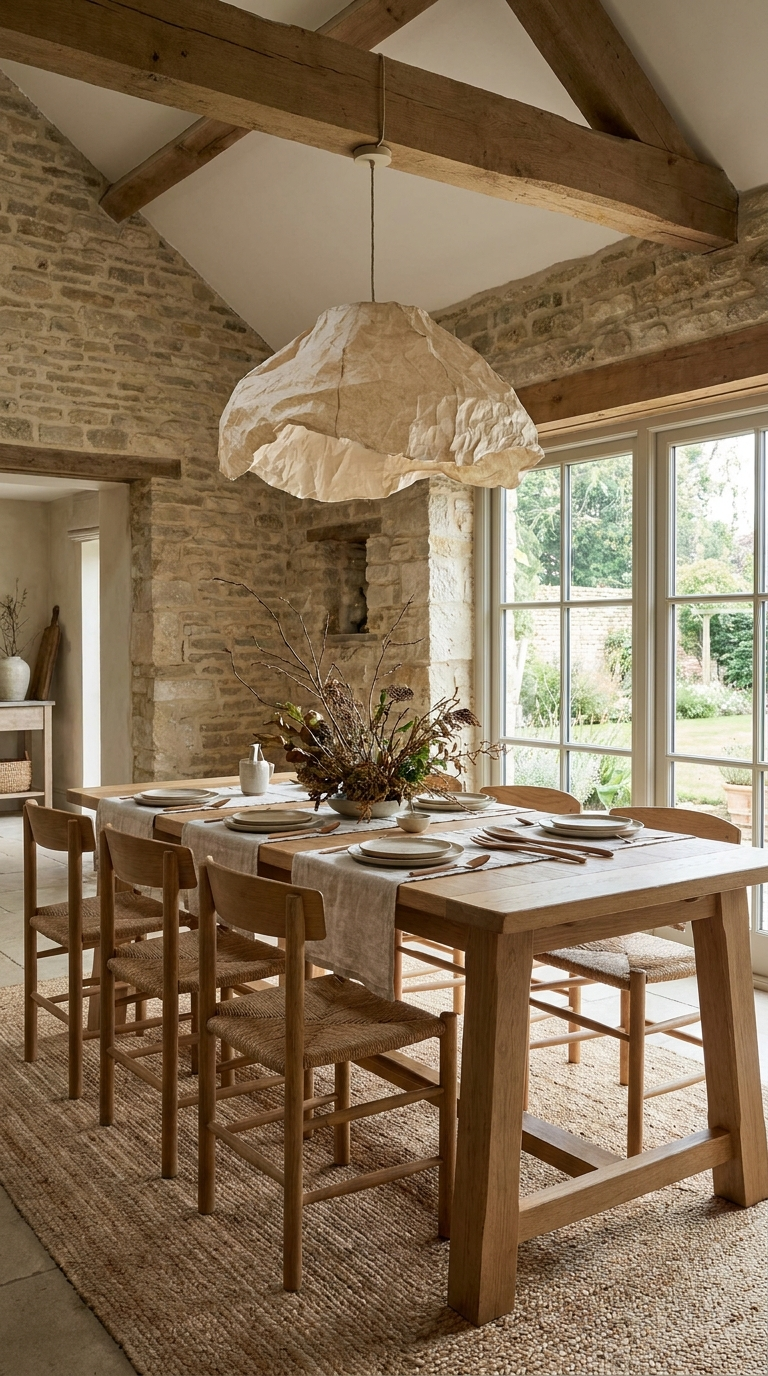
In the dining area, this translates to massive, rough-sawn solid wood dining tables paired with seating woven from natural jute, rattan, or cord. Rather than hiding natural imperfections, modern design celebrates them—knots in timber, subtle fissures in limestone, and variations in hand-fired terracotta tiles are celebrated as unique markers of character. This reliance on raw materials reduces chemical manufacturing processes and creates an undeniable sense of timeless warmth.
To implement this style, focus on tactile contrasts. Pair a rough, textured limestone kitchen island surface with sleek, matte-lacquered wooden cabinetry. By keeping the color palette unified and allowing the innate beauty of raw textures to speak for themselves, your kitchen and dining areas will project an effortless, high-end look that never feels dated.
2. Integrated Multi-Functional Kitchen Islands
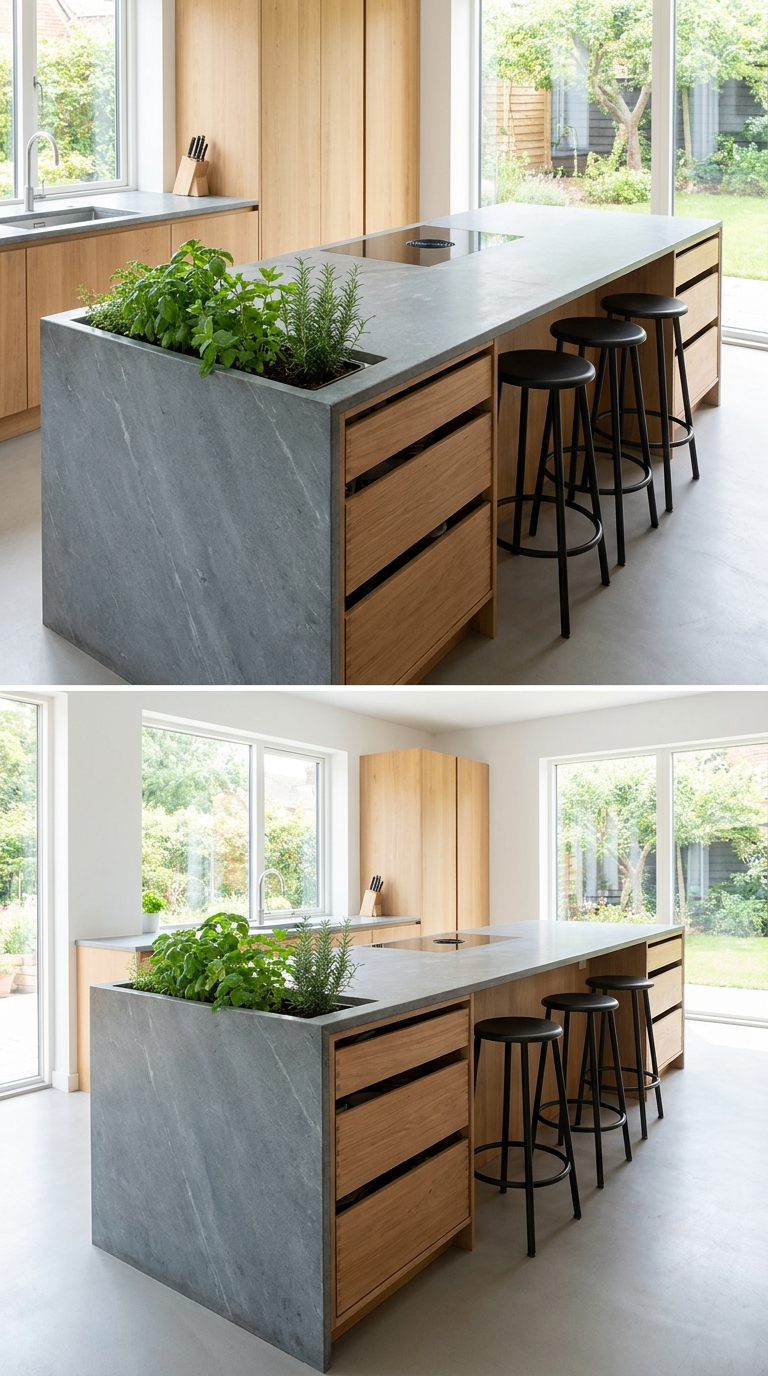
The kitchen island has evolved from a simple prep station into an expansive, multi-functional hub that anchors both cooking and socializing. Modern design treats the island as a sculptural masterpiece, often featuring cantilevered stone surfaces, integrated casual seating nooks, and hidden induction cooktops that sit flush beneath the counter fabric for a clean look.
This layout removes traditional barriers between the chef and guests, transforming meal preparation into an interactive event. Multi-tiered island designs are particularly popular, allowing one side to serve as a food prep station equipped with an integrated herb garden, while an elevated timber ledger provides a comfortable, beautiful surface for morning coffee or casual evening conversations.
From a sustainability standpoint, these integrated islands optimize floor space, reducing the need for redundant furniture pieces throughout the home. They incorporate built-in charging ports, organizational prep dividers, and deep recycling pull-outs, keeping daily utilities contained within a highly efficient architectural element.
3. Mood-Boosting Biophilic Elements and Indoor Greenery
Biophilic design—the practice of connecting indoor living spaces directly with the natural world—is making a significant impact on modern kitchen and dining layouts. Because these spaces are centered around nourishment and natural ingredients, integrating living plants and rich natural light creates an incredibly uplifting, organic atmosphere.
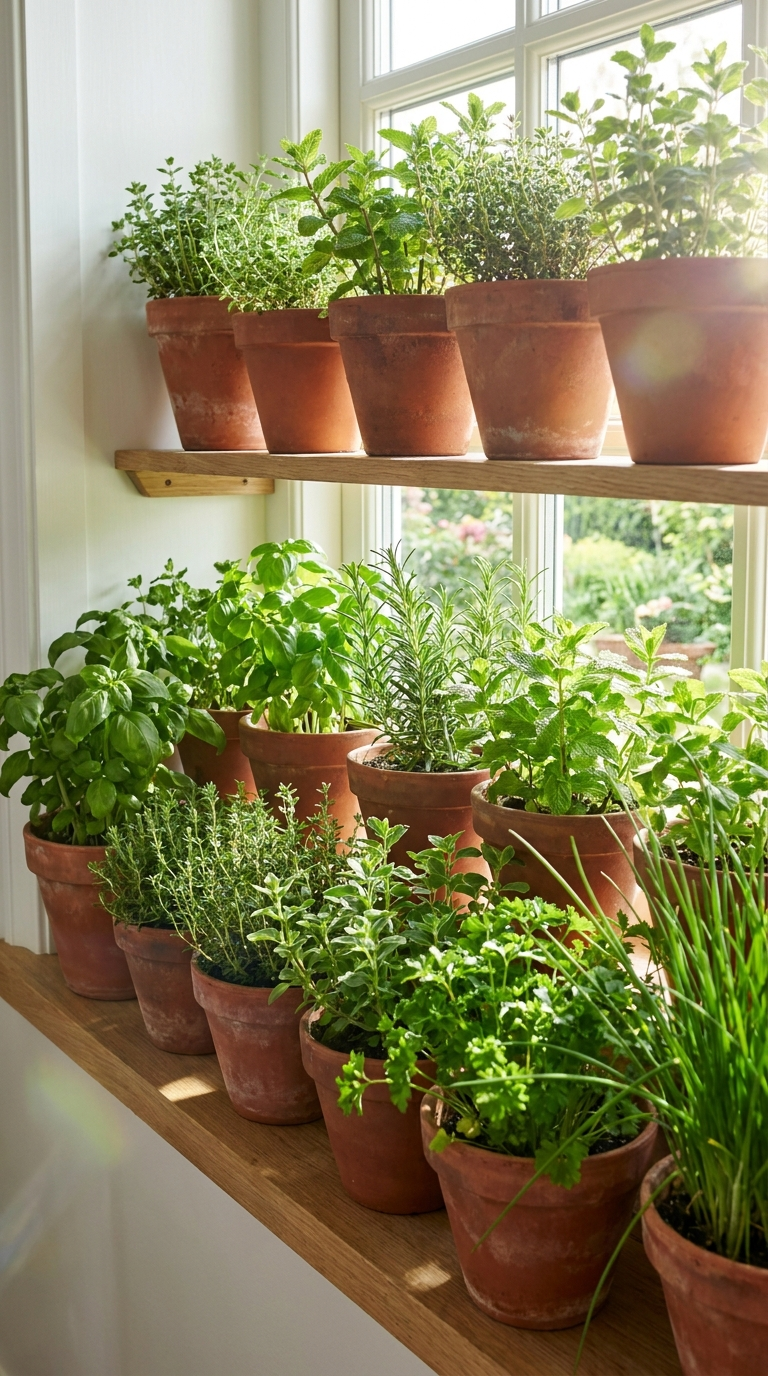
We are seeing an increase in built-in kitchen window grow-boxes, dedicated micro-green open shelving units with integrated full-spectrum LED lighting, and large hanging planters carrying trailing vines above dining areas. Large, expansive glass walls and sliding bifold doors are also being utilized to wash dining areas in natural light, blurring the physical boundaries between indoor dining and outdoor garden patios.
Beyond the undeniable aesthetic appeal, integrating living greenery into your kitchen improves indoor air quality by filtering humidity and airborne particles. Cultivating fresh herbs right on your kitchen countertop or island adds vibrant life to your interior design while providing fresh, organic flavor for your daily home-cooked meals.
4. Concealed Storage and Hidden Pantries
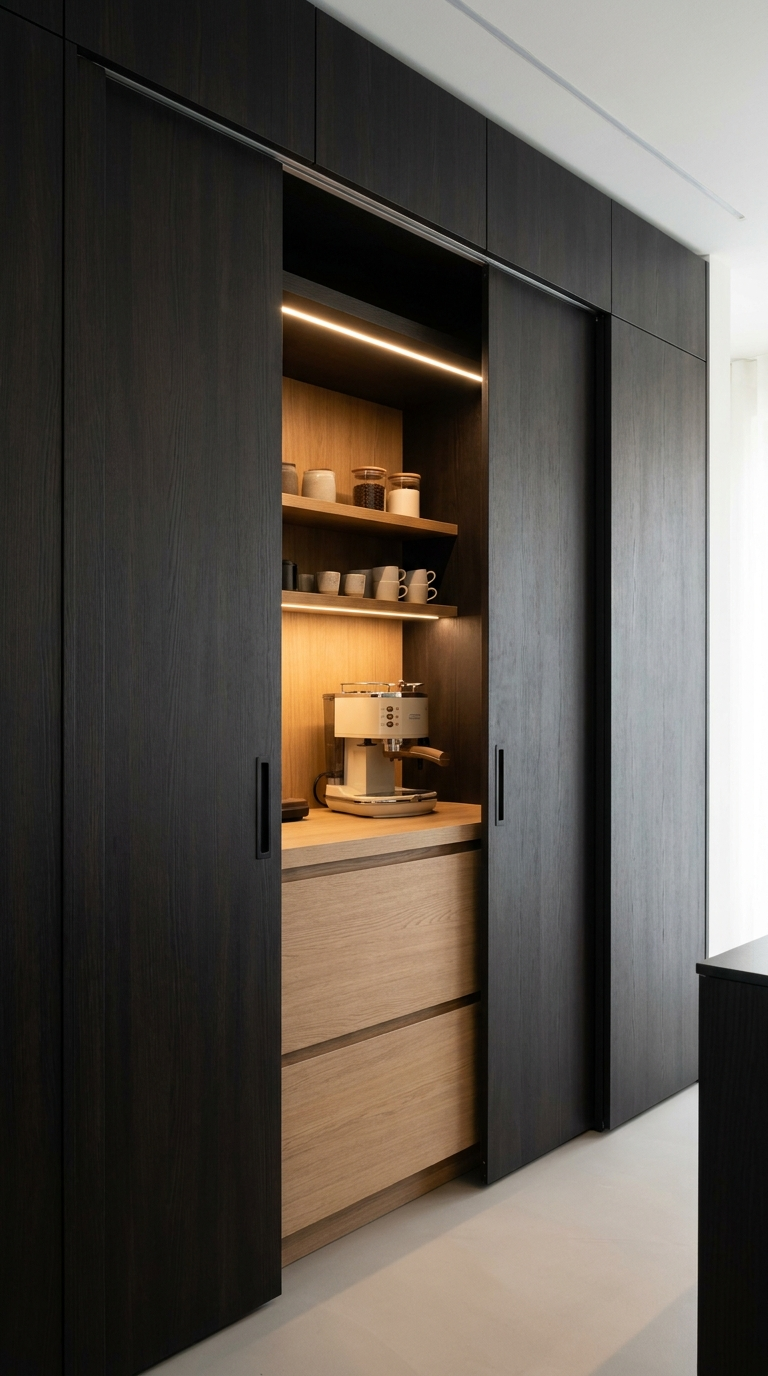
To maintain a sleek aesthetic, modern kitchen design relies heavily on intelligent concealed storage and walk-in butler pantries. The goal is to hide small everyday appliances, storage canisters, and cooking utensils from view, leaving countertops completely clear and showcasing clean, architectural lines.
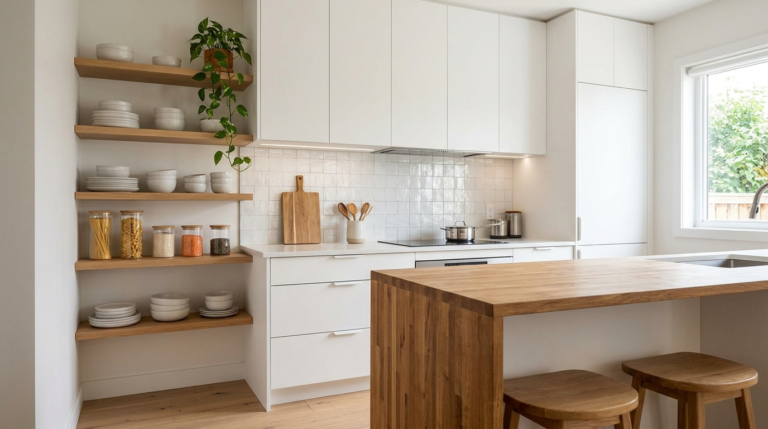
Pocket doors that effortlessly slide back into cabinet recesses are used to reveal hidden coffee stations, toaster nooks, and breakfast setups, allowing them to be tucked away out of sight in seconds. Large walk-in pantries are designed as separate architectural rooms, featuring open timber shelving, stone countertops, and extensive dry-goods storage, keeping bulk food prep separate from the main entertainment space.
This focus on hidden storage allows the kitchen to seamlessly blend into open-concept living and dining areas. When the cooking is finished, doors close, appliances vanish, and the kitchen transforms back into a clean, beautiful back-drop for elegant dinner parties and family relaxation.
5. Warm Earthy Color Palettes
Cool greys and stark blacks are stepping aside to make room for warm, inviting earthy color palettes that reflect the natural landscape. Homeowners are embracing colors inspired by clay, rich topsoil, forest canopies, and autumn leaves, turning kitchens and dining rooms into incredibly cozy environments.
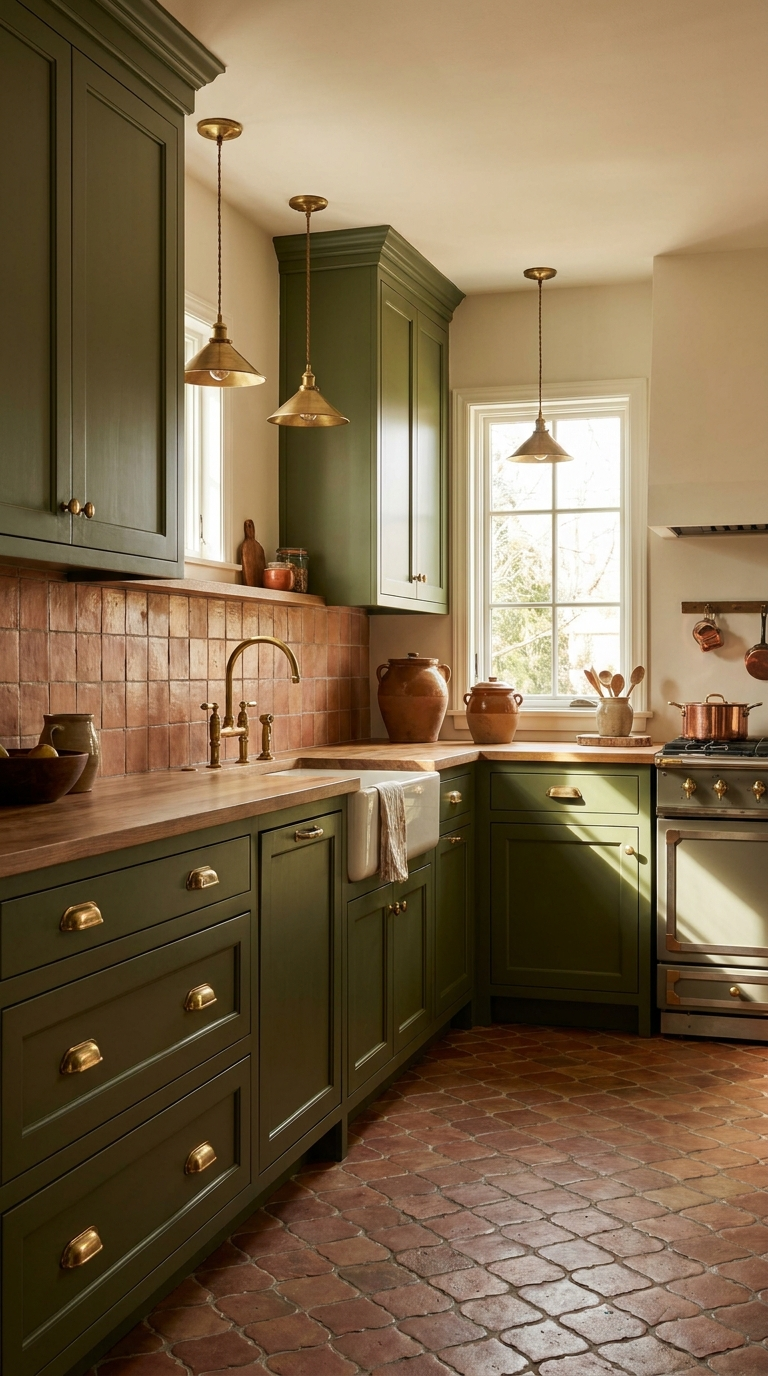
Terracotta tones, deep olive greens, rich ochre yellows, and warm sandy beige shades are being integrated across cabinetry, backsplashes, and dining room accent walls. These rich colors work beautifully with natural wood grains and unpolished stone finishes, enhancing the organic character of the home.
When applying these earthy tones, consistency is key. Use a muted olive green on kitchen cabinetry, and carry that same color note into the dining room through linen dinner napkins, ceramic dinnerware, or upholstered dining chair cushions. This creates a cohesive flow that guides the eye naturally through the open-plan layout.
6. Sustainable Craftsmanship and Timeless Dining Spaces
In the dining room, the focus has shifted entirely toward longevity, heirloom quality, and sustainable sourcing. Mass-produced furniture is being replaced by bespoke tables made from sustainably harvested local hardwoods or salvaged timber, showcasing incredible artisan joinery details that are built to last a lifetime.
Lighting in the dining room serves as a major focal point, with oversized statement pendant lights made from eco-conscious materials like organic paper clay, woven grasses, or recycled glass beads. These artisan fixtures cast soft shadows across the dining table, establishing a relaxed atmosphere that encourages long, meaningful conversations around the table.
By investing in high-quality craftsmanship and choosing timeless, durable materials over fast-decor trends, you build a sustainable dining room that stands the test of time. This design approach honors natural resources while creating a warm, memory-filled space for family and friends to gather daily.
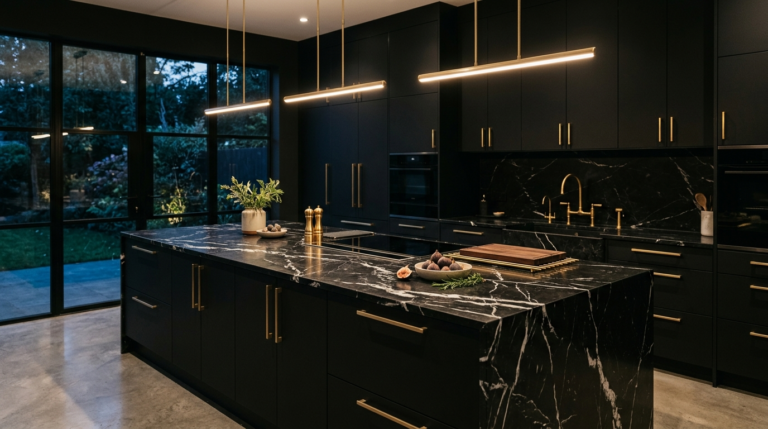
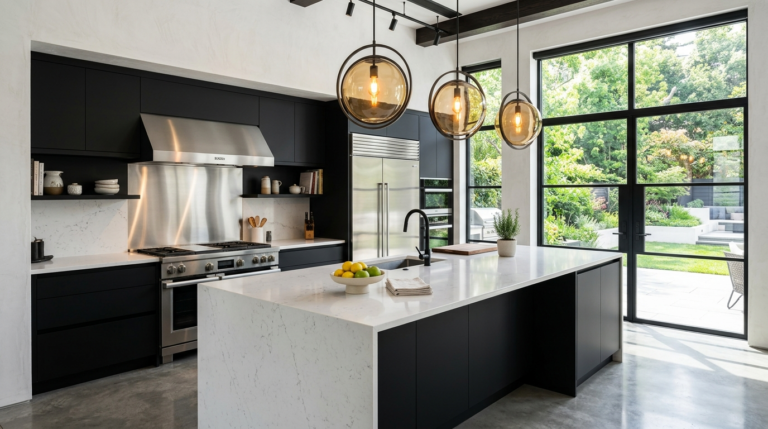
Discover the ultimate trend forecast for black and dark kitchens, featuring expert design tips on matte cabinetry, mood lighting, and stone selections.
Struggling with a cramped cooking space? Discover the most common small kitchen decor mistakes and learn how to maximize your storage, light, and style.
Is your kitchen feeling cramped or inefficient? Discover the most common layout mistakes and learn how to fix them for a functional and beautiful space.
Explore the enduring beauty of rustic and traditional kitchens. From reclaimed wood beams to vintage accents, learn how to craft a warm, welcoming space.
Are you planning a modern kitchen remodel? Avoid these costly and frustrating design mistakes to ensure your new culinary space is both beautiful and functional.