Designing a bathroom is one of the most challenging yet rewarding home improvement projects you can undertake. Because these spaces require a complex mix of plumbing, electrical work, high-moisture management, and intense daily utility, the margin for error is incredibly slim. Too often, homeowners focus entirely on the surface cosmetics, only to realize later that their beautiful new bathroom falls short in terms of functionality, storage, and longevity. A poorly designed bathroom can quickly become a daily source of frustration, dampness, and clutter. In this expert-led guide, we will dissect seven of the most common bathroom decor mistakes that disrupt the harmony of the space, and provide practical, design-forward solutions to help you cultivate a stunning, highly resilient spa-like sanctuary.
1. Relying on a Single, Centralized Overhead Lighting Source
The single greatest mistake made in bathroom design is installing a solitary, bright overhead fixture in the exact center of the ceiling and calling it a day. This layout creates harsh, unflattering downward shadows across your face when looking into the vanity mirror, making daily tasks like shaving, applying makeup, or skincare routines incredibly difficult. Furthermore, a single blinding light destroys any possibility of setting a relaxing, moody ambiance for a calming soak at night. Lighting should always be approached in layers, balancing utility with emotional comfort to accommodate the vastly different activities that take place within this compact room throughout the day.
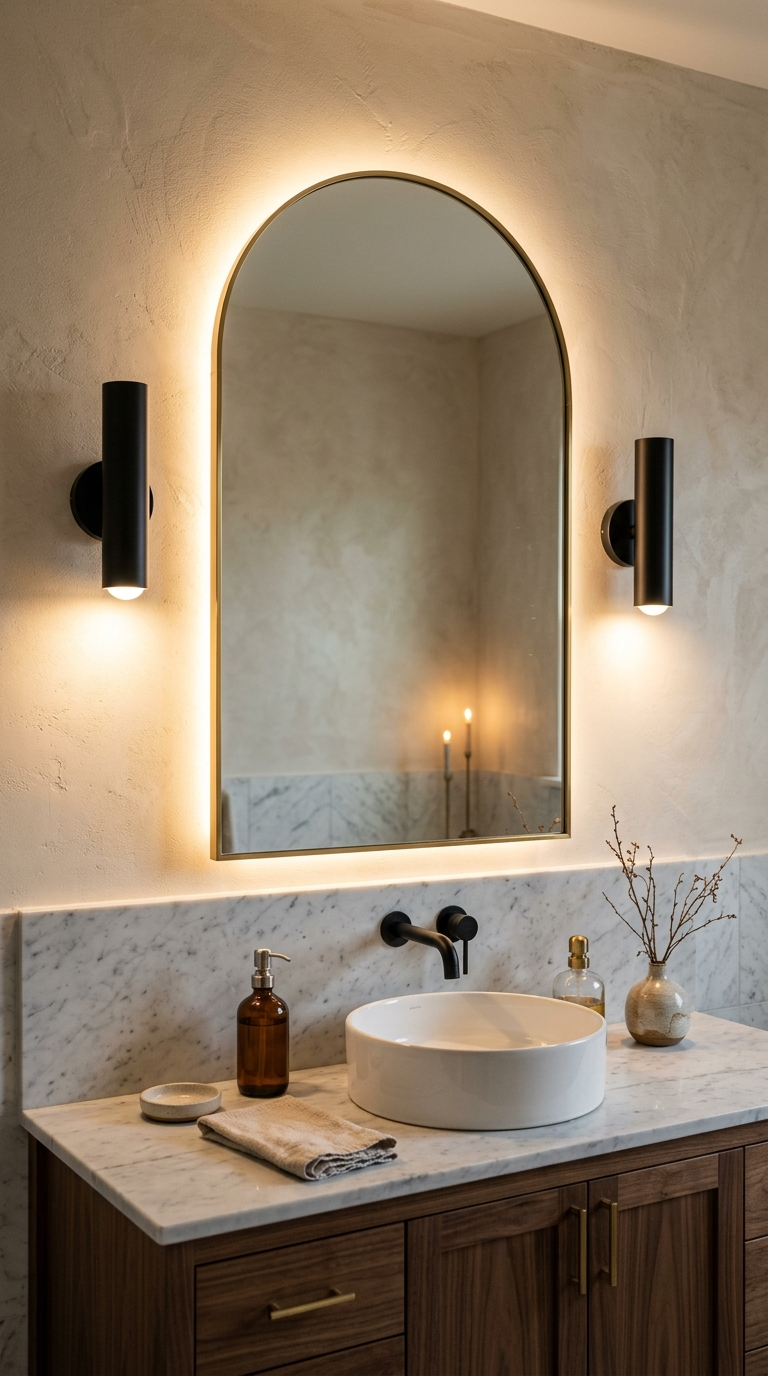
To fix this common error, introduce a dedicated three-layered lighting strategy. First, keep your recessed ceiling lights for overall visibility, but ensure they are connected to a high-quality dimmer switch. Next, install task lighting at the vanity by placing eye-level wall sconces on both sides of the mirror. This side-lighting setup eliminates facial shadows entirely by casting an even, diffuse glow. Finally, add accent lighting, such as waterproof LED strips tucked underneath floating vanities or behind a recessed mirror frame. This layer creates a beautiful, weightless architectural glow that can be left on alone during the night for safe, soft illumination that will not disrupt your sleep cycle.
2. Prioritizing Minimalist Style Over Comprehensive Storage
We all love the look of clean, ultra-minimalist bathrooms featured in high-end design magazines—spaces with sleek pedestal sinks, zero cabinetry, and completely open floors. However, unless you have an expansive adjacent linen closet, opting for style over storage is a recipe for daily chaos. Without a designated home for extra towels, toilet paper rolls, skincare bottles, hairdryers, and cleaning supplies, your beautiful surfaces will quickly become overrun with unsightly visual clutter, completely destroying the peaceful, uncluttered aesthetic you originally set out to achieve.
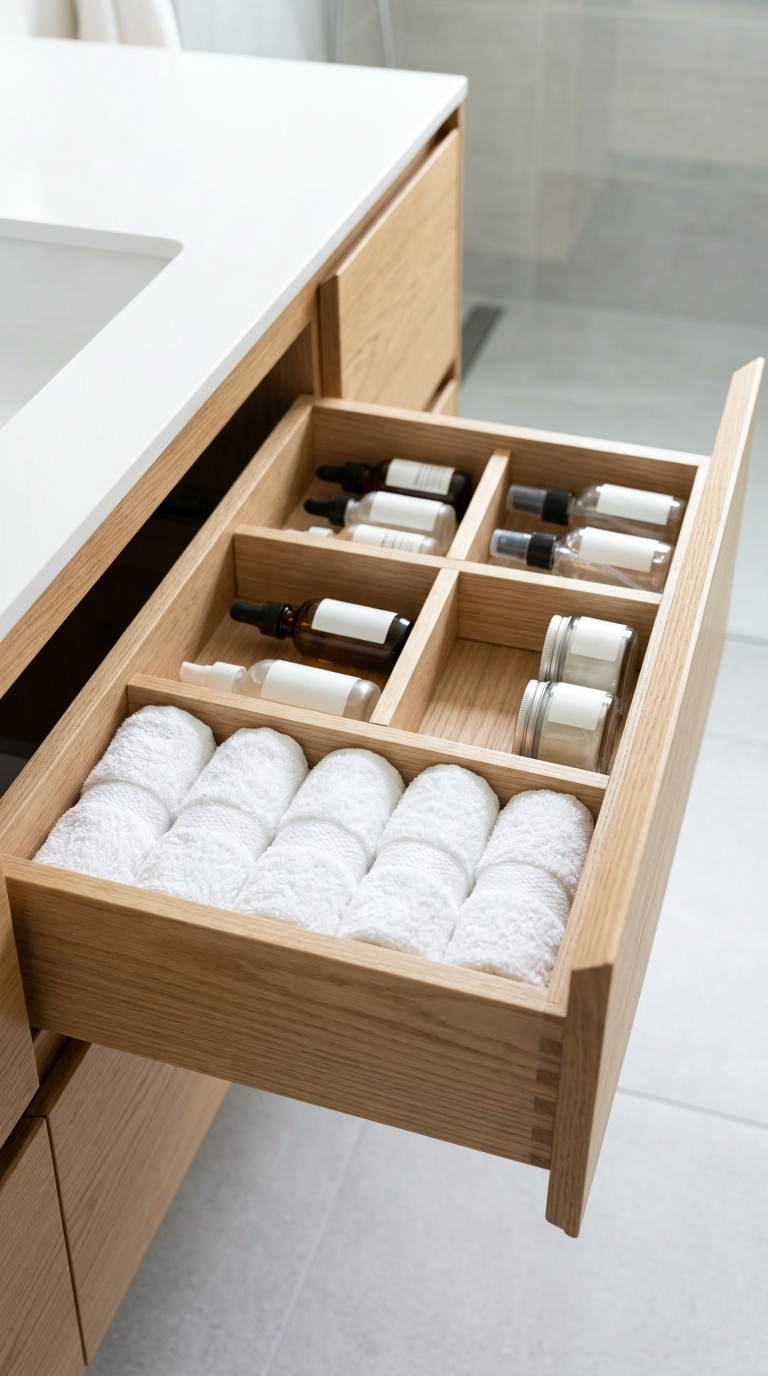
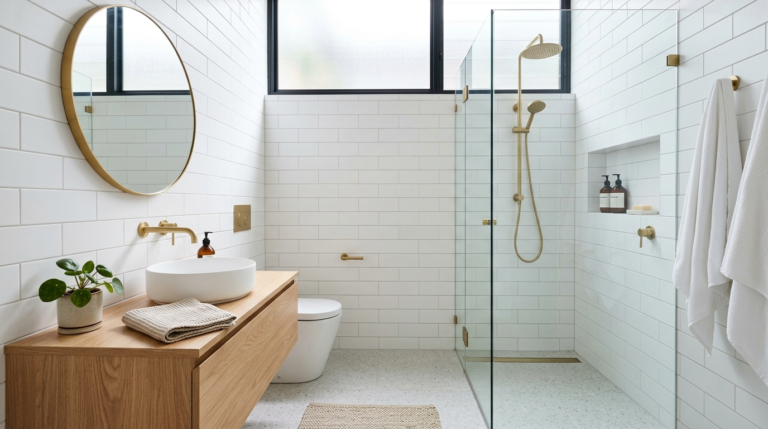
The solution is to invest in smart, integrated storage solutions that provide massive utility without looking heavy or cumbersome. Replace a standard pedestal sink with a spacious, deep-drawer floating vanity. Drawers are significantly more efficient than traditional cabinet doors, as they pull out completely to give you full visibility and access to the deep, back corners of the unit. You can also utilize vertical wall space by installing recessed medicine cabinets with mirrored doors, or mounting beautiful solid-wood floating shelves directly above the toilet. This keeps your daily essentials within easy reach while keeping the main countertop surfaces perfectly clean and open.
3. Choosing Materials Ill-Suited for High-Moisture Environments
A bathroom is a high-moisture zone subjected to daily temperature swings and direct water exposure. Selecting materials based solely on their visual appeal without verifying their water-resistance rating is a critical error that can lead to warping, mold growth, and expensive structural damage. Common mistakes include installing standard non-treated wallpaper, porous natural stones without proper sealant, or low-grade laminate flooring that swells and splits when exposed to standing puddles of water from the shower or tub.
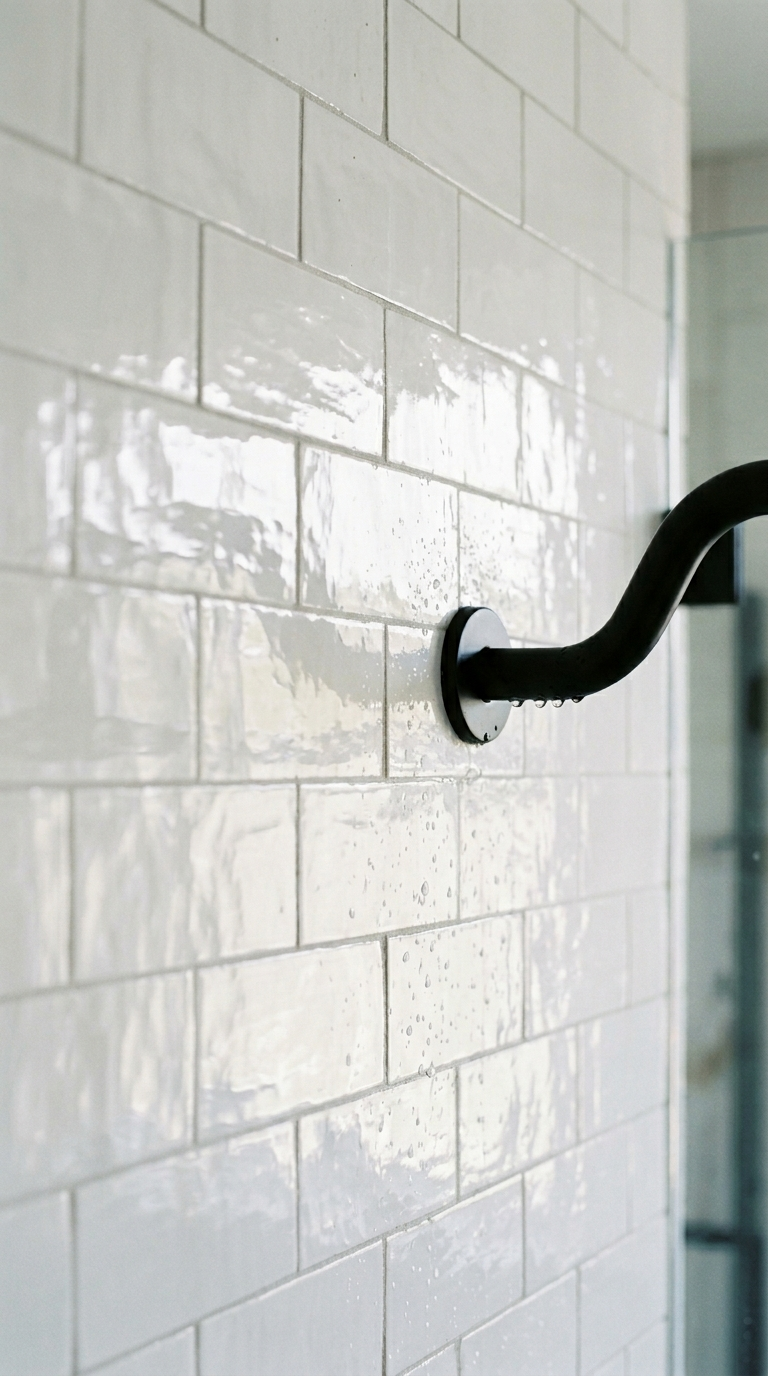
When selecting finishes, durability and water resistance must always come first. Opt for high-fired porcelain or ceramic tiles for walls and floors, as they are completely impervious to water and incredibly easy to clean. If you love the look of natural stone like marble or travertine, ensure it is treated with a premium, penetrating sealer upon installation and resealed annually. For walls, utilize specialized damp-resistant paints with an eggshell or semi-gloss finish that naturally repels water droplets. If you are desperate to incorporate the warmth of wood, steer clear of solid planks and instead select high-quality porcelain tile that perfectly mimics natural wood grain, giving you the best of both worlds.
4. Ignoring the Crucial Rules of Scale, Clearance, and Spatial Layout
An amazing bathroom must flow smoothly. A very common design mistake is choosing beautiful fixtures that are simply too large for the room’s actual dimensions, or placing them too close together. This results in a cramped, awkward layout where cabinet drawers hit the bathroom door, the toilet paper holder is unreachable, or you constantly bump your elbows against the glass shower enclosure while brushing your teeth. Ignoring clearance zones makes the bathroom feel claustrophobic and difficult to navigate safely, especially when surfaces are slick and wet.
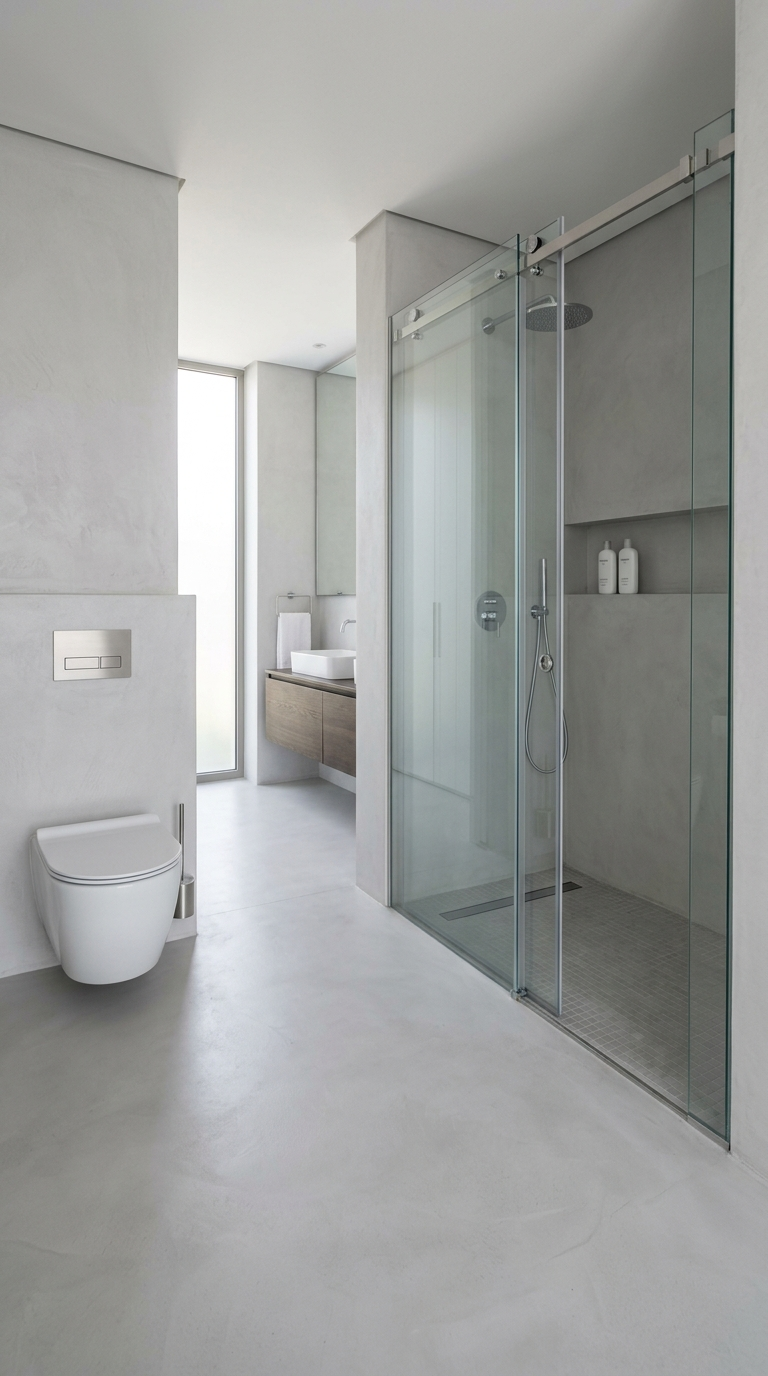
Before buying a single item, map out your bathroom’s footprint with precision on graph paper or a digital design app. Ensure you leave a minimum of 30 inches of clear space in front of the toilet, sink, and shower entrance to allow for comfortable movement. If you are dealing with a tight, compact floor plan, look for space-saving fixtures specifically designed for small layouts, such as a corner shower with a sliding curved glass door, a wall-hung toilet with a concealed in-wall tank, or a compact shallow-depth vanity. Prioritizing clear physical pathways makes the space feel naturally larger, open, and effortless to use.
5. Neglecting Layered Textures and Cohesive Metal Finishes
Because bathrooms are heavily dominated by hard, cold surfaces like porcelain, glass, and polished tile, they can easily feel sterile, cold, and uninviting if not styled thoughtfully. Another frequent mistake is matching every single metal element—faucets, showerheads, cabinet handles, mirror frames, and light fixtures—in a high-shine, builder-grade polished chrome. This lack of variation feels flat, dated, and uninspired, missing a wonderful opportunity to infuse your personal style and design sophistication into the room.
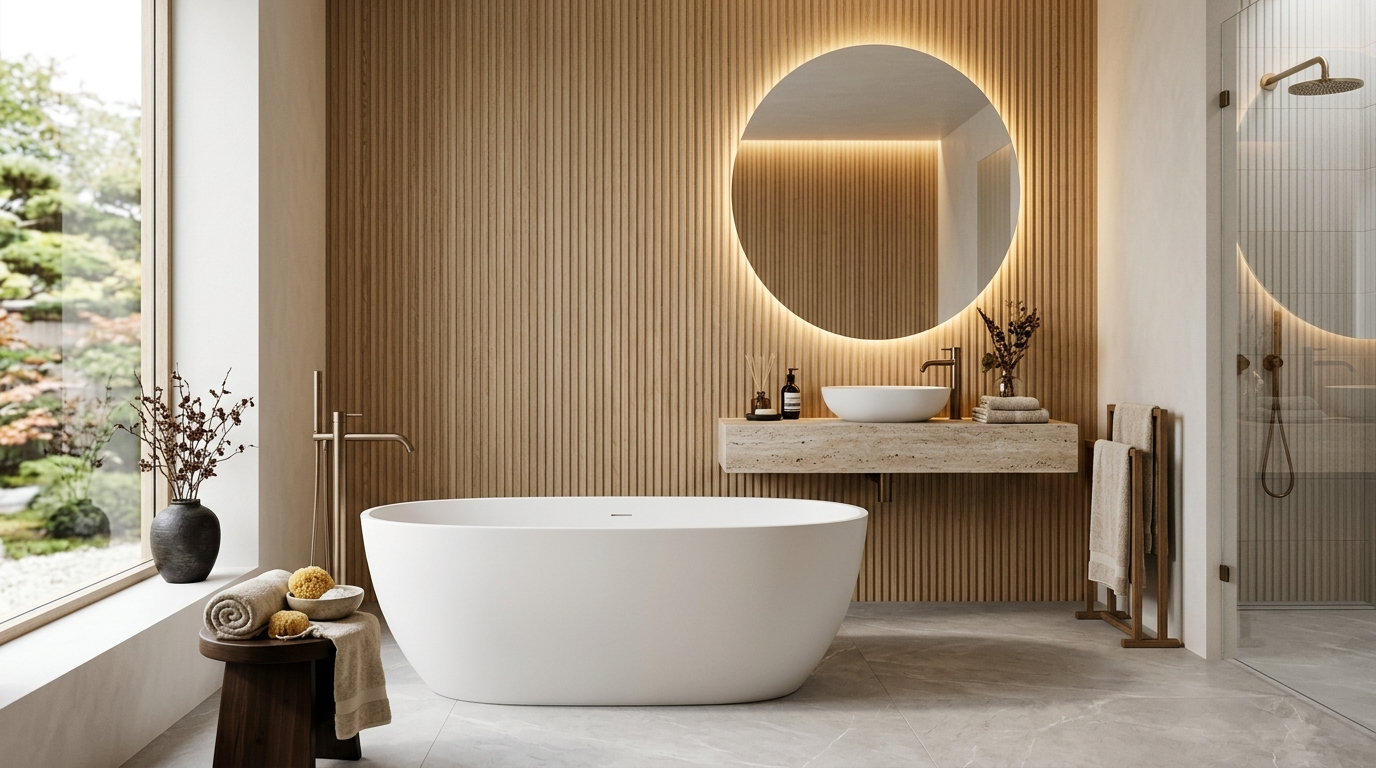
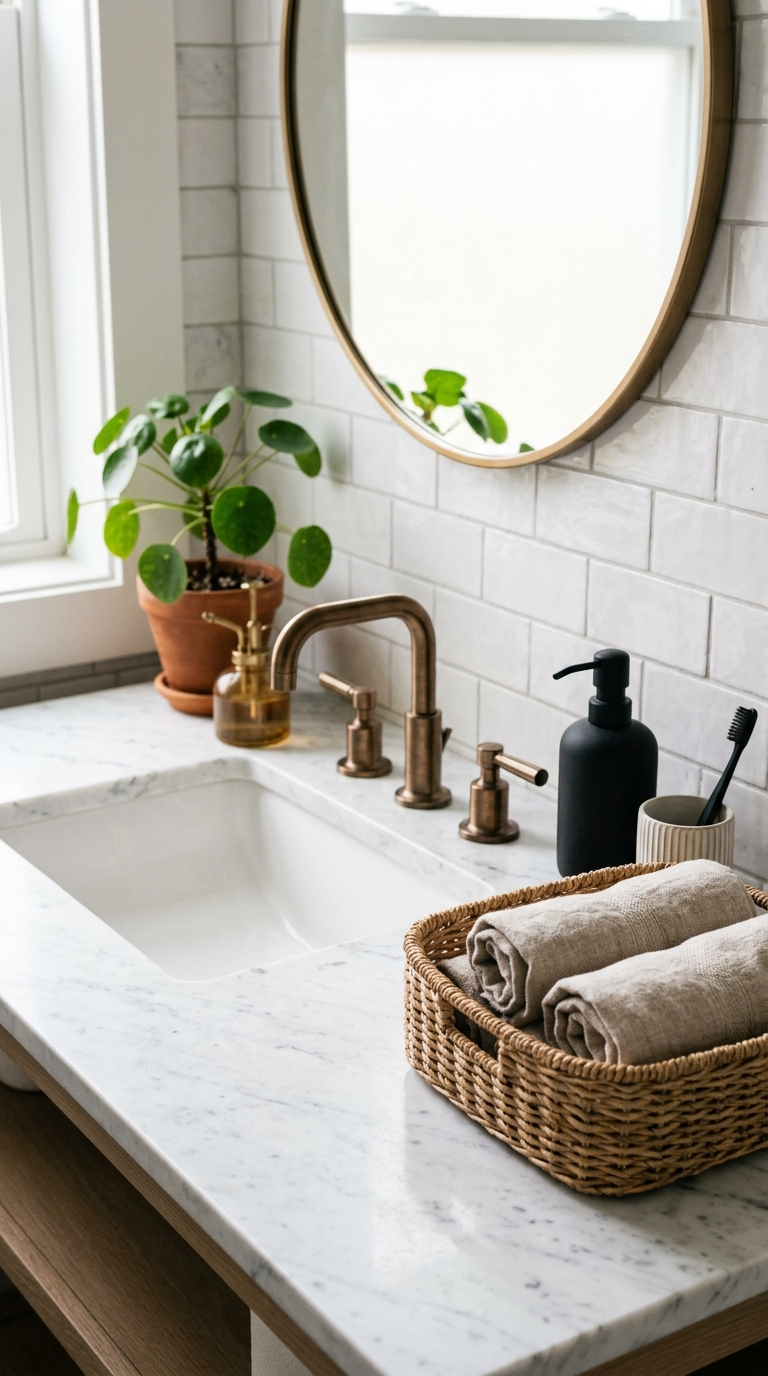
To breathe warmth and personality into your bathroom, focus on mixing metal finishes and layering soft, organic textures. A good rule of thumb is to select one dominant metal finish, such as matte black or brushed bronze, for about 70 percent of your fixtures, and then introduce a complementary accent metal, like polished nickel, for the remaining 30 percent. Break up the hard tile lines by introducing tactile, plush materials: hang heavy-weight organic cotton towels from sleek hooks, place a thick woven jute or Turkish cotton mat on the floor, and introduce warmth with woven wicker storage baskets and a beautiful small wooden stool next to the tub.
6. Forgetting to Install or Maintain Adequate Ventilation Systems
The most beautiful, expensive bathroom renovation will quickly deteriorate if the space lacks proper ventilation. Failing to install a high-powered exhaust fan, or choosing an underpowered, noisy unit that you avoid turning on, is a catastrophic mistake. Without proper airflow, hot steam from your shower gets trapped in the room, causing paint to peel away from the ceiling, grout lines to discolor with black mold, and metal fixtures to rust prematurely. Proper ventilation is the literal life insurance policy for your bathroom’s decor and structural integrity.
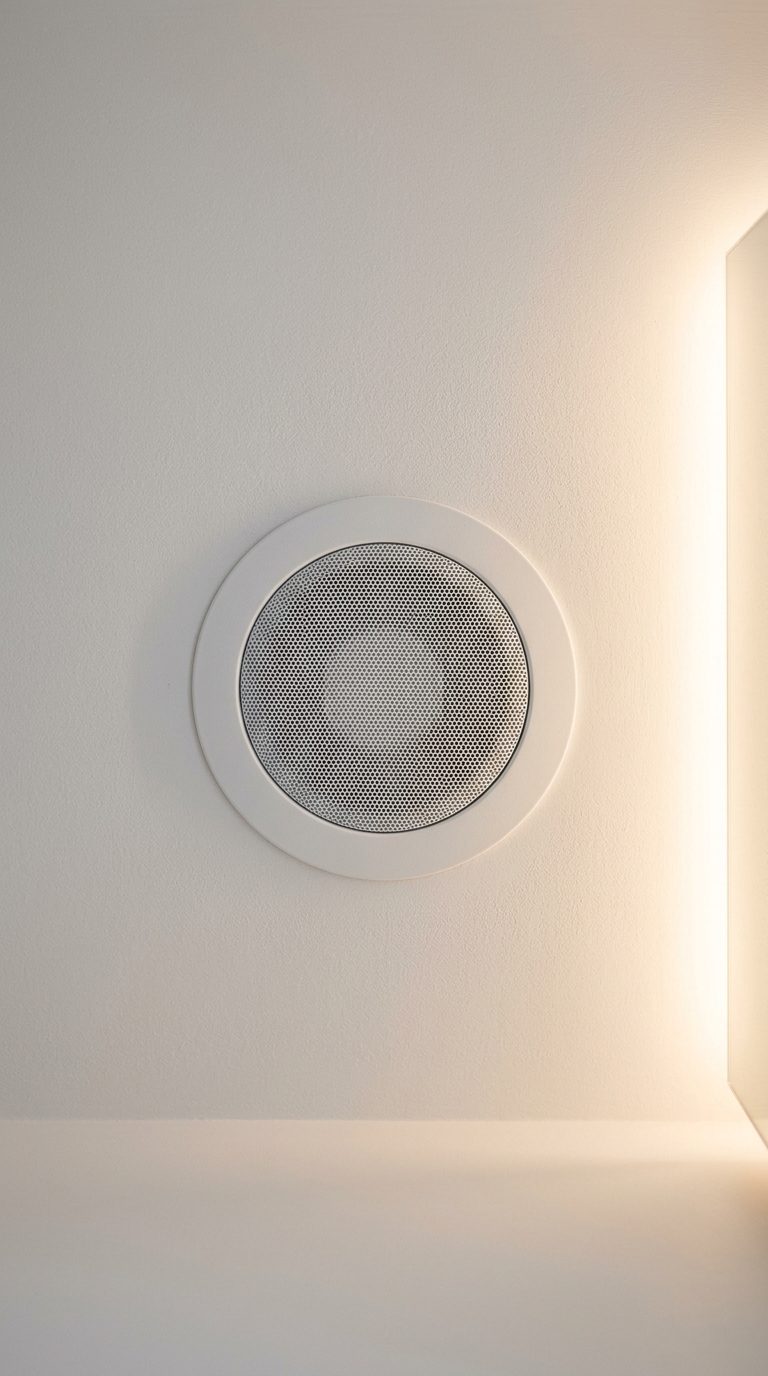
When selecting a bathroom exhaust fan, check its CFM (Cubic Feet per Minute) rating to ensure it can completely cycle the air in your room at least eight times per hour. Look for modern, ultra-quiet models rated at 1.0 sone or less so that running the fan doesn’t disrupt your relaxing shower or bath experience. For ultimate convenience, install a smart timer switch that keeps the fan running for 20 minutes after you leave the room, or select a sensor-activated model that turns on automatically when it detects a rise in humidity levels. This guarantees your bathroom remains fresh, dry, and beautiful for years to come.
Conclusion: Creating Your Flawless Spa Retreat
Avoiding these common bathroom design and decor pitfalls is all about striking the perfect balance between beautiful aesthetics and practical, high-performance utility. By planning a layered lighting scheme, maximizing functional storage, selecting durable water-resistant materials, and ensuring proper ventilation, you protect your investment and build a space that elevates your daily routine. Take a close look at your current bathroom and identify which area needs the most immediate attention; often, even a minor change like swapping out a single central light fixture or adding a few textured baskets can completely transform the look and feel of the entire room, bringing you one step closer to your dream home oasis.
Elevate your chores with our ultimate step-by-step guide to designing a high-end, luxury laundry room. Learn about custom cabinetry, premium materials, and elite flow.
Transform your cramped laundry room into a functional oasis. Discover common design mistakes to avoid, maximizing storage, efficiency, and minimalist style.
Struggling with a messy, disorganized laundry room? Discover 16 brilliant storage ideas and organization hacks to maximize space and streamline your chores.
Are you making these critical layout and styling errors? Learn how to fix common bathroom and laundry design mistakes for a flawless, highly functional space.
Unlock the secrets to maximizing space and elevating style in a compact bathroom. This step-by-step guide helps you create a premium, luxurious oasis at home.
Transform your cramped small bathroom into a luxurious oasis with these expert design tips, clever storage solutions, and stylish space-saving hacks today.