Open shelving and custom storage units are among the most sought-after interior design features in modern homes. When executed with intention, shelves provide an incredible balance of practical utility and aesthetic expression. They offer a canvas to showcase your favorite books, heirloom ceramic collections, framed art, and flourishing greenery. However, despite their versatility, storage shelves can quickly turn into visually overwhelming dumping grounds if approached without a clear design strategy. Many homeowners struggle with rooms that feel heavy, chaotic, or perpetually messy simply because their shelving systems are mismanaged.
In this comprehensive guide, we will unpack the 7 most common storage and shelving mistakes that disrupt the visual harmony of your home. Beyond identifying these design traps, we provide actionable, professional fixes that will transform your storage spaces from cluttered eyesores into curated interior masterpieces.
1. Ignoring Visual Scale and Overpacking Every Surface
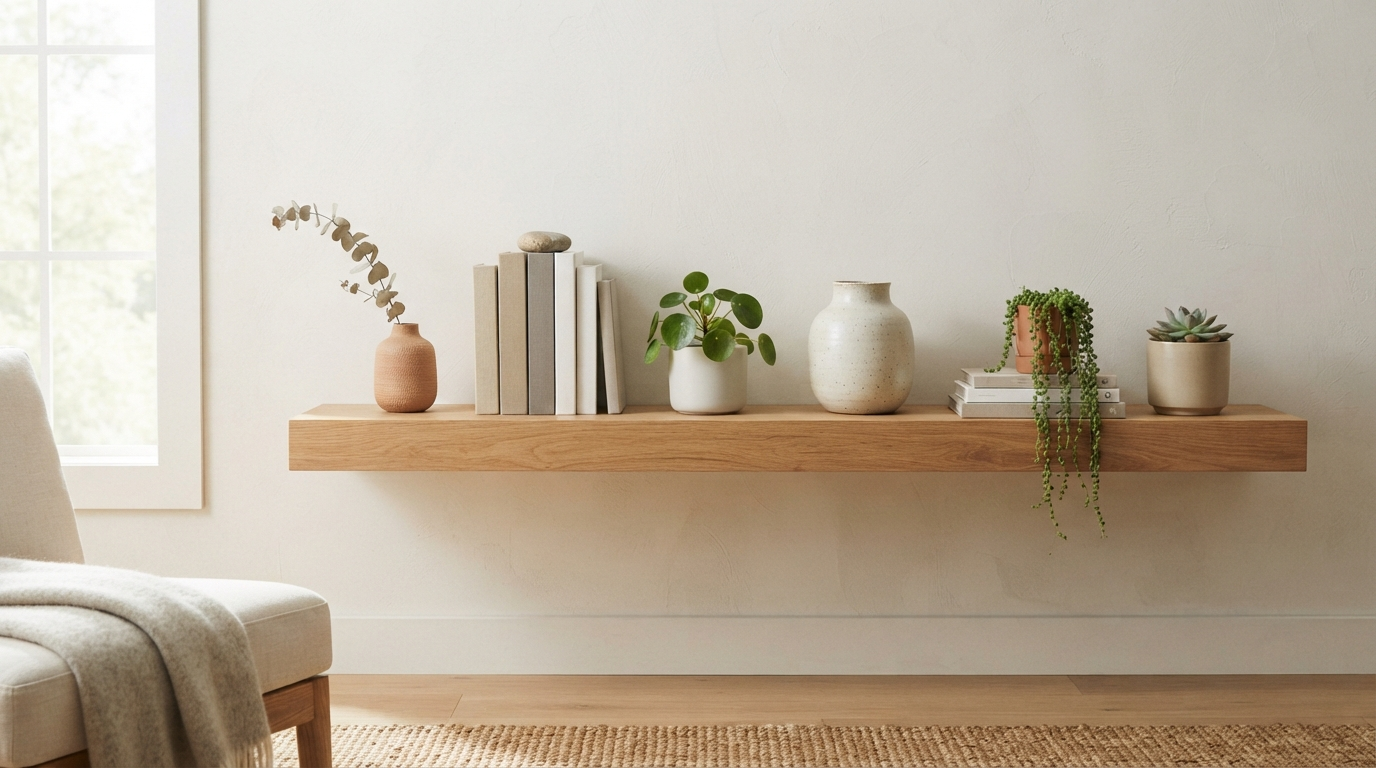
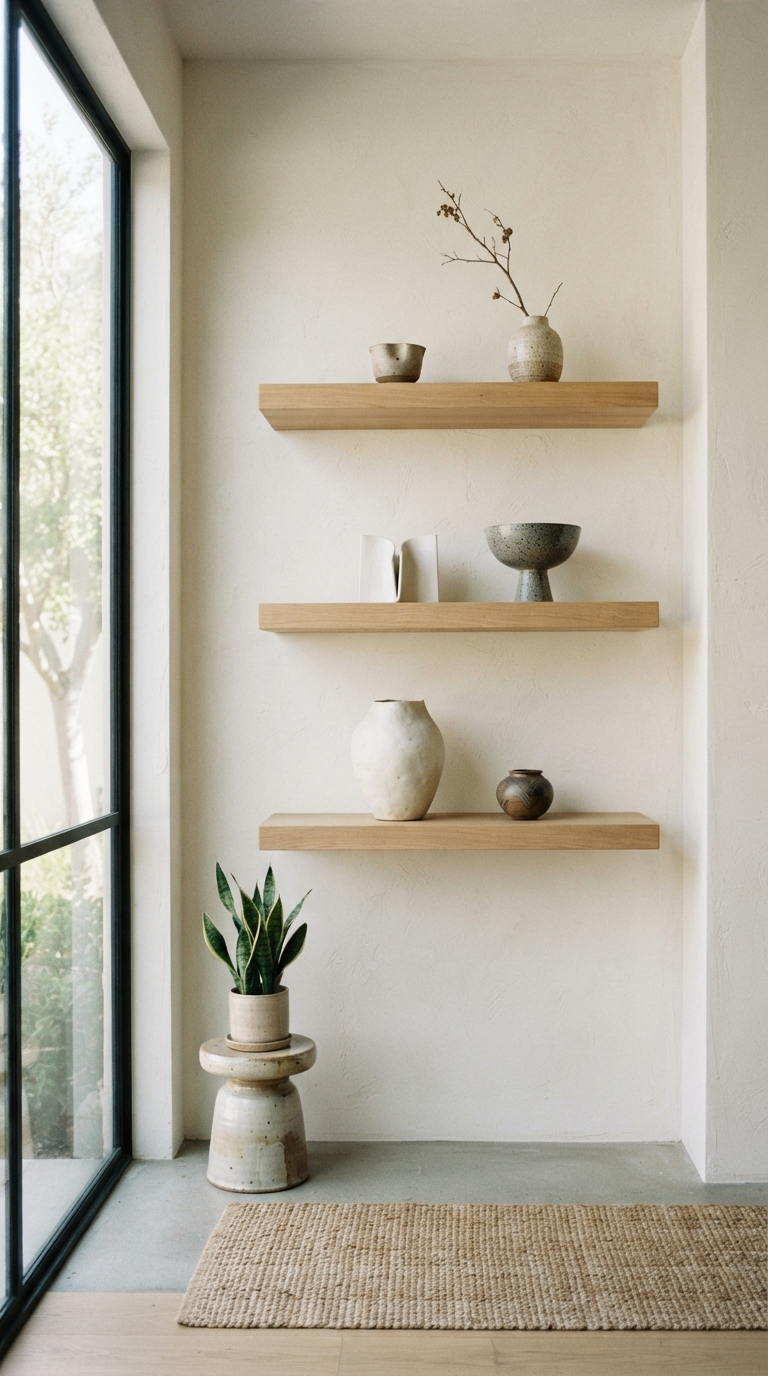
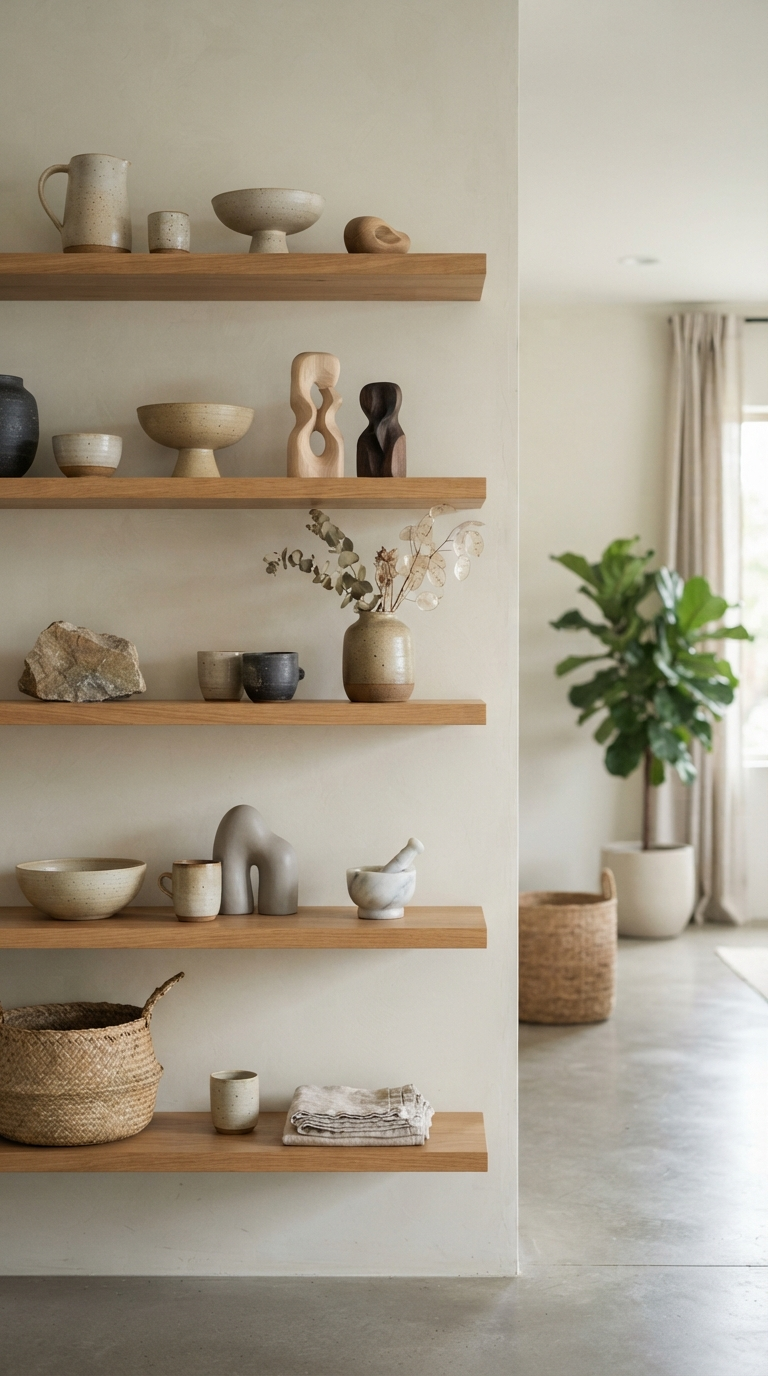
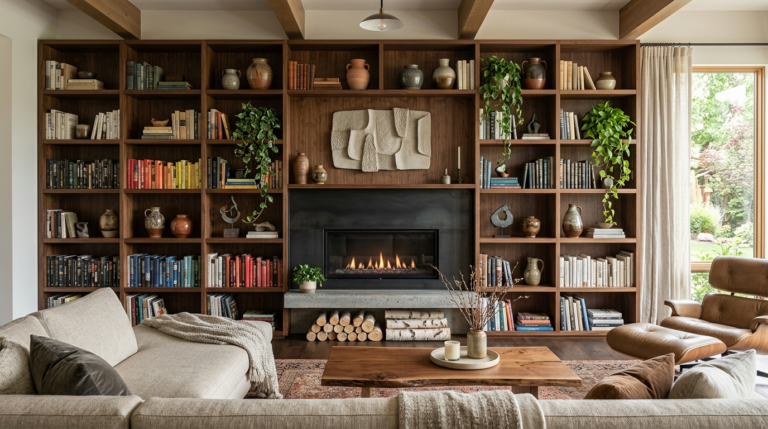
The single biggest mistake in open shelf styling is cramming every inch of surface area with objects. When every square inch is occupied, the eye has nowhere to rest. This sensory overload creates an instant impression of clutter, regardless of how clean or expensive the individual decor pieces might be. Negative space—the empty area around and between objects—is just as important as the decor items themselves.
To resolve this, adopt a minimalist approach to placement. Aim to leave at least 30% to 40% of every shelf surface completely blank. Group objects in odd-numbered clusters, such as trios, and leave generous breathing room between groupings. If you have an extensive collection of small trinkets, resist the urge to display them all simultaneously. Rotate your display pieces seasonally to maintain fresh visual interest without crowding your storage space.
2. Neglecting Functional Zoning and Categorization
Another frequent error occurs when storage shelves lack logical organization. Stashing utility items next to fine decorative art without a coherent structure makes a shelf look accidental rather than deliberate. A functional shelving unit must balance everyday accessibility with visual logic.
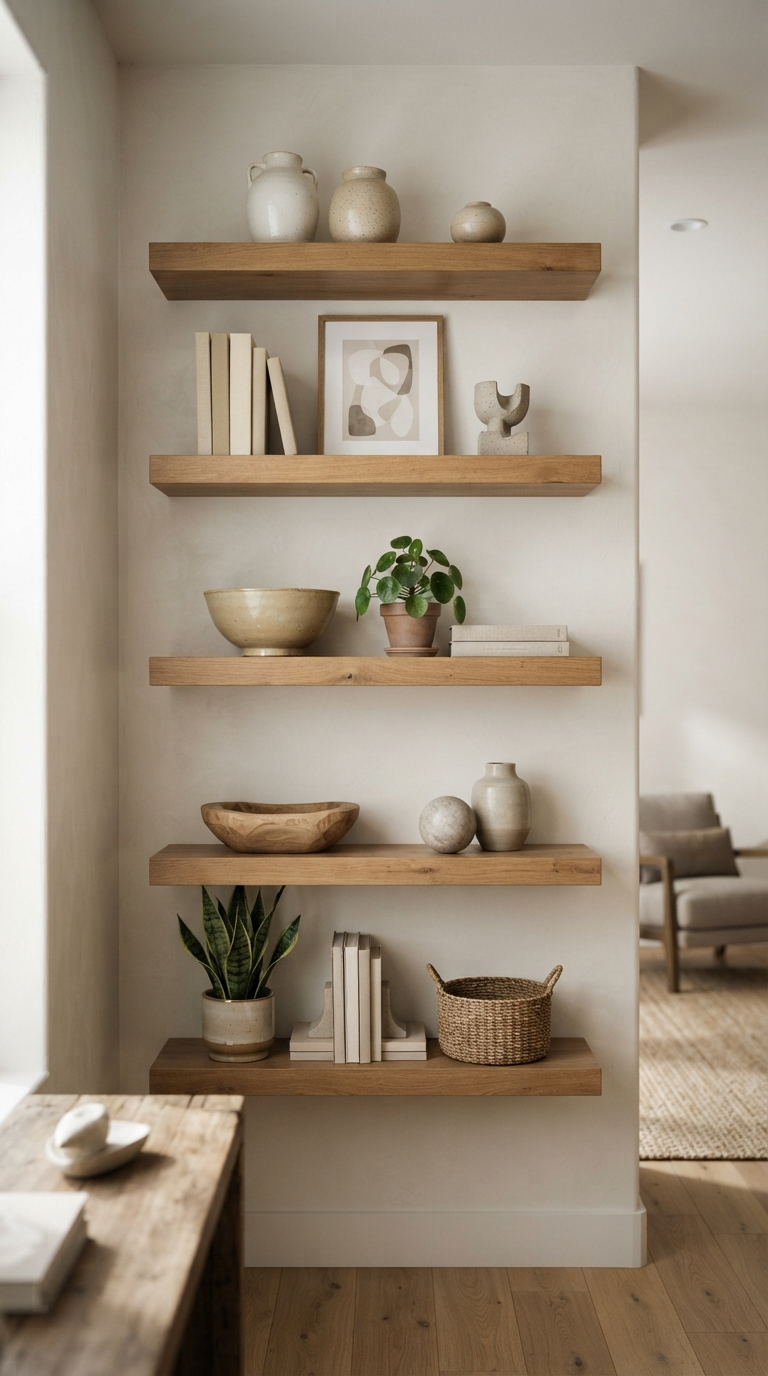
Implement the concept of visual zoning. Place heavier, bulkier items—such as thick art books, large storage baskets, or heavy stoneware pots—on the lower shelves. This establishes a grounded visual anchor. Reserve the eye-level shelves for lightweight decor, framed prints, and delicate glassware. Upper shelves should house lesser-used items or understated styling elements that draw the gaze upward gracefully.
3. Choosing the Wrong Shelving Depth and Weight Capacity
Selecting shelving units based solely on visual appeal without considering structural depth and weight limits leads to functional failure. Shallow shelves overflowing with oversized items create awkward overhangs that feel unstable and visually cramped. Conversely, overly deep shelves often turn into dark abysses where smaller items get lost in the back.
Measure your items before purchasing or installing new floating shelves or built-in bookcases. Standard books require a depth of 10 to 12 inches, while large display bowls or folded textiles benefit from 14 to 16 inches of depth. Always ensure heavy-duty wall anchors are used during installation to prevent sagging shelves, which instantly make a space look worn and unmaintained.
4. Lack of Varied Heights, Textures, and Form Factors
A shelf lined with items of identical height and texture appears monotonous and flat. When books are lined up in rigid vertical rows across every single shelf, the arrangement feels more like a commercial library than a warm, personal home sanctuary.
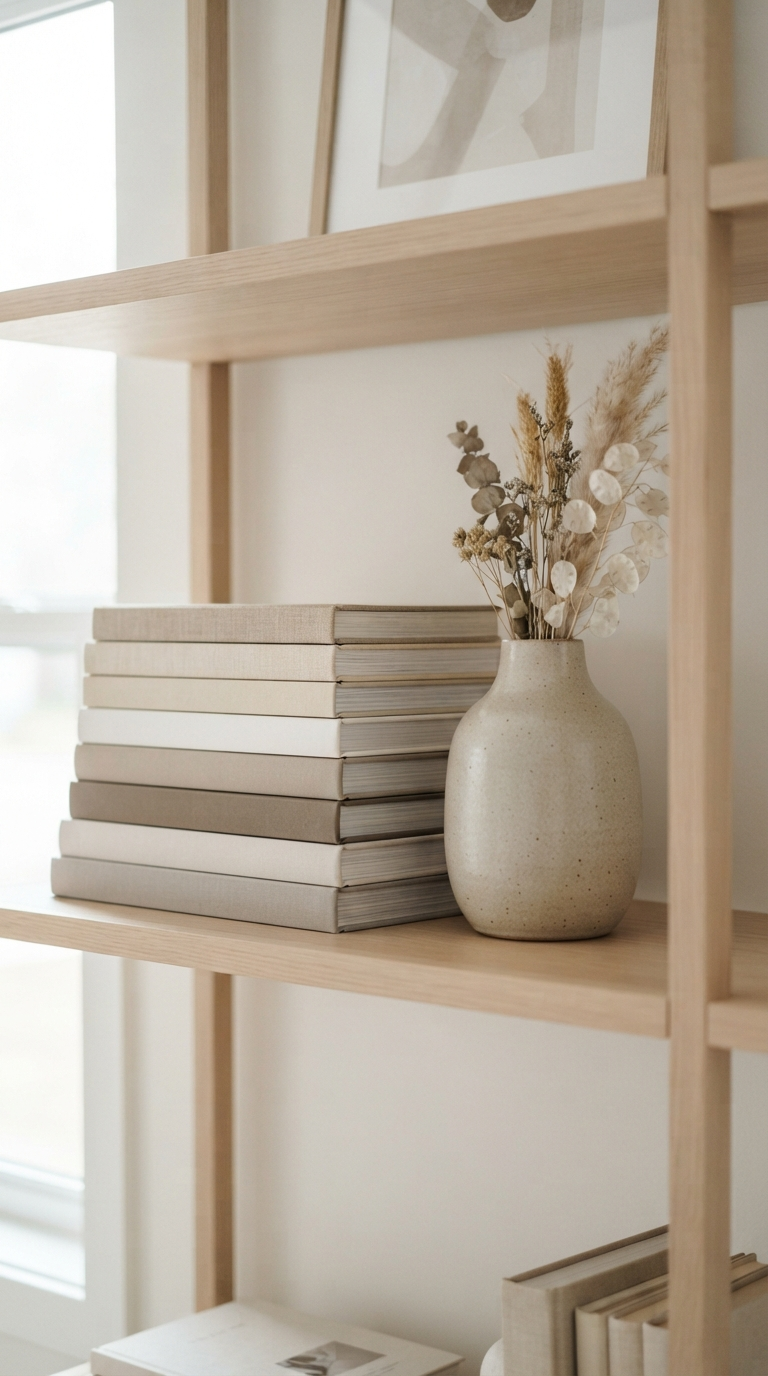
Introduce dynamic rhythm by mixing horizontal stacks with vertical alignments. Lay three or four large books horizontally to serve as a pedestal for a small sculptural object or brass vessel. Combine matte ceramic vases with glossy glassware, woven rattan baskets, and organic natural wood elements to create tactile contrast that elevates the overall room design.
5. Misusing Baskets and Concealed Storage Containers
While storage bins and baskets are essential tools for hiding everyday clutter like cables, paperwork, and children’s toys, using mismatched or oversized containers can worsen visual chaos. Brightly colored plastic bins or flimsy canvas cubes undermine an otherwise sophisticated room aesthetic.
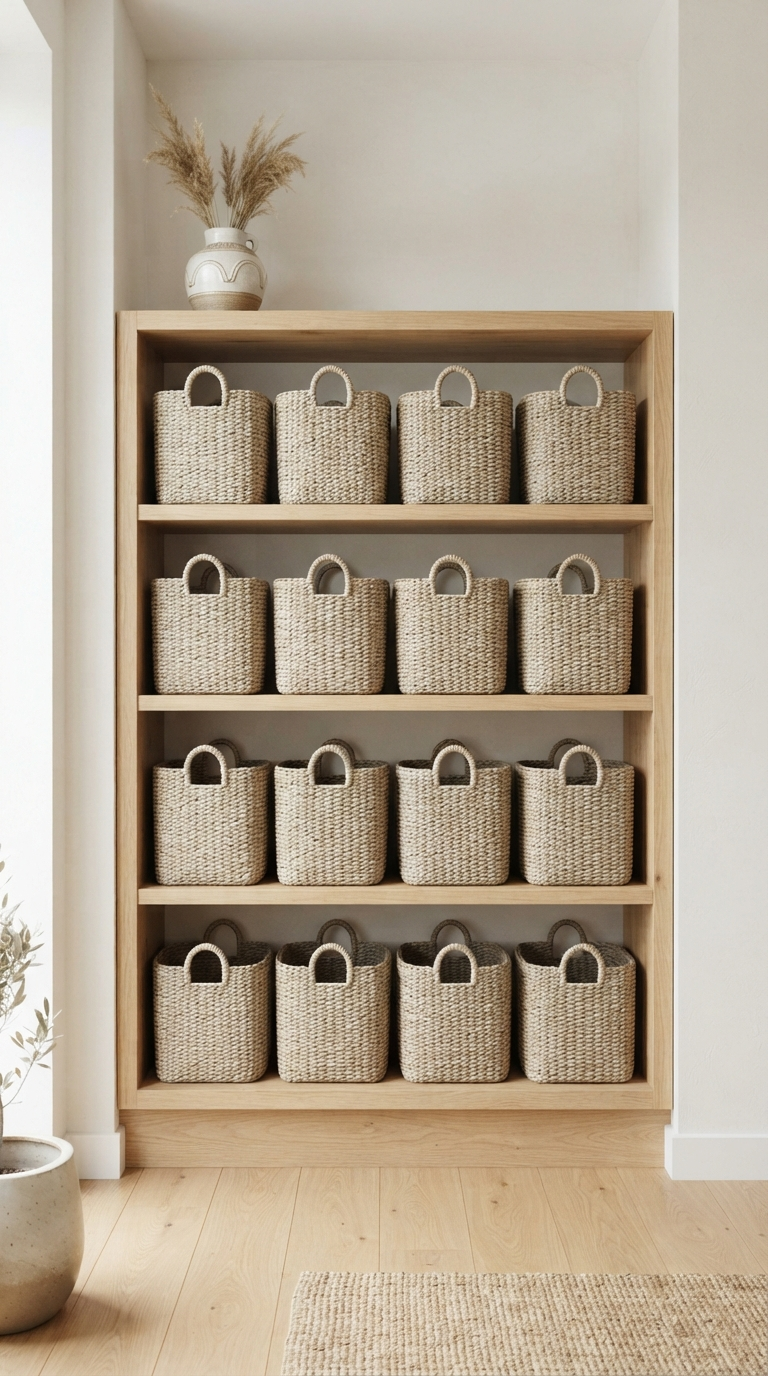
Invest in uniform, high-quality storage containers that complement your room’s color palette. Woven sea-grass baskets, linen-wrapped boxes with fitted lids, or solid wooden crates bring texture while concealing functional odds and ends. Ensure the containers fit comfortably within the shelf apertures with a couple of inches of clearance on all sides.
6. Forgetting Lighting and Highlight Integration
Even perfectly styled shelving units lose their impact in poorly lit rooms or deep alcoves. Shadows casting across dark wooden shelves obscure beautiful decor details and make the entire corner feel smaller and darker than it actually is.
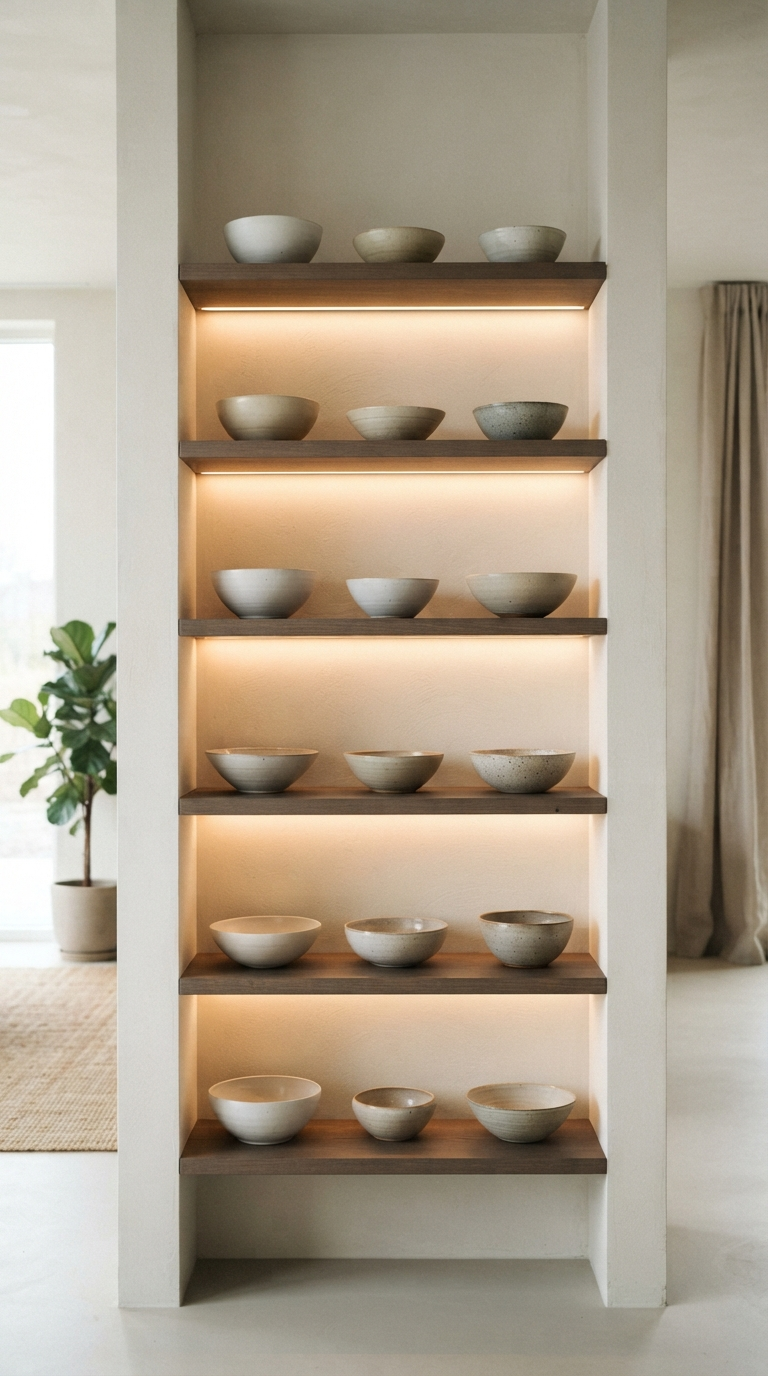
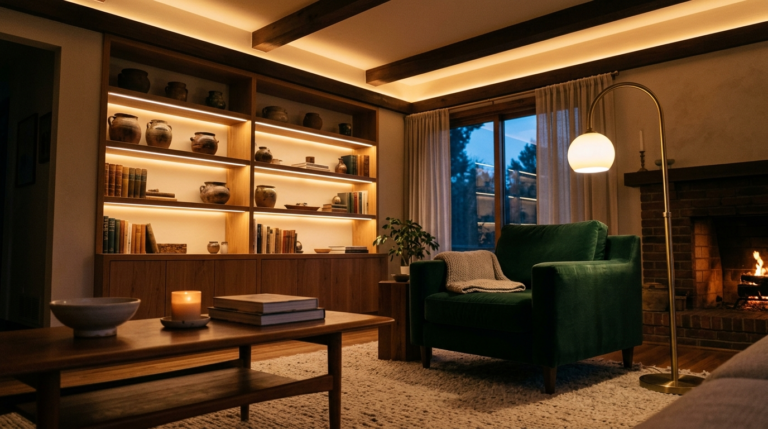
Incorporate dedicated shelf illumination. Warm LED strip lighting installed under individual shelves, puck lights mounted in cabinet tops, or elegant picture lights mounted directly above built-in shelving can instantly elevate the ambiance. Integrated lighting turns storage solutions into high-end architectural focal points during the evening hours.
7. Overlooking Color Harmony Across Displays
Displaying a chaotic rainbow of mismatching book spines and wildly conflicting object colors creates visual noise that competes for attention. This lack of intentional palette cohesion is a major culprit in making open storage feel unorganized.
Establish a cohesive color story before curation. Select 2 to 3 main neutral tones—such as warm cream, beige, or soft gray—and 1 subtle accent color. Wrap mismatched book jackets in neutral paper or turn book spines inward for a minimalist aesthetic. Group items of similar hues together to guide the eye smoothly across your entire shelving arrangement.
Are you making these interior styling errors? Learn how to fix lighting, scale, and clutter mistakes to achieve a beautifully minimalist aesthetic easily.
Discover the top rustic lighting trends this year. Learn how to create a warm, inviting atmosphere with vintage fixtures, warm bulbs, and cozy layered lighting.
Master the art of shelf styling! Learn how to seamlessly blend beautiful decor with practical storage solutions in any room with this ultimate design guide.
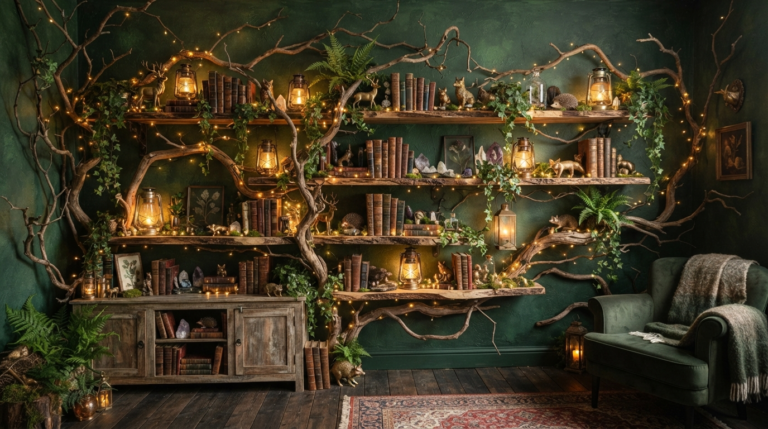
Unleash your creativity and transform your storage into a fairytale with these wildly imaginative, whimsical DIY shelving ideas that add magic to any room.
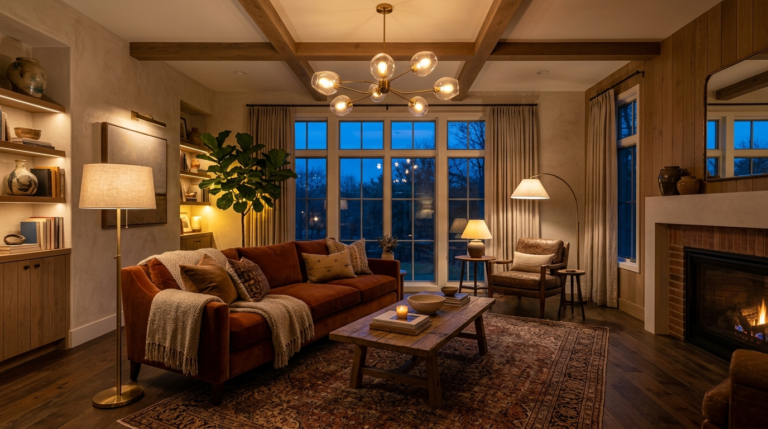
Discover the most common living room lighting mistakes that ruin your home’s aesthetic. Learn expert tips on layering, color temperature, and fixture scale.
Want a cozy, functional, and beautiful home? Learn how to master the art of layered lighting with our comprehensive, step-by-step guide to home illumination.