Creating a home that feels both effortlessly chic and deeply calming is the ultimate goal of minimalist design. However, achieving that perfect balance of ‘less is more’ is often more complicated than simply getting rid of your belongings. A truly serene, minimalist space relies on strict adherence to principles of scale, proportion, light, and negative space. All too often, well-intentioned decorators fall into subtle traps that disrupt the flow and harmony of a room, leaving it feeling chaotic, unbalanced, or cold instead of intentionally clean. In this comprehensive problem-solving guide, we will meticulously dissect the seven most common decor mistakes that plague modern interiors. By identifying these pitfalls and applying our actionable, minimalist-approved solutions, you will be empowered to elevate your styling, refine your aesthetic, and cultivate a living environment that radiates pure, uncluttered tranquility.
1. The Misjudgment of Scale and Proportion
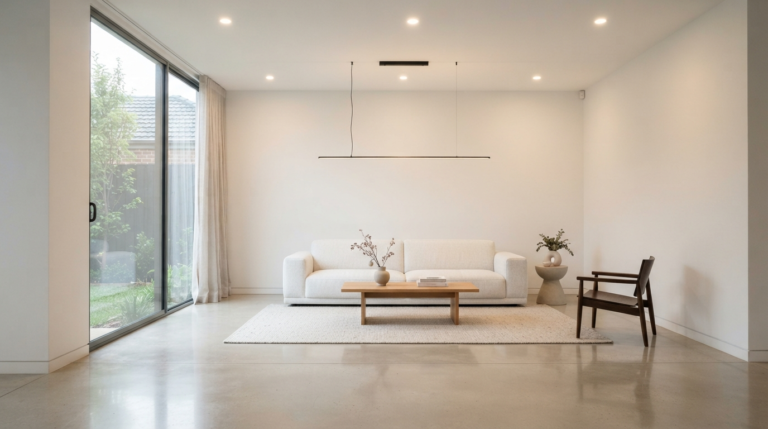
The most pervasive mistake in interior styling—and one that instantly ruins a minimalist aesthetic—is a fundamental misunderstanding of scale and proportion. This typically manifests in two distinct ways: either filling a large, voluminous room with a smattering of tiny, delicate furniture pieces (the ‘dollhouse effect’), or cramming an oversized, overstuffed sectional into a diminutive space (the ‘elephant in the room’ syndrome). Both errors create a jarring visual dissonance. In minimalist design, every piece must breathe, and its size must correlate perfectly with the architectural envelope it inhabits.
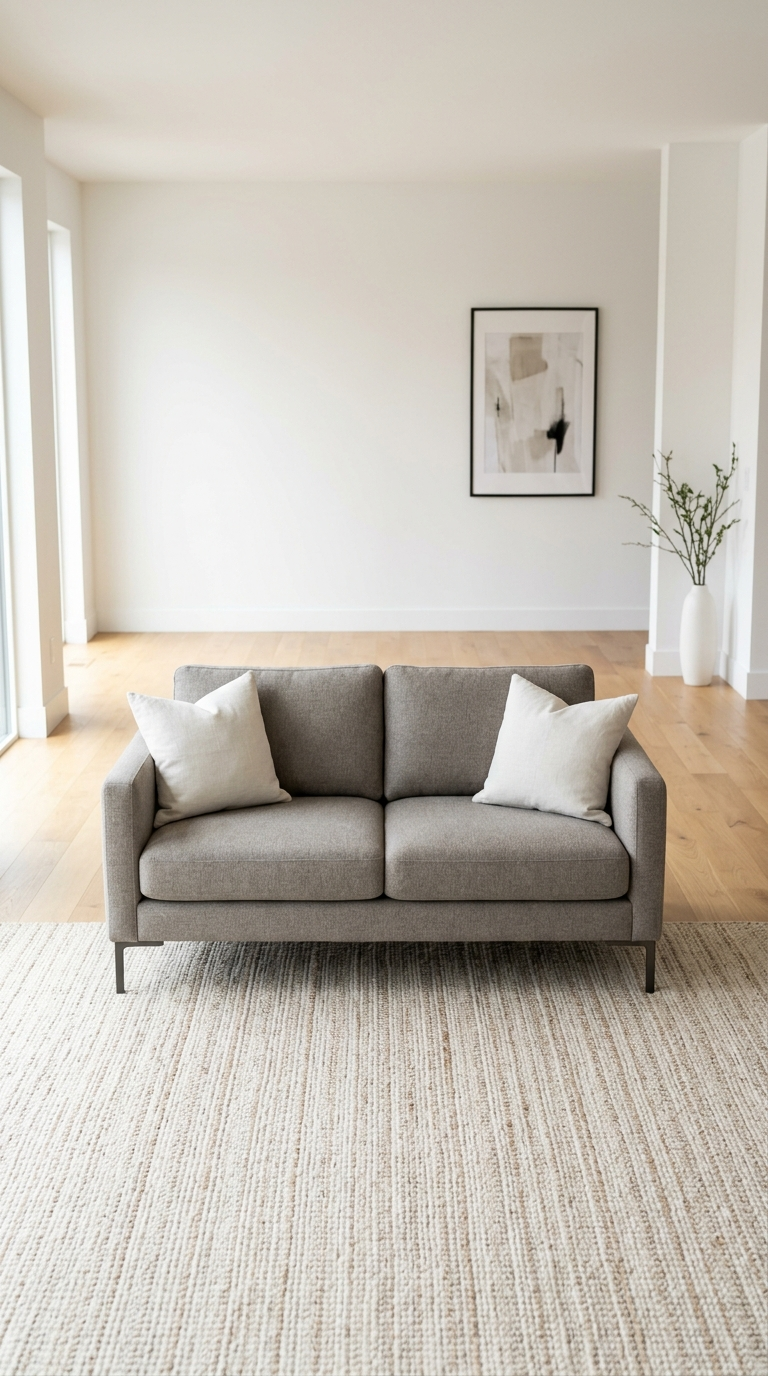
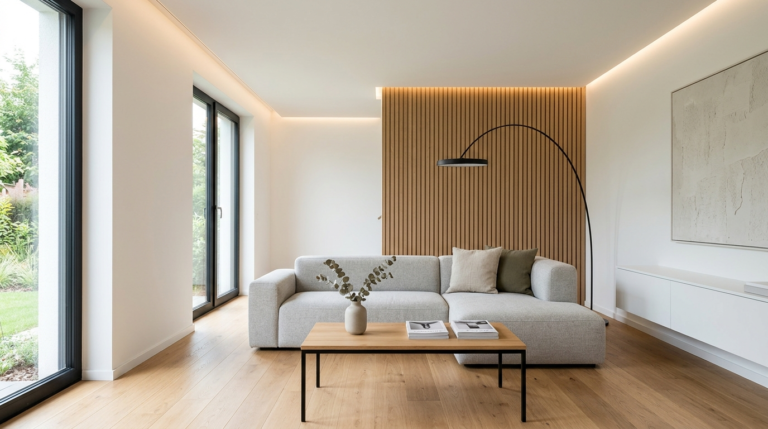
The Solution: Before purchasing a single item, map out your room precisely. Use painter’s tape on the floor to outline the exact dimensions of prospective furniture. In a minimalist space, opt for fewer, more substantial pieces rather than a multitude of small ones. A single, perfectly proportioned, sleek sofa anchors a room far better than a chaotic arrangement of smaller chairs and loveseats. Ensure there is ample, uninterrupted circulation space—at least 30 to 36 inches—around your primary furniture groupings. When selecting art, a common scale mistake is hanging pieces that are far too small for the wall. In minimalism, a single, massive, large-scale canvas creates a profound, calming focal point, whereas a gallery wall of tiny frames can often read as unnecessary visual clutter.
2. The ‘Furniture Lineup’: Pushing Everything Against the Wall
It is a strange human instinct to push all furniture tightly against the perimeter walls of a room, leaving a vast, empty void of unused flooring in the center. This mistake is particularly detrimental in minimalist styling because it drains the room of any intimacy and makes the space feel like a stark waiting room rather than a cozy, intentional living area. It highlights the walls rather than the flow of life happening within the space.
The Solution: You must learn to float your furniture. Pull your sofa, chairs, and tables away from the walls and bring them closer together to form a deliberate, intimate conversational grouping. Even pulling a sofa just 12 inches away from the wall can dramatically alter the perception of the room, creating an illusion of greater spaciousness and architectural depth. By anchoring this floating arrangement with a properly sized, neutral rug, you create a defined ‘room within a room.’ This technique emphasizes the minimalist principle of intentionality—every item is placed with purpose to serve the function of the space, rather than simply being stored against the nearest vertical surface.
3. Ignoring the Power of Layered Lighting
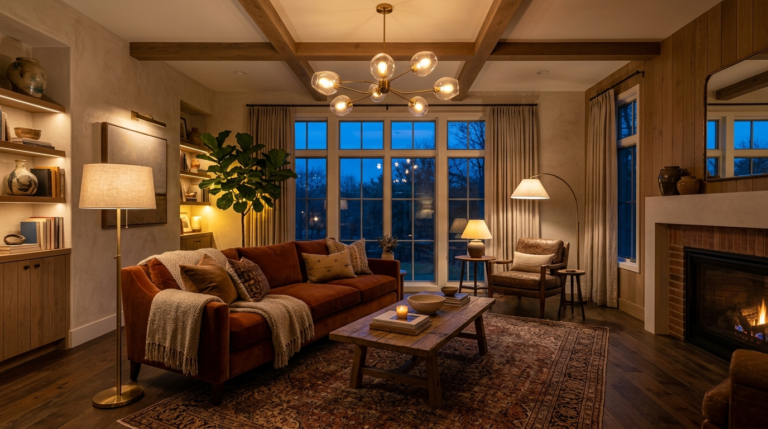
Minimalist design is highly dependent on light and shadow to create architectural interest, as it eschews heavy ornamentation. A critical mistake is relying entirely on a single overhead light source—often colloquially known as the ‘big light.’ This casts harsh, unflattering downward shadows, flattens the dimension of the room, and completely destroys any sense of serene ambiance.
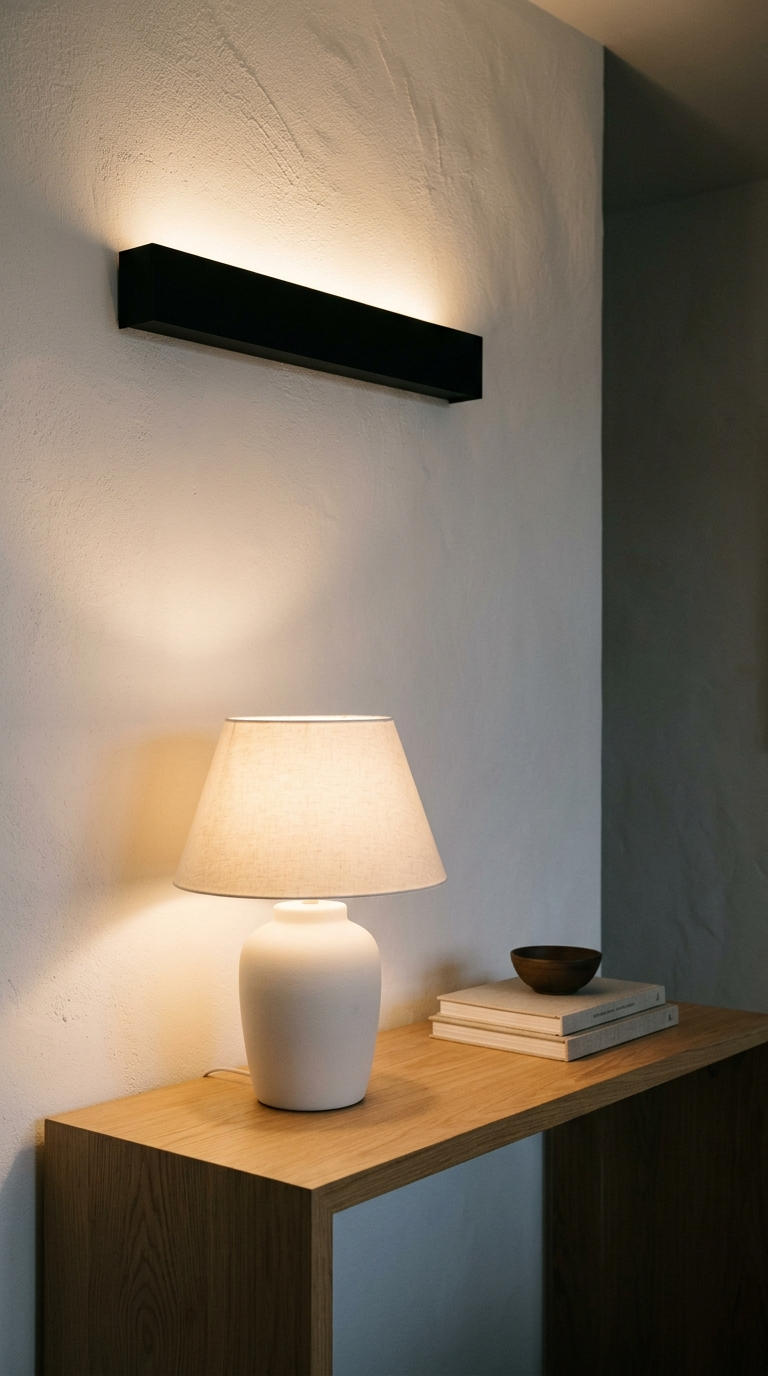
The Solution: A beautifully styled space demands a meticulously planned, layered lighting scheme consisting of ambient, task, and accent lighting. In a minimalist context, the fixtures themselves should feature clean lines and unadorned finishes—think matte black, brushed steel, or simple white ceramics. Turn off the harsh overheads and introduce sleek floor lamps to illuminate dark corners, architectural wall sconces to wash light gently down the walls, and minimalist table lamps to create pools of warm light near seating areas. Crucially, all lighting should be on dimmer switches. The ability to control the intensity of your lighting allows you to sculpt the mood of the room, transitioning from bright, functional daylight to a soft, contemplative evening glow, entirely transforming the minimalist aesthetic.
4. The Danger of Over-Accessorizing (The Clutter Trap)
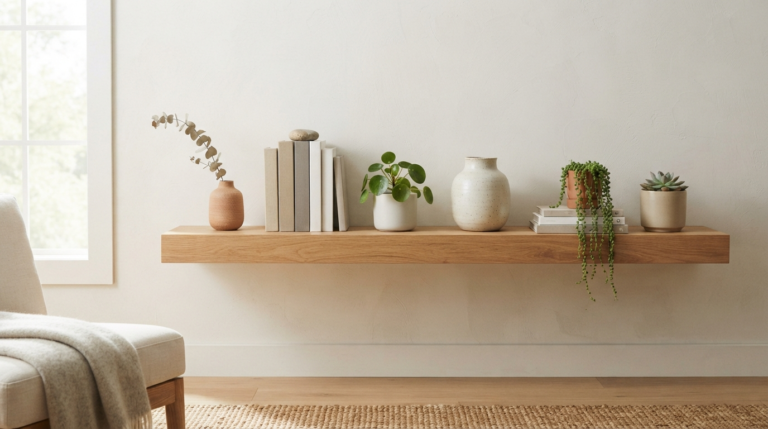
In the pursuit of making a house feel like a home, many people fall into the trap of over-accessorizing. Shelves become burdened with knick-knacks, coffee tables vanish beneath stacks of items, and every surface is covered. While sentimental, this visual noise is the antithesis of the minimalist ethos. Clutter disrupts the eye, increases cognitive load, and completely masks the beautiful, clean lines of your furniture and architecture.
The Solution: Embrace the power of rigorous editing. The minimalist mantra is ‘curation, not decoration.’ Remove everything from your surfaces. Slowly and intentionally introduce only those objects that serve a specific function or bring profound aesthetic joy. When styling, utilize the rule of threes or odd numbers, and group items into deliberate, small vignettes rather than scattering them uniformly. Opt for substantial, singular statement pieces—a large, sculptural ceramic vase with a single branch, or a beautifully bound architecture book—rather than a collection of small trinkets. The spaces between the objects are just as important as the objects themselves. Allow your surfaces to breathe.
5. Underestimating the Importance of Negative Space
Negative space—the empty areas around and between furniture, art, and objects—is not wasted space; it is an active, essential design element. A common mistake is feeling the need to fill every corner, every blank wall, and every empty floor area. This stems from a fear of emptiness, but in minimalist styling, emptiness is luxury. It provides visual relief and allows the pieces you *have* chosen to truly shine.
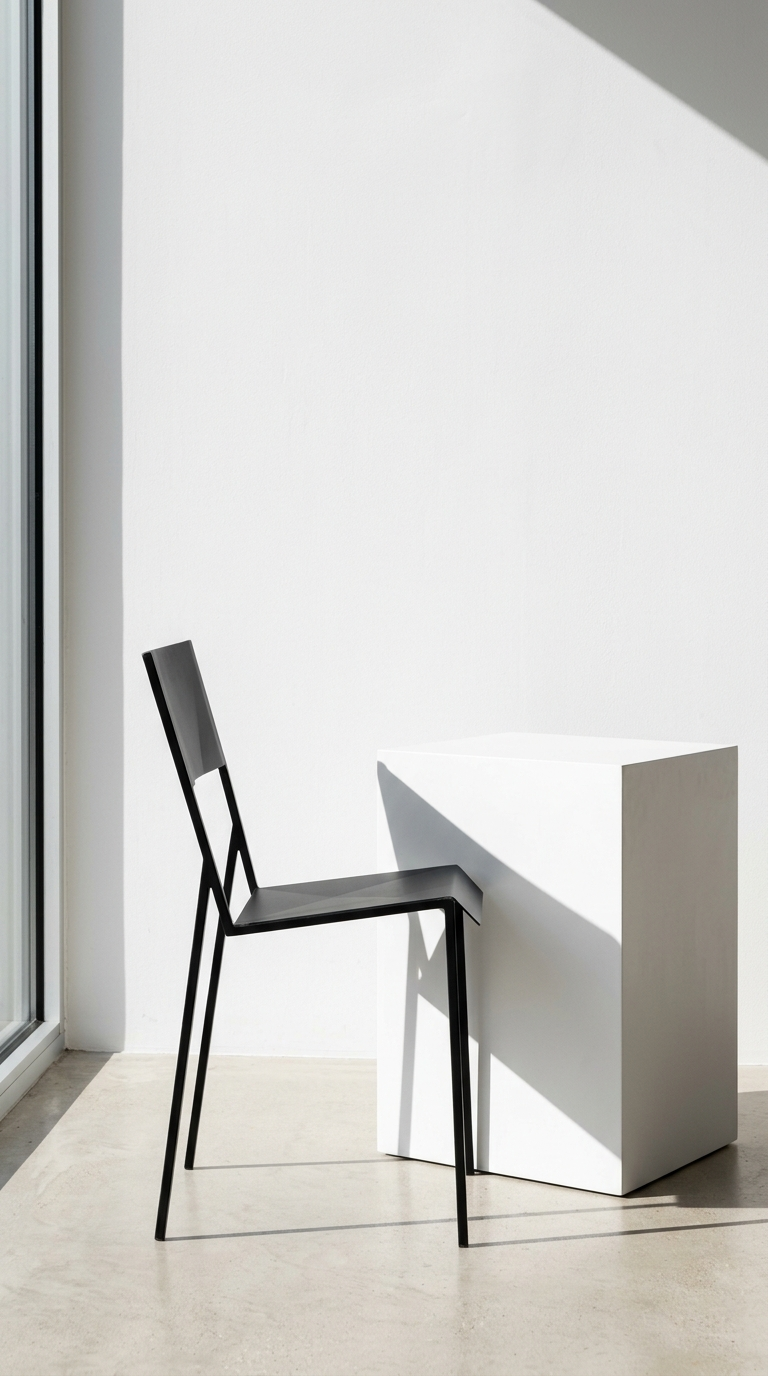
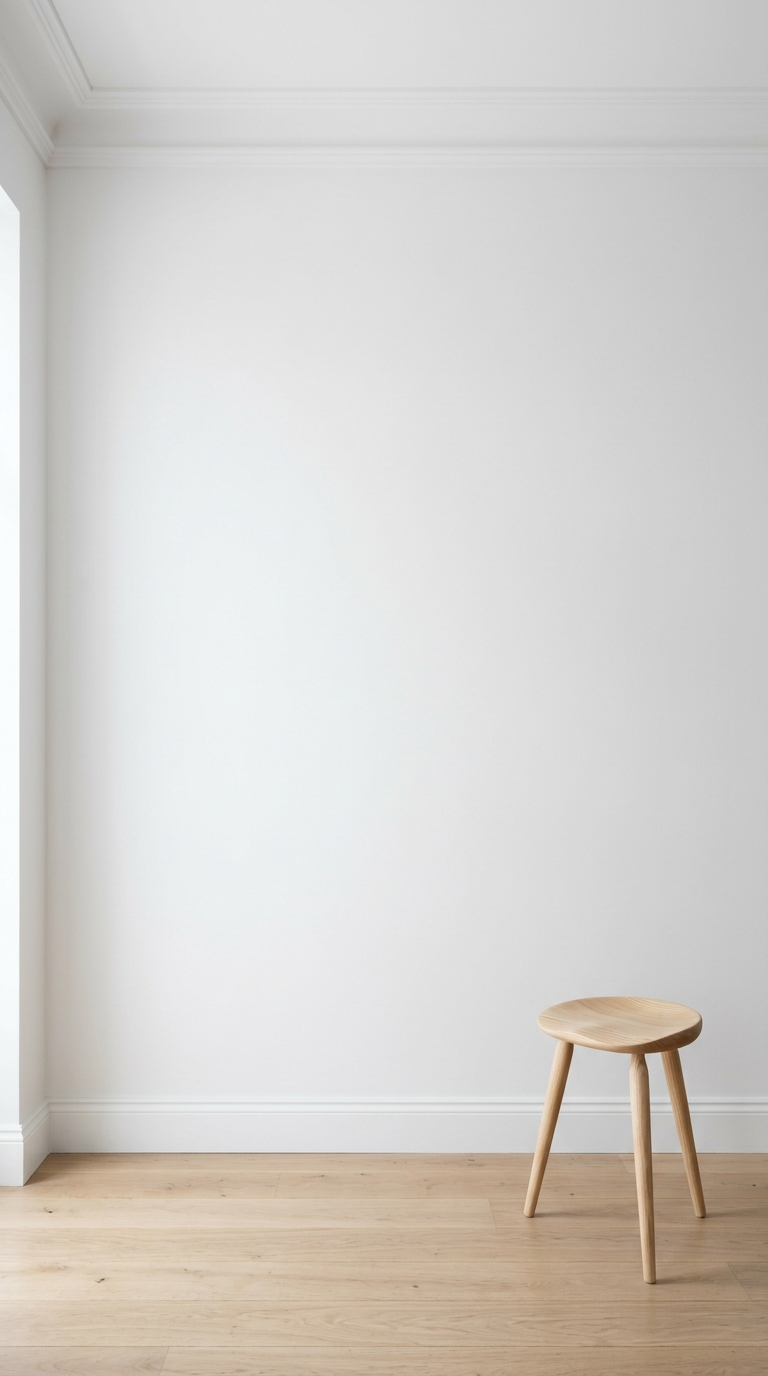
The Solution: Actively design your negative space. If you have a beautiful, minimalist lounge chair, give it the physical room to be admired from all angles. Do not cram a side table, a floor lamp, and a basket of blankets directly next to it. Leave a wall completely bare to draw attention to the architectural features of the room or the play of natural light across the paint. When hanging art, leave generous, expansive margins around the pieces. By fiercely protecting your negative space, you create an environment that feels expansive, quiet, and deeply restorative—the very hallmarks of successful minimalist interior design.
Conclusion: The Art of Intentional Restraint
Styling a flawless, minimalist home is an ongoing practice of intentional restraint. It is about confidently making choices that prioritize airiness, light, and form over clutter and chaos. By learning to recognize and aggressively avoid these common decor mistakes—mastering scale, floating your furniture, layering your lighting, ruthlessly editing your accessories, and honoring negative space—you will fundamentally transform the energy of your home. You will move from a space that feels decorated to a space that feels deeply designed. Remember, perfection in minimalism is achieved not when there is nothing left to add, but when there is absolutely nothing left to take away. Step back, edit ruthlessly, and let the quiet beauty of your space emerge.
Discover the most common living room lighting mistakes that ruin your home’s aesthetic. Learn expert tips on layering, color temperature, and fixture scale.
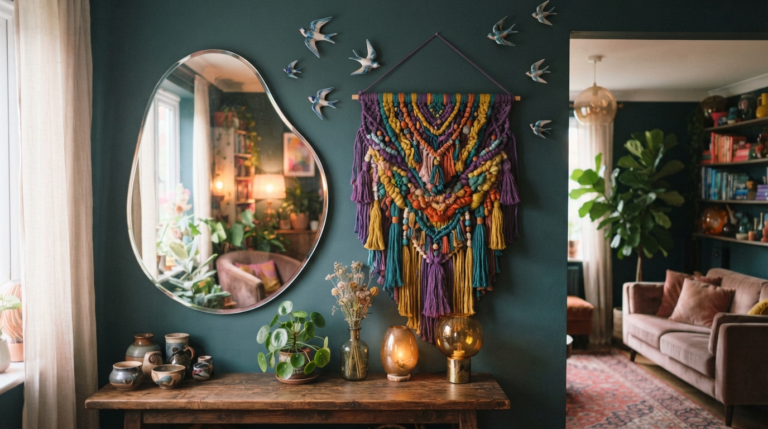
Stay ahead of the curve with the top whimsical wall decor trends. From enchanting mirrors to imaginative art, redefine your empty walls with these magical ideas.
Unleash your creativity and transform your storage into a fairytale with these wildly imaginative, whimsical DIY shelving ideas that add magic to any room.
Avoid these common lighting design mistakes that ruin the ambiance of your home. Learn how to layer illumination effectively for a bright, minimalist space.