Designing bathrooms and laundry rooms often focuses heavily on aesthetics—the perfect tile, the stylish vanity, the high-tech appliances. However, these are fundamentally high-utility spaces. Neglecting functionality and proper planning in favor of pure looks is the first major pitfall. A beautiful bathroom that lacks storage or a sleek laundry room that offers no folding space will quickly become a source of daily frustration. To help you navigate these complex, plumbing-heavy renovations, we have compiled the seven most critical bathroom and laundry design mistakes homeowners make, offering expert insights on how to avoid them for a result that is both stunning and highly efficient.
Mistake 1: Ignoring the Lighting Plan
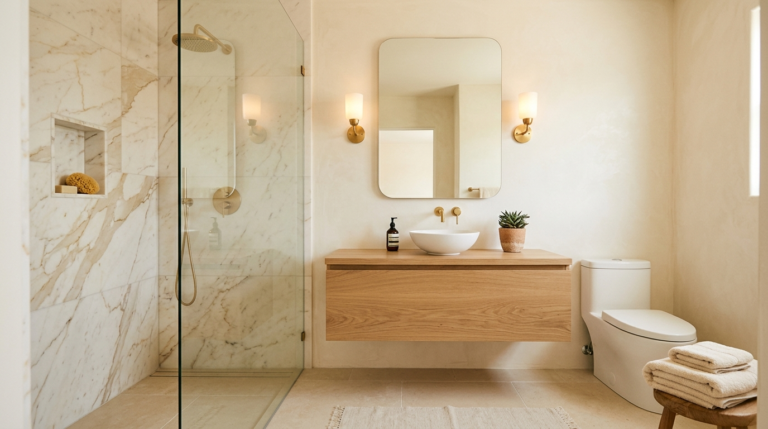
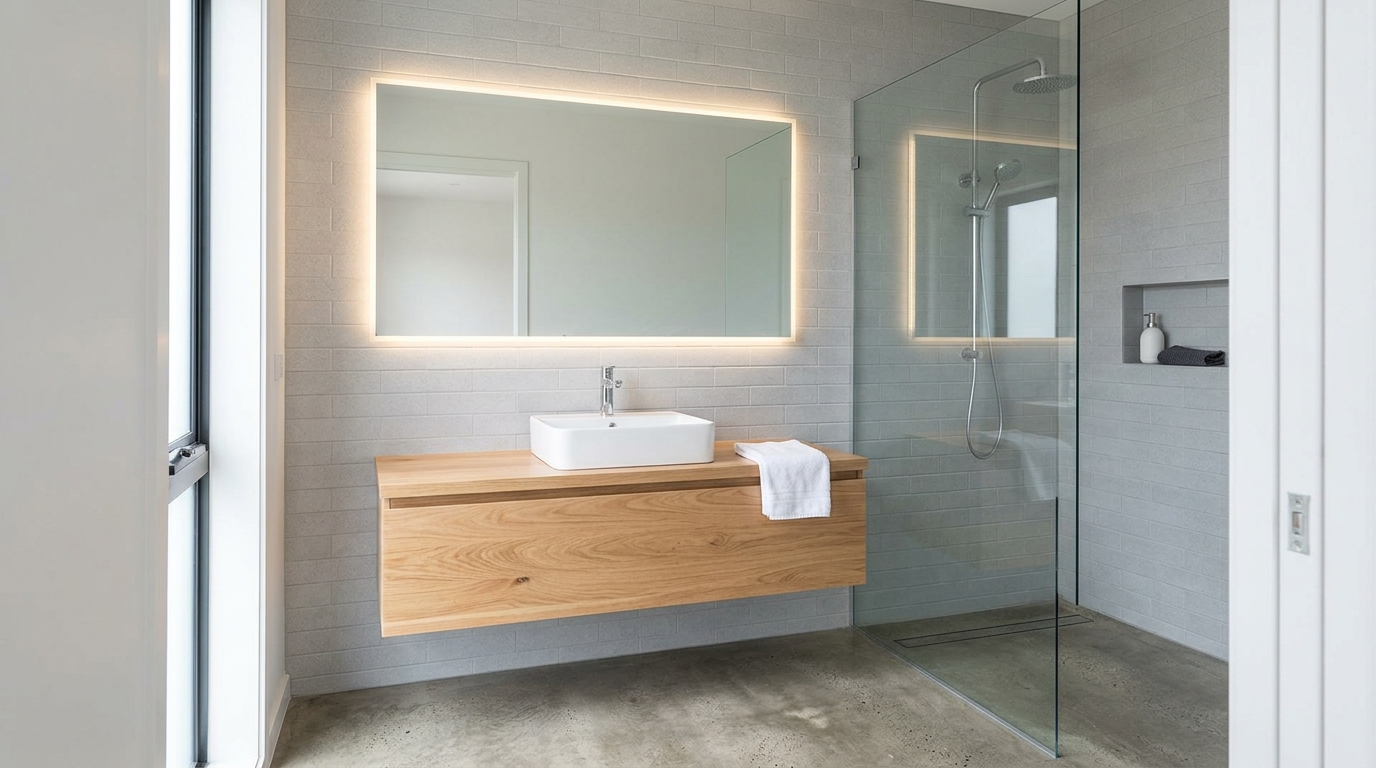
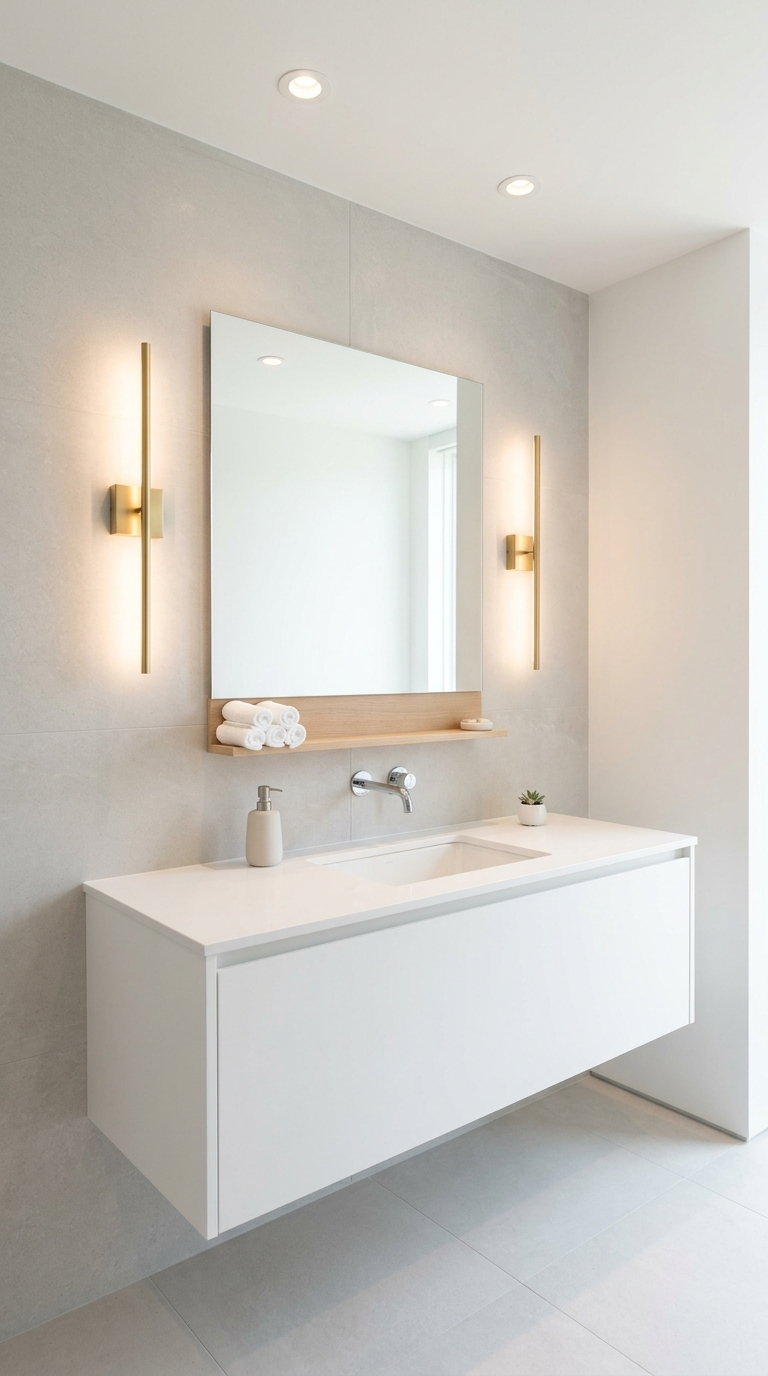
This is arguably the most common oversight. Bathrooms, in particular, require a thoughtful layered lighting strategy. A single, harsh overhead light casts unflattering shadows and makes tasks like shaving or applying makeup difficult. In a minimalist bathroom, lighting should be integrated seamlessly. A combination of recessed ceiling lights for overall illumination, and well-placed sconces on either side of the mirror at eye level (to prevent shadows) is essential. In the laundry room, bright, functional task lighting above the folding counter and sink is non-negotiable. Don’t forget that natural light is incredibly valuable; if you have a window, maximize it, perhaps using privacy glass, as it keeps the space feeling fresh and clean.

Mistake 2: Underestimating Storage Needs
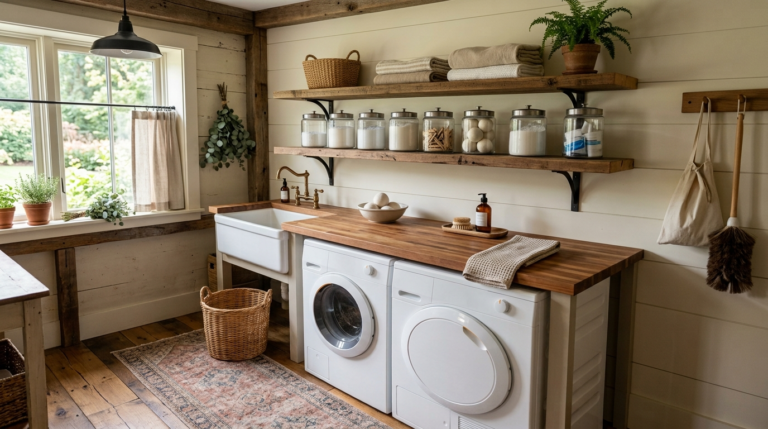
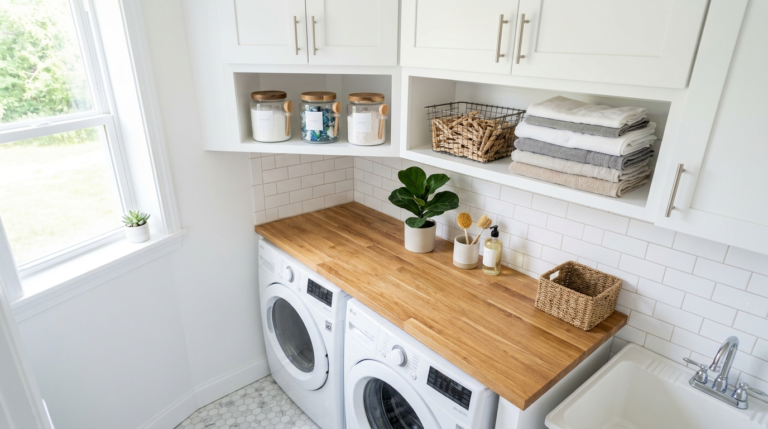
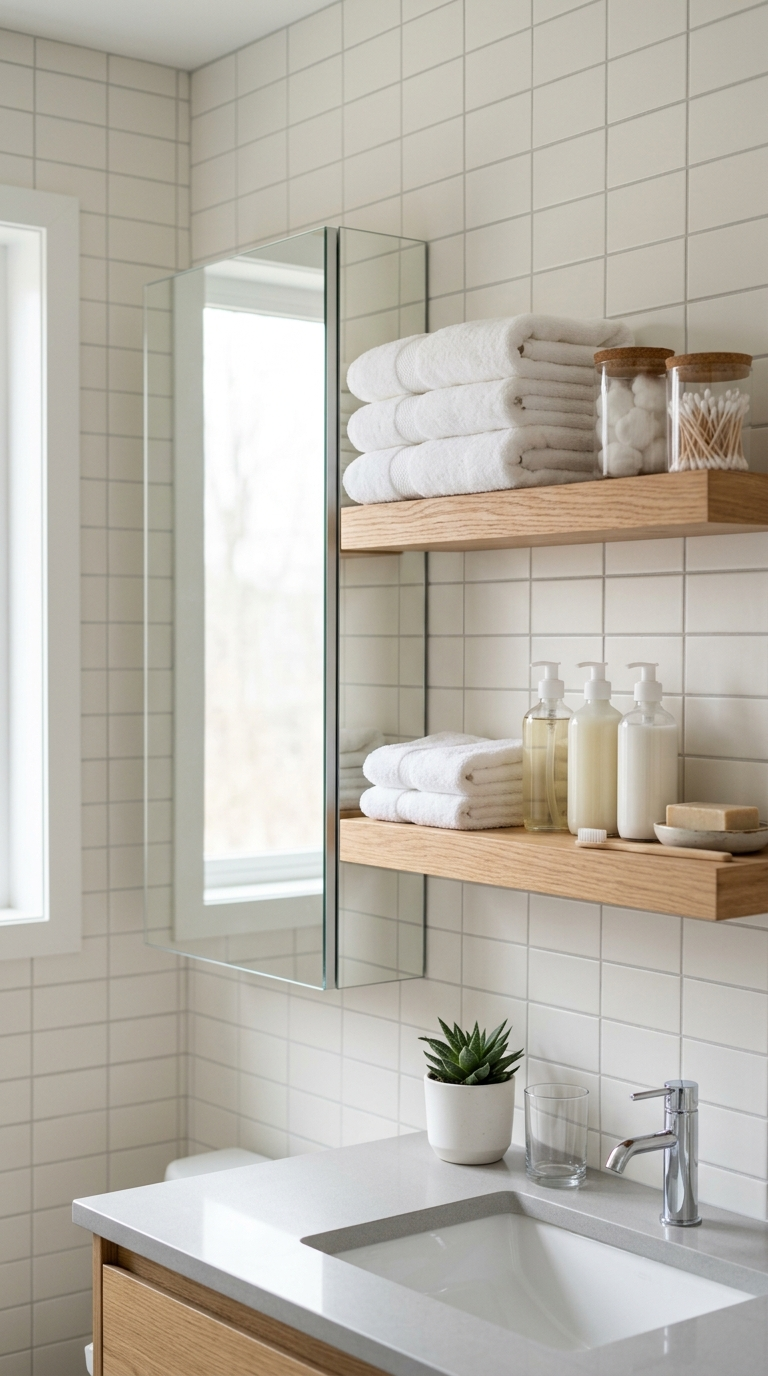
Nothing disrupts a sleek, clean aesthetic faster than clutter. In bathrooms, the lack of sufficient storage for towels, toiletries, and cleaning supplies often leads to messy counters. Opt for a vanity with functional drawers rather than just open space. Utilize vertical space with floating shelves or a recessed medicine cabinet. In laundry rooms, storage is equally critical. You need dedicated space for detergents, sorting bins for clothes, and hanging rods for air-drying delicates. Consider floor-to-ceiling cabinetry for a seamless look that hides all the utilitarian clutter, keeping the space feeling streamlined and minimalist.

Mistake 3: Poor Placement of Fixtures
The layout must prioritize user flow and ergonomics. In small bathrooms, ensure there is enough clearance for shower doors to open fully without hitting the toilet or vanity. Toilet placement is also a frequent mistake; it should never be the first thing you see when opening the bathroom door if it can be avoided. In the laundry room, the sequence matters: sorting, washing, drying, and folding. Ensure the washer and dryer are properly oriented so the doors open away from each other for easy transfer of wet clothes. The folding counter should be adjacent to the dryer for maximum efficiency.
Mistake 4: Choosing Impractical Materials
Bathrooms and laundries are demanding environments characterized by high humidity and frequent cleaning. Opting for materials that cannot withstand these conditions is a recipe for maintenance issues. Avoid porous natural stones like marble in high-traffic wet areas unless you are prepared for regular sealing and maintenance. Instead, high-quality porcelain tiles that mimic stone offer the same aesthetic with superior durability. Ensure all paints are moisture-resistant. In the laundry, counter surfaces should be scratch and chemical resistant. Materials like quartz or solid surface are excellent choices that support a sleek, clean look and are easy to maintain.

Mistake 5: Neglecting Proper Ventilation
Moisture is the enemy in both of these spaces. Without adequate ventilation, mold and mildew quickly take hold, damaging structures and compromising air quality. A common mistake is installing a weak, noisy exhaust fan or, worse, none at all. Invest in a high-quality, quiet fan that is properly sized for the room’s cubic footage. Consider models with humidity sensors that automatically activate. In the laundry room, proper dryer venting is critical for safety and efficiency. Adequate ventilation ensures these utilitarian spaces remain feeling clean and fresh.

Mistake 6: Sacrificing Function for Trends
While staying current with design trends is appealing, ensure they do not compromise usability. For example, while open shelving looks beautiful in curated photographs, it requires constant tidying to look neat in a working bathroom or laundry room. Vessel sinks, while stylish, can be harder to clean around and might not be ergonomic for everyone. Always prioritize timeless functionality. A clean, minimalist aesthetic based on efficient design will outlast any specific color or fixture trend.
Mistake 7: Forgetting the Little Details
Finally, it is the small details that make or break a design. Forgetting to plan for towel bar placement, toilet paper holders, or robe hooks can result in awkwardly placed accessories later. Plan for electrical outlets in convenient spots—inside a drawer for hair dryers, or near the laundry folding counter. Consider soundproofing walls around these rooms, especially the laundry, as washing machines can be loud. By addressing these smaller elements during the planning phase, you ensure the completed space feels seamless and thoroughly considered.
Avoiding these common pitfalls requires a strategic approach that balances aesthetic aspiration with practical necessity. By focusing on proper lighting, ample storage, functional layouts, durable materials, effective ventilation, and thoughtful details, you can create bathroom and laundry spaces that are not only beautiful but also truly enhance your daily routines, embodying the principles of modern, minimalist design.