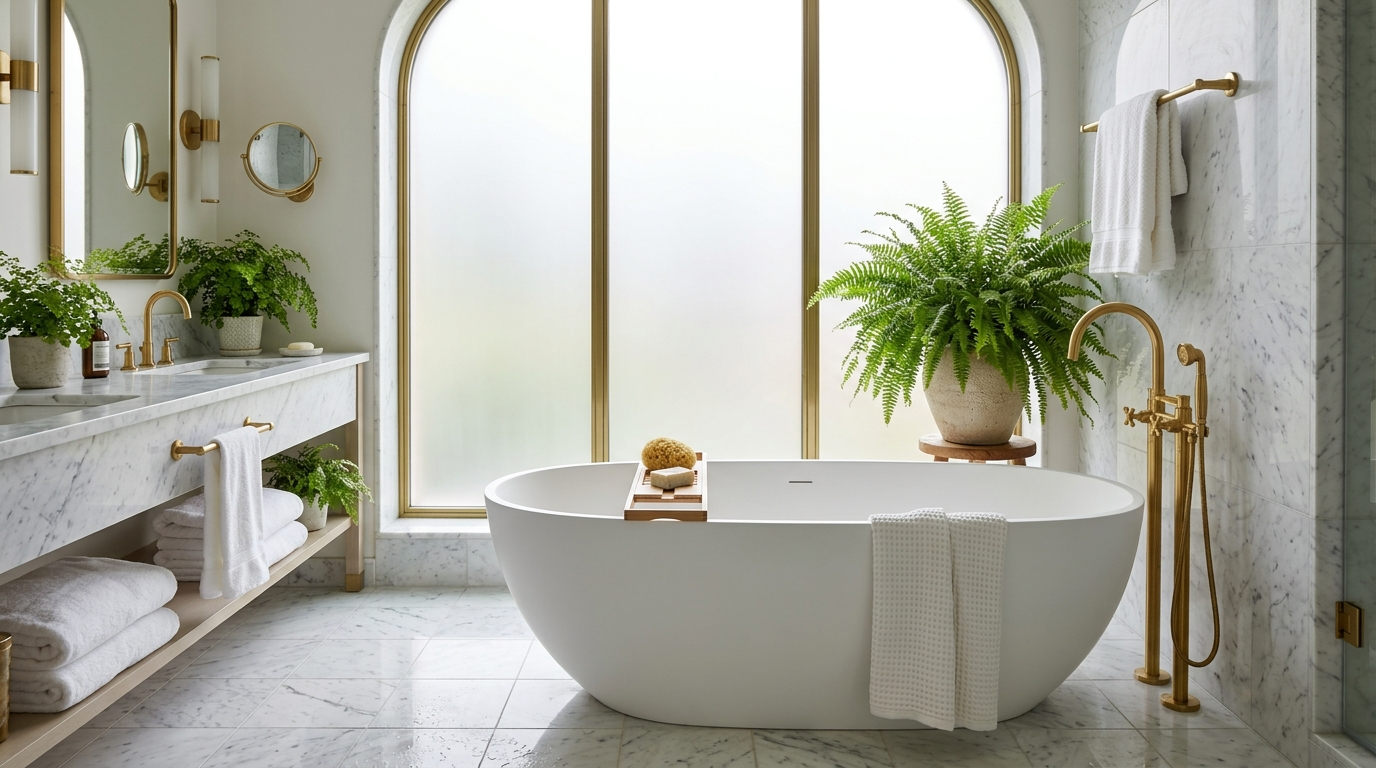
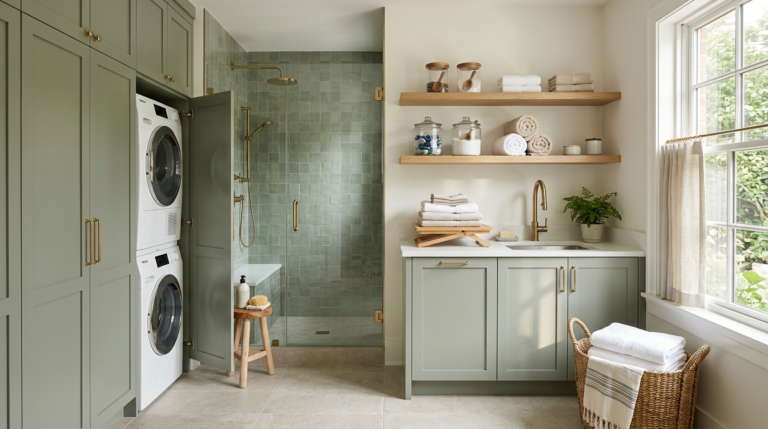
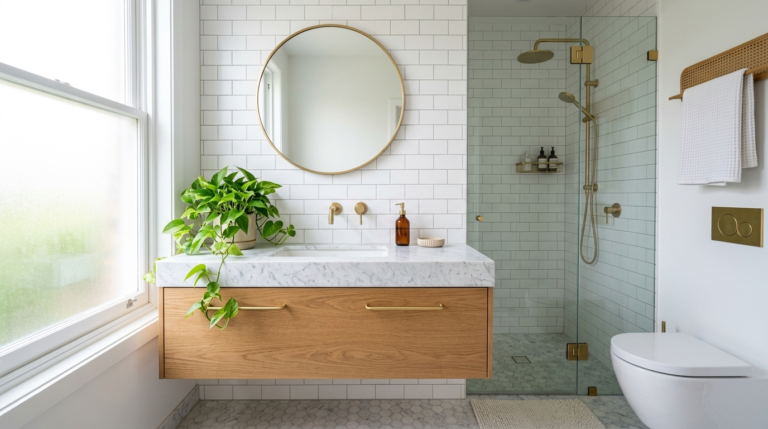
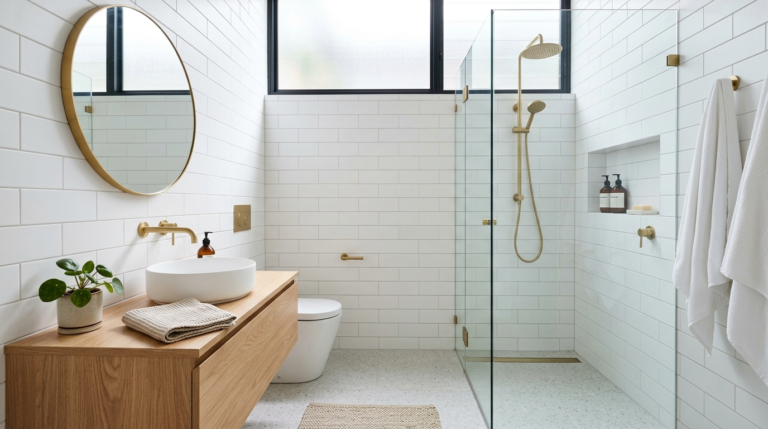
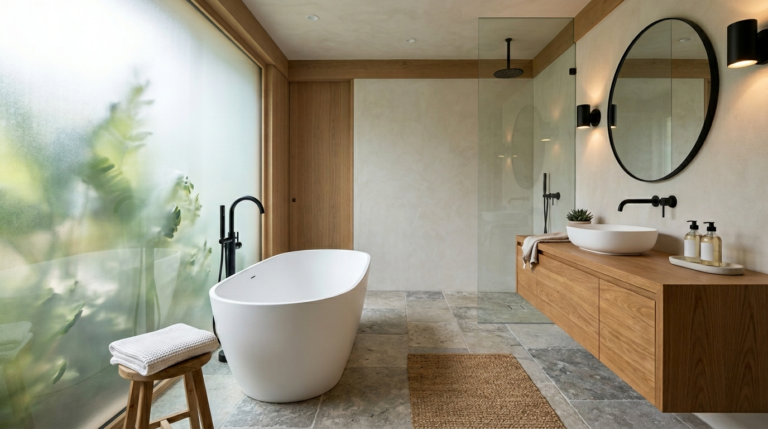
The bathroom should be a sanctuary—a private oasis where you can unwind, wash away the stress of the day, and indulge in a moment of pure relaxation. Yet, far too often, this critical space is treated as a purely utilitarian afterthought. When designing or renovating a bathroom, it is incredibly easy to make subtle miscalculations that completely undermine the room’s potential, leaving you with a space that feels cramped, dark, or stylistically confused. Knowing what not to do is just as important as knowing what to do. In this extensive guide, we will dissect the most common bathroom decorating and design mistakes that homeowners make and provide actionable, elegant solutions to help you achieve a flawless, spa-like retreat.Creating a truly luxurious bathroom requires a delicate interplay of layout, lighting, materiality, and scale. A beautiful tile choice can be ruined by poor lighting, and expensive fixtures can look absurd if the spatial flow is entirely wrong. By identifying these widespread errors early in your planning process, you can save yourself from costly renovations down the line and ensure that your bathroom is both visually breathtaking and functionally perfect. Let us dive into the critical missteps you must avoid to elevate your bathroom design.
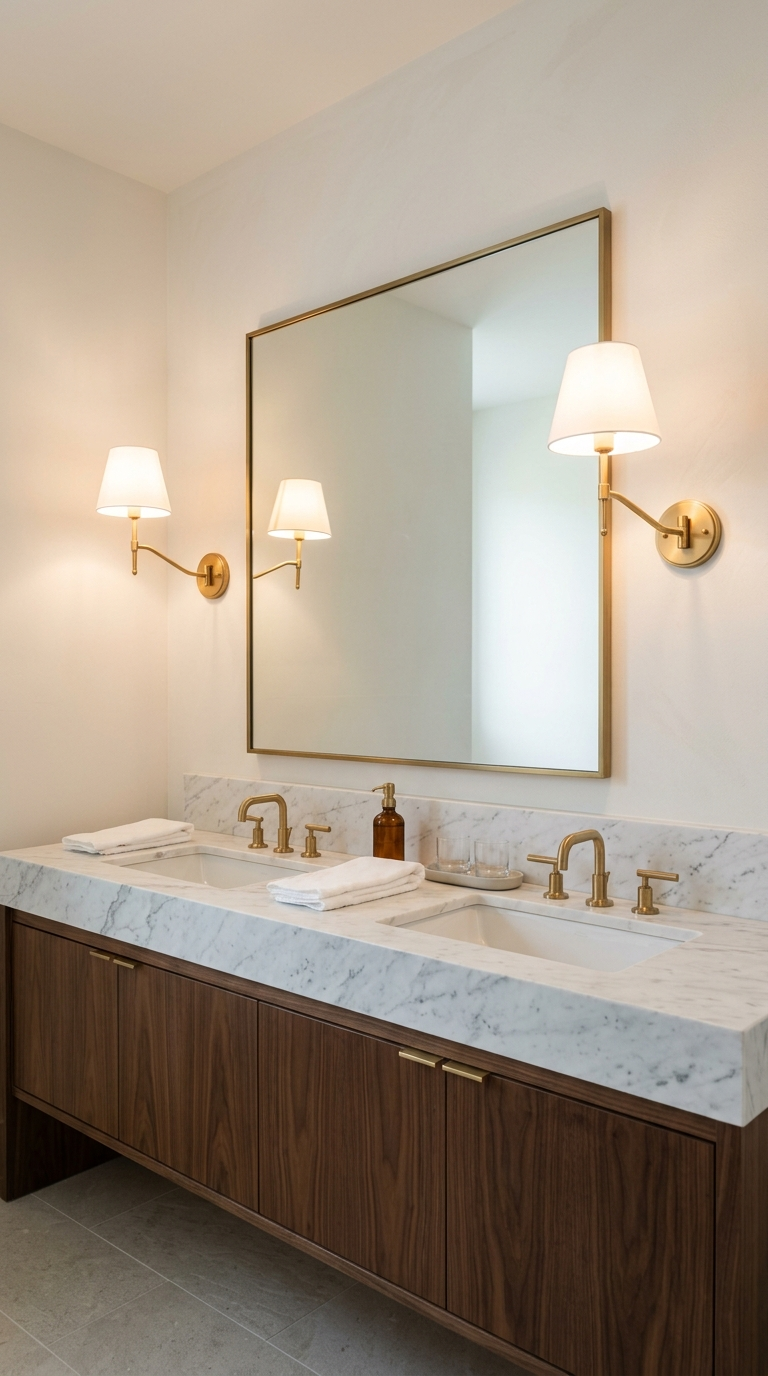
1. The Miscalculation of Inadequate LightingPerhaps the most pervasive mistake in bathroom design is a profound lack of proper lighting. A single, glaring overhead fixture is the enemy of ambiance and functionality. Relying solely on recessed ceiling lights casts harsh, unflattering shadows down over your face, making grooming tasks like applying makeup or shaving incredibly difficult. Furthermore, a poorly lit bathroom immediately feels smaller, drearier, and decidedly un-spa-like.The Solution: A successful bathroom requires a layered lighting scheme consisting of ambient, task, and accent lighting. The most crucial improvement you can make is introducing cross-illumination at the vanity. Install elegant sconces on either side of the mirror at eye level; this washes the face in an even, flattering light without shadows. Use overhead lighting for general room illumination, and ensure every fixture is connected to a dimmer switch. Adding subtle accent lighting, such as LED strips beneath a floating vanity or a small, waterproof light in the shower niche, creates a profoundly relaxing, high-end atmosphere.2. Ignoring the Importance of VentilationIt is not the most glamorous aspect of interior design, but neglecting proper ventilation is a catastrophic mistake that will rapidly destroy your hard work. Bathrooms are high-moisture environments. Without adequate airflow, steam becomes trapped, leading to peeling paint, warped cabinetry, and the rapid growth of mold and mildew. A beautiful bathroom is worthless if it smells musty and feels perpetually damp.The Solution: Never rely on a window alone for ventilation. Invest in a high-quality, ultra-quiet exhaust fan that is correctly sized for the square footage of your bathroom. Modern exhaust fans can be incredibly discreet, with some models designed to look like standard recessed lights. Ensure the fan is vented directly to the outside of your home, not into the attic. For maximum efficiency, wire the fan to a humidity-sensing switch so it turns on automatically when moisture levels rise, protecting your beautiful finishes effortlessly.
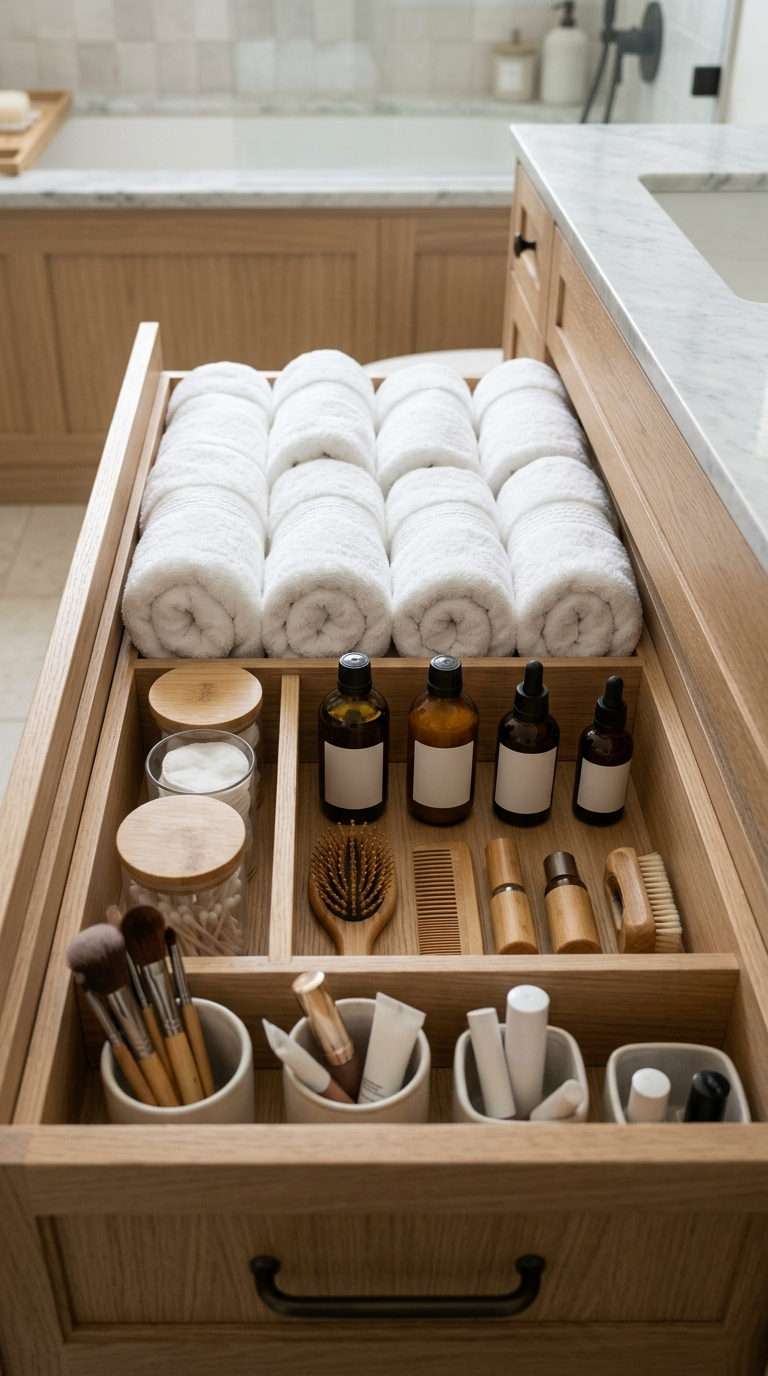
3. Choosing Form Over Function in MaterialsWe have all seen images of stunning bathrooms featuring gorgeous hardwood floors or delicate, highly porous stone tiles. While these materials look spectacular in a magazine, using them in a wet, high-traffic environment without understanding their maintenance requirements is a massive mistake. Hardwood will warp and buckle with repeated water exposure, and certain porous marbles will instantly stain if a drop of beauty product spills on them.The Solution: You do not have to sacrifice aesthetics for durability; you simply must choose the right materials for the job. If you love the look of wood, opt for high-quality, wood-look porcelain tiles. They offer the exact visual warmth of timber but are completely impervious to water and incredibly durable. If you desire natural stone, ensure it is properly sealed and understand that it will require ongoing maintenance. Alternatively, consider quartz or large-format porcelain slabs for countertops and shower walls; they offer the luxurious look of marble without the agonizing upkeep.4. Creating Clutter Through Insufficient StorageA spa is defined by its serene, minimalist environment. Nothing shatters that illusion faster than a vanity top completely covered in bottles, tubes, toothbrushes, and hair tools. Failing to plan for adequate, accessible storage means your beautiful bathroom will perpetually look messy and disorganized, dramatically increasing your daily stress levels.The Solution: Take an honest inventory of everything you use in the bathroom and build dedicated storage for it. Opt for a vanity with deep drawers rather than just cabinet doors, and use internal organizers to keep small items separated. Utilize vertical space by installing a beautiful, recessed medicine cabinet that doubles as a mirror, hiding daily essentials at eye level. If square footage allows, incorporate a tall linen tower or install floating shelves above the toilet for neatly folded towels and decorative glass jars holding cotton swabs.
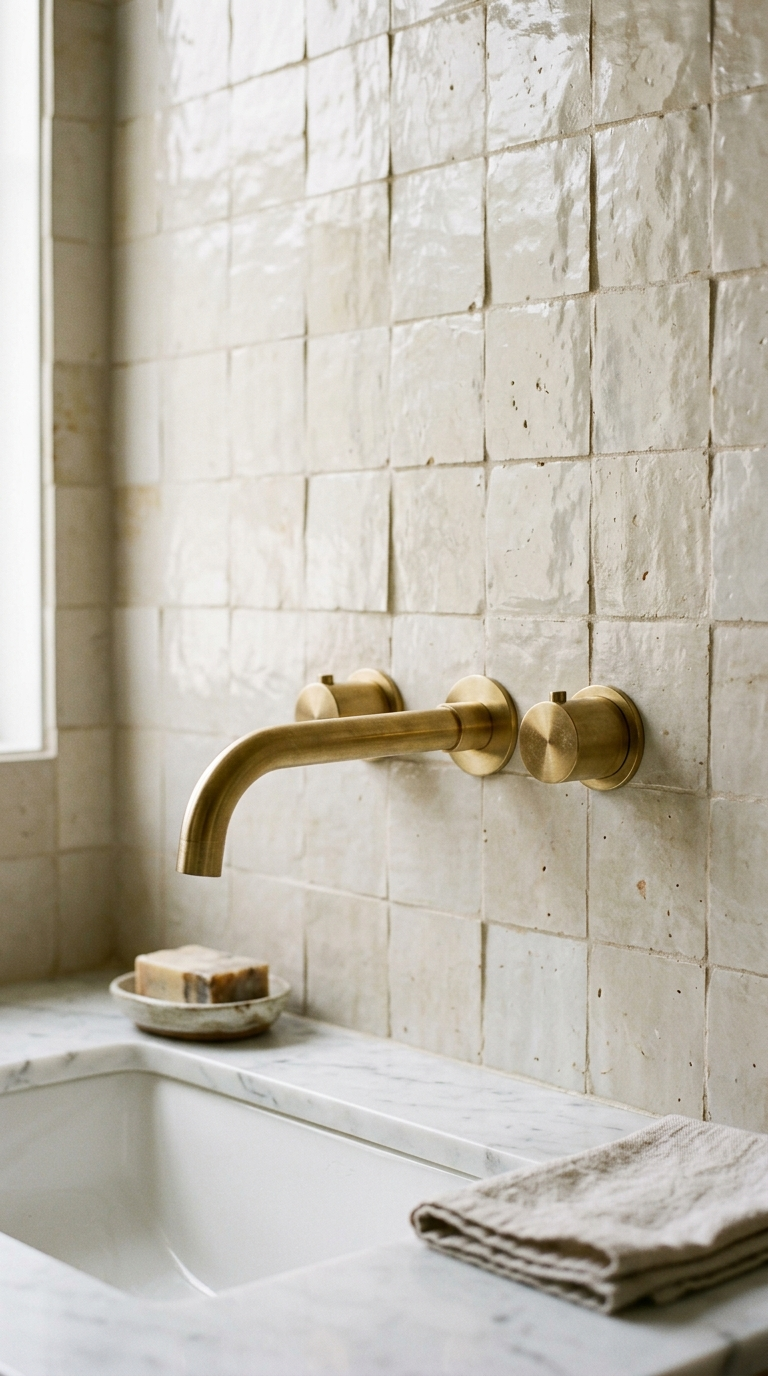
5. The Scale and Proportion DisasterProportion is the invisible rule that dictates whether a room feels “right.” A common error is installing fixtures that are entirely the wrong scale for the room’s dimensions. Shoving a massive, freestanding soaking tub into a tiny bathroom makes the space feel claustrophobic and leaves no room to clean around the edges. Conversely, placing a tiny pedestal sink on a massive blank wall makes the room feel empty and unfinished.The Solution: Always draw your layout to scale before making any purchases. Respect the clearances required for comfortable movement; you need a minimum of 30 inches of free space in front of the toilet, shower, and vanity. If you have a small bathroom, embrace an elegant, glass-enclosed walk-in shower rather than forcing a tub into the layout. Choose a vanity size that matches the wall it sits on, leaving enough breathing room on either side so it does not look wedged into place.6. Neglecting the Visual Impact of Hardware and FixturesUsing mismatched, cheap, or completely generic hardware is a missed opportunity to elevate your bathroom’s design. The faucet, showerhead, drawer pulls, and towel bars are the “jewelry” of the room. Settling for basic chrome simply because it was the easiest option can make a potentially luxurious space feel like a standard builder-grade bathroom.The Solution: Be intentional with your metal finishes. While mixing metals is highly fashionable, it must be done deliberately. A good rule of thumb is to choose one dominant metal (e.g., brushed brass) for your major fixtures like faucets and showerheads, and a secondary, complementing metal (e.g., matte black) for drawer pulls and light fixtures. Ensure that the style of the hardware—whether sleek and modern or curved and traditional—matches the overarching architectural style of the space.
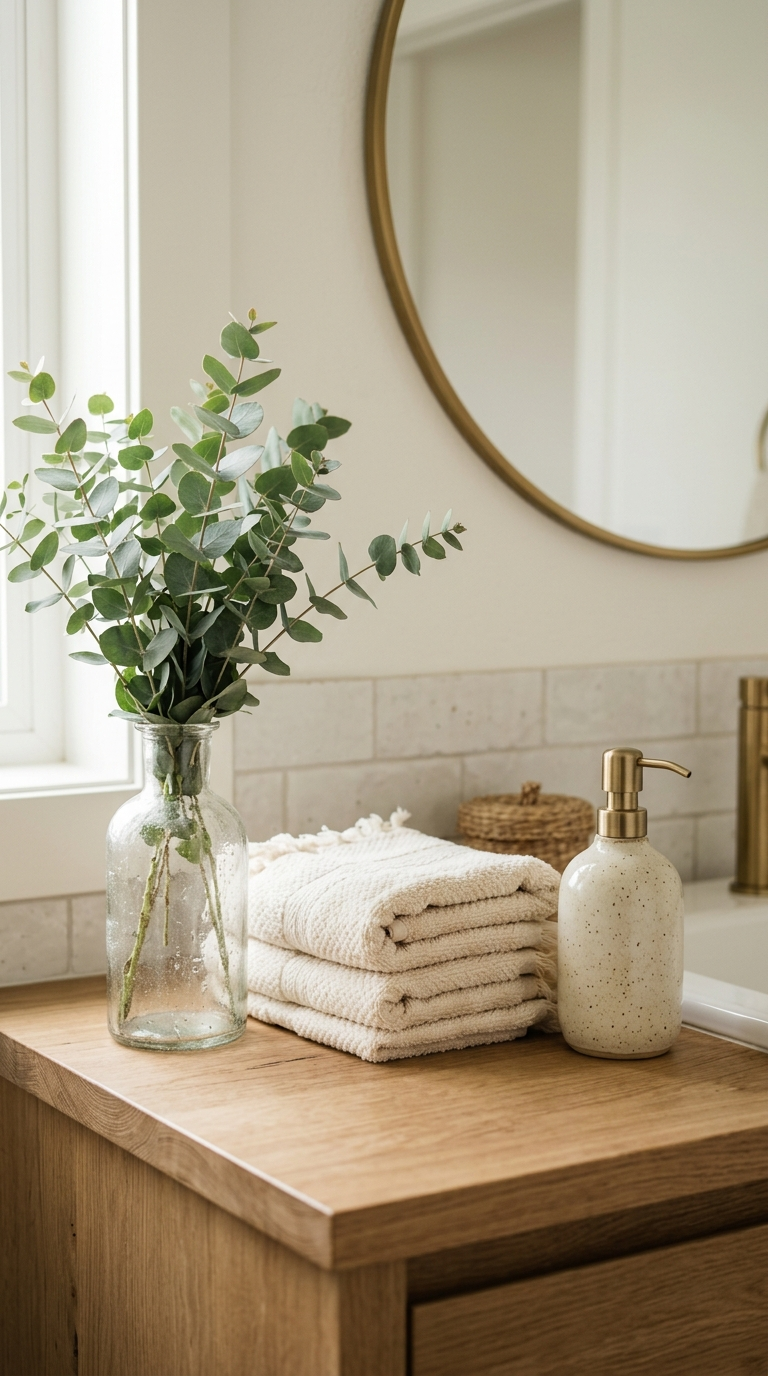
7. Poorly Placed or Sized MirrorsA mirror is not just a tool for looking at yourself; it is a vital design element that bounces light around the room and visually doubles the space. A mistake many make is choosing a mirror that is too small, hanging it too high, or opting for a frameless, glued-to-the-wall sheet of glass that looks cheap and unfinished.The Solution: Go big with your mirrors. A large mirror immediately makes a tight bathroom feel expansive. Ensure the mirror’s width relates to the vanity below it—it should ideally be exactly the same width or slightly narrower, but never wider. Treat the mirror like a piece of art by choosing a beautiful frame that complements your hardware, or opt for a sophisticated backlit LED mirror that provides both stunning aesthetics and practical task lighting.8. Forgetting to Add Personality and SoftnessBathrooms are inherently full of hard, cold surfaces: tile, glass, stone, and porcelain. A huge decorating mistake is failing to introduce elements that soften these hard lines, resulting in a room that feels sterile, clinical, and devoid of personality.The Solution: Intentionally introduce soft textures and organic shapes. Hang a beautiful, fabric Roman shade over the window instead of using plastic blinds. Invest in plush, high-quality, oversized cotton towels and display them proudly. Lay down a vintage-inspired runner rug instead of a standard, fuzzy bath mat. Bring in nature by placing a moisture-loving plant, like a fern or a pothos, on a shelf or the vanity counter. Finally, hang actual, framed artwork on the walls—ensuring it is properly protected from moisture—to make the bathroom feel like a true extension of your home’s decorated living spaces.
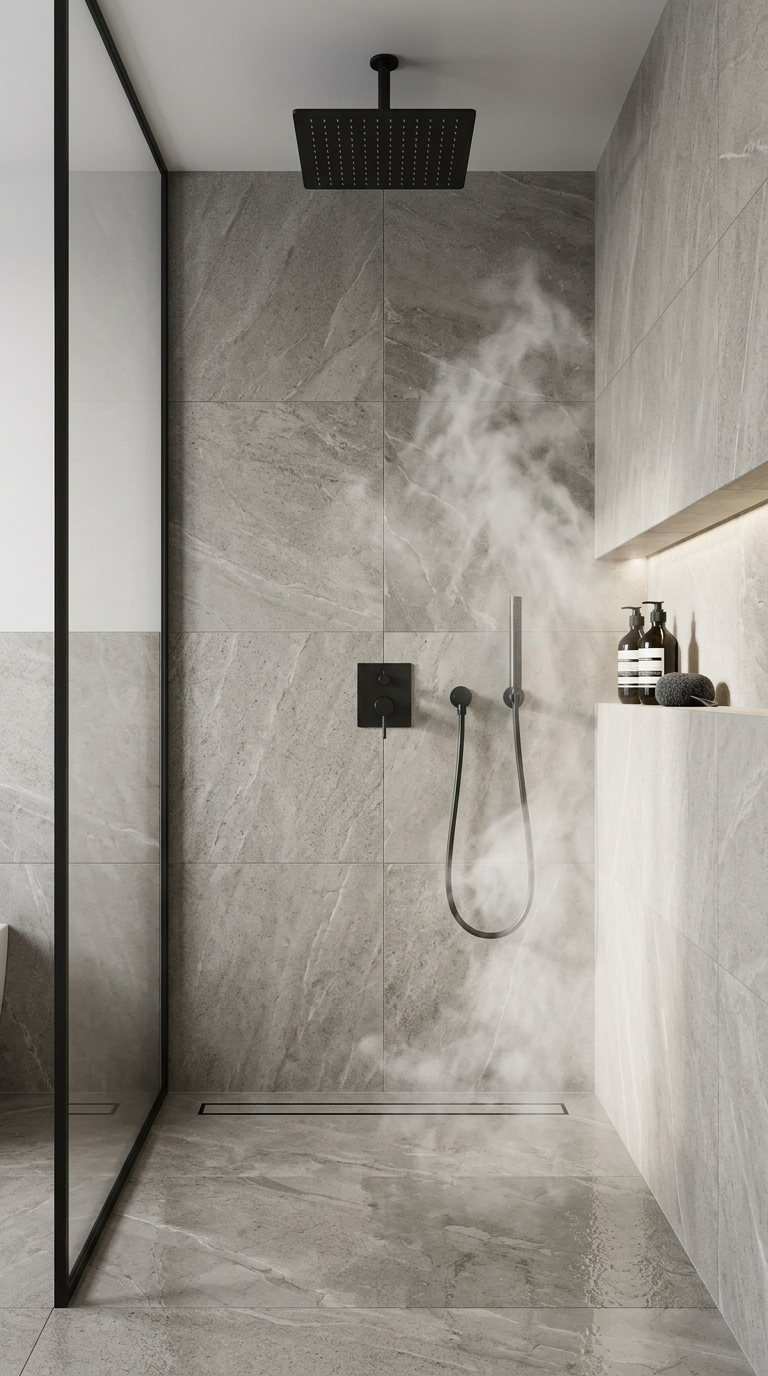
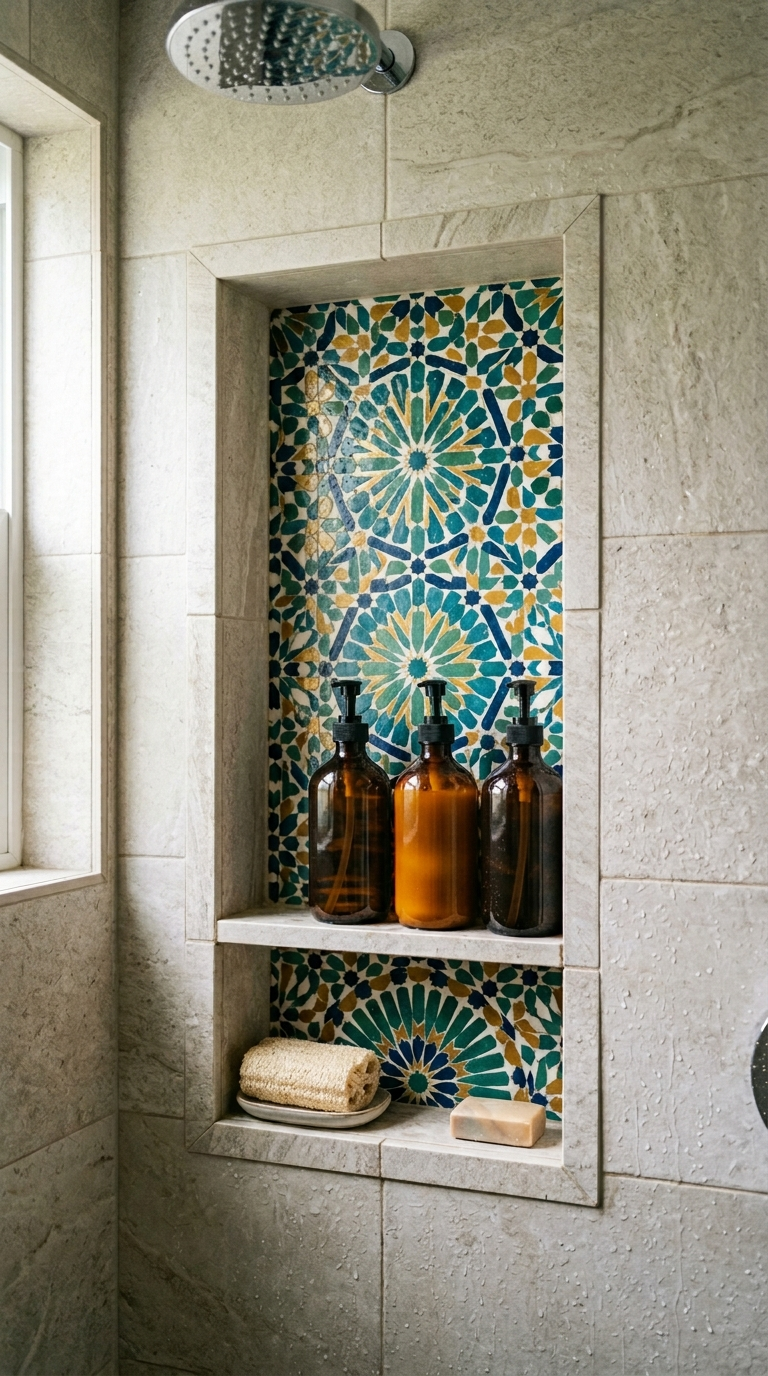
9. Overlooking the Shower NicheNothing ruins the sleek look of a beautifully tiled shower faster than a cheap plastic shower caddy hanging precariously from the showerhead, overflowing with mismatched shampoo bottles. Failing to build integrated storage into the wet area is a major functional and aesthetic oversight.The Solution: During the framing phase of your renovation, insist on a custom, built-in shower niche. A niche recessed into the wall provides a sleek, permanent home for your bathing products. Design the niche to be tall enough to accommodate your largest bottles, and consider adding a secondary, lower shelf for items like soap and razors. You can use the niche as a design feature by backing it with an accent tile that contrasts beautifully with the main shower wall.10. Slippery Floor Tile ChoicesSafety should never be compromised for style. Choosing large, high-gloss floor tiles for a bathroom is a dangerous mistake. When water inevitably splashes onto these surfaces, they become as slippery as an ice rink, creating a significant hazard.The Solution: Always prioritize the “Coefficient of Friction” when selecting bathroom flooring. For the main bathroom floor, choose matte or textured tiles. For the shower pan, you must use much smaller tiles—typically 2×2 inches or smaller. The numerous grout lines required for small tiles provide essential traction and slip resistance for wet feet. Mosaic tiles, pebbles, or small hex tiles are excellent, stylish, and safe choices for the shower floor.
Designing the perfect bathroom is an exercise in meticulous planning and attention to detail. By steering clear of these common mistakes—from inadequate lighting and terrible ventilation to poor material choices and ignored storage needs—you are well on your way to creating a space that is not only highly functional but deeply restorative. Take the time to consider every element, prioritize durability as much as beauty, and do not be afraid to inject your personal style into the room. A flawlessly executed bathroom is one of the most rewarding investments you can make in your home, providing you with a private, spa-like retreat to enjoy every single day.
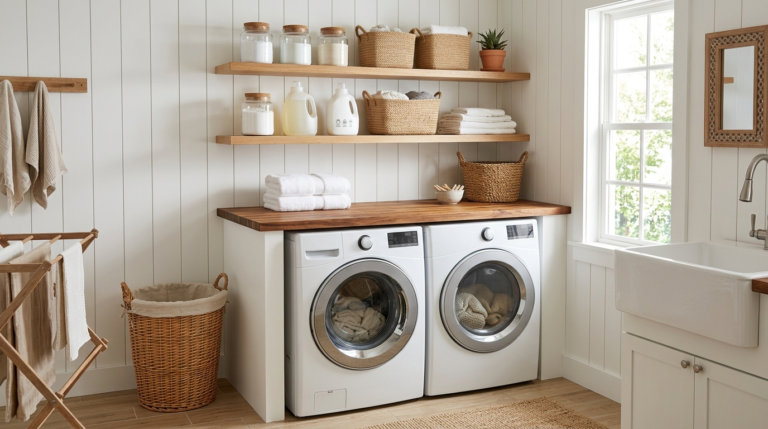
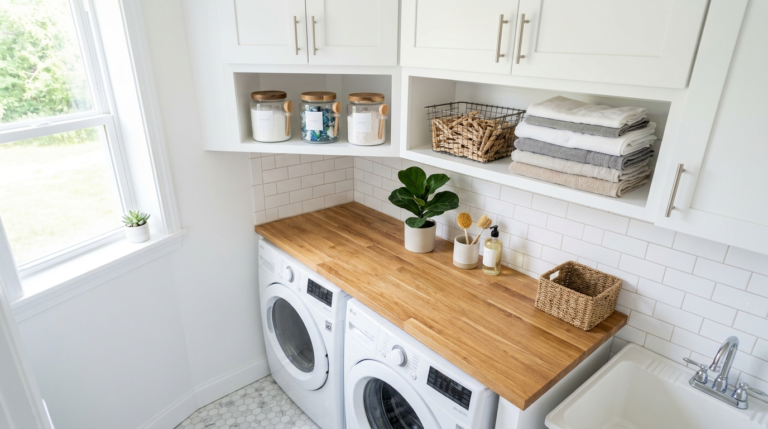
Struggling with a messy, disorganized laundry room? Discover 16 brilliant storage ideas and organization hacks to maximize space and streamline your chores.
Discover how to blend utility and style with our guide to elegant bathroom and laundry combo spaces. Maximize function without sacrificing aesthetics in your home.
Transform your cramped washroom into a serene retreat. Explore 15 genius small bathroom storage ideas that maximize space, elevate style, and banish clutter.
Transform your cramped small bathroom into a luxurious oasis with these expert design tips, clever storage solutions, and stylish space-saving hacks today.
Discover the latest bathroom design trends that will elevate your space into a luxurious sanctuary. Explore innovative fixtures, color palettes, and layouts.
Maximize your laundry room! This guide covers 10 innovative ways to save space, get organized, and make the most of every inch in your compact laundry area.