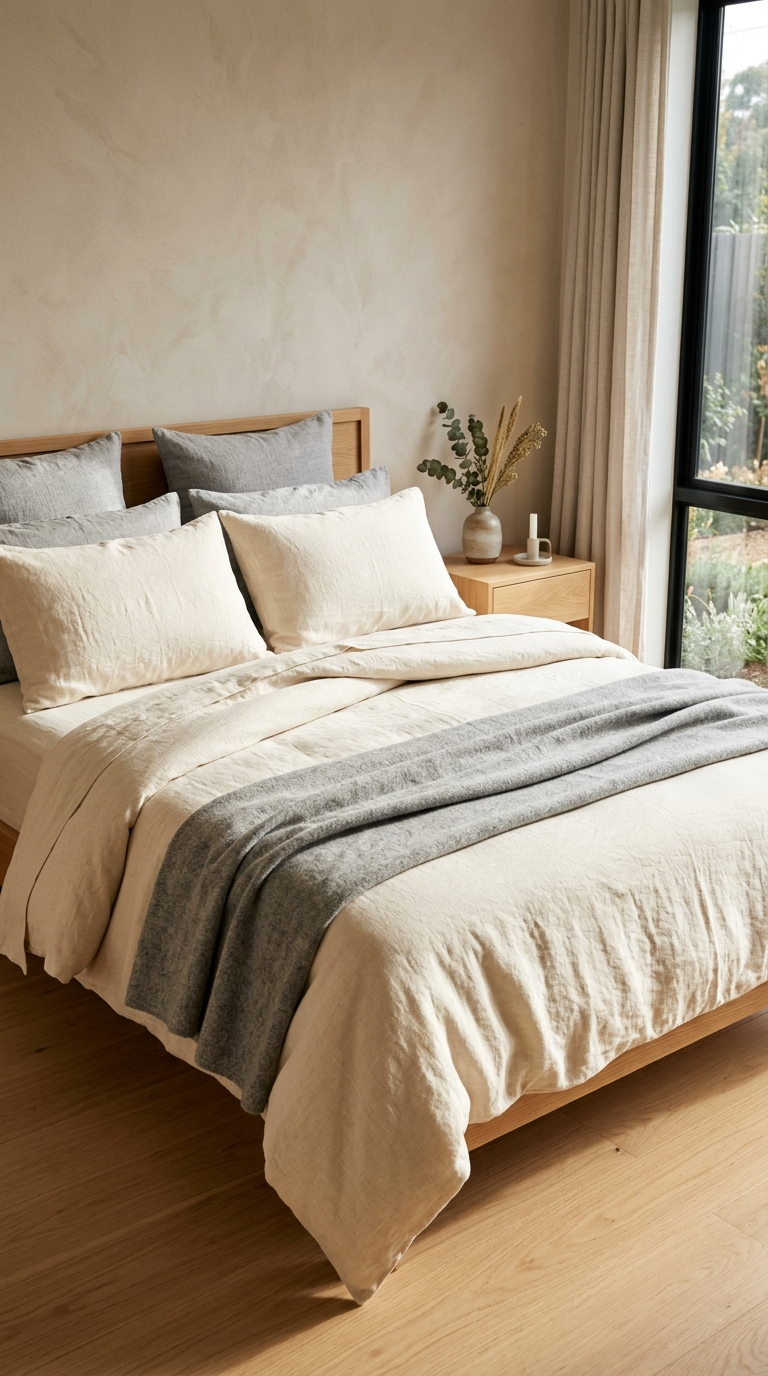
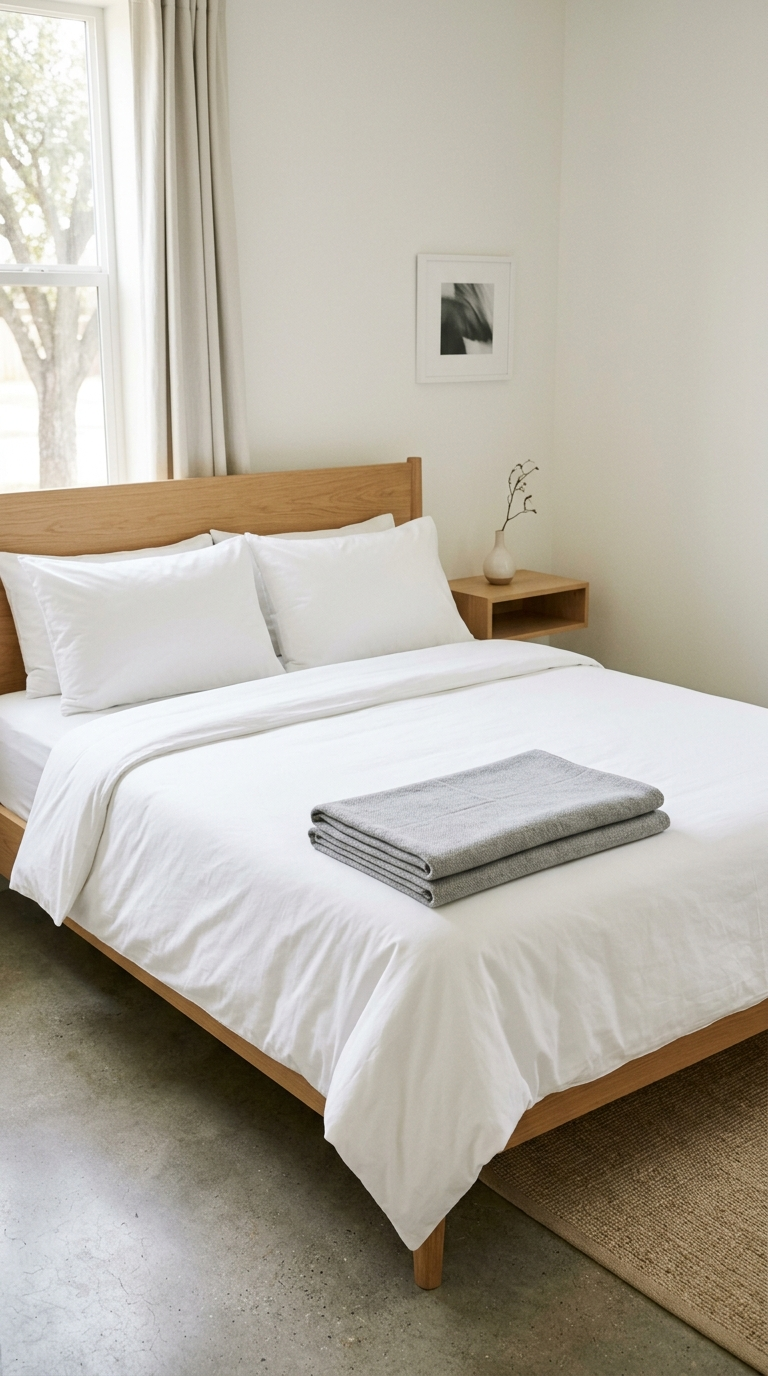
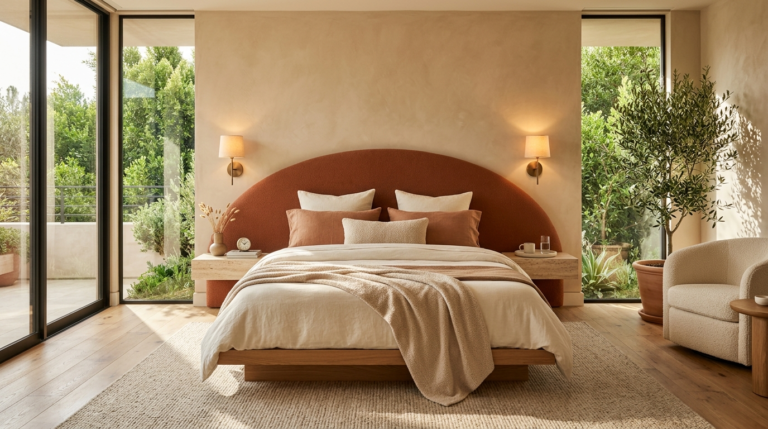
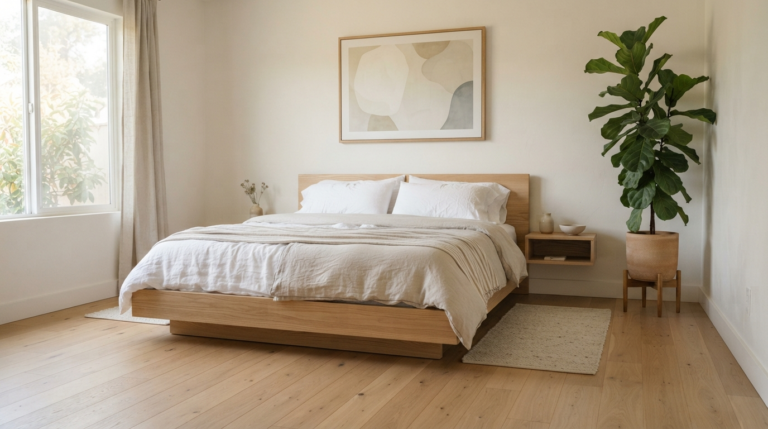
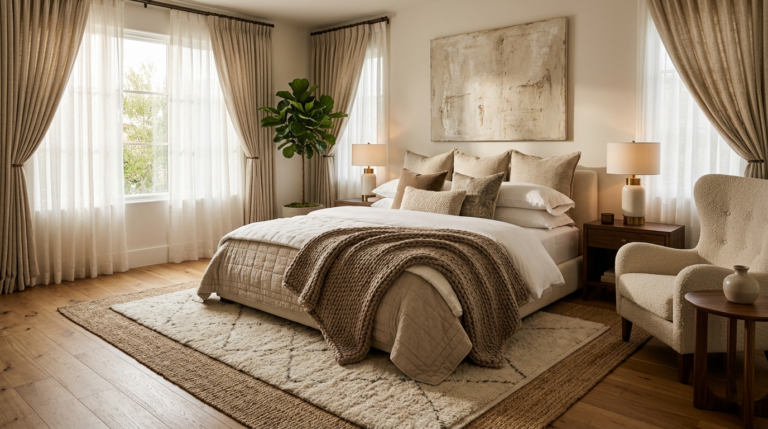
Creating a minimalist bedroom sounds incredibly simple in theory: just remove everything you do not need, right? However, achieving that serene, flawlessly clean aesthetic is surprisingly difficult. Many people set out to design a minimalist sanctuary only to end up with a room that feels either coldly sterile and hospital-like, or subtly cluttered and disjointed. Minimalism is not merely the absence of things; it is the intentional presence of the right things. In this guide, we will explore the most common design mistakes people make when trying to achieve a minimalist and clean bedroom aesthetic, and provide actionable solutions to help you cultivate the tranquil resting space you deserve.Mistake 1: Confusing Minimalism with SterilityThe most frequent error in minimalist design is stripping the room of all character, resulting in a space that feels harsh and unwelcoming. If your walls are stark white, your bedding is stark white, and your floors are bare, your bedroom will lack the necessary warmth required for a space dedicated to rest. The solution is not to add more items, but to introduce texture and subtle tonal variations. Instead of pure bright white, opt for soft creams, warm greys, or muted taupes. A clean aesthetic relies heavily on layered textures—think a soft washed linen duvet, a matte wool throw, or a low-pile organic cotton rug. These elements maintain the uncluttered visual plane while engaging the senses, ensuring the room feels cozy rather than clinical.
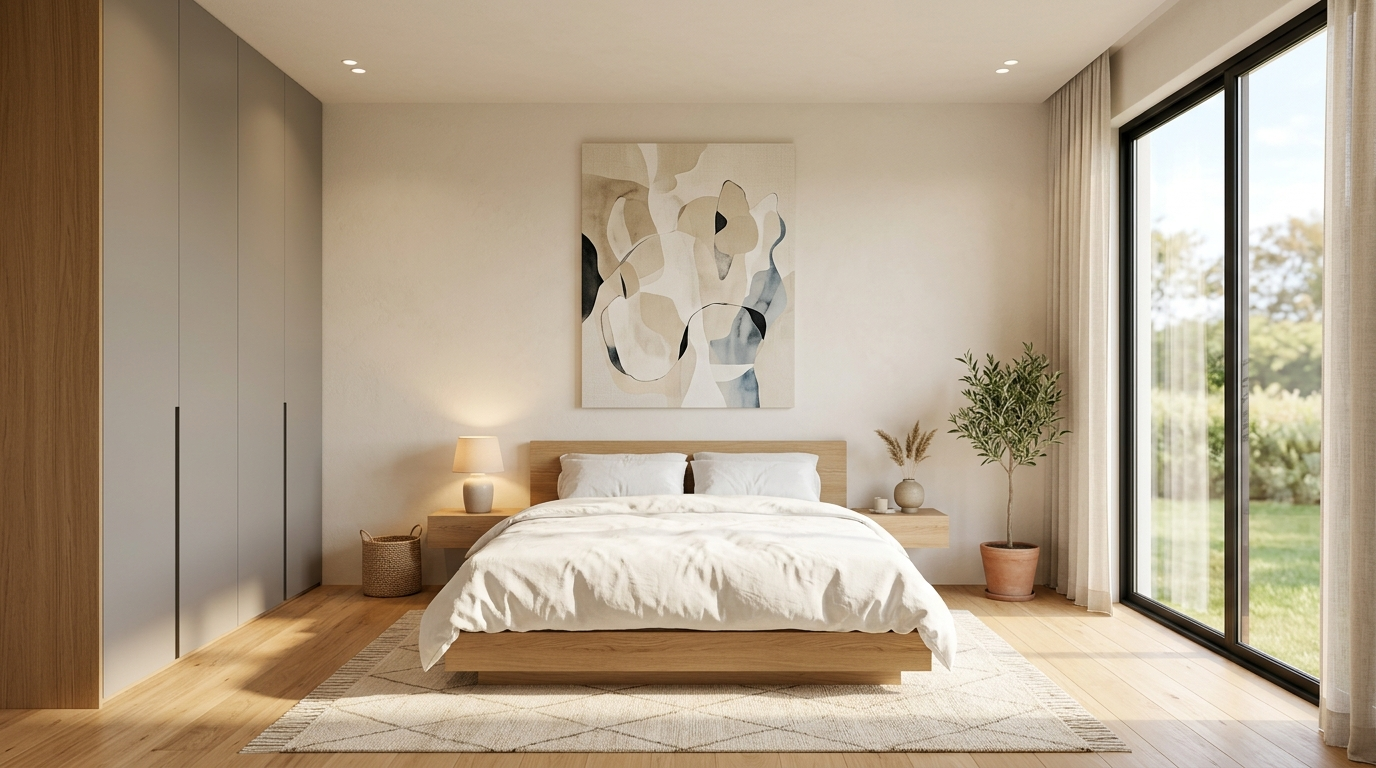
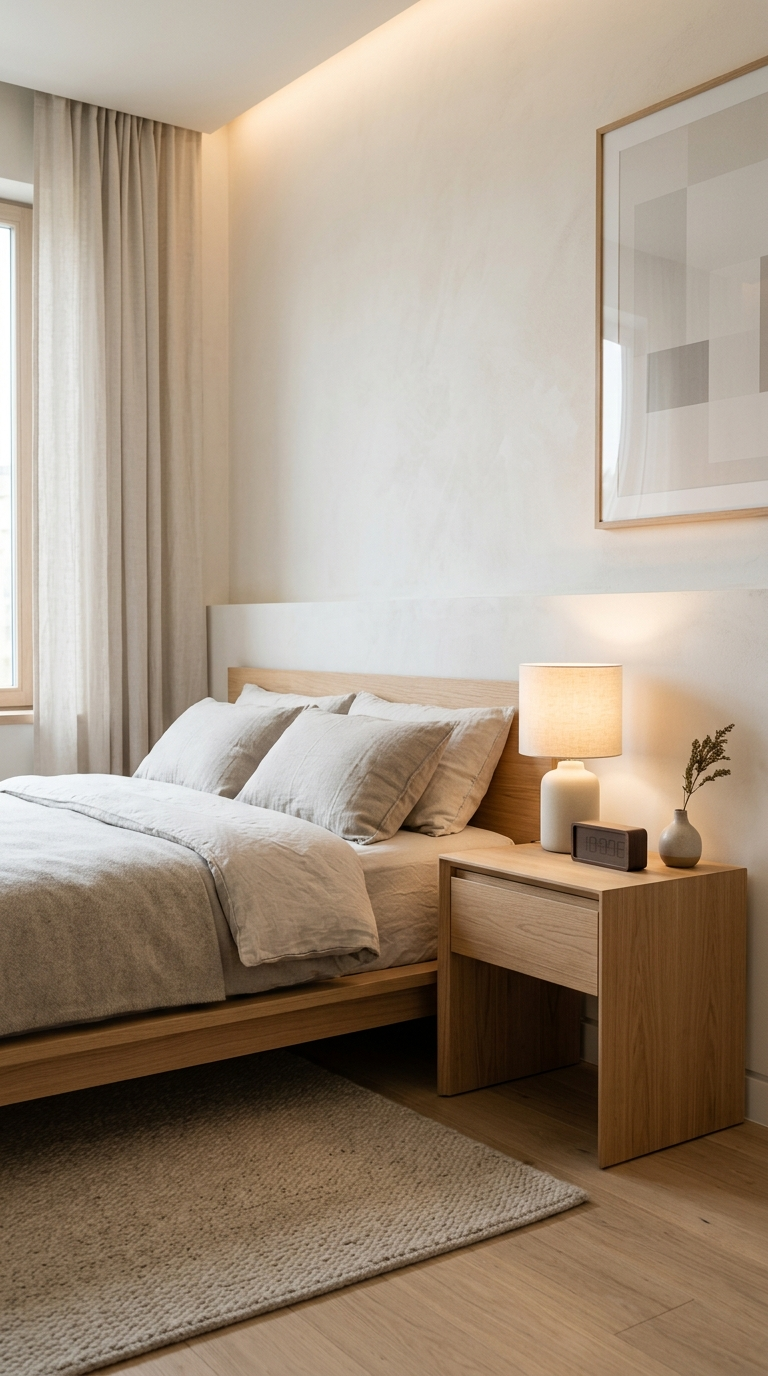
Mistake 2: Ignoring the Power of Closed StorageMinimalism absolutely demands strict organization. One of the biggest mistakes you can make is relying on open shelving or exposed clothing racks in your bedroom. While an exposed rack might look chic in a stylized magazine photo featuring five perfectly color-coordinated garments, in reality, it introduces massive visual clutter. Every jacket, belt, and pair of shoes demands the eye’s attention. To maintain a clean and minimalist environment, prioritize closed storage. Invest in seamless, handle-less wardrobes that blend into the walls, or platform beds with hidden under-bed drawers. Keep your bedside tables free of open cubbies; instead, choose nightstands with sleek drawers to hide chargers, books, and hand creams out of sight.Mistake 3: Poor Scale and Proportion of FurnitureIn a room with very few items, the items you do choose carry an immense amount of visual weight. A common mistake is selecting furniture that is completely out of scale with the room. A massive, chunky wooden bedframe will swallow a small room, while a tiny, delicate nightstand will look comical next to a grand king-sized mattress. Minimalist design thrives on precise proportions. Opt for low-profile platform beds that emphasize horizontal lines and make the ceiling feel higher. Ensure your nightstands are appropriately sized—ideally, they should be exactly level with the top of your mattress to create a seamless, uninterrupted line across the room. Every piece must feel intentional and grounded.
Mistake 4: Relying Exclusively on Overhead LightingLighting makes or breaks a minimalist space. If your only source of light is a single, bright overhead fixture, your bedroom will feel flat, harsh, and utterly lacking in ambiance. The clean aesthetic does not mean ignoring mood. You must layer your lighting. Install dimmable recessed lighting for general illumination, but rely primarily on architectural, minimalist wall sconces or sleek pendant lights hanging above the nightstands. By removing bulky table lamps from the nightstands, you free up valuable surface area—a key tenet of minimalism. Ensure all your bulbs cast a warm, inviting glow (around 2700K to 3000K) to soften the crisp lines of the furniture.Mistake 5: The Single Artwork ErrorPeople often think minimalism means hanging one tiny, lonely piece of art on a massive blank wall, or conversely, leaving walls completely bare. Both extremes create a sense of imbalance. Blank walls can feel unfinished, while poorly scaled art looks accidental. To fix this, embrace large-scale, impactful artwork. A single, oversized canvas with a simple, abstract composition or a striking black-and-white photograph provides a definitive focal point without creating clutter. Frame the piece in a thin, simple gallery frame (like matte black or light ash wood) to keep the look structured and clean. The art should command the space, tying the room’s color palette together in one sweeping statement.
Mistake 6: Neglecting Cord ManagementNothing destroys the illusion of a pristine, minimalist sanctuary faster than a tangled nest of black cords snaking down a crisp white wall or spilling out from behind a nightstand. In a room with minimal decor, the eye is immediately drawn to these imperfections. Cable management is non-negotiable. Use cord covers painted to match your walls, invest in furniture with integrated charging stations, and secure wires neatly to the back legs of tables using zip ties. If you have a television in the bedroom (though true purists might argue against it), ensure all wiring is hidden inside the wall. The space should feel magically wireless and meticulously ordered.Mistake 7: Over-Styling the BedThe bed is the visual anchor of the room. A common mistake is treating the bed like a decorative display, piling it high with ten different throw pillows, heavy patterned quilts, and multiple stuffed shams. This introduces unnecessary chaos and requires daily maintenance that goes against the minimalist philosophy of effortless living. The minimalist approach to bedding focuses on quality over quantity. Choose a high-quality duvet cover in a solid, muted tone, allowing it to drape naturally. Use only the pillows you actually sleep on, perhaps leaning two standard shams against the headboard for a clean look. A single, carefully folded throw blanket at the foot of the bed adds just enough texture without overwhelming the eye.
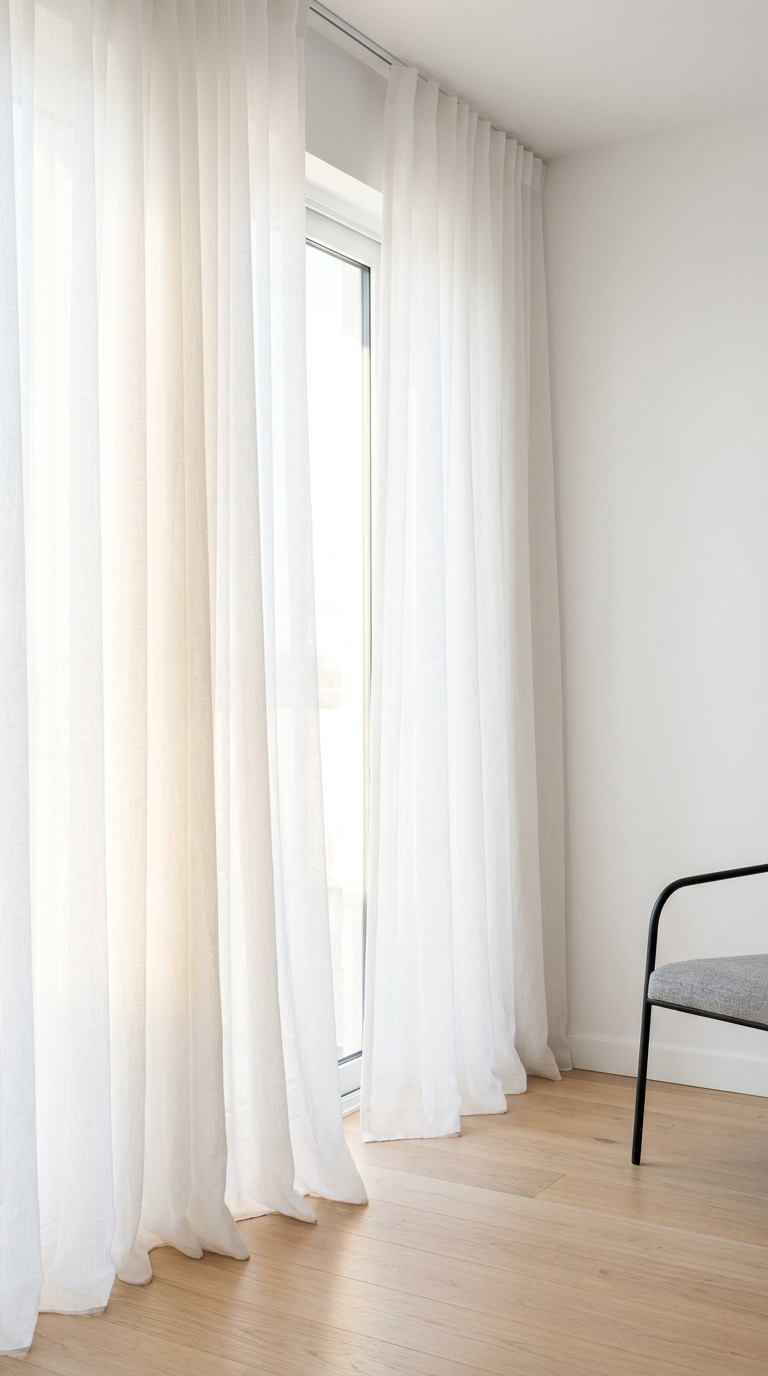
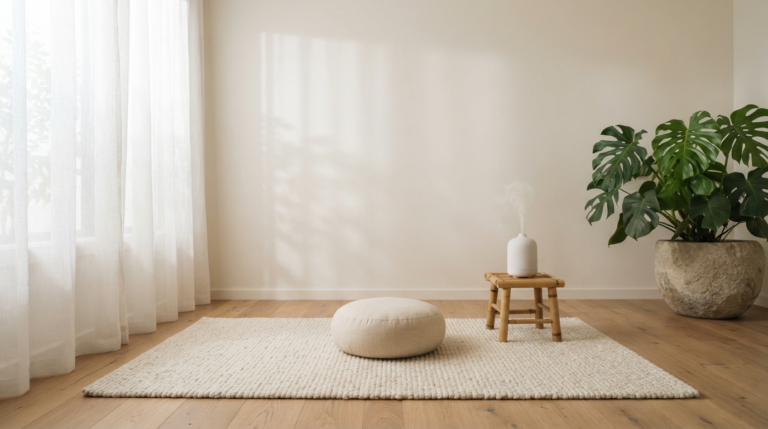
The Importance of Negative SpaceOne of the most difficult concepts to master in minimalist design is the appreciation of negative space. We are culturally conditioned to fill empty corners with plants, chairs, or baskets. However, in a minimalist bedroom, empty space is a deliberate design feature. It provides breathing room. It allows the architecture of the room and the carefully selected pieces of furniture to stand out. Do not feel the need to place a piece of furniture on every wall. If a corner is empty, let it be empty. Embrace the calm that comes with an uncluttered visual field.Choosing the Right Window TreatmentsWindow treatments are often an afterthought, but they dramatically impact the cleanliness of a room’s design. Heavy, ornate drapes with puddling fabric, tassels, or complex patterns will instantly weigh down a minimalist bedroom. Instead, opt for clean, simple lines. Tailored Roman shades in a crisp, natural fabric are an excellent choice. If you prefer curtains, choose floor-to-ceiling sheer panels paired with a hidden blackout roller shade. Hang the curtain rod as close to the ceiling as possible to draw the eye upward and make the room feel expansive and airy. The goal is soft, diffused natural light during the day, and sleek, unobtrusive darkness at night.
Focusing on High-Quality MaterialsBecause there are so few items in a minimalist bedroom, the quality of those items becomes glaringly obvious. Cheap, flimsy materials cannot hide behind layers of decor. Therefore, the secret to a luxurious minimalist space is investing in high-quality, authentic materials. Choose solid wood over particleboard, natural stone over faux finishes, and real linen or cotton over synthetic blends. A simple wooden bench made of beautifully grained walnut is far more striking than a busy, heavily upholstered piece. Let the inherent beauty of the materials serve as the room’s primary decoration.The Daily Habit of MinimalismFinally, it is essential to understand that a minimalist bedroom is not a one-time project; it is a daily practice. A room can be designed perfectly, but if you allow laundry to pile up on the floor, books to accumulate on the nightstand, and random items to collect on the dresser, the minimalist aesthetic is instantly lost. Cultivate the habit of putting things away immediately. Adopt the “one in, one out” rule for clothing and accessories. Before bringing any new item into your bedroom, ask yourself if it serves a distinct purpose and if it contributes to the serene, clean atmosphere you have worked so hard to create.
By avoiding these common decorating mistakes—from ignoring texture to neglecting closed storage—you can transform your bedroom into a true minimalist haven. Remember, the goal of a clean aesthetic is not to live in an empty box, but to curate a space free from visual noise, allowing your mind to rest, recharge, and find absolute peace.
Discover how to transform any corner of your home into a tranquil wellness sanctuary. Follow this comprehensive step-by-step guide to minimalist relaxation.
Discover the ultimate cozy bedroom ideas to elevate your personal space. Create a tranquil, relaxing retreat with these essential styling and decor tips.
Discover the hottest bedroom design trends of the year. From calming color palettes to smart layout solutions, learn how to elevate your sleeping space.
Create a serene retreat with these stunning minimalist bedroom ideas. Embrace clean lines, neutral palettes, and clever organization for ultimate peace.
Boost productivity and style with these clever home office design ideas, featuring smart desk storage, ergonomic chairs, and aesthetic decor inspiration. (158 chars)
Learn how to master the art of layering textures and fabrics to build a deeply comforting, visually stunning bedroom sanctuary that invites perfect sleep.