Designing a modern kitchen is an exciting endeavor that promises sleek aesthetics, state-of-the-art appliances, and a streamlined environment for cooking and entertaining. However, achieving that perfect balance of minimalist beauty and everyday practicality is not without its challenges. In the pursuit of a clean, contemporary look, many homeowners and amateur designers fall into traps that severely compromise the functionality of the heart of the home. A kitchen must be a high-performance workspace first and a showpiece second. Ignoring the fundamental rules of ergonomics, storage, and lighting can lead to a daily experience characterized by frustration rather than culinary joy.Whether you are undertaking a complete demolition or a cosmetic refresh, being aware of the most frequent pitfalls is your best defense against an expensive remodel you might later regret. From ignoring the sacred working triangle to selecting materials that demand impossible maintenance, these errors are incredibly common but entirely preventable. In this extensive guide, we will dissect seven of the most prevalent modern kitchen design mistakes and provide you with actionable, expert-approved solutions to ensure your new space is as efficient as it is visually stunning.
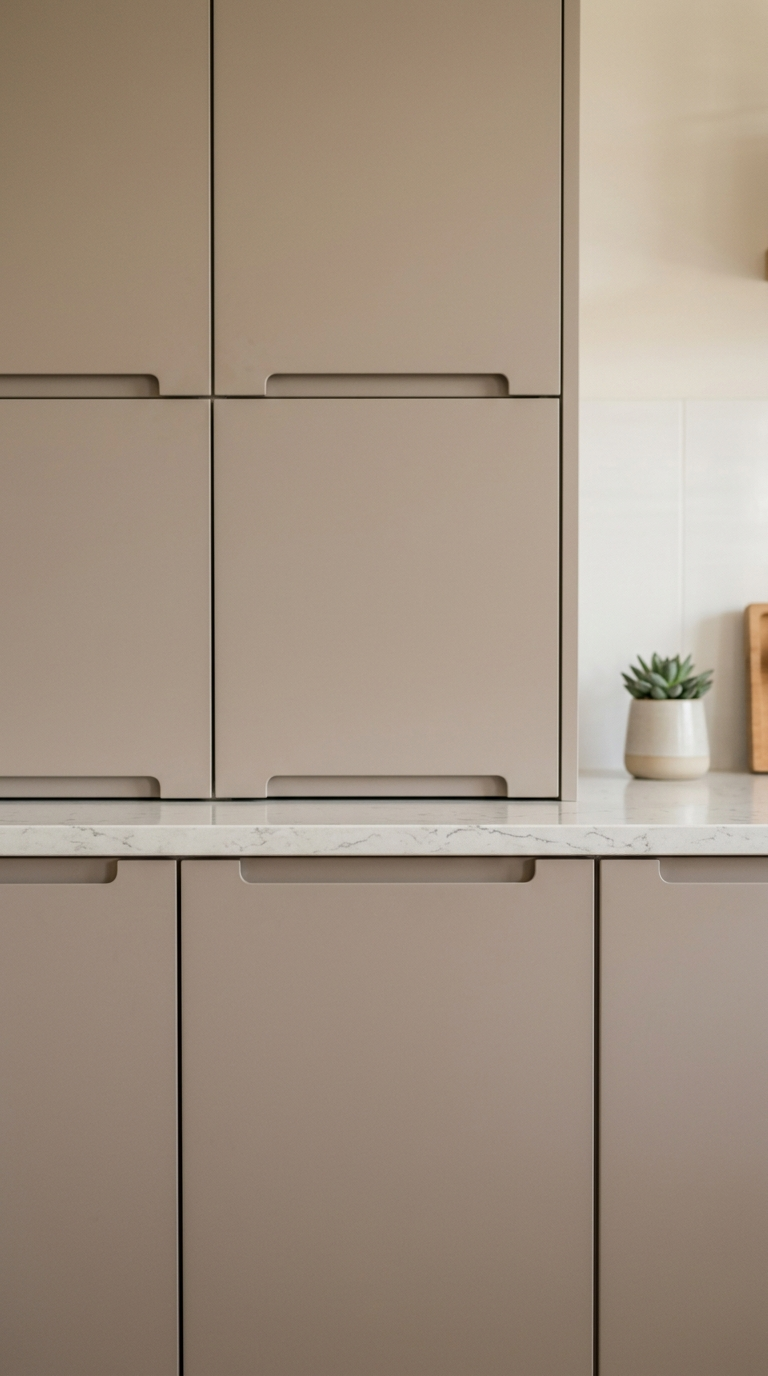
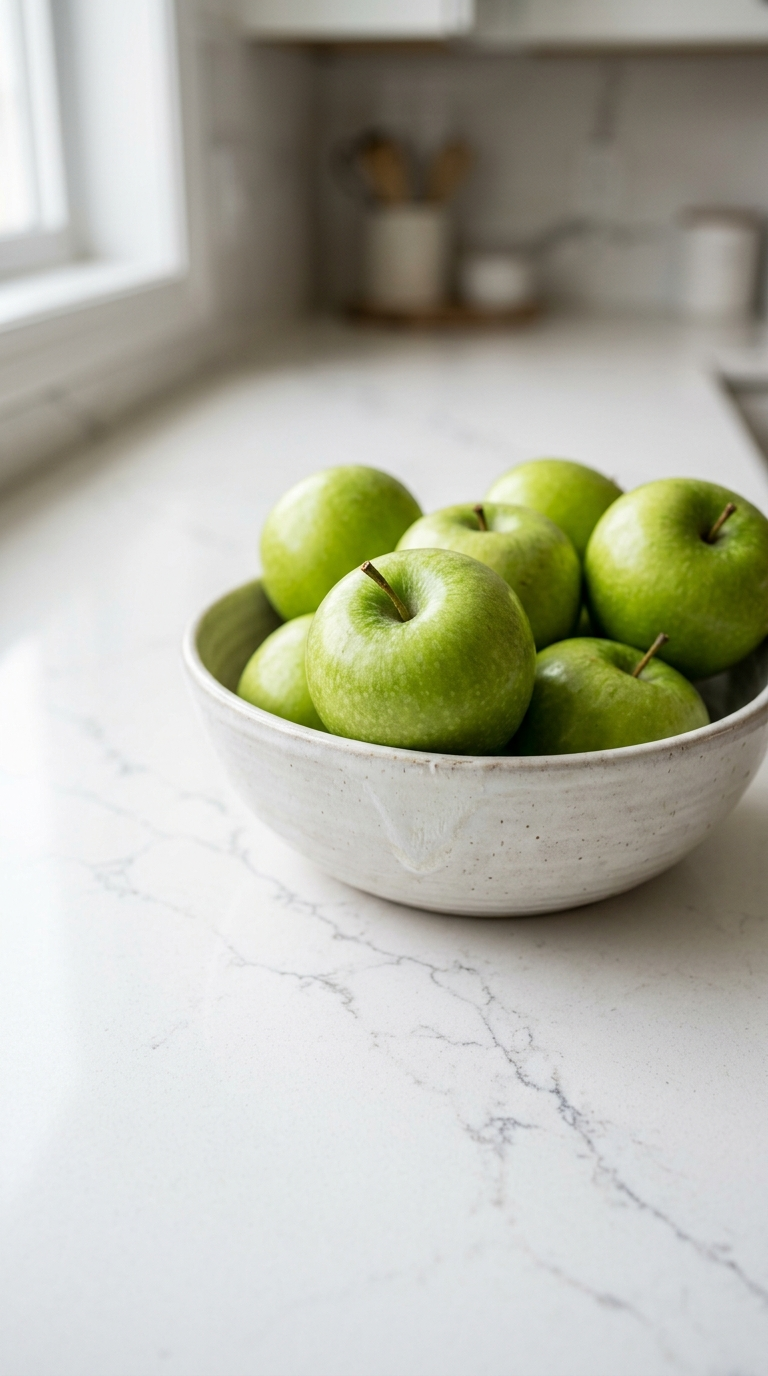
1. Sacrificing Functionality for Extreme MinimalismThe hallmark of modern kitchen design is undeniably minimalism—flat-panel cabinets, integrated appliances, and vast expanses of uninterrupted countertops. However, one of the greatest mistakes made is taking this minimalism too far, resulting in a sterile environment that lacks practicality. When aesthetics trump ergonomics, you end up with a kitchen where essential tools are difficult to access, and the simple act of preparing a meal becomes a chore.For instance, omitting necessary hardware in favor of push-to-open cabinets can look incredibly sleek, but if the mechanism is poorly made, you will find yourself constantly battling stubborn doors while holding greasy utensils. Similarly, hiding everyday appliances so deeply within cabinetry that they are cumbersome to retrieve means you will likely stop using them. The solution is finding a harmonious middle ground. Integrate what you can, but ensure that items used daily remain easily accessible. Embrace “warm minimalism” by allowing carefully curated, functional items like a beautiful espresso machine or a designer fruit bowl to live on the counter, adding life and utility to the space.
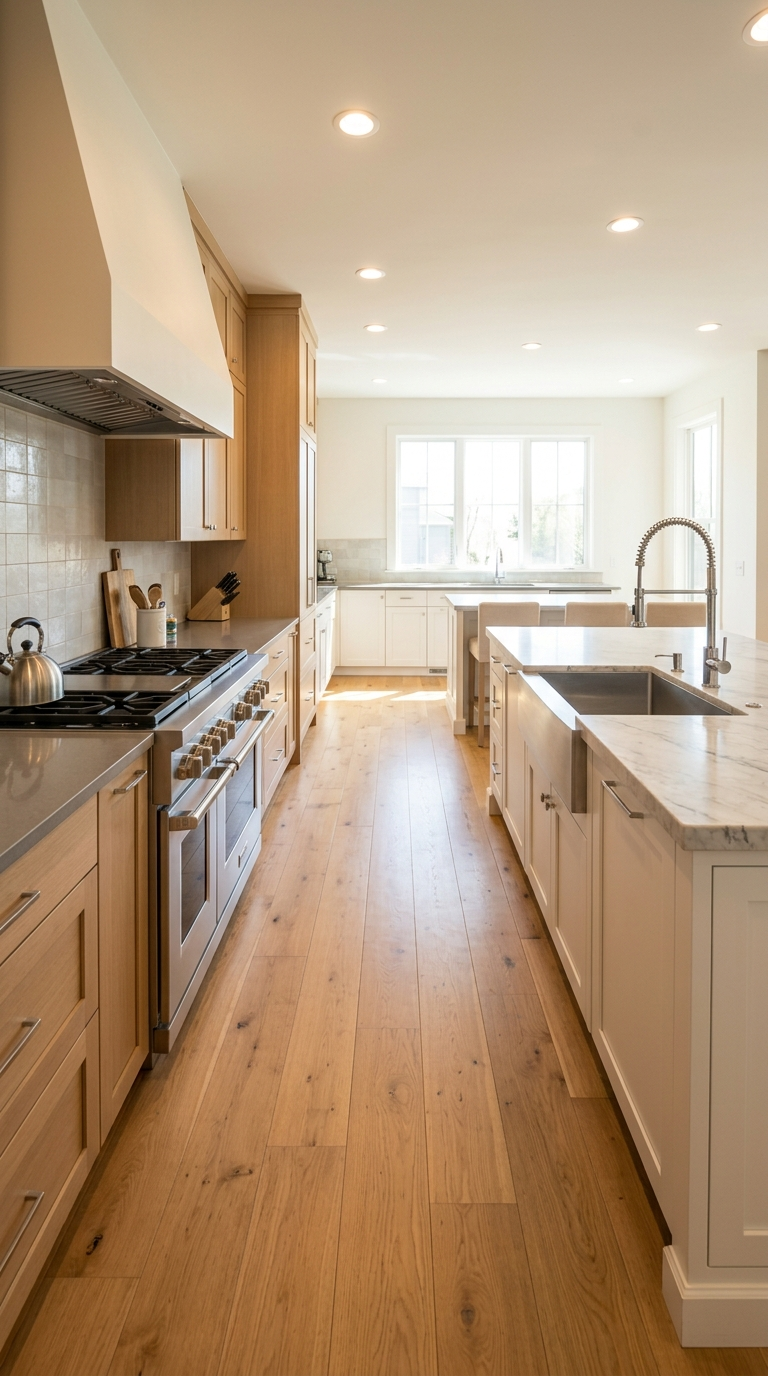
2. Ignoring the Classic Working TriangleThe concept of the kitchen work triangle—the invisible lines connecting the stove, the sink, and the refrigerator—has been a cornerstone of kitchen design for nearly a century. Despite the evolution of modern aesthetics, the necessity of efficient movement remains unchanged. A glaring mistake in many contemporary open-concept kitchens is placing these three vital zones too far apart, obstructed by massive islands, or awkwardly positioned along a single wall without proper spacing.When the workflow is interrupted, cooking becomes exhausting. You should not have to run an obstacle course carrying a pot of boiling pasta from the stove to the sink. To avoid this, map out your movements before committing to a floor plan. Ensure the paths between your prep, cook, and wash zones are clear, direct, and ideally measure between four and nine feet each. If your kitchen layout does not allow for a traditional triangle, adopt the “workstation” philosophy, creating distinct, self-contained zones for prep, cooking, and baking.
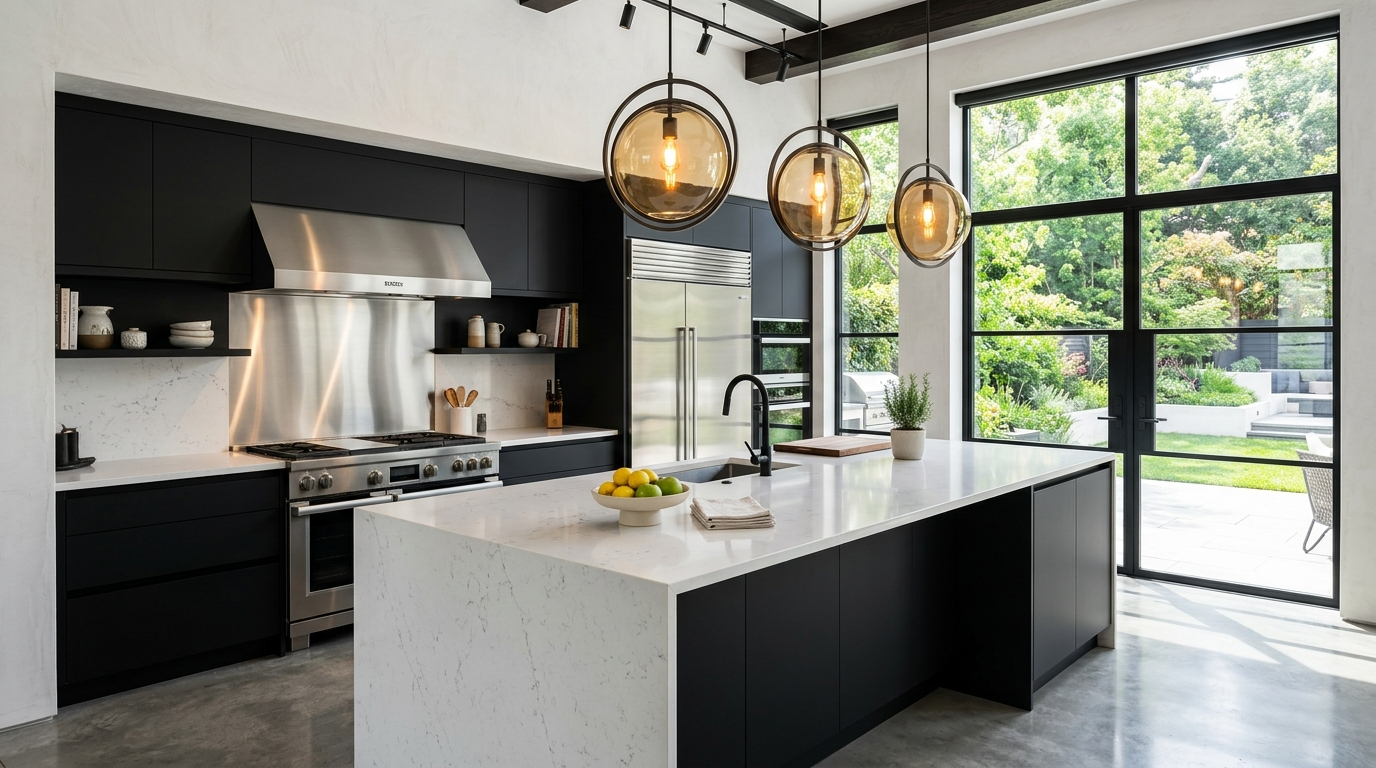
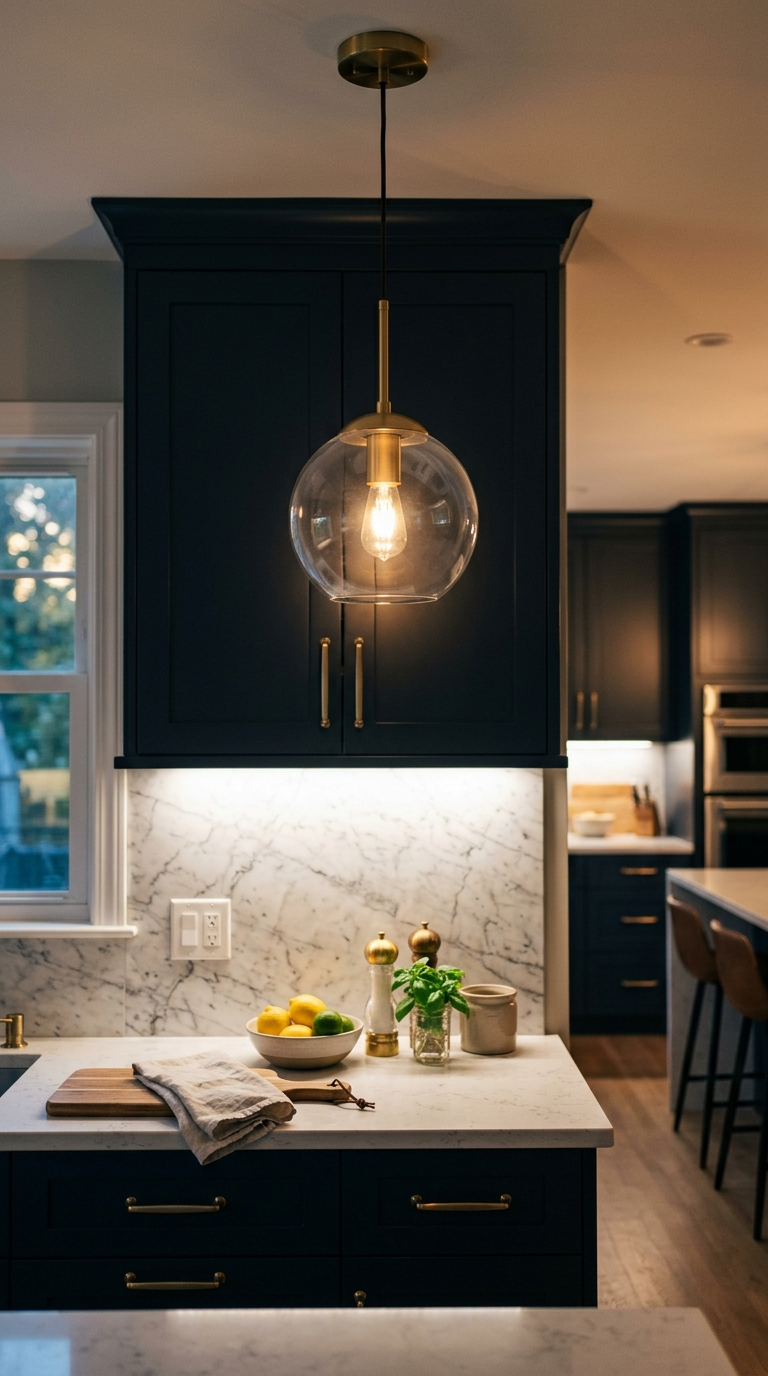
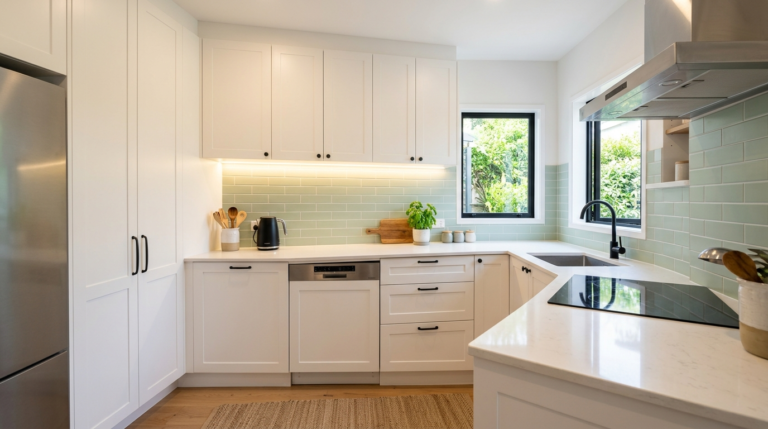
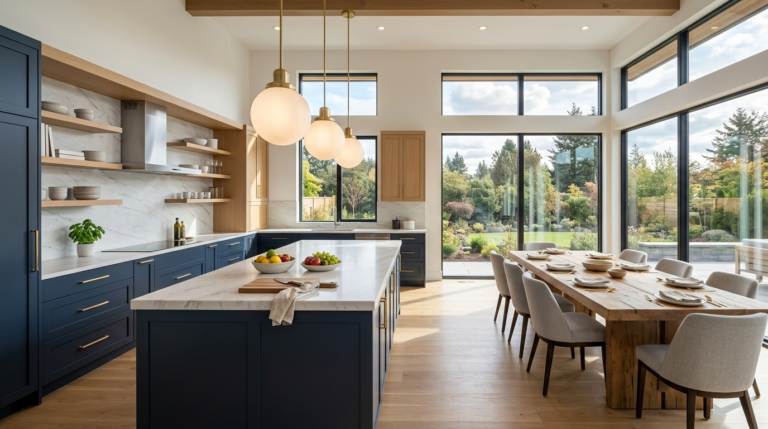
3. Inadequate and Poorly Layered LightingLighting is often treated as an afterthought in kitchen renovations, resulting in spaces that are either aggressively bright or frustratingly dim. Relying solely on a grid of recessed ceiling lights is a major faux pas. This approach casts harsh shadows over your countertops where you need visibility the most, making precision tasks like chopping vegetables dangerous and tiring on the eyes.A successful modern kitchen requires a layered lighting scheme consisting of ambient, task, and accent lighting. Task lighting is paramount; under-cabinet LED strips are non-negotiable for illuminating workspaces effectively. Ambient lighting provides overall illumination, which can be achieved with carefully placed flush mounts or softer recessed cans. Finally, accent lighting, such as dramatic pendant fixtures over the island, introduces personality and focal points. Be sure to put your lights on dimmer switches, allowing you to transition the mood from a bright, functional workspace during the day to a warm, inviting entertaining area in the evening.
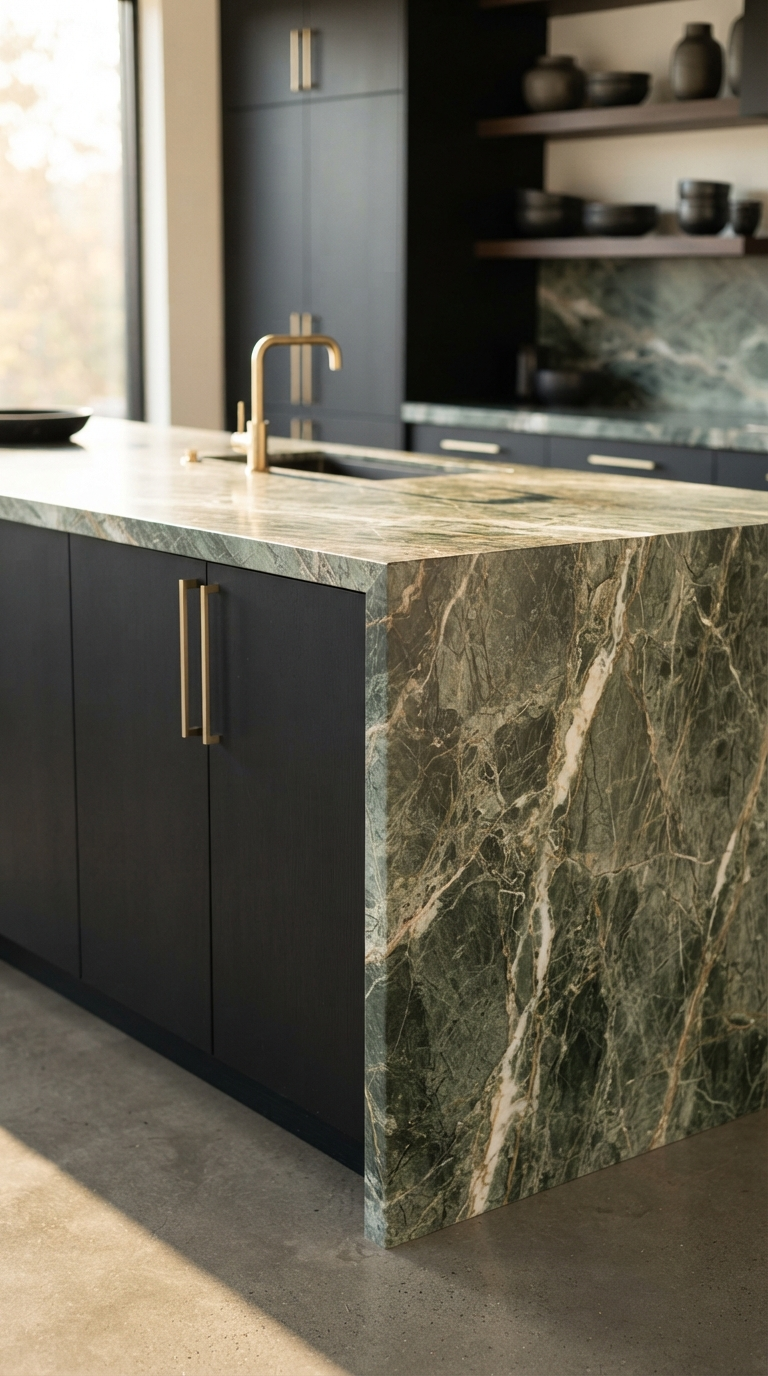
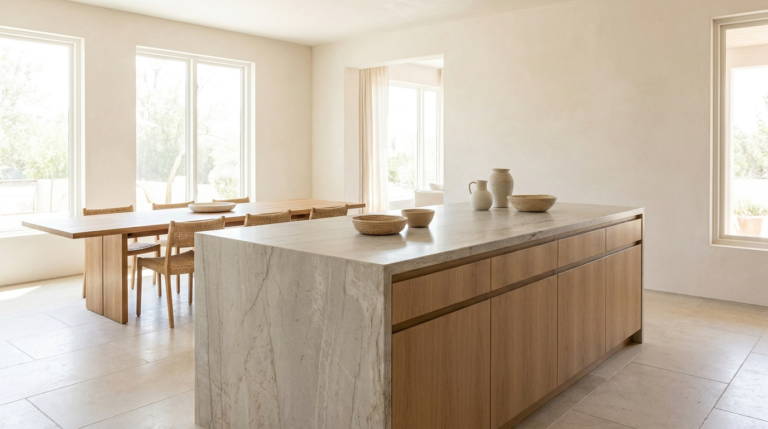
4. Choosing High-Maintenance SurfacesIt is easy to fall in love with the dramatic veining of authentic marble countertops or the sleek reflection of high-gloss, dark cabinetry in a showroom. However, the reality of living with these materials is often much less glamorous. Natural marble is porous and prone to etching from acidic foods like lemons and tomatoes, requiring constant vigilance and frequent resealing. High-gloss dark cabinets, while striking, act as magnets for fingerprints, smudges, and dust, demanding daily wiping to maintain their pristine appearance.To avoid becoming a slave to your kitchen’s upkeep, prioritize durable, low-maintenance materials that mimic the look of natural elements without the fragility. Engineered quartz countertops offer the luxurious appearance of marble but are non-porous, highly resistant to stains and scratches, and require no sealing. For cabinetry, consider matte finishes or textured wood laminates that hide fingerprints beautifully while still delivering a sophisticated, modern aesthetic.
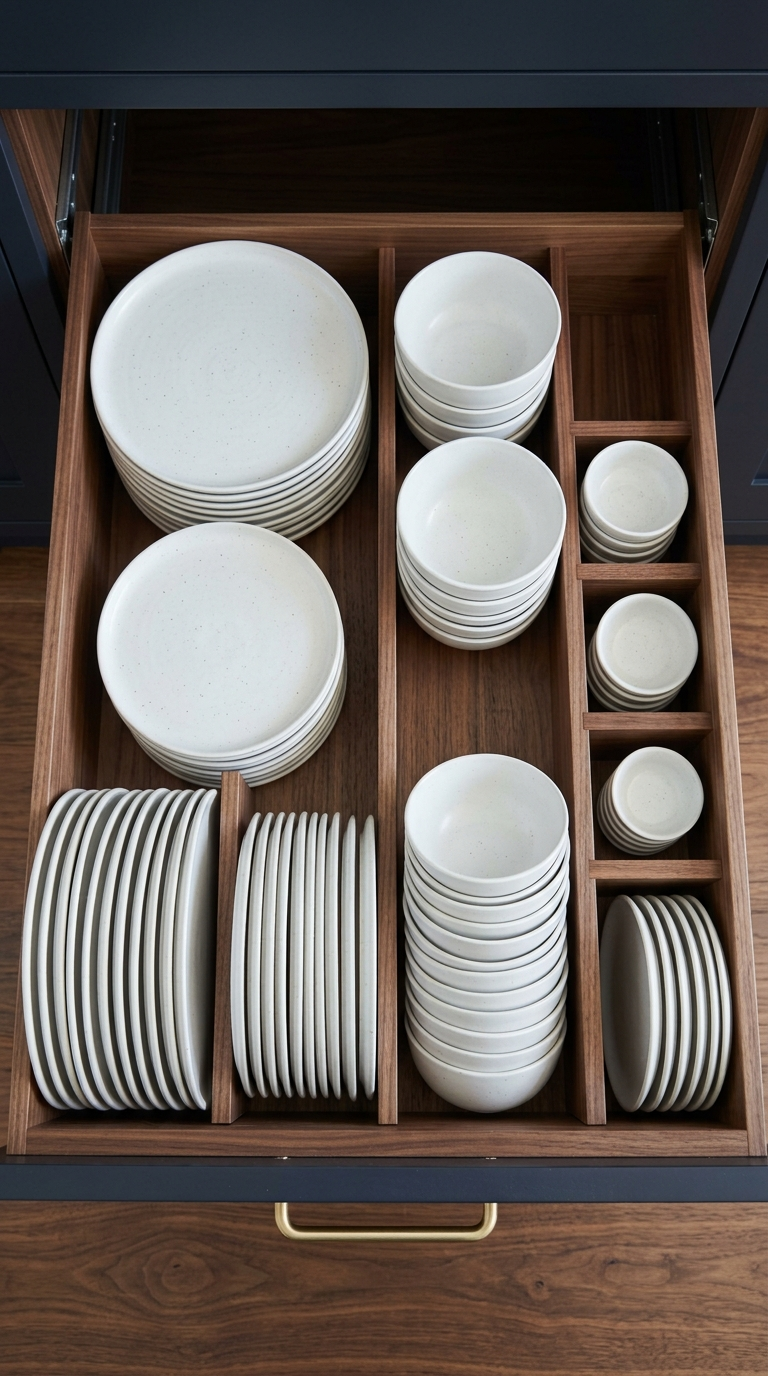
5. Overlooking Sufficient and Smart StorageA modern kitchen only looks modern when the counters are clear of clutter. One of the most critical errors homeowners make is underestimating their storage needs. Opting for floating shelves instead of upper cabinets is a popular trend that opens up the space, but it drastically reduces concealed storage. If you do not have a dedicated pantry or enough lower cabinet space, those open shelves will quickly become crammed with mismatched mugs and ugly cereal boxes, ruining the minimalist aesthetic.Prioritize smart, deep storage solutions. Drawers are vastly superior to traditional lower cabinets with doors, as they allow you to pull out the entire contents and see everything at a glance without crouching on the floor. Invest in custom internal organizers for spices, utensils, and pots. If you choose open shelving, balance it with floor-to-ceiling pantry cabinets elsewhere in the room to ensure you have ample space to hide the less attractive necessities of daily life.
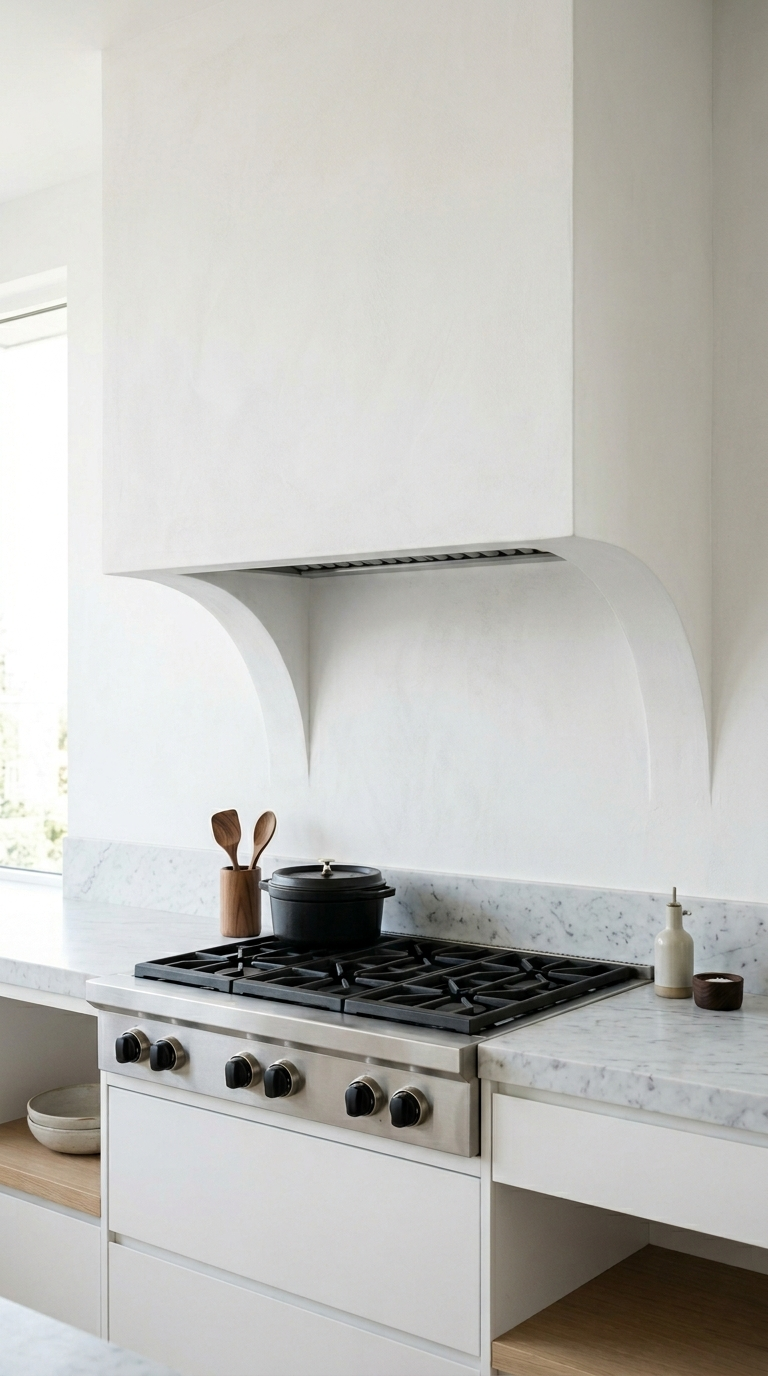
6. Neglecting Proper VentilationIn the age of open-concept living, where the kitchen seamlessly flows into the living and dining areas, proper ventilation is more critical than ever. Yet, many modern designs prioritize a sleek, hidden aesthetic over a powerful range hood, opting for low-profile downdraft systems or underpowered integrated units. The result is a home that constantly smells of yesterday’s cooking, with lingering airborne grease settling on your beautiful furniture and upholstery.Do not compromise on your extraction system. A high-quality range hood with adequate CFM (Cubic Feet per Minute) power is essential. Fortunately, modern design offers stunning ventilation options that do not sacrifice aesthetics. You can choose a bold, architectural metal hood that serves as a statement piece, or a powerful flush-mounted ceiling cassette that removes odors effectively while remaining completely unobtrusive. Whatever you choose, ensure it vents outside rather than simply recirculating the air.
Discover the most exquisite kitchen and dining room design trends of the year. Elevate your culinary spaces with our expert premium styling tips today!
Discover the most anticipated kitchen and dining room trends of the year. From stunning natural stones to seamless integration, explore luxury designs.
Struggling with a cramped cooking space? Discover the most common small kitchen decor mistakes and learn how to maximize your storage, light, and style.
Discover upcoming design trends for dark and black kitchens, featuring luxury matte textures, rich metallic accents, and dramatic integrated lighting profiles.
Discover the most common kitchen design mistakes and learn how to avoid them. Transform your cooking and dining area into a flawless, functional space.
Discover the latest sustainable design trends for your kitchen and dining areas. Explore organic materials, minimalist layouts, and earthy color palettes.